Photos and story by David Poole
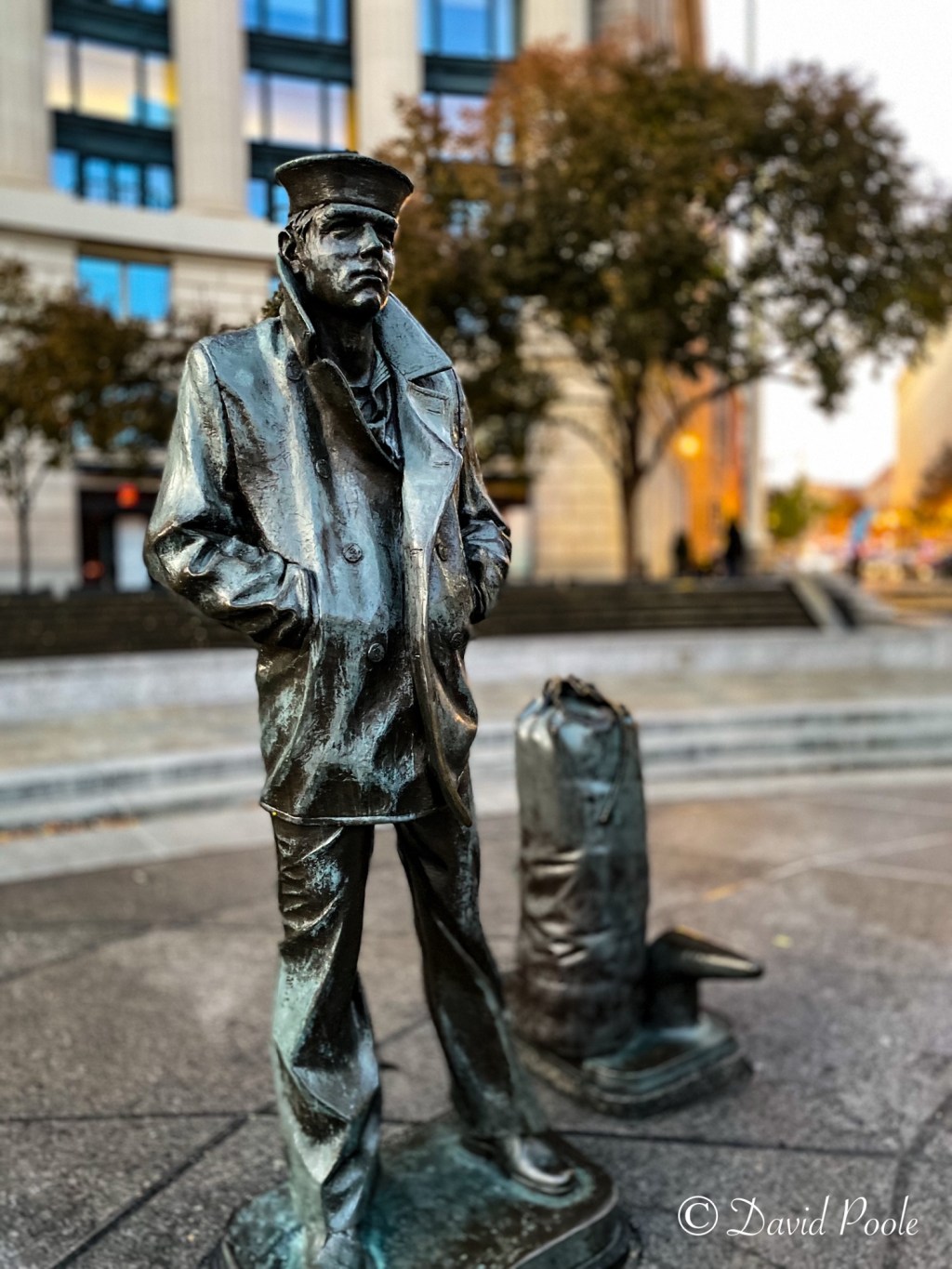
While walking the National Mall during golden hour, I stopped to photograph one of the more quietly powerful tributes in D.C.—The Lone Sailor statue, located just outside the National Archives. This figure stands as a symbol of all who have served in the U.S. Navy, representing both honor and solitude. The contrast of bronze and stone against the soft, fading light created the perfect opportunity to slow down and reflect through photography.
“The Lone Sailor may be a statue, but through the lens, he becomes a reminder of those quiet moments of waiting, traveling, and sacrifice.”
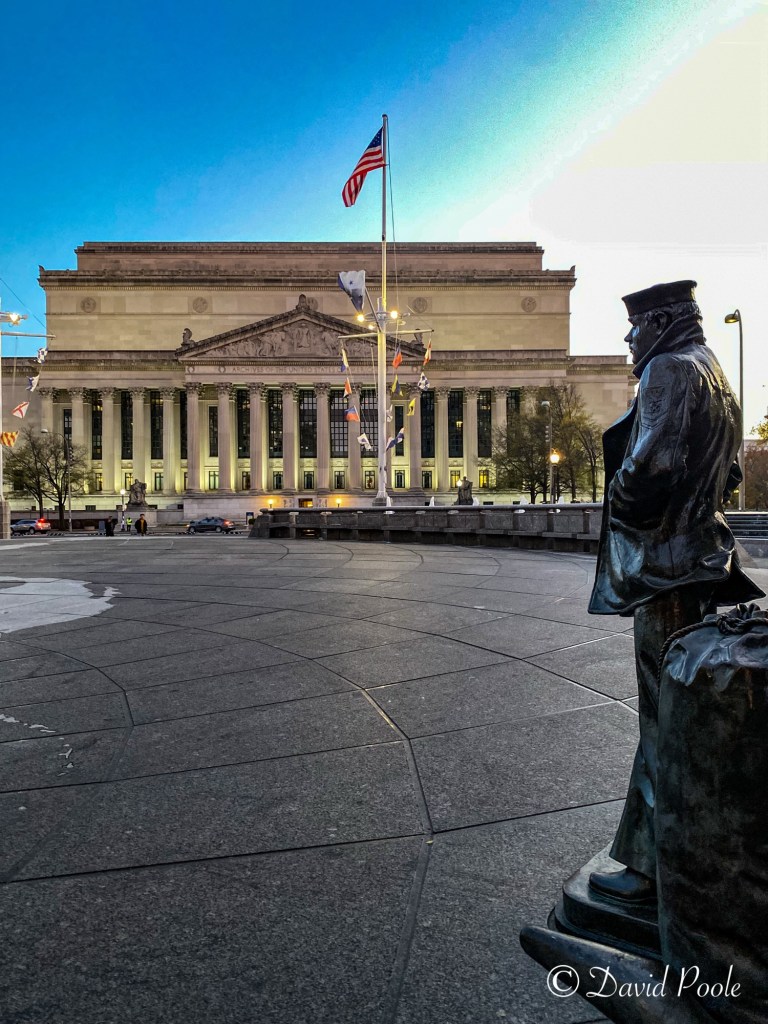
The Lone Sailor statue stands in silent reflection, facing the National Archives building in Washington, D.C.—a powerful tribute to service, memory, and history
Composition & Creative Approach
The first image frames the statue from behind, gazing toward the National Archives building just as the city lights begin to glow against the deep blue sky. I composed it wide to balance the lone figure with the architectural symmetry and American flags above.
The second shot tightens the frame for a portrait-style perspective. This highlights the sailor’s detailed expression and gear, with a shallow depth of field blurring the cityscape behind him. I wanted the viewer to feel like they had walked right up to the statue for a conversation.
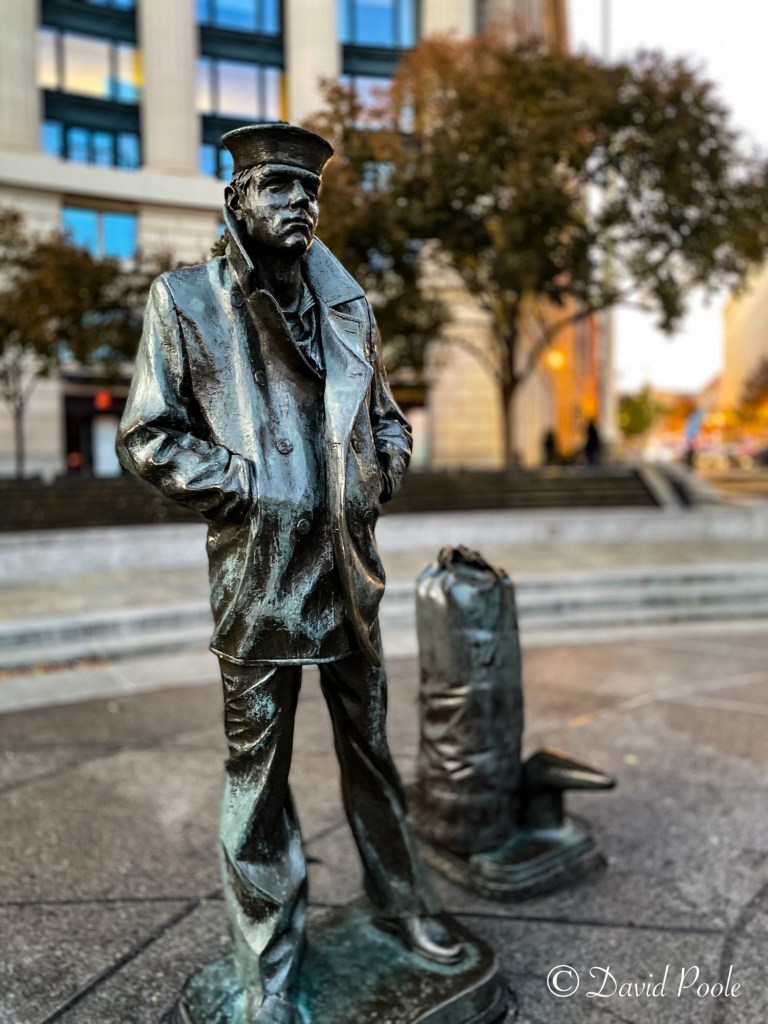
A front portrait of the Lone Sailor statue in Washington, D.C., capturing the solemn expression and dignified stance as he faces the National Archives in quiet tribute
Gear Used
• Camera: Canon R5
• Lens: Canon RF 50mm f/1.2L
• Tripod: K&F Concept Carbon Fiber Tripod
• Editing: Lightroom (iPad Pro)
• Selective radial filters for depth
• Texture slider to enhance bronze details
• Minimal color grading to preserve realism
Photography Tips
• Golden + Blue Hour: These times give you soft, directional light with rich contrast—perfect for monuments.
• Perspective: Lower angles create more presence and power in statues. Don’t shoot everything from eye level.
• Background Awareness: A wide aperture (like f/1.2–f/2.8) helps isolate the subject and reduce distracting background elements.
• Surface Reflections: Slightly wet pavement or stone can enhance contrast and mood. Look for patterns or shine in the ground.
Historical Note
The Lone Sailor is a life-size bronze statue created by artist Stanley Bleifeld and dedicated in 1987 by the United States Navy Memorial Foundation. It represents the personal experiences of every Navy service member—standing watch, ready to deploy, duffle bag at his side. Positioned in the heart of the nation’s capital, the statue serves as a powerful tribute to those who’ve served and sacrificed across all naval conflicts.
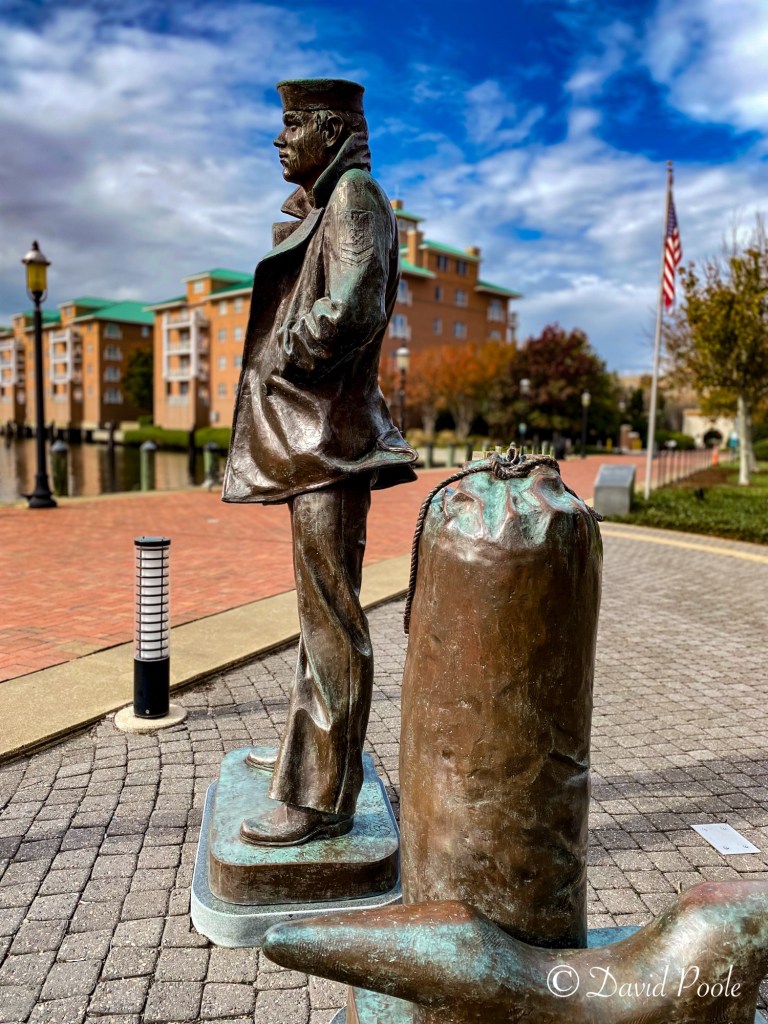
A side view of the Lone Sailor statue in Norfolk, Virginia, captures the sailor’s steady gaze and weathered sea bag, symbolizing honor and readiness by the water’s edge
Final Thoughts
The Lone Sailor statue isn’t just bronze and detail—it’s memory cast in metal. It honors every sailor who ever stood on a pier and looked out over uncertain waters, carrying hope, fear, pride, and purpose. Capturing it through the lens reminded me why photography matters—it freezes emotion, preserves light, and offers space for reflection.
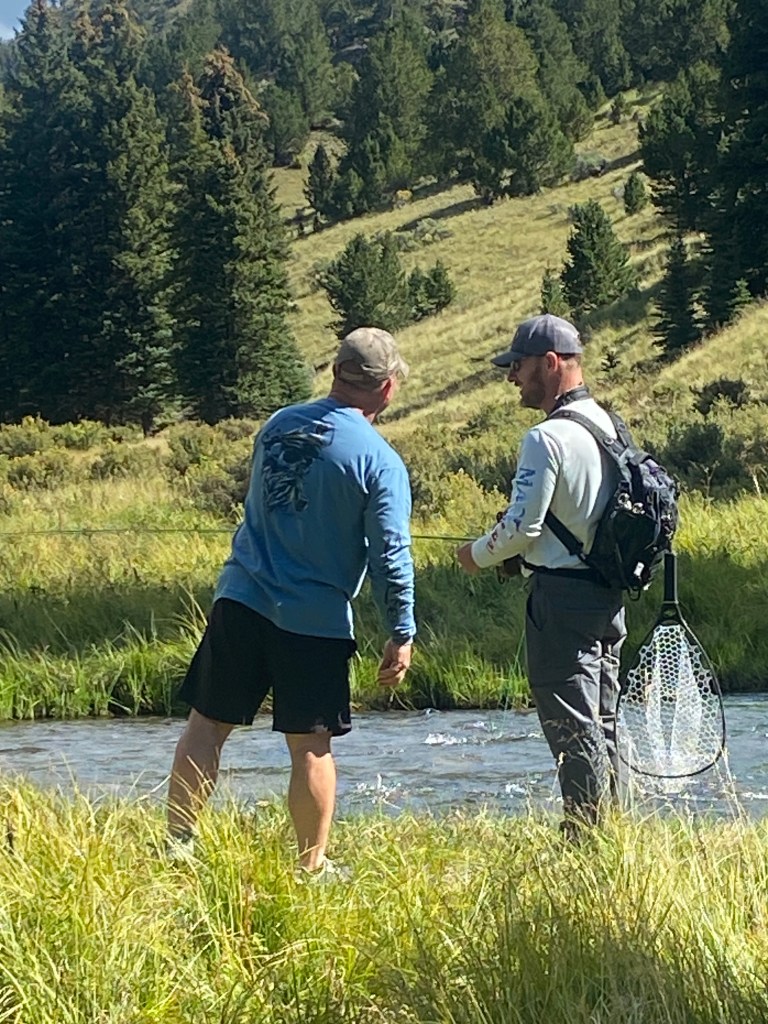
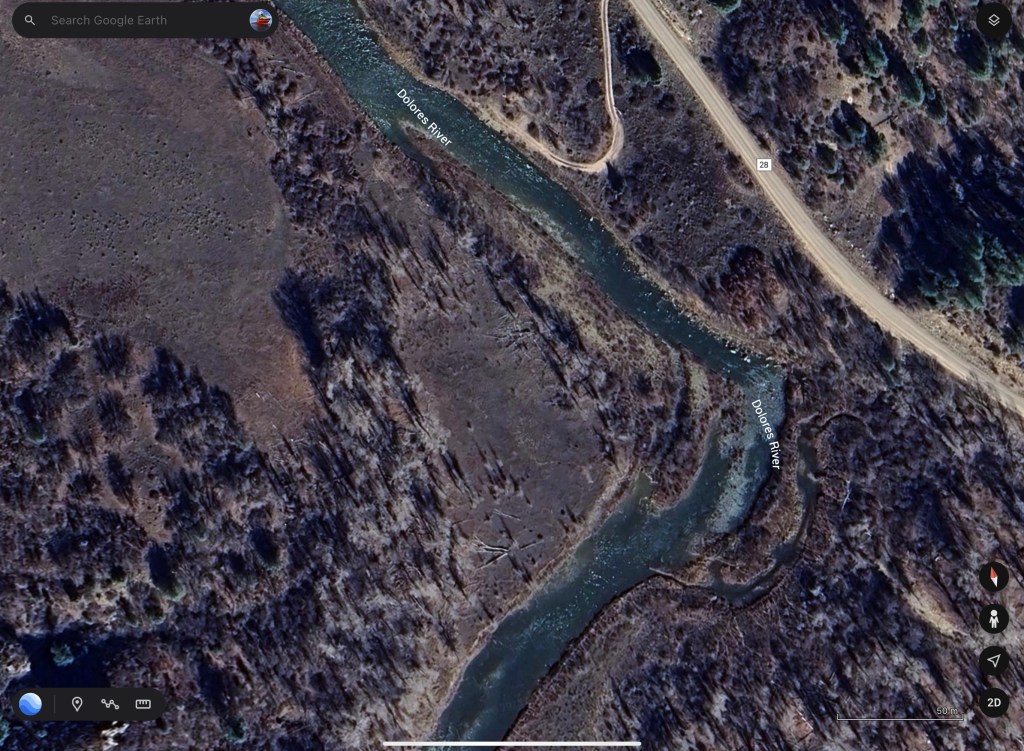
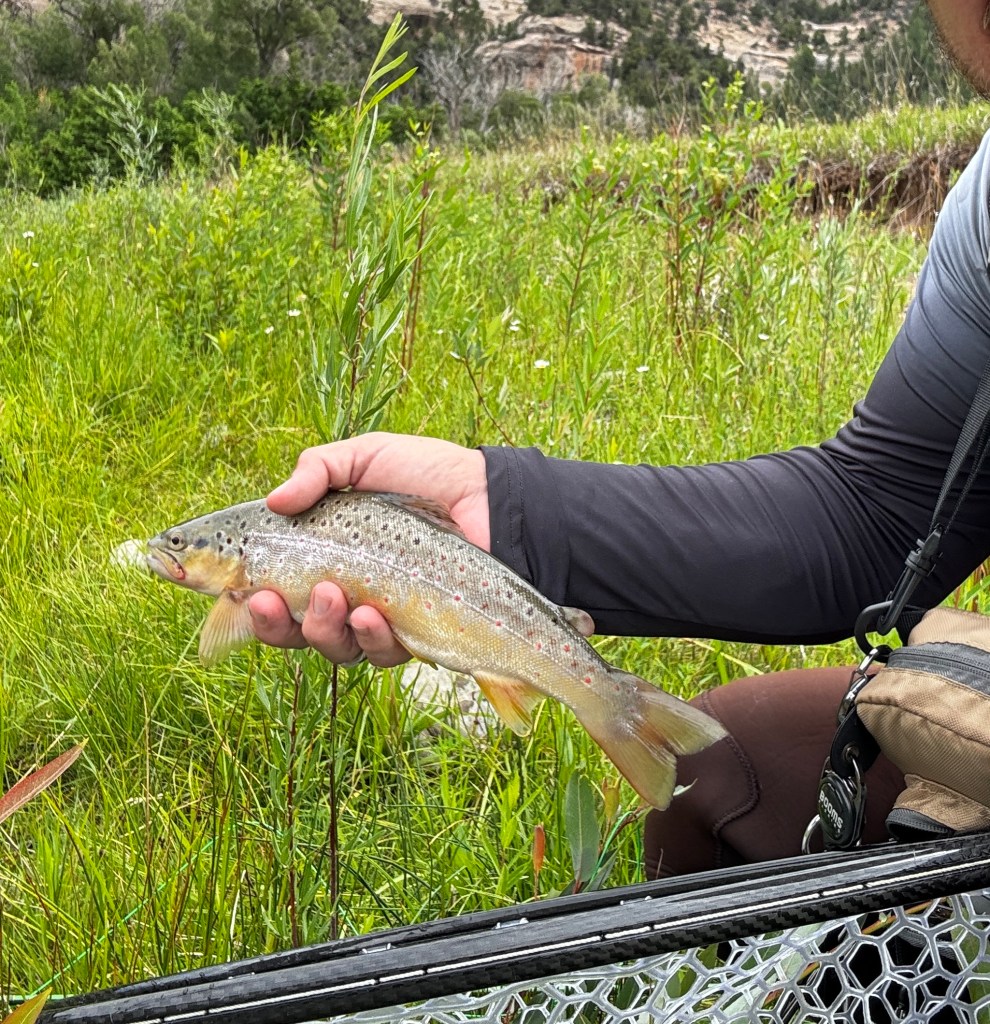
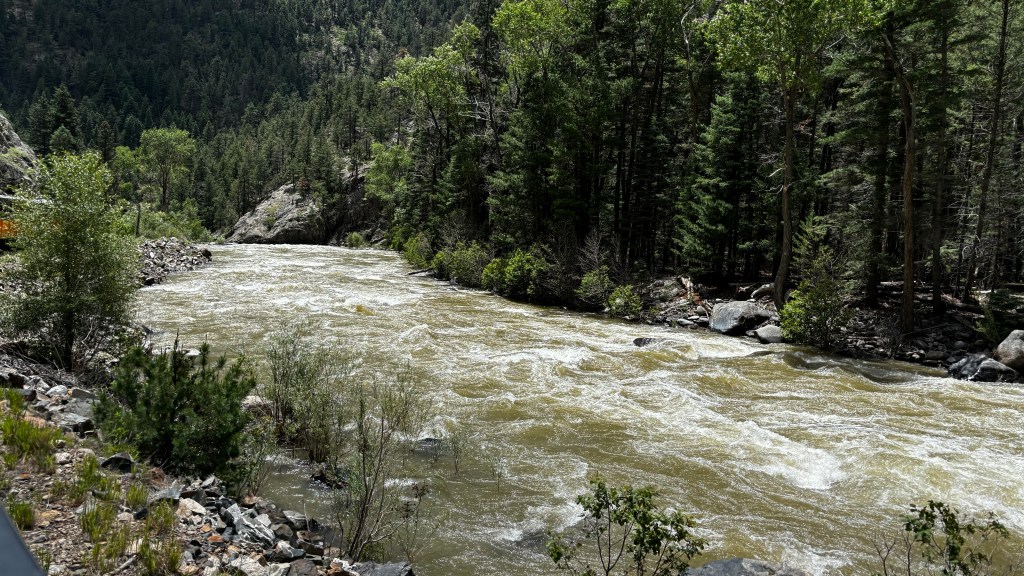
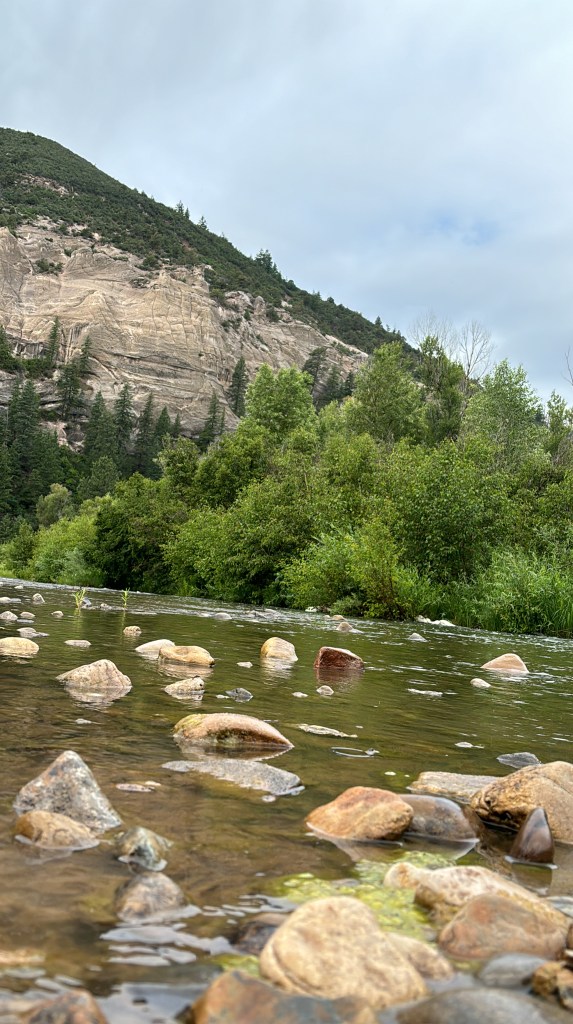
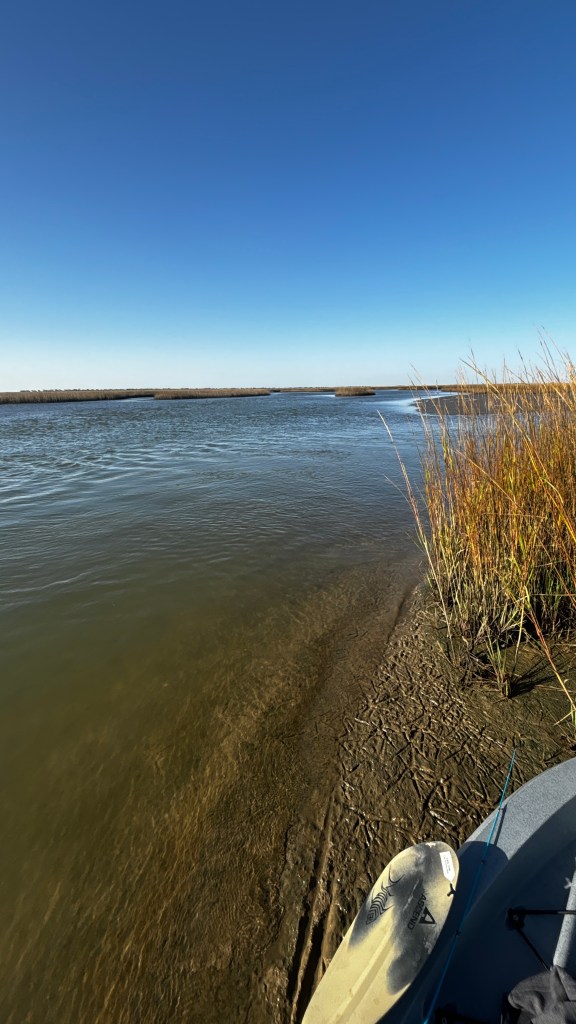
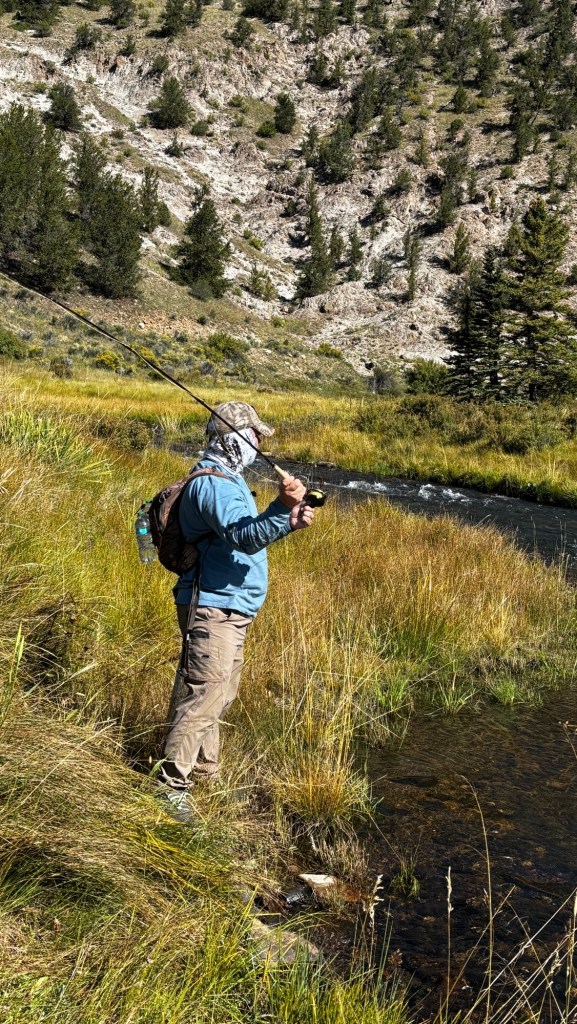
Whether I’m out fly fishing in the Rockies or walking through a city with camera in hand, moments like these remind me that stillness can speak just as loudly as motion. This statue, set against the hustle of Washington, D.C., tells a quiet story of duty and distance—and invites each of us to pause and remember.
“Some monuments don’t just honor history—they make you feel it.”
Thanks for reading and stepping into this moment with me. More photo essays, fishing stories, and explorations coming soon. Until then, keep your eyes open and your shutter ready—because meaning lives in the details.
















 Beyond the Cast
Let me know your thoughts in the comments below!