Category: Texas saltwater fishing

Texas Inshore Saltwater Fishing Folder

This folder covers everything you need to know about fishing the Texas coast, from Galveston to Matagorda Bay. Inside, you’ll find tips on targeting redfish, speckled trout, and flounder, along with seasonal strategies, tidal movement insights, and the best lures and baits. Whether you’re wading the flats, fishing from a kayak, or drifting the bay, this folder is your go-to resource for Texas inshore fishing.

  • Beyond the Cast: Saltwater Fly Fishing for Redfish and Speckled Trout in Galveston West Bay

    Beyond the Cast: Saltwater Fly Fishing for Redfish and Speckled Trout in Galveston West Bay

    Introduction

    Saltwater fly fishing in Galveston West Bay is one of the most exciting and rewarding ways to target inshore species like redfish and speckled trout. With spring bringing warmer water temperatures and shifting feeding patterns, now is the perfect time to grab your fly rod and explore the marshes, grass flats, and channels of the Texas coast.

    Whether you’re a seasoned fly angler or just getting started with saltwater fly fishing in Galveston, this guide covers everything you need to know—from essential gear and fly patterns to casting techniques and current fishing conditions.

    Essential Gear for Saltwater Fly Fishing in Galveston

    Fly Rod

    A 9-foot, 8-weight fly rod is ideal for targeting redfish and speckled trout. It offers the power to handle wind and cast larger flies while maintaining the finesse needed for accurate presentations. For windy days or larger fish, consider a 9- or 10-weight rod.

    Fly Reel

    Choose a saltwater fly reel with a sealed drag system and corrosion-resistant materials like anodized aluminum. Smooth drag is essential when dealing with the strong, fast runs of redfish or trout hooked in moving water.

    Fly Line

    A weight-forward floating line is the go-to for shallow flats fly fishing. For deeper channels or windier conditions, an intermediate sinking line will help get your fly in the strike zone.

    Leader and Tippet

    Seaguar Red Label Fluorocarbon in 15 lb test is my preferred choice for leader and tippet material. It’s abrasion-resistant and nearly invisible underwater—key for targeting spooky fish in clear coastal waters.

    Best Saltwater Fly Patterns for Redfish and Speckled Trout

    Top Redfish Flies

    Clouser Minnow (Chartreuse/White) – A must-have fly pattern that imitates baitfish.

    Redfish Crack Fly – Perfect for tailing reds in shallow marshes.

    Merkin Crab – A great choice for redfish feeding around oyster beds and muddy bottoms.

    Deceiver (Redfish Colors) – Mimics struggling baitfish, excellent for murky water.

    Puglisi Baitfish Fly – Realistic baitfish profile for sight-casting.

    Top Speckled Trout Flies

    Lefty’s Deceiver (Chartreuse/White) – Proven pattern for trout over grass flats.

    Sea Habit – Effective around structure and drop-offs.

    Whistler Fly (Pink & White) – Perfect for topwater action in warmer months.

    Schminnow – Imitates shrimp and small baitfish.

    Killer Baitfish – Bright colors trigger strikes during low light or murky water.

    Why These Patterns Work

    Each fly pattern is designed to mimic key prey like shrimp, crabs, or baitfish—staples in the diet of redfish and speckled trout. Matching the hatch with realistic movement and size will drastically improve your success rate when fly fishing the Texas coast.

    Saltwater Fly Casting Techniques

    Double Haul Cast

    Mastering the double haul will improve your casting distance and control, especially in windy coastal conditions. Practice it on dry land before hitting the flats.

    Sight-Casting

    Spotting and casting to visible fish is one of the most thrilling aspects of saltwater fly fishing. Aim ahead of cruising redfish or trout to give your fly a natural presentation.

    Redfish tailing in the shallow flats of Galveston West Bay during low tide

    A tailing redfish feeds in the skinny water of Galveston’s flats—prime conditions for sight-casting with a fly rod

    Strip Set

    Instead of lifting the rod, strip-set by pulling the line tight with your non-casting hand. This sets the hook directly into the fish’s mouth without pulling the fly out.

    Best Places to Fly Fish for Redfish & Speckled Trout in Galveston

    Redfish Hotspots

    • Shallow marsh drains on an incoming tide

    • Mud flats near shell and grass beds

    • Potholes along leeward shorelines

    Speckled Trout Zones

    • Grass flats in 3–5 feet of water

    • Shell drop-offs near marsh edges

    • Deeper structure during outgoing tides

    Fly Fishing Retrieve Techniques

    Redfish: Use slow strips with long pauses. If a fish follows but hesitates, stop the fly and twitch gently to trigger a bite.
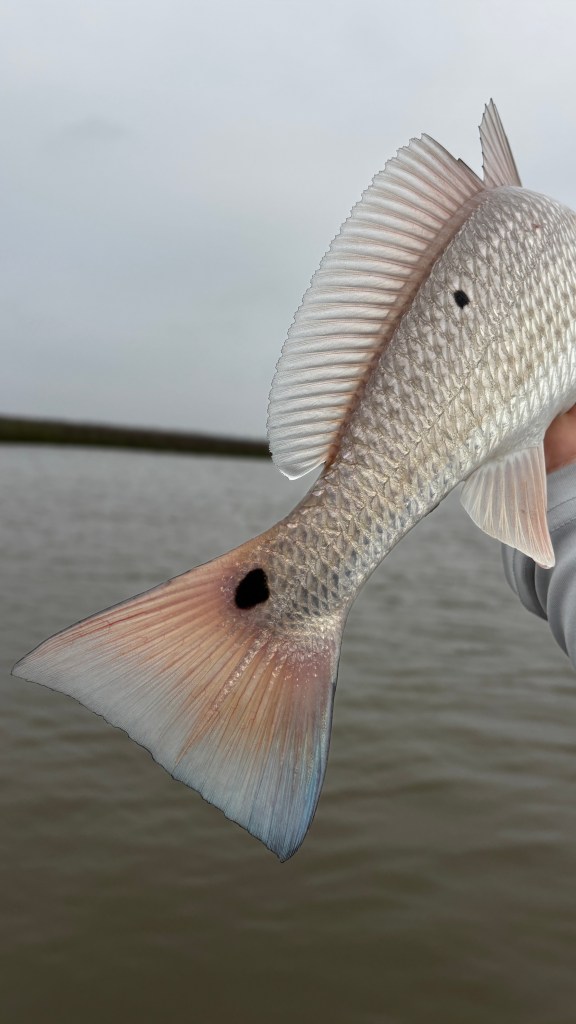
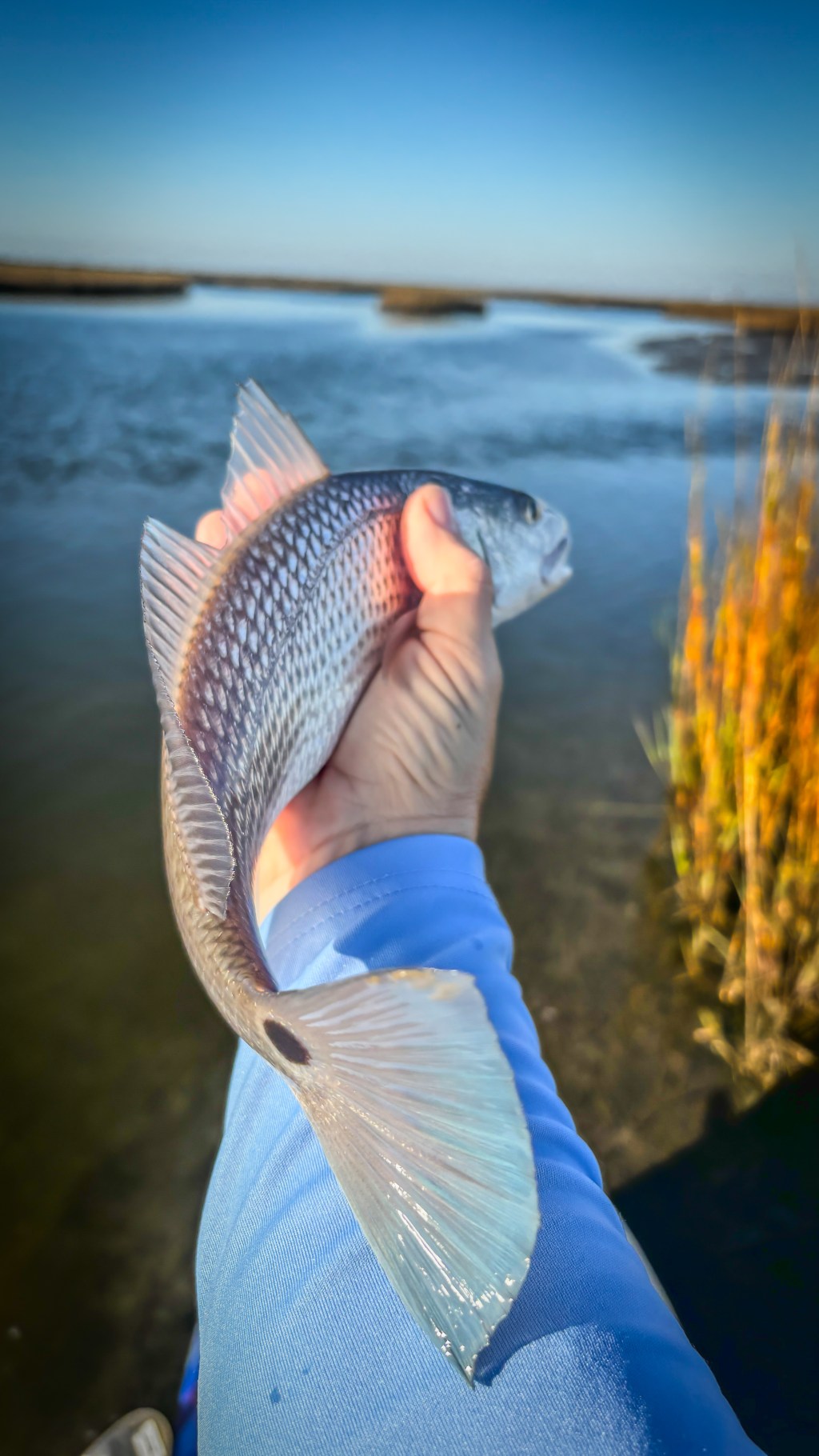
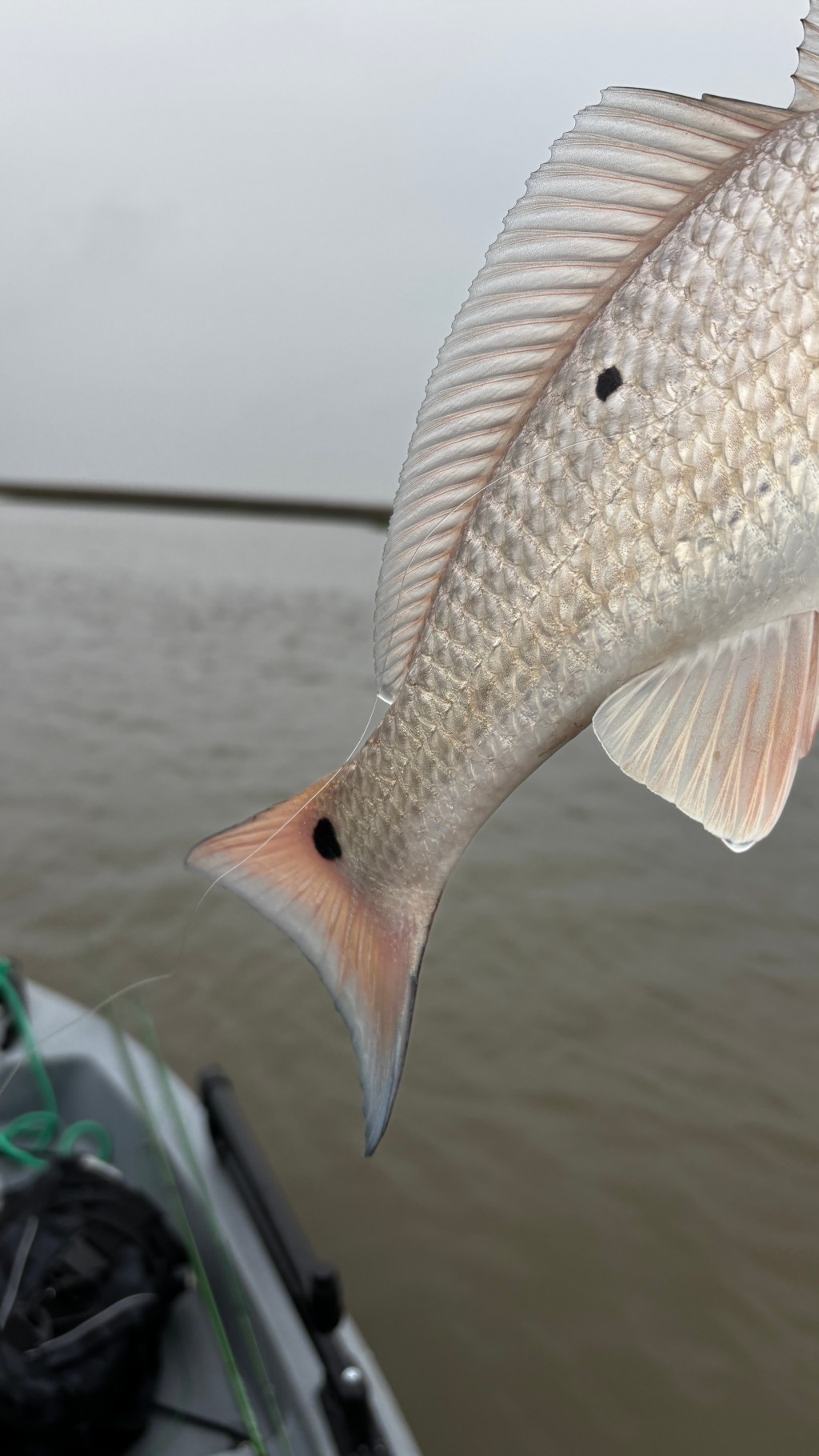
    Redfish caught in Galveston West Bay using an imitation crab fly, displayed in shallow coastal water

    This redfish crushed an imitation crab fly in the marshy flats of Galveston West Bay—one of the most effective patterns for targeting reds in shallow water

    Speckled Trout: A consistent strip with occasional pauses mimics injured baitfish—perfect for aggressive trout.

    Recent Fly Fishing Report – Galveston West Bay

    Weather & Water Conditions

    Air Temps: Mild spring temperatures

    Water Temps: Mid-60s

    Wind: SE at 5–10 mph

    Water Clarity: Clear in protected marshes; stained on windward flats

    Tide: Incoming morning, outgoing evening

    What’s Working Right Now:

    Redfish: Redfish Crack Fly (tan/gold), Kwan Fly, EP Shrimp

    Speckled Trout: Clouser Minnow, Gurgler Fly, Seaducer

    Last week’s outgoing tides pushed bait into channels where redfish staged along marsh edges. The Clouser Minnow was deadly in 3–5 feet over grass beds, while the EP Shrimp shined for reds tailing over soft mud bottoms.

    Final Thoughts: Fly Fishing the Texas Coast in Spring
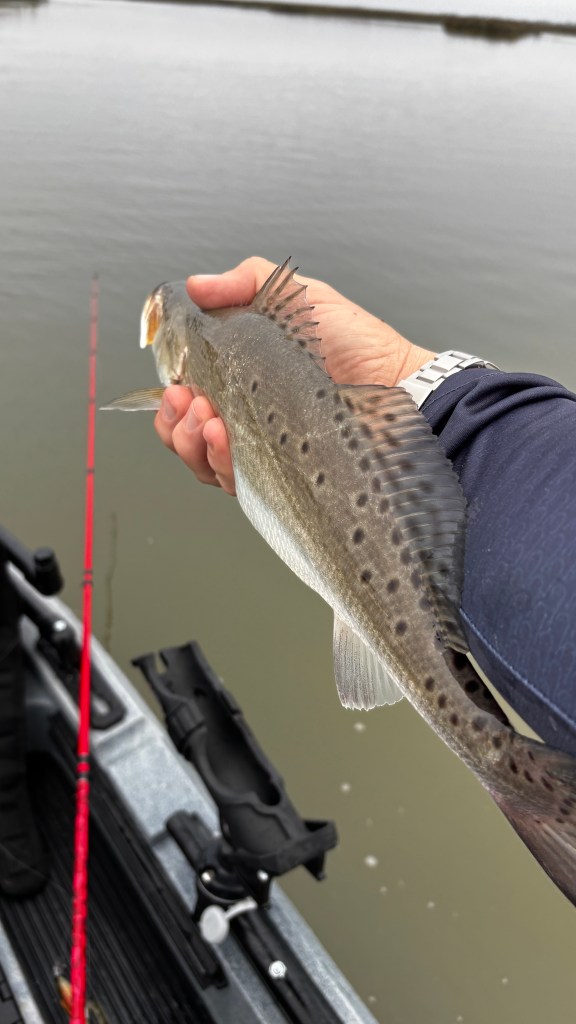
    Speckled trout caught on a fly rod in Galveston West Bay during spring fly fishing trip
    Speckled trout landed on the fly in Galveston West Bay—sighted in shallow water and fooled with a chartreuse Clouser Minnow

    Fly fishing for redfish and speckled trout in Galveston West Bay is heating up with spring’s arrival. With improving conditions, longer days, and active fish, now is a great time to target Texas inshore species on the fly.

    If you’re planning a trip this week, focus on early mornings and late afternoons. Look for clean water near current, match your fly to the forage, and practice quiet, accurate presentations.

    Tight lines!
  • In-Depth Spring Redfish Behavior in Freeport & Galveston

    In-Depth Spring Redfish Behavior in Freeport & Galveston

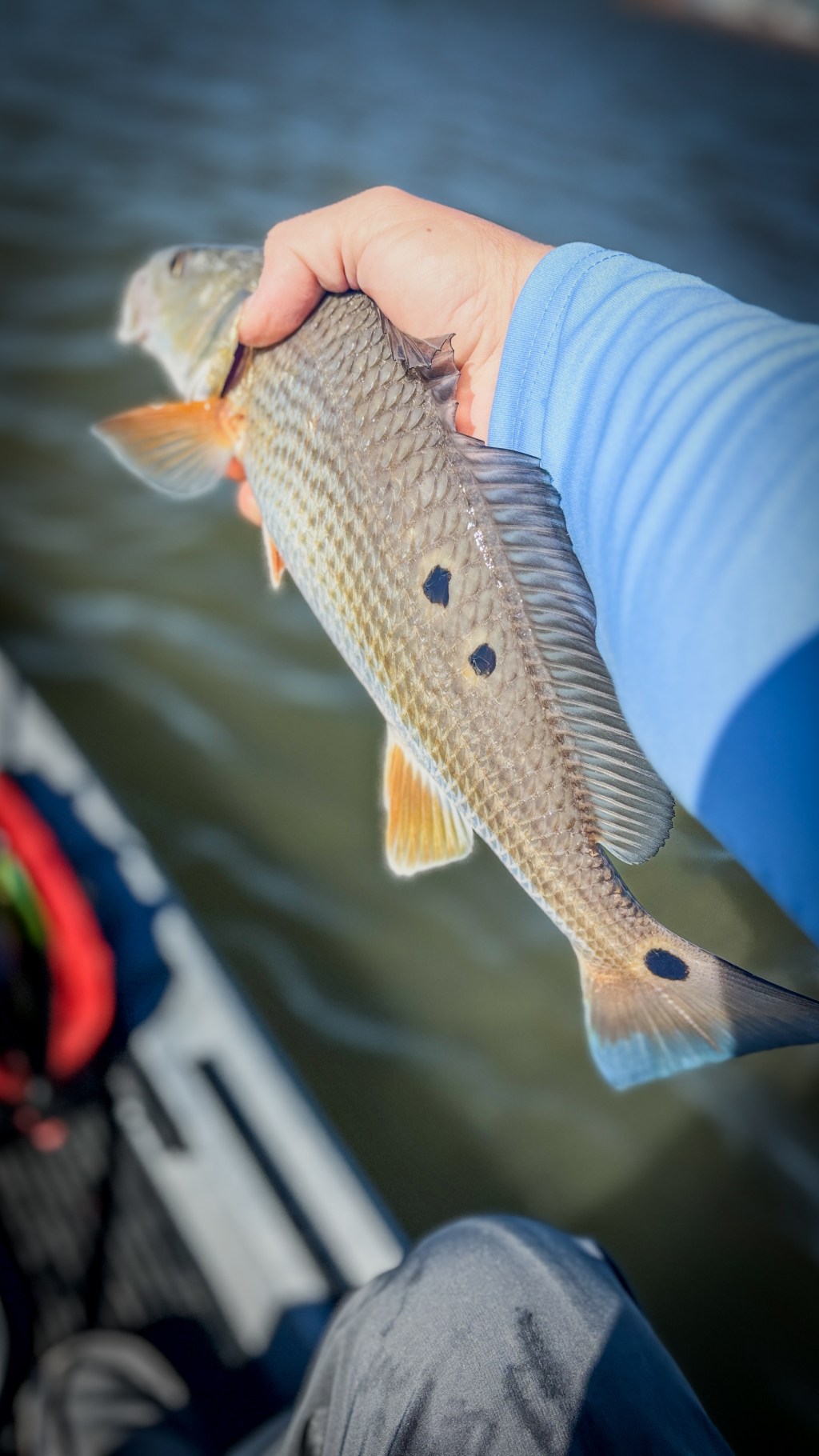
    Spring is an exciting time for inshore anglers targeting redfish along the Texas coast, especially in the Freeport and Galveston areas. As water temperatures rise, redfish transition from their winter haunts into the shallows, feeding aggressively on baitfish and crustaceans. To consistently find and catch redfish this season, it’s crucial to understand their movement patterns, feeding behavior, and how tides and weather influence their activity.

    In this post, we’ll break down spring redfish behavior and proven tactics for both the Freeport and Galveston areas so you can make the most of your time on the water.

    Seasonal Transition: How Spring Affects Redfish

    Redfish spend much of the winter in deeper channels, back lakes, and protected bayous, where they seek out stable water temperatures. As spring brings warmer weather, they begin pushing into shallow grass flats, marsh drains, and oyster beds, where food becomes more abundant.

    Recent Observations from the Water

    Last week, I noticed a significant increase in redfish moving into the shallows and grass flats. Both slot-sized reds and bull reds were cruising shorelines, especially in the marshy backwaters of Freeport and the grassy flats around Galveston’s West Bay. The warming trends throughout the day had these fish feeding aggressively, with multiple tailing reds in less than a foot of water.

    Key environmental changes driving redfish movement:

    Rising water temperatures (60°F-75°F) – Increases redfish activity and feeding.

    Bait migrations – Shrimp, mullet, and menhaden begin pushing into shallower estuaries.

    Tidal influences – Higher tides allow reds to move into newly flooded grass flats.

    Spring rains and freshwater flow – Can impact redfish locations, especially near river mouths and marsh drains.

    Redfish Movement Patterns in Freeport & Galveston

    Recent Trip Insights

    On my last trip, I noticed redfish moving into wind-protected flats and bayous as the day warmed up. In the morning, reds were still hanging around deeper drop-offs near bayous and channel edges. By late morning, they were actively feeding along shorelines and oyster reefs in Christmas Bay, Drum Bay, and the backwaters of Galveston’s West Bay.

    Key Areas to Target in Freeport & Galveston

    Freeport

    Bastrop Bay & Christmas Bay – Shallow grass flats, oyster reefs, and marsh drains hold plenty of reds during a rising tide.

    Drum Bay & Hoskins Bayou – Great for targeting redfish in marsh channels and deeper bayous during outgoing tides.

    Cold Pass & San Luis Pass Back Lakes – Clearer water and strong tidal flow make these areas prime for sight fishing.

    Galveston

    West Bay (North Deer Island & Greens Lake) – Excellent springtime spots for redfish hunting bait along grassy shorelines.

    Jones Bay & Chocolate Bay – Shallow mud and shell bottoms warm up quickly, attracting feeding reds.

    East Bay (Anahuac Pocket & Marsh Drains) – Productive on an outgoing tide as bait flushes from the marshes.

    Tides, Wind, and Feeding Behavior

    Tides & Best Feeding Windows

    On my last trip, the outgoing tide was the most productive, especially near marsh drains where redfish were stacked up waiting for bait to flush out. Slack tides were slow, but once the water started moving again, the bite picked up fast.

    Outgoing tides – Best for ambush feeding near marsh drains and cuts.

    Incoming tides – Reds push into newly flooded grass flats and shoreline pockets.

    Slack tide – Slower bite; good time to relocate or make adjustments.

    Wind & Its Effect on Redfish

    South winds help push warmer water into the bays, keeping reds more active.

    North winds after a front can slow things down, pushing fish into deeper areas.

    Slight chop vs. calm conditions

    • Slight chop makes redfish more aggressive.

    • Calm conditions make reds spookier, requiring long casts and stealthy approaches.

    4. Feeding Patterns & What Redfish Eat in Spring

    Primary Forage for Spring Redfish

    Shrimp – A top bait choice in early spring, especially around marsh drains.

    Mullet – Bigger mullet become a key food source as temperatures warm up.

    Crabs – Found in grassy shorelines and a favorite target of tailing reds.

    Menhaden & Pinfish – Common in open water and around reefs.

    Best Lures from My Last Trip

    JVS 3.5 Speed Shrimp (White & Gold) – Worked great on a slow retrieve along the flats.

    H&H Paddle Tail (Golden Bream) on a 1/8 oz Jighead – Perfect for bouncing near oyster beds.

    Gold Spoon (1/4 oz) – Great for covering water and triggering reaction bites.

    Adjusting to Changing Spring Conditions

    Cooler Mornings

    • Work slow-moving soft plastics near deeper bayou edges.

    • Look for mud-bottom areas that retain heat overnight.

    Warmer Afternoons

    • Target flats and grass shorelines, where reds become more active.

    • Throw paddle tails or topwaters near structure.

    Windy Days

    • Focus on wind-blown shorelines, where bait is being pushed.

    • Use louder lures like a popping cork with a shrimp imitation.

    Calm & Clear Days

    • Look for tailing reds in the shallows.

    • Scale down to lighter fluorocarbon leaders (12-15 lb) and more natural-colored baits.

    Interactive Map: Best Spring Redfish Locations

    Google earth screenshot
    Google earth screenshot

    For a better look at these key fishing spots in Freeport and Galveston, I recommend using Google Earth or interactive fishing maps. These tools can help identify:

    Oyster reefs and grass flats where redfish are feeding.

    Marsh drains and bayous that hold fish on moving tides.

    Depth changes and structure that redfish relate to in different conditions.

    Final Thoughts

    Spring is one of the best times to target redfish in Freeport and Galveston, with warming waters bringing fish into the shallows and increasing feeding activity. Whether you’re working marsh drains, grass flats, or oyster reefs, understanding how redfish move with the seasons and tides will give you an edge on the water.

    Every trip is a learning experience, so get out there, apply these strategies, and adjust to what the fish are telling you. Don’t forget to share your catches and experiences with us!

    Stay Connected with Beyond the Cast

    Subscribe to our YouTube channel for fishing videos, gear breakdowns, and on-the-water action. Stay up to date by following us on Facebook, where we share fishing reports, trip updates, and connect with fellow anglers.

    Join the conversation, share your catches, and let’s keep exploring the water together.

    Tight lines, and see you Beyond the Cast!

  • Mastering Inshore Saltwater Fishing in Galveston West Bay for Bigger and Better Catches

    Mastering Inshore Saltwater Fishing in Galveston West Bay for Bigger and Better Catches

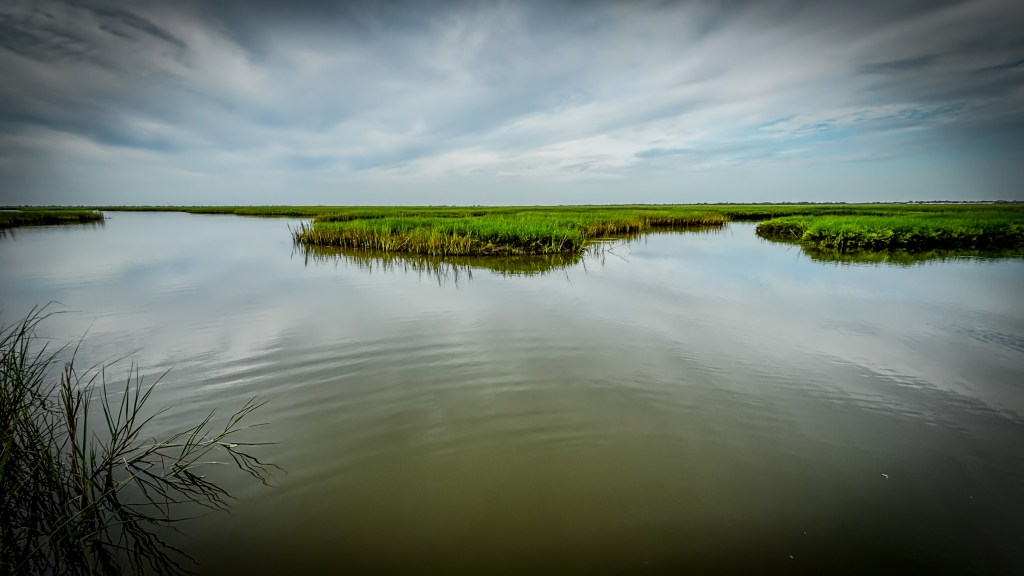
    Grass flats Galveston West Bay

    Inshore saltwater fishing is an exciting challenge, especially when targeting prized species like redfish and speckled trout. Success in these waters requires more than just casting a line—you need to understand the right techniques, how fish behave with tidal movements, and where to find them. In this guide, we’ll break down essential strategies, including the use of maps to illustrate tidal flows and prime fishing spots, to help you land bigger and better catches.

    Understanding Tidal Movements and Fish Behavior

    Tides play a crucial role in inshore fishing, influencing how and where redfish and speckled trout feed. These species rely on moving water to bring food to them, so knowing when and where the tides are strongest can greatly increase your chances of success.

    Incoming Tide – As the tide rises, baitfish and shrimp move into marshes, grass flats, and estuaries. Redfish and trout follow, feeding aggressively in these areas.

    Outgoing Tide – As water drains out, bait is pulled through channels, cuts, and creek mouths. This creates prime ambush points for hungry fish.

    Slack Tide – Minimal water movement can slow down feeding activity, making it a less productive time to fish.

    Hotspot: Fishing Galveston West Bay

    Galveston West Bay is one of the top inshore fishing destinations on the Texas coast, offering a mix of shallow flats, oyster reefs, and deep channels that make it ideal for targeting redfish and speckled trout. Here are some key areas to focus on:

    North Shoreline – The marshy edges and grass flats along the north side of the bay are excellent for sight fishing redfish, especially on an incoming tide.

    Oyster Reefs (like Confederate Reef & Carancahua Reef) – These structures hold bait and attract both trout and redfish, making them great places to fish during moving tides.

    Cold Pass & Greens Lake – These areas serve as natural funnels for tidal movements, creating excellent ambush spots where fish congregate.

    Using maps to analyze these locations along with tidal patterns can help you plan your trips more effectively. 

    Seasonal Strategies for Galveston West Bay

    Winter Fishing Tactics

    During winter, water temperatures drop, pushing redfish and speckled trout into deeper, more stable areas. Key strategies include:

    Targeting Deep Channels & Holes – Areas like the ICW (Intracoastal Waterway), deeper sections of West Bay, and channels leading to the Gulf hold fish seeking warmer water.

    Slow-Presenting Soft Plastics – Using a slow retrieve with a soft plastic on a jig head mimics sluggish baitfish, making it a go-to technique for cold-water trout.

    Fishing Mud & Shell Bottoms – These areas retain heat better than sand, attracting fish looking for slightly warmer conditions.

    Summer Fishing Tactics

    As temperatures rise, fish patterns shift, and early mornings or late evenings become prime times to target them. Key strategies include:

    Topwater Action at Sunrise & Sunset – Speckled trout and redfish become aggressive in low-light conditions, making this the perfect time for walking-the-dog-style lures.

    Fishing the Marsh & Grass Flats – Higher water levels push redfish into shallow marshes and grassy shorelines, where they feed on shrimp and baitfish.

    Working Deeper Structure Midday – As the sun heats up, fish retreat to deeper reefs and channels. Using live bait or slow-sinking lures can be effective.

    By adjusting your approach based on the season and using maps to track tidal movements, you can maximize your success in Galveston West Bay year-round.

    Using Maps to Identify Prime Fishing Spots

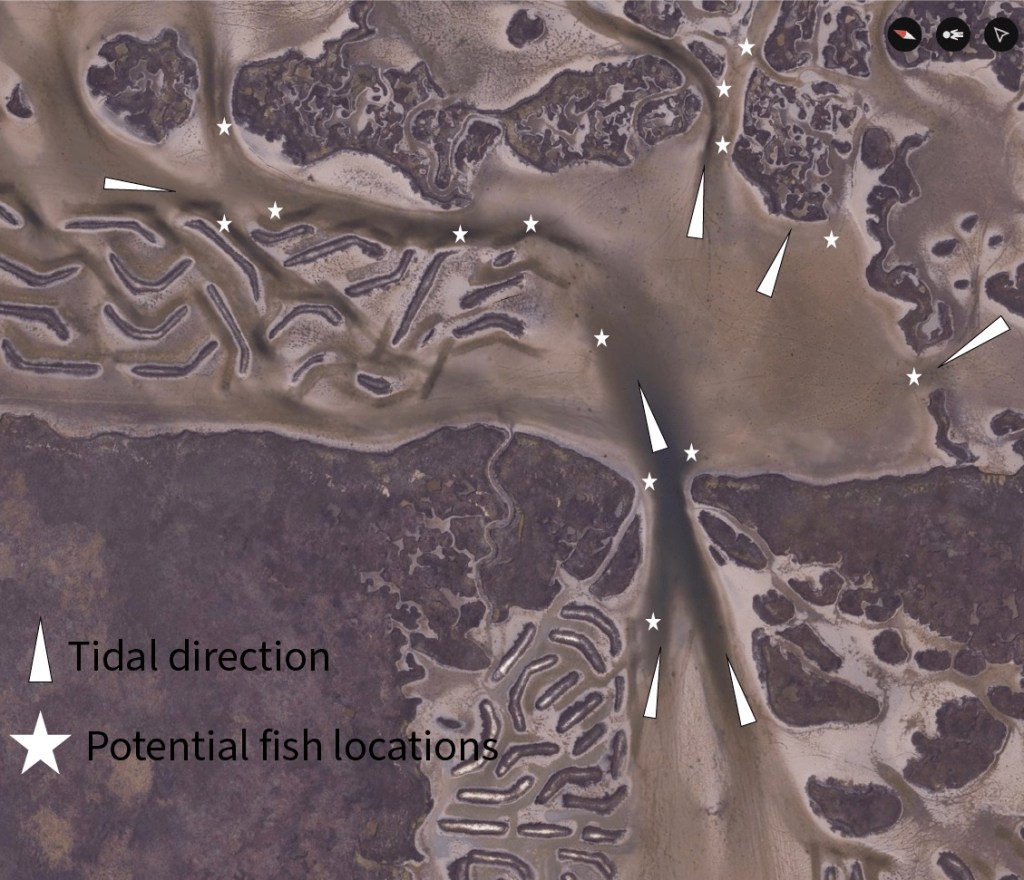
    Google earth showing tidal movements

    To maximize success, I use existing maps with annotations to highlight key areas where tidal movements concentrate bait and fish. Some top locations include:

    Grass Flats & Oyster Bars – These areas hold bait and attract redfish, especially during higher tides.

    Creek Mouths & Drains – Outgoing tides pull bait through these pinch points, making them ideal ambush zones for trout and redfish.

    Drop-offs & Deep Holes – In colder months or during extreme heat, fish retreat to deeper areas where water temperatures are more stable.

    Maps help visualize these areas and understand how tides move water through them, improving your ability to predict fish activity.

    Techniques for Catching Redfish and Speckled Trout

    Looking at Redfish tailing on the edge of the banks

    Sight Fishing for Redfish

    When water clarity allows, look for redfish tailing in shallow flats or cruising along marsh edges. Using a weedless soft plastic or a live shrimp under a popping cork can be deadly in these situations.

    Jigging for Speckled Trout

    Trout are aggressive feeders, and a jig with a soft plastic (such as a paddle tail or shrimp imitation) bounced near the bottom often gets their attention. Target deeper drop-offs and areas with moving water.

    Topwater Action

    During low-light conditions—early morning or late evening—both species will strike topwater lures. Walk-the-dog style baits, like the Zara Spook, work well over shallow flats and near oyster beds.

    Bringing It All Together: Video and Visuals

    To better explain these techniques and locations, I include videos and pictures in my blog posts. This way, you can see real-life examples of these fishing strategies in action. The combination of on-the-water footage, maps with annotations, and detailed explanations ensures you have all the tools needed to improve your inshore fishing game.

    Final Thoughts

    Mastering inshore fishing for redfish and speckled trout isn’t just about luck—it’s about understanding how these fish move with the tides, using maps to pinpoint the best locations, and applying the right techniques. By combining these strategies with real-time conditions, you can dramatically increase your success on the water.

    Thanks for reading! If you enjoyed this post and want more fishing tips, trip reports, and on-the-water action, be sure to follow along.

    Subscribe to our YouTube channel for in-depth videos, gear breakdowns, and on-the-water adventures. Stay up to date by following us on Facebook, where we share fishing reports, trip updates, and connect with fellow anglers.

    Join the conversation, share your catches, and let’s keep exploring the water together.

    Tight lines, and see you Beyond the Cast!