Category: Trout Fishing

Freshwater Trout Fishing Folder

This folder is your guide to freshwater trout fishing, covering everything from essential gear to proven techniques for catching different trout species, including rainbow, brown, and brook trout. Inside, you’ll find information on trout behavior, seasonal patterns, and the best baits and lures to use in rivers, streams, and lakes.

Learn about fly fishing strategies, ultralight spinning setups, and effective presentations for different water conditions. The folder also includes tips on reading the water, selecting the right tackle, and understanding how weather and water temperature affect trout activity. Whether you’re fishing stocked ponds or wild mountain streams, this resource will help you refine your skills and improve your success on the water.

  • Saving Trout: Conservation Efforts, Native Restoration, and the Bugs That Make It Possible 

    Saving Trout: Conservation Efforts, Native Restoration, and the Bugs That Make It Possible 

    Photos and story by David Poole

    Trout are more than just a favorite target for anglers—they are the pulse of healthy river systems. Across the U.S., conservationists, biologists, and local communities are fighting to protect this iconic fish. From restoring native species to safeguarding bug life and clean water, trout conservation is a story of ecological revival.
    The Big Picture: Why Trout Conservation Matters

    Trout are indicator species—meaning their presence signals a healthy aquatic ecosystem. Cold, clean, oxygen-rich water is a requirement for their survival. As rivers face threats from drought, pollution, invasive species, and urbanization, trout populations have suffered.

    Conservation isn’t just about saving fish. It’s about preserving entire ecosystems, protecting biodiversity, and ensuring future generations can experience wild waters and native trout.

    State-by-State Tactics: Unique Approaches to Trout Conservation

    Every state has its own climate, terrain, and trout populations, which means conservation looks different across the U.S. Here are some standout efforts:

    State-by-State Tactics: Unique Approaches to Trout Conservation

    Every state has its own climate, terrain, and trout populations, which means conservation looks different across the U.S. Here are some standout efforts:

    New Mexico

    Focus: Native Rio Grande cutthroat trout.

    Tactics: Remote stream restoration, stream temperature monitoring, and translocation of native cutthroat to protected high-altitude waters.

    Utah

    Focus: The Utah Cutthroat Slam.

    Tactics: A public-incentive conservation program that encourages anglers to fish for native strains while funding habitat restoration through registration fees.

    Montana

    Focus: Wild trout management.

    Tactics: Minimal stocking, strict regulation on water withdrawals, and temperature-sensitive fishing closures to protect fish during droughts.

    North Carolina

    Focus: Brook trout and Appalachian streams.

    Tactics: Reforestation around streams, culvert removal for fish passage, and robust hatchery-supported native stocking.

    Tennessee

    Focus: Southern Appalachian brook trout.

    Tactics:

    Native Restoration: Tennessee has been working to restore the only native trout species in the state—the Southern Appalachian brook trout—in the Great Smoky Mountains and Cherokee National Forest.

    Genetic Protection: Biologists use genetic testing to identify and protect pure strains of native brook trout, which have been diluted by historic stocking of northern strains.

    Habitat Rehabilitation: Streams have been restructured by removing barriers like old logging roads and replacing culverts to reconnect fragmented habitats.

    Partnership Programs: Tennessee Wildlife Resources Agency (TWRA) works with the National Park Service and Trout Unlimited to monitor stream health, conduct temperature studies, and reintroduce brook trout into restored waters.

    “Brook trout are more than just a native species—they’re a symbol of our mountain streams. We’re rebuilding those lost legacies one cold stream at a time.”

    — Tennessee Wildlife Resources Agency

    Water Conservation: The Root of Trout Survival

    Water is the most critical resource for trout. Without cold, clean, well-oxygenated water, nothing else matters.

    Key Tactics:

    Riparian Buffer Zones: Planting vegetation along stream banks to reduce runoff, lower water temperatures, and provide cover.

    Flow Management: Coordinated water releases from dams and reservoirs to mimic natural stream flow and reduce thermal stress.

    Agricultural Partnership Programs: Working with farmers to limit irrigation drawdowns, reduce pesticide runoff, and restore stream access.

    The Importance of Bug Life: Mayflies, Caddis, and Stoneflies

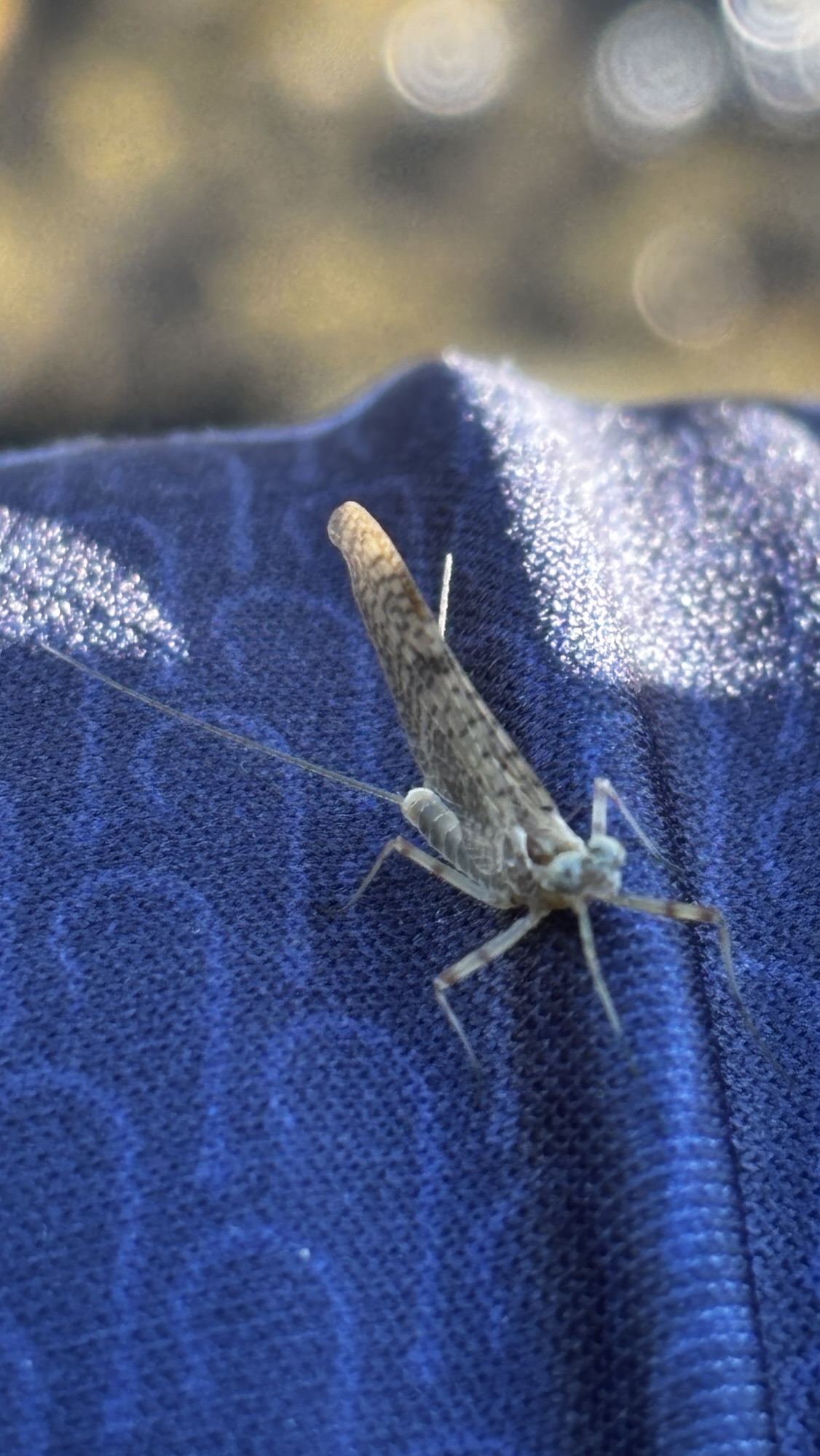
    Aquatic insects are a foundational part of trout ecosystems. These bugs aren’t just trout food—they indicate stream health and play key roles in nutrient cycling.

    Conservation Gains:

    • Increased macroinvertebrate diversity is a sign of success in restoration projects.

    • Studies show stream habitat improvements often lead to a 30–60% increase in bug hatches within two years.

    • Healthy hatches fuel trout growth and reproduction—especially during the spring and fall feeding windows.

    Restoring Native Trout: Bringing Back the Originals
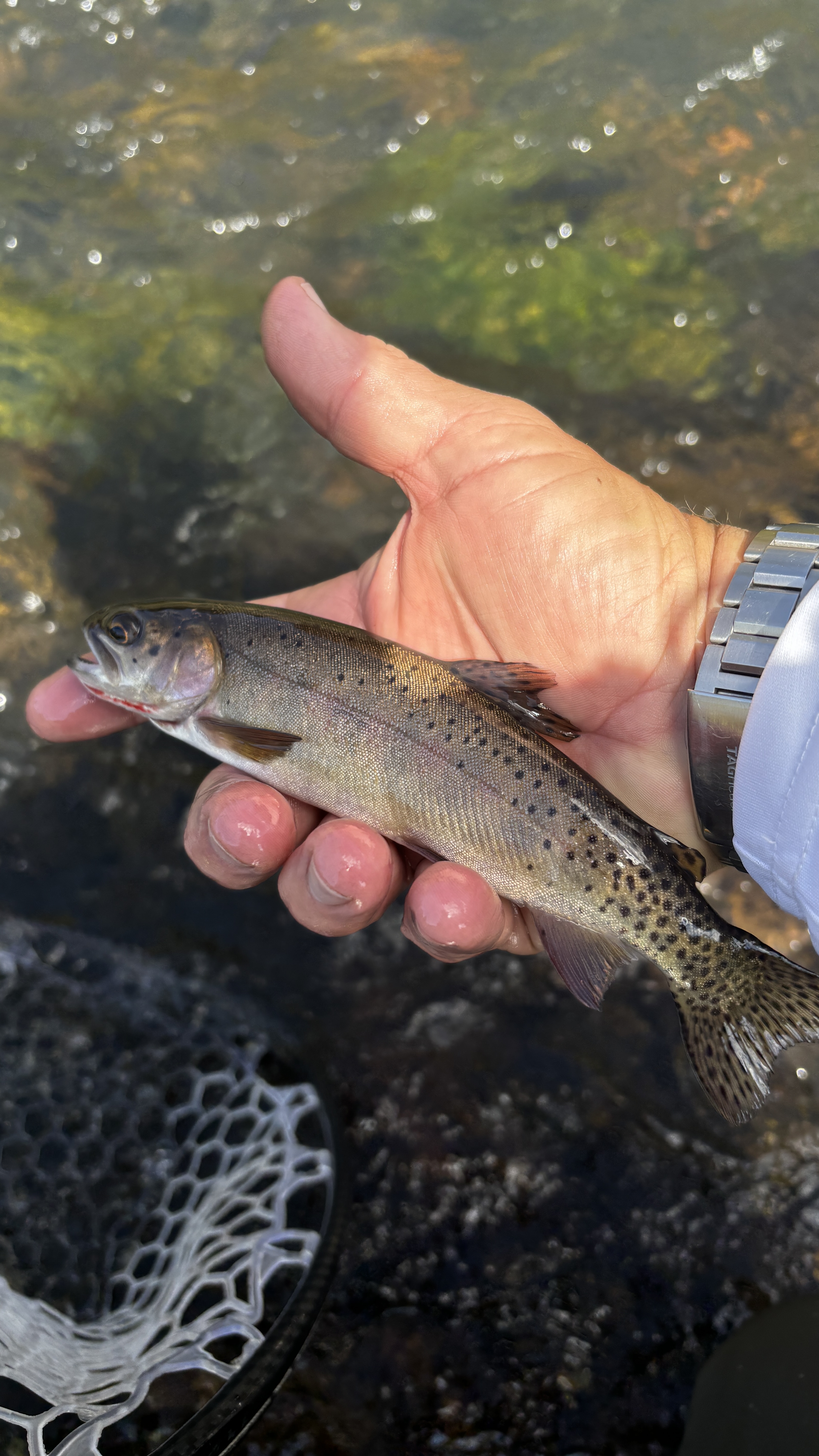
    In many watersheds, native trout were lost due to overfishing, logging, mining, and the introduction of non-native species. Conservation efforts now aim to undo that damage.

    Examples of Success:

    Greenback Cutthroat (Colorado): Once thought extinct, small remnant populations were found and used for native reintroduction efforts in the South Platte drainage.

    Apache Trout (Arizona): Federally protected, with recovery projects in high mountain streams and strong community involvement.

    Lahontan Cutthroat (Nevada & California): Massive scale-up of reintroduction projects into Pyramid Lake and nearby alpine waters.

    How Trout Are Raised: Inside Hatcheries and Wild Stocking Programs

    Raising trout plays a key role in both conservation and sportfishing. But not all hatchery programs are created equal.

    Modern Hatchery Practices:

    Genetic Integrity: Breeding programs now focus on maintaining native genetics rather than just producing numbers.

    Disease Control: UV filtration, oxygen monitoring, and isolation units prevent outbreaks.

    Stream-Ready Conditioning: Juvenile trout are raised in stream-simulation tanks with natural flow and live prey to prepare them for the wild.

    How You Can Help: Small Steps, Big Impact

    1. Practice Catch and Release: Use barbless hooks and handle fish with wet hands.

    2. Volunteer with Trout Unlimited or Local Stream Projects.

    3. Support Native Reintroduction Programs: Donate, advocate, or join citizen science efforts.

    4. Fish Responsibly: Avoid fishing during warm-water conditions or low-flow events.

    Conclusion: Conservation Is a Collective Story

    Trout conservation is a powerful blend of science, tradition, and community. Whether you’re a fly angler hiking into a remote canyon or a weekend bait fisherman on a stocked lake, your actions matter. Together, we can ensure that cold, clean trout streams continue to flow wild and full of life.
  • Planning My Fishing Trips: From Texas Marshes to Colorado’s Wild Trout Streams

    Planning My Fishing Trips: From Texas Marshes to Colorado’s Wild Trout Streams

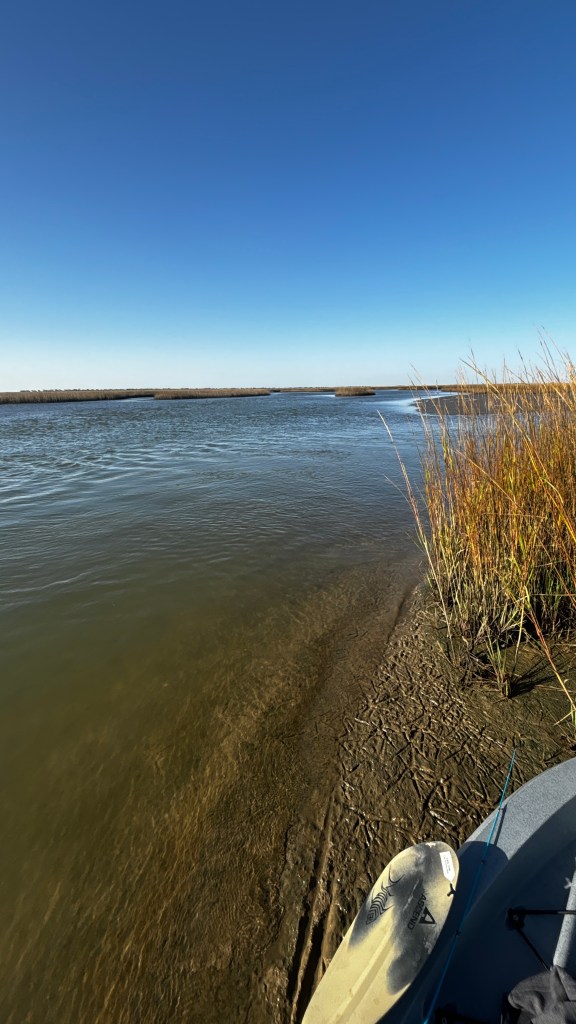
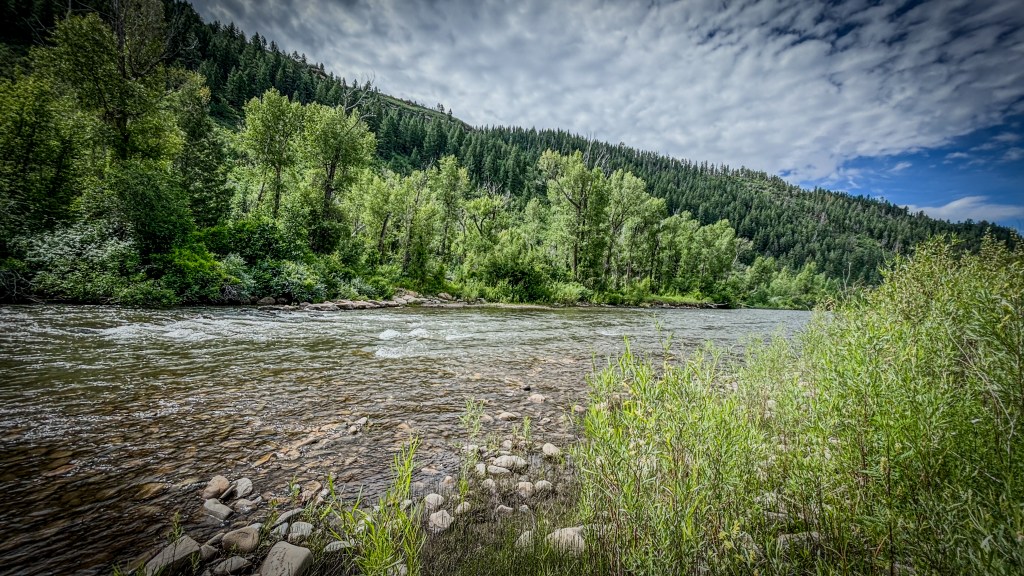
    Every fishing trip I take starts with a map, a cup of coffee, and a little imagination. Whether I’m launching my kayak into the quiet marshes of Galveston Bay or loading up my fly rod for a week chasing trout in the mountains of southwest Colorado, I treat every trip like its own adventure.

    Over time, I’ve built a system that helps me find the right water, prepare for changing conditions, and capture moments along the way through fishing photography. It’s a mix of digital scouting, tide and river flow research, fly fishing strategy, and a lot of intuition.

    Here’s how I plan my trips—from coastal redfish missions to high-country fly fishing—along with the tools, tactics, and gear that help me get the most out of every cast.

    Step One: Finding the Right Water

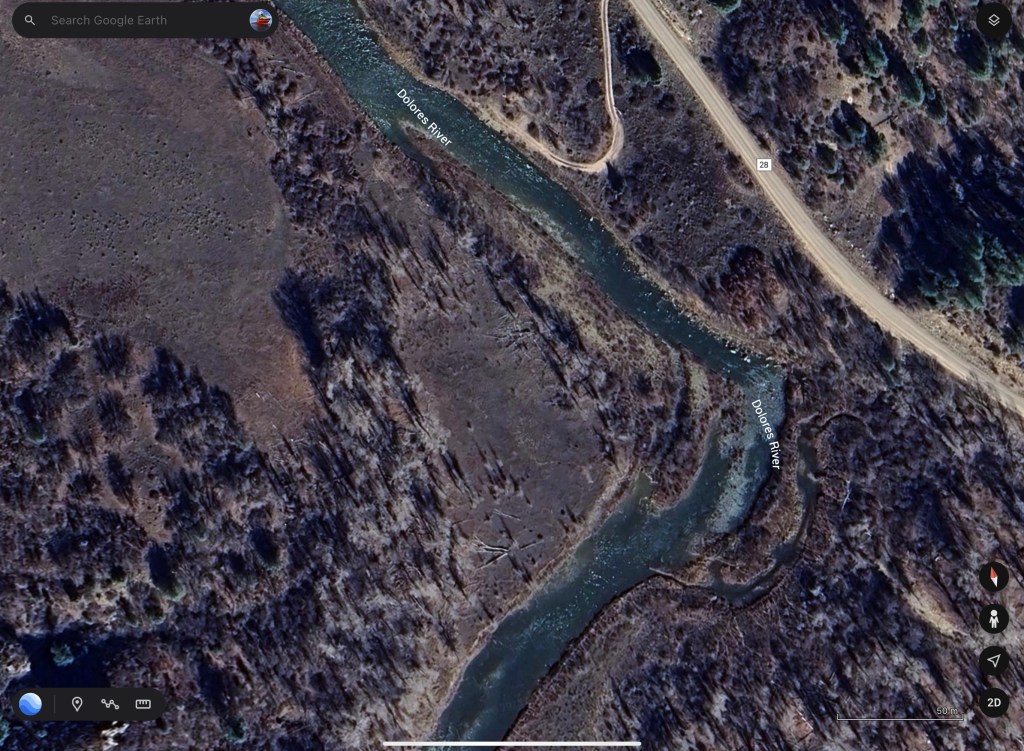
    When I’m planning a coastal trip around Galveston, I start with Google Earth fishing maps. I zoom in on marsh drains, shell reefs, and grass flats, marking potential ambush points where redfish and speckled trout might be waiting for bait to push through with the tide.

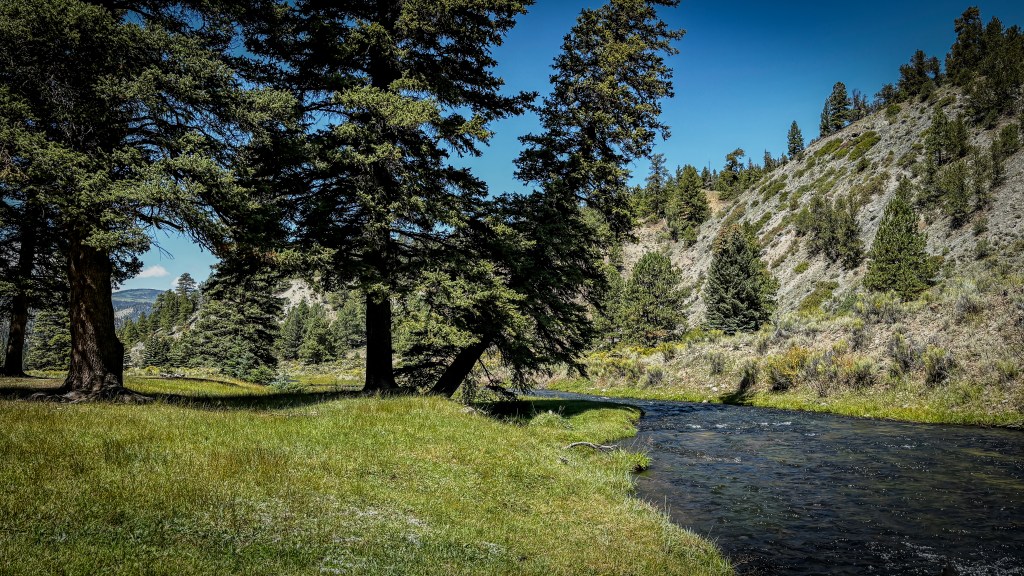
    For trout fishing trips, I turn to the TroutRoutes app, especially when heading into places like the Dolores River, Pine River, Animas River, or Florida River in Colorado. TroutRoutes shows me public access points, fly fishing regulations, and real-time stream flows—all in one spot. It’s hands-down one of my favorite apps for planning fly fishing trips in Colorado.

    Screenshot trout fishing map of Dolores River using TroutRoutes
    Screenshot trout fishing map of Dolores River using Google Earth

    I also pull up local fly shop reports and check in with forums and social groups. A few minutes of reading recent trip reports can save me hours on the water later.

    Timing is Everything: Tides, River Flows & Weather

    Fishing success is all about timing and conditions.

    On the coast, I build my trips around tide charts, solunar tables, and wind forecasts. I want to be on the water as the tide’s moving—either pulling bait into the marsh or draining it out through cuts and creeks. That moving water gets everything active, especially when paired with stable pressure and clean water.

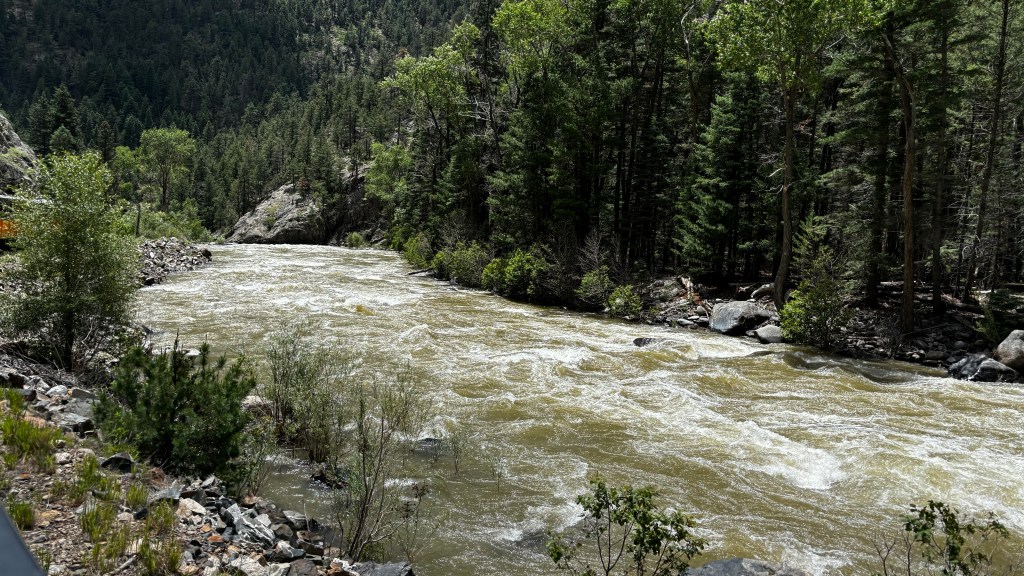
    For my Colorado trips, I pay close attention to USGS stream gauges. If flows are too high from runoff or summer storms, I might switch to a smaller tributary or hit a tailwater like the lower Dolores. Watching water temperature is equally important—trout get lethargic in warmer water, especially in late summer.

    “Success often comes down to 15 minutes of movement—when the tide shifts or the hatch explodes.”

    My Fishing Strategies: Flats to Freestones

    Inshore Fishing: Texas Marsh Tactics

    When I’m chasing redfish on the flats, I’m looking for signs of life—nervous bait, shrimp jumping, birds diving, or the golden back of a redfish pushing through grass. I love fishing with paddle tails, especially the JVS Custom Baits Rip Rap in Copper Penny or a 3.5” Speed Shrimp when fish are keyed in on crustaceans.

    If I’m fly fishing in the marsh, I keep it simple: crab and shrimp patterns, long leaders, and a quiet approach. Sight casting to tailing reds never gets old.

    Mountain Fly Fishing: Reading Water & Matching the Hatch

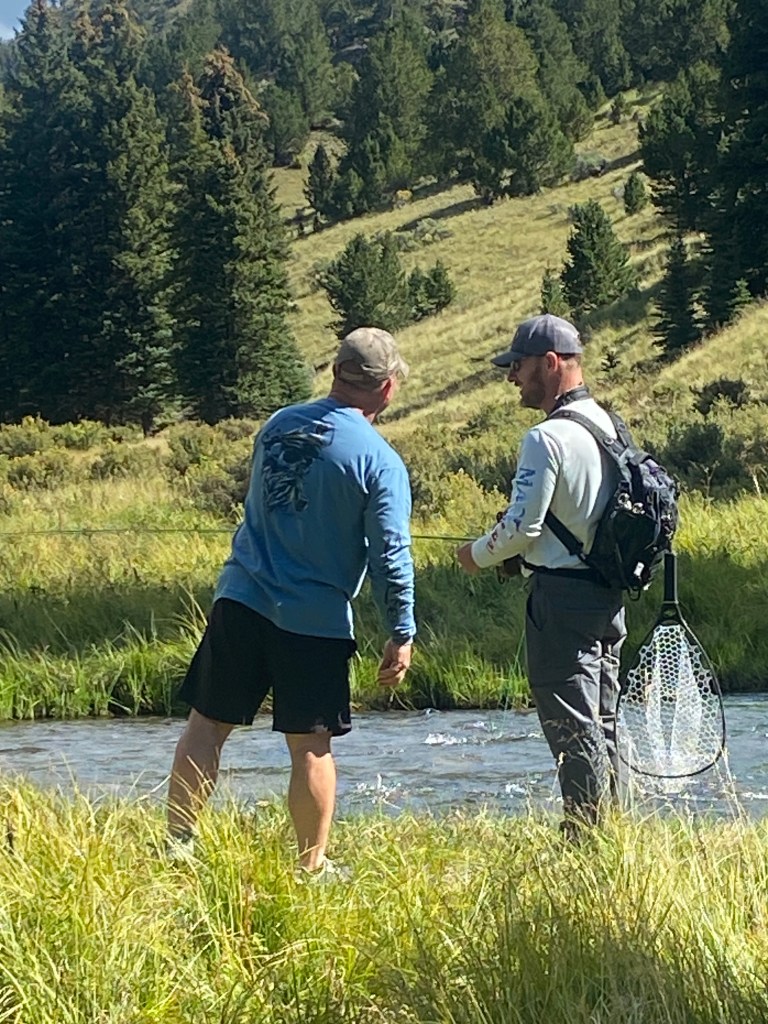
    In Colorado, fishing rivers like the Pine or Animas means constantly adjusting to what the water gives me. One bend might call for dry flies in pocket water, the next might demand nymphs under an indicator in a deep, slow pool.

    When the hatch is on—especially during a caddis or stonefly emergence—I’m in heaven. There’s something about watching a trout rise in fast water, especially when I’ve hiked in for miles with just a small pack and a fly box in my pocket.

    Safety First: Especially in the Backcountry

    Whether I’m kayaking a remote bay system or hiking into the upper Florida River, I take safety seriously.

    • I carry offline maps and GPS, especially when I’m deep in the mountains or out of cell range in a bay system.

    • I use a Personal Locator Beacon (PLB) for emergencies—peace of mind goes a long way.

    • In mountain country, I pack layers for changing weather, a water filter, and bear spray when needed.

    Knowing how to read the weather—and knowing when to pull the plug—has saved me more than once.

    Capturing the Experience: Fishing Photography in the Field

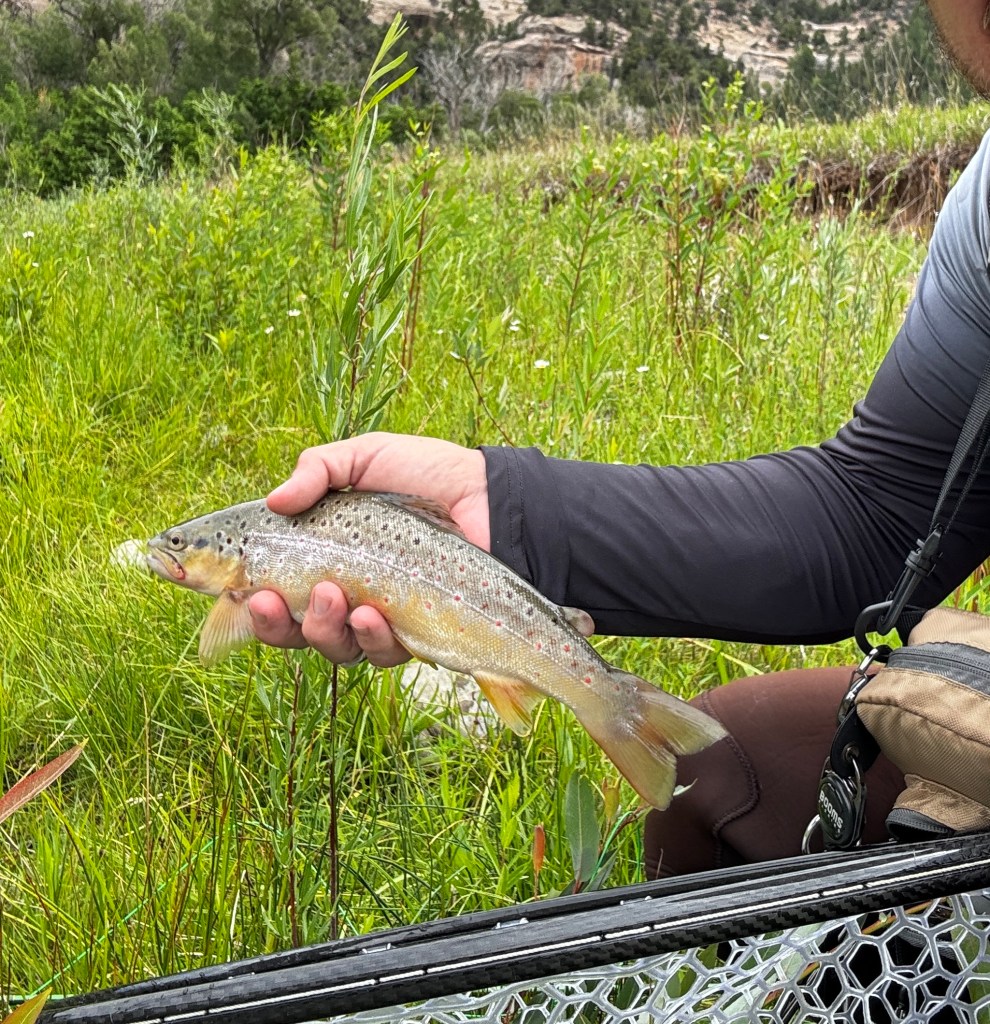
    Fishing is about more than just catching fish. For me, it’s also about the quiet moments between casts—the mist rising off a river at dawn, a redfish tail breaking the surface, or a trout slipping back into cold, clear water.

    That’s where photography comes in. I bring my Canon R5, along with a few key lenses: a Canon L-series for landscape shots, and a Sigma for tighter portraits of fish and wildlife.

    I use:

    • A K&F Concept tripod for stability when shooting long exposures

    Polarizing filters to cut glare and bring out the detail in water shots

    • A dry bag and padded camera insert to protect my gear in the kayak or backpack

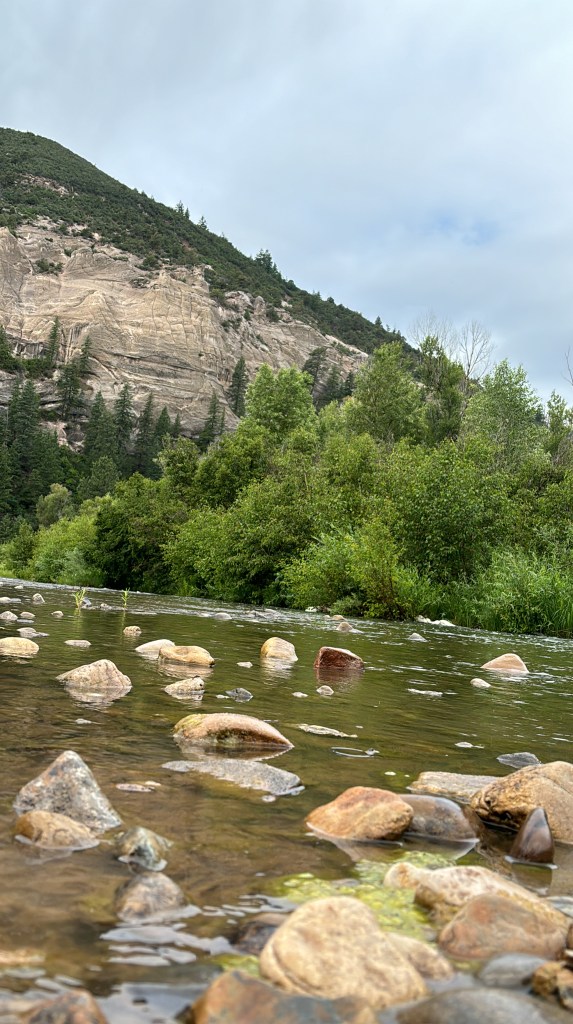
    Some of my favorite moments are captured during the golden hour—sunset glowing off a canyon wall in the Animas, or first light over the saltgrass back home in Galveston.

    Final Thoughts: Why I Plan Fishing Trips This Way

    I fish for the thrill of the catch—but also for the quiet, the challenge, and the story. The time I spend planning my trips—researching tides, scouting rivers, organizing gear—is all part of the journey.

    Fishing the Dolores River one day and stalking redfish on the Texas coast the next keeps me connected to the water in totally different ways. Both require patience, curiosity, and a little humility.

    If you’re planning your own trip—whether it’s chasing tailing redfish or hiking into a hidden trout stream—take your time. Look at maps. Check the flows. Watch the weather. Bring a camera. And most importantly, enjoy the ride.

    Tight lines and clear skies—see you out there.

  • Fly Fishing in New Mexico – A Guide to the Land of Enchantment

    Fly Fishing in New Mexico – A Guide to the Land of Enchantment

    New Mexico, often celebrated for its stunning desert landscapes and rich cultural heritage, is also a hidden gem for fly fishing enthusiasts. The state’s diverse geography offers a unique blend of fishing experiences, from high-mountain lakes to flowing rivers nestled in canyons. Whether you’re a seasoned angler or a beginner looking to explore new waters, New Mexico has something to offer. In this blog, we’ll take a look at some of the top fly fishing destinations across the state and share valuable tips to help you make the most of your time on the water. So grab your rod, pack your flies, and get ready to cast your line in the Land of Enchantment.

    1. The Rio Grande

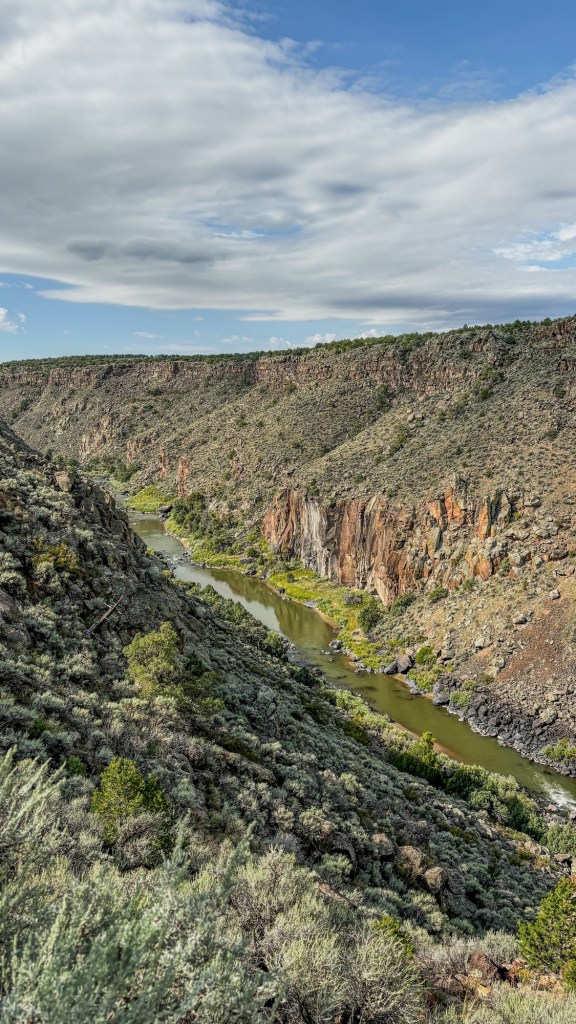
    Rio Grande Gorge

    The Rio Grande River flows through some of the most scenic parts of New Mexico, offering great opportunities for fly anglers. This river is home to native Rio Grande cutthroat trout, as well as brown and rainbow trout. It’s ideal for both beginner and experienced fly fishers, with sections that are perfect for dry fly fishing and nymphing.

    Best Fishing Seasons:

    Spring & Fall: These are the prime times for fishing the Rio Grande, with trout being more active in cooler temperatures.

    Fly Patterns & Techniques:

    Dry Flies: Rio Grande cutthroats are often attracted to dry flies. Use patterns like Parachute Adams, Elk Hair Caddis, or a smaller, light-colored Stimulator.

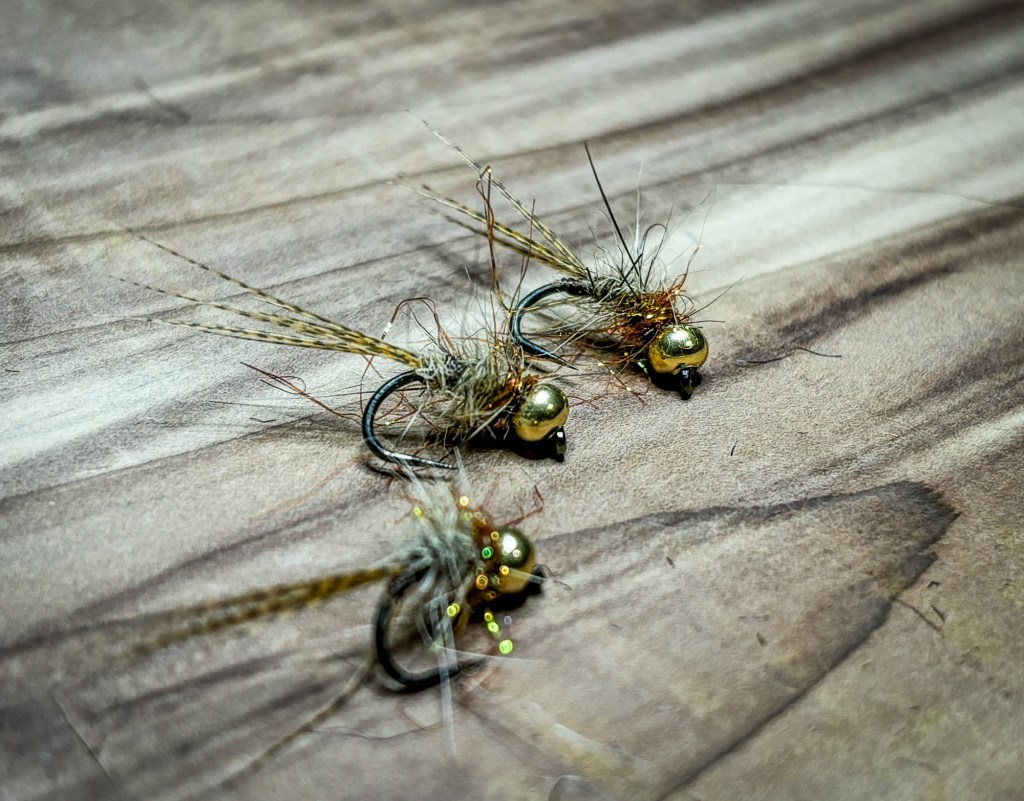
    Nymphs: For deeper holes, go with nymph patterns such as Pheasant Tails, Zebra Midges, or a San Juan Worm.

    Techniques: When nymphing, focus on pockets near rocks or deeper runs. Dry fly fishing is best during hatch periods, so watch for rising fish and match your fly to the hatch.

    2. The San Juan River

    Known for its world-class tailwater fishing, the San Juan River is one of New Mexico’s premier destinations for anglers. Flowing below Navajo Dam, the river is rich with trophy-sized rainbow and brown trout. The clear waters and consistent flows make it a favorite among fly fishers.

    Best Fishing Seasons:

    Winter & Spring: The San Juan is a year-round fishery, but the best time to catch big fish is in the colder months when the fish are more concentrated.

    Fly Patterns & Techniques:

    Nymphs: Patterns like the Zebra Midge, Hare’s Ear, and Egg Patterns are effective in the deeper runs of the San Juan.

    Hare’s Ear

    Dry Flies: The San Juan also offers hatch periods with mayflies and caddisflies. Patterns like the Blue-Winged Olive, Griffith’s Gnat, and PMDs are great for dry fly action.

    Techniques: Focus on dead drifting your nymphs along the riverbed, especially in the deeper, slower-moving sections. During hatches, look for fish rising and cast your dry flies to them.

    3. Chama River

    The Chama River offers both challenging and rewarding fly fishing. Located in northern New Mexico, this river runs through the Chama Valley, where anglers can find wild brown trout, rainbow trout, and cutthroats. The river is divided into sections that are suited to different fishing techniques.

    Best Fishing Seasons:

    Spring & Fall: These seasons offer good fishing conditions as the water is cool and the fish are active.

    Fly Patterns & Techniques:

    Streamers: Large streamers like Woolly Buggers, Clouser Minnows, and Sculpin patterns are great for targeting larger trout.

    Nymphs: Go with patterns like Copper Johns or Prince Nymphs to target fish feeding on the bottom.

    Dry Flies: Use smaller patterns like Elk Hair Caddis or Griffith’s Gnat when fish are rising to the surface.

    Techniques: When using streamers, focus on casting across the current and stripping them back. For nymphing, look for the deeper holes and fish your nymphs near the bottom.

    4. Pecos River

    The Pecos River, located in the Sangre de Cristo Mountains, is a pristine spot for fly fishing. The river has crystal-clear waters and is filled with brown trout, rainbow trout, and the occasional brook trout. It’s a great place to hike to, with a wilderness feel and little development.

    Best Fishing Seasons:

    Summer & Fall: During these seasons, the Pecos River is perfect for fishing due to warmer water and increased fish activity.

    Fly Patterns & Techniques:

    Dry Flies: The Pecos is ideal for dry fly fishing. Patterns like the Elk Hair Caddis, Adams, and Parachute Adams work great during hatches.

    Nymphs: Patterns like Hare’s Ear, Pheasant Tail, and Zebra Midges are ideal for the deeper runs.

    Techniques: Dry fly fishing is most productive during hatch periods when fish are actively feeding on insects. For nymphing, try the classic upstream drift technique, especially in slower sections.

    5. High Country Lakes and Streams

    For those seeking more solitude and high-altitude adventure, New Mexico’s high-mountain lakes and streams offer great fly fishing. Places like Santa Fe National Forest and Wheeler Peak Wilderness Area boast pristine alpine waters, teeming with native cutthroat and rainbow trout.

    Best Fishing Seasons:

    Summer: High-altitude lakes are accessible during the warmer months and offer a peaceful, scenic fishing experience.

    Fly Patterns & Techniques:

    Dry Flies: Small patterns like Parachute Adams, Griffith’s Gnat, and small attractors like the Royal Wulff are effective in alpine lakes.

    Streamers: Woolly Buggers, Matuka, and Zonkers are good options for larger trout in the deeper parts of these lakes.

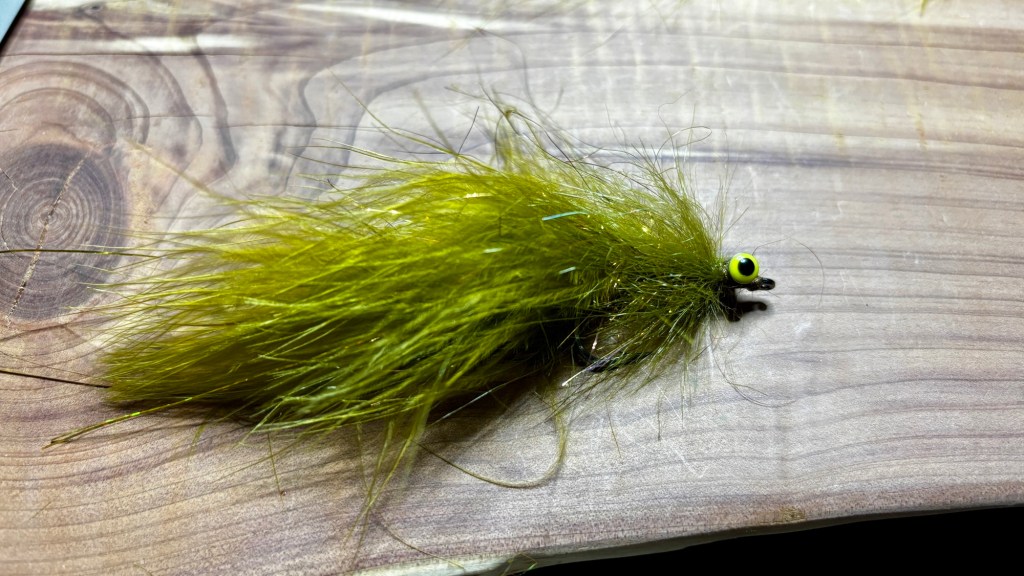
    Olive streamer size 10 3xl

    Techniques: Cast near the shorelines and retrieve streamers slowly through the deeper areas. For dry fly fishing, look for rising fish and match the hatch.

    Essential Gear for Your Fly Fishing Trip to New Mexico

    To ensure your fly fishing adventure in New Mexico is a success, packing the right gear is crucial. Here’s a list of essentials for your trip:

    Fly Rod: A 4- to 6-weight rod is versatile for most New Mexico waters. If fishing in high-altitude lakes, a lighter rod (3 to 5 weight) is ideal for smaller fish, while a 5- to 6-weight rod is great for larger rivers like the Rio Grande and San Juan.

    Fly rod and reel

    Fly Reel: A quality reel with a smooth drag system is key, especially for larger trout. Make sure the reel is matched to your rod and has a good line capacity.

    Fly Fishing Line: Weight-forward floating lines are ideal for most situations, especially in rivers and lakes. For deeper nymphing, a sink-tip line or full sinking line may be needed for some sections.

    Leader and Tippet: 9 to 12-foot leaders are typical, with 5X to 6X tippet being common for clear water and smaller fish. For larger fish, go with 4X or 3X.

    Flies: Carry a variety of dry flies, nymphs, and streamers. Some of the top patterns for New Mexico include:

    Dry Flies: Parachute Adams, Elk Hair Caddis, Stimulator, and Royal Wulff.

    Nymphs: Pheasant Tail, Copper John, Zebra Midge, and Hare’s Ear.

    Streamers: Woolly Bugger, Clouser Minnow, Zonker, and Matuka.

    Fly Box: A durable, waterproof fly box to keep your flies organized and safe.

    Waders: For rivers, especially in the spring and fall, a good pair of breathable or neoprene waders is essential. Don’t forget wading boots with felt or rubber soles for traction.

    Casting Tools: Don’t forget a high-quality fly fishing net, nippers, forceps, and a fly tying kit if you want to customize your flies on the go.

    Sun Protection: A wide-brimmed hat, polarized sunglasses, and sunscreen are essential for fishing in New Mexico’s sunny climate.

    Backpack: A small, durable backpack will help carry all your gear, snacks, and water, especially if you’re venturing into remote areas.

    Tips for Fly Fishing in New Mexico:

    Respect the Regulations: New Mexico has various fishing regulations, including specific season dates and restricted areas. Always check the latest regulations from the New Mexico Department of Game and Fish before heading out.

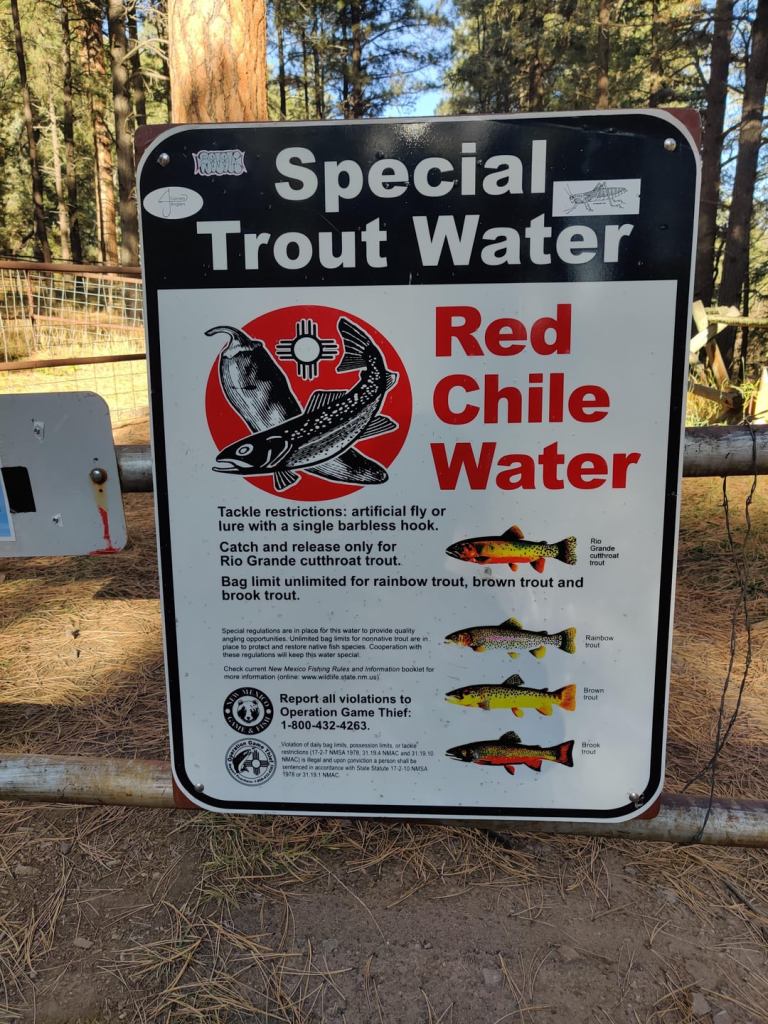
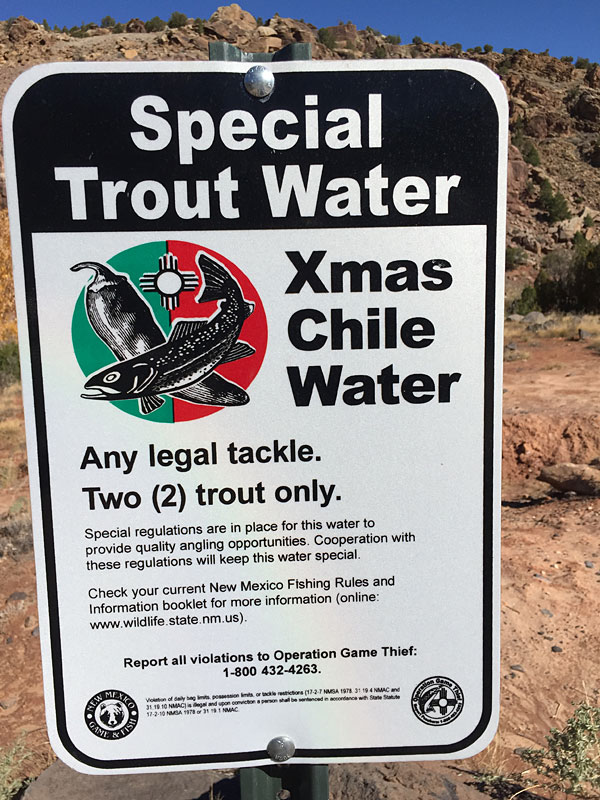
    Special Trout Waters (Catch and Release)

    • Many rivers and streams in New Mexico have areas designated as “special trout waters,” where only catch-and-release fishing is allowed. In these areas:

    No fish may be kept – all trout must be released back into the water immediately.

    Artificial flies and lures only – in some areas, only flies or lures may be used, and live bait is prohibited.

    Barbless hooks – some waters may require barbless hooks to reduce injury to fish during release.

    Altitude Matters: Many of New Mexico’s best fishing locations are in high-altitude areas. Be prepared for the thinner air, especially if you’re planning on fishing in the mountains.

    Watch for Hatch Times: New Mexico has some great hatch opportunities, but they vary by location. Know the types of hatches that occur in your fishing spot to choose the right fly patterns.

    Stay Safe in Remote Areas: Many of New Mexico’s best fishing spots are in remote areas. Always carry enough water, a first-aid kit, and a map or GPS device.

    Conclusion:

    Fly fishing in New Mexico offers a wide variety of landscapes, fish species, and fishing techniques. Whether you’re seeking a quiet mountain stream, a big river, or a remote lake, there’s a spot for you. The state’s unique waters, coupled with the opportunity to catch wild and native trout, make it a must-visit destination for any fly fishing enthusiast. So grab your rod, pack your flies, and head to the Land of Enchantment for an unforgettable fishing adventure.

    Stay Connected with Beyond the Cast

    Thanks for reading! If you enjoyed this post and want more fishing tips, trip reports, and on-the-water action, be sure to follow along.

    Subscribe to our YouTube channel for in-depth videos, gear breakdowns, and on-the-water adventures. Stay up to date by following us on Facebook, where we share fishing reports, trip updates, and connect with fellow anglers.

    Join the conversation, share your catches, and let’s keep exploring the water together.

    Tight lines, and see you Beyond the Cast!

    Let me know your thoughts in the comments below!

    Your email address will not be published. Required fields are marked *