Tag: best fishing

  • How I Find the Best Fishing Spots Near Me (Redfish, Trout, Bass & Backcountry Fly Fishing)

    How I Find the Best Fishing Spots Near Me (Redfish, Trout, Bass & Backcountry Fly Fishing)

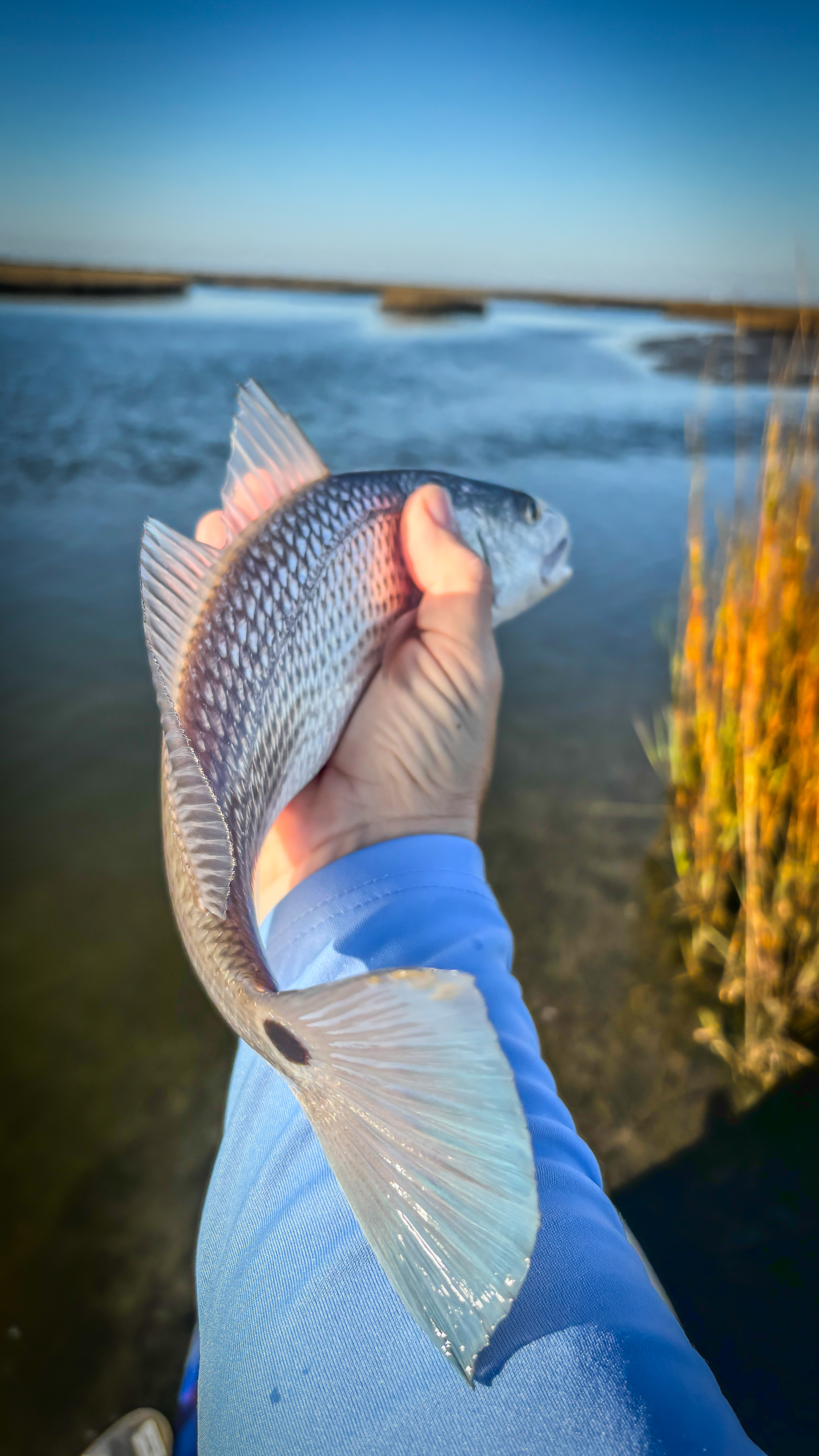
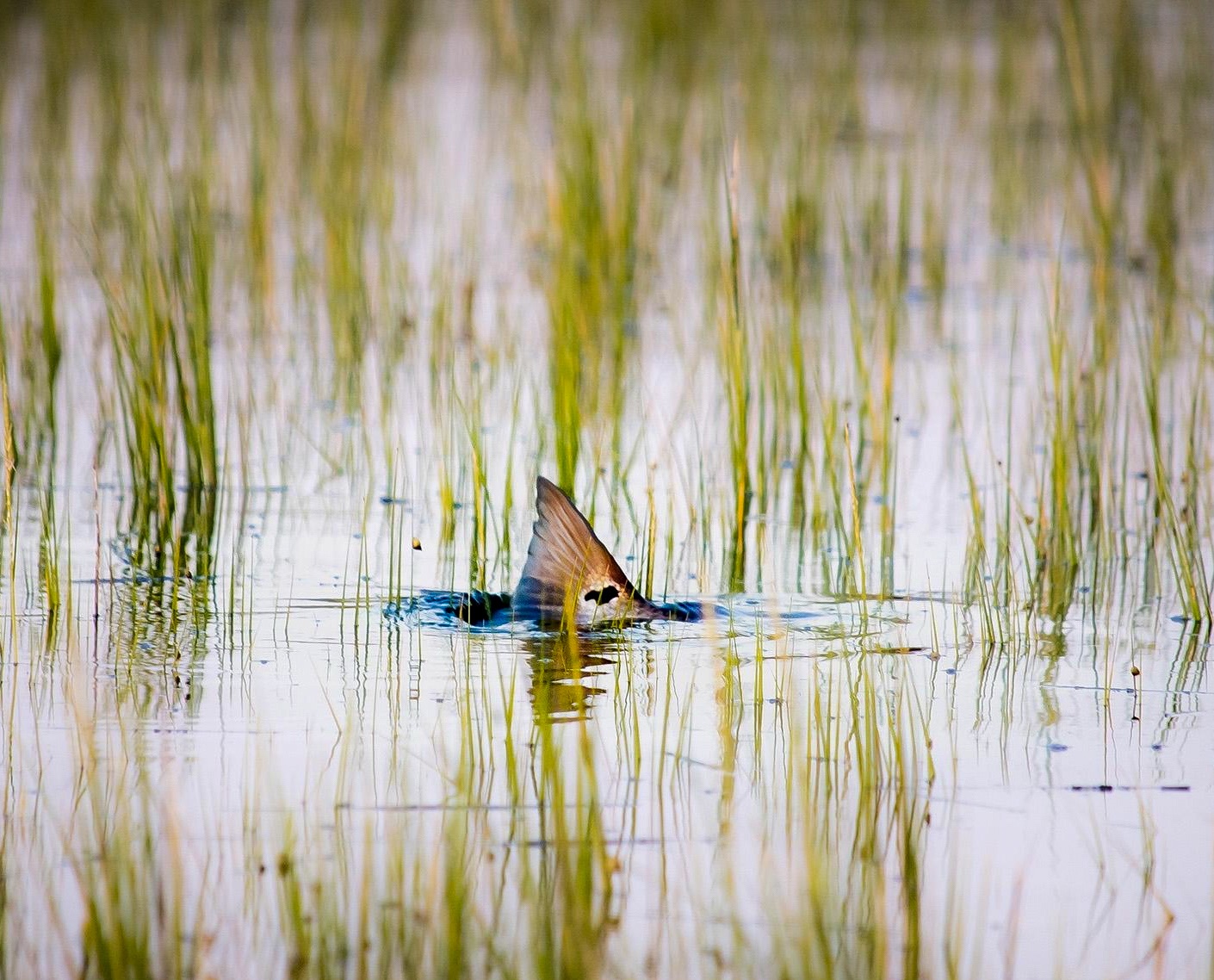
    If you’ve ever searched for the best fishing spots near me, you’ve probably realized quickly—good spots aren’t given, they’re found. Whether I’m chasing redfish on the Texas flats, targeting speckled trout in moving tides, or hiking into backcountry streams for fly fishing, my approach stays the same: read the water, understand the conditions, and let the fish tell you where they want to be.

    In this guide, I’ll break down exactly how I find productive fishing locations anywhere—using real tactics, tools like Google Earth, tide and current data, and on-the-water experience fishing areas like Galveston, Freeport, and Matagorda.

    “The best fishing spots aren’t spots—they’re conditions lining up in the right place.”

    Understanding What Makes the Best Fishing Spots

    Before even opening a map, I’m thinking about what the fish need:

    • Moving water (tides, current, inflow/outflow)

    • Bait presence (shrimp, mullet, crabs, shad)

    • Structure (grass flats, drop-offs, points, drains)

    • Water clarity

    • Wind direction and protection

    This applies whether you’re:

    • Fishing inshore for redfish and trout

    • Targeting largemouth bass in ponds or lakes

    • Hiking into backcountry fly fishing streams

    Fish don’t randomly sit somewhere—they position themselves where food is brought to them.

    How I Use Google Maps & Google Earth to Find Fishing Spots

    This is where everything starts.

    1. Scouting Structure from Above

    Using Google Earth and satellite view, I look for:

    • Grass flats and sand pockets (redfish & trout)

    • Shoreline points and coves

    • Drains and cuts between marsh systems

    • Drop-offs and depth changes

    • Creek bends and riffles (for trout streams)

    2. Identifying Water Movement

    I zoom in on:

    • Narrow channels

    • Marsh drains

    • Inlets and bay connections

    These areas concentrate bait—especially on moving tides.

    3. Finding Access Points

    For real-world usability, I mark:

    • Kayak launches

    • Wade fishing shorelines

    • Public bank access

    • Bridges and roadside pull-offs

    “A great spot doesn’t matter if you can’t safely and consistently access it.”

    Using Tides and Currents to Pinpoint Fish (Inshore Focus)

    Fishing the Texas coast—especially around Galveston—tides are everything.

    Click on the two images below to see tides and currents in your area

    Tide App

    Incoming Tide (Flood Tide)

    • Water pushes bait onto flats

    • Redfish move shallow to feed

    • Cleaner water often follows

    Outgoing Tide (Ebb Tide)

    • Bait gets pulled out of marshes and back lakes

    • Fish stack in drains and pinch points

    • Bite windows can last longer here

    What I Look For

    • Light to moderate current (not ripping)

    • Clear to slightly stained water

    • Wind-protected shorelines

    “If bait is moving, fish are feeding. If the water is dead, keep moving.”

    Finding Redfish & Trout in Areas Like Galveston, Freeport, and Matagorda

    In these systems, I focus on high-percentage zones:

    Key Areas

    • Marsh drains on falling tides

    • Grass flats on incoming tides

    • Shorelines with bait activity

    • Sand pockets mixed with grass

    What I Watch For

    • Mullet flipping

    • Nervous water

    • Wakes and pushes

    • Birds working

    When I start seeing life, I slow down and fish thoroughly.

    Kayak, Wade, and Bank Fishing Strategy

    Kayak Fishing

    • Launch near marsh systems or flats

    • Use wind to drift quietly across structure

    • Cover water until you find bait/activity

    Wade Fishing

    • Target clear water flats and shorelines

    • Move slow and watch for signs before casting

    • Focus on transitions (grass to sand, shallow to drop-off)

    Bank Fishing

    • Bridges (current + structure)

    • Ponds with inflow/outflow

    • Public shoreline access with depth change

    “Mobility is everything—don’t get locked into one spot.”

    How I Find Freshwater & Bass Fishing Spots Near Me

    When I switch to bass fishing, the mindset stays the same.

    What I Look For

    • Points and submerged structure

    • Grass lines and edges

    • Shade (docks, trees, overhangs)

    • Inflow areas (creeks, drains)

    Using Google Maps, I scan:

    • Retention ponds

    • Small lakes

    • River access points

    If water has structure + bait + access, I’m fishing it.

    Backcountry Fly Fishing: Finding Remote Water

    This is where things get even more strategic.

    Tools I Use

    • Google Earth (topography + water flow)

    • Trout routes and public land maps

    • Elevation and gradient changes

    What I Look For

    • Small streams off main rivers

    • Pocket water and riffles

    • Undisturbed areas away from pressure

    Key Indicators

    • Cold, moving water

    • Oxygen-rich sections (riffles, runs)

    • Access via trails or public land

    “The harder it is to get to, the better the fishing usually is.”

    Reading Conditions Over Spots

    One of the biggest mistakes anglers make is chasing spots instead of patterns.

    Instead, I focus on:

    • Water movement

    • Bait activity

    • Seasonal behavior

    • Weather changes

    That’s how you can go anywhere—even a completely new area—and still find fish.

    Final Thoughts: Build Your Own Fishing Map

    Over time, I build a mental (and digital) map of:

    • Productive tides

    • Reliable areas

    • Seasonal movements

    Every trip adds data.

    “The more water you study, the less you rely on luck.”
  • Dry Fly Fishing Fundamentals: Presentation, Observation, and Choosing the Right Fly

    Dry Fly Fishing Fundamentals: Presentation, Observation, and Choosing the Right Fly

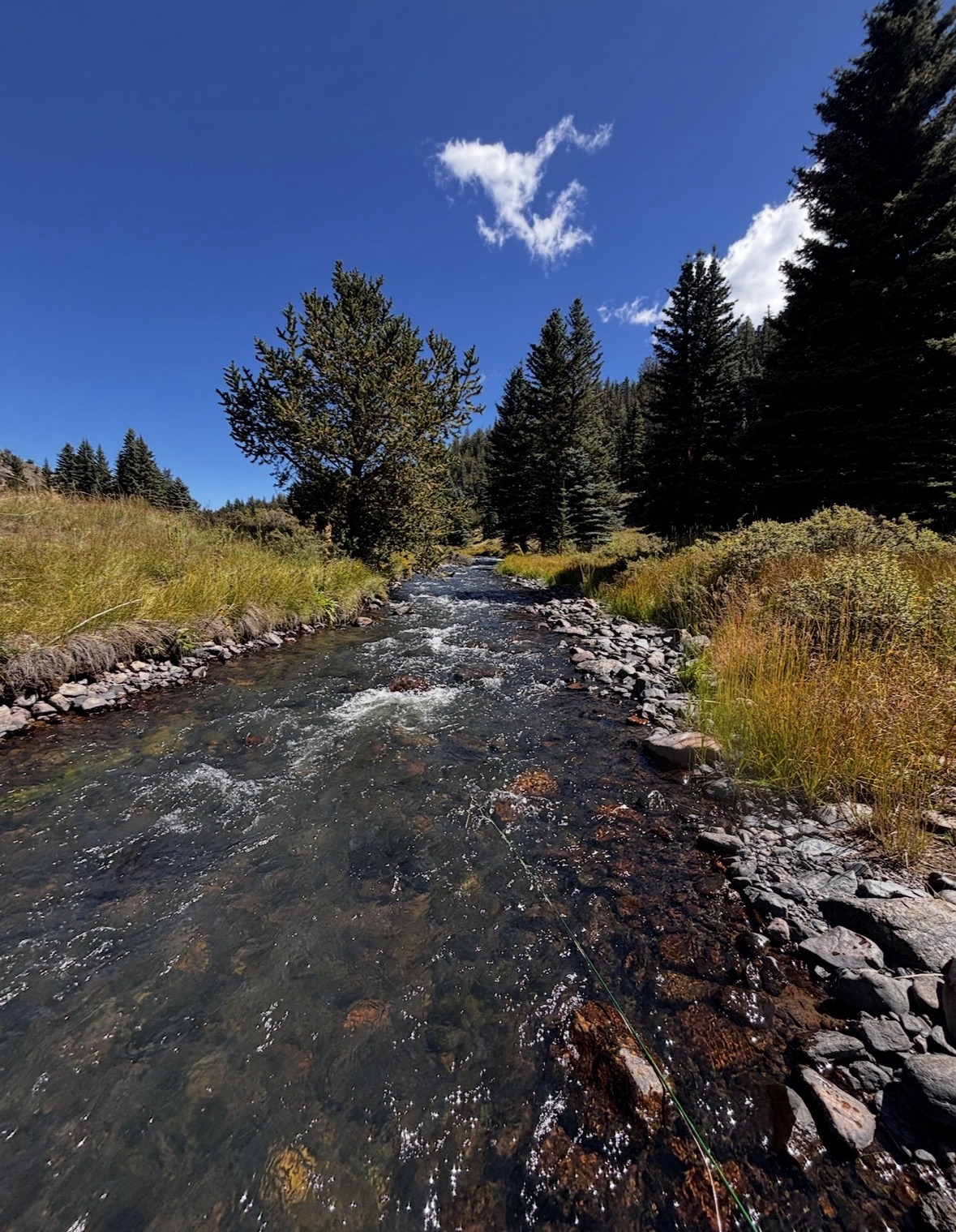
    Dry fly fishing is one of the most visual and rewarding ways to catch trout—but it’s also one of the most misunderstood. Many anglers obsess over exact fly patterns while overlooking the fundamentals that actually matter: presentation, observation, and reading the water.

    In this post, we’ll break down the core principles that consistently lead to success with dry flies—without falling into the trap of endless fly changes. This approach builds confidence, saves time on the water, and helps you understand why a fly works instead of relying on luck.

    Dry Fly Presentation: The Make-or-Break Factor

    You can have the “perfect” fly and still never get a take if the presentation is off.

    Trout see thousands of drifting insects every day. What they don’t see is insects dragging sideways, skating unnaturally, or moving at a different speed than the current.

    Key presentation elements to focus on:

    Drag-free drift – The fly must move at the exact speed of the current it’s floating in.

    Line and leader control – Mends matter more than fly choice.

    Approach angle – Casting slightly upstream or across allows the fly to drift naturally into the fish’s window.

    A mediocre fly with a perfect drift will outfish the “right” fly with a poor presentation almost every time.

    Look Around First: Let the River Tell You What to Use

    Before tying anything on, slow down and observe your surroundings.

    Ask yourself:

    • Are insects actively flying?

    • Do you see bugs on rocks, grass, or logs near the river?

    • Are fish rising consistently or sporadically?

    You don’t need to identify every insect down to the species. Instead, focus on:

    Size

    Color

    General shape

    Matching those three elements gets you 90% of the way there.

    If you see small, dark mayflies hovering and fish rising gently, you already know more than someone blindly cycling through fly boxes.

    Stop Pattern Chasing: Limit Your Time Searching for the “Perfect” Fly

    One of the biggest mistakes anglers make is changing flies too often.

    Constantly swapping patterns does three things:

    1. Breaks your rhythm

    2. Wastes fishing time

    3. Masks the real problem—usually presentation

    A better approach:

    • Pick one confidence pattern

    • Fish it thoroughly

    • Adjust how you fish it before changing what you fish

    If the fly drifts well and matches the general hatch profile, it deserves time in the water.

    Reading the Water: Where Dry Flies Actually Get Eaten

    Dry flies don’t get eaten everywhere—they get eaten in predictable places.

    Focus on:

    • Seams where fast and slow water meet

    • Foam lines that collect drifting insects

    • Inside bends with softer current

    • Tailouts below riffles

    These areas funnel food naturally and allow trout to feed efficiently. A perfect dry fly dropped into dead water with no feeding lanes is still a low-percentage cast.

    Understanding water movement often matters more than matching the hatch.

    Why One Fly Works Over Another (Even When They’re Similar)

    Ever notice how two flies in the same pattern family produce completely different results?

    That’s rarely coincidence.

    Subtle differences matter:

    Silhouette – A fly that rides lower may look more natural

    Hackle density – Sparse vs bushy can change how a fly drifts

    Float posture – Upright vs flush in the film

    Visibility – Not just for you, but for the fish

    Sometimes the “better” fly isn’t closer to the insect—it’s closer to how that insect behaves in the current.

    Instead of asking “What fly should I use?” start asking:

    “How is this fly interacting with the water?”

    That mindset shift changes everything.

    Choosing Flies With Intention, Not Guesswork

    Confidence comes from understanding—not luck.

    When choosing a dry fly:

    1. Match size and profile first

    2. Consider how the fly will float

    3. Think about the water type you’re fishing

    4. Commit to fishing it well

    The goal isn’t to own more flies—it’s to understand the ones you already trust.

    What’s Next: Going Deeper Into Dry Fly Strategy

    This post lays the foundation, but there’s more to unpack.

    In the upcoming follow-up series, we’ll dive deeper into:

    • Specific dry fly patterns and when to use them

    • Adjusting presentations for different water types

    • When to switch from dries to emergers or streamers 

    • How weather and light affect dry fly success

    • Reading subtle rise forms and feeding behavior

    Dry fly fishing isn’t about perfection—it’s about awareness, patience, and understanding how trout interact with moving water.

    And once you get that dialed in, the surface comes alive.

  • Mastering Inshore Saltwater Fishing in Galveston West Bay for Bigger and Better Catches

    Mastering Inshore Saltwater Fishing in Galveston West Bay for Bigger and Better Catches

    Grass flats Galveston West Bay

    Inshore saltwater fishing is an exciting challenge, especially when targeting prized species like redfish and speckled trout. Success in these waters requires more than just casting a line—you need to understand the right techniques, how fish behave with tidal movements, and where to find them. In this guide, we’ll break down essential strategies, including the use of maps to illustrate tidal flows and prime fishing spots, to help you land bigger and better catches.

    Understanding Tidal Movements and Fish Behavior

    Tides play a crucial role in inshore fishing, influencing how and where redfish and speckled trout feed. These species rely on moving water to bring food to them, so knowing when and where the tides are strongest can greatly increase your chances of success.

    Incoming Tide – As the tide rises, baitfish and shrimp move into marshes, grass flats, and estuaries. Redfish and trout follow, feeding aggressively in these areas.

    Outgoing Tide – As water drains out, bait is pulled through channels, cuts, and creek mouths. This creates prime ambush points for hungry fish.

    Slack Tide – Minimal water movement can slow down feeding activity, making it a less productive time to fish.

    Hotspot: Fishing Galveston West Bay

    Galveston West Bay is one of the top inshore fishing destinations on the Texas coast, offering a mix of shallow flats, oyster reefs, and deep channels that make it ideal for targeting redfish and speckled trout. Here are some key areas to focus on:

    North Shoreline – The marshy edges and grass flats along the north side of the bay are excellent for sight fishing redfish, especially on an incoming tide.

    Oyster Reefs (like Confederate Reef & Carancahua Reef) – These structures hold bait and attract both trout and redfish, making them great places to fish during moving tides.

    Cold Pass & Greens Lake – These areas serve as natural funnels for tidal movements, creating excellent ambush spots where fish congregate.

    Using maps to analyze these locations along with tidal patterns can help you plan your trips more effectively. 

    Seasonal Strategies for Galveston West Bay

    Winter Fishing Tactics

    During winter, water temperatures drop, pushing redfish and speckled trout into deeper, more stable areas. Key strategies include:

    Targeting Deep Channels & Holes – Areas like the ICW (Intracoastal Waterway), deeper sections of West Bay, and channels leading to the Gulf hold fish seeking warmer water.

    Slow-Presenting Soft Plastics – Using a slow retrieve with a soft plastic on a jig head mimics sluggish baitfish, making it a go-to technique for cold-water trout.

    Fishing Mud & Shell Bottoms – These areas retain heat better than sand, attracting fish looking for slightly warmer conditions.

    Summer Fishing Tactics

    As temperatures rise, fish patterns shift, and early mornings or late evenings become prime times to target them. Key strategies include:

    Topwater Action at Sunrise & Sunset – Speckled trout and redfish become aggressive in low-light conditions, making this the perfect time for walking-the-dog-style lures.

    Fishing the Marsh & Grass Flats – Higher water levels push redfish into shallow marshes and grassy shorelines, where they feed on shrimp and baitfish.

    Working Deeper Structure Midday – As the sun heats up, fish retreat to deeper reefs and channels. Using live bait or slow-sinking lures can be effective.

    By adjusting your approach based on the season and using maps to track tidal movements, you can maximize your success in Galveston West Bay year-round.

    Using Maps to Identify Prime Fishing Spots

    Google earth showing tidal movements

    To maximize success, I use existing maps with annotations to highlight key areas where tidal movements concentrate bait and fish. Some top locations include:

    Grass Flats & Oyster Bars – These areas hold bait and attract redfish, especially during higher tides.

    Creek Mouths & Drains – Outgoing tides pull bait through these pinch points, making them ideal ambush zones for trout and redfish.

    Drop-offs & Deep Holes – In colder months or during extreme heat, fish retreat to deeper areas where water temperatures are more stable.

    Maps help visualize these areas and understand how tides move water through them, improving your ability to predict fish activity.

    Techniques for Catching Redfish and Speckled Trout

    Looking at Redfish tailing on the edge of the banks

    Sight Fishing for Redfish

    When water clarity allows, look for redfish tailing in shallow flats or cruising along marsh edges. Using a weedless soft plastic or a live shrimp under a popping cork can be deadly in these situations.

    Jigging for Speckled Trout

    Trout are aggressive feeders, and a jig with a soft plastic (such as a paddle tail or shrimp imitation) bounced near the bottom often gets their attention. Target deeper drop-offs and areas with moving water.

    Topwater Action

    During low-light conditions—early morning or late evening—both species will strike topwater lures. Walk-the-dog style baits, like the Zara Spook, work well over shallow flats and near oyster beds.

    Bringing It All Together: Video and Visuals

    To better explain these techniques and locations, I include videos and pictures in my blog posts. This way, you can see real-life examples of these fishing strategies in action. The combination of on-the-water footage, maps with annotations, and detailed explanations ensures you have all the tools needed to improve your inshore fishing game.

    Final Thoughts

    Mastering inshore fishing for redfish and speckled trout isn’t just about luck—it’s about understanding how these fish move with the tides, using maps to pinpoint the best locations, and applying the right techniques. By combining these strategies with real-time conditions, you can dramatically increase your success on the water.

    Thanks for reading! If you enjoyed this post and want more fishing tips, trip reports, and on-the-water action, be sure to follow along.

    Subscribe to our YouTube channel for in-depth videos, gear breakdowns, and on-the-water adventures. Stay up to date by following us on Facebook, where we share fishing reports, trip updates, and connect with fellow anglers.

    Join the conversation, share your catches, and let’s keep exploring the water together.

    Tight lines, and see you Beyond the Cast!