
Photos and story by David Poole
Trout are more than just a favorite target for anglers—they are the pulse of healthy river systems. Across the U.S., conservationists, biologists, and local communities are fighting to protect this iconic fish. From restoring native species to safeguarding bug life and clean water, trout conservation is a story of ecological revival.
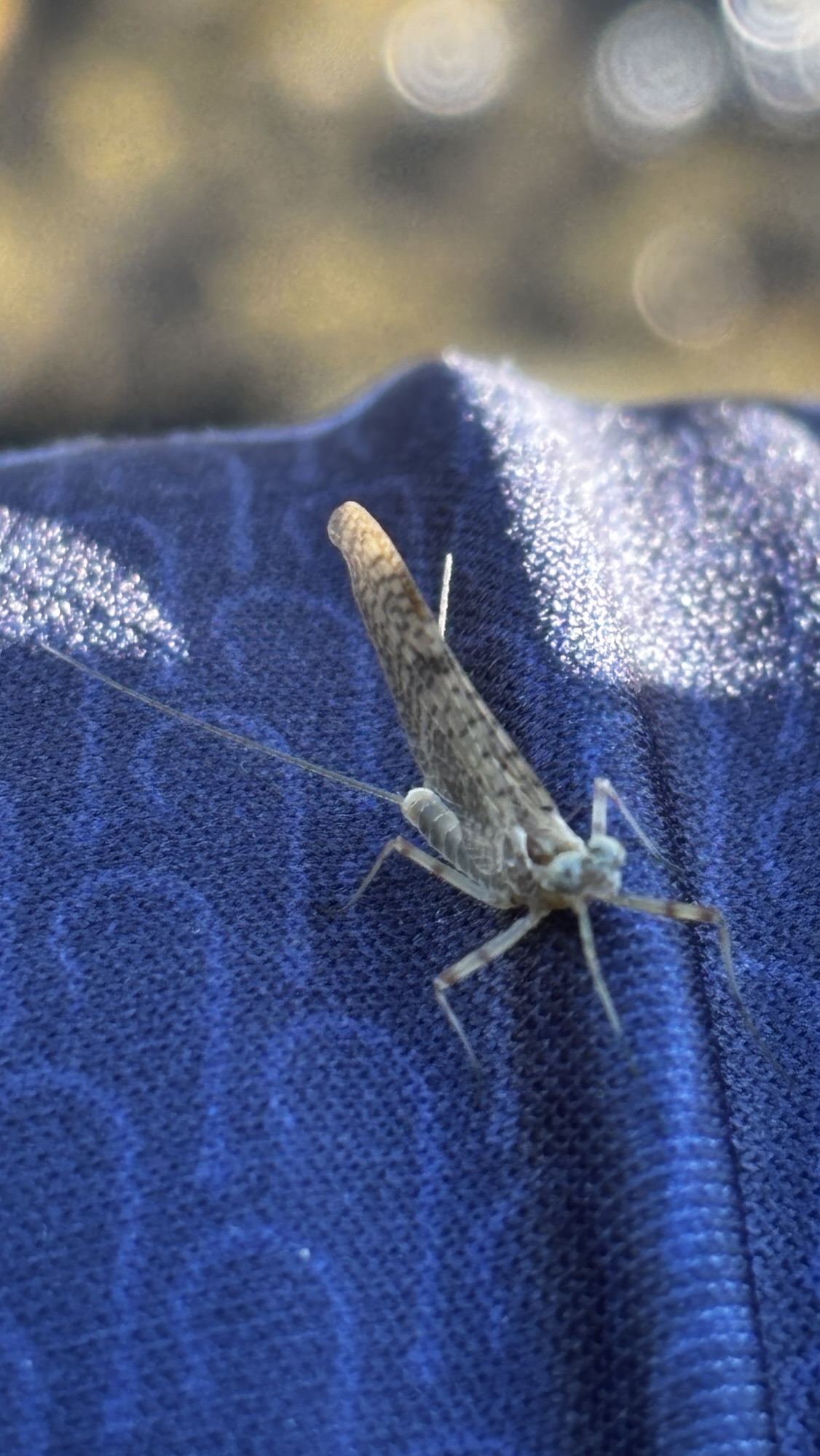
The Big Picture: Why Trout Conservation Matters
Trout are indicator species—meaning their presence signals a healthy aquatic ecosystem. Cold, clean, oxygen-rich water is a requirement for their survival. As rivers face threats from drought, pollution, invasive species, and urbanization, trout populations have suffered.
Conservation isn’t just about saving fish. It’s about preserving entire ecosystems, protecting biodiversity, and ensuring future generations can experience wild waters and native trout.

State-by-State Tactics: Unique Approaches to Trout Conservation
Every state has its own climate, terrain, and trout populations, which means conservation looks different across the U.S. Here are some standout efforts:
State-by-State Tactics: Unique Approaches to Trout Conservation
Every state has its own climate, terrain, and trout populations, which means conservation looks different across the U.S. Here are some standout efforts:
New Mexico
• Focus: Native Rio Grande cutthroat trout.
• Tactics: Remote stream restoration, stream temperature monitoring, and translocation of native cutthroat to protected high-altitude waters.
Utah
• Focus: The Utah Cutthroat Slam.
• Tactics: A public-incentive conservation program that encourages anglers to fish for native strains while funding habitat restoration through registration fees.
Montana
• Focus: Wild trout management.
• Tactics: Minimal stocking, strict regulation on water withdrawals, and temperature-sensitive fishing closures to protect fish during droughts.
North Carolina
• Focus: Brook trout and Appalachian streams.
• Tactics: Reforestation around streams, culvert removal for fish passage, and robust hatchery-supported native stocking.
Tennessee
• Focus: Southern Appalachian brook trout.
• Tactics:
• Native Restoration: Tennessee has been working to restore the only native trout species in the state—the Southern Appalachian brook trout—in the Great Smoky Mountains and Cherokee National Forest.
• Genetic Protection: Biologists use genetic testing to identify and protect pure strains of native brook trout, which have been diluted by historic stocking of northern strains.
• Habitat Rehabilitation: Streams have been restructured by removing barriers like old logging roads and replacing culverts to reconnect fragmented habitats.
• Partnership Programs: Tennessee Wildlife Resources Agency (TWRA) works with the National Park Service and Trout Unlimited to monitor stream health, conduct temperature studies, and reintroduce brook trout into restored waters.
“Brook trout are more than just a native species—they’re a symbol of our mountain streams. We’re rebuilding those lost legacies one cold stream at a time.”
— Tennessee Wildlife Resources Agency
Water Conservation: The Root of Trout Survival
Water is the most critical resource for trout. Without cold, clean, well-oxygenated water, nothing else matters.
Key Tactics:
• Riparian Buffer Zones: Planting vegetation along stream banks to reduce runoff, lower water temperatures, and provide cover.
• Flow Management: Coordinated water releases from dams and reservoirs to mimic natural stream flow and reduce thermal stress.
• Agricultural Partnership Programs: Working with farmers to limit irrigation drawdowns, reduce pesticide runoff, and restore stream access.
The Importance of Bug Life: Mayflies, Caddis, and Stoneflies
Aquatic insects are a foundational part of trout ecosystems. These bugs aren’t just trout food—they indicate stream health and play key roles in nutrient cycling.
Conservation Gains:
• Increased macroinvertebrate diversity is a sign of success in restoration projects.
• Studies show stream habitat improvements often lead to a 30–60% increase in bug hatches within two years.
• Healthy hatches fuel trout growth and reproduction—especially during the spring and fall feeding windows.
Restoring Native Trout: Bringing Back the Originals
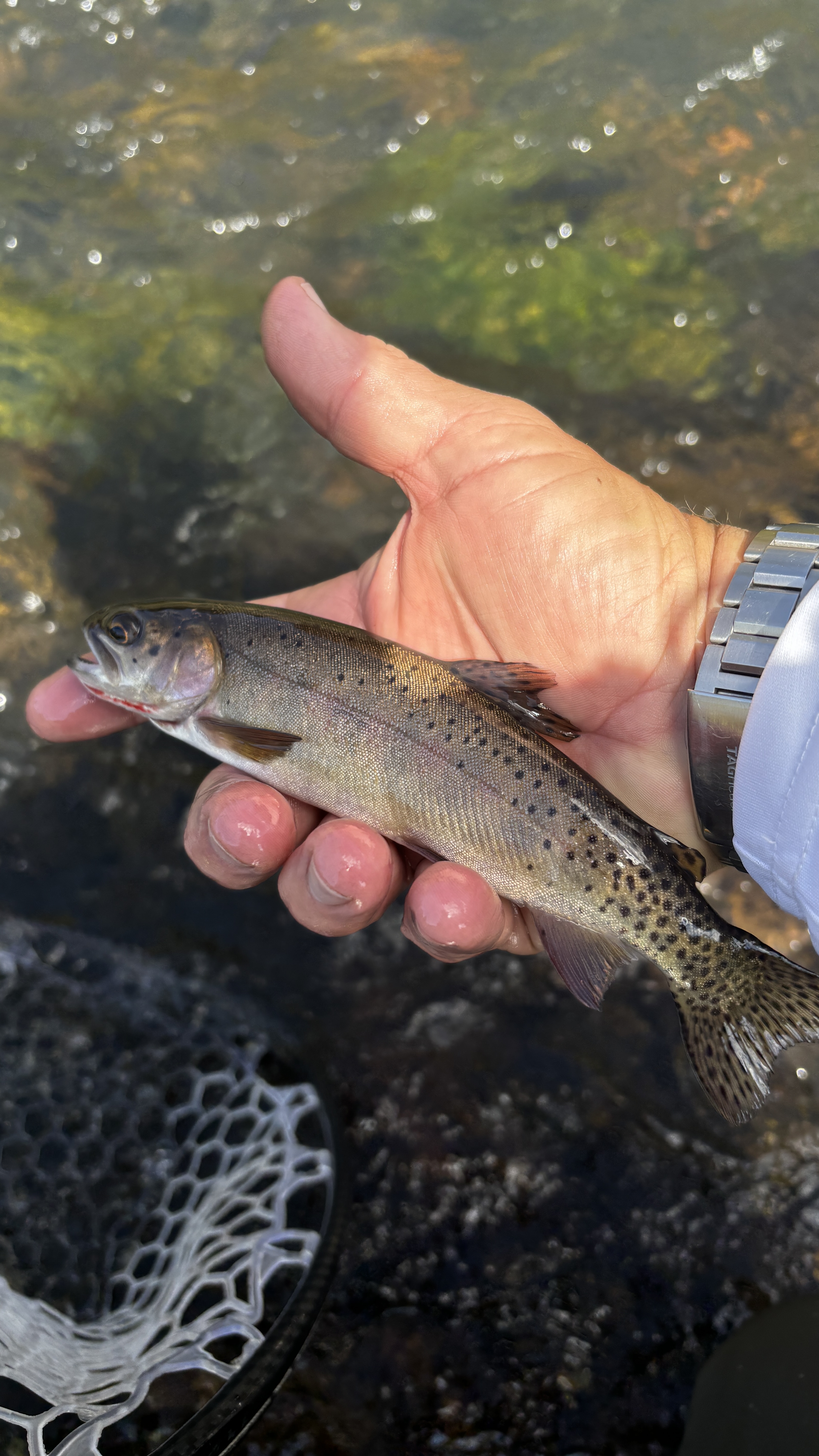
In many watersheds, native trout were lost due to overfishing, logging, mining, and the introduction of non-native species. Conservation efforts now aim to undo that damage.
Examples of Success:
• Greenback Cutthroat (Colorado): Once thought extinct, small remnant populations were found and used for native reintroduction efforts in the South Platte drainage.
• Apache Trout (Arizona): Federally protected, with recovery projects in high mountain streams and strong community involvement.
• Lahontan Cutthroat (Nevada & California): Massive scale-up of reintroduction projects into Pyramid Lake and nearby alpine waters.
How Trout Are Raised: Inside Hatcheries and Wild Stocking Programs
Raising trout plays a key role in both conservation and sportfishing. But not all hatchery programs are created equal.
Modern Hatchery Practices:
• Genetic Integrity: Breeding programs now focus on maintaining native genetics rather than just producing numbers.
• Disease Control: UV filtration, oxygen monitoring, and isolation units prevent outbreaks.
• Stream-Ready Conditioning: Juvenile trout are raised in stream-simulation tanks with natural flow and live prey to prepare them for the wild.
How You Can Help: Small Steps, Big Impact
1. Practice Catch and Release: Use barbless hooks and handle fish with wet hands.
2. Volunteer with Trout Unlimited or Local Stream Projects.
3. Support Native Reintroduction Programs: Donate, advocate, or join citizen science efforts.
4. Fish Responsibly: Avoid fishing during warm-water conditions or low-flow events.
Conclusion: Conservation Is a Collective Story
Trout conservation is a powerful blend of science, tradition, and community. Whether you’re a fly angler hiking into a remote canyon or a weekend bait fisherman on a stocked lake, your actions matter. Together, we can ensure that cold, clean trout streams continue to flow wild and full of life.
 Beyond the Cast