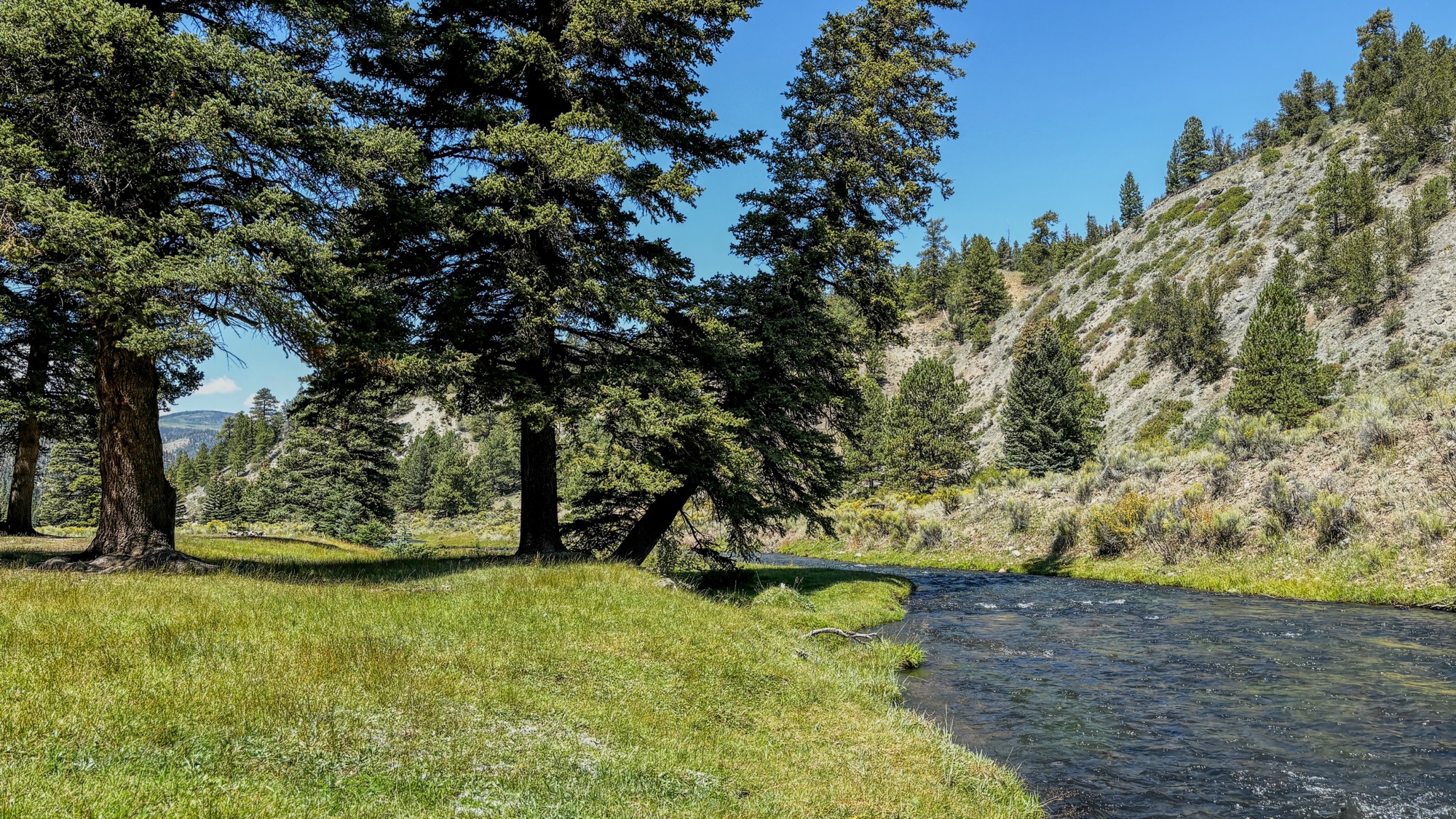
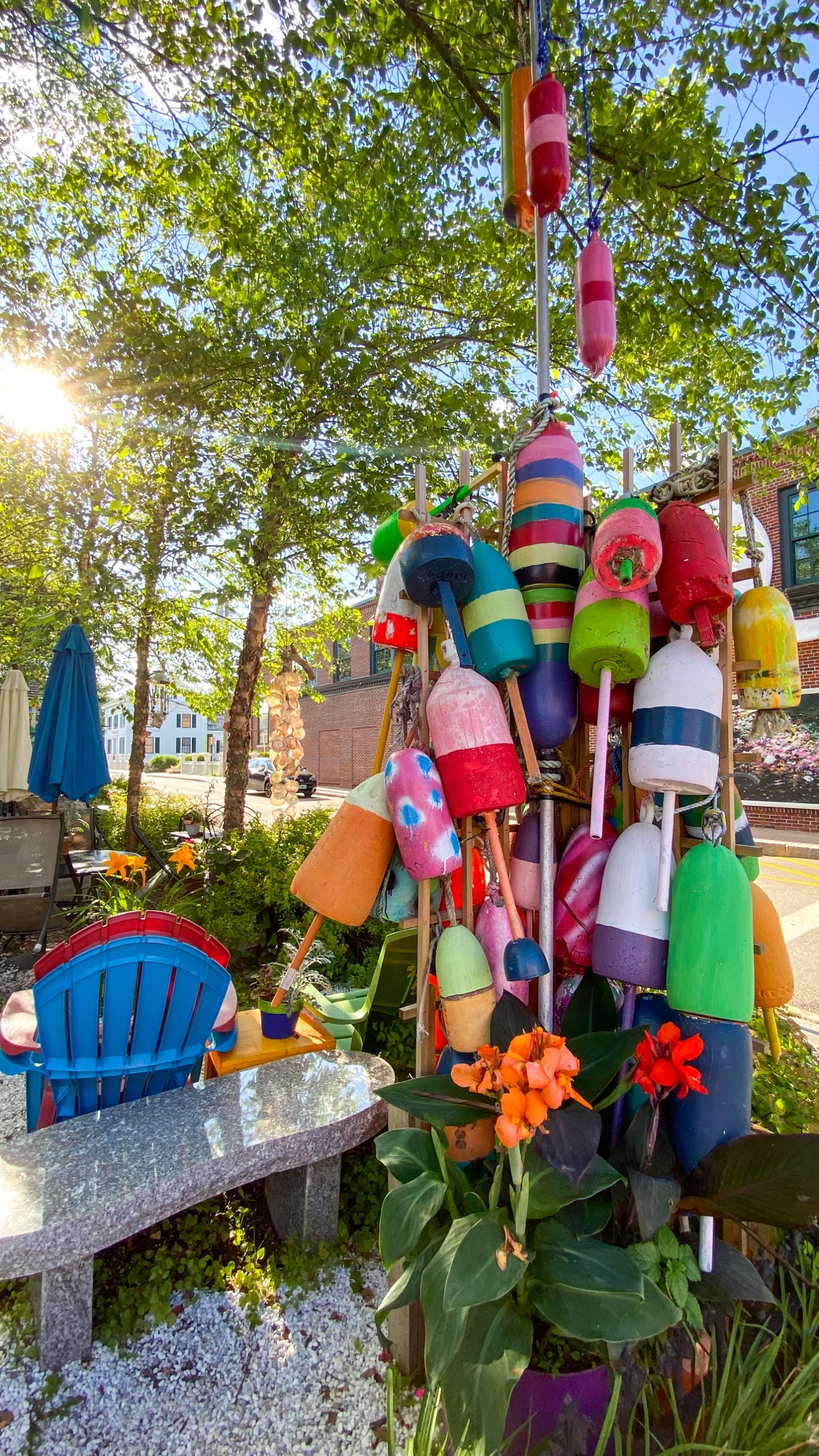
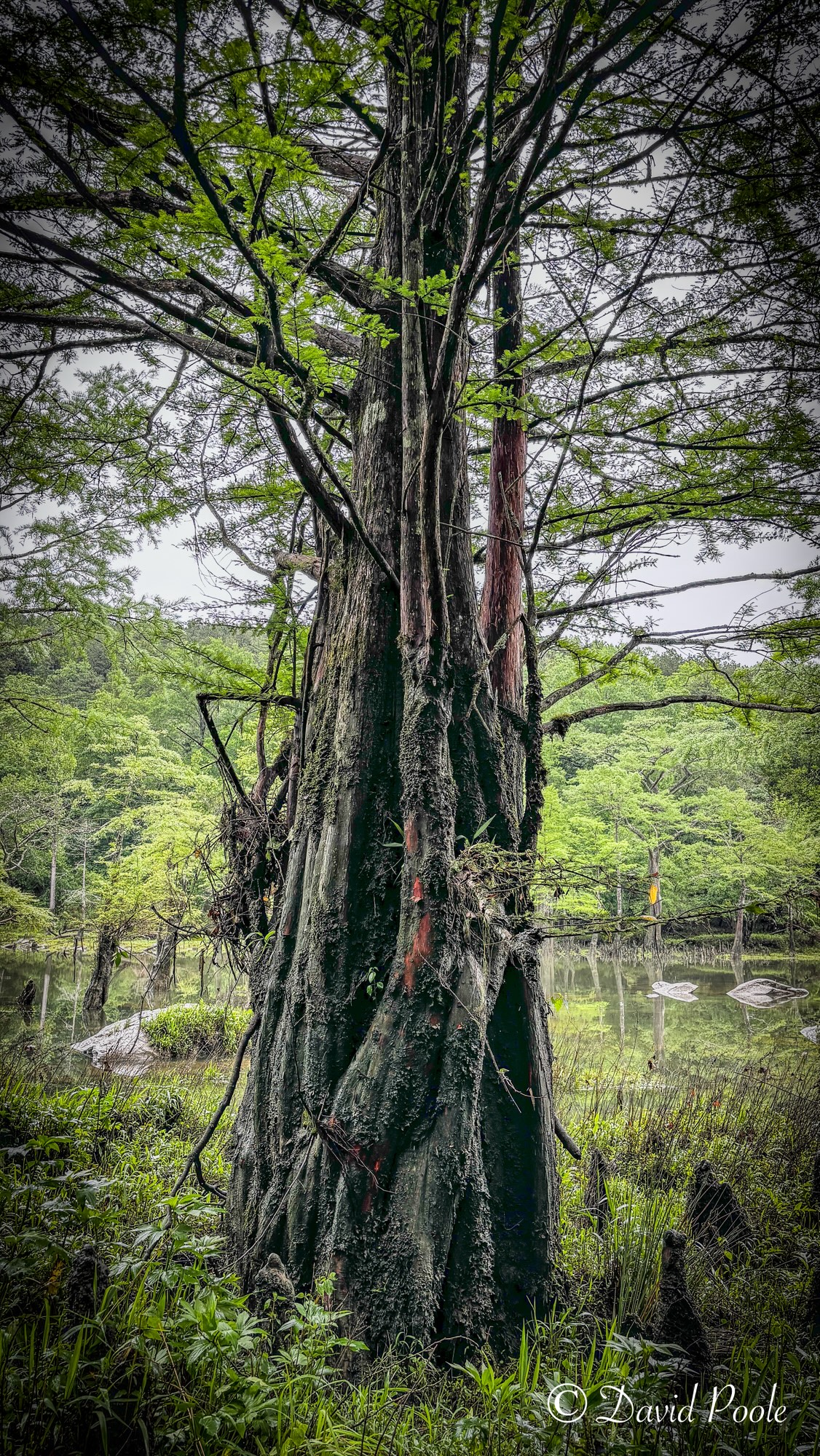
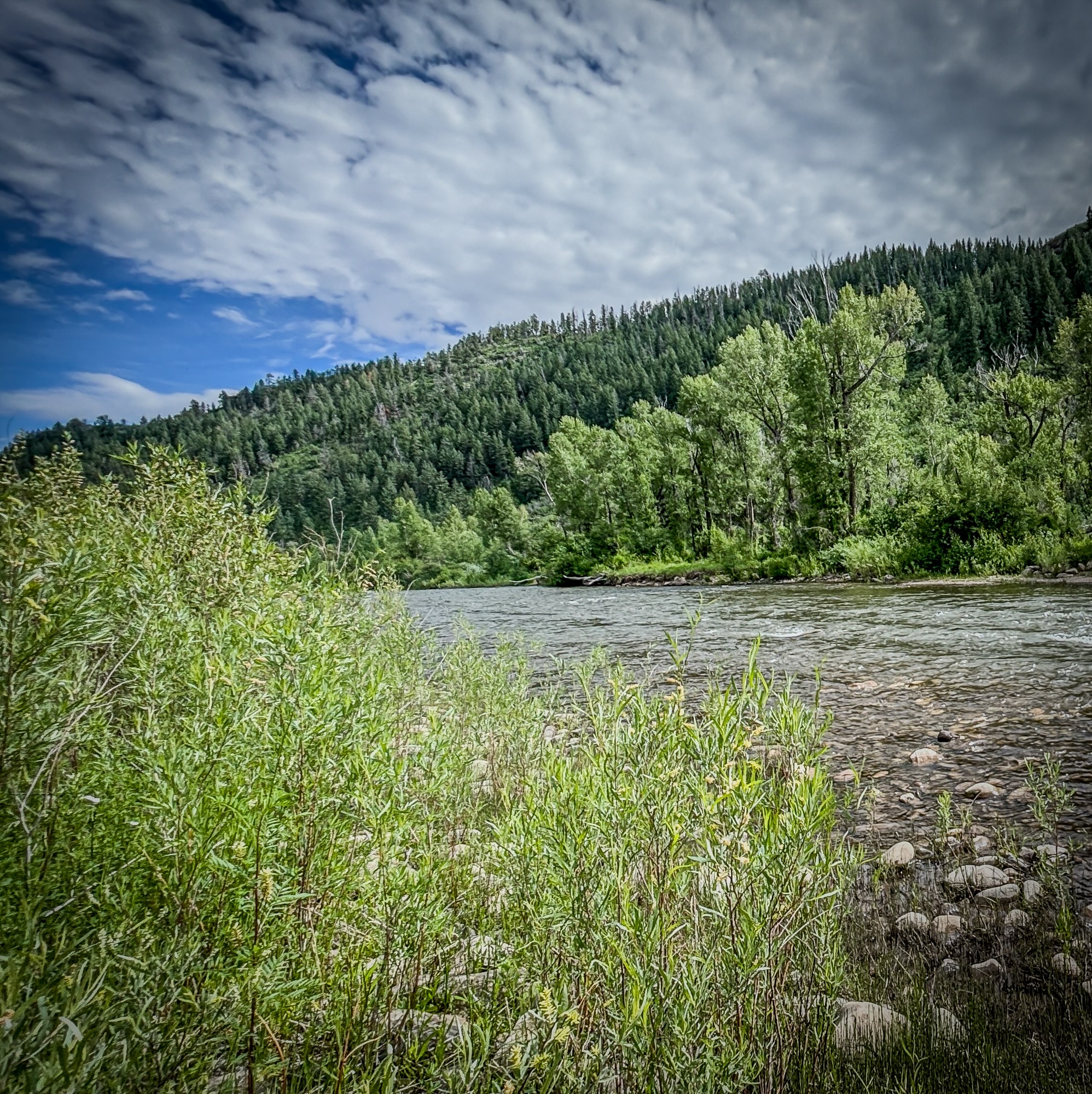
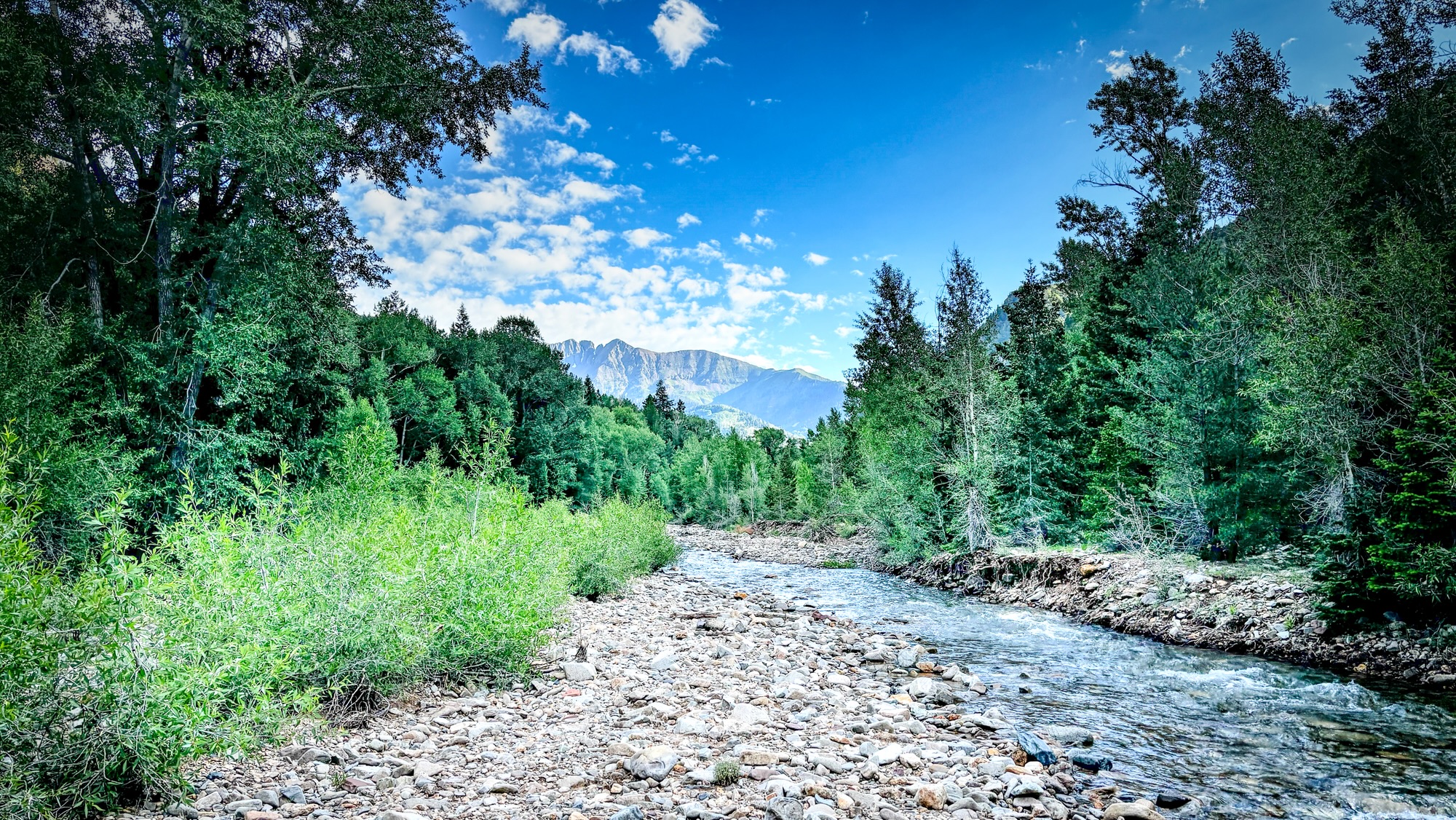
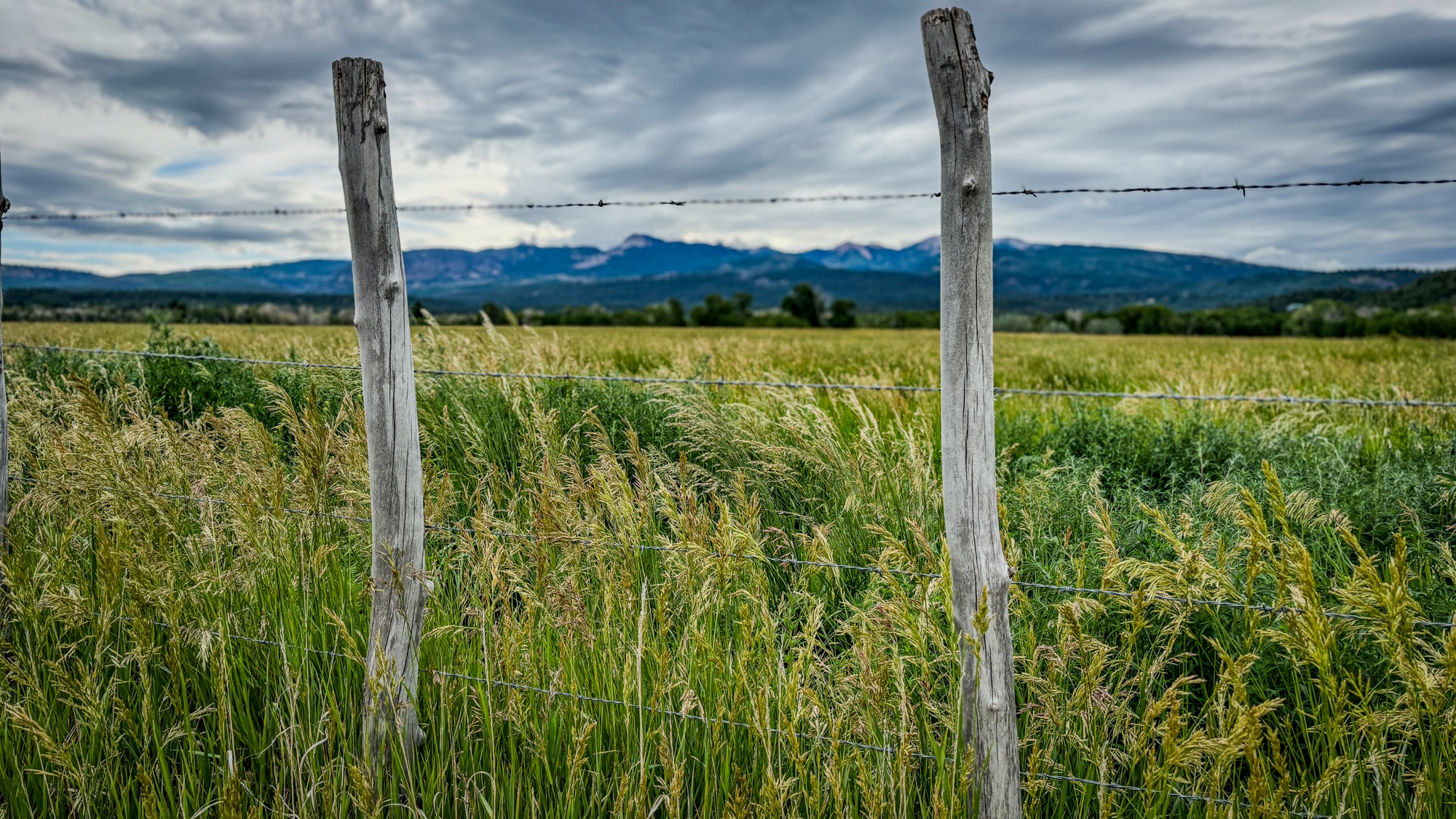
“A luxury I can’t live without? Conservation programs for trout and the watersheds they depend on. It might not be material, but clean, cold water and the ecosystems behind it are what fuel every one of my passions—from fly fishing and photography to writing and exploring remote rivers.”
For more information on this subject check out my in depth blog on conservation!
What are the most important things needed to live a good life?
The Most Important Things for a Good Life
In a world that constantly pushes us to do more, chase more, and worry about things far outside of our control, we often lose sight of what truly matters. The truth is, a good life isn’t built on how much we accumulate, how many followers we gain, or how fast we move—it’s built on how deeply we live, how well we love, and how easily we let go.
Letting go has become one of the most important skills I’ve learned. Letting go of things that don’t serve you, of stress you didn’t ask for, of expectations you never agreed to carry. Life gets lighter when you stop clinging to outcomes and allow yourself to simply be. Most of the things we stress about—the small annoyances, the passing criticisms, the unpredictable curveballs—don’t matter as much as we think they do. And the ones that do matter, we face best with a calm, steady heart.
For me, living a good life means immersing myself in the things I truly love. Time with my family. A quiet morning walk with my camera slung over my shoulder. Wading into a cold, clear river with a fly rod in hand and the sun cresting over the trees. In those moments, I’m not chasing anything—I’m just in it. Present. Grounded. Whole.
Nature has a way of reminding us that life keeps flowing, even when we’re not in control. The river doesn’t resist the rocks in its path—it moves around them, over them, reshapes them with time. That’s something I try to carry with me in everyday life. Don’t fight what’s out of your hands. Flow with it. Focus your energy on what brings you joy, meaning, and connection.
Whether it’s photographing a wild landscape, laughing with loved ones, or feeling the tug of a fish on the line—these moments are where I find peace. They give me space to breathe, reflect, and reset.
A good life isn’t perfect. It’s real. It’s messy, beautiful, full of little pauses that hold a lot of meaning if you’re paying attention. Let go of the noise. Lean into what you love. And when you find your peace, don’t let go of that.
In a world constantly buzzing with noise, expectation, and pressure, peace often feels like a luxury—something far off in the distance, waiting for “the right time.” But peace isn’t a destination. It’s a practice. It’s a mindset. And for me, it starts with clearing my mind and grounding myself in the present moment.
The Art of Letting Go
One of the most powerful things I’ve learned is how to let go—especially of the negativity people carry and try to hand to you. Whether it’s judgment, anger, or bitterness, you don’t have to hold onto it. It’s not yours to carry.
You have every right to protect your energy.
Letting go doesn’t mean you stop caring. It means you stop allowing the weight of other people’s struggles to control your peace. You can’t change someone else’s mindset. You can only change how you respond.
Don’t Dwell in the Past. Don’t Live in the Future.
So many of us get trapped in old memories or future worries. But neither of those spaces are real anymore. The past is a closed door. The future? A hallway you haven’t walked through yet.
Happiness—true happiness—is found in the now.
This moment, this breath, this step you’re taking… it’s the only one that’s real. When you fully embrace it, you begin to realize how powerful and free you already are.
This Life Is Short—Live It Fully
We only have a short time here in this world.
That fact can feel heavy—but it’s also deeply freeing. It’s a reminder to live.
To do the things you’ve always wanted to do.
To stop waiting for the perfect moment—because the days are not promised.
If there’s a dream tugging at your heart, follow it.
If there’s someone you love, spend time with them. Tell them. Laugh with them. Make memories.
Don’t let life pass by in a blur of routine and regret. You are here now. Don’t waste the gift.
Nature Is a Healer
For me, nature is more than a backdrop—it’s a reset button.
When I step into the woods or cast a line into quiet waters, something shifts. The noise fades. My breath slows. The world becomes still. Nature doesn’t ask you to perform. It invites you to be.
Walk under open skies. Sit by a river. Feel the earth under your feet. Let the sun touch your face. That’s when you start to remember what peace feels like. That’s when your mind gets quiet and your heart gets louder.
Your Peace Lives in You
We all have different things that bring us calm. Maybe it’s reading, journaling, making art, or spending time with people who truly see you. Maybe it’s a quiet morning coffee or the routine of a good workout. Find what centers you—and do it often. Not just when you’re stressed. Do it to build the foundation of a calm life.
The Shadow We Cast
There’s a quote I carry with me:
“When I walk, I cast shadows.”
To me, that means I exist. I matter. I have presence. Even when I feel small, there’s proof that I’m here. Every step forward leaves a mark.
Our shadows remind us that even when we walk alone, we are never invisible.
This Is How I Live a Peaceful, Happy Life
I clear my mind.
I let go of the noise.
I root myself in the now.
I remind myself that life is short—and it’s mine to live.
I spend time with those I love.
I chase joy, not perfection.
I listen to the wind and let the sun speak.
I take deep breaths. I move forward, gently.
And when I walk, I cast shadows.
So here’s my invitation to you:
Don’t chase peace—create it.
Don’t wait for the world to be quiet—become the quiet.
Let go, breathe deep, and come back home to the moment you’re in.
How do you know when it’s time to unplug? What do you do to make it happen?
There’s a quiet signal that tells me it’s time to step away. It’s not always loud or dramatic—it might be a slow build of stress, creeping doubt, or that stretched-thin feeling that makes even simple things feel heavy.
“When stress shows up uninvited and focus begins to drift, I know it’s time to unplug and reset.”
Sometimes it’s my mind racing in circles. Other times, it’s just a subtle weight on my chest or that uneasy feeling that I’m no longer fully present. That’s when I listen.
What Do I Do to Make It Happen?
I stop—literally—and breathe. I’ll take several long, intentional breaths, letting the tension fall away with each exhale. Whether I’m standing by the shoreline or stepping out into a pine-lined trail, I breathe in the fresh air and let it remind me of what stillness feels like.
“Before anything else, I pause and breathe deeply—filling my lungs with clean air and my mind with calm.”
Then, I turn to what grounds me most: fishing and photography.
A fly rod in hand or a paddle in the water, I drift back into the rhythm of nature. The act of casting into a quiet bay or stalking redfish along a grass flat becomes more than a hobby—it’s a kind of meditation. It realigns my thoughts.
“Fly fishing isn’t just about the fish—it’s about focus, patience, and reconnecting to something deeper.”
Other days, it’s photography that helps me reset. I’ll grab my Canon and hit the trail, chasing light and framing moments that the busy world tends to overlook. It’s a slower pace, a deeper look. Whether I’m capturing a coastal bird mid-flight or the still reflection of a riverbend, I’m reminded that beauty exists in the quiet details.
“Photography makes me slow down, breathe deeper, and see clearer—it’s the still frame that restores the bigger picture.”
In those moments—standing in saltwater up to my knees or hiking a mountain ridge with my camera slung over my shoulder—I’m fully present. The noise fades. The pressure lifts. I remember who I am when the world isn’t shouting.
“Unplugging isn’t running away—it’s returning to yourself.”
Saltwater fly fishing in Galveston West Bay is one of the most exciting and rewarding ways to target inshore species like redfish and speckled trout. With spring bringing warmer water temperatures and shifting feeding patterns, now is the perfect time to grab your fly rod and explore the marshes, grass flats, and channels of the Texas coast.
Whether you’re a seasoned fly angler or just getting started with saltwater fly fishing in Galveston, this guide covers everything you need to know—from essential gear and fly patterns to casting techniques and current fishing conditions.
Essential Gear for Saltwater Fly Fishing in Galveston
Fly Rod
A 9-foot, 8-weight fly rod is ideal for targeting redfish and speckled trout. It offers the power to handle wind and cast larger flies while maintaining the finesse needed for accurate presentations. For windy days or larger fish, consider a 9- or 10-weight rod.
Fly Reel
Choose a saltwater fly reel with a sealed drag system and corrosion-resistant materials like anodized aluminum. Smooth drag is essential when dealing with the strong, fast runs of redfish or trout hooked in moving water.
Fly Line
A weight-forward floating line is the go-to for shallow flats fly fishing. For deeper channels or windier conditions, an intermediate sinking line will help get your fly in the strike zone.
Leader and Tippet
Seaguar Red Label Fluorocarbon in 15 lb test is my preferred choice for leader and tippet material. It’s abrasion-resistant and nearly invisible underwater—key for targeting spooky fish in clear coastal waters.
Best Saltwater Fly Patterns for Redfish and Speckled Trout
Top Redfish Flies
• Clouser Minnow (Chartreuse/White) – A must-have fly pattern that imitates baitfish.
• Redfish Crack Fly – Perfect for tailing reds in shallow marshes.
• Merkin Crab – A great choice for redfish feeding around oyster beds and muddy bottoms.
• Puglisi Baitfish Fly – Realistic baitfish profile for sight-casting.
Top Speckled Trout Flies
• Lefty’s Deceiver (Chartreuse/White) – Proven pattern for trout over grass flats.
• Sea Habit – Effective around structure and drop-offs.
• Whistler Fly (Pink & White) – Perfect for topwater action in warmer months.
• Schminnow – Imitates shrimp and small baitfish.
• Killer Baitfish – Bright colors trigger strikes during low light or murky water.
Why These Patterns Work
Each fly pattern is designed to mimic key prey like shrimp, crabs, or baitfish—staples in the diet of redfish and speckled trout. Matching the hatch with realistic movement and size will drastically improve your success rate when fly fishing the Texas coast.
Saltwater Fly Casting Techniques
Double Haul Cast
Mastering the double haul will improve your casting distance and control, especially in windy coastal conditions. Practice it on dry land before hitting the flats.
Sight-Casting
Spotting and casting to visible fish is one of the most thrilling aspects of saltwater fly fishing. Aim ahead of cruising redfish or trout to give your fly a natural presentation.
A tailing redfish feeds in the skinny water of Galveston’s flats—prime conditions for sight-casting with a fly rod
Strip Set
Instead of lifting the rod, strip-set by pulling the line tight with your non-casting hand. This sets the hook directly into the fish’s mouth without pulling the fly out.
Best Places to Fly Fish for Redfish & Speckled Trout in Galveston
Redfish Hotspots
• Shallow marsh drains on an incoming tide
• Mud flats near shell and grass beds
• Potholes along leeward shorelines
Speckled Trout Zones
• Grass flats in 3–5 feet of water
• Shell drop-offs near marsh edges
• Deeper structure during outgoing tides
Fly Fishing Retrieve Techniques
• Redfish: Use slow strips with long pauses. If a fish follows but hesitates, stop the fly and twitch gently to trigger a bite.
This redfish crushed an imitation crab fly in the marshy flats of Galveston West Bay—one of the most effective patterns for targeting reds in shallow water
• Speckled Trout: A consistent strip with occasional pauses mimics injured baitfish—perfect for aggressive trout.
Recent Fly Fishing Report – Galveston West Bay
Weather & Water Conditions
• Air Temps: Mild spring temperatures
• Water Temps: Mid-60s
• Wind: SE at 5–10 mph
• Water Clarity: Clear in protected marshes; stained on windward flats
• Tide: Incoming morning, outgoing evening
What’s Working Right Now:
• Redfish: Redfish Crack Fly (tan/gold), Kwan Fly, EP Shrimp
Last week’s outgoing tides pushed bait into channels where redfish staged along marsh edges. The Clouser Minnow was deadly in 3–5 feet over grass beds, while the EP Shrimp shined for reds tailing over soft mud bottoms.
Final Thoughts: Fly Fishing the Texas Coast in Spring
Speckled trout landed on the fly in Galveston West Bay—sighted in shallow water and fooled with a chartreuse Clouser Minnow
Fly fishing for redfish and speckled trout in Galveston West Bay is heating up with spring’s arrival. With improving conditions, longer days, and active fish, now is a great time to target Texas inshore species on the fly.
If you’re planning a trip this week, focus on early mornings and late afternoons. Look for clean water near current, match your fly to the forage, and practice quiet, accurate presentations.
While out fishing in my kayak this week, I heard a familiar sound drifting through the trees — the classic call of a barred owl echoing from the same stretch of shoreline where I’ve heard it many times before. I instinctively put my fishing rod down, grabbed my camera from the dry box, and quietly let my kayak drift.
Perched in the dense canopy was the owl, exactly where I hoped it would be. Its deep, rhythmic call — “Who cooks for you? Who cooks for you-all?” — had led me right to it. These birds have a way of disappearing into the background, but experience teaches you where to look. Sure enough, there it was — steady, alert, and perfectly camouflaged against the mottled bark.
I slowly raised my camera and fired off a few frames as the owl turned its head, locking eyes with the lens. The light filtering through the trees added a soft, natural glow to its feathers, and I knew I had something special. I managed several shots before it glided silently deeper into the woods.
Barred owls are year-round residents along wooded creeks and bayous, and this particular one feels like a quiet companion on many of my fishing trips. There’s something timeless about that moment — kayak drifting, rod set aside, camera in hand, and nature doing what it does best.
Scroll down to see a few of my favorite photos from the encounter. Minimal editing — just a little contrast and clarity in Lightroom to bring out the mood of the moment.
Camera: Canon R5 | Lens: Canon L series 400
Tripod: K&F Concept (left in the kayak this time) | Edited on iPad Pro using Lightroom
Ever spot a barred owl while on the water or hiking near creeks? Drop a comment — I’d love to hear your stories.
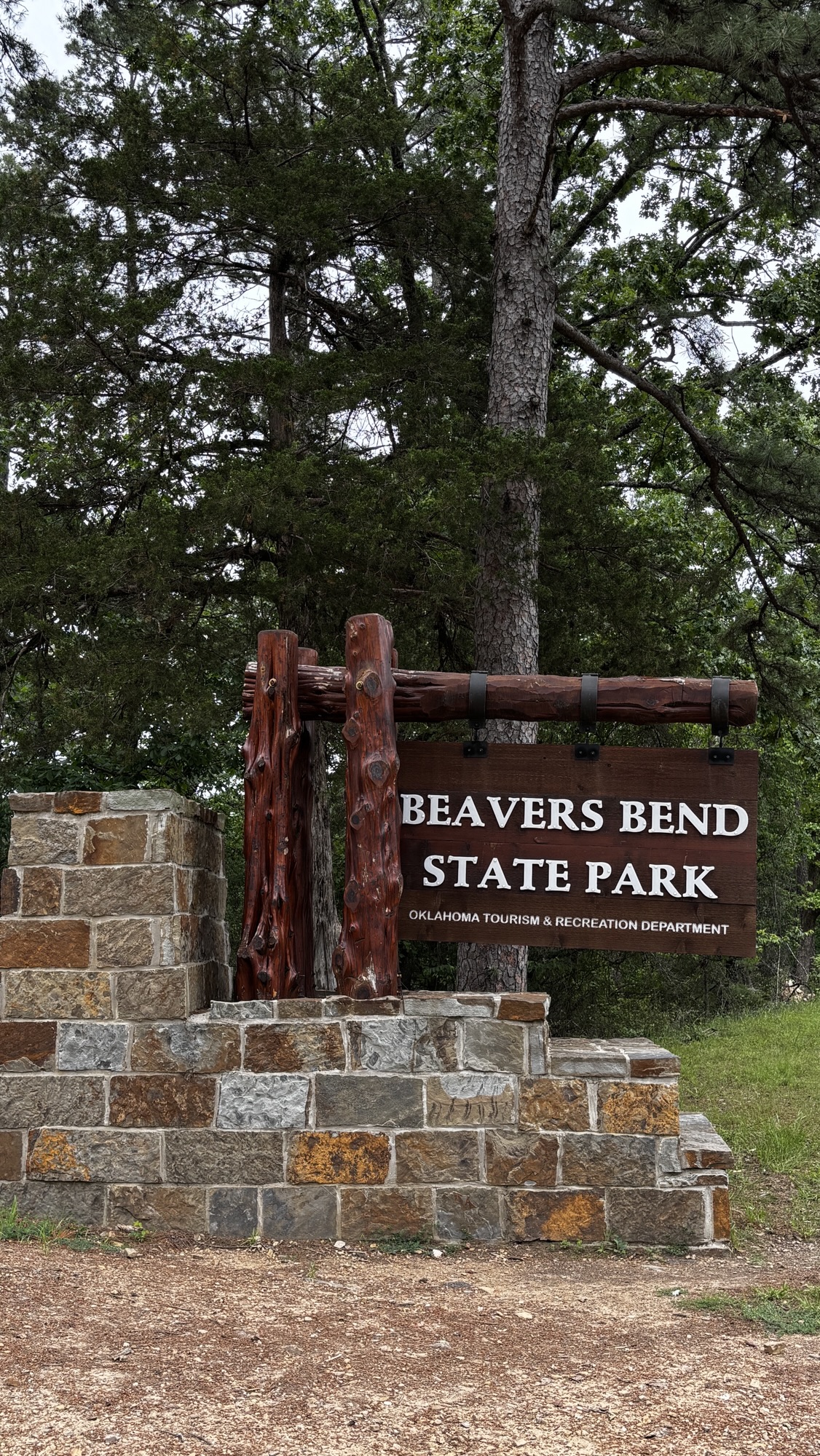
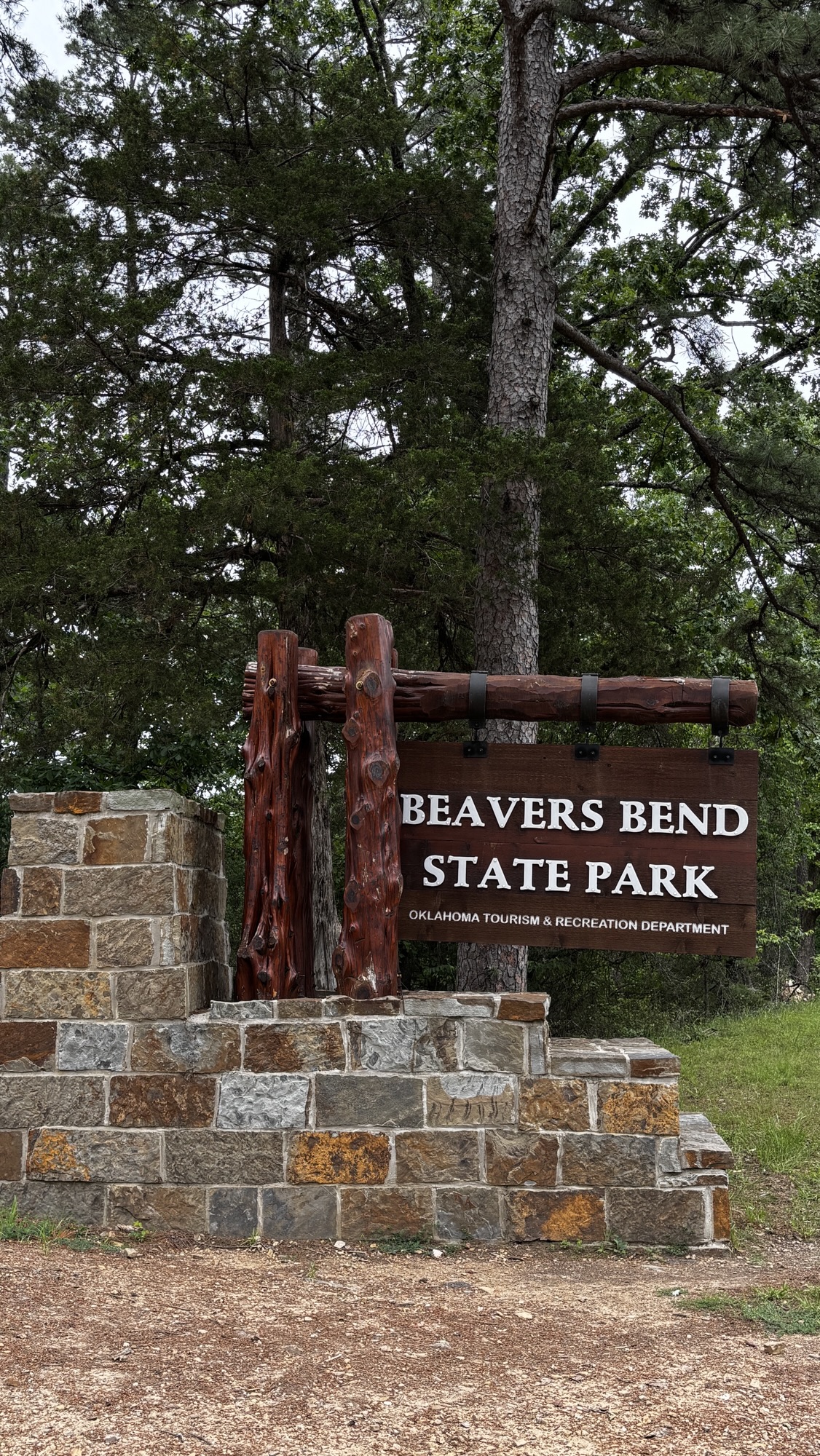
After months of planning and a long drive through winding forest roads, I finally pulled into Beavers Bend State Park and set up camp along the Lower Mountain Fork River. The spring air was crisp, the dogwoods were just starting to bloom, and the sound of moving water echoed through the pines. It didn’t take long to shake off the road and get a line in the water.
That first evening, with the light starting to soften and the river glowing gold, I managed to connect with a few hungry rainbows. They weren’t picky—small nymphs drifted through the seams did the trick. The bites came steady enough to remind me why I love this place.
After a quick dinner by the fire, I settled into camp under a canopy of stars, the rhythmic hoots of owls echoing through the trees.
The next morning, I woke up early to fish the cooler temps. The water was still moving clear and strong, and once again the rainbows were willing. I caught several before the sky started turning gray and rumbles of thunder rolled over the treetops. I packed up just before the rain let loose. Back at camp, I waited it out with some lunch and watched the storm wash the dust off the forest.
By late afternoon, the weather broke just enough to slip back onto the water. The air was cool and damp, and the fish were active again. There’s something about fishing after a storm—the river feels fresh, the light is moody, and the fish seem to know it.
The next day I decided to stretch my legs and hike deeper into the park. The trail twisted along the river, past waterfalls trickling over mossy rocks and wildflowers blooming in hidden pockets of sunlight. With my fly rod strapped to my pack and my camera swinging from my shoulder, I made slow, intentional progress—fishing the deeper pools and riffles along the way. The reward? A mix of feisty smallmouth bass and more rainbows, all tucked away in less-pressured water.
Waterfalls I found hiking to the river
Between casts, I couldn’t help but take in the scenery. Spring in Broken Bow is something special—lush greens, sparkling creeks, waterfalls hidden in the woods, and skies that seem to shift with every hour.
I stopped often to shoot photos of blooming wildflowers, dripping foliage, and scenic overlooks. The light was perfect for moody forest shots and those soft, misty river images I love capturing.
Over the next several days, the fishing held strong. Morning and evening were best, especially with dry-dropper rigs and small streamers. Each night brought its own rhythm—raccoons rustling around camp looking for snacks, barred owls calling across the river, and the gentle hum of the forest settling in for the night. It was peaceful, wild, and exactly the kind of escape I was hoping for.
This trip to Broken Bow was a perfect blend of fly fishing, photography, and soaking in spring’s return. The combination of eager trout, backcountry hikes, and unexpected encounters—both wildlife and weather—made it one for the books. If you’re thinking about chasing fish and quiet in southeast Oklahoma, spring is a great time to go.
After a few peaceful days of fly fishing in the cool, clear waters of Beavers Bend State Park, I’m back home on the Texas coast. The trip was a perfect spring escape—misty mornings on the Lower Mountain Fork River, sight-casting to rising trout, and evenings by the fire with the sound of the river nearby. It’s hard to beat the mountain air and those deep pools filled with willing browns and rainbows.
But as great as the Oklahoma waters were, there’s nothing quite like home. The salt air, the sound of mullet flipping in the back marsh, and that first tailing redfish on a still morning—it all draws me right back in. With water temperatures rising and tides shifting into summer patterns, it’s time to return to chasing reds, speckled trout, and maybe even a few flounder on the fly.
I’ll be back out on the Galveston flats this week, rod in hand and camera packed, ready for what the tides bring in. Stay tuned for some coastal fly action—there’s plenty more coming.
Stay tuned for the full blog on Beavers Bend trip!
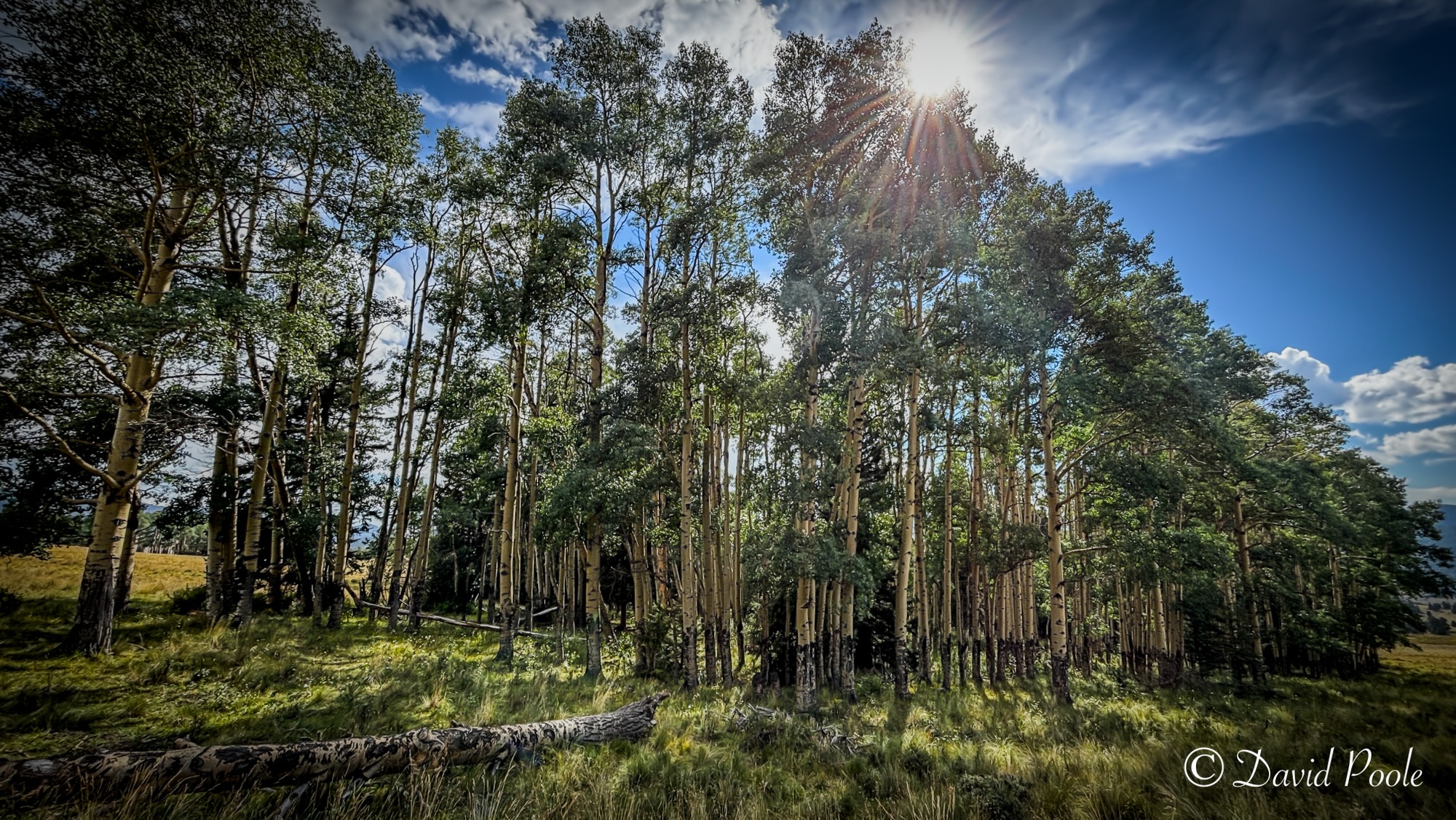
High in the mountains of New Mexico, I found a glowing grove of quaking aspens just as the sun broke through the canopy. There’s something about these trees — tall, slender, golden-skinned — that draws you in. I came prepared with my Canon 90D, Canon L-series lenses, a K&F Concept tripod, and even my iPhone, knowing this scene was too good to miss from any angle.
Canon 90D + L Series Glass: Sharpness Meets Versatility
For wide environmental shots, I relied on the Canon 24–70mm f/2.8L, but for more intimate details — like clusters of bark, layered trunks, or isolating one tree against the backdrop — I used my Canon 70–200mm f/2.8L. This lens gave me the compression and clarity I needed to highlight subtle textures and pull distant trees forward with depth.
Shot Breakdown:
• Camera: Canon 90D
• Lenses: 24–70mm f/2.8L and 70–200mm f/2.8L
• ISO: 100
• Aperture: f/10 for wide shots, f/2.8–f/5.6 for close-ups
• Tripod: K&F Concept Carbon Fiber
• Filter: K&F CPL
Using the 70–200mm for Detail and Compression
Aspens are photogenic both up close and from a distance. With the 70–200mm, I framed tighter compositions — trunks in golden light, black knots in the bark, and sunlit patches on the forest floor. The telephoto compression made the grove look more layered and dense, almost like a wall of trees — which added a cinematic quality to some shots.
Pro Tip: Use the 70–200mm at 135mm–200mm to compress the forest and fill the frame with repeated lines and patterns — it’s ideal for making the grove feel deeper and more immersive.
iPhone Photography: Don’t Underestimate Your Pocket Camera
While the DSLR gear handled most of the heavy lifting, I also snapped a few frames with my iPhone 15 pro. With smart HDR and excellent native contrast, it delivered surprisingly strong results — especially with the wide and ultra-wide lenses.
Tips:
• Use portrait mode for foreground subjects like logs or leaves.
• Tap to meter on the trunk or shadowed mid-tones.
• If available, shoot in RAW with the Halide or Lightroom Mobile app for better editing flexibility.
Composition in the Grove: Light, Lines, and Layers
I timed the main shot so the sun peeked just over the tree line, creating a soft sunburst effect without washing out the scene. A fallen log led into the grove, creating a visual path that made the image feel more three-dimensional.
With the 70–200mm, I also isolated “portraits” of individual trees and detail shots of light hitting the bark. These close-ups tell a different story — quieter, more focused.
Editing in Lightroom: Preserving Natural Mood
For Canon RAW files:
• Boosted midtone contrast with the tone curve.
• Desaturated greens slightly for a more natural forest feel.
• Lifted shadows to expose bark detail.
• Used radial filters to add subtle spotlighting where the sun naturally fell.
Before and after
For iPhone shots:
• Adjusted highlights and whites to bring back sky detail.
• Used Lightroom Mobile’s “Texture” slider to enhance bark detail.
• Applied slight vignette to draw the eye inward.
Why Aspen Trees Are a Photographer’s Dream
Aspens offer built-in symmetry, light diffusion, and contrast. The bark’s pale tones pop in shadowy groves, while the leaves filter sunlight with a soft glow. In New Mexico’s higher elevations, these trees are often found in wide open clearings — perfect for both drone and ground photography. What makes them even more special is their shared root system, meaning this forest is often one living organism — a fact that adds a bit of wonder every time I step into a grove.
Closing Thoughts: Slow Down, Look Closer
Photographing aspens is a study in rhythm and reflection. Whether you’re standing back with a 24mm or zooming in at 200mm, these trees offer something ethereal. And whether you’re carrying a full kit or just your phone, the forest rewards those who pause, observe, and frame with care.
An hourglass reminds me how fleeting time truly is. Each grain represents a moment passing — quiet, irreversible, and precious. It’s a simple but powerful symbol that urges me to slow down, live intentionally, and value the present before it slips away.
Lately, I’ve been thinking a lot about time. How fast it moves. How quietly it slips by while we’re busy—distracted, scrolling, rushing, chasing the next thing.
I’ve been missing people I can’t call anymore. Pets that used to greet me at the door. Moments I didn’t realize were “the last” until they were already gone. And I think we all carry that—those little pieces of love and loss, tucked somewhere behind our day-to-day thoughts.
But out in nature—on a trail, rod in hand, camera slung over my shoulder—it gets quiet. Not just around me, but in me. The noise fades. The expectations, the stress, the screens… all of it disappears behind the sound of wind through trees or water over rock.
And in those moments, I feel peace. I feel connected to everything I’ve lost, and even more thankful for what I still have.
Like quiet mornings with my wife—just the two of us, sharing coffee before the world wakes up. No rush, no plans, just simple presence. Those little moments mean everything. They’re grounding. They’re real.
It reminds me to be more intentional with my time—to show up fully for my family, to listen deeper, to appreciate the now. Because we only get so many mornings, so many trails, so many shared cups of coffee.
So I hike. I fish. I breathe it all in. I hold on to what matters. Because one day, these moments will be the memories we reach for—and I want mine to be full of peace, love, and presence.
There’s something powerful about the early morning hours — a calmness before the world stirs, a stillness that invites focus and clarity. Rising early gives me a quiet advantage, a head start on the day before distractions creep in. The first light peeking over the horizon feels like a personal invitation to begin again, fresh and full of potential.
I savor those moments when the sunrise spills its colors across the sky, painting everything in soft golds and warm pinks. As the earth wakes up, the songs of birds break the silence, a gentle orchestra tuning up for the day. The air is cooler, the mind is clearer, and even the smallest rustle of leaves or distant calls of wildlife seem richer, more alive.
In these early hours, I can focus on what matters most — setting goals, organizing my thoughts, or simply breathing in the moment. Without the rush of midday noise, each task feels more intentional. I write more fluidly, think more sharply, and appreciate the simple beauty that often gets lost once the day speeds up.
By the time the rest of the world is bustling, I’m already in stride — grounded, grateful, and ready. Early mornings aren’t just about productivity; they are about connecting — with the day, with nature, and with myself.
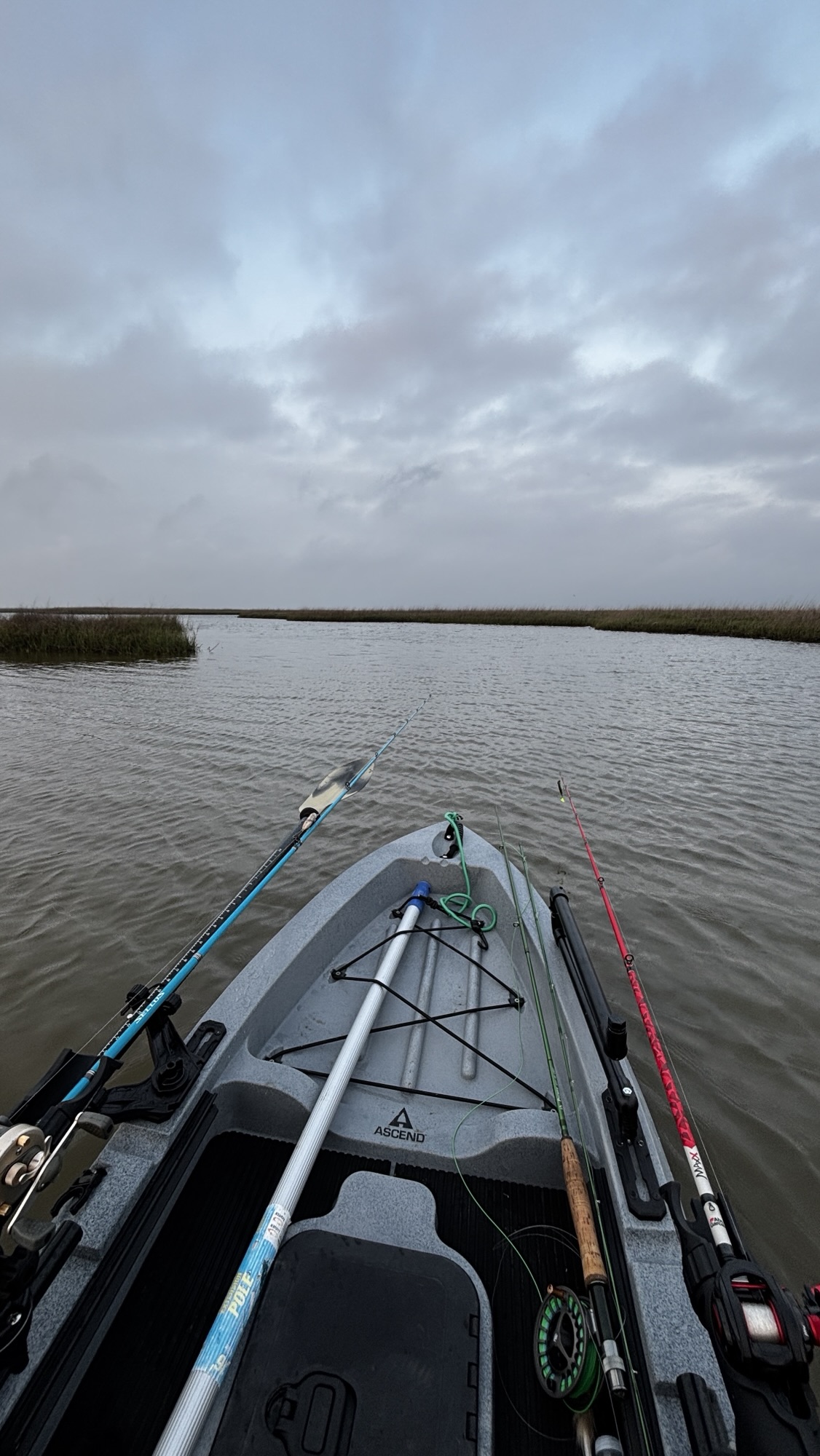
Kayak fishing brings you closer to the water, offering an unmatched level of stealth and accessibility when targeting inshore species like redfish and speckled trout. Gliding through the marsh, feeling the rhythm of the tides, and watching a redfish tail in the shallows—these moments define why so many anglers choose kayaks for their fishing adventures. But success in a kayak isn’t just about casting in the right spot. Proper preparation, technique, and safety play just as big a role as choosing the right lure.
In this guide, we’ll cover essential gear, fishing techniques, and key safety considerations to ensure your time on the water is both productive and enjoyable.
Kayak Fishing: Why It’s Perfect for Redfish & Speckled Trout
Fishing from a kayak allows you to reach areas boats can’t, where pressured fish find refuge in the shallows. These quieter waters are often rich with bait, making them prime feeding grounds. Redfish thrive in skinny water, pushing into grass flats to hunt for shrimp and crabs, while speckled trout hold near oyster beds, waiting to ambush baitfish. The kayak’s silent approach gives you a major advantage in these scenarios, allowing you to get close without spooking fish.
But with the rewards of kayak fishing come unique challenges. Unlike fishing from a boat, you need to account for factors like stability, positioning, and the ever-changing coastal environment. That’s why having the right gear and knowledge is essential.
Essential Kayak Gear for Saltwater Fishing
The Right Kayak
A stable sit-on-top fishing kayak is ideal for inshore waters. Look for a model with:
• Good Stability – Wider kayaks allow you to stand and sight fish.
• Adequate Storage – You’ll need space for tackle, rods, and safety gear.
• Pedal or Paddle Drive – Pedal kayaks keep your hands free, but a quality paddle is crucial.
Must-Have Accessories
• Push Pole – A lightweight push pole is invaluable for silently maneuvering through shallow water without disturbing fish.
• Anchor System – A stake-out pole works best for shallow flats, while a small anchor or drag chain helps in deeper water or current.
• Rod Holders & Tackle Crate – Organizing your gear prevents clutter and makes for a smoother fishing experience.
• Dry Bag & Waterproof Case – Keep your phone, keys, and important items dry and secure.
Safety Gear
• PFD (Personal Flotation Device) – Always wear a PFD, no exceptions. A fishing-specific PFD has extra pockets for storing essentials.
• Whistle & Light – Coast Guard regulations require a whistle and a light for low-light conditions.
• First-Aid Kit – Accidents happen. Be prepared for hooks, cuts, or stings.
• Bilge Pump or Sponge – For draining excess water from your kayak.
Kayak Positioning & Anchoring Correctly
Staying in the right position while fishing is crucial. The wind, tide, and current all play a role in where your kayak drifts, so knowing how to control your positioning keeps you on fish longer.
• Stake-Out Pole – For shallow waters, a stake-out pole allows you to quietly anchor without disturbing the bottom.
• Drift Anchors – A drift sock slows your kayak’s movement when fishing open flats or channels in windy conditions.
• Anchoring with a Rope System – If using a traditional anchor, attach it to an anchor trolley system to adjust your positioning without changing your cast direction.
A key tip: Always place your anchor off the bow or stern to prevent your kayak from tipping sideways in strong currents.
Weather Monitoring & Tidal Awareness
The conditions on the water can change quickly, and being prepared can make the difference between a great trip and a dangerous situation.
• Check the Weather Forecast – Wind speeds over 15 mph make kayaking challenging. Storms can develop quickly, so always check the radar before heading out.
• Know the Tide Charts – Both redfish and speckled trout are heavily influenced by tides. An incoming tide often brings fish into shallow feeding zones, while an outgoing tide funnels bait into deeper water, creating ambush points.
• Watch for Lightning – If you hear thunder, it’s time to head in. Open water is one of the worst places to be during a storm.
Finding Redfish & Speckled Trout from a Kayak
Redfish Hotspots:
• Shallow Grass Flats & Marshes – Redfish love feeding on crabs and shrimp in the grass. Look for tailing fish or nervous bait.
• Tidal Drains & Creek Mouths – As the tide moves, redfish wait in deeper cuts for bait to be pulled into their strike zone.
• Shorelines with Structure – Wind-blown shorelines, oyster bars, and submerged grass beds all hold redfish.
Speckled Trout Hotspots:
• Oyster Reefs & Drop-Offs – Trout use reefs as feeding grounds, especially near deeper water.
• Sand and Grass Pockets – Speckled trout roam these areas, ambushing baitfish.
• Current Edges & Channels – Trout hold near points where baitfish get swept past them.
Best Lures for Kayak Fishing
For Redfish:
• Paddle Tail Soft Plastics – JVS Custom Baits Rip Rap in Copper Penny and H&H/DOA Paddle Tails are great for covering water.
• Gold Spoon – A classic lure for redfish, especially in stained water.
• Topwater Lures – Early mornings or calm days call for walking baits like the Super Spook Jr.
For Speckled Trout:
• Soft Plastics on a Jig Head – The JVS Speed Shrimp in White and Gold is a deadly choice.
• Topwater Lures – Trout are aggressive surface feeders, and the Heddon One Knocker Spook can trigger explosive strikes.
• Suspending Twitch Baits – The MirrOlure 52MR is excellent for cooler months when trout feed deeper.
Kayak Fishing Strategies for Success
Stealth & Approach
Kayaks give you a natural advantage in stealth, but even the smallest noise can spook fish in shallow water.
• Paddle quietly – Use soft, controlled strokes or a push pole to move.
• Avoid sudden movements – Even shifting your weight too fast can send out unnatural ripples.
• Cast ahead of your target – Let the fish come to your lure instead of landing it right on their head.
Using the Wind & Current to Your Advantage
• Drift fishing – Let the wind and current carry you naturally along a shoreline or over a reef while casting.
• Positioning – Set up so you’re casting with the wind for longer, more accurate presentations.
Final Thoughts
Kayak fishing for redfish and speckled trout is one of the most rewarding ways to experience inshore fishing. With the right preparation, awareness of conditions, and strategic approach, you’ll put more fish in the kayak while staying safe on the water.
Stay Connected with Beyond the Cast
Thanks for reading! If you enjoyed this post and want more fishing tips, trip reports, and on-the-water action, be sure to follow along.
Subscribe to our YouTube channel for in-depth videos, gear breakdowns, and on-the-water adventures. Stay up to date by following us on Facebook, where we share fishing reports, trip updates, and connect with fellow anglers.
Join the conversation, share your catches, and let’s keep exploring the water together.
Tight lines, and see you Beyond the Cast!
What’s your top kayak fishing tip? Drop a comment below!
Exploring the backcountry through fly fishing, photography, hiking, and travel, I seek out remote rivers, hidden trails, and wild landscapes — capturing each adventure through the lens and the line. Whether chasing trout in alpine streams or hiking rugged terrain to untouched waters, every journey is a blend of exploration, creativity, and connection with nature.
When is the last time you took a risk? How did it work out?
The last real risk I took wasn’t about money, career, or anything you could measure in numbers. It was a gamble on a hunch, a blue line on a topo map and a feeling that maybe—just maybe—that little remote stream tucked into the backcountry might be worth it.
It wasn’t easy to get to. No real trail, just a vague path of game trails and overgrown brush, with a few miles of elevation gain thrown in for fun. I packed light, but still had my fly gear, camera, tripod, and just enough food and water to make it through a long day (and maybe a rough night, if needed). I didn’t know if the stream would even hold fish—or be accessible for good photos—but I was all in.
What I found was better than expected.
The stream wound through a quiet alpine meadow, untouched and crystal clear, bordered by wildflowers and soft light that made the whole place glow. Brook trout darted in and out of the current, and cutthroat rose to dry flies like they hadn’t seen a human in years—maybe they hadn’t. I got some of my favorite shots of the entire trip that day. Reflections, action shots, and one perfect capture of a brookie suspended mid-release, framed by golden hour light.
That little risk—trusting the map, the instinct, and being willing to explore—paid off big. Not just in fish caught or photos taken, but in the feeling of discovering something wild and real. Those are the risks I live for.
Photography teaches you to see the world differently—but it also teaches you to act differently. And sometimes, that means lying down on hot pavement in the middle of a city, with people walking by wondering what on earth you’re doing.
It’s funny how self-conscious I used to feel taking pictures in public, especially from low angles or unconventional spots. But I started realizing that some of my favorite images came from those very moments—when I tuned out the world and focused on framing, texture, and perspective.
What I’ve learned is this: chasing a vision means risking how you’re seen. And that’s a risk worth taking every time.
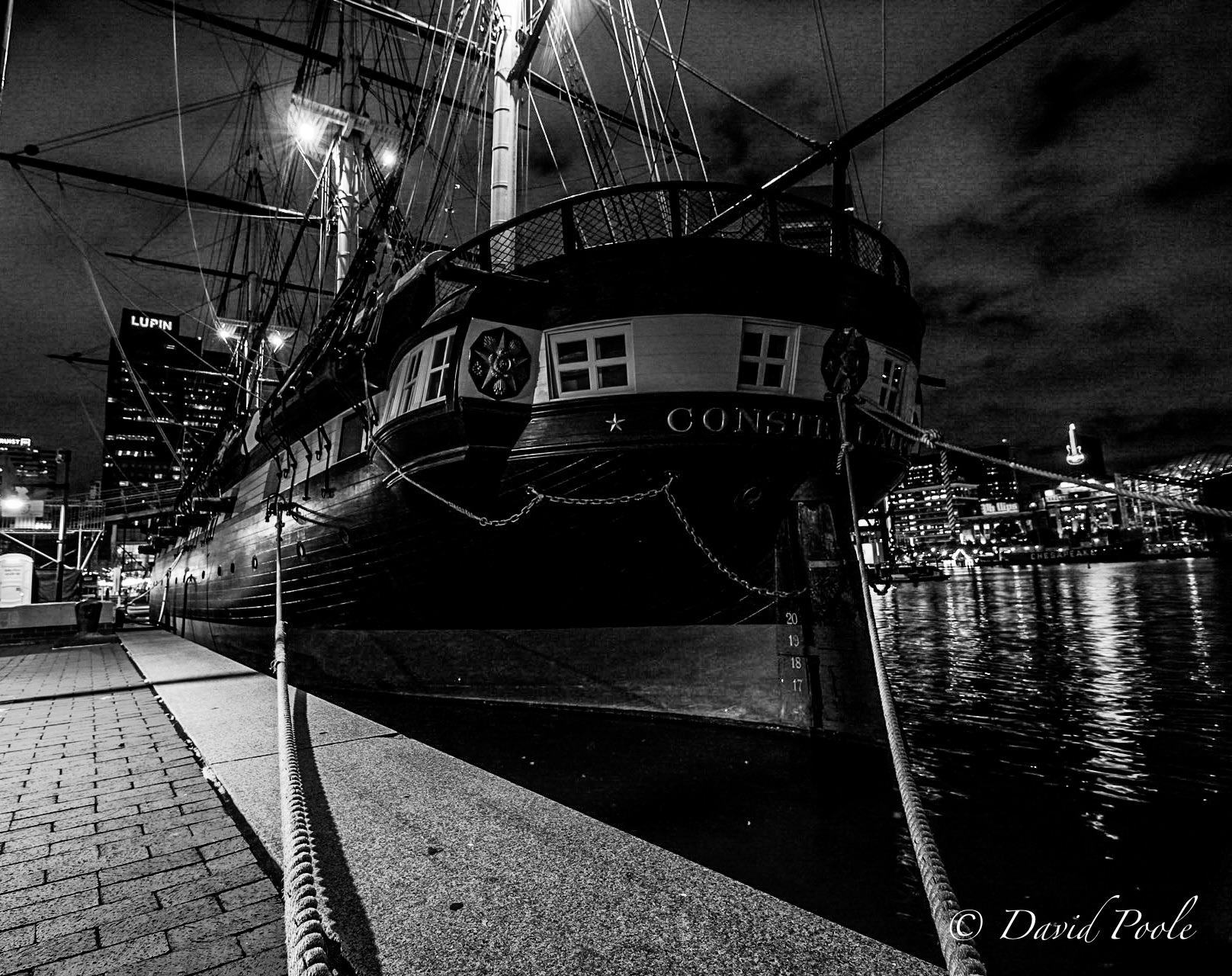
“I lay flat on the asphalt for this shot—people walked past giving me side glances, but I wanted the full texture of the ground to lead into the gothic architecture.”
“Low perspective, wide lens, and waiting on the clouds to part. I felt a little ridiculous crouched this low, but the symmetry and texture were too good to pass up.”
So next time you’re out with your camera—or doing anything that matters to you—take the risk. Get the angle. Follow your eye. And forget what anyone else might think. Because authenticity always outshines approval.
The pressure to always have it figured out. The unknown.
“To find inner peace, you must learn to observe yourself. The more you know yourself, the less you let outside events control your emotions.”
— Shi Heng Yi
But I’ve found the antidote isn’t in overthinking or trying to force control—it’s in stepping away. Into nature. Behind the camera.
When I’m out in the wild—on a trail, by a river, or waiting patiently with my lens focused—those feelings start to fall away. Photography forces me to slow down and observe. It’s not about rushing or overanalyzing. It’s about waiting for the light to hit just right or watching a bird’s quiet movement through the trees.
Fly fishing adds to that stillness. Each cast requires intention, rhythm, and awareness. Out there, nerves get replaced by focus. The anxiety fades with the sound of moving water, replaced by the simplicity of the present moment.
Nature reminds me that life isn’t always meant to be figured out in a single breath. And photography captures those reminders—frames of peace I can return to whenever the world feels like too much.
In a world full of pressure and unpredictability, it’s the still moments with a camera or fly rod in hand that bring me back to myself.
After a long, demanding day, I find peace in the simplest moments—flipping through a good book, hiking a quiet trail, casting a fly into a still pool, or just watching the light shift through the trees. Whether it’s photography that helps me slow down and focus on the little details, or a walk through the woods to reset my perspective, nature is my go-to reset button. These moments remind me to breathe deeper, move slower, and live more intentionally.
I use my social media as a visual journal to share stories from the water and the trail—whether that’s chasing redfish on the flats, hiking into backcountry rivers with a fly rod, or capturing the way light hits a mountain ridge at golden hour. It’s a mix of saltwater fly fishing, photography, and outdoor storytelling. I try to give people a window into wild places through honest posts, helpful tips, and moments that matter