Tag: Fishing gear

  • Part 1: Waders, Lenses, and Maps — Planning a Colorado Fly Fishing Photography Trip

    Part 1: Waders, Lenses, and Maps — Planning a Colorado Fly Fishing Photography Trip

    Planning a backcountry fly fishing and photography trip is a lot like tying the perfect fly—you’ve got to think ahead, match conditions, and be ready to adapt. In this first part of my Colorado series, I want to share how I planned my multi-river adventure into the high country, blending two of my favorite things: fly fishing for wild trout and capturing the wild beauty of the mountains through a camera lens.

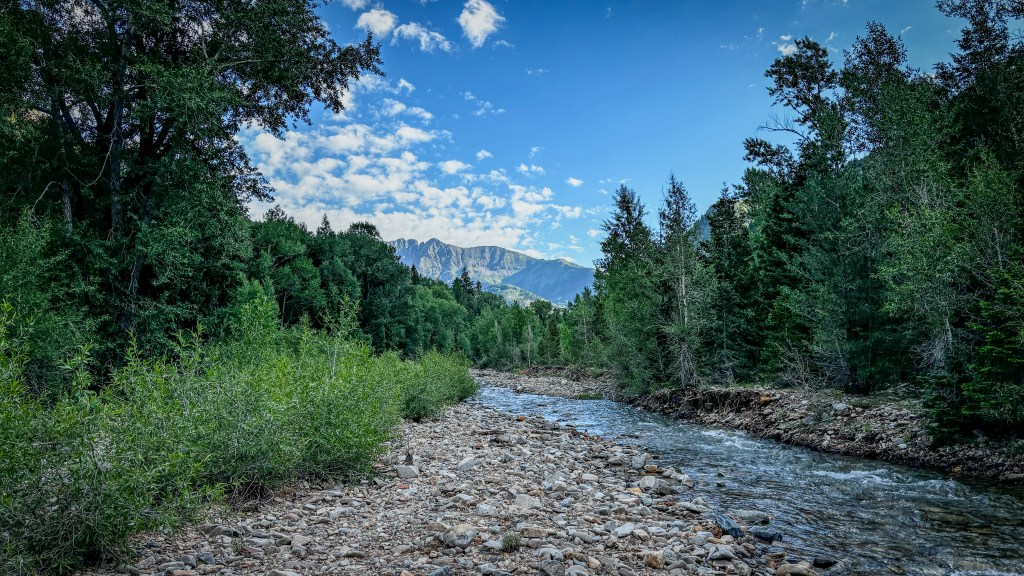
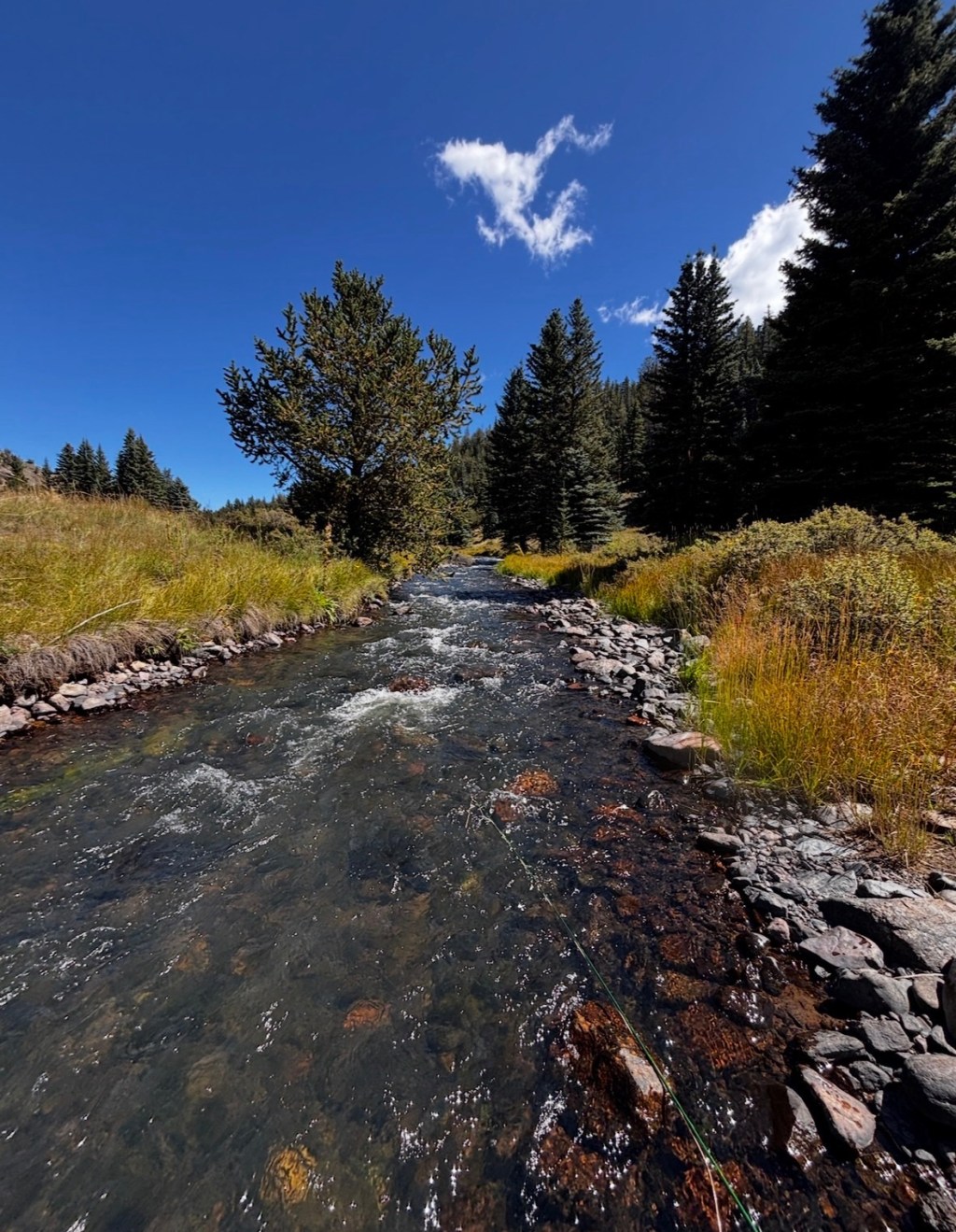
    This trip took me deep into Southwest Colorado, targeting remote stretches of the La Plata RiverPine RiverDoloresAnimas, and Florida River. Each river offered its own challenges, scenic backdrops, and trout behaviors—making the planning stage even more important.

    Mapping the Adventure

    I started with tools like Google EarthGaia GPS, and the TroutRoutes app to scout access points, trailheads, and water that looked fishy from above. Topo maps helped me estimate mileage and elevation gain for hikes, and I cross-checked each section with known public lands or wilderness boundaries.

    The Pine River Trail and the La Plata River hikes stood out for their mix of beauty, remoteness, and good trout habitat. I marked down potential campsites along the trail and noted river crossings or sections that might become hazardous with runoff.

    Timing the Trip

    Late summer (late July through early September) is prime time for Colorado backcountry fly fishing. Snowmelt has usually slowed, making rivers more accessible, while hatches are still consistent. Wildflowers peak during this window, and the weather (though unpredictable) is often stable enough for longer treks.

    I kept a close eye on weather reports, snowpack data, and monsoon activity, especially since lightning and flash floods are real dangers in the high country. I packed accordingly—with quick-dry layers, a solid rain jacket, and a waterproof K&F Concept camera backpack to keep my gear safe.

    Fly Fishing Gear Considerations

    Fishing gear
Waders
Rod and reel

    I packed a 9’ 5wt rod for open water and a 7.5’ 4wt for tighter streams. I went with my trusty Sage Spectrum C reel and a variety of floating lines, knowing I’d fish mostly dries and light droppers. My fly box included a carefully curated selection:

    Parachute Adams (#14–18)

    Elk Hair Caddis (#14)

    Yellow Stimulators (#12–14)

    Beadhead Pheasant Tails (#16)

    CDC Midges (#20)

    Black Woolly Buggers (#8)

    Hoppers and flying ants (for summer action)

    This wasn’t just a fishing trip—I had to think like a backpacker and a photographer, which made my packing even more dialed in.

    Photography Planning

    When it comes to fly fishing photography, weight and protection are huge. I brought my Canon R5, a 24–70mm f/2.8 lens for landscapes and action, and a 70–200mm f/2.8 for compression shots and wildlife. My K&F Concept carbon tripod gave me a lightweight but stable base for long exposures and evening light.

    I also packed:

    • Circular polarizer to reduce water glare

    • ND filter for waterfalls and river movement

    • Lens cloths, extra batteries, and SD cards

    • Lightroom Mobile on my iPad Pro for quick edits in camp

    When planning photography in the backcountry, it helps to scout shot locations beforehand using satellite images or even previous trip photos. I created a loose shot list: mist rising over pools, trout in hand with glowing light, macro shots of wildflowers, and long exposures of rivers at sunset.

    Safety & Self-Sufficiency

    One of the most critical parts of a backcountry fishing trip is safety. I carried a Garmin inReach Mini for emergencies and communication, plus a first-aid kit, headlamp, multitool, and bear spray (just in case). I let family know my plan, printed a trail map, and downloaded offline GPS maps.

    Keeping camera gear dry was also a safety issue—because nothing ruins a trip faster than soaking your camera in a surprise storm or river dunk. The K&F camera backpack’s waterproof bottom and removable insert gave me peace of mind, even while wading or crossing creeks.

    Building Flexibility Into the Plan

    No matter how dialed in your route is, backcountry travel in Colorado demands flexibility. Storms can shut down trails. Rivers can blow out overnight. You can get to a perfect pool and find it unfishable due to runoff or debris.

    So I planned several alternate camps and marked backup spots with easier access. I also packed extra food in case a day ran long, and my fly box had both attractors and match-the-hatch options.

    Final Thoughts Before Hitting the Trail

    Planning is half the fun of a trip like this—imagining where the fish might be, where the light will hit the canyon walls, and how to tell the story when it’s all over. I hope this series helps inspire your own adventures, and if you’re dreaming about chasing wild trout in wild places, stay tuned. Part 2 takes us into the forest along the La Plata River, where the trail narrows, the river gets clear, and every cast counts.

    Up Next: Part 2 – Into the Pines: Hiking to the La Plata River with a Fly Rod and a Camera

  • Fluorocarbon vs. Mono Leaders: What I Use and Why

    Fluorocarbon vs. Mono Leaders: What I Use and Why

    Every time I hit the water, I have to make a choice—fluorocarbon or monofilament for my leader? It might seem like a small detail, but over the years, I’ve learned that the right leader can make all the difference in whether I land fish or leave frustrated.

    This debate has played out for me countless times on the Texas flats, whether I’m sight fishing for tailing reds or working a cut on an outgoing tide. I’ve used both, and while I lean heavily toward fluorocarbon, I still keep mono in my tackle bag for specific situations.

    Fluorocarbon: My Go-To for Most Situations

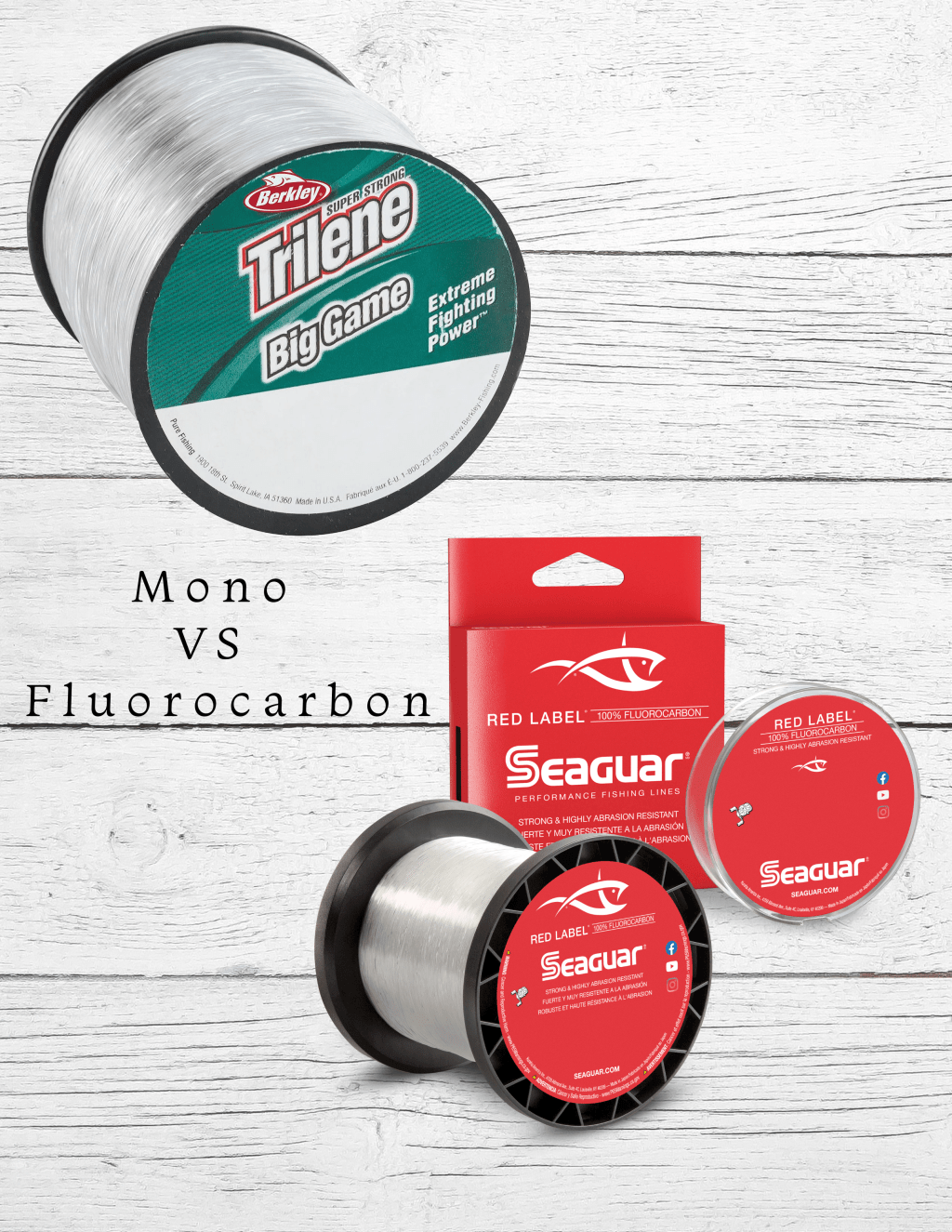
    Most days, I’m running 15 lb Seaguar Red Label Fluorocarbon on my Black Max reel, and I do it for a few key reasons. First, it’s nearly invisible underwater, which makes a huge difference when I’m fishing clear, shallow flats and reds are being picky. I’ve watched redfish spook off a lure before they even get close to it, and I have no doubt it was because my leader was too visible.

    Fluoro is also tough—which is exactly what I need when I’m fishing near oyster beds and rocky shorelines. I’ve had reds take me into structure, rubbing my line against shells, and fluorocarbon has saved me from heartbreak more than once.

    Then there’s the sensitivity. When I’m throwing a H&H paddle tail and working it slowly through a drain, I want to feel everything—every tap, every bump, and the moment a red inhales my lure. Fluorocarbon has less stretch than mono, which helps me react faster and set the hook with confidence.

    When I Switch to Mono

    That being said, I still use monofilament, mainly when I’m throwing topwater lures like a Spook Jr. or a Rapala Skitter Walk. I learned this lesson the hard way—one morning, I was working a topwater over a shallow grass flat, and I noticed the lure wasn’t “walking” as well as it should. Turns out, my fluorocarbon leader was sinking just enough to mess with the action.

    Mono, on the other hand, floats, keeping my topwater lures running properly. It also has more stretch, which helps absorb the impact of aggressive topwater blow-ups and prevents me from pulling the hook too soon.

    Another reason I might use mono is cost. Fluorocarbon isn’t cheap, and when I’m fishing in murky or off-colored water where visibility isn’t a concern, I sometimes opt for mono just to save a few bucks.

    Real-World Example: Choosing the Right Leader on the Flats

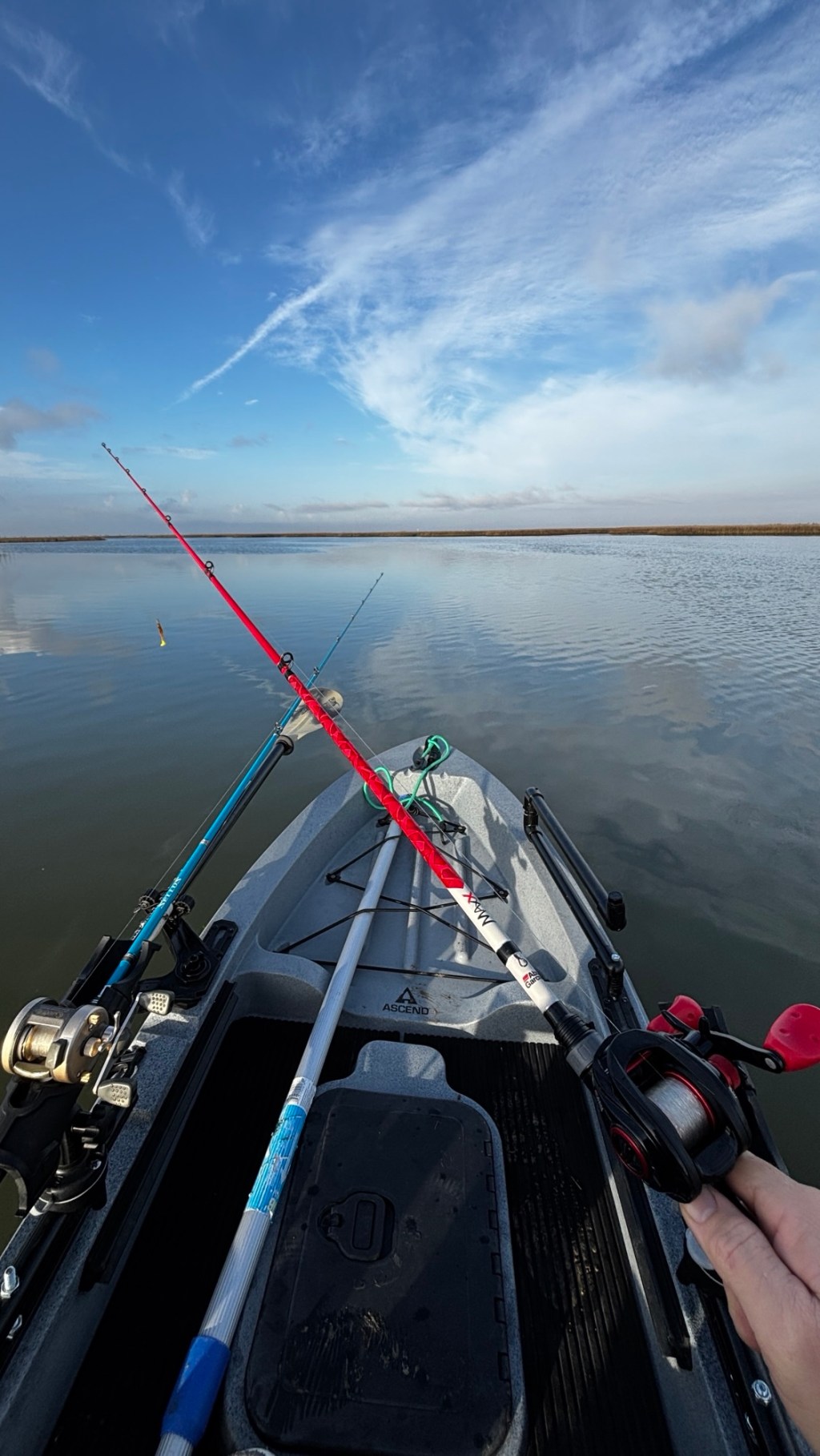
    A few weeks back, I launched early in the morning, kayak in tow, targeting redfish on the flats. The water was clear, and as soon as the sun got up, I spotted reds tailing in the shallows. I tied on my usual fluorocarbon leader and threw a H&H paddle tail in cock of the walk right in front of a fish. It didn’t hesitate—it inhaled the lure, and after a solid fight, I had a slot red in the kayak.

    Later in the morning, I switched to a topwater Spook Jr. to see if I could pull a few more fish out of the grass. The first few casts didn’t feel right, and I realized my fluoro leader was sinking and affecting the lure’s movement. I quickly cut off the fluoro and tied on 15 lb mono, and within minutes, I had another red explode on my lure. That one simple change made all the difference.

    Final Thoughts: Which One Should You Use?

    If you fish inshore like I do, fluorocarbon is my top choice for most situations, especially when throwing soft plastics or working subsurface lures. But monofilament has its place, mainly when using topwater lures or fishing in murky water where stealth isn’t as critical.

    Here’s a quick rundown of when I use each:

    SituationLeader ChoiceWhy?
    Sight fishing for reds in clear waterFluorocarbonLess visible to fish
    Fishing near oyster beds & structureFluorocarbonMore abrasion-resistant
    Throwing soft plastics on an outgoing tideFluorocarbonSinks & provides better sensitivity
    Working topwater luresMonofilamentFloats & allows natural lure action
    Fishing in murky waterMonofilamentVisibility isn’t a concern, saves money
    Wanting more stretch for shock absorptionMonofilamentHelps prevent pulled hooks

    At the end of the day, both leader types have their strengths, and knowing when to use each will help you put more fish in the kayak.

    What’s your go-to leader for inshore fishing? Let me know in the comments—I’m always up for a good fishing debate!

    Stay Connected with Beyond the Cast

    Thanks for reading! If you enjoyed this post and want more fishing tips, trip reports, and on-the-water action, be sure to follow along.

    Subscribe to our YouTube channel for in-depth videos, gear breakdowns, and on-the-water adventures. Stay up to date by following us on Facebook, where we share fishing reports, trip updates, and connect with fellow anglers.

    Join the conversation, share your catches, and let’s keep exploring the water together.

    Tight lines, and see you Beyond the Cast!

  • Abu Garcia Black Max Rod and Reel Combo Review: A Budget-Friendly Workhorse for Fresh and Saltwater Fishing

    Abu Garcia Black Max Rod and Reel Combo Review: A Budget-Friendly Workhorse for Fresh and Saltwater Fishing

    When it comes to finding an affordable yet reliable baitcasting combo, the Abu Garcia Black Max Rod and Reel Combo consistently ranks among the best options for beginner and budget-conscious anglers. Designed primarily for freshwater fishing, I wanted to see how it would hold up in saltwater conditions, particularly for targeting redfish, speckled trout, and flounder along the Texas Gulf Coast.

    After testing this setup in both environments, I found that the Black Max combo delivers solid performance in a variety of fishing situations—but with some important considerations if you plan to use it in saltwater.

    First Impressions

    Right out of the box, the Abu Garcia Black Max combo has a sleek, aggressive design with a black and red color scheme. The reel is lightweight, and the rod has a good balance between sensitivity and power. While it’s marketed primarily as a bass fishing combo, I wanted to see how it performed against hard-fighting inshore species.

    Rod Features & Performance

    The 24-ton graphite rod is lightweight but strong, making it a solid choice for both freshwater and inshore saltwater fishing. Here’s what stands out:

    Medium Power, Fast Action – Offers great hook-setting power while maintaining enough sensitivity for finesse techniques.

    Decent Durability – The rod holds up well for light to medium saltwater fishing, but it’s not built for heavy-duty offshore applications.

    How It Performs in Saltwater

    I tested the Black Max rod with a variety of lures, including soft plastics, topwaters, and spoons. It casted well, handled redfish and speckled trout without issue, and provided enough flex to absorb strong runs. However, after extended saltwater use, I did notice some corrosion on the guides, so regular rinsing and maintenance are essential.

    Reel Features & Performance

    The Abu Garcia Black Max Baitcaster is one of the best entry-level reels on the market, offering smooth operation, decent casting distance, and a reliable drag system.

    Key Features:

    4+1 Ball Bearings – Provides smooth retrieval and casting.

    MagTrax Braking System – Helps prevent backlash, making it beginner-friendly.

    Smooth Drag System (18 lbs Max) – Strong enough for bass, redfish, and smaller saltwater species.

    Lightweight Graphite Frame – Durable for freshwater but requires extra care in saltwater.

    Casting & Drag Performance in Saltwater

    The Black Max reel performed surprisingly well in saltwater, handling slot-sized redfish and speckled trout without issue. The drag system is smooth and powerful, which is key when fighting fish that make long runs, like redfish in the marsh.

    However, the reel is not fully corrosion-resistant. After a few trips, I noticed some rust developing on the screws and internal components, even with proper rinsing. If you plan to use this reel regularly in saltwater, I recommend applying corrosion-resistant oil after each trip.

    Pros:

    Pros & Cons for Saltwater Fishing

    Affordable & Great Value – One of the best baitcasting combos for the price.

    Smooth Drag & Casting – Handles inshore species well.

    Versatile – Works for bass, redfish, trout, and even flounder.

    Not Fully Corrosion-Resistant – Requires extra care in saltwater.

    Lightweight & Comfortable – Easy to use for long fishing sessions.

    Cons:

    ❌ Line Guides Prone to Corrosion – Rinse and dry thoroughly after saltwater use.

    Tips for Using the Abu Garcia Black Max in Saltwater

    If you plan to use this combo in saltwater, here are a few key tips to extend its life and improve performance:

    1️⃣ Rinse thoroughly after every trip – Use freshwater to remove any salt deposits, especially from the reel, guides, and handle.

    2️⃣ Lubricate with corrosion-resistant oil – Apply a light coating of oil to the bearings, screws, and drag system after each saltwater trip to prevent rust.

    Comfortable EVA Handle – The grip is ergonomic and comfortable for all-day fishing.

    3️⃣ Use braided line with a fluorocarbon leader – 30-40 lb braid is a great mainline choice for strength and sensitivity in saltwater. Pair it with a 15-20 lb fluorocarbon leader for stealth, abrasion resistance, and better lure presentation when targeting redfish, speckled trout, and flounder.

    4️⃣ Consider upgrading to a saltwater-rated reel – If you fish in saltwater frequently, a reel like the Abu Garcia Revo X Inshore will offer better corrosion resistance and longevity.

    5️⃣ Check the line guides regularly – The rod’s guides can corrode over time, especially with salt buildup. Cleaning them after each trip will help maintain smooth casting and prevent damage to your line.

    By following these tips, you can maximize the lifespan and performance of your Abu Garcia Black Max combo, even in saltwater conditions!

    Q&A Section

    Q: Can the Abu Garcia Black Max be used in saltwater?

    A: Yes, but with proper maintenance. It’s designed for freshwater, so it’s not fully corrosion-resistant. Make sure to rinse and lubricate it after each saltwater trip.

    Q: How does it perform against saltwater fish like redfish and trout?

    A: It holds up well against slot-sized redfish, speckled trout, and flounder. However, for larger bull reds or stronger inshore species, you may need a heavier-duty combo.

    Q: What’s the best fishing line to use with the Black Max in saltwater?

    A: 15-20 fluorocarbon works great for saltwater fishing. It casts well and provides the strength needed for inshore fish.

    Q: How does the braking system handle windy conditions?

    A: The MagTrax braking system helps reduce backlash, but it’s not as adjustable as high-end baitcasters. In windy conditions, you may need to tighten the spool tension knob to prevent backlashes.

    Q: Would you recommend this combo for someone who primarily fishes saltwater?

    A: If you occasionally fish saltwater, yes—it’s a great budget-friendly option. However, if you fish saltwater frequently, I’d recommend upgrading to a saltwater-rated baitcaster like the Abu Garcia Revo X Inshore or Shimano SLX XT.

    Final Verdict: Is the Abu Garcia Black Max Worth It for Saltwater Fishing?

    For anglers who fish both freshwater and saltwater, the Abu Garcia Black Max combo is a fantastic budget-friendly option. It offers smooth casting, reliable drag, and decent power for inshore species like redfish, speckled trout, and flounder.

    However, since it’s not fully corrosion-resistant, proper maintenance is essential. If you’re looking for a low-cost baitcaster for occasional saltwater trips, the Black Max is a solid choice.

    Would I buy it again? Absolutely—for  a budget-friendly setup, the Abu Garcia Black Max delivers great value.

    Review of the Abu Garcia

    Stay Connected with Beyond the Cast

    Thanks for reading! If you enjoyed this post and want more fishing tips, trip reports, and on-the-water action, be sure to follow along.

    Subscribe to our YouTube channel for in-depth videos, gear breakdowns, and on-the-water adventures. Stay up to date by following us on Facebook, where we share fishing reports, trip updates, and connect with fellow anglers.

    Join the conversation, share your catches, and let’s keep exploring the water together.

    Tight lines, and see you Beyond the Cast!