Tag: fishing tactics

  • Part Two: Same River, Different Conditions — Adapting Dry Fly Tactics to Cloudy Water and Higher Flows

    Part Two: Same River, Different Conditions — Adapting Dry Fly Tactics to Cloudy Water and Higher Flows

    If Part One was about precision, restraint, and subtle adjustments, this day on the river demanded the opposite.

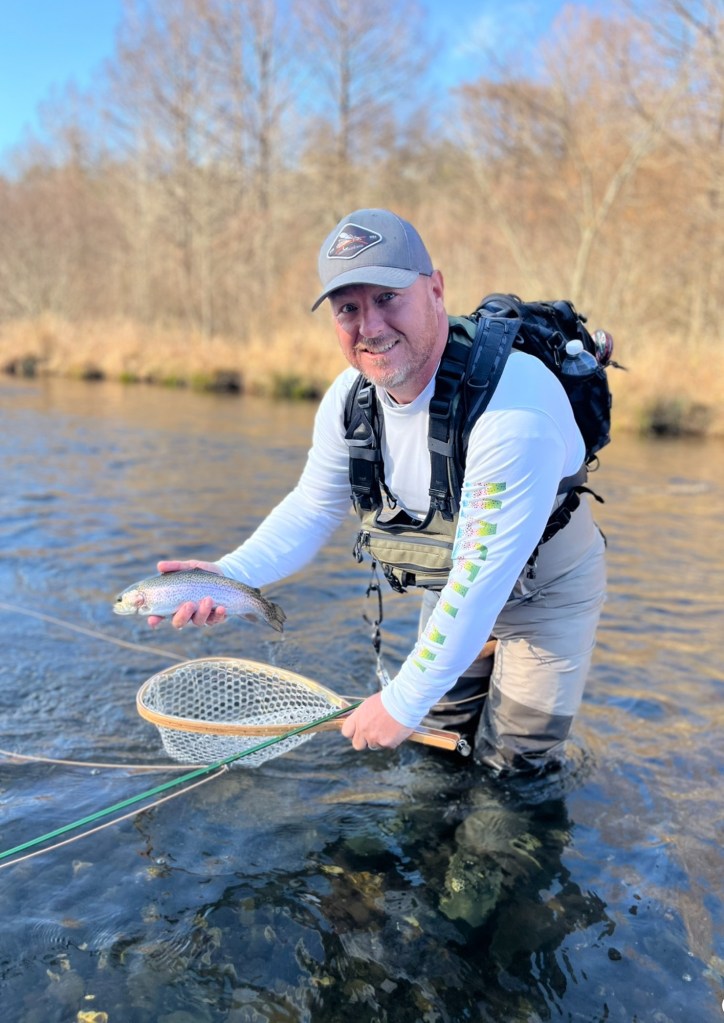
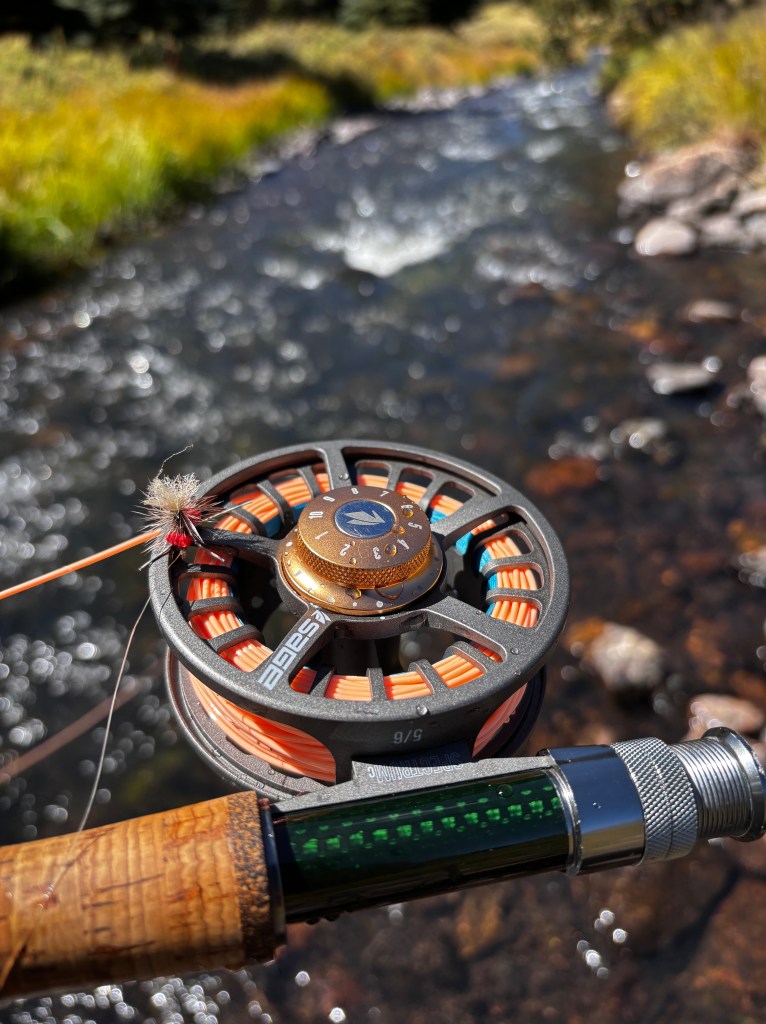
    As the river changed, so did the results. What really stood out was that my brother started catching more trout. That forced me to pause and study what he was doing differently instead of stubbornly sticking to my approach. His drifts were cleaner. His fly was riding naturally with less drag. And most importantly, he was targeting slightly softer water than I was — just off the heavier current, where trout could hold comfortably in the higher flows without expending unnecessary energy.

    That adjustment was the turning point. In cloudy water and elevated flows, trout shift into protection mode. They slide into seams, softer edges, and subtle pockets that are easy to overlook. Watching him find success reminded me that adapting isn’t just about changing flies — it’s about changing perspective. Sometimes the biggest lesson on the river comes from paying attention to what’s working right beside you.
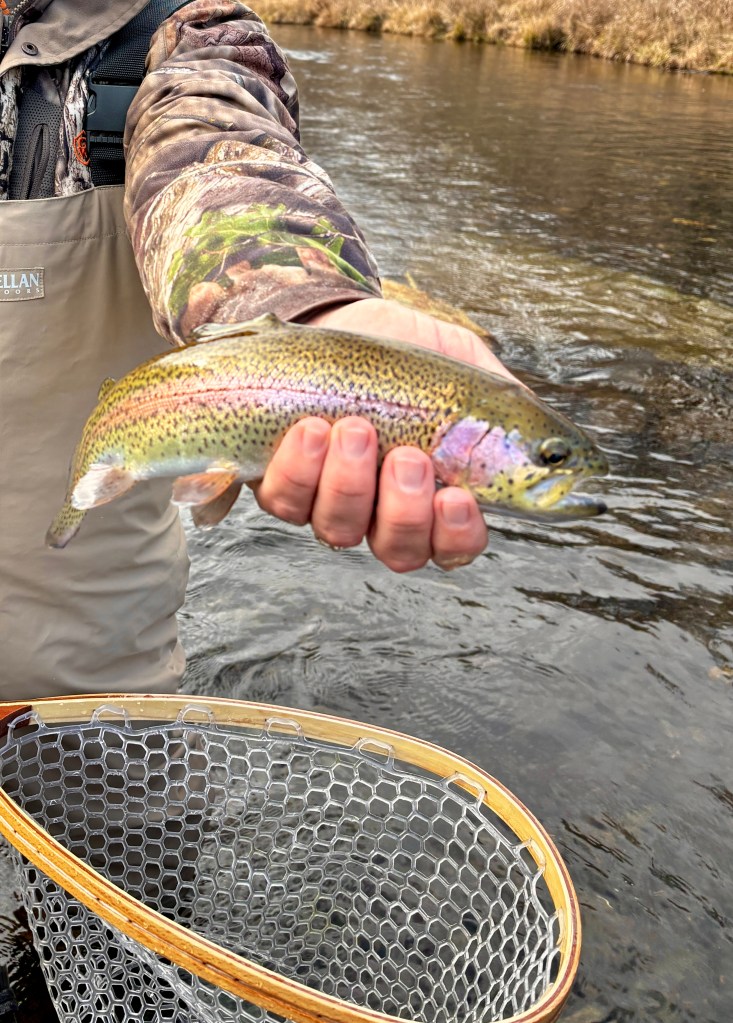
    Same river. Completely different game.

    This is where understanding conditions over patterns becomes critical.

    Reading the River Again: What Changed With Higher CFS

    Higher flows reshape a river fast.

    With increased CFS:

    • Seams widen and shift

    • Soft water becomes more valuable

    • Fish slide closer to structure and edges

    • Feeding lanes compress instead of spreading out

    Instead of holding in obvious mid-river seams like before, trout positioned themselves tighter to:

    • Inside bends

    • Cushion water behind rocks

    • Softer edges just off the main current

    Fish were still feeding—but they were doing it more opportunistically than selectively.

    Cloudy Skies and Stained Water: Visibility Becomes the Priority

    Under cloud cover and reduced visibility, trout don’t inspect flies the same way they do in clear, bright conditions.

    This changes everything.

    On this day:

    • Fish had less time to analyze a fly

    • Movement and visibility mattered more than perfect imitation

    • Drift was still important—but forgiveness increased

    Instead of downsizing, I leaned into flies that:

    • Rode a little higher

    • Had more contrast

    • Were easier for fish to track in broken water

    The exact match mattered less than the fly being noticeable and natural.

    Dry Fly Presentation in Faster, Dirtier Water

    Higher flows don’t eliminate dry fly opportunities—but they do change how you approach them.

    Key adjustments:

    • Shorter, more controlled drifts

    • Targeting specific soft pockets instead of long seams

    • Letting the fly land with intention, not delicacy

    In this water, trout weren’t sipping calmly—they were making quick decisions. The goal was to put the fly where they could see it and eat it without expending unnecessary energy.

    Tippet, Leader, and Confidence Adjustments

    Unlike the clear-water conditions from Part One, this wasn’t the time to go ultra-light.

    With more color in the water and less direct light:

    • Slightly heavier tippet didn’t hurt takes

    • Fly control improved

    • Hook sets were more confident in faster current

    This was a reminder that there’s no universal “best” setup—only the best setup for right now.

    Why the Same Fly Can Fail—or Succeed—Depending on Conditions

    One of the biggest takeaways from fishing the same river under different conditions is understanding that flies don’t work in isolation.

    A fly that felt too visible or unnatural in clear water suddenly became effective when:

    • Light was reduced

    • Water speed increased

    • Fish shifted from selective feeding to opportunistic behavior

    The pattern didn’t change—the context did.

    This reinforces a key lesson:

    Choosing a fly isn’t just about the hatch. It’s about water clarity, flow rate, light, and fish positioning.

    Slowing Down Still Matters—Just in a Different Way

    Even in tougher conditions, the solution wasn’t to rush or fish blindly.

    It meant:

    • Watching where fish positioned themselves

    • Adjusting target zones

    • Fishing fewer spots more intentionally

    Instead of long observation of insect life, the focus shifted to water movement and structure.

    Different inputs. Same mindset.

    Part Two Takeaway: Conditions Dictate Strategy

    This day on the river proved something important:

    The fundamentals don’t change—but how you apply them must.

    Clear water demands subtlety.

    Higher water demands visibility and control.

    Bright days punish mistakes.

    Cloudy days forgive—but still require intention.

    Understanding those shifts is what separates anglers who adapt from those who rely on habit.

    Coming Up Next in the Series

    In the next part of this series, we’ll dive deeper into:

    • When to abandon the dry fly altogether and streamer tactics
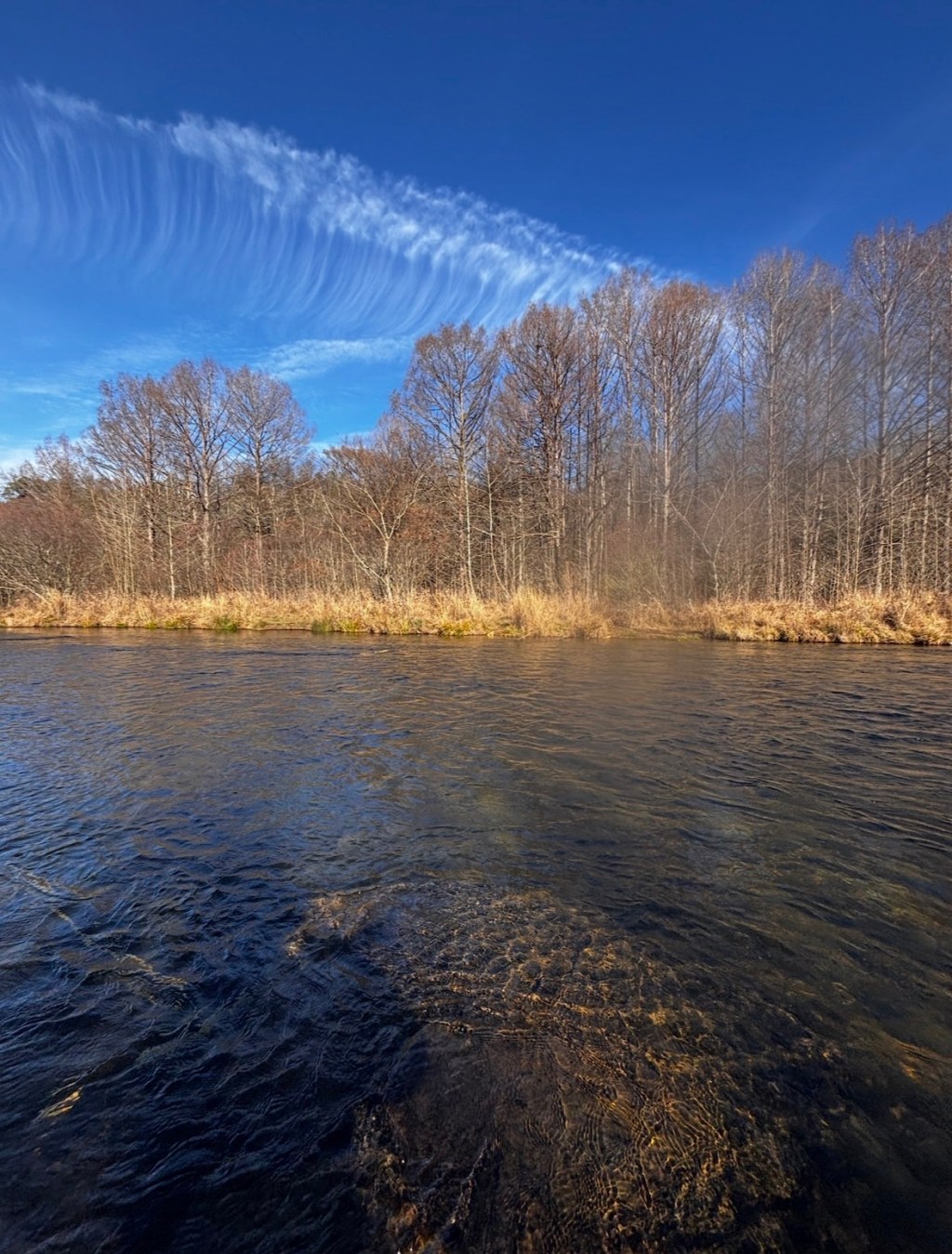
  • When Observation Changes Everything: A Moment in the River

    When Observation Changes Everything: A Moment in the River

    There’s a moment that stands out to me clearly—and it’s one I think most anglers can relate to.

    I was standing mid-river, watching trout rise steadily in the same seam I had already cast into several times without a single eat. The rises were consistent, deliberate, and confident. The fish were there. The fly was drifting through the zone. Yet nothing happened.

    That’s when I stepped back—not physically, but mentally—and asked myself the question we should all ask more often:

    Are they not eating my fly… or am I not presenting it correctly?

    Instead of immediately tying on something different, I slowed down and started observing.

    As I looked closer, I noticed small mayflies beginning to fly around me. They were subtle, light-bodied, and noticeably smaller than the size 14 mayfly I had tied on. At the same time, it became obvious just how clear the water was. The conditions were demanding precision—not just in fly choice, but in everything attached to it.

    That realization led to two changes:

    • I dropped down to a smaller fly that better matched the insects I was seeing

    • I downsized my tippet to reduce visibility and improve drift

    Nothing else changed. Same seam. Same casting angle. Same water.

    The difference was immediate.

    Once the fly matched the size of the insects drifting naturally—and the lighter tippet allowed it to move freely—the trout began to eat. One after another, fish that had ignored my fly minutes earlier suddenly committed.

    That moment reinforced a lesson I come back to often:

    It’s rarely one single thing—it’s the combination of observation, presentation, and restraint.

    Understanding Why That Adjustment Worked

    That experience highlights why dry fly fishing demands attention to detail.

    In clear water, trout have more time to inspect a fly. A slightly oversized pattern or a heavier tippet can be enough to trigger refusal—even when everything else seems right. The fish weren’t being selective out of stubbornness; they were simply reacting to what didn’t quite fit the natural drift they were keyed in on.

    Once the fly looked right and moved right, the puzzle solved itself.

    The Bigger Lesson: Slow Down Before You Switch Flies

    Moments like this are why I try to limit unnecessary fly changes. The answer often isn’t buried at the bottom of the fly box—it’s right in front of you if you’re willing to pause and observe.

    Before cutting off a fly, ask:

    • Does the size truly match what I’m seeing?

    • Is my tippet appropriate for this clarity and flow?

    • Is my fly drifting the same way the naturals are?

    Those questions lead to more consistent success than chasing patterns ever will.

  • Dry Fly Fishing Fundamentals: Presentation, Observation, and Choosing the Right Fly

    Dry Fly Fishing Fundamentals: Presentation, Observation, and Choosing the Right Fly

    Dry fly fishing is one of the most visual and rewarding ways to catch trout—but it’s also one of the most misunderstood. Many anglers obsess over exact fly patterns while overlooking the fundamentals that actually matter: presentation, observation, and reading the water.

    In this post, we’ll break down the core principles that consistently lead to success with dry flies—without falling into the trap of endless fly changes. This approach builds confidence, saves time on the water, and helps you understand why a fly works instead of relying on luck.

    Dry Fly Presentation: The Make-or-Break Factor

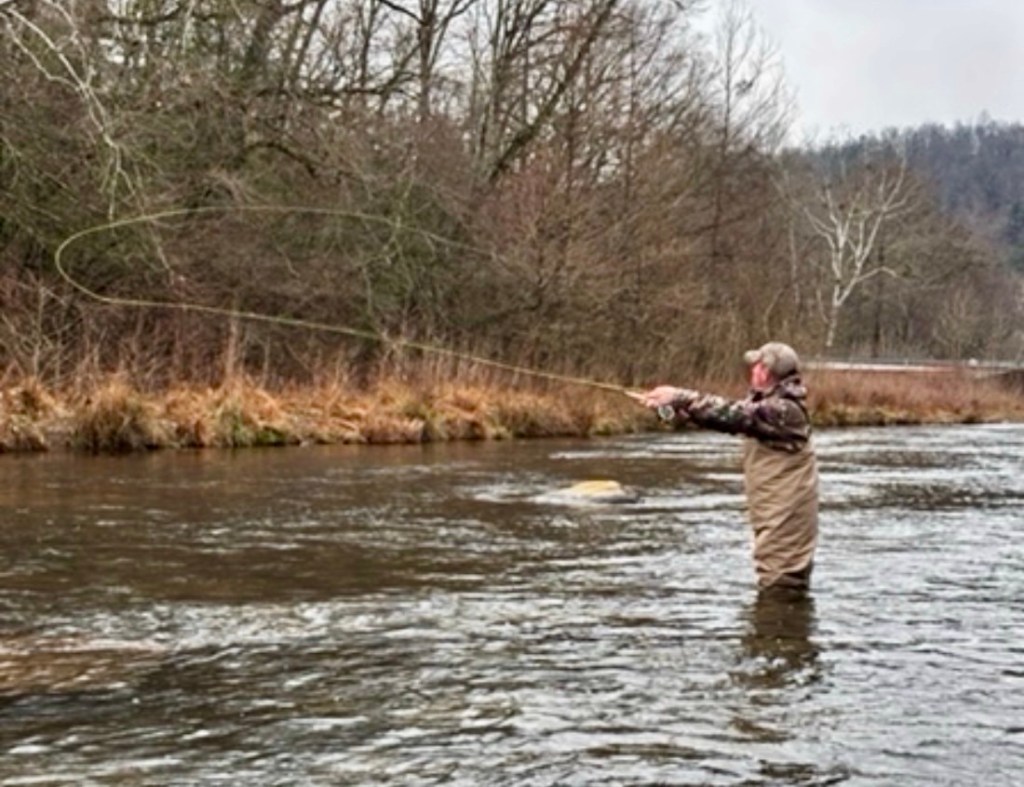
    You can have the “perfect” fly and still never get a take if the presentation is off.

    Trout see thousands of drifting insects every day. What they don’t see is insects dragging sideways, skating unnaturally, or moving at a different speed than the current.

    Key presentation elements to focus on:

    Drag-free drift – The fly must move at the exact speed of the current it’s floating in.

    Line and leader control – Mends matter more than fly choice.

    Approach angle – Casting slightly upstream or across allows the fly to drift naturally into the fish’s window.

    A mediocre fly with a perfect drift will outfish the “right” fly with a poor presentation almost every time.

    Look Around First: Let the River Tell You What to Use

    Before tying anything on, slow down and observe your surroundings.

    Ask yourself:

    • Are insects actively flying?

    • Do you see bugs on rocks, grass, or logs near the river?

    • Are fish rising consistently or sporadically?

    You don’t need to identify every insect down to the species. Instead, focus on:

    Size

    Color

    General shape

    Matching those three elements gets you 90% of the way there.

    If you see small, dark mayflies hovering and fish rising gently, you already know more than someone blindly cycling through fly boxes.

    Stop Pattern Chasing: Limit Your Time Searching for the “Perfect” Fly

    One of the biggest mistakes anglers make is changing flies too often.

    Constantly swapping patterns does three things:

    1. Breaks your rhythm

    2. Wastes fishing time

    3. Masks the real problem—usually presentation

    A better approach:

    • Pick one confidence pattern

    • Fish it thoroughly

    • Adjust how you fish it before changing what you fish

    If the fly drifts well and matches the general hatch profile, it deserves time in the water.

    Reading the Water: Where Dry Flies Actually Get Eaten

    Dry flies don’t get eaten everywhere—they get eaten in predictable places.

    Focus on:

    • Seams where fast and slow water meet

    • Foam lines that collect drifting insects

    • Inside bends with softer current

    • Tailouts below riffles

    These areas funnel food naturally and allow trout to feed efficiently. A perfect dry fly dropped into dead water with no feeding lanes is still a low-percentage cast.

    Understanding water movement often matters more than matching the hatch.

    Why One Fly Works Over Another (Even When They’re Similar)

    Ever notice how two flies in the same pattern family produce completely different results?

    That’s rarely coincidence.

    Subtle differences matter:

    Silhouette – A fly that rides lower may look more natural

    Hackle density – Sparse vs bushy can change how a fly drifts

    Float posture – Upright vs flush in the film

    Visibility – Not just for you, but for the fish

    Sometimes the “better” fly isn’t closer to the insect—it’s closer to how that insect behaves in the current.

    Instead of asking “What fly should I use?” start asking:

    “How is this fly interacting with the water?”

    That mindset shift changes everything.

    Choosing Flies With Intention, Not Guesswork

    Confidence comes from understanding—not luck.

    When choosing a dry fly:

    1. Match size and profile first

    2. Consider how the fly will float

    3. Think about the water type you’re fishing

    4. Commit to fishing it well

    The goal isn’t to own more flies—it’s to understand the ones you already trust.

    What’s Next: Going Deeper Into Dry Fly Strategy

    This post lays the foundation, but there’s more to unpack.

    In the upcoming follow-up series, we’ll dive deeper into:

    • Specific dry fly patterns and when to use them

    • Adjusting presentations for different water types

    • When to switch from dries to emergers or streamers 

    • How weather and light affect dry fly success

    • Reading subtle rise forms and feeding behavior

    Dry fly fishing isn’t about perfection—it’s about awareness, patience, and understanding how trout interact with moving water.

    And once you get that dialed in, the surface comes alive.

  • January Fly Fishing in Broken Bow, Oklahoma: Winter Streamer Tactics for Big Rainbow Trout

    January Fly Fishing in Broken Bow, Oklahoma: Winter Streamer Tactics for Big Rainbow Trout

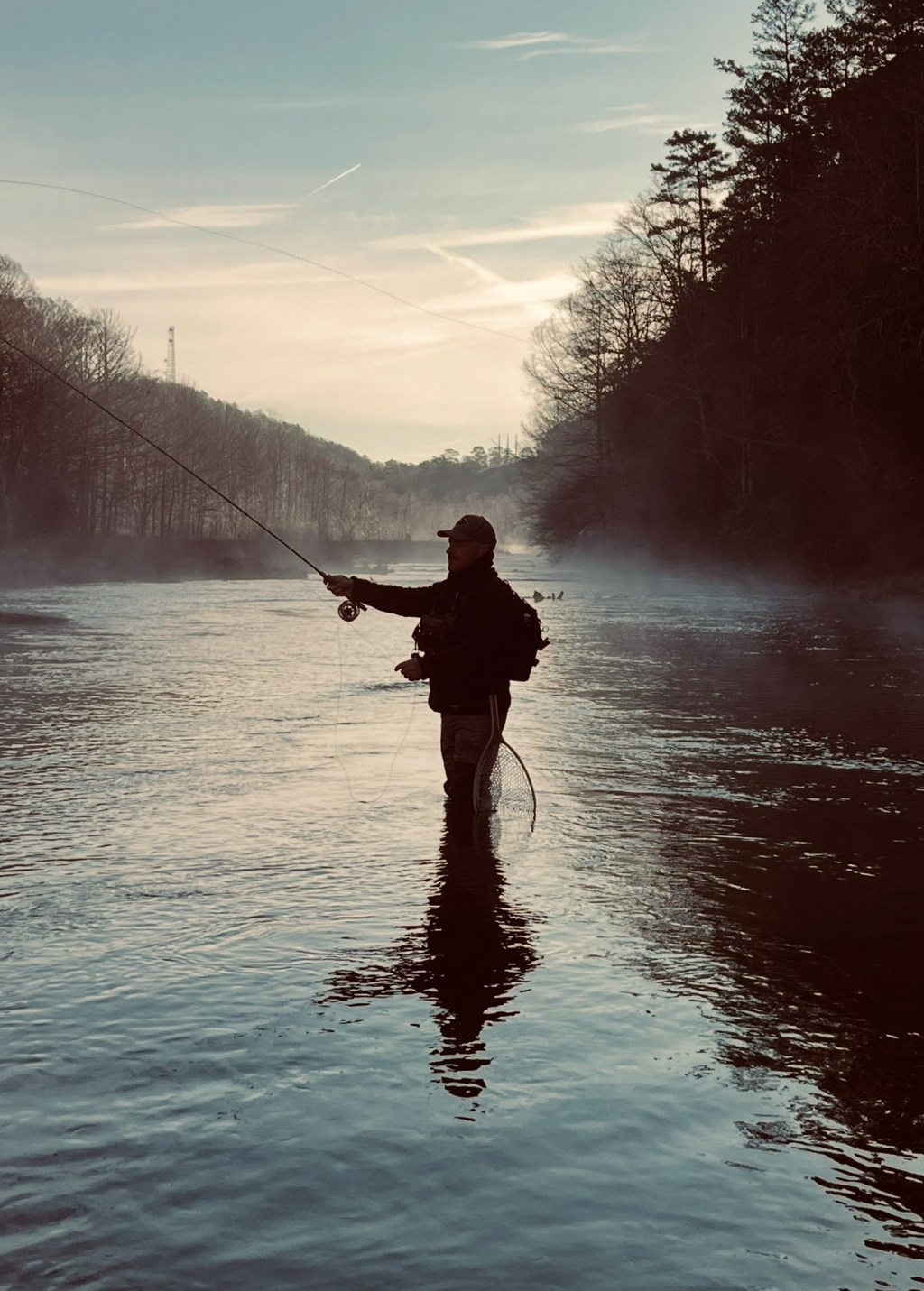
    January in Broken Bow, Oklahoma, is one of those trips that tests your patience—and rewards it if you’re willing to adjust. Cold mornings, cold water, and plenty of anglers on the river. This trip was a perfect reminder that winter fly fishing is less about forcing a pattern and more about reading the water, adapting your tactics, and committing to what the conditions are telling you.

    Winter Conditions on the Lower Mountain Fork River

    Most days started with air temps in the 30–40° range, and water temps hovered in the low-to-mid 40s. Some days were overcast with that soft winter light that feels fishy all day long, while others were bright and clear, putting the fish on edge—especially with moderate to heavy fishing pressure.

    These conditions made trout less willing to move far for a meal. They weren’t looking up much, and they definitely weren’t chasing flies across the river. Everything about the water screamed slow, deliberate, and close to structure.

    Starting with Dry Flies in Winter Conditions

    Like most trips, I started optimistic—throwing dries during the warmer parts of the day. While there were occasional looks and a few half-hearted rises, dry fly action was limited. Winter bugs were sparse, and any surface activity was short-lived.

    That’s when the switch needed to happen.

    Committing to Streamers:

    Once I stopped fishing dries and committed to streamers, the entire trip changed.

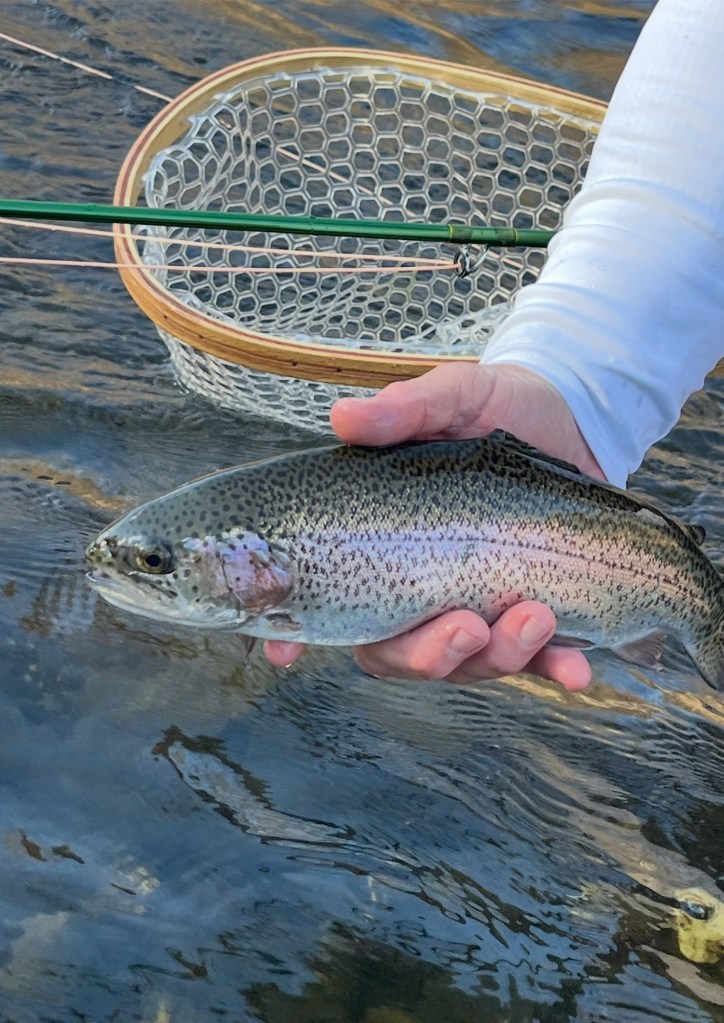
    The fly that consistently produced was a damsel green olive marabou streamer. Simple profile, tons of movement, and just enough flash to get noticed without spooking pressured fish.

    Why It Worked

    In cold water, trout don’t want to waste energy. That marabou breathed with the current, even on slow swings, making the fly look alive without aggressive stripping. The color matched winter forage well, and the subtle action triggered reaction strikes rather than feeding strikes.

    Reading the Water: Finding Winter Trout on the Lower Mountain Fork

    The key wasn’t just the fly—it was where and how it was fished.

    Seams and Soft Edges

    Most of the better fish came from seams, especially where faster water dumped into slower runs. I focused on:

    • The inside edge of seams

    • Transitions from riffles into deeper runs

    • Water where fish could sit comfortably and let food come to them

    Casting across the seam and allowing the fly to swing naturally through that transition zone was deadly.

    Big Boulders and Structure

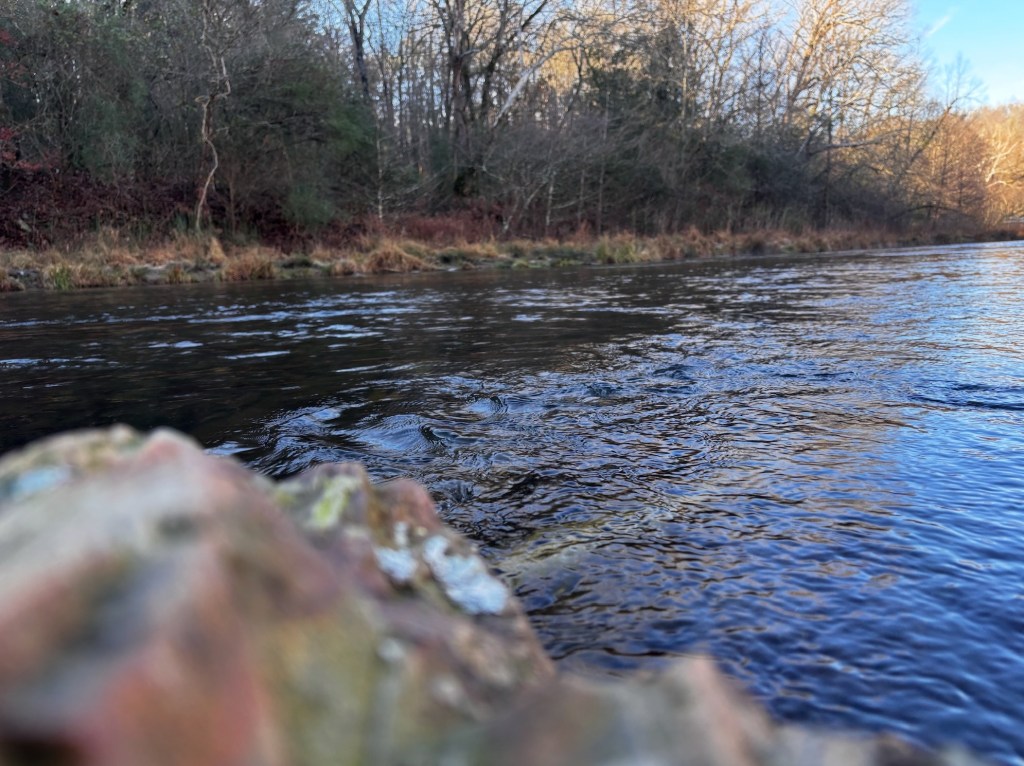
    The Lower Mountain Fork has plenty of large boulders, and in winter, those rocks are prime holding water.

    I targeted:

    • The downstream side of boulders

    • Slight depressions created by current wrapping around structure

    • Soft pockets directly behind rocks where trout could rest

    These spots consistently held bigger rainbows, especially when other anglers walked right past them.

    The Streamer Swing: Keeping a Tight Line for Reaction Strikes

    One of the biggest producers on this trip was keeping constant tension on the line.

    Instead of stripping aggressively, I let the streamer swing under tension, rod tip slightly downstream. That tight line did two things:

    1. It let the marabou pulse naturally in the current

    2. It allowed me to feel subtle takes instantly

    Most strikes happened mid-swing or right as the fly started to straighten out below me. Big rainbows would crush the fly with intent—it wasn’t subtle when it happened.

    Beating Fishing Pressure on the Lower Mountain Fork River

    Even on crowded days, this approach produced more bites and better fish than what I saw around me. While others were cycling flies or pounding the same obvious runs, slowing down and working structure paid off.

    Winter trout aren’t everywhere—but when you find them, they’re usually grouped up and willing to eat if you present the fly correctly.

    Final Takeaways from January Fly Fishing in Broken Bow, Oklahoma

    This trip reinforced a few winter fly fishing truths:

    • Cold water means less movement, not no movement

    • Streamers shine when surface activity fades

    • Structure and seams are non-negotiable in winter

    • Keeping a tight line on the swing triggers reaction bites

    Broken Bow in January isn’t about numbers—it’s about dialing in tactics and being patient enough to let the river show you where the fish live. When it all comes together, those cold-weather rainbows make every frozen finger worth it.

    If you’re heading to Broken Bow this winter, don’t be afraid to put the dries away and let a streamer do the talking.

  • Chasing Solitude & Cutthroat: This Year’s Northern New Mexico Fly Fishing Trip

    Chasing Solitude & Cutthroat: This Year’s Northern New Mexico Fly Fishing Trip

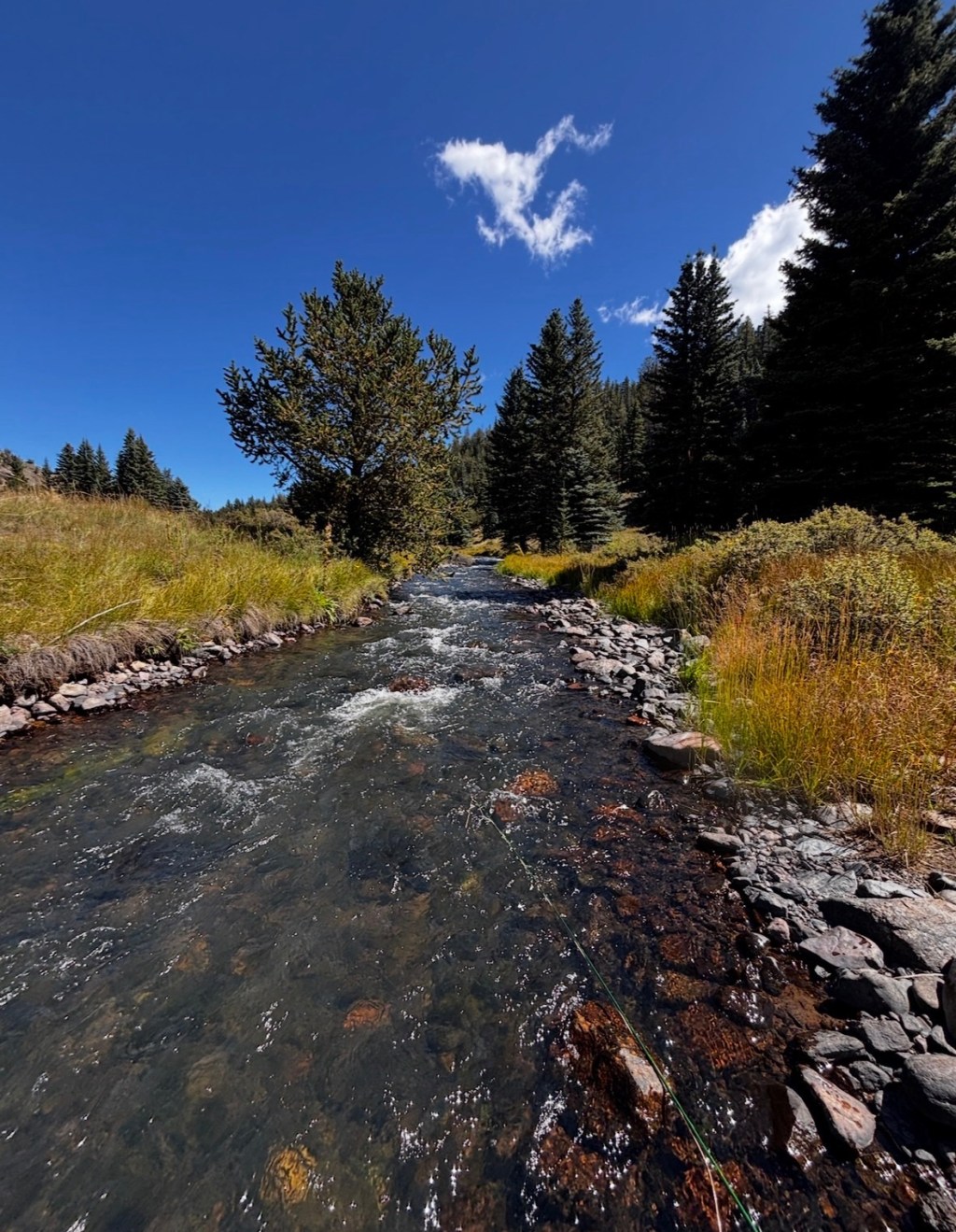
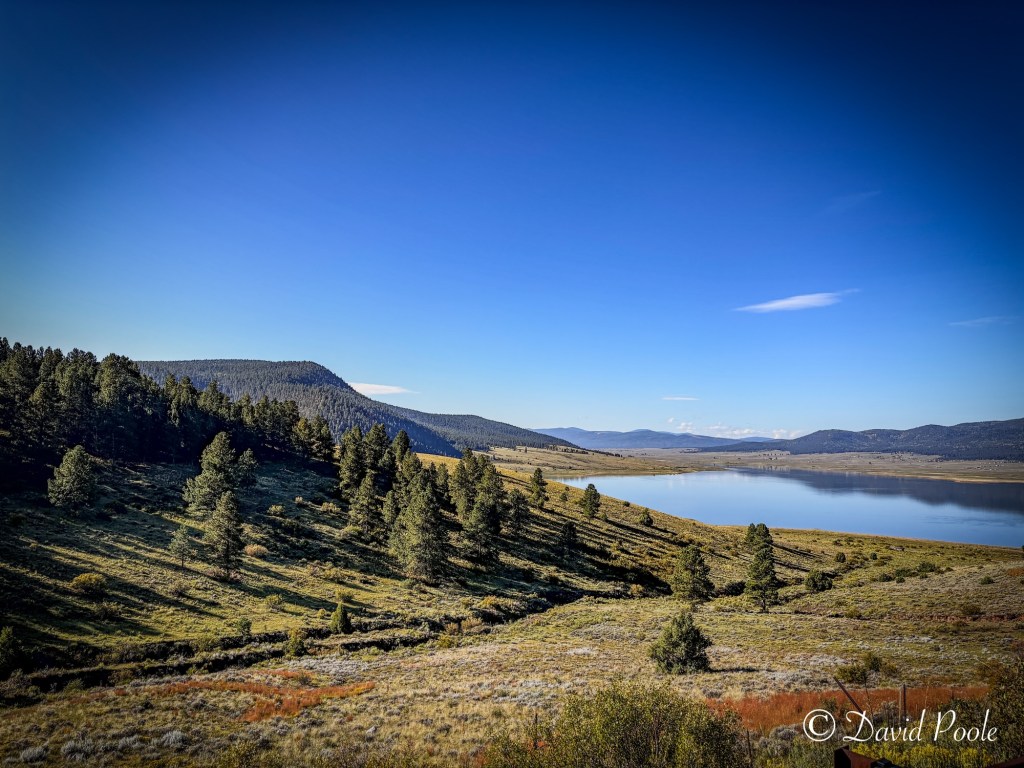
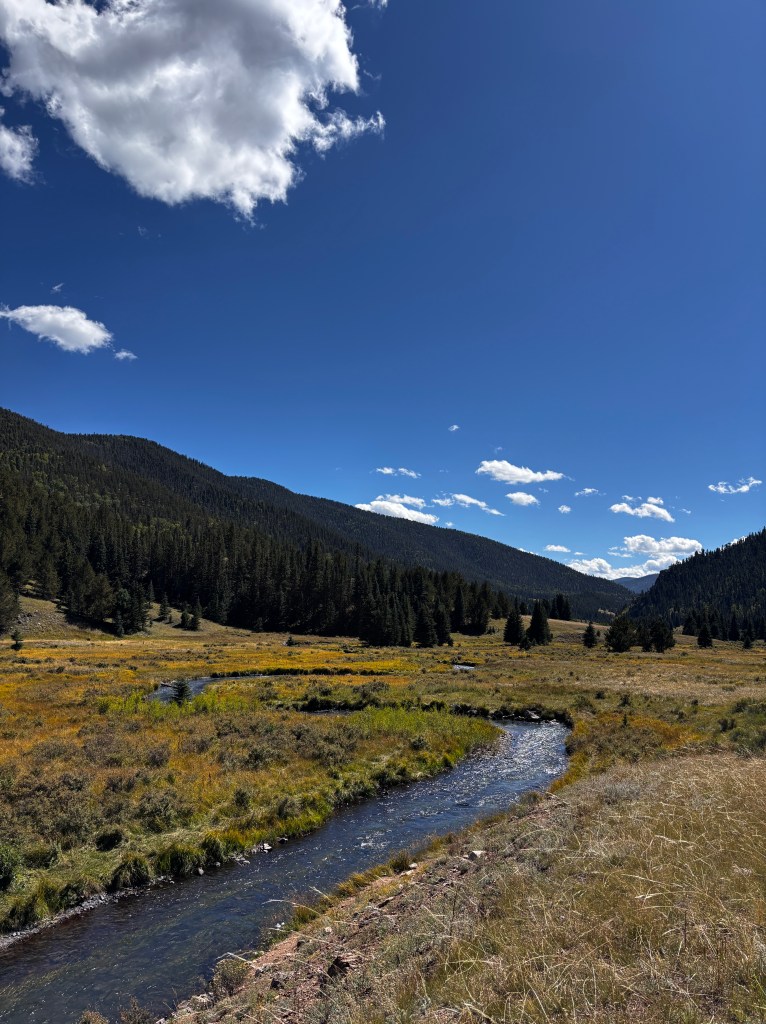
    Every year, the mountains of northern New Mexico pull me back with the same quiet force—towering ridgelines,  a few icy creeks, and the promise of cutthroat rising in thin air. This year’s trip was no different, though the mountains definitely made me earn every fish. Between unpredictable storms, sharp temperature drops, and long miles of backcountry hiking, it was a trip that blended solitude, struggle, and some of the best dry-fly eats I’ve had in a long time.

    A Week in the High Country

    I camped in a stretch of the mountains where cell service dies, the wind carries the sound of nothing but water and pines, and the cold comes quick the moment the sun drops behind the ridgeline. My setup was simple and reliable—my lightweight backpacking equipment and my tent staked on a soft bed of pine needles in my regular spot, my sleeping bag rated just warm enough for the 30° nights, and a small cooking kit for coffee at sunrise and meals at dusk.

    The river ran close enough that I could fall asleep to it and wake up with steam rising off the riffles. There’s a certain kind of clarity that only comes from unzipping a tent at dawn, breath hanging in the air, knowing you have nothing to do except explore water and find trout.

    The Weather That Tried to Turn Me Around

    Northern New Mexico always throws curveballs, but this year felt personal.

    One morning brought blue skies and 65°, the next hit with hail and wind that bent the aspens sideways. Storm cells crawled across the Sangre de Cristos like slow giants, and I had more than one afternoon of sprinting back to camp with thunder rolling behind me. The cutthroat didn’t seem to mind, though—they just shifted where they held, huddling deep under banks until the sun returned.

    It made the fishing more of a puzzle than usual, which honestly only added to the satisfaction.

    Dialing in the Dry Fly Game

    The cutthroat were keyed in on big terrestrials this year, but sizing mattered more than anything. Early in the week, I started tossing size 8 hoppers—big enough to ride high but small enough not to spook fish in clear, low water.

    The sweet spot:

    Size 10–12 tan parachute hoppers with a slim profile.

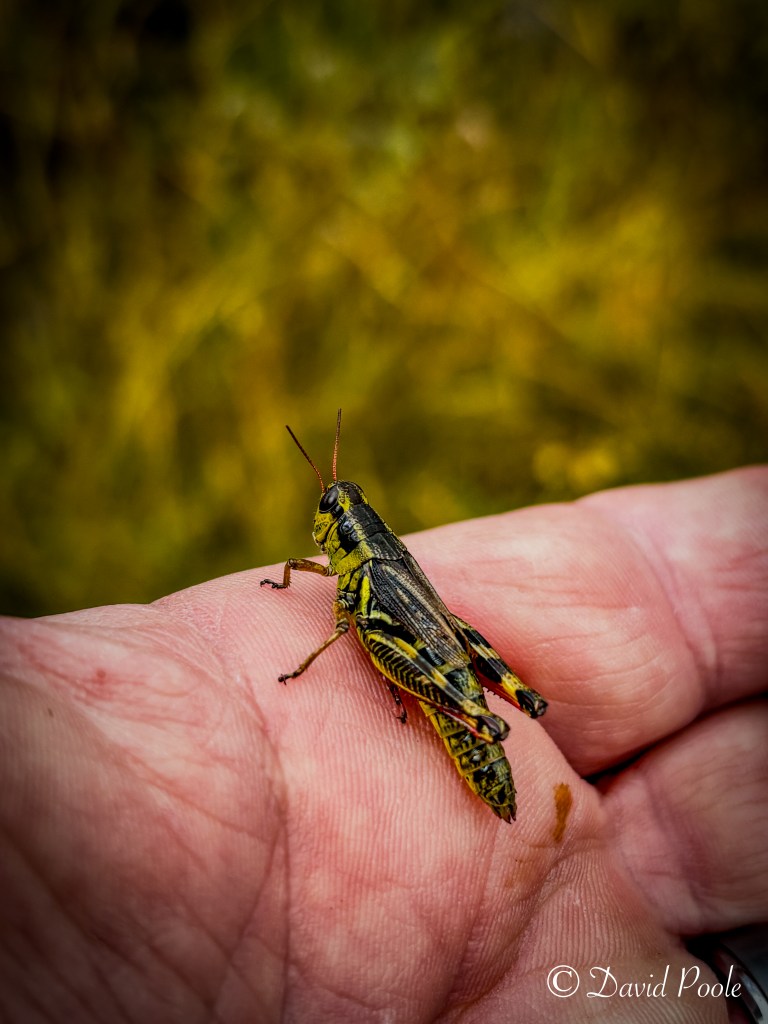
    The fish would swipe aggressively at anything too bulky but absolutely crushed the medium-sized bugs that matched the natural grasshoppers landing in the shallows. Most eats came on the edges of seams or right up against undercut banks where the creek grass hung over the water.

    When the water got a little off-color from storms, I switched to a hopper-dropper with a small beadhead nymph and picked up a few extra fish hiding deep. But the real magic stayed on top.

    Black & Purple Streamers That Saved the Afternoons

    When the clouds stacked up and the temperature dropped, the surface bite shut down fast. That’s when the small black-and-purple streamers came alive.

    Stripping a size 8–10 leech or thin-profile streamer through the deeper pools produced some of the biggest cutthroat of the trip. Something about the dark silhouette in that glacier-cold water gets these trout fired up, especially right before the storms rolled in.

    A slow, twitch-pause retrieve was the ticket. Too fast, and they didn’t commit. Letting the fly hover in the current triggered the chase.

    Photography in the Thin Air

    This was another trip where the camera never left my pack for long. With the Canon R5 and my go-to lenses, I found moments everywhere: mist hanging over the river, sun shafts cutting through pines, and the kind of mountain light that only lasts a few minutes but transforms everything it touches.

    Low-angle shots near the water made for the best compositions—cutthroat colors glowing in natural light, textured rock beds, and reflections off still pockets. I played with longer exposures on the tripod during the slower fishing hours, capturing the smooth flow of the river as the shadows stretched across the valley.

    Even when the fish weren’t biting, the camera gave me another reason to slow down and appreciate the place.

    Why These Trips Matter

    Every year, the world feels louder and busier, which makes trips like this one even more important. Northern New Mexico gives you exactly what you need—not always what you want. Some days were cold and tough. Some casts were blown sideways by the wind. But every fish, every moment of quiet, and every sunrise over the ridges felt earned.

    And that’s why I’ll keep coming back.

  • Kayak Fishing for Redfish & Speckled Trout Tips & Tactics

    Kayak Fishing for Redfish & Speckled Trout Tips & Tactics

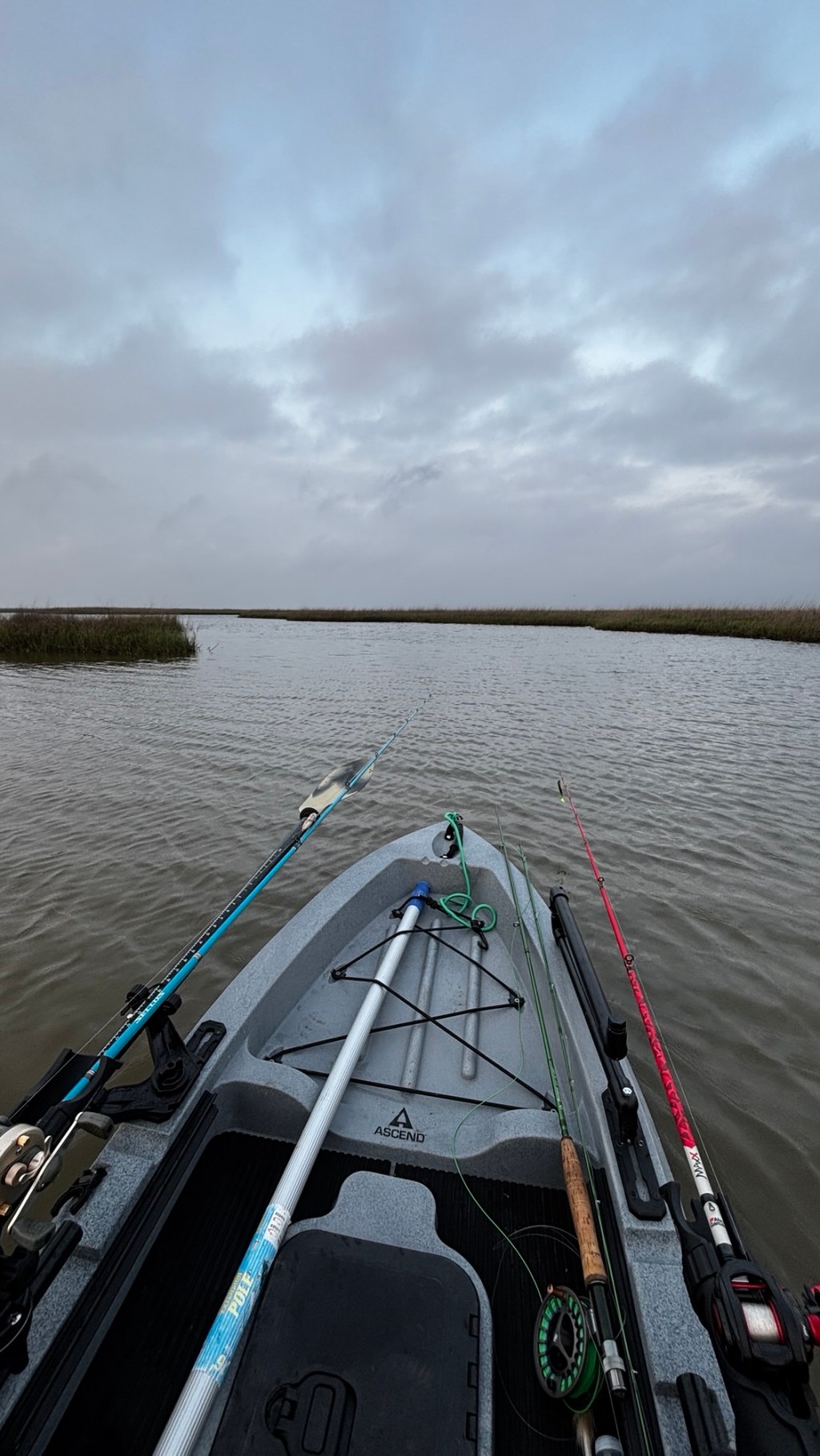
    Kayak fishing brings you closer to the water, offering an unmatched level of stealth and accessibility when targeting inshore species like redfish and speckled trout. Gliding through the marsh, feeling the rhythm of the tides, and watching a redfish tail in the shallows—these moments define why so many anglers choose kayaks for their fishing adventures. But success in a kayak isn’t just about casting in the right spot. Proper preparation, technique, and safety play just as big a role as choosing the right lure.

    In this guide, we’ll cover essential gear, fishing techniques, and key safety considerations to ensure your time on the water is both productive and enjoyable.

    Kayak Fishing: Why It’s Perfect for Redfish & Speckled Trout

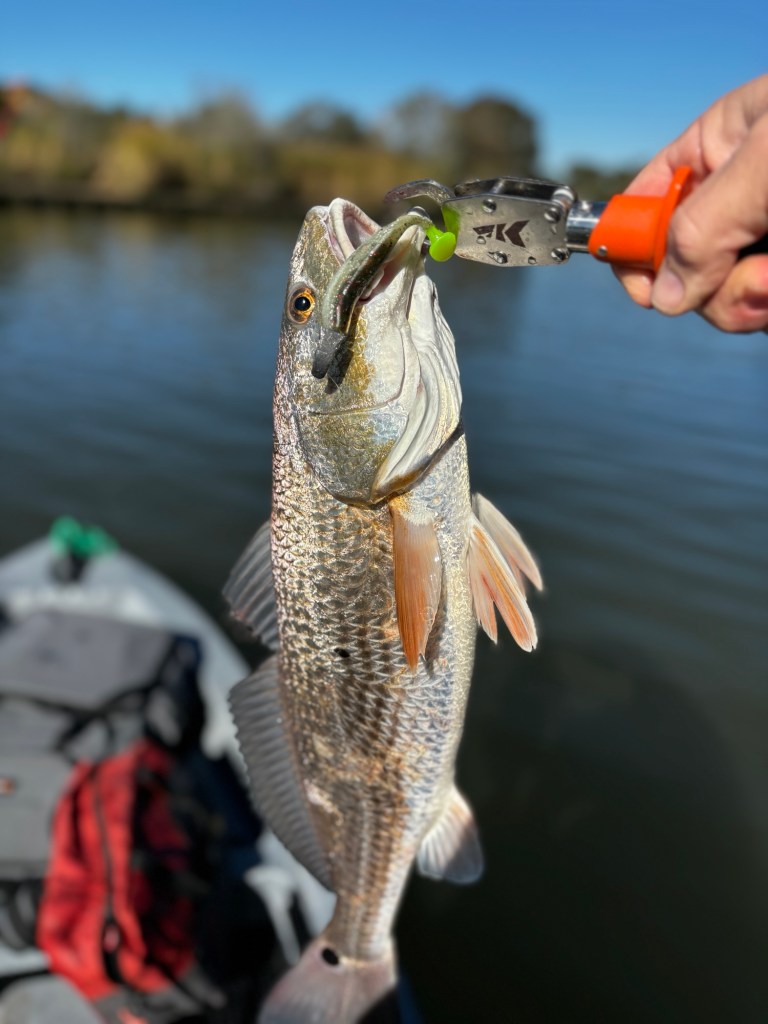
    Fishing from a kayak allows you to reach areas boats can’t, where pressured fish find refuge in the shallows. These quieter waters are often rich with bait, making them prime feeding grounds. Redfish thrive in skinny water, pushing into grass flats to hunt for shrimp and crabs, while speckled trout hold near oyster beds, waiting to ambush baitfish. The kayak’s silent approach gives you a major advantage in these scenarios, allowing you to get close without spooking fish.

    But with the rewards of kayak fishing come unique challenges. Unlike fishing from a boat, you need to account for factors like stability, positioning, and the ever-changing coastal environment. That’s why having the right gear and knowledge is essential.

    Essential Kayak Gear for Saltwater Fishing

    The Right Kayak

    A stable sit-on-top fishing kayak is ideal for inshore waters. Look for a model with:

    Good Stability – Wider kayaks allow you to stand and sight fish.

    Adequate Storage – You’ll need space for tackle, rods, and safety gear.

    Pedal or Paddle Drive – Pedal kayaks keep your hands free, but a quality paddle is crucial.

    Must-Have Accessories

    Push Pole – A lightweight push pole is invaluable for silently maneuvering through shallow water without disturbing fish.

    Anchor System – A stake-out pole works best for shallow flats, while a small anchor or drag chain helps in deeper water or current.

    Rod Holders & Tackle Crate – Organizing your gear prevents clutter and makes for a smoother fishing experience.

    Dry Bag & Waterproof Case – Keep your phone, keys, and important items dry and secure.

    Safety Gear

    PFD (Personal Flotation Device) – Always wear a PFD, no exceptions. A fishing-specific PFD has extra pockets for storing essentials.

    Whistle & Light – Coast Guard regulations require a whistle and a light for low-light conditions.

    First-Aid Kit – Accidents happen. Be prepared for hooks, cuts, or stings.

    Bilge Pump or Sponge – For draining excess water from your kayak.

    Kayak Positioning & Anchoring Correctly

    Staying in the right position while fishing is crucial. The wind, tide, and current all play a role in where your kayak drifts, so knowing how to control your positioning keeps you on fish longer.

    Stake-Out Pole – For shallow waters, a stake-out pole allows you to quietly anchor without disturbing the bottom.

    Drift Anchors – A drift sock slows your kayak’s movement when fishing open flats or channels in windy conditions.

    Anchoring with a Rope System – If using a traditional anchor, attach it to an anchor trolley system to adjust your positioning without changing your cast direction.

    A key tip: Always place your anchor off the bow or stern to prevent your kayak from tipping sideways in strong currents.

    Weather Monitoring & Tidal Awareness

    The conditions on the water can change quickly, and being prepared can make the difference between a great trip and a dangerous situation.

    Check the Weather Forecast – Wind speeds over 15 mph make kayaking challenging. Storms can develop quickly, so always check the radar before heading out.

    Know the Tide Charts – Both redfish and speckled trout are heavily influenced by tides. An incoming tide often brings fish into shallow feeding zones, while an outgoing tide funnels bait into deeper water, creating ambush points.

    Watch for Lightning – If you hear thunder, it’s time to head in. Open water is one of the worst places to be during a storm.

    Finding Redfish & Speckled Trout from a Kayak

    Redfish Hotspots:

    Shallow Grass Flats & Marshes – Redfish love feeding on crabs and shrimp in the grass. Look for tailing fish or nervous bait.

    Tidal Drains & Creek Mouths – As the tide moves, redfish wait in deeper cuts for bait to be pulled into their strike zone.

    Shorelines with Structure – Wind-blown shorelines, oyster bars, and submerged grass beds all hold redfish.

    Speckled Trout Hotspots:

    Oyster Reefs & Drop-Offs – Trout use reefs as feeding grounds, especially near deeper water.

    Sand and Grass Pockets – Speckled trout roam these areas, ambushing baitfish.

    Current Edges & Channels – Trout hold near points where baitfish get swept past them.

    Best Lures for Kayak Fishing

    For Redfish:

    Paddle Tail Soft Plastics – JVS Custom Baits Rip Rap in Copper Penny and H&H/DOA Paddle Tails are great for covering water.

    Gold Spoon – A classic lure for redfish, especially in stained water.

    Topwater Lures – Early mornings or calm days call for walking baits like the Super Spook Jr.

    For Speckled Trout:

    Soft Plastics on a Jig Head – The JVS Speed Shrimp in White and Gold is a deadly choice.

    Topwater Lures – Trout are aggressive surface feeders, and the Heddon One Knocker Spook can trigger explosive strikes.

    Suspending Twitch Baits – The MirrOlure 52MR is excellent for cooler months when trout feed deeper.

    Kayak Fishing Strategies for Success

    Stealth & Approach

    Kayaks give you a natural advantage in stealth, but even the smallest noise can spook fish in shallow water.

    Paddle quietly – Use soft, controlled strokes or a push pole to move.

    Avoid sudden movements – Even shifting your weight too fast can send out unnatural ripples.

    Cast ahead of your target – Let the fish come to your lure instead of landing it right on their head.

    Using the Wind & Current to Your Advantage

    Drift fishing – Let the wind and current carry you naturally along a shoreline or over a reef while casting.

    Positioning – Set up so you’re casting with the wind for longer, more accurate presentations.

    Final Thoughts

    Kayak fishing for redfish and speckled trout is one of the most rewarding ways to experience inshore fishing. With the right preparation, awareness of conditions, and strategic approach, you’ll put more fish in the kayak while staying safe on the water.

    Stay Connected with Beyond the Cast

    Thanks for reading! If you enjoyed this post and want more fishing tips, trip reports, and on-the-water action, be sure to follow along.

    Subscribe to our YouTube channel for in-depth videos, gear breakdowns, and on-the-water adventures. Stay up to date by following us on Facebook, where we share fishing reports, trip updates, and connect with fellow anglers.

    Join the conversation, share your catches, and let’s keep exploring the water together.

    Tight lines, and see you Beyond the Cast!

    What’s your top kayak fishing tip? Drop a comment below!

  • Mastering Inshore Saltwater Fishing in Galveston West Bay for Bigger and Better Catches

    Mastering Inshore Saltwater Fishing in Galveston West Bay for Bigger and Better Catches

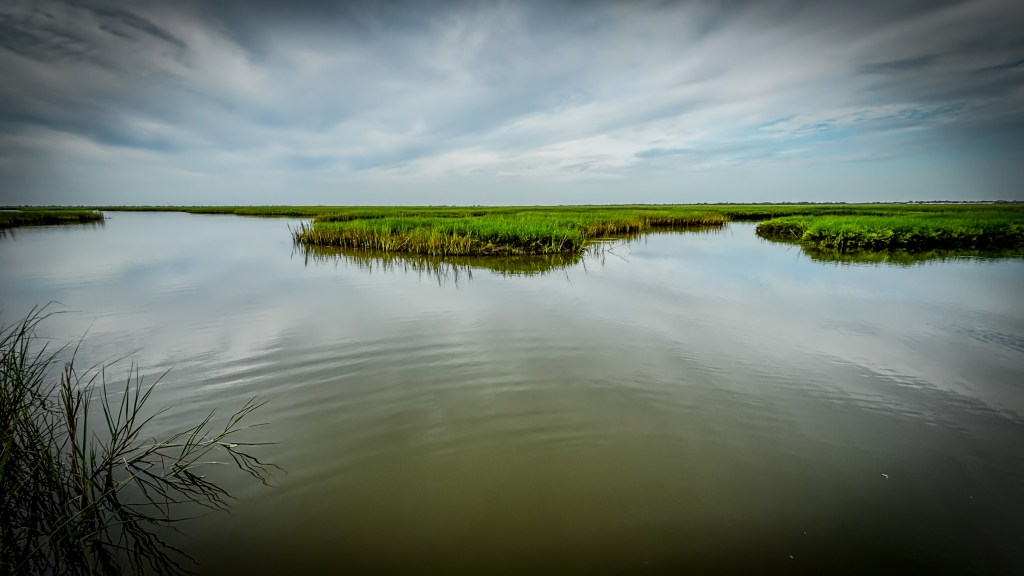
    Grass flats Galveston West Bay

    Inshore saltwater fishing is an exciting challenge, especially when targeting prized species like redfish and speckled trout. Success in these waters requires more than just casting a line—you need to understand the right techniques, how fish behave with tidal movements, and where to find them. In this guide, we’ll break down essential strategies, including the use of maps to illustrate tidal flows and prime fishing spots, to help you land bigger and better catches.

    Understanding Tidal Movements and Fish Behavior

    Tides play a crucial role in inshore fishing, influencing how and where redfish and speckled trout feed. These species rely on moving water to bring food to them, so knowing when and where the tides are strongest can greatly increase your chances of success.

    Incoming Tide – As the tide rises, baitfish and shrimp move into marshes, grass flats, and estuaries. Redfish and trout follow, feeding aggressively in these areas.

    Outgoing Tide – As water drains out, bait is pulled through channels, cuts, and creek mouths. This creates prime ambush points for hungry fish.

    Slack Tide – Minimal water movement can slow down feeding activity, making it a less productive time to fish.

    Hotspot: Fishing Galveston West Bay

    Galveston West Bay is one of the top inshore fishing destinations on the Texas coast, offering a mix of shallow flats, oyster reefs, and deep channels that make it ideal for targeting redfish and speckled trout. Here are some key areas to focus on:

    North Shoreline – The marshy edges and grass flats along the north side of the bay are excellent for sight fishing redfish, especially on an incoming tide.

    Oyster Reefs (like Confederate Reef & Carancahua Reef) – These structures hold bait and attract both trout and redfish, making them great places to fish during moving tides.

    Cold Pass & Greens Lake – These areas serve as natural funnels for tidal movements, creating excellent ambush spots where fish congregate.

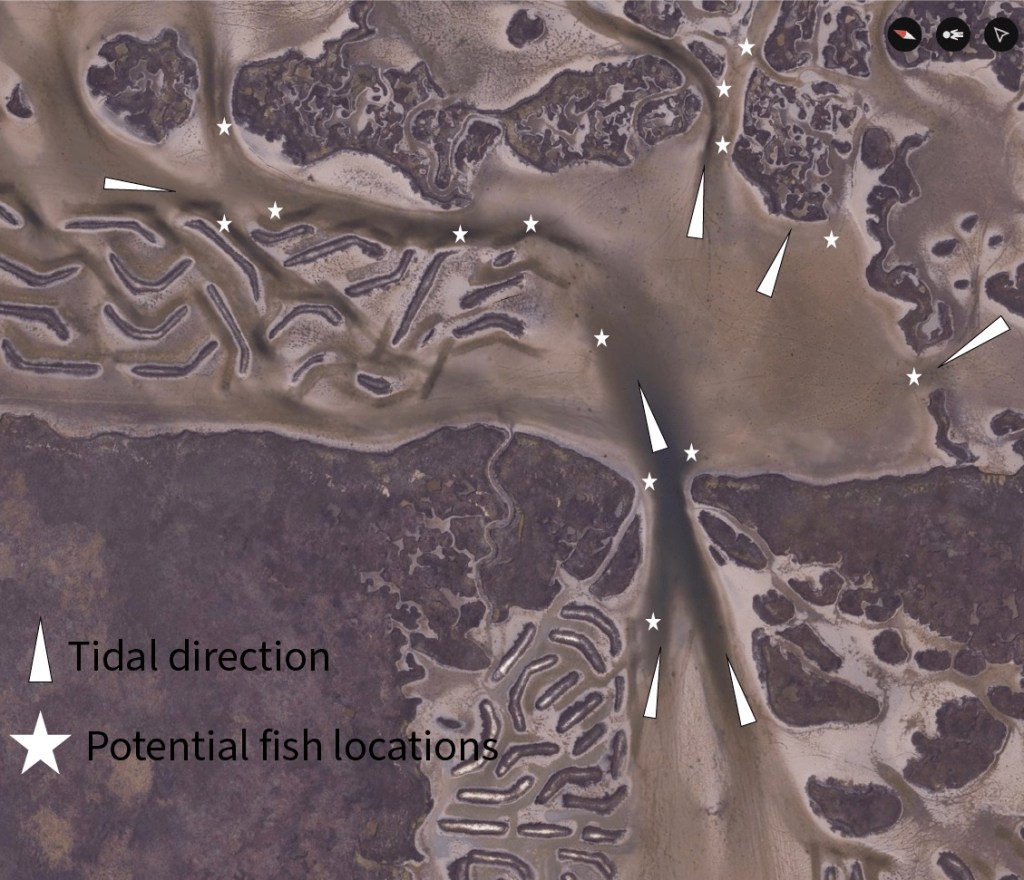
    Using maps to analyze these locations along with tidal patterns can help you plan your trips more effectively. 

    Seasonal Strategies for Galveston West Bay

    Winter Fishing Tactics

    During winter, water temperatures drop, pushing redfish and speckled trout into deeper, more stable areas. Key strategies include:

    Targeting Deep Channels & Holes – Areas like the ICW (Intracoastal Waterway), deeper sections of West Bay, and channels leading to the Gulf hold fish seeking warmer water.

    Slow-Presenting Soft Plastics – Using a slow retrieve with a soft plastic on a jig head mimics sluggish baitfish, making it a go-to technique for cold-water trout.

    Fishing Mud & Shell Bottoms – These areas retain heat better than sand, attracting fish looking for slightly warmer conditions.

    Summer Fishing Tactics

    As temperatures rise, fish patterns shift, and early mornings or late evenings become prime times to target them. Key strategies include:

    Topwater Action at Sunrise & Sunset – Speckled trout and redfish become aggressive in low-light conditions, making this the perfect time for walking-the-dog-style lures.

    Fishing the Marsh & Grass Flats – Higher water levels push redfish into shallow marshes and grassy shorelines, where they feed on shrimp and baitfish.

    Working Deeper Structure Midday – As the sun heats up, fish retreat to deeper reefs and channels. Using live bait or slow-sinking lures can be effective.

    By adjusting your approach based on the season and using maps to track tidal movements, you can maximize your success in Galveston West Bay year-round.

    Using Maps to Identify Prime Fishing Spots

    Google earth showing tidal movements

    To maximize success, I use existing maps with annotations to highlight key areas where tidal movements concentrate bait and fish. Some top locations include:

    Grass Flats & Oyster Bars – These areas hold bait and attract redfish, especially during higher tides.

    Creek Mouths & Drains – Outgoing tides pull bait through these pinch points, making them ideal ambush zones for trout and redfish.

    Drop-offs & Deep Holes – In colder months or during extreme heat, fish retreat to deeper areas where water temperatures are more stable.

    Maps help visualize these areas and understand how tides move water through them, improving your ability to predict fish activity.

    Techniques for Catching Redfish and Speckled Trout

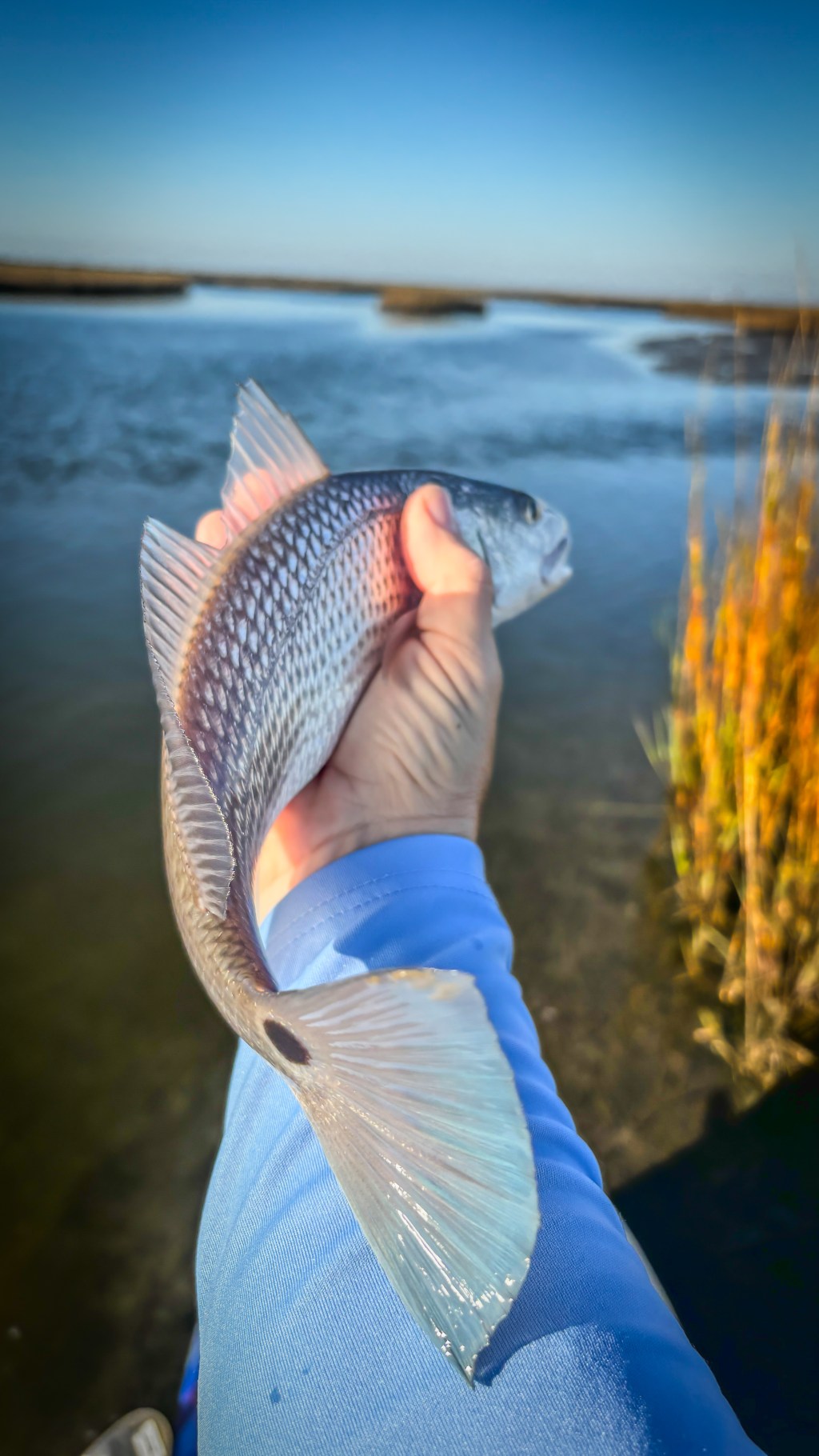
    Looking at Redfish tailing on the edge of the banks

    Sight Fishing for Redfish

    When water clarity allows, look for redfish tailing in shallow flats or cruising along marsh edges. Using a weedless soft plastic or a live shrimp under a popping cork can be deadly in these situations.

    Jigging for Speckled Trout

    Trout are aggressive feeders, and a jig with a soft plastic (such as a paddle tail or shrimp imitation) bounced near the bottom often gets their attention. Target deeper drop-offs and areas with moving water.

    Topwater Action

    During low-light conditions—early morning or late evening—both species will strike topwater lures. Walk-the-dog style baits, like the Zara Spook, work well over shallow flats and near oyster beds.

    Bringing It All Together: Video and Visuals

    To better explain these techniques and locations, I include videos and pictures in my blog posts. This way, you can see real-life examples of these fishing strategies in action. The combination of on-the-water footage, maps with annotations, and detailed explanations ensures you have all the tools needed to improve your inshore fishing game.

    Final Thoughts

    Mastering inshore fishing for redfish and speckled trout isn’t just about luck—it’s about understanding how these fish move with the tides, using maps to pinpoint the best locations, and applying the right techniques. By combining these strategies with real-time conditions, you can dramatically increase your success on the water.

    Thanks for reading! If you enjoyed this post and want more fishing tips, trip reports, and on-the-water action, be sure to follow along.

    Subscribe to our YouTube channel for in-depth videos, gear breakdowns, and on-the-water adventures. Stay up to date by following us on Facebook, where we share fishing reports, trip updates, and connect with fellow anglers.

    Join the conversation, share your catches, and let’s keep exploring the water together.

    Tight lines, and see you Beyond the Cast!