Tag: fishing trip planning

  • Dry Fly Fishing Fundamentals: Presentation, Observation, and Choosing the Right Fly

    Dry Fly Fishing Fundamentals: Presentation, Observation, and Choosing the Right Fly

    Dry fly fishing is one of the most visual and rewarding ways to catch trout—but it’s also one of the most misunderstood. Many anglers obsess over exact fly patterns while overlooking the fundamentals that actually matter: presentation, observation, and reading the water.

    In this post, we’ll break down the core principles that consistently lead to success with dry flies—without falling into the trap of endless fly changes. This approach builds confidence, saves time on the water, and helps you understand why a fly works instead of relying on luck.

    Dry Fly Presentation: The Make-or-Break Factor

    You can have the “perfect” fly and still never get a take if the presentation is off.

    Trout see thousands of drifting insects every day. What they don’t see is insects dragging sideways, skating unnaturally, or moving at a different speed than the current.

    Key presentation elements to focus on:

    Drag-free drift – The fly must move at the exact speed of the current it’s floating in.

    Line and leader control – Mends matter more than fly choice.

    Approach angle – Casting slightly upstream or across allows the fly to drift naturally into the fish’s window.

    A mediocre fly with a perfect drift will outfish the “right” fly with a poor presentation almost every time.

    Look Around First: Let the River Tell You What to Use

    Before tying anything on, slow down and observe your surroundings.

    Ask yourself:

    • Are insects actively flying?

    • Do you see bugs on rocks, grass, or logs near the river?

    • Are fish rising consistently or sporadically?

    You don’t need to identify every insect down to the species. Instead, focus on:

    Size

    Color

    General shape

    Matching those three elements gets you 90% of the way there.

    If you see small, dark mayflies hovering and fish rising gently, you already know more than someone blindly cycling through fly boxes.

    Stop Pattern Chasing: Limit Your Time Searching for the “Perfect” Fly

    One of the biggest mistakes anglers make is changing flies too often.

    Constantly swapping patterns does three things:

    1. Breaks your rhythm

    2. Wastes fishing time

    3. Masks the real problem—usually presentation

    A better approach:

    • Pick one confidence pattern

    • Fish it thoroughly

    • Adjust how you fish it before changing what you fish

    If the fly drifts well and matches the general hatch profile, it deserves time in the water.

    Reading the Water: Where Dry Flies Actually Get Eaten

    Dry flies don’t get eaten everywhere—they get eaten in predictable places.

    Focus on:

    • Seams where fast and slow water meet

    • Foam lines that collect drifting insects

    • Inside bends with softer current

    • Tailouts below riffles

    These areas funnel food naturally and allow trout to feed efficiently. A perfect dry fly dropped into dead water with no feeding lanes is still a low-percentage cast.

    Understanding water movement often matters more than matching the hatch.

    Why One Fly Works Over Another (Even When They’re Similar)

    Ever notice how two flies in the same pattern family produce completely different results?

    That’s rarely coincidence.

    Subtle differences matter:

    Silhouette – A fly that rides lower may look more natural

    Hackle density – Sparse vs bushy can change how a fly drifts

    Float posture – Upright vs flush in the film

    Visibility – Not just for you, but for the fish

    Sometimes the “better” fly isn’t closer to the insect—it’s closer to how that insect behaves in the current.

    Instead of asking “What fly should I use?” start asking:

    “How is this fly interacting with the water?”

    That mindset shift changes everything.

    Choosing Flies With Intention, Not Guesswork

    Confidence comes from understanding—not luck.

    When choosing a dry fly:

    1. Match size and profile first

    2. Consider how the fly will float

    3. Think about the water type you’re fishing

    4. Commit to fishing it well

    The goal isn’t to own more flies—it’s to understand the ones you already trust.

    What’s Next: Going Deeper Into Dry Fly Strategy

    This post lays the foundation, but there’s more to unpack.

    In the upcoming follow-up series, we’ll dive deeper into:

    • Specific dry fly patterns and when to use them

    • Adjusting presentations for different water types

    • When to switch from dries to emergers or streamers 

    • How weather and light affect dry fly success

    • Reading subtle rise forms and feeding behavior

    Dry fly fishing isn’t about perfection—it’s about awareness, patience, and understanding how trout interact with moving water.

    And once you get that dialed in, the surface comes alive.
  • January Fly Fishing in Broken Bow, Oklahoma: Winter Streamer Tactics for Big Rainbow Trout

    January Fly Fishing in Broken Bow, Oklahoma: Winter Streamer Tactics for Big Rainbow Trout

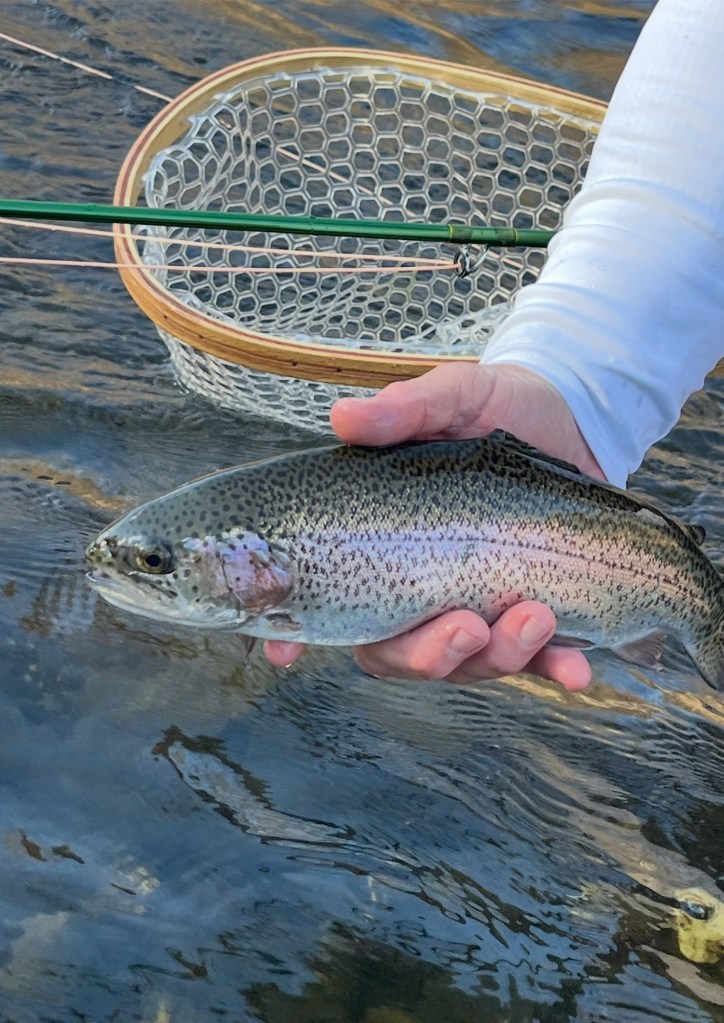
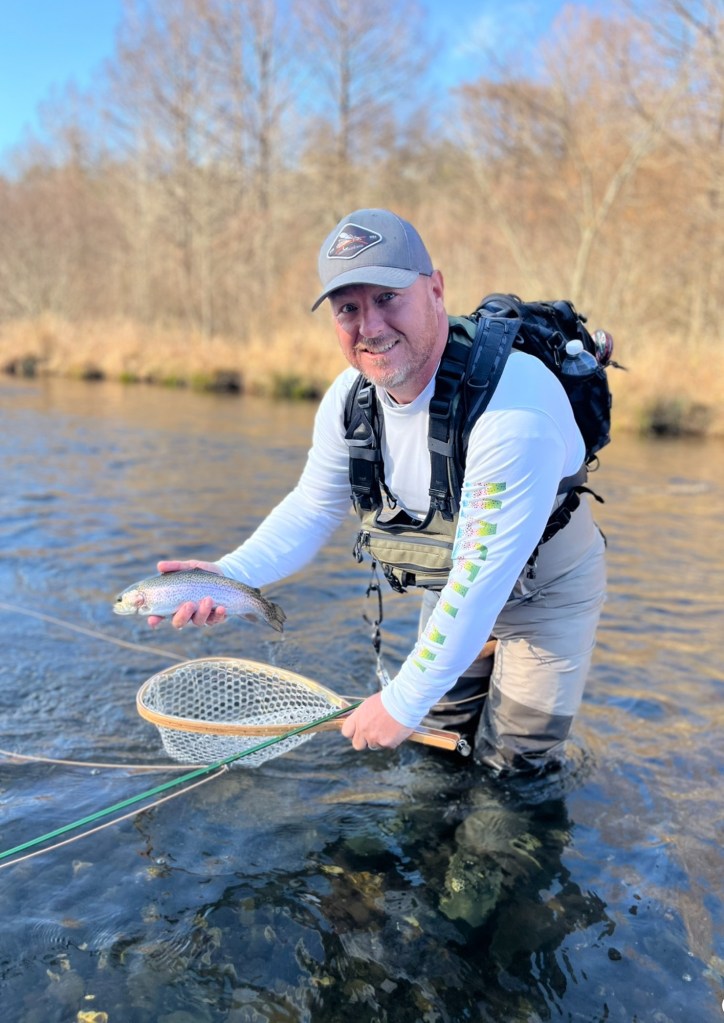
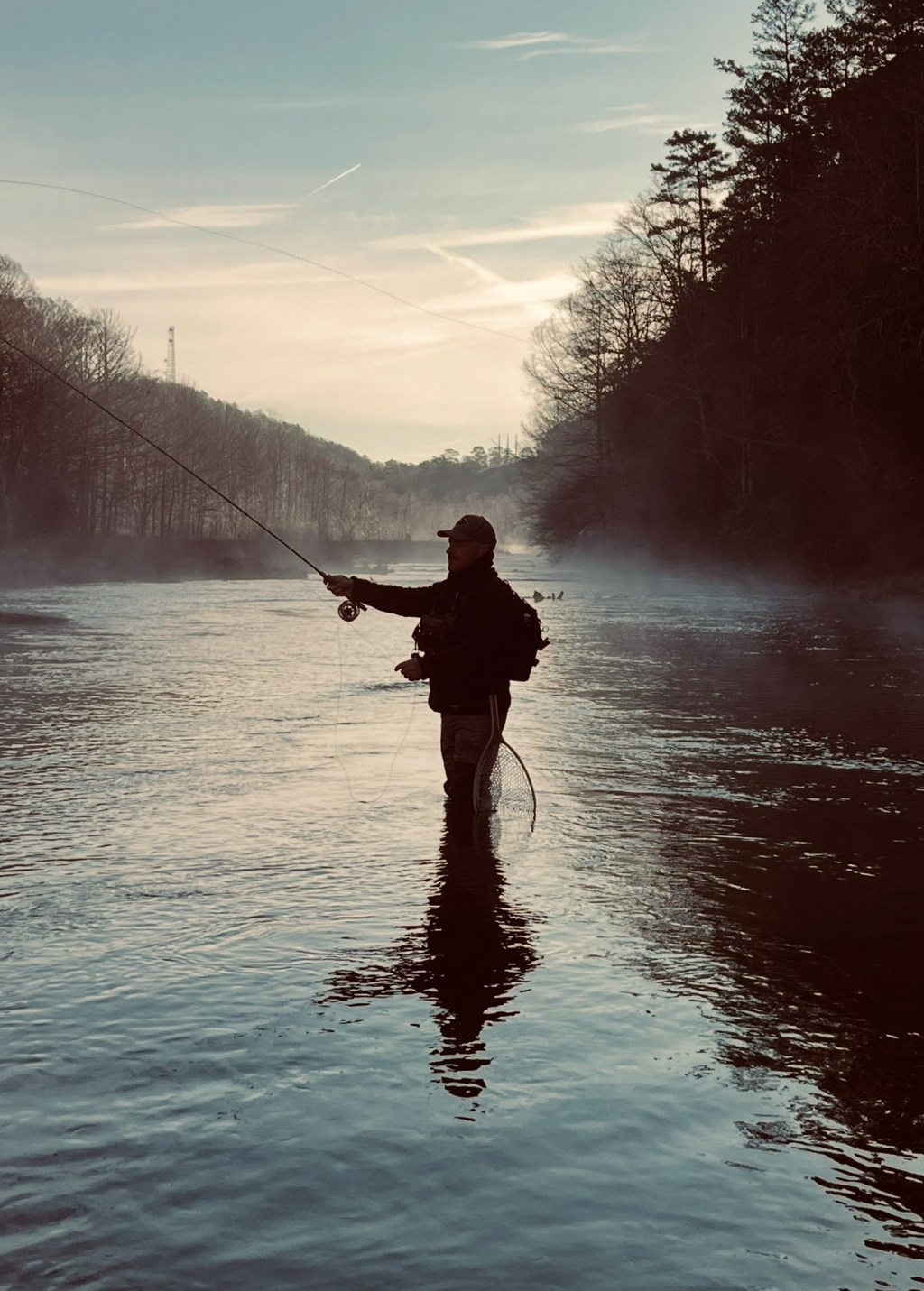
    January in Broken Bow, Oklahoma, is one of those trips that tests your patience—and rewards it if you’re willing to adjust. Cold mornings, cold water, and plenty of anglers on the river. This trip was a perfect reminder that winter fly fishing is less about forcing a pattern and more about reading the water, adapting your tactics, and committing to what the conditions are telling you.

    Winter Conditions on the Lower Mountain Fork River

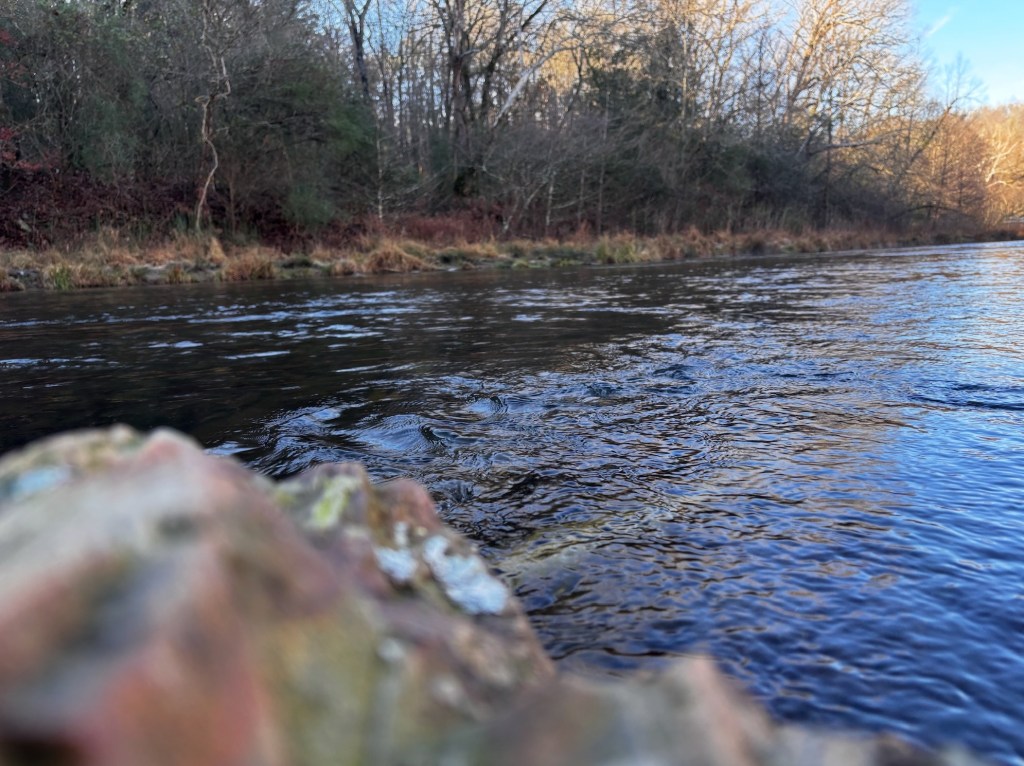
    Most days started with air temps in the 30–40° range, and water temps hovered in the low-to-mid 40s. Some days were overcast with that soft winter light that feels fishy all day long, while others were bright and clear, putting the fish on edge—especially with moderate to heavy fishing pressure.

    These conditions made trout less willing to move far for a meal. They weren’t looking up much, and they definitely weren’t chasing flies across the river. Everything about the water screamed slow, deliberate, and close to structure.

    Starting with Dry Flies in Winter Conditions

    Like most trips, I started optimistic—throwing dries during the warmer parts of the day. While there were occasional looks and a few half-hearted rises, dry fly action was limited. Winter bugs were sparse, and any surface activity was short-lived.

    That’s when the switch needed to happen.

    Committing to Streamers:

    Once I stopped fishing dries and committed to streamers, the entire trip changed.

    The fly that consistently produced was a damsel green olive marabou streamer. Simple profile, tons of movement, and just enough flash to get noticed without spooking pressured fish.

    Why It Worked

    In cold water, trout don’t want to waste energy. That marabou breathed with the current, even on slow swings, making the fly look alive without aggressive stripping. The color matched winter forage well, and the subtle action triggered reaction strikes rather than feeding strikes.

    Reading the Water: Finding Winter Trout on the Lower Mountain Fork

    The key wasn’t just the fly—it was where and how it was fished.

    Seams and Soft Edges

    Most of the better fish came from seams, especially where faster water dumped into slower runs. I focused on:

    • The inside edge of seams

    • Transitions from riffles into deeper runs

    • Water where fish could sit comfortably and let food come to them

    Casting across the seam and allowing the fly to swing naturally through that transition zone was deadly.

    Big Boulders and Structure

    The Lower Mountain Fork has plenty of large boulders, and in winter, those rocks are prime holding water.

    I targeted:

    • The downstream side of boulders

    • Slight depressions created by current wrapping around structure

    • Soft pockets directly behind rocks where trout could rest

    These spots consistently held bigger rainbows, especially when other anglers walked right past them.

    The Streamer Swing: Keeping a Tight Line for Reaction Strikes

    One of the biggest producers on this trip was keeping constant tension on the line.

    Instead of stripping aggressively, I let the streamer swing under tension, rod tip slightly downstream. That tight line did two things:

    1. It let the marabou pulse naturally in the current

    2. It allowed me to feel subtle takes instantly

    Most strikes happened mid-swing or right as the fly started to straighten out below me. Big rainbows would crush the fly with intent—it wasn’t subtle when it happened.

    Beating Fishing Pressure on the Lower Mountain Fork River

    Even on crowded days, this approach produced more bites and better fish than what I saw around me. While others were cycling flies or pounding the same obvious runs, slowing down and working structure paid off.

    Winter trout aren’t everywhere—but when you find them, they’re usually grouped up and willing to eat if you present the fly correctly.

    Final Takeaways from January Fly Fishing in Broken Bow, Oklahoma

    This trip reinforced a few winter fly fishing truths:

    • Cold water means less movement, not no movement

    • Streamers shine when surface activity fades

    • Structure and seams are non-negotiable in winter

    • Keeping a tight line on the swing triggers reaction bites

    Broken Bow in January isn’t about numbers—it’s about dialing in tactics and being patient enough to let the river show you where the fish live. When it all comes together, those cold-weather rainbows make every frozen finger worth it.

    If you’re heading to Broken Bow this winter, don’t be afraid to put the dries away and let a streamer do the talking.

  • Planning My Fishing Trips: From Texas Marshes to Colorado’s Wild Trout Streams

    Planning My Fishing Trips: From Texas Marshes to Colorado’s Wild Trout Streams

    Every fishing trip I take starts with a map, a cup of coffee, and a little imagination. Whether I’m launching my kayak into the quiet marshes of Galveston Bay or loading up my fly rod for a week chasing trout in the mountains of southwest Colorado, I treat every trip like its own adventure.

    Over time, I’ve built a system that helps me find the right water, prepare for changing conditions, and capture moments along the way through fishing photography. It’s a mix of digital scouting, tide and river flow research, fly fishing strategy, and a lot of intuition.

    Here’s how I plan my trips—from coastal redfish missions to high-country fly fishing—along with the tools, tactics, and gear that help me get the most out of every cast.

    Step One: Finding the Right Water

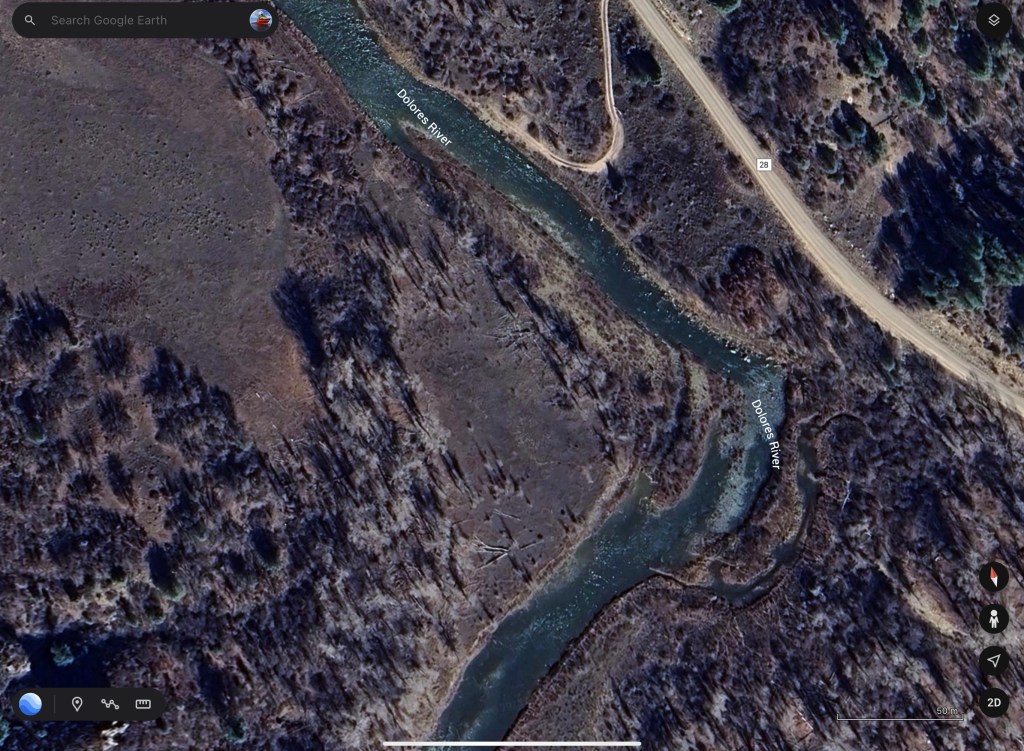
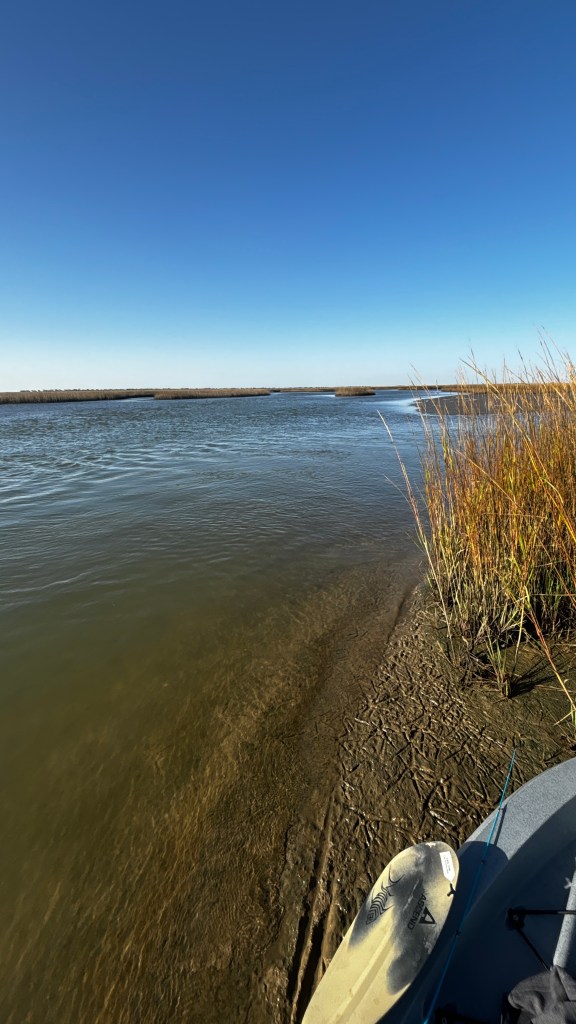
    When I’m planning a coastal trip around Galveston, I start with Google Earth fishing maps. I zoom in on marsh drains, shell reefs, and grass flats, marking potential ambush points where redfish and speckled trout might be waiting for bait to push through with the tide.

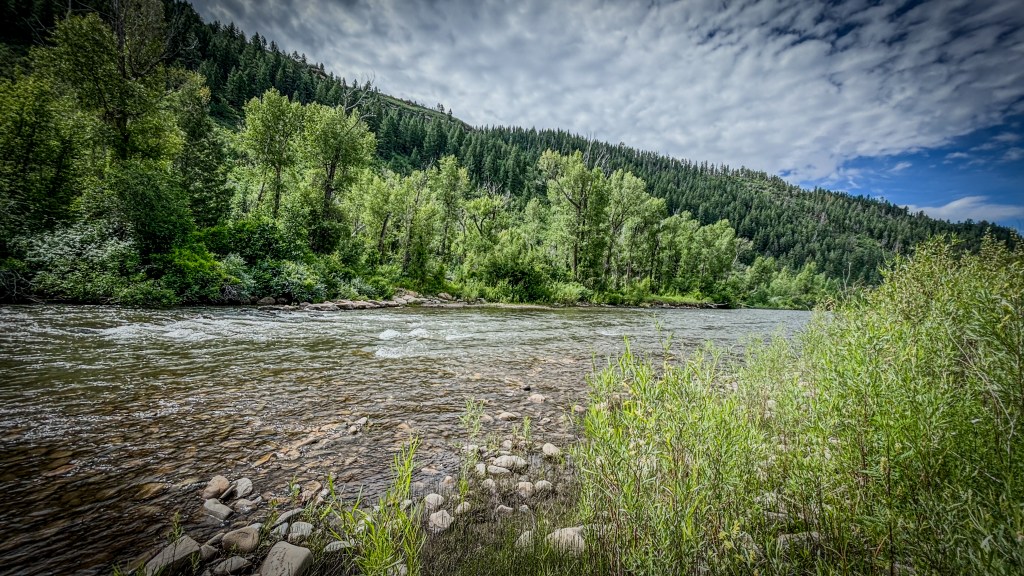
    For trout fishing trips, I turn to the TroutRoutes app, especially when heading into places like the Dolores River, Pine River, Animas River, or Florida River in Colorado. TroutRoutes shows me public access points, fly fishing regulations, and real-time stream flows—all in one spot. It’s hands-down one of my favorite apps for planning fly fishing trips in Colorado.

    Screenshot trout fishing map of Dolores River using TroutRoutes
    Screenshot trout fishing map of Dolores River using Google Earth

    I also pull up local fly shop reports and check in with forums and social groups. A few minutes of reading recent trip reports can save me hours on the water later.

    Timing is Everything: Tides, River Flows & Weather

    Fishing success is all about timing and conditions.

    On the coast, I build my trips around tide charts, solunar tables, and wind forecasts. I want to be on the water as the tide’s moving—either pulling bait into the marsh or draining it out through cuts and creeks. That moving water gets everything active, especially when paired with stable pressure and clean water.

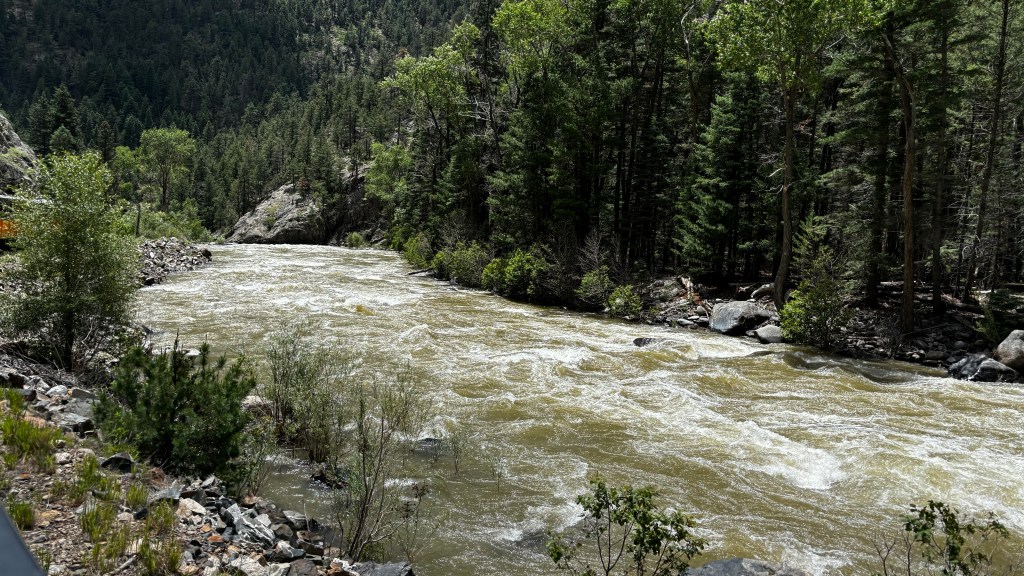
    For my Colorado trips, I pay close attention to USGS stream gauges. If flows are too high from runoff or summer storms, I might switch to a smaller tributary or hit a tailwater like the lower Dolores. Watching water temperature is equally important—trout get lethargic in warmer water, especially in late summer.

    “Success often comes down to 15 minutes of movement—when the tide shifts or the hatch explodes.”

    My Fishing Strategies: Flats to Freestones

    Inshore Fishing: Texas Marsh Tactics

    When I’m chasing redfish on the flats, I’m looking for signs of life—nervous bait, shrimp jumping, birds diving, or the golden back of a redfish pushing through grass. I love fishing with paddle tails, especially the JVS Custom Baits Rip Rap in Copper Penny or a 3.5” Speed Shrimp when fish are keyed in on crustaceans.

    If I’m fly fishing in the marsh, I keep it simple: crab and shrimp patterns, long leaders, and a quiet approach. Sight casting to tailing reds never gets old.

    Mountain Fly Fishing: Reading Water & Matching the Hatch

    In Colorado, fishing rivers like the Pine or Animas means constantly adjusting to what the water gives me. One bend might call for dry flies in pocket water, the next might demand nymphs under an indicator in a deep, slow pool.

    When the hatch is on—especially during a caddis or stonefly emergence—I’m in heaven. There’s something about watching a trout rise in fast water, especially when I’ve hiked in for miles with just a small pack and a fly box in my pocket.

    Safety First: Especially in the Backcountry

    Whether I’m kayaking a remote bay system or hiking into the upper Florida River, I take safety seriously.

    • I carry offline maps and GPS, especially when I’m deep in the mountains or out of cell range in a bay system.

    • I use a Personal Locator Beacon (PLB) for emergencies—peace of mind goes a long way.

    • In mountain country, I pack layers for changing weather, a water filter, and bear spray when needed.

    Knowing how to read the weather—and knowing when to pull the plug—has saved me more than once.

    Capturing the Experience: Fishing Photography in the Field

    Fishing is about more than just catching fish. For me, it’s also about the quiet moments between casts—the mist rising off a river at dawn, a redfish tail breaking the surface, or a trout slipping back into cold, clear water.

    That’s where photography comes in. I bring my Canon R5, along with a few key lenses: a Canon L-series for landscape shots, and a Sigma for tighter portraits of fish and wildlife.

    I use:

    • A K&F Concept tripod for stability when shooting long exposures

    Polarizing filters to cut glare and bring out the detail in water shots

    • A dry bag and padded camera insert to protect my gear in the kayak or backpack

    Some of my favorite moments are captured during the golden hour—sunset glowing off a canyon wall in the Animas, or first light over the saltgrass back home in Galveston.

    Final Thoughts: Why I Plan Fishing Trips This Way

    I fish for the thrill of the catch—but also for the quiet, the challenge, and the story. The time I spend planning my trips—researching tides, scouting rivers, organizing gear—is all part of the journey.

    Fishing the Dolores River one day and stalking redfish on the Texas coast the next keeps me connected to the water in totally different ways. Both require patience, curiosity, and a little humility.

    If you’re planning your own trip—whether it’s chasing tailing redfish or hiking into a hidden trout stream—take your time. Look at maps. Check the flows. Watch the weather. Bring a camera. And most importantly, enjoy the ride.

    Tight lines and clear skies—see you out there.