Tag: fly-fishing

  • Kingfisher Blackfoot Fly Tying Vise Review – A Durable, Travel-Ready Fly Tying Vise

    Kingfisher Blackfoot Fly Tying Vise Review – A Durable, Travel-Ready Fly Tying Vise

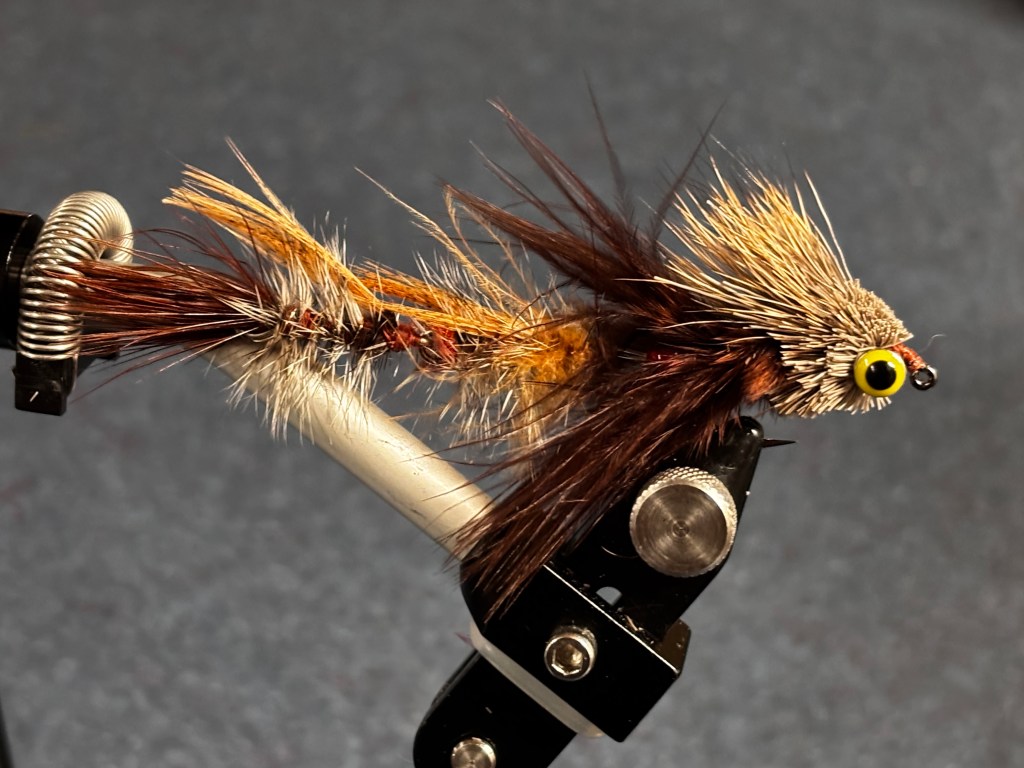
    The Kingfisher Blackfoot Fly Tying Vise is a dependable piece of fly tying gear built for anglers who want durability, versatility, and portability. After using this vise both at home and while traveling, it has proven to be a solid fly tying vise that performs well across a wide range of fly styles and hook sizes.

    One feature that immediately stands out—especially for anglers on the move—is the durable travel case, which protects the vise during transport and makes it easy to pack for trips.

    Build Quality and Overall Durability

    The Blackfoot fly tying vise features a solid, well-balanced build that stays stable during tying. There’s no flex or wobble when applying thread pressure, stacking materials, or tying heavier saltwater patterns.

    For a budget-friendly fly tying vise, the durability is impressive. Combined with the included protective travel case, this vise is well-suited for anglers who tie flies both at home and in the field.

    Hook Holding Power and Versatility

    A quality fly tying vise must securely hold hooks, and the Kingfisher Blackfoot delivers consistent grip across a wide range of hook sizes. It handles everything from small trout hooks to larger saltwater hooks without slipping or requiring constant adjustment.

    This makes it a versatile choice for tying:

    • Trout flies

    • Redfish flies

    • Shrimp patterns

    • Baitfish and inshore flies

    The strong jaw retention is especially important when tying flies meant to hold up against aggressive fish and tough conditions.

    Travel Fly Tying Vise with a Durable Case

    Where the Kingfisher Blackfoot really shines is as a travel fly tying vise. The included durable travel case adds serious value, keeping the vise protected during transport and making it easy to throw into a gear bag, backpack, or truck box.

    Setup is quick, and despite its compact size, the vise remains stable whether tying at camp, in a rental, or on the road. For anglers who travel frequently or want a dependable portable setup, this vise and case combo is a major plus.

    Final Thoughts on the Kingfisher Blackfoot Fly Tying Vise

    The Kingfisher Blackfoot Fly Tying Vise checks all the right boxes: solid construction, strong hook-holding power, wide hook size compatibility, and true portability thanks to its protective travel case.

    If you’re looking for an affordable fly tying vise that performs well for both trout and saltwater fly tying—and travels safely without extra accessories—the Blackfoot is an excellent choice.

  • The Art of Solitude: Why I Chase Wild Places with a Fly Rod and a Camera

    The Art of Solitude: Why I Chase Wild Places with a Fly Rod and a Camera

    “In the stillness of a riverbend or the hush of pine shadows on a mountain trail, I find something that feels closer to truth than anything I’ve found in the noise of daily life.”

    Introduction: Where Silence Begins

    There’s something sacred about the sound of your boots crunching on a trail before sunrise. When the only other noise is the rustling of leaves and the distant hum of water, that’s where solitude begins. It’s not about loneliness—it’s about space. Space to think. Space to breathe. Space to reconnect.

    For me, that space has always been filled with two things: a fly rod in one hand, and a camera slung over my shoulder.

    The Pull of the Wild

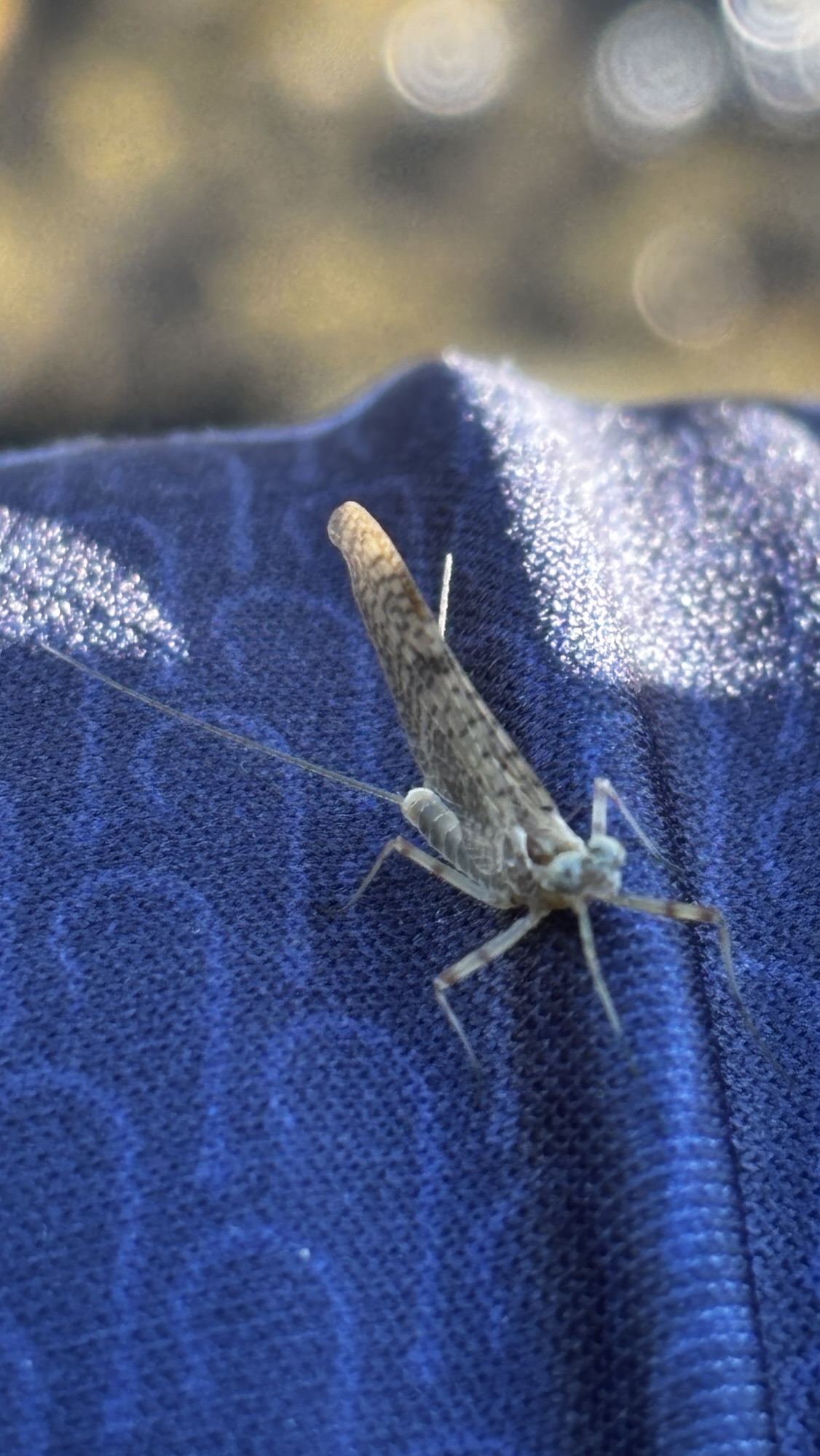
    Fishing isn’t just a sport—it’s a rhythm. It slows life down. The act of watching a mayfly drift, of reading currents and shadows, and feeling the tension in a line before a strike—it pulls you into the present like few things can.

    Photography is the same. It demands patience. Observation. The willingness to wait for light to break just right through canyon walls or for the breeze to settle before clicking the shutter.
    In wild places, these two crafts merge. The fly rod casts for trout, the lens captures the light—and together, they etch a memory into your soul.

    Solitude Isn’t Escaping—It’s Returning

    People often think solitude is running from the world. But the truth is, it’s returning to what matters. Out there—along the banks of a freestone river or deep in a Texas marsh—you’re not bombarded by alerts, deadlines, or expectations. You’re just being.

    Fishing forces you to observe. To learn. To fail, and try again. The same goes for photography. It teaches you to see what you missed the first time. And in both, you learn that success is quiet. It’s not always the fish caught or the perfect photo. Sometimes it’s just that you were there.

    Why I Keep Coming Back

    I’ve fished from the saltgrass flats of Galveston to alpine streams in New Mexico, camera packed tight beside my reels. I’ve camped beside waters that sang me to sleep, and hiked miles before dawn to reach a pool that might hold a single rising trout.

    I do it for the adventure.

    I do it for the peace.

    But mostly—I do it to remember who I am when everything else is stripped away.

    The wild has a way of revealing truths. It’s where I go to reset, to listen, and to create. And every photo I take or fish I release is a thank-you note to the land that gave me the quiet I needed.

    What You Can Take With You

    If you’re someone who’s felt overwhelmed by the buzz of modern life, I’d encourage you to pick up a fly rod, a camera, or even just a journal—and go.

    Find a river. Hike a trail. Camp in the backcountry. Wake before the sun. Cast badly. Take blurry shots. But stay out there long enough to feel the noise fade.

    Because once you do—you’ll understand this:

    Solitude isn’t empty. It’s full of the things that truly matter.

    Gear I Bring for Solitude

    • Fly Rod Setup: Sage Spectrum C reel, 4–6 wt rods depending on the water
    • Camera: Canon R5 + Sigma Art & Canon L-Series lenses
    • Tripod: K&F Concept carbon tripod
    • Filters: K&F ND filters for long exposures on streams
    • Editing Workflow: Lightroom Mobile on iPad Pro during the trip, stacked images for depth

    Final Thoughts: The Quiet Places Need Our Voice

    Solitude may be personal—but it’s also endangered. As more wild places shrink under development and public land access is threatened, we have a responsibility to protect what heals us.

    I encourage you to support conservation efforts, educate others, and share your own moments in the wild. Whether through words, photos, or quiet action—remind others why these places matter.

    Because if we lose them, we don’t just lose fish or trails—we lose a part of ourselves.

  • Luxury I can’t live without

    Luxury I can’t live without

    What’s the one luxury you can’t live without?

    “A luxury I can’t live without? Conservation programs for trout and the watersheds they depend on. It might not be material, but clean, cold water and the ecosystems behind it are what fuel every one of my passions—from fly fishing and photography to writing and exploring remote rivers.”

    For more information on this subject check out my in depth blog on conservation!

    Saving Trout: Conservation Efforts, Native Restoration, and the Bugs That Make It Possible

  • Saving Trout: Conservation Efforts, Native Restoration, and the Bugs That Make It Possible 

    Saving Trout: Conservation Efforts, Native Restoration, and the Bugs That Make It Possible 

    Photos and story by David Poole

    Trout are more than just a favorite target for anglers—they are the pulse of healthy river systems. Across the U.S., conservationists, biologists, and local communities are fighting to protect this iconic fish. From restoring native species to safeguarding bug life and clean water, trout conservation is a story of ecological revival.

    The Big Picture: Why Trout Conservation Matters

    Trout are indicator species—meaning their presence signals a healthy aquatic ecosystem. Cold, clean, oxygen-rich water is a requirement for their survival. As rivers face threats from drought, pollution, invasive species, and urbanization, trout populations have suffered.

    Conservation isn’t just about saving fish. It’s about preserving entire ecosystems, protecting biodiversity, and ensuring future generations can experience wild waters and native trout.

    State-by-State Tactics: Unique Approaches to Trout Conservation

    Every state has its own climate, terrain, and trout populations, which means conservation looks different across the U.S. Here are some standout efforts:

    State-by-State Tactics: Unique Approaches to Trout Conservation

    Every state has its own climate, terrain, and trout populations, which means conservation looks different across the U.S. Here are some standout efforts:

    New Mexico

    Focus: Native Rio Grande cutthroat trout.

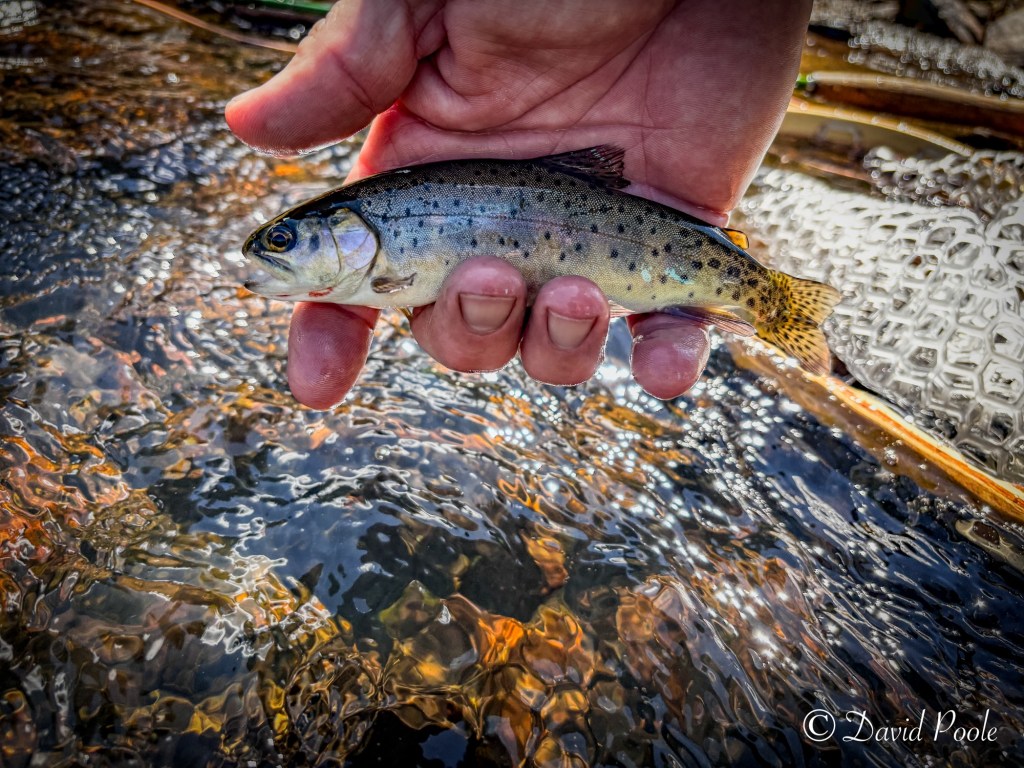
    Tactics: Remote stream restoration, stream temperature monitoring, and translocation of native cutthroat to protected high-altitude waters.

    Utah

    Focus: The Utah Cutthroat Slam.

    Tactics: A public-incentive conservation program that encourages anglers to fish for native strains while funding habitat restoration through registration fees.

    Montana

    Focus: Wild trout management.

    Tactics: Minimal stocking, strict regulation on water withdrawals, and temperature-sensitive fishing closures to protect fish during droughts.

    North Carolina

    Focus: Brook trout and Appalachian streams.

    Tactics: Reforestation around streams, culvert removal for fish passage, and robust hatchery-supported native stocking.

    Tennessee

    Focus: Southern Appalachian brook trout.

    Tactics:

    Native Restoration: Tennessee has been working to restore the only native trout species in the state—the Southern Appalachian brook trout—in the Great Smoky Mountains and Cherokee National Forest.

    Genetic Protection: Biologists use genetic testing to identify and protect pure strains of native brook trout, which have been diluted by historic stocking of northern strains.

    Habitat Rehabilitation: Streams have been restructured by removing barriers like old logging roads and replacing culverts to reconnect fragmented habitats.

    Partnership Programs: Tennessee Wildlife Resources Agency (TWRA) works with the National Park Service and Trout Unlimited to monitor stream health, conduct temperature studies, and reintroduce brook trout into restored waters.

    “Brook trout are more than just a native species—they’re a symbol of our mountain streams. We’re rebuilding those lost legacies one cold stream at a time.”

    — Tennessee Wildlife Resources Agency

    Water Conservation: The Root of Trout Survival

    Water is the most critical resource for trout. Without cold, clean, well-oxygenated water, nothing else matters.

    Key Tactics:

    Riparian Buffer Zones: Planting vegetation along stream banks to reduce runoff, lower water temperatures, and provide cover.

    Flow Management: Coordinated water releases from dams and reservoirs to mimic natural stream flow and reduce thermal stress.

    Agricultural Partnership Programs: Working with farmers to limit irrigation drawdowns, reduce pesticide runoff, and restore stream access.

    The Importance of Bug Life: Mayflies, Caddis, and Stoneflies

    Aquatic insects are a foundational part of trout ecosystems. These bugs aren’t just trout food—they indicate stream health and play key roles in nutrient cycling.

    Conservation Gains:

    • Increased macroinvertebrate diversity is a sign of success in restoration projects.

    • Studies show stream habitat improvements often lead to a 30–60% increase in bug hatches within two years.

    • Healthy hatches fuel trout growth and reproduction—especially during the spring and fall feeding windows.

    Restoring Native Trout: Bringing Back the Originals

    In many watersheds, native trout were lost due to overfishing, logging, mining, and the introduction of non-native species. Conservation efforts now aim to undo that damage.

    Examples of Success:

    Greenback Cutthroat (Colorado): Once thought extinct, small remnant populations were found and used for native reintroduction efforts in the South Platte drainage.

    Apache Trout (Arizona): Federally protected, with recovery projects in high mountain streams and strong community involvement.

    Lahontan Cutthroat (Nevada & California): Massive scale-up of reintroduction projects into Pyramid Lake and nearby alpine waters.

    How Trout Are Raised: Inside Hatcheries and Wild Stocking Programs

    Raising trout plays a key role in both conservation and sportfishing. But not all hatchery programs are created equal.

    Modern Hatchery Practices:

    Genetic Integrity: Breeding programs now focus on maintaining native genetics rather than just producing numbers.

    Disease Control: UV filtration, oxygen monitoring, and isolation units prevent outbreaks.

    Stream-Ready Conditioning: Juvenile trout are raised in stream-simulation tanks with natural flow and live prey to prepare them for the wild.

    How You Can Help: Small Steps, Big Impact

    1. Practice Catch and Release: Use barbless hooks and handle fish with wet hands.

    2. Volunteer with Trout Unlimited or Local Stream Projects.

    3. Support Native Reintroduction Programs: Donate, advocate, or join citizen science efforts.

    4. Fish Responsibly: Avoid fishing during warm-water conditions or low-flow events.

    Conclusion: Conservation Is a Collective Story

    Trout conservation is a powerful blend of science, tradition, and community. Whether you’re a fly angler hiking into a remote canyon or a weekend bait fisherman on a stocked lake, your actions matter. Together, we can ensure that cold, clean trout streams continue to flow wild and full of life.

  • Beyond the Cast: Saltwater Fly Fishing for Redfish and Speckled Trout in Galveston West Bay

    Beyond the Cast: Saltwater Fly Fishing for Redfish and Speckled Trout in Galveston West Bay

    Introduction

    Saltwater fly fishing in Galveston West Bay is one of the most exciting and rewarding ways to target inshore species like redfish and speckled trout. With spring bringing warmer water temperatures and shifting feeding patterns, now is the perfect time to grab your fly rod and explore the marshes, grass flats, and channels of the Texas coast.

    Whether you’re a seasoned fly angler or just getting started with saltwater fly fishing in Galveston, this guide covers everything you need to know—from essential gear and fly patterns to casting techniques and current fishing conditions.

    Essential Gear for Saltwater Fly Fishing in Galveston

    Fly Rod

    A 9-foot, 8-weight fly rod is ideal for targeting redfish and speckled trout. It offers the power to handle wind and cast larger flies while maintaining the finesse needed for accurate presentations. For windy days or larger fish, consider a 9- or 10-weight rod.

    Fly Reel

    Choose a saltwater fly reel with a sealed drag system and corrosion-resistant materials like anodized aluminum. Smooth drag is essential when dealing with the strong, fast runs of redfish or trout hooked in moving water.

    Fly Line

    A weight-forward floating line is the go-to for shallow flats fly fishing. For deeper channels or windier conditions, an intermediate sinking line will help get your fly in the strike zone.

    Leader and Tippet

    Seaguar Red Label Fluorocarbon in 15 lb test is my preferred choice for leader and tippet material. It’s abrasion-resistant and nearly invisible underwater—key for targeting spooky fish in clear coastal waters.

    Best Saltwater Fly Patterns for Redfish and Speckled Trout

    Top Redfish Flies

    Clouser Minnow (Chartreuse/White) – A must-have fly pattern that imitates baitfish.

    Redfish Crack Fly – Perfect for tailing reds in shallow marshes.

    Merkin Crab – A great choice for redfish feeding around oyster beds and muddy bottoms.

    Deceiver (Redfish Colors) – Mimics struggling baitfish, excellent for murky water.

    Puglisi Baitfish Fly – Realistic baitfish profile for sight-casting.

    Top Speckled Trout Flies

    Lefty’s Deceiver (Chartreuse/White) – Proven pattern for trout over grass flats.

    Sea Habit – Effective around structure and drop-offs.

    Whistler Fly (Pink & White) – Perfect for topwater action in warmer months.

    Schminnow – Imitates shrimp and small baitfish.

    Killer Baitfish – Bright colors trigger strikes during low light or murky water.

    Why These Patterns Work

    Each fly pattern is designed to mimic key prey like shrimp, crabs, or baitfish—staples in the diet of redfish and speckled trout. Matching the hatch with realistic movement and size will drastically improve your success rate when fly fishing the Texas coast.

    Saltwater Fly Casting Techniques

    Double Haul Cast

    Mastering the double haul will improve your casting distance and control, especially in windy coastal conditions. Practice it on dry land before hitting the flats.

    Sight-Casting

    Spotting and casting to visible fish is one of the most thrilling aspects of saltwater fly fishing. Aim ahead of cruising redfish or trout to give your fly a natural presentation.
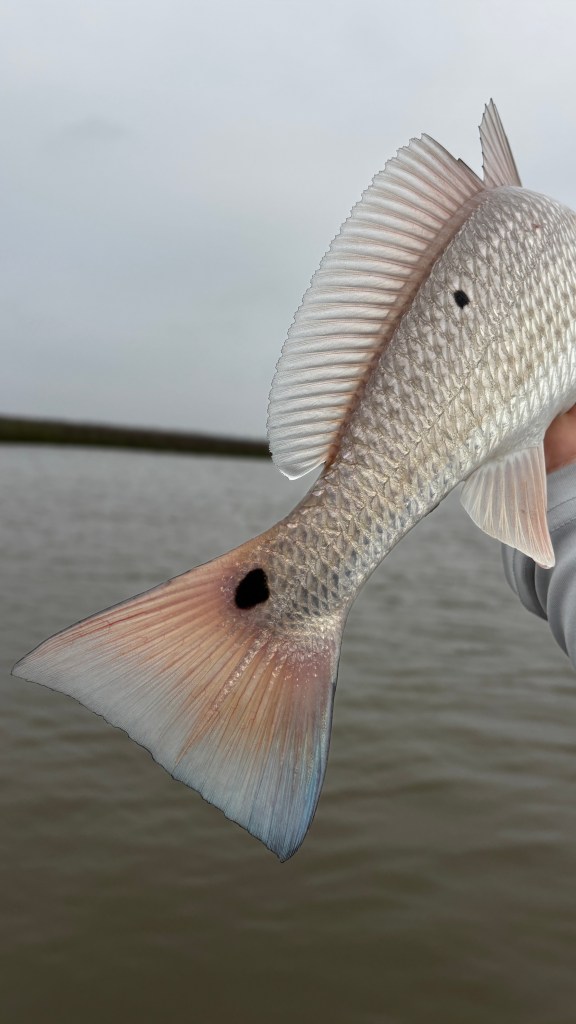
    Redfish tailing in the shallow flats of Galveston West Bay during low tide

    A tailing redfish feeds in the skinny water of Galveston’s flats—prime conditions for sight-casting with a fly rod

    Strip Set

    Instead of lifting the rod, strip-set by pulling the line tight with your non-casting hand. This sets the hook directly into the fish’s mouth without pulling the fly out.

    Best Places to Fly Fish for Redfish & Speckled Trout in Galveston

    Redfish Hotspots

    • Shallow marsh drains on an incoming tide

    • Mud flats near shell and grass beds

    • Potholes along leeward shorelines

    Speckled Trout Zones

    • Grass flats in 3–5 feet of water

    • Shell drop-offs near marsh edges

    • Deeper structure during outgoing tides

    Fly Fishing Retrieve Techniques

    Redfish: Use slow strips with long pauses. If a fish follows but hesitates, stop the fly and twitch gently to trigger a bite.

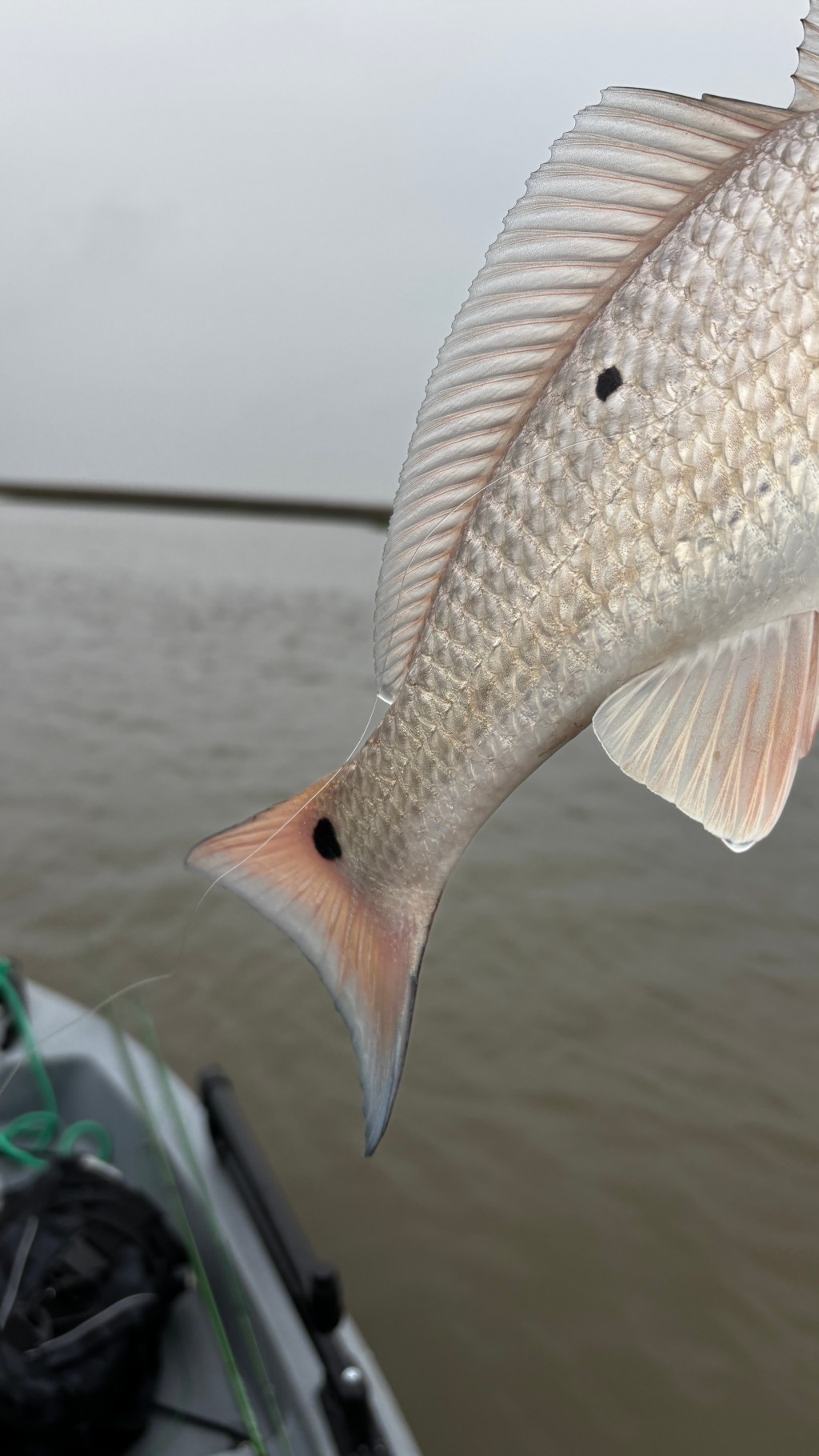
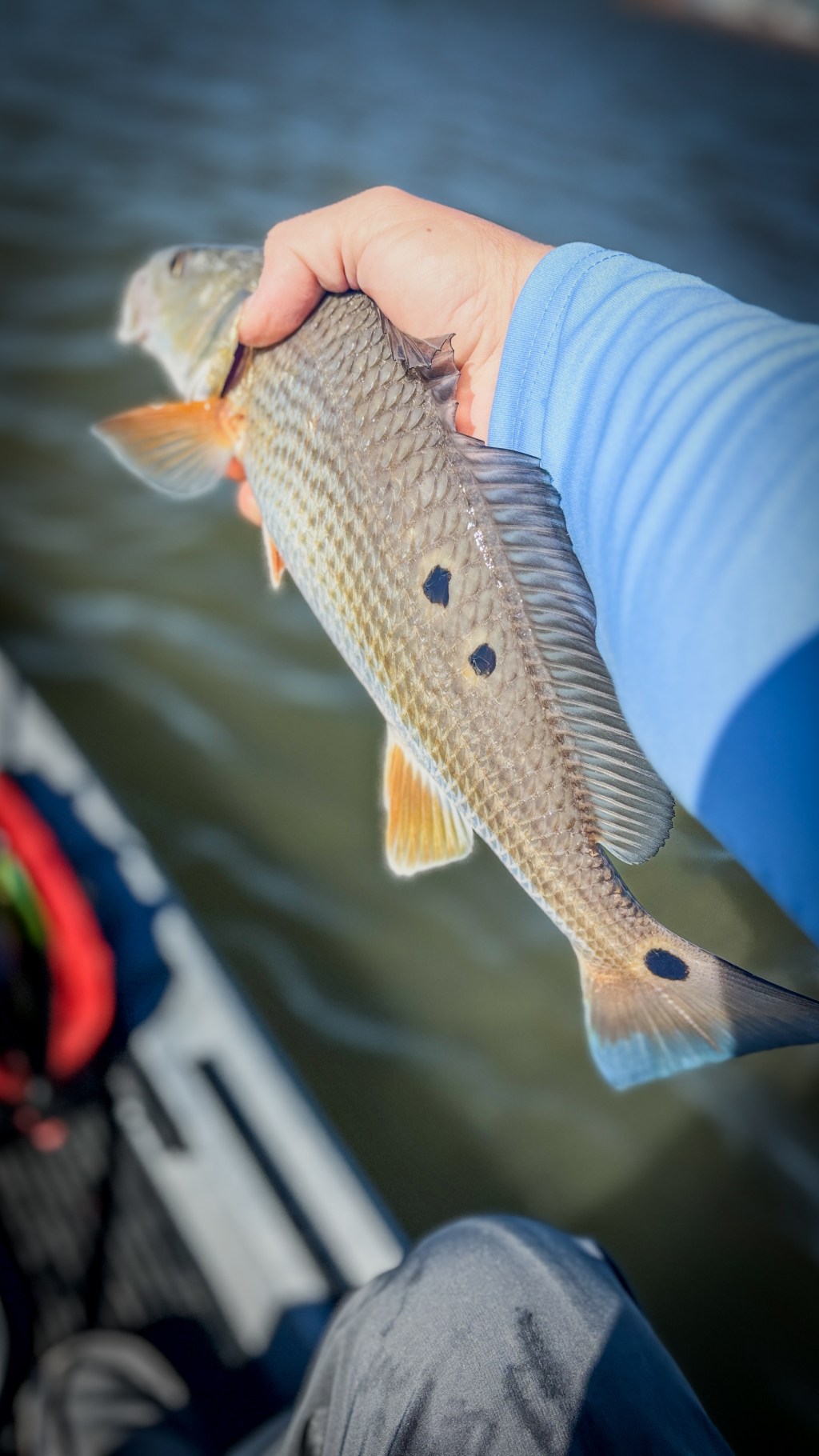
    Redfish caught in Galveston West Bay using an imitation crab fly, displayed in shallow coastal water

    This redfish crushed an imitation crab fly in the marshy flats of Galveston West Bay—one of the most effective patterns for targeting reds in shallow water

    Speckled Trout: A consistent strip with occasional pauses mimics injured baitfish—perfect for aggressive trout.

    Recent Fly Fishing Report – Galveston West Bay

    Weather & Water Conditions

    Air Temps: Mild spring temperatures

    Water Temps: Mid-60s

    Wind: SE at 5–10 mph

    Water Clarity: Clear in protected marshes; stained on windward flats

    Tide: Incoming morning, outgoing evening

    What’s Working Right Now:

    Redfish: Redfish Crack Fly (tan/gold), Kwan Fly, EP Shrimp

    Speckled Trout: Clouser Minnow, Gurgler Fly, Seaducer

    Last week’s outgoing tides pushed bait into channels where redfish staged along marsh edges. The Clouser Minnow was deadly in 3–5 feet over grass beds, while the EP Shrimp shined for reds tailing over soft mud bottoms.

    Final Thoughts: Fly Fishing the Texas Coast in Spring

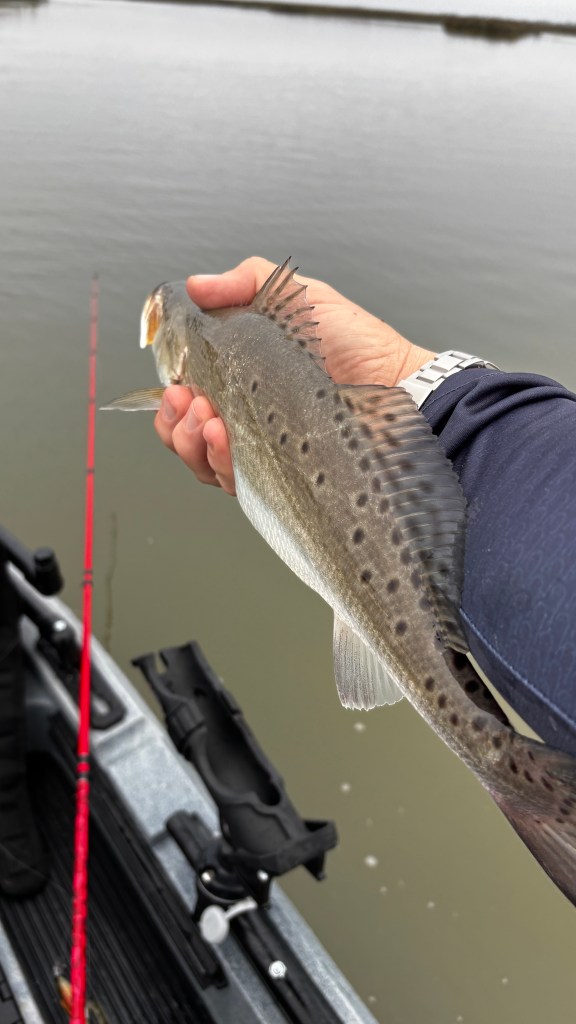
    Speckled trout caught on a fly rod in Galveston West Bay during spring fly fishing trip
    Speckled trout landed on the fly in Galveston West Bay—sighted in shallow water and fooled with a chartreuse Clouser Minnow

    Fly fishing for redfish and speckled trout in Galveston West Bay is heating up with spring’s arrival. With improving conditions, longer days, and active fish, now is a great time to target Texas inshore species on the fly.

    If you’re planning a trip this week, focus on early mornings and late afternoons. Look for clean water near current, match your fly to the forage, and practice quiet, accurate presentations.

    Tight lines!

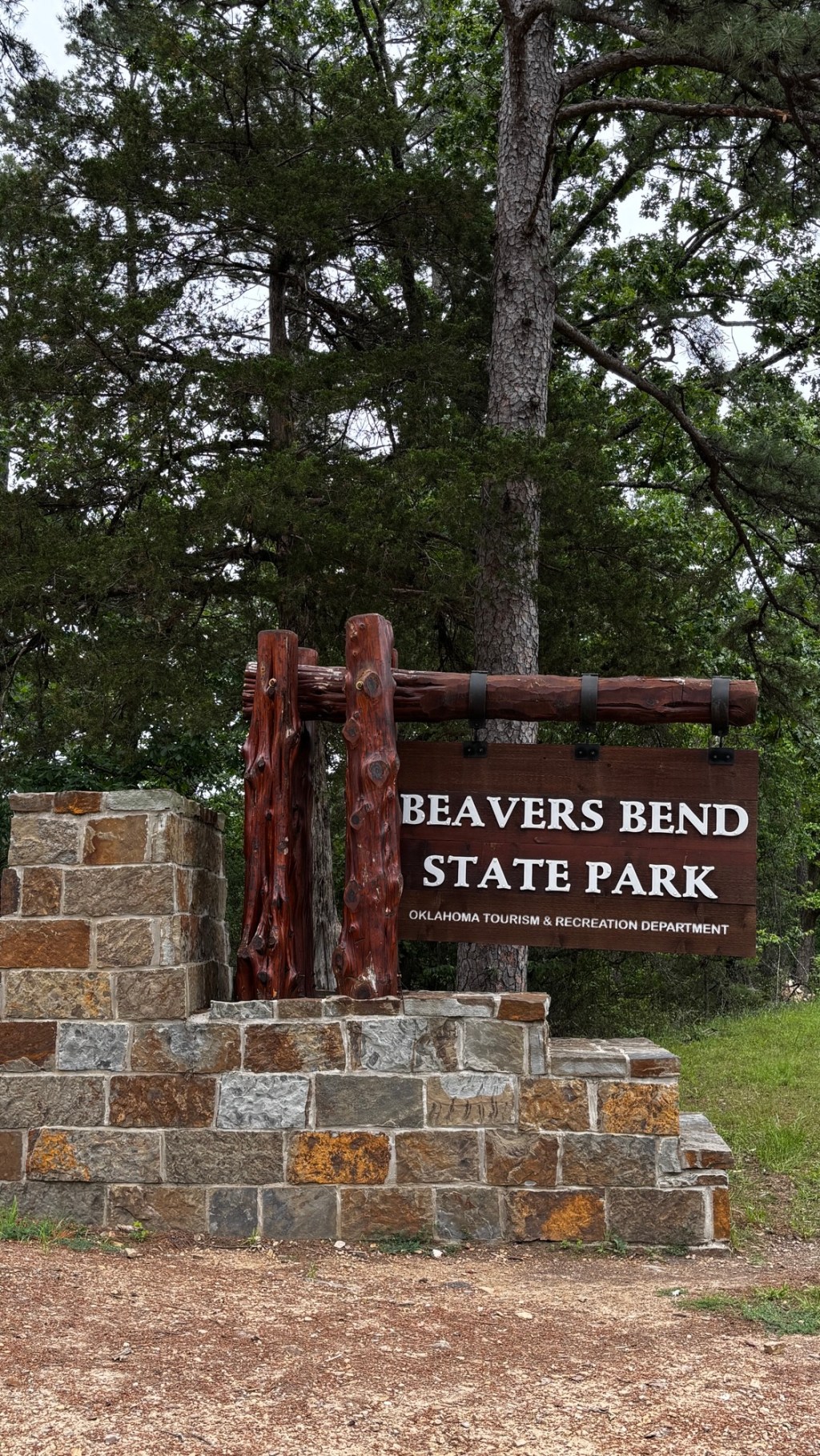
  • From the Mountains to the Marsh – Wrapping Up Beavers Bend

    From the Mountains to the Marsh – Wrapping Up Beavers Bend

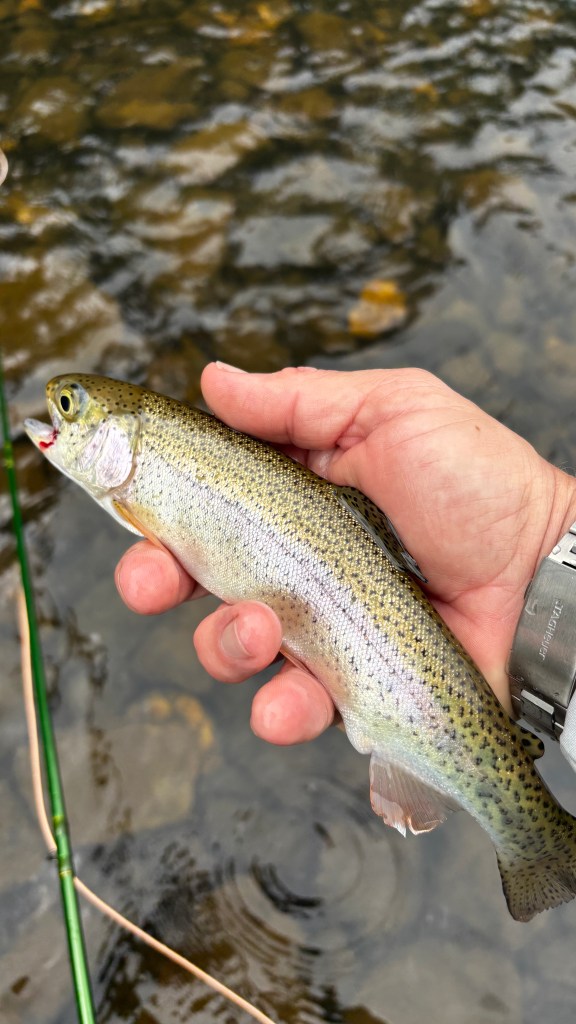
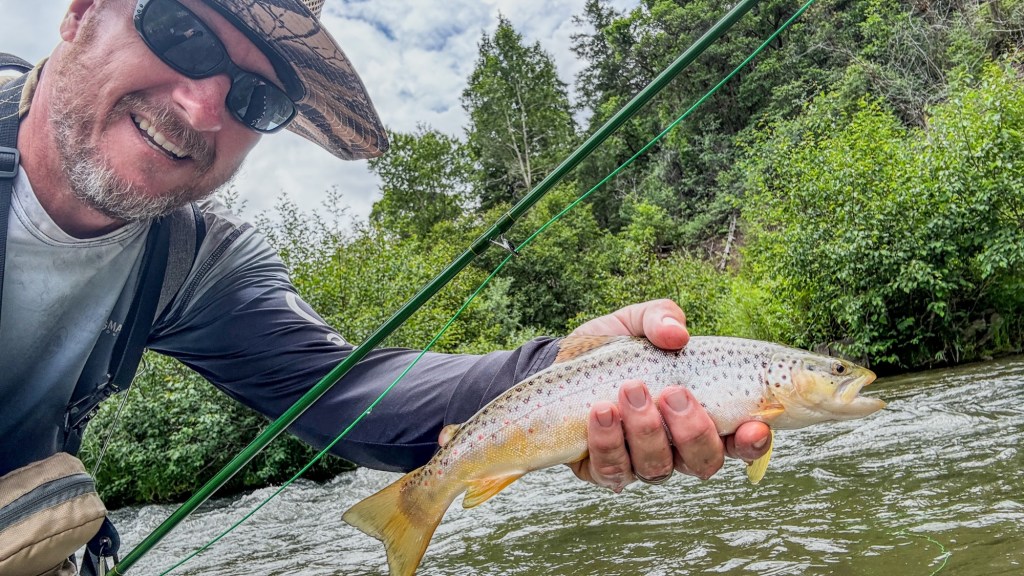
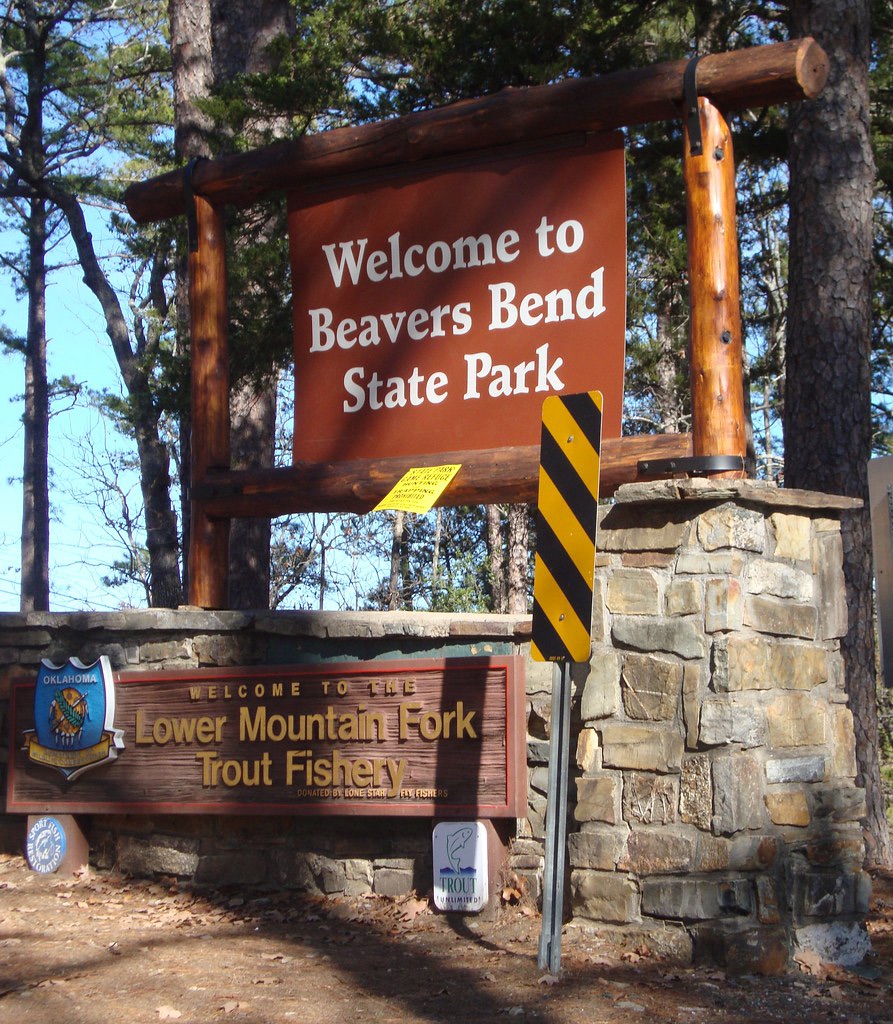
    After a few peaceful days of fly fishing in the cool, clear waters of Beavers Bend State Park, I’m back home on the Texas coast. The trip was a perfect spring escape—misty mornings on the Lower Mountain Fork River, sight-casting to rising trout, and evenings by the fire with the sound of the river nearby. It’s hard to beat the mountain air and those deep pools filled with willing browns and rainbows.

    But as great as the Oklahoma waters were, there’s nothing quite like home. The salt air, the sound of mullet flipping in the back marsh, and that first tailing redfish on a still morning—it all draws me right back in. With water temperatures rising and tides shifting into summer patterns, it’s time to return to chasing reds, speckled trout, and maybe even a few flounder on the fly.

    I’ll be back out on the Galveston flats this week, rod in hand and camera packed, ready for what the tides bring in. Stay tuned for some coastal fly action—there’s plenty more coming.


    Stay tuned for the full blog on Beavers Bend trip!

    What was your last trip like—mountains or marsh?

  • Chasing Wild Trout at Beavers Bend: Fly Fishing, Photography, and Trip Planning

    Chasing Wild Trout at Beavers Bend: Fly Fishing, Photography, and Trip Planning

    As spring breathes new life into the forests and rivers, I’m gearing up for a trip that blends fly fishing, photography, and camping into one unforgettable adventure.

    Next week, I’m heading north from Houston to the beautiful Beavers Bend State Park in Broken Bow, Oklahoma — a true gem for coldwater trout fishing in the southern U.S.

    This trip isn’t just about the fish — it’s about the full experience: long drives in the Ford Bronco, misty river mornings, evenings by the campfire, and capturing it all through my lenses and drone.

    Here’s the full rundown of flies tied, gear packed, and the planning tools I used to map out this journey:

    Fly Box: Patterns Prepped for Beavers Bend

    For the crystal-clear waters of the Lower Mountain Fork River, I’ve stocked my fly box with a variety of proven patterns tailored for both rainbow and brown trout:

    Small Mayfly Patterns (Size 18–22) — Matching early spring hatches.

    Hopper Patterns (Size 12–14) — For opportunistic trout looking for a big bite.

    Small Leech Patterns (Size 10–12) — Especially effective for brown trout in deeper runs.

    Midges (Size 20–22) — Black, olive, and red variations.

    Soft Hackle Wet Flies (Size 14–16) — Perfect for swinging through riffles.

    Woolly Buggers (Size 8–10) — Olive, black, and brown for streamer action.
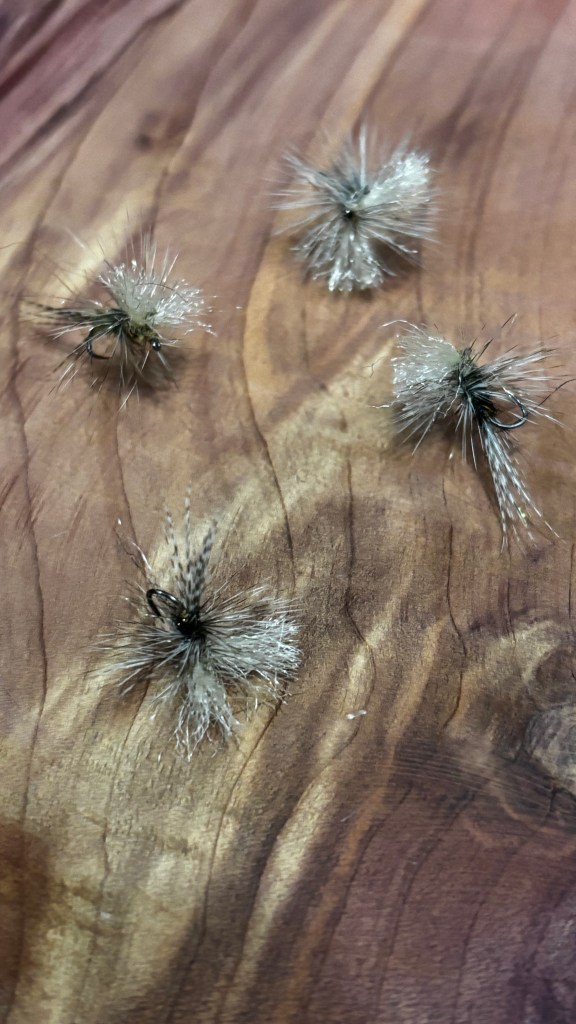
    Each fly is barbless for easy releases and tied specifically to imitate what’s naturally present in Beavers Bend’s ecosystem this time of year.

    Photography and Video Gear Packed

    This trip is also about capturing the story — from the early morning mist on the water to the fire-lit nights under the stars.

    Here’s the photography and video setup coming with me:

    Canon EOS 90D paired with Canon L Series lenses for high-resolution action and landscape shots.

    DJI Mavic Pro Drone for sweeping aerials over the river valleys and forest canopy.

    GoPro Hero 10 Black (chest mount) for wading shots, underwater releases, and immersive point-of-view fishing clips.

    K&F Concept Tripod and ND Filters for smooth video transitions and silky river shots.

    Photography is about more than documenting the trip — it’s about telling the story of a place and a moment in time.

    Fishing Gear Checklist

    For the river, I’ve got a streamlined but reliable setup:

    Fly Rod: 9’ 5-weight rod, capable of delicate presentations and fighting feisty trout.

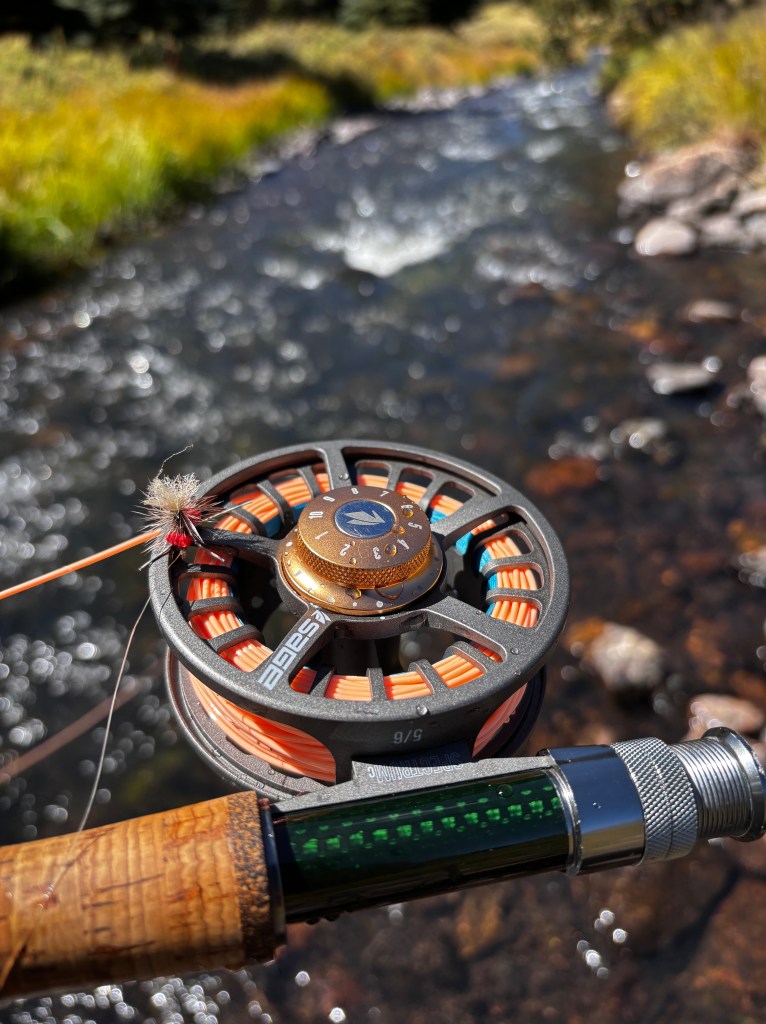
    Reel: Sage Spectrum 5/6 weight reel — strong drag for river browns and rainbows.

    Fly Line: Cortland 444 floating line, ideal for precise casts and great line control.

    Leaders and Tippet: 9’ fluorocarbon leaders with 4X–6X tippet.

    Net: Lightweight, rubber bag net for safe catch-and-release.

    Waders and Boots: Breathable waders and wadding boots with studs if needed.

    I’m packing all my fishing gear into my Ghosthorn Fly Fishing Backpack — lightweight, waterproof, and easy to carry across the rocky trails and riverbanks of Beavers Bend.

    Camping Essentials

    Nothing beats setting up camp after a full day on the river:

    • Lightweight backpacking tent and insulated sleeping pad.

    • Down sleeping bag rated for cool river nights.

    • Portable camp stove, kettle, and coffee setup.

    • Firewood bundles for nights around the campfire.

    • Headlamps, lanterns, and a solar charging station.
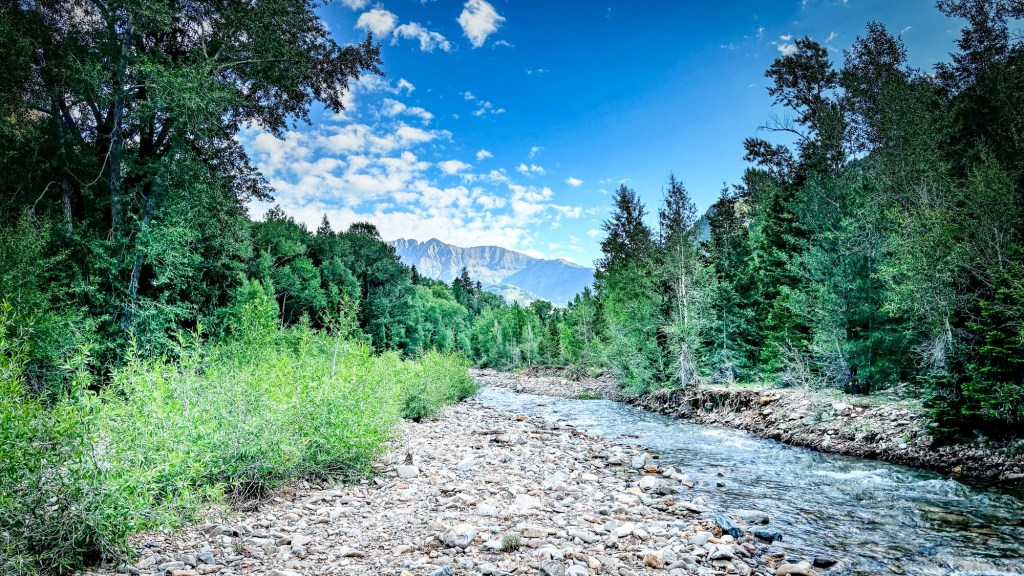
    There’s nothing quite like brewing a morning coffee at the river’s edge, listening to nature wake up.

    Trip Planning Tools: How I Mapped It All Out

    Planning a trip like this starts long before the first cast.

    Here’s how I mapped the route and fishing spots:

    TroutRoutes App — Invaluable for locating public access points, river sections, and local fly recommendations.

    Google Earth — Used to scout deeper river bends, trailheads, and potential drone shot locations.

    Oklahoma Fishing Regulations — I made sure to double-check daily bag limits, special rules for the Lower Mountain Fork, and barbless hook requirements.

    In areas like Beavers Bend, staying aware of regulations is crucial — not just for legal reasons, but to protect the fishery for everyone who comes after.

    The Road Ahead

    It’s about more than the catch.

    It’s about the drive through pine forests in the Ford Bronco, the moment a trout flashes in the current, the sound of a campfire crackling in the dark.

    It’s about slowing down, listening to the river, and letting the story write itself.

    I’ll be documenting the trip through both photography and short films, so stay tuned for updates from the water, behind-the-scenes captures, and a full video recap once I’m back.

    Broken Bow, here we come. Tight lines, clear skies, and wide-open roads.

  • Risk in the Backcountry

    Risk in the Backcountry

    When is the last time you took a risk? How did it work out?

    The last real risk I took wasn’t about money, career, or anything you could measure in numbers. It was a gamble on a hunch, a blue line on a topo map and a feeling that maybe—just maybe—that little remote stream tucked into the backcountry might be worth it.

    It wasn’t easy to get to. No real trail, just a vague path of game trails and overgrown brush, with a few miles of elevation gain thrown in for fun. I packed light, but still had my fly gear, camera, tripod, and just enough food and water to make it through a long day (and maybe a rough night, if needed). I didn’t know if the stream would even hold fish—or be accessible for good photos—but I was all in.

    What I found was better than expected.

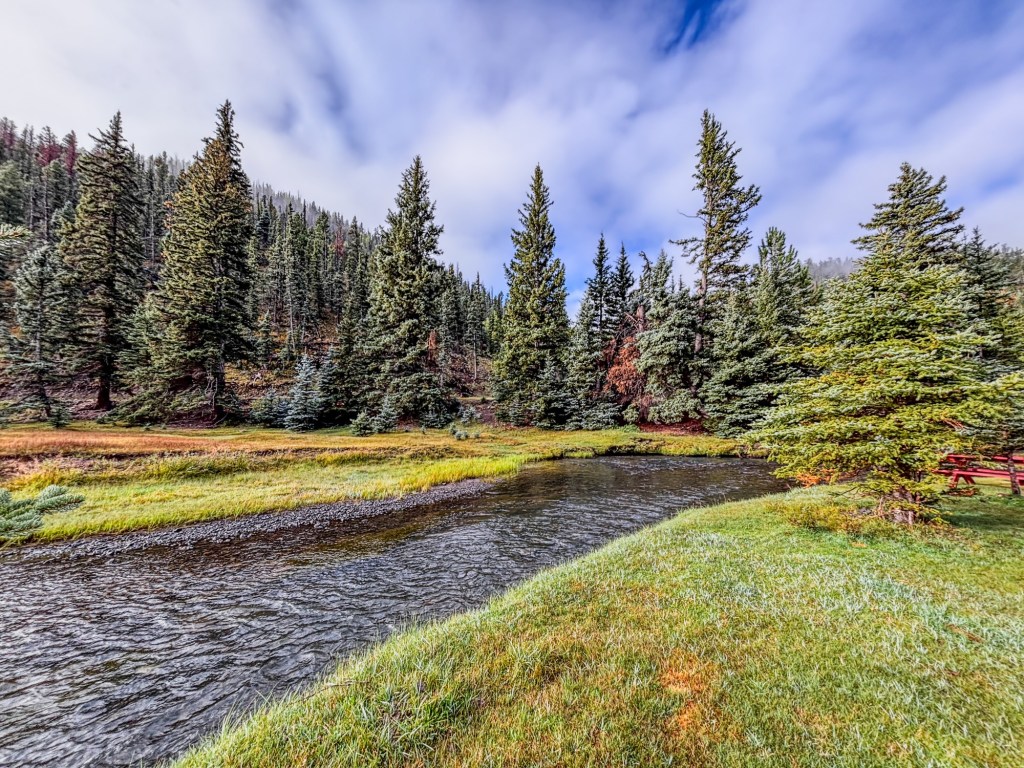
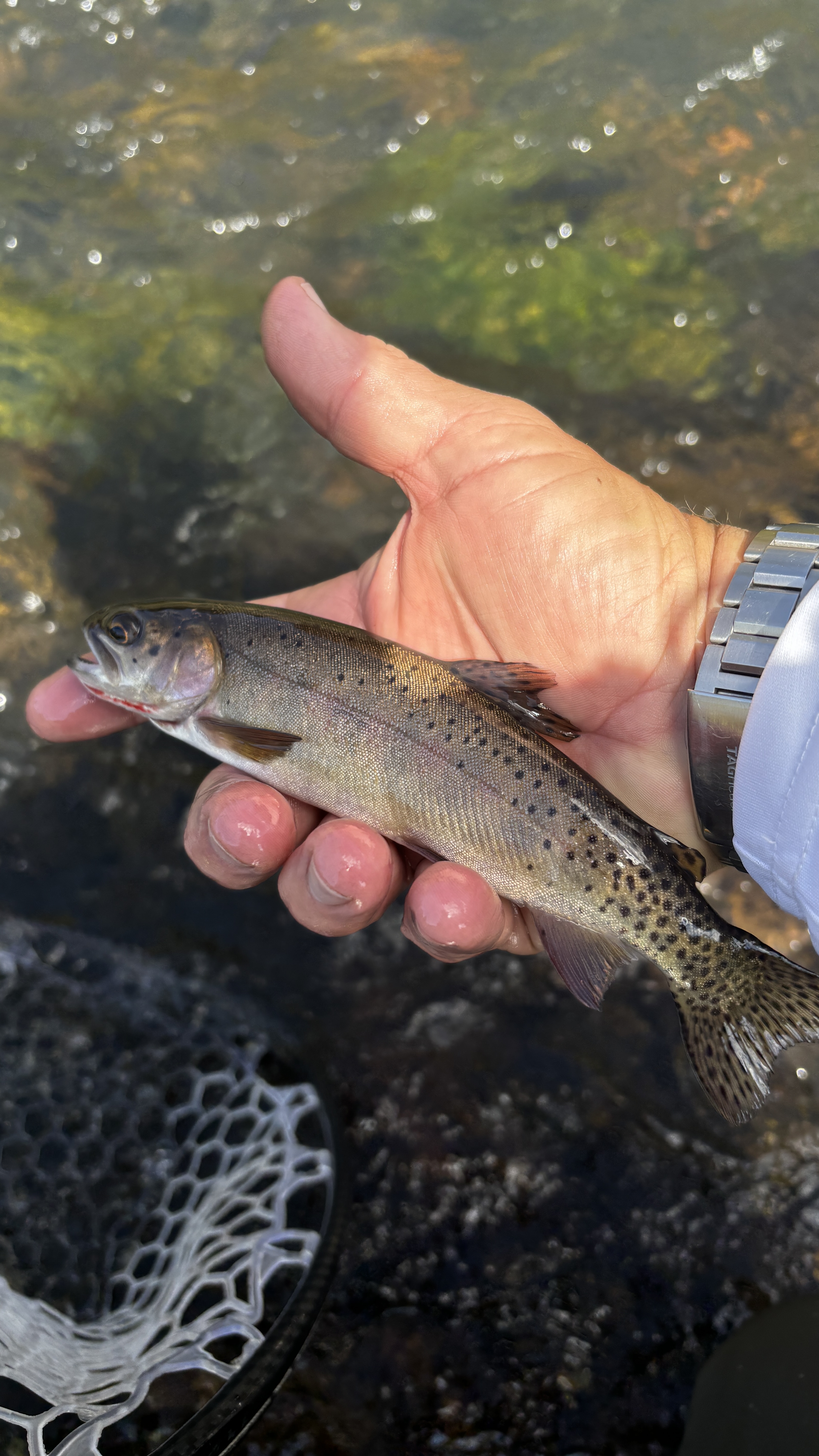
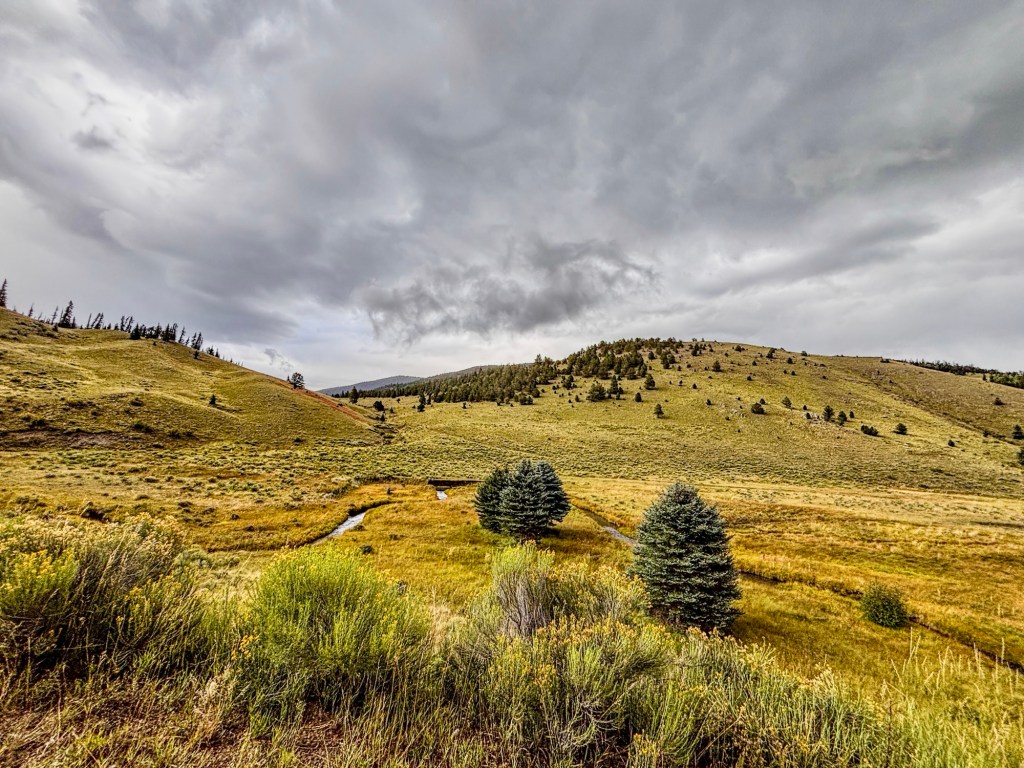
    The stream wound through a quiet alpine meadow, untouched and crystal clear, bordered by wildflowers and soft light that made the whole place glow. Brook trout darted in and out of the current, and cutthroat rose to dry flies like they hadn’t seen a human in years—maybe they hadn’t. I got some of my favorite shots of the entire trip that day. Reflections, action shots, and one perfect capture of a brookie suspended mid-release, framed by golden hour light.

    That little risk—trusting the map, the instinct, and being willing to explore—paid off big. Not just in fish caught or photos taken, but in the feeling of discovering something wild and real. Those are the risks I live for.

  • Part 5: Whisper Water — Solitude and Browns on the Dolores River

    Part 5: Whisper Water — Solitude and Browns on the Dolores River

    If the Animas River is a bold, rushing conversation, the Dolores River speaks in whispers. Tucked between the slopes and canyons of Southwest Colorado, this river winds through rugged terrain, shifting between dense forest, rocky cliffs, and sage-covered meadows. It’s a place of stillness, where every bend feels like it belongs to you—and the browns that live here feel like a gift you earn, not a prize you chase.

    The Approach: Getting to the River

    The upper Dolores is more remote than it looks on the map. Depending on where you go—above McPhee Reservoir or toward the West Fork—you’ll wind down forest service roads, sometimes dodging rockfall or puddles from last night’s rain. I pulled off just before sunrise at a bend that looked promising. No signs, no crowds, no footprints in the sand.

    I geared up quickly: 9’ 4wt rodSage Spectrum C reel, floating line with a long 5x leader. I grabbed my K&F Concept camera packCanon R5, and my Sigma 24–70mm lens to start, knowing the early light would be soft and perfect for river compositions.

    Quiet Water and the First Cast

    The Dolores at this stretch was gentle—glasslike pools framed by golden willows, with the occasional riffle tumbling over polished rocks. I rigged a single dry: a #16 tan Elk Hair Caddis, and started casting upstream into the seams. The fish here weren’t picky, but they were spooky. Long leaders and slow movements were the name of the game.

    The first brown came from under an overhang, perfectly camouflaged against the river bottom. I crouched low, played it gently, and then paused to shoot—kneeling at water level to capture its golden flanks against the mirror-like pool behind it.

    Photographing Solitude

    Photography here wasn’t about action—it was about silence. I slowed down and started looking for compositions that told a story: a pool framed by sunlit pine branches, reflections of clouds in still water, the gentle curve of the river disappearing into cottonwood shade.

    Using a circular polarizer, I cut glare from the surface and exposed the rocks and movement underneath. I stopped often to shoot macro shots—moss on river stones, fresh caddis cases on logs, wildflowers just beginning to bloom along the bank. The Canon R5 let me switch between stills and slow-motion video, capturing the way wind moved through the reeds like a painter’s brush.

    Fly Selection and Brown Trout Behavior

    As the sun climbed higher, the trout moved deeper. I switched to a dry-dropper setup: a #14 Stimulator on top with a #18 Zebra Midge below. The browns in the Dolores aren’t huge, but they’re aggressive and feisty, especially when your drift is clean and natural.

    I targeted small plunge pools below boulder-strewn riffles and deeper pockets shaded by cliff overhangs. Most takes were subtle—a twitch or a swirl rather than a splash. The largest of the day came from a tight seam below a fallen pine: a buttery brown with red spots vivid against olive flanks. I wet my hands, admired him in the net for a moment, then let him go.

    Weather Watching and Midday Reset

    As with most Colorado rivers, the Dolores plays by mountain rules—sunny one minute, storm clouds the next. By noon, dark clouds were building behind the ridges. I took the cue to rest, retreating to a patch of grass above the river, checking radar, and reviewing my shots on my iPad Pro. I backed up files, edited a few images in Lightroom using preset adjustments for contrast and warmth, and ate lunch while a soft rain moved through.

    Evening Glow and Last Light

    By late afternoon, the rain cleared, and the golden hour was beginning. I hiked upstream a little farther to a stretch with higher canyon walls and a series of gentle cascades. The light lit up the canyon like fire—red rocks glowing, the water catching flecks of sun, and the air thick with golden reflections.

    This was my favorite photography session of the trip—shooting handheld with my 70–200mm lens, I caught reflections of cottonwoods in the river, crisp landscapes framed with long shadows, and one last brown trout rising in the golden light.

    Why the Dolores Stays With You

    Some rivers give you a lot right away. The Dolores gives slowly. It rewards patience, attentiveness, and a photographer’s eye. You may not land a dozen fish, but each one feels earned. And the scenes—the ones you only find by walking, waiting, and watching—make it unforgettable.

    Fly Fishing Dolores River Essentials

    Best Flies: Elk Hair Caddis, Parachute Adams, Zebra Midges, Stimulators, Streamers in fast water

    Rod Setup: 4wt or 5wt rod, long leaders, floating line

    Photo Gear: Canon R5, Sigma 24–70mm, 70–200mm, polarizer, K&F tripod

    Tips: Stay low, fish slow, take your time to photograph the river between casts

    Safety Note: Watch afternoon storms; bring a small first-aid kit and map (no service in remote stretches) Insure you have downloaded all your offline maps

    The Dolores River isn’t about action—it’s about appreciation. It asks you to slow down, to watch the way light plays on water, and to cast not just for fish, but for the memory of that perfect, quiet moment in the canyon.
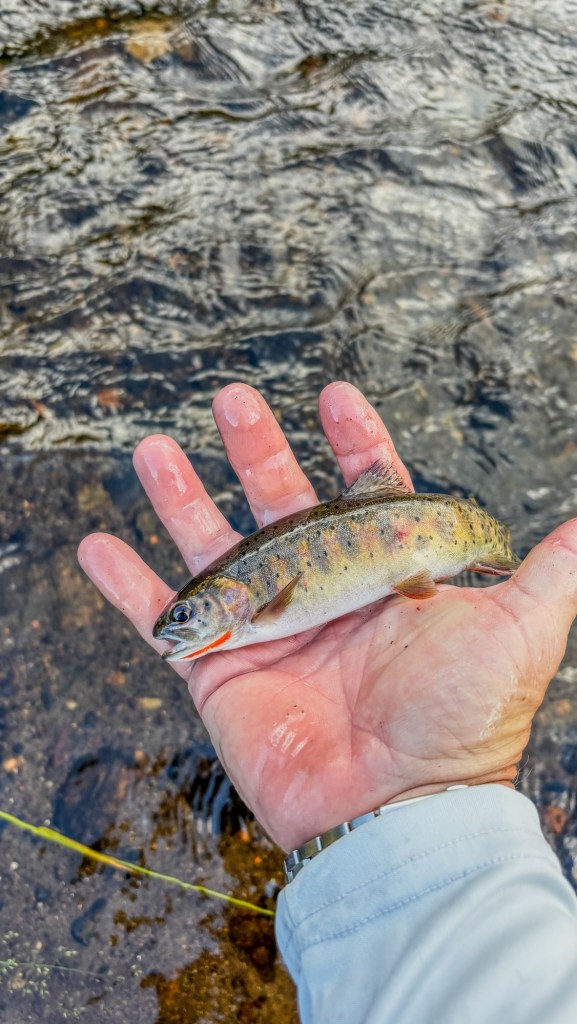
    Next Up: Part 6 — Full Circle: Reflections, Routines, and What the Backcountry Teaches Us

  • Part 3: Chasing Trout and Light on the Pine River Trail

    Part 3: Chasing Trout and Light on the Pine River Trail

    Some rivers don’t give up their secrets easily. The Pine River, also known as Los Pinos, is one of them. Tucked deep in the Weminuche Wilderness of Southwest Colorado, it requires effort, patience, and a willingness to hike into solitude. But if you’re after wild trout in clear mountain water—and the kind of light that makes your photos glow—there are few places more rewarding.

    The Trailhead to Solitude

    The journey starts at the Pine River Trailhead near Vallecito Reservoir. It’s a dusty parking lot, a worn wooden sign, and a reminder that you’re on the edge of something vast—the largest wilderness area in Colorado.

    The trail runs along private land for the first few miles, so fishing and camping are off limits early on. But once you cross into the national forest boundary, the river opens up, wild and remote. The elevation gain is steady but forgiving, and the views just keep getting better. Towering peaks peek through pines, and wildflowers bloom along the trail like a postcard from July.

    With my Canon R5K&F Concept backpack, and 5wt rod, I hit the trail just after sunrise. The air was crisp, golden light filtered through the lodgepoles, and the river sparkled below.

    Early Light and River Mist

    I stopped just past the wilderness boundary where the river flattened into a lazy bend. The mist rose off the water like breath, and I dropped my pack to capture the moment. Using my 70–200mm lens, I focused on the layers—backlit pine branches, the soft swirl of fog, and the glint of sun hitting the waterline.

    For long exposures, I mounted my tripod, dialed in a low ISO, and let the shutter run. These are the kinds of images I live for—where the emotion of the place shines through the frame.

    Setting Up the Rig

    The Pine River demands versatility. I rigged up a dry-dropper setup: a #14 Parachute Adams up top and a #16 Hare’s Ear Nymph trailing below. These fish are educated and spooky, especially in slow pools. I used long, fine tippet and cast from behind boulders, keeping my shadow off the water.

    The first fish came from a seam near a fallen log—a small but healthy brown. I paused to photograph the catch, using my hand and net for scale, carefully positioning the fish with the sun behind me to avoid harsh glare. A few quick shots, then back in the water.

    Fishing and Shooting in Rhythm

    Backcountry fly fishing is about finding rhythm—between casts, between hikes, between light and shadow. I alternated between fishing pocket water and photographing the surroundings. A high ridge caught my eye, so I swapped out lenses and shot wide to capture the dramatic sweep of the river carving its way through the forested canyon.

    I kept my camera settings flexible, using aperture priority mode to adapt quickly between moving trout and landscape shots. My K&F Concept backpack made transitions easy, with side access panels for grabbing a lens mid-hike or stashing a fly box fast.

    Wild Trout and Wild Moments

    The further I hiked, the wilder the water became. Cutthroat started showing up—small, brilliantly colored, and lightning quick. I switched flies to a #12 Yellow Humpy with a CDC midge dropper, and it paid off. Several fish rose in tight, riffled corners that required tricky casts and precise drifts.

    I kneeled in cold, mossy shallows, capturing tight macro shots of wildflowers along the riverbanks—bluebells, Indian paintbrush, and buttercups reflected in the water’s surface. These images tell just as much of the story as the fish themselves.

    Storms and Staying Safe

    Mid-afternoon, the familiar rumble of thunder rolled through the canyon. I packed up fast, knowing that weather in the high country turns fast. The trail turned slick, and I was glad I had lightweight rain gear and a waterproof pack.

    Back at camp, I dried off and reviewed photos on my iPad Pro, backed up my files, and journaled the day. A deep sense of satisfaction settled in—the kind you only get after chasing trout and light deep into the wilderness.

    Pine River Highlights

    Best Flies: Parachute Adams, Hare’s Ear Nymphs, Yellow Humpies, CDC Midges

    Best Light: Early morning mist and late golden hour

    Photography Gear: Canon R5, 24–70mm lens, 70–200mm lens, K&F carbon tripod

    Fishing Tip: Approach low, cast upstream, and let your dry fly lead the way

    This stretch of the Pine River is what I chase—trout in untouched waters, scenes only your boots can reach, and photos you can’t take from the side of the road.

    Up Next: Part 4 – Animas Mornings: Big Water and Bigger Scenes

  • Fly Fishing in New Mexico – A Guide to the Land of Enchantment

    Fly Fishing in New Mexico – A Guide to the Land of Enchantment

    New Mexico, often celebrated for its stunning desert landscapes and rich cultural heritage, is also a hidden gem for fly fishing enthusiasts. The state’s diverse geography offers a unique blend of fishing experiences, from high-mountain lakes to flowing rivers nestled in canyons. Whether you’re a seasoned angler or a beginner looking to explore new waters, New Mexico has something to offer. In this blog, we’ll take a look at some of the top fly fishing destinations across the state and share valuable tips to help you make the most of your time on the water. So grab your rod, pack your flies, and get ready to cast your line in the Land of Enchantment.

    1. The Rio Grande

    Rio Grande Gorge

    The Rio Grande River flows through some of the most scenic parts of New Mexico, offering great opportunities for fly anglers. This river is home to native Rio Grande cutthroat trout, as well as brown and rainbow trout. It’s ideal for both beginner and experienced fly fishers, with sections that are perfect for dry fly fishing and nymphing.

    Best Fishing Seasons:

    Spring & Fall: These are the prime times for fishing the Rio Grande, with trout being more active in cooler temperatures.

    Fly Patterns & Techniques:

    Dry Flies: Rio Grande cutthroats are often attracted to dry flies. Use patterns like Parachute Adams, Elk Hair Caddis, or a smaller, light-colored Stimulator.

    Nymphs: For deeper holes, go with nymph patterns such as Pheasant Tails, Zebra Midges, or a San Juan Worm.

    Techniques: When nymphing, focus on pockets near rocks or deeper runs. Dry fly fishing is best during hatch periods, so watch for rising fish and match your fly to the hatch.

    2. The San Juan River

    Known for its world-class tailwater fishing, the San Juan River is one of New Mexico’s premier destinations for anglers. Flowing below Navajo Dam, the river is rich with trophy-sized rainbow and brown trout. The clear waters and consistent flows make it a favorite among fly fishers.

    Best Fishing Seasons:

    Winter & Spring: The San Juan is a year-round fishery, but the best time to catch big fish is in the colder months when the fish are more concentrated.

    Fly Patterns & Techniques:

    Nymphs: Patterns like the Zebra Midge, Hare’s Ear, and Egg Patterns are effective in the deeper runs of the San Juan.

    Hare’s Ear

    Dry Flies: The San Juan also offers hatch periods with mayflies and caddisflies. Patterns like the Blue-Winged Olive, Griffith’s Gnat, and PMDs are great for dry fly action.

    Techniques: Focus on dead drifting your nymphs along the riverbed, especially in the deeper, slower-moving sections. During hatches, look for fish rising and cast your dry flies to them.

    3. Chama River

    The Chama River offers both challenging and rewarding fly fishing. Located in northern New Mexico, this river runs through the Chama Valley, where anglers can find wild brown trout, rainbow trout, and cutthroats. The river is divided into sections that are suited to different fishing techniques.

    Best Fishing Seasons:

    Spring & Fall: These seasons offer good fishing conditions as the water is cool and the fish are active.

    Fly Patterns & Techniques:

    Streamers: Large streamers like Woolly Buggers, Clouser Minnows, and Sculpin patterns are great for targeting larger trout.

    Nymphs: Go with patterns like Copper Johns or Prince Nymphs to target fish feeding on the bottom.

    Dry Flies: Use smaller patterns like Elk Hair Caddis or Griffith’s Gnat when fish are rising to the surface.

    Techniques: When using streamers, focus on casting across the current and stripping them back. For nymphing, look for the deeper holes and fish your nymphs near the bottom.

    4. Pecos River

    The Pecos River, located in the Sangre de Cristo Mountains, is a pristine spot for fly fishing. The river has crystal-clear waters and is filled with brown trout, rainbow trout, and the occasional brook trout. It’s a great place to hike to, with a wilderness feel and little development.

    Best Fishing Seasons:

    Summer & Fall: During these seasons, the Pecos River is perfect for fishing due to warmer water and increased fish activity.

    Fly Patterns & Techniques:

    Dry Flies: The Pecos is ideal for dry fly fishing. Patterns like the Elk Hair Caddis, Adams, and Parachute Adams work great during hatches.

    Nymphs: Patterns like Hare’s Ear, Pheasant Tail, and Zebra Midges are ideal for the deeper runs.

    Techniques: Dry fly fishing is most productive during hatch periods when fish are actively feeding on insects. For nymphing, try the classic upstream drift technique, especially in slower sections.

    5. High Country Lakes and Streams

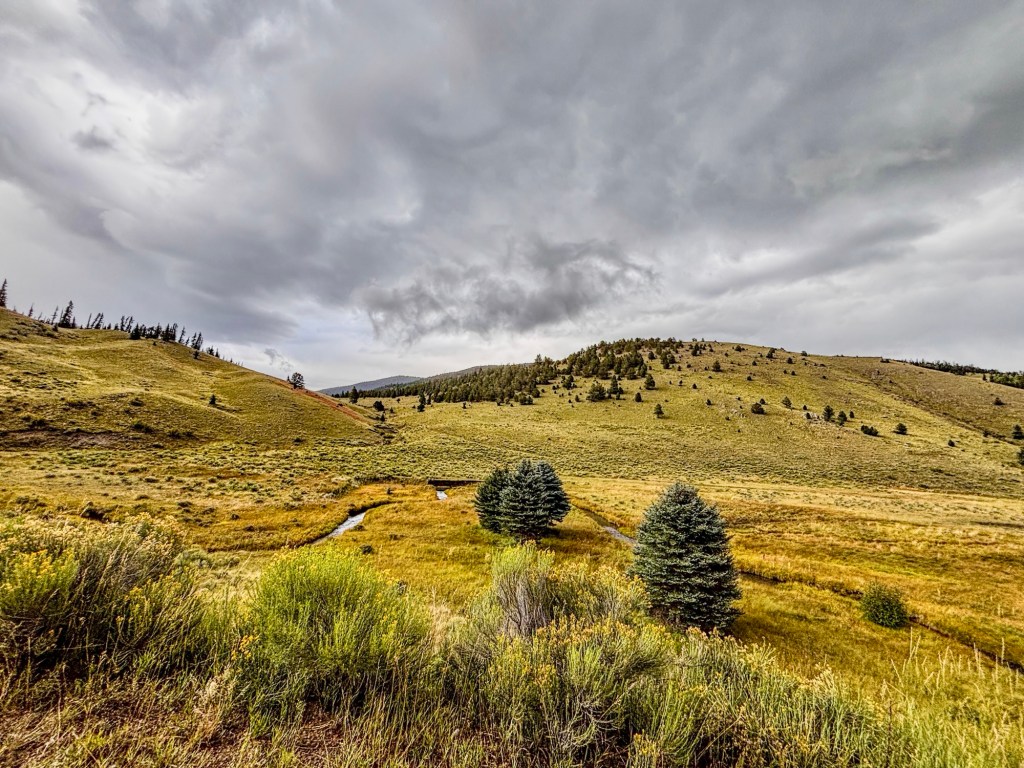
    For those seeking more solitude and high-altitude adventure, New Mexico’s high-mountain lakes and streams offer great fly fishing. Places like Santa Fe National Forest and Wheeler Peak Wilderness Area boast pristine alpine waters, teeming with native cutthroat and rainbow trout.

    Best Fishing Seasons:

    Summer: High-altitude lakes are accessible during the warmer months and offer a peaceful, scenic fishing experience.

    Fly Patterns & Techniques:

    Dry Flies: Small patterns like Parachute Adams, Griffith’s Gnat, and small attractors like the Royal Wulff are effective in alpine lakes.

    Streamers: Woolly Buggers, Matuka, and Zonkers are good options for larger trout in the deeper parts of these lakes.

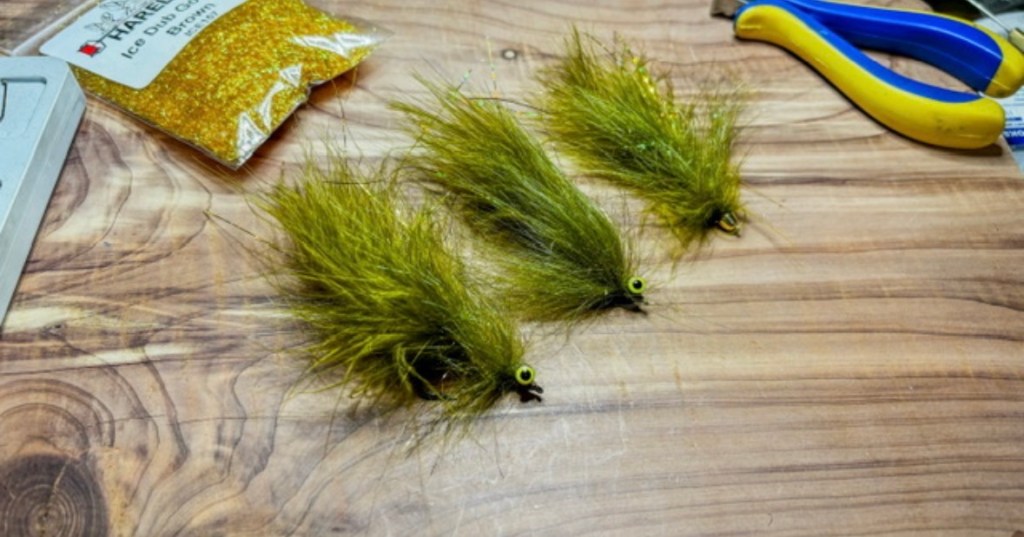
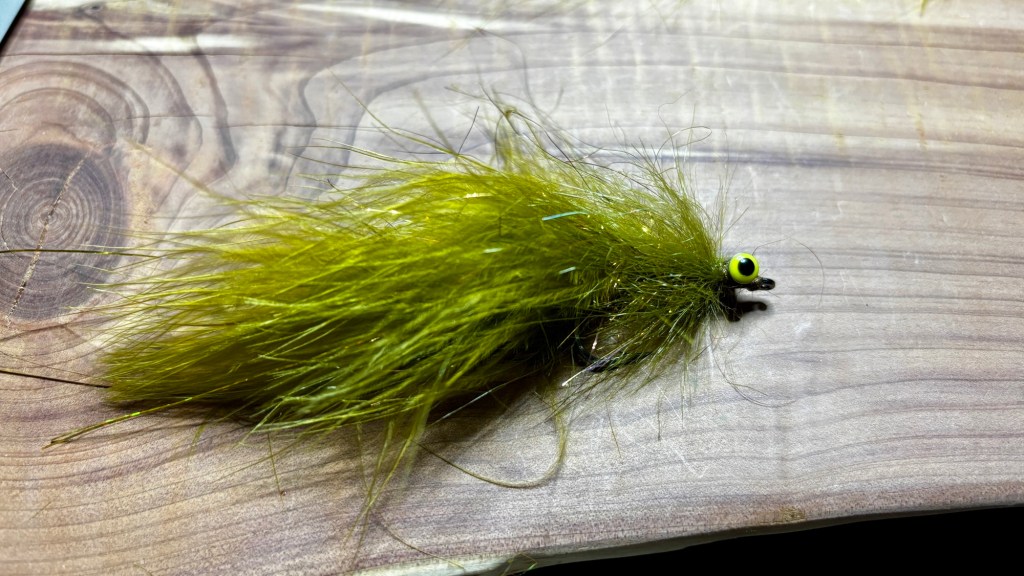
    Olive streamer size 10 3xl

    Techniques: Cast near the shorelines and retrieve streamers slowly through the deeper areas. For dry fly fishing, look for rising fish and match the hatch.

    Essential Gear for Your Fly Fishing Trip to New Mexico

    To ensure your fly fishing adventure in New Mexico is a success, packing the right gear is crucial. Here’s a list of essentials for your trip:

    Fly Rod: A 4- to 6-weight rod is versatile for most New Mexico waters. If fishing in high-altitude lakes, a lighter rod (3 to 5 weight) is ideal for smaller fish, while a 5- to 6-weight rod is great for larger rivers like the Rio Grande and San Juan.

    Fly rod and reel

    Fly Reel: A quality reel with a smooth drag system is key, especially for larger trout. Make sure the reel is matched to your rod and has a good line capacity.

    Fly Fishing Line: Weight-forward floating lines are ideal for most situations, especially in rivers and lakes. For deeper nymphing, a sink-tip line or full sinking line may be needed for some sections.

    Leader and Tippet: 9 to 12-foot leaders are typical, with 5X to 6X tippet being common for clear water and smaller fish. For larger fish, go with 4X or 3X.

    Flies: Carry a variety of dry flies, nymphs, and streamers. Some of the top patterns for New Mexico include:

    Dry Flies: Parachute Adams, Elk Hair Caddis, Stimulator, and Royal Wulff.

    Nymphs: Pheasant Tail, Copper John, Zebra Midge, and Hare’s Ear.

    Streamers: Woolly Bugger, Clouser Minnow, Zonker, and Matuka.

    Fly Box: A durable, waterproof fly box to keep your flies organized and safe.

    Waders: For rivers, especially in the spring and fall, a good pair of breathable or neoprene waders is essential. Don’t forget wading boots with felt or rubber soles for traction.

    Casting Tools: Don’t forget a high-quality fly fishing net, nippers, forceps, and a fly tying kit if you want to customize your flies on the go.

    Sun Protection: A wide-brimmed hat, polarized sunglasses, and sunscreen are essential for fishing in New Mexico’s sunny climate.

    Backpack: A small, durable backpack will help carry all your gear, snacks, and water, especially if you’re venturing into remote areas.

    Tips for Fly Fishing in New Mexico:

    Respect the Regulations: New Mexico has various fishing regulations, including specific season dates and restricted areas. Always check the latest regulations from the New Mexico Department of Game and Fish before heading out.

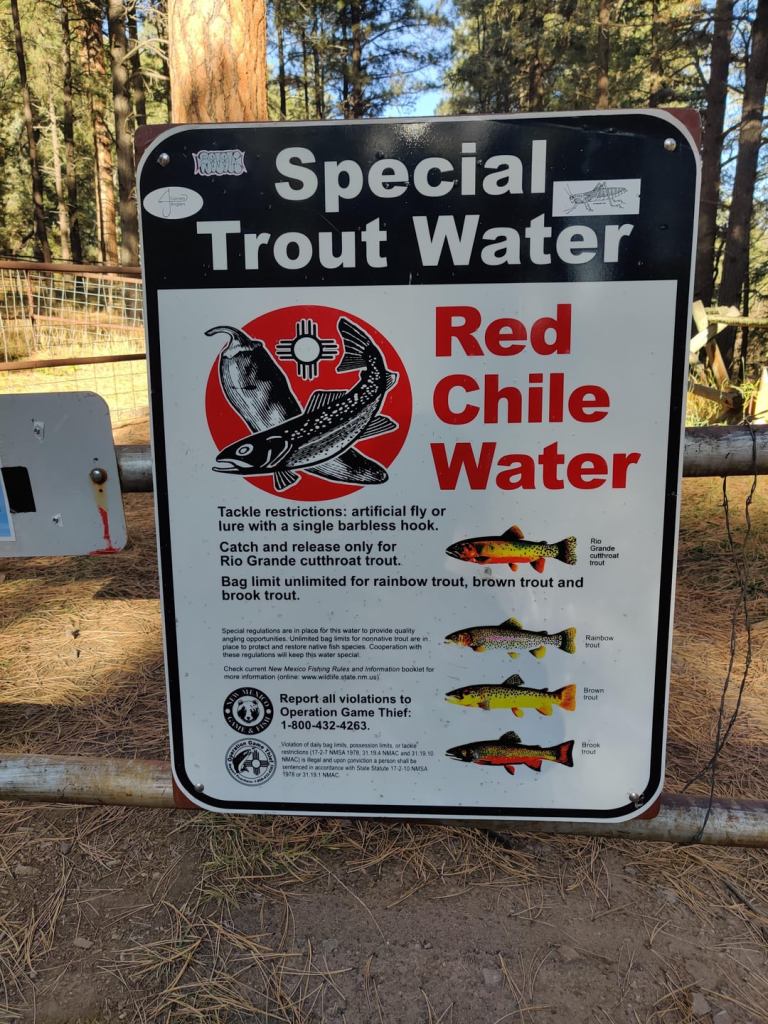
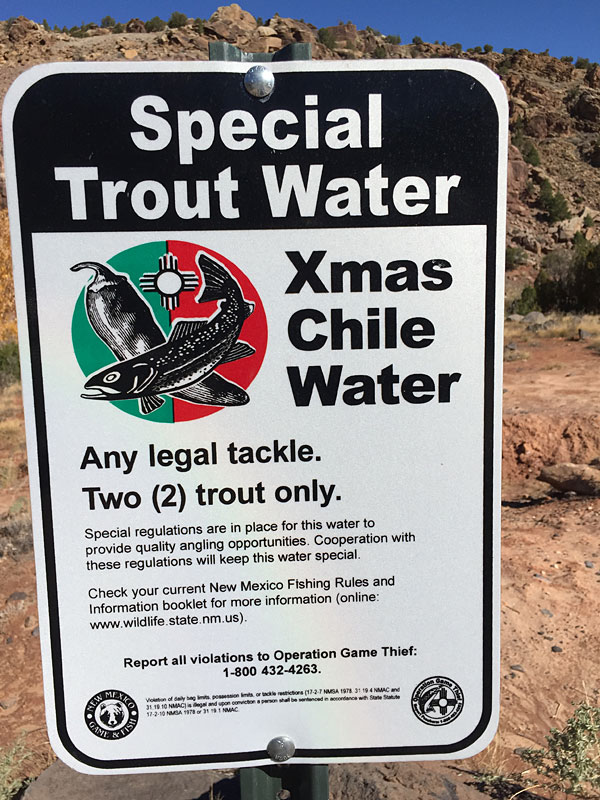
    Special Trout Waters (Catch and Release)

    • Many rivers and streams in New Mexico have areas designated as “special trout waters,” where only catch-and-release fishing is allowed. In these areas:

    No fish may be kept – all trout must be released back into the water immediately.

    Artificial flies and lures only – in some areas, only flies or lures may be used, and live bait is prohibited.

    Barbless hooks – some waters may require barbless hooks to reduce injury to fish during release.

    Altitude Matters: Many of New Mexico’s best fishing locations are in high-altitude areas. Be prepared for the thinner air, especially if you’re planning on fishing in the mountains.

    Watch for Hatch Times: New Mexico has some great hatch opportunities, but they vary by location. Know the types of hatches that occur in your fishing spot to choose the right fly patterns.

    Stay Safe in Remote Areas: Many of New Mexico’s best fishing spots are in remote areas. Always carry enough water, a first-aid kit, and a map or GPS device.

    Conclusion:

    Fly fishing in New Mexico offers a wide variety of landscapes, fish species, and fishing techniques. Whether you’re seeking a quiet mountain stream, a big river, or a remote lake, there’s a spot for you. The state’s unique waters, coupled with the opportunity to catch wild and native trout, make it a must-visit destination for any fly fishing enthusiast. So grab your rod, pack your flies, and head to the Land of Enchantment for an unforgettable fishing adventure.

    Stay Connected with Beyond the Cast

    Thanks for reading! If you enjoyed this post and want more fishing tips, trip reports, and on-the-water action, be sure to follow along.

    Subscribe to our YouTube channel for in-depth videos, gear breakdowns, and on-the-water adventures. Stay up to date by following us on Facebook, where we share fishing reports, trip updates, and connect with fellow anglers.

    Join the conversation, share your catches, and let’s keep exploring the water together.

    Tight lines, and see you Beyond the Cast!

    Let me know your thoughts in the comments below!

    Your email address will not be published. Required fields are marked *

  • Fluorocarbon vs. Mono Leaders: What I Use and Why

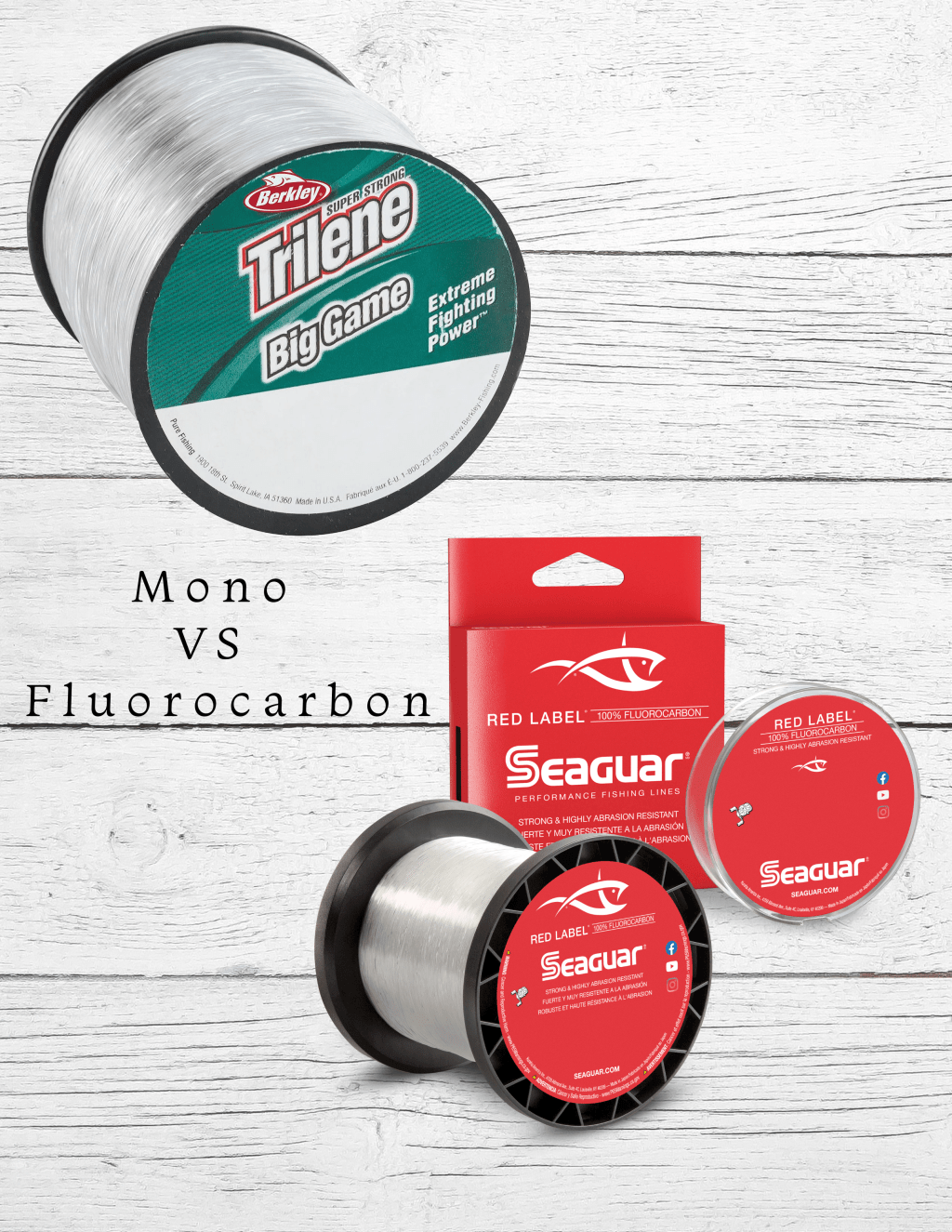
    Fluorocarbon vs. Mono Leaders: What I Use and Why

    Every time I hit the water, I have to make a choice—fluorocarbon or monofilament for my leader? It might seem like a small detail, but over the years, I’ve learned that the right leader can make all the difference in whether I land fish or leave frustrated.

    This debate has played out for me countless times on the Texas flats, whether I’m sight fishing for tailing reds or working a cut on an outgoing tide. I’ve used both, and while I lean heavily toward fluorocarbon, I still keep mono in my tackle bag for specific situations.

    Fluorocarbon: My Go-To for Most Situations

    Most days, I’m running 15 lb Seaguar Red Label Fluorocarbon on my Black Max reel, and I do it for a few key reasons. First, it’s nearly invisible underwater, which makes a huge difference when I’m fishing clear, shallow flats and reds are being picky. I’ve watched redfish spook off a lure before they even get close to it, and I have no doubt it was because my leader was too visible.

    Fluoro is also tough—which is exactly what I need when I’m fishing near oyster beds and rocky shorelines. I’ve had reds take me into structure, rubbing my line against shells, and fluorocarbon has saved me from heartbreak more than once.

    Then there’s the sensitivity. When I’m throwing a H&H paddle tail and working it slowly through a drain, I want to feel everything—every tap, every bump, and the moment a red inhales my lure. Fluorocarbon has less stretch than mono, which helps me react faster and set the hook with confidence.

    When I Switch to Mono

    That being said, I still use monofilament, mainly when I’m throwing topwater lures like a Spook Jr. or a Rapala Skitter Walk. I learned this lesson the hard way—one morning, I was working a topwater over a shallow grass flat, and I noticed the lure wasn’t “walking” as well as it should. Turns out, my fluorocarbon leader was sinking just enough to mess with the action.

    Mono, on the other hand, floats, keeping my topwater lures running properly. It also has more stretch, which helps absorb the impact of aggressive topwater blow-ups and prevents me from pulling the hook too soon.

    Another reason I might use mono is cost. Fluorocarbon isn’t cheap, and when I’m fishing in murky or off-colored water where visibility isn’t a concern, I sometimes opt for mono just to save a few bucks.

    Real-World Example: Choosing the Right Leader on the Flats

    A few weeks back, I launched early in the morning, kayak in tow, targeting redfish on the flats. The water was clear, and as soon as the sun got up, I spotted reds tailing in the shallows. I tied on my usual fluorocarbon leader and threw a H&H paddle tail in cock of the walk right in front of a fish. It didn’t hesitate—it inhaled the lure, and after a solid fight, I had a slot red in the kayak.

    Later in the morning, I switched to a topwater Spook Jr. to see if I could pull a few more fish out of the grass. The first few casts didn’t feel right, and I realized my fluoro leader was sinking and affecting the lure’s movement. I quickly cut off the fluoro and tied on 15 lb mono, and within minutes, I had another red explode on my lure. That one simple change made all the difference.

    Final Thoughts: Which One Should You Use?

    If you fish inshore like I do, fluorocarbon is my top choice for most situations, especially when throwing soft plastics or working subsurface lures. But monofilament has its place, mainly when using topwater lures or fishing in murky water where stealth isn’t as critical.

    Here’s a quick rundown of when I use each:

    SituationLeader ChoiceWhy?
    Sight fishing for reds in clear waterFluorocarbonLess visible to fish
    Fishing near oyster beds & structureFluorocarbonMore abrasion-resistant
    Throwing soft plastics on an outgoing tideFluorocarbonSinks & provides better sensitivity
    Working topwater luresMonofilamentFloats & allows natural lure action
    Fishing in murky waterMonofilamentVisibility isn’t a concern, saves money
    Wanting more stretch for shock absorptionMonofilamentHelps prevent pulled hooks

    At the end of the day, both leader types have their strengths, and knowing when to use each will help you put more fish in the kayak.

    What’s your go-to leader for inshore fishing? Let me know in the comments—I’m always up for a good fishing debate!

    Stay Connected with Beyond the Cast

    Thanks for reading! If you enjoyed this post and want more fishing tips, trip reports, and on-the-water action, be sure to follow along.

    Subscribe to our YouTube channel for in-depth videos, gear breakdowns, and on-the-water adventures. Stay up to date by following us on Facebook, where we share fishing reports, trip updates, and connect with fellow anglers.

    Join the conversation, share your catches, and let’s keep exploring the water together.

    Tight lines, and see you Beyond the Cast!

  • How to Read Tides for Better Kayak Fishing: Understanding Movement and Positioning

    How to Read Tides for Better Kayak Fishing: Understanding Movement and Positioning

    Kayak fishing is all about being in the right place at the right time, and nothing dictates fish movement more than the tide. Whether you’re chasing redfish pushing into the shallows or speckled trout staging near structure, understanding how water moves will help you position yourself for better catches.

    Unlike fishing from a boat, a kayak limits how far and fast you can move. That means planning around the tides isn’t just helpful—it’s essential. In this post, we’ll break down how tides work, where fish go during different stages, and how to position your kayak to take full advantage of tidal movement.

    The Basics of Tides: What You Need to Know

    Tides are the rise and fall of water levels caused by the gravitational pull of the moon and sun. Along the Texas coast, we generally experience a mix of:

    Two high tides and two low tides per day (semi-diurnal tides)

    One high tide and one low tide per day (diurnal tides)

    These patterns shift throughout the year, and understanding them helps you predict when and where fish will be actively feeding.

    Tides affect more than just water depth—they influence current strength, bait movement, and fish behavior. Let’s look at how different tidal stages impact fishing.

    How Each Tide Stage Affects Fish Movement

    Incoming Tide (Rising Water)

    What happens: Water pushes up onto the flats, flooding marshes and grass beds. Baitfish, shrimp, and crabs move into shallow areas, followed by hungry predators.

    Best fishing areas:

    • Grass flats and flooded marshes where redfish hunt for crustaceans.

    • Oyster bars and sand pockets where speckled trout ambush bait.

    • Creeks and drains where baitfish move inland with the rising water.

    Kayak positioning tip: Set up near marsh edges, grass flats, or points where water is moving in. Cast lures upcurrent and let them drift naturally toward the strike zone.

    High Tide (Peak Water Level)

    What happens: Water levels are at their highest, spreading bait over a larger area. Fish can be more scattered, making them harder to locate.

    Best fishing areas:

    • Shallow pockets where redfish are cruising, often tailing.

    • Deeper grass edges where speckled trout stage.

    • Channels and drop-offs where fish wait for the next tidal shift.

    Kayak positioning tip: Paddle quietly along flooded grass flats and look for signs of activity like wakes, tailing fish, or nervous bait. If fish are spread out, cover water with a paddle tail soft plastic or a topwater lure to draw attention.

    Outgoing Tide (Falling Water)

    What happens: Water drains from the flats, concentrating bait into deeper channels, cuts, and drop-offs. Predators position themselves to take advantage of the easy meals being pulled by the current.

    Best fishing areas:

    • Tidal drains and creek mouths where baitfish get funneled into deeper water.

    • The edges of oyster reefs where trout wait to ambush prey.

    • Wind-blown shorelines with structure that hold redfish.

    Kayak positioning tip: Anchor near a drain or channel mouth and work lures with the outgoing current. A popping cork with a shrimp imitation works great in these scenarios, as does a soft plastic jig bounced along the bottom.

    Low Tide (Lowest Water Level)

    What happens: Water is at its lowest, exposing oyster reefs, mud flats, and deeper potholes. Fish retreat to deeper water but still remain close to structure.

    Best fishing areas:

    • Deeper channels and holes where fish are concentrated.

    • Drop-offs near sandbars and reefs.

    • Shallow areas where fish may be “trapped” waiting for the next incoming tide.

    Kayak positioning tip: If the tide is really low, be cautious of getting stuck in shallow areas. Focus on deeper structure and work slower-moving baits like suspending twitch baits or soft plastics on a jig head.

    How to Use Tides to Plan Your Kayak Fishing Trip

    1. Check the Tide Charts Before You Launch

    Apps like Tides4FishingNOAA Tide Predictions, or Windy provide real-time tide data for your area. Look at when the tide will be rising or falling and plan your trip around those peak movement windows.

    2. Consider Wind Direction

    Wind can either help or hurt your fishing trip. A strong wind against the tide can slow water movement, while a wind pushing with the tide can accelerate it. Adjust your kayak positioning accordingly to take advantage of natural bait movement.

    3. Look for Areas That Funnel Water

    Anywhere water is forced through a smaller area—like a creek mouth, jetty, or channel—will create a natural ambush point for predators. These areas are excellent for targeting redfish and trout as the tide moves in or out.

    4. Use the Current to Your Advantage

    Instead of fighting the current, position your kayak so you can cast into it and retrieve your lure naturally with the flow. This mimics how baitfish move, making your presentation more effective.

    5. Stay Mobile, but Be Strategic

    Kayak fishing requires efficiency. Instead of paddling aimlessly, use the tide to drift through productive areas, covering more water with minimal effort. If the bite slows down, move to a new location where the current is stronger or weaker, depending on the stage of the tide.

    Final Thoughts

    Tides are one of the most important factors in inshore fishing, and learning to read them will significantly improve your success on the water. By understanding how water movement affects fish behavior and positioning your kayak accordingly, you’ll put yourself in the best possible spots to find actively feeding redfish and speckled trout.

    Next time you hit the water, take a few minutes to study the tide charts and plan your approach—you’ll be amazed at how much of a difference it makes.

    Stay Connected with Beyond the Cast

    Thanks for reading! If you enjoyed this post and want more fishing tips, trip reports, and on-the-water action, be sure to follow along.

    Subscribe to our YouTube channel for in-depth videos, gear breakdowns, and on-the-water adventures. Stay up to date by following us on Facebook, where we share fishing reports, trip updates, and connect with fellow anglers.

    Join the conversation, share your catches, and let’s keep exploring the water together.

    Tight lines, and see you Beyond the Cast!

    What’s your favorite tide stage to fish? Drop a comment below and share your experience!

    Let me know your thoughts in the comments below!

    Your email address will not be published. Required fields are marked *

  • In-Depth Spring Redfish Behavior in Freeport & Galveston

    In-Depth Spring Redfish Behavior in Freeport & Galveston

    Spring is an exciting time for inshore anglers targeting redfish along the Texas coast, especially in the Freeport and Galveston areas. As water temperatures rise, redfish transition from their winter haunts into the shallows, feeding aggressively on baitfish and crustaceans. To consistently find and catch redfish this season, it’s crucial to understand their movement patterns, feeding behavior, and how tides and weather influence their activity.

    In this post, we’ll break down spring redfish behavior and proven tactics for both the Freeport and Galveston areas so you can make the most of your time on the water.

    Seasonal Transition: How Spring Affects Redfish

    Redfish spend much of the winter in deeper channels, back lakes, and protected bayous, where they seek out stable water temperatures. As spring brings warmer weather, they begin pushing into shallow grass flats, marsh drains, and oyster beds, where food becomes more abundant.

    Recent Observations from the Water

    Last week, I noticed a significant increase in redfish moving into the shallows and grass flats. Both slot-sized reds and bull reds were cruising shorelines, especially in the marshy backwaters of Freeport and the grassy flats around Galveston’s West Bay. The warming trends throughout the day had these fish feeding aggressively, with multiple tailing reds in less than a foot of water.

    Key environmental changes driving redfish movement:

    Rising water temperatures (60°F-75°F) – Increases redfish activity and feeding.

    Bait migrations – Shrimp, mullet, and menhaden begin pushing into shallower estuaries.

    Tidal influences – Higher tides allow reds to move into newly flooded grass flats.

    Spring rains and freshwater flow – Can impact redfish locations, especially near river mouths and marsh drains.

    Redfish Movement Patterns in Freeport & Galveston

    Recent Trip Insights

    On my last trip, I noticed redfish moving into wind-protected flats and bayous as the day warmed up. In the morning, reds were still hanging around deeper drop-offs near bayous and channel edges. By late morning, they were actively feeding along shorelines and oyster reefs in Christmas Bay, Drum Bay, and the backwaters of Galveston’s West Bay.

    Key Areas to Target in Freeport & Galveston

    Freeport

    Bastrop Bay & Christmas Bay – Shallow grass flats, oyster reefs, and marsh drains hold plenty of reds during a rising tide.

    Drum Bay & Hoskins Bayou – Great for targeting redfish in marsh channels and deeper bayous during outgoing tides.

    Cold Pass & San Luis Pass Back Lakes – Clearer water and strong tidal flow make these areas prime for sight fishing.

    Galveston

    West Bay (North Deer Island & Greens Lake) – Excellent springtime spots for redfish hunting bait along grassy shorelines.

    Jones Bay & Chocolate Bay – Shallow mud and shell bottoms warm up quickly, attracting feeding reds.

    East Bay (Anahuac Pocket & Marsh Drains) – Productive on an outgoing tide as bait flushes from the marshes.

    Tides, Wind, and Feeding Behavior

    Tides & Best Feeding Windows

    On my last trip, the outgoing tide was the most productive, especially near marsh drains where redfish were stacked up waiting for bait to flush out. Slack tides were slow, but once the water started moving again, the bite picked up fast.

    Outgoing tides – Best for ambush feeding near marsh drains and cuts.

    Incoming tides – Reds push into newly flooded grass flats and shoreline pockets.

    Slack tide – Slower bite; good time to relocate or make adjustments.

    Wind & Its Effect on Redfish

    South winds help push warmer water into the bays, keeping reds more active.

    North winds after a front can slow things down, pushing fish into deeper areas.

    Slight chop vs. calm conditions

    • Slight chop makes redfish more aggressive.

    • Calm conditions make reds spookier, requiring long casts and stealthy approaches.

    4. Feeding Patterns & What Redfish Eat in Spring

    Primary Forage for Spring Redfish

    Shrimp – A top bait choice in early spring, especially around marsh drains.

    Mullet – Bigger mullet become a key food source as temperatures warm up.

    Crabs – Found in grassy shorelines and a favorite target of tailing reds.

    Menhaden & Pinfish – Common in open water and around reefs.

    Best Lures from My Last Trip

    JVS 3.5 Speed Shrimp (White & Gold) – Worked great on a slow retrieve along the flats.

    H&H Paddle Tail (Golden Bream) on a 1/8 oz Jighead – Perfect for bouncing near oyster beds.

    Gold Spoon (1/4 oz) – Great for covering water and triggering reaction bites.

    Adjusting to Changing Spring Conditions

    Cooler Mornings

    • Work slow-moving soft plastics near deeper bayou edges.

    • Look for mud-bottom areas that retain heat overnight.

    Warmer Afternoons

    • Target flats and grass shorelines, where reds become more active.

    • Throw paddle tails or topwaters near structure.

    Windy Days

    • Focus on wind-blown shorelines, where bait is being pushed.

    • Use louder lures like a popping cork with a shrimp imitation.

    Calm & Clear Days

    • Look for tailing reds in the shallows.

    • Scale down to lighter fluorocarbon leaders (12-15 lb) and more natural-colored baits.

    Interactive Map: Best Spring Redfish Locations

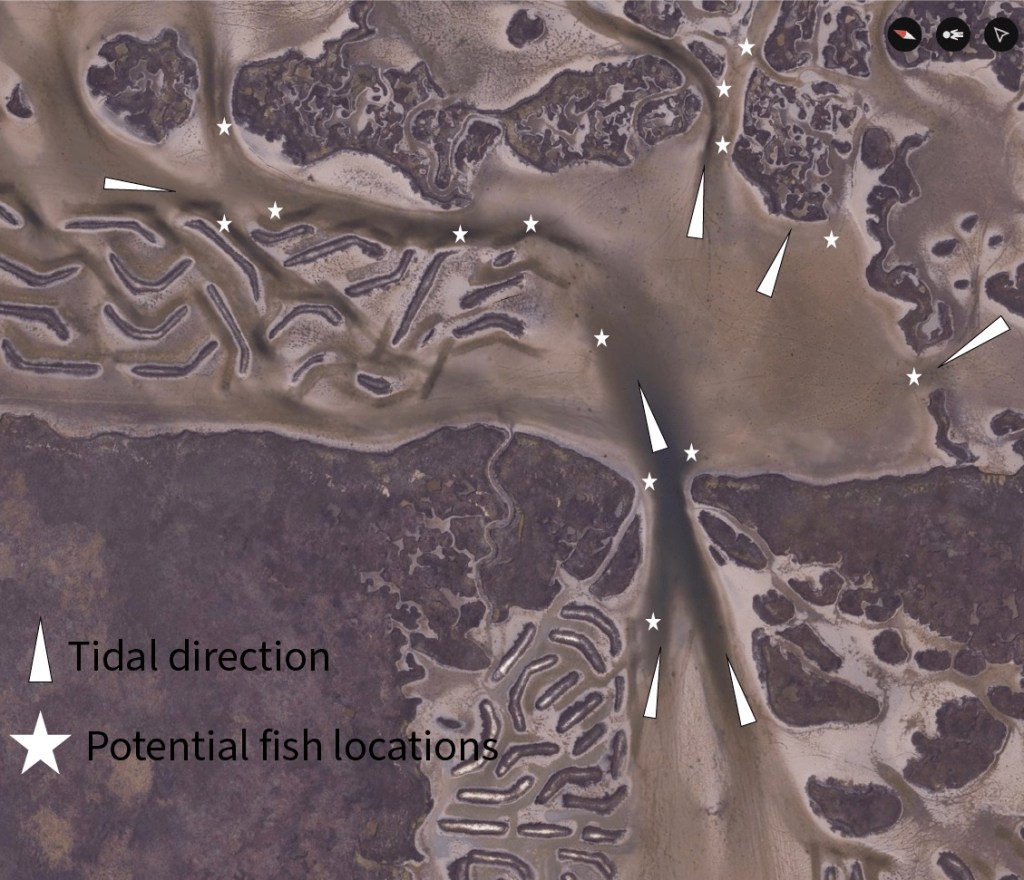
    Google earth screenshot
    Google earth screenshot

    For a better look at these key fishing spots in Freeport and Galveston, I recommend using Google Earth or interactive fishing maps. These tools can help identify:

    Oyster reefs and grass flats where redfish are feeding.

    Marsh drains and bayous that hold fish on moving tides.

    Depth changes and structure that redfish relate to in different conditions.

    Final Thoughts

    Spring is one of the best times to target redfish in Freeport and Galveston, with warming waters bringing fish into the shallows and increasing feeding activity. Whether you’re working marsh drains, grass flats, or oyster reefs, understanding how redfish move with the seasons and tides will give you an edge on the water.

    Every trip is a learning experience, so get out there, apply these strategies, and adjust to what the fish are telling you. Don’t forget to share your catches and experiences with us!

    Stay Connected with Beyond the Cast

    Subscribe to our YouTube channel for fishing videos, gear breakdowns, and on-the-water action. Stay up to date by following us on Facebook, where we share fishing reports, trip updates, and connect with fellow anglers.

    Join the conversation, share your catches, and let’s keep exploring the water together.

    Tight lines, and see you Beyond the Cast!