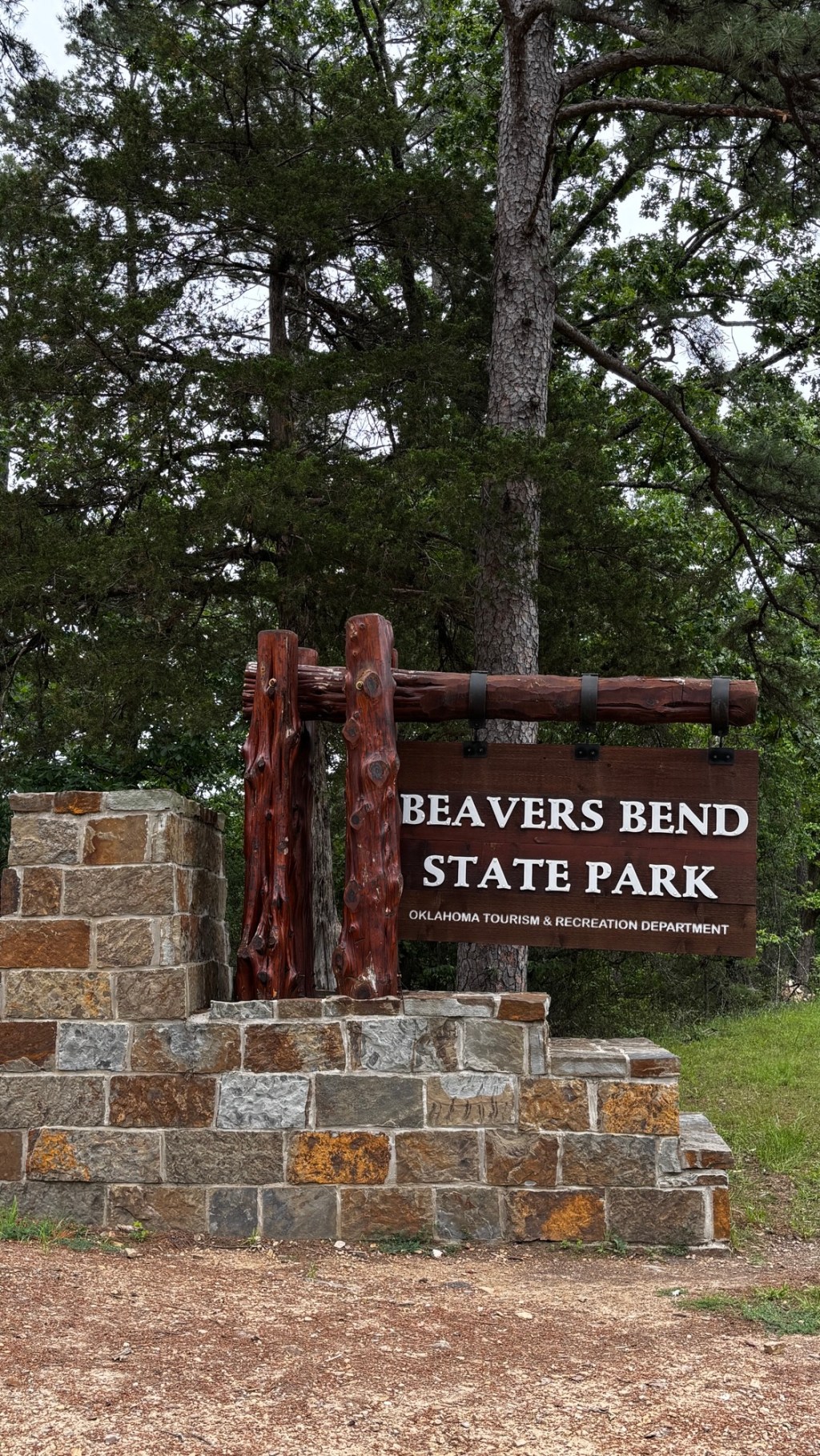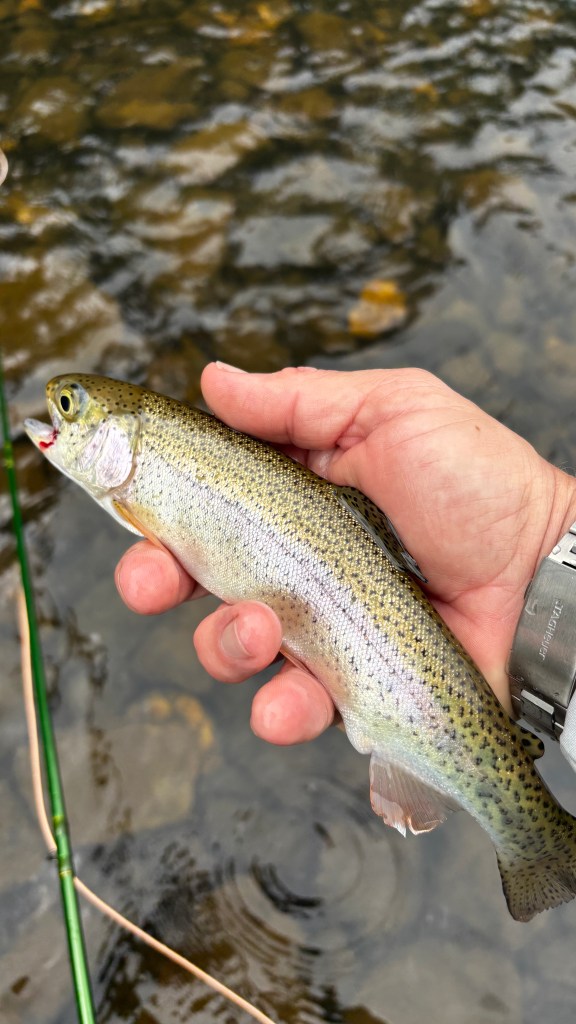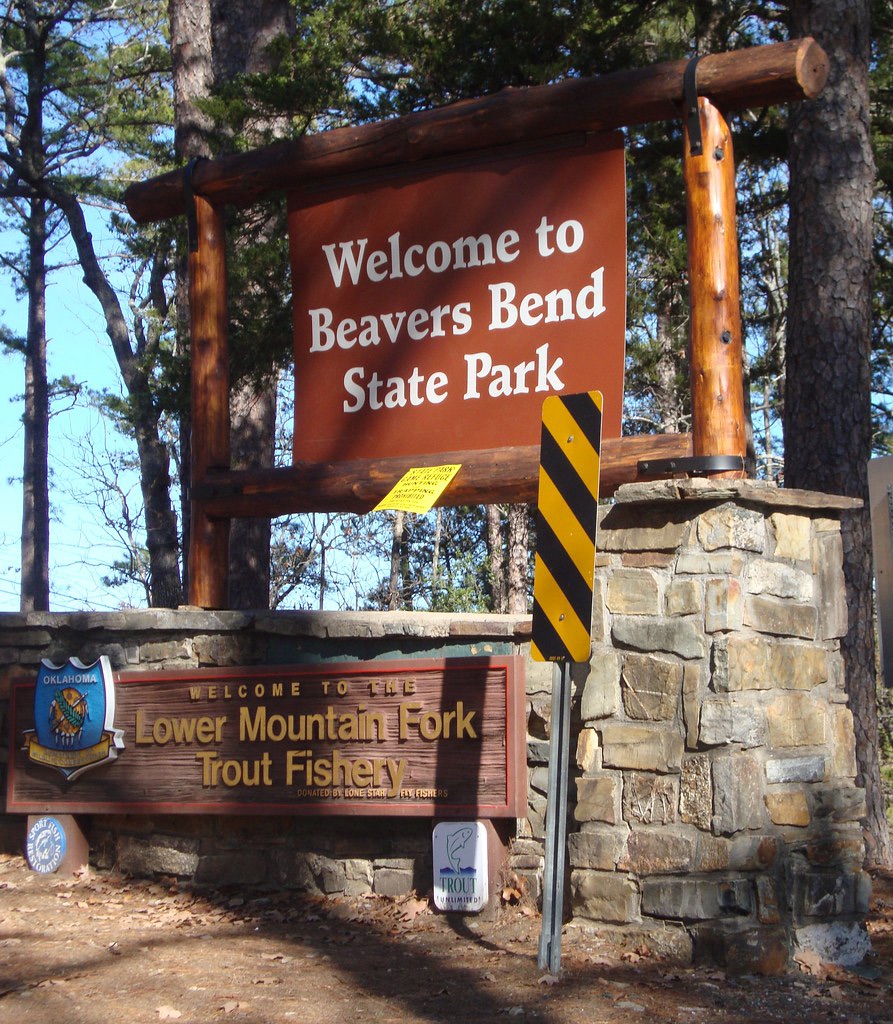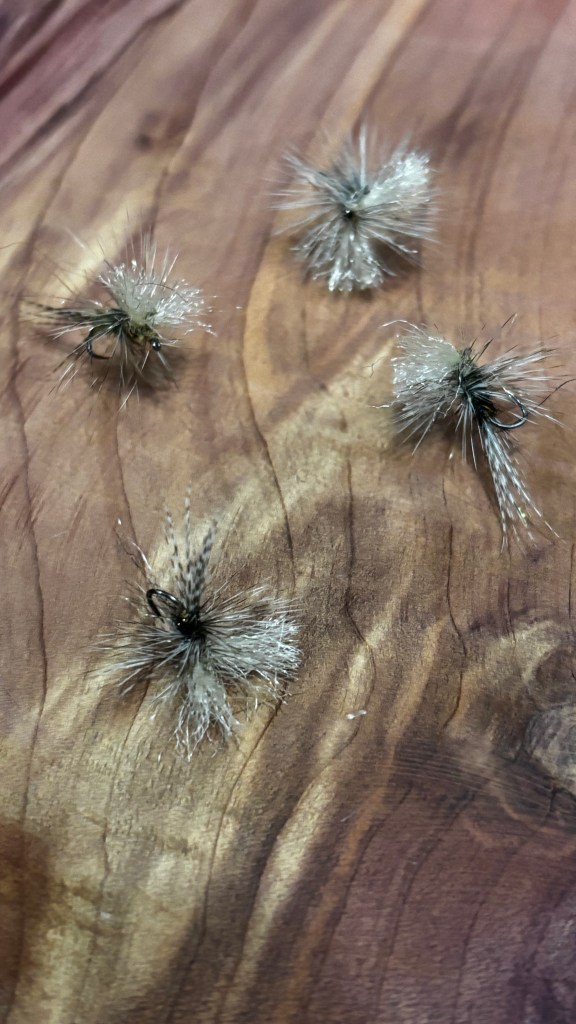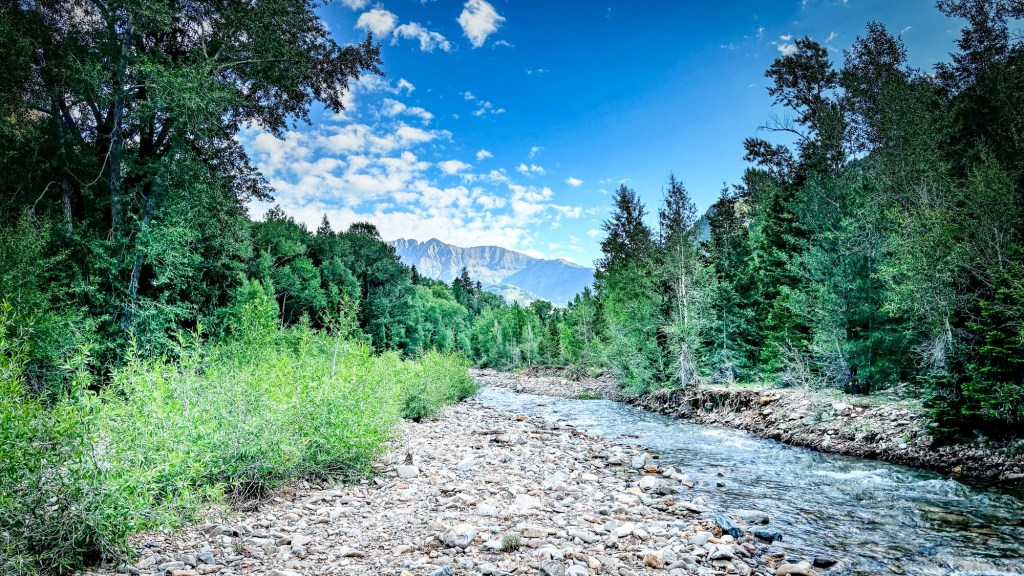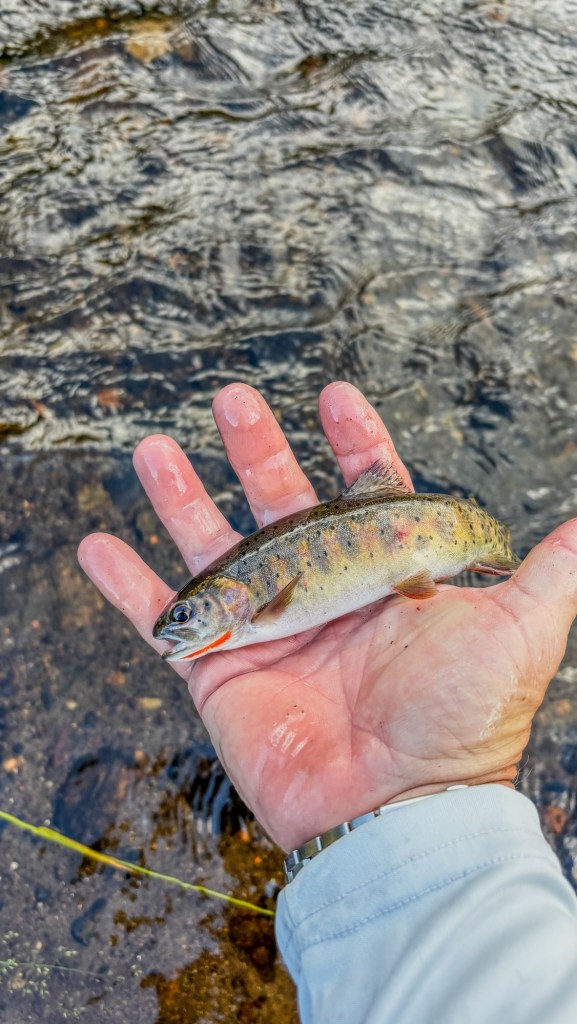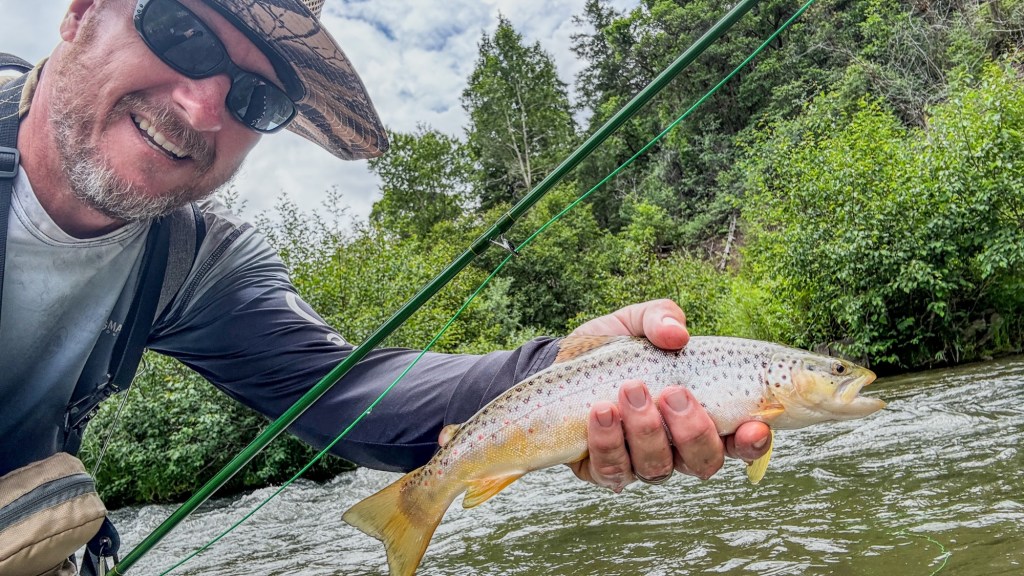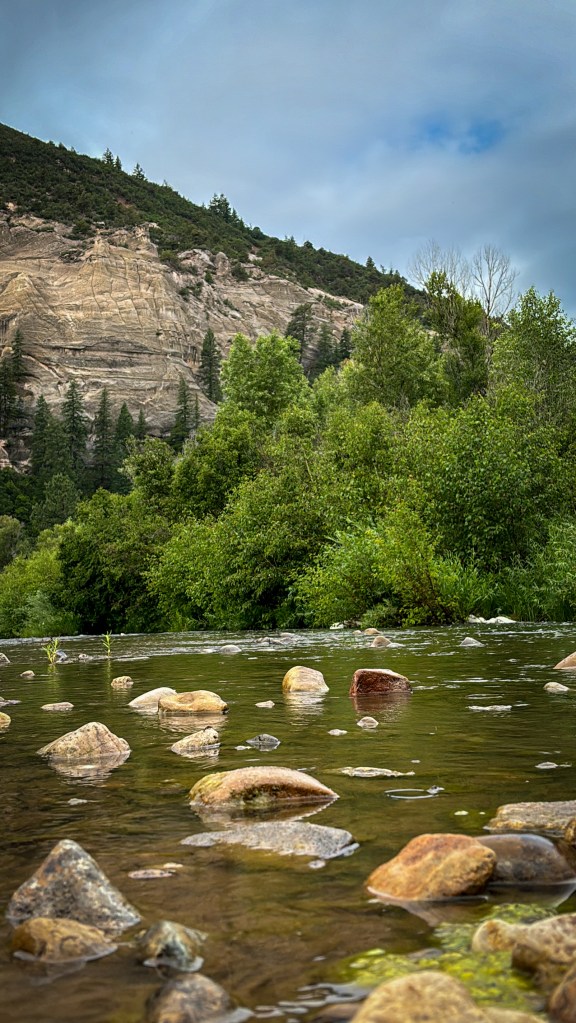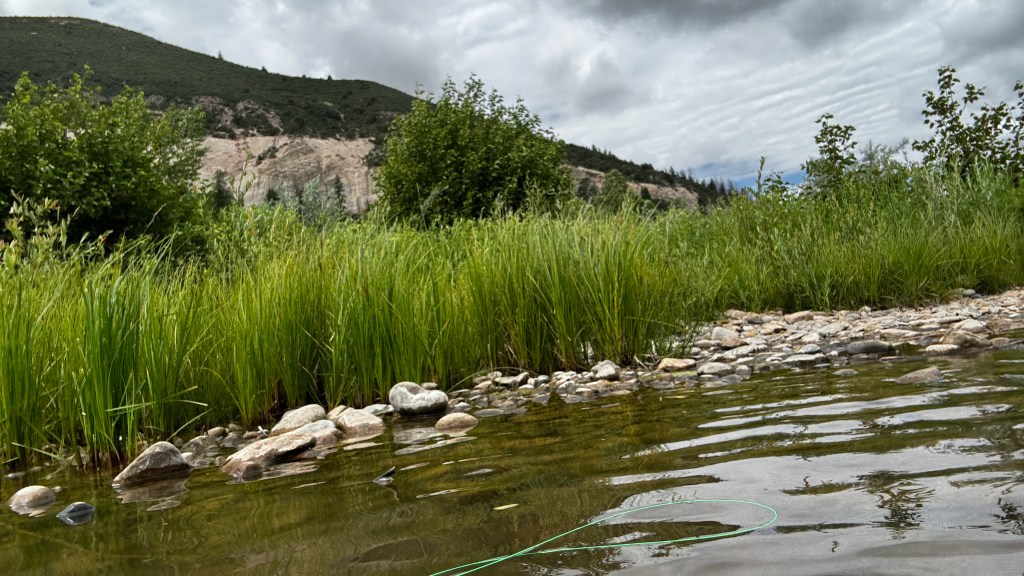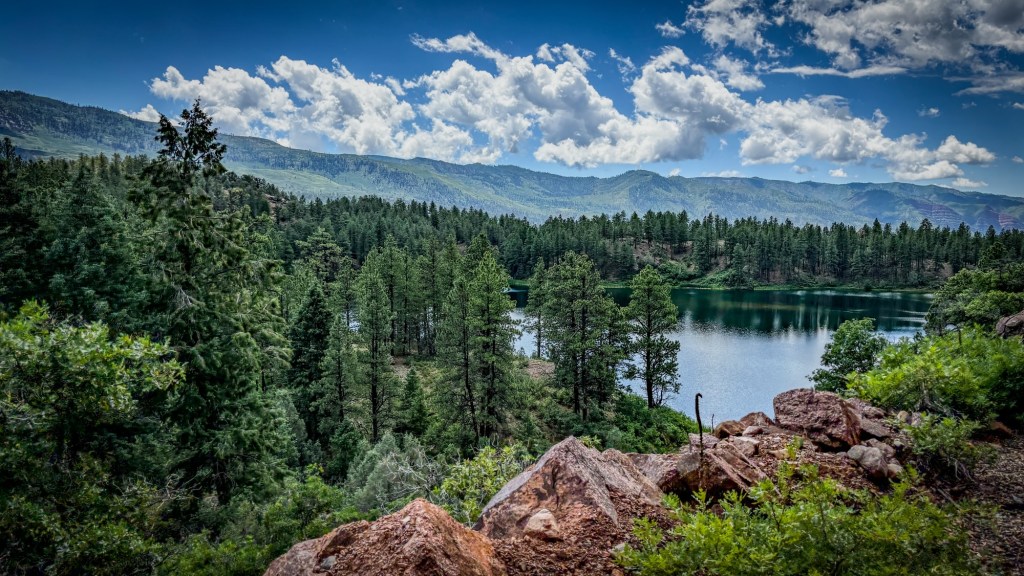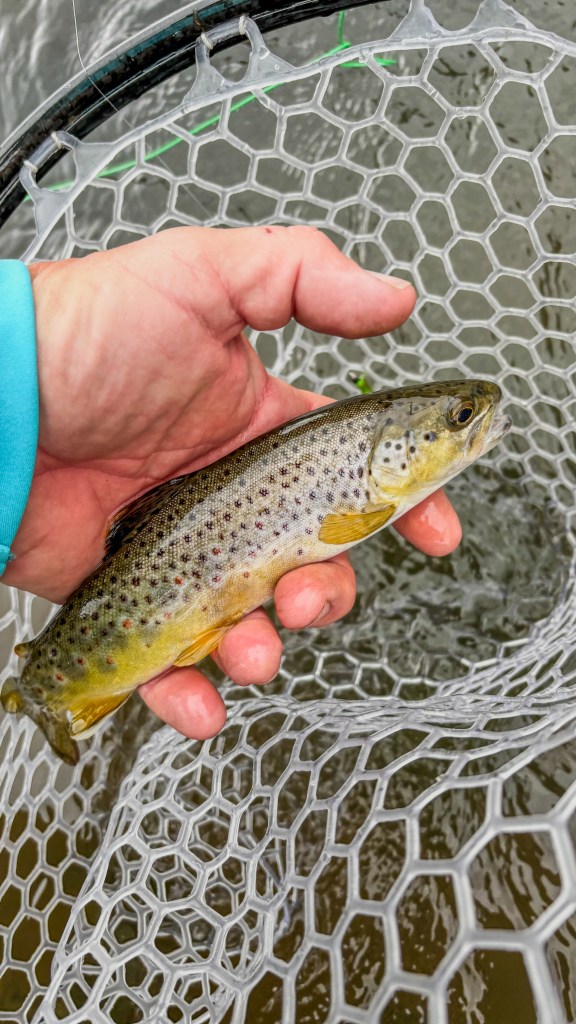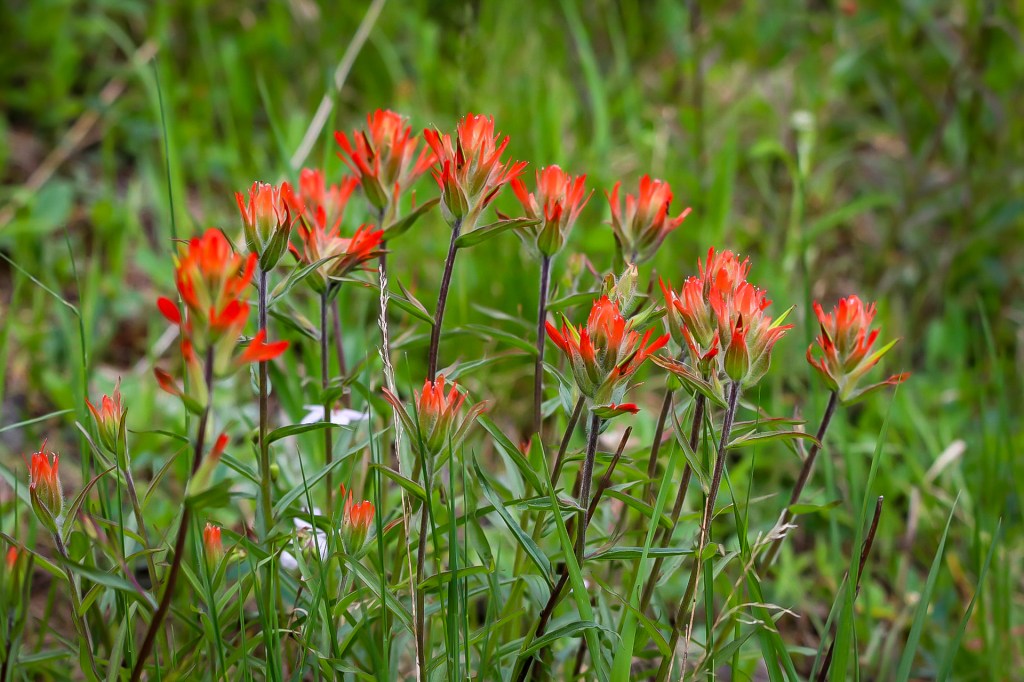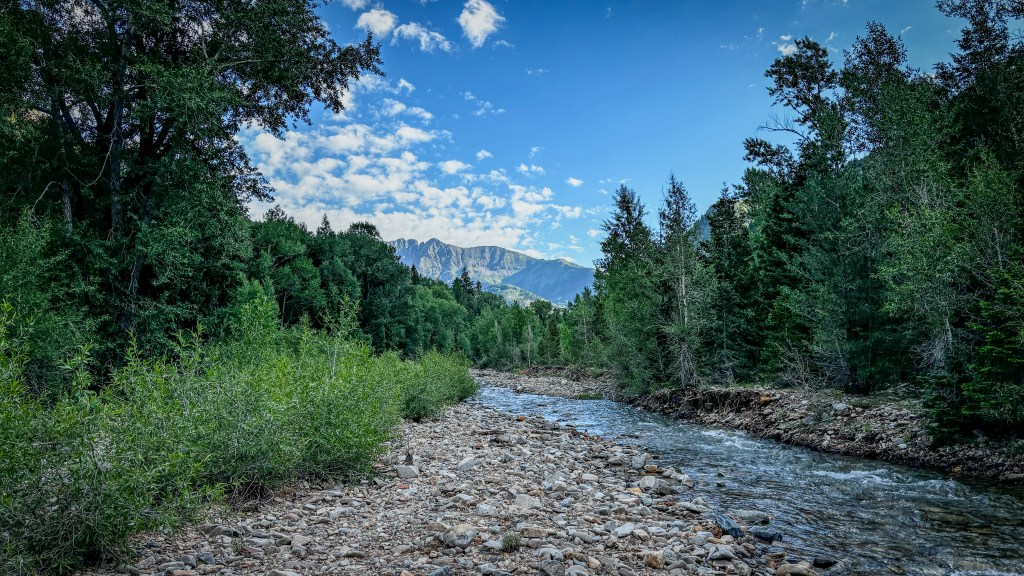
After a few peaceful days of fly fishing in the cool, clear waters of Beavers Bend State Park, I’m back home on the Texas coast. The trip was a perfect spring escape—misty mornings on the Lower Mountain Fork River, sight-casting to rising trout, and evenings by the fire with the sound of the river nearby. It’s hard to beat the mountain air and those deep pools filled with willing browns and rainbows.
But as great as the Oklahoma waters were, there’s nothing quite like home. The salt air, the sound of mullet flipping in the back marsh, and that first tailing redfish on a still morning—it all draws me right back in. With water temperatures rising and tides shifting into summer patterns, it’s time to return to chasing reds, speckled trout, and maybe even a few flounder on the fly.
I’ll be back out on the Galveston flats this week, rod in hand and camera packed, ready for what the tides bring in. Stay tuned for some coastal fly action—there’s plenty more coming.
Stay tuned for the full blog on Beavers Bend trip!
As spring breathes new life into the forests and rivers, I’m gearing up for a trip that blends fly fishing, photography, and camping into one unforgettable adventure.
Next week, I’m heading north from Houston to the beautiful Beavers Bend State Park in Broken Bow, Oklahoma — a true gem for coldwater trout fishing in the southern U.S.
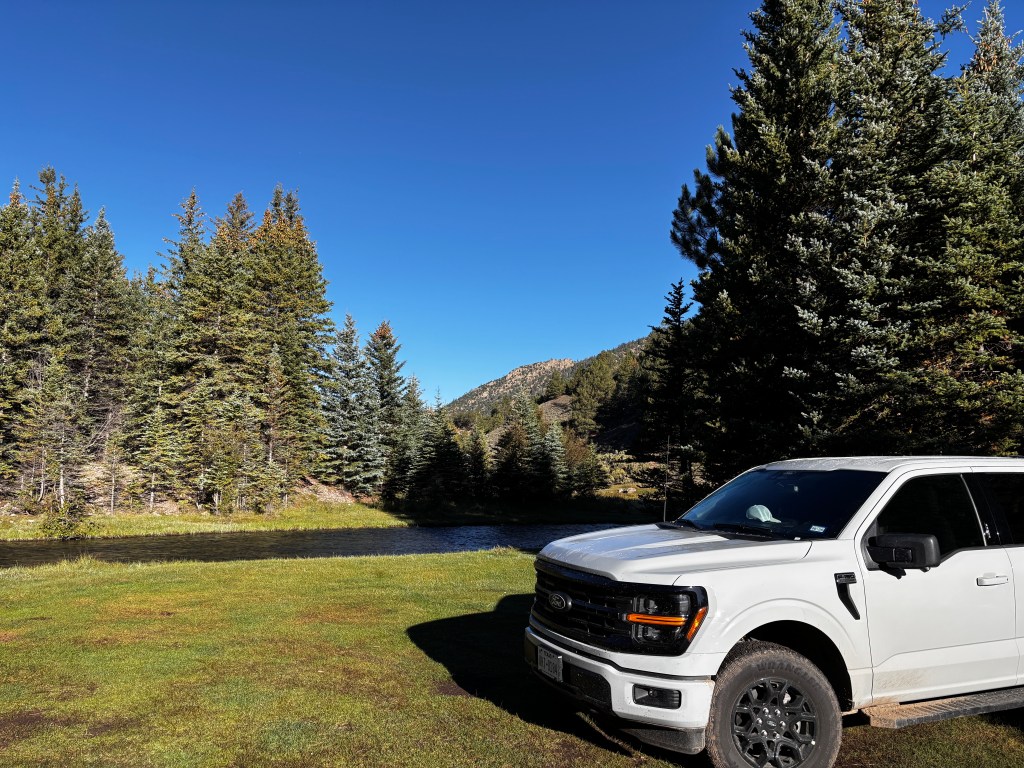
This trip isn’t just about the fish — it’s about the full experience: long drives in the Ford Bronco, misty river mornings, evenings by the campfire, and capturing it all through my lenses and drone.
Here’s the full rundown of flies tied, gear packed, and the planning tools I used to map out this journey:
Fly Box: Patterns Prepped for Beavers Bend
For the crystal-clear waters of the Lower Mountain Fork River, I’ve stocked my fly box with a variety of proven patterns tailored for both rainbow and brown trout:
• Small Mayfly Patterns (Size 18–22) — Matching early spring hatches.
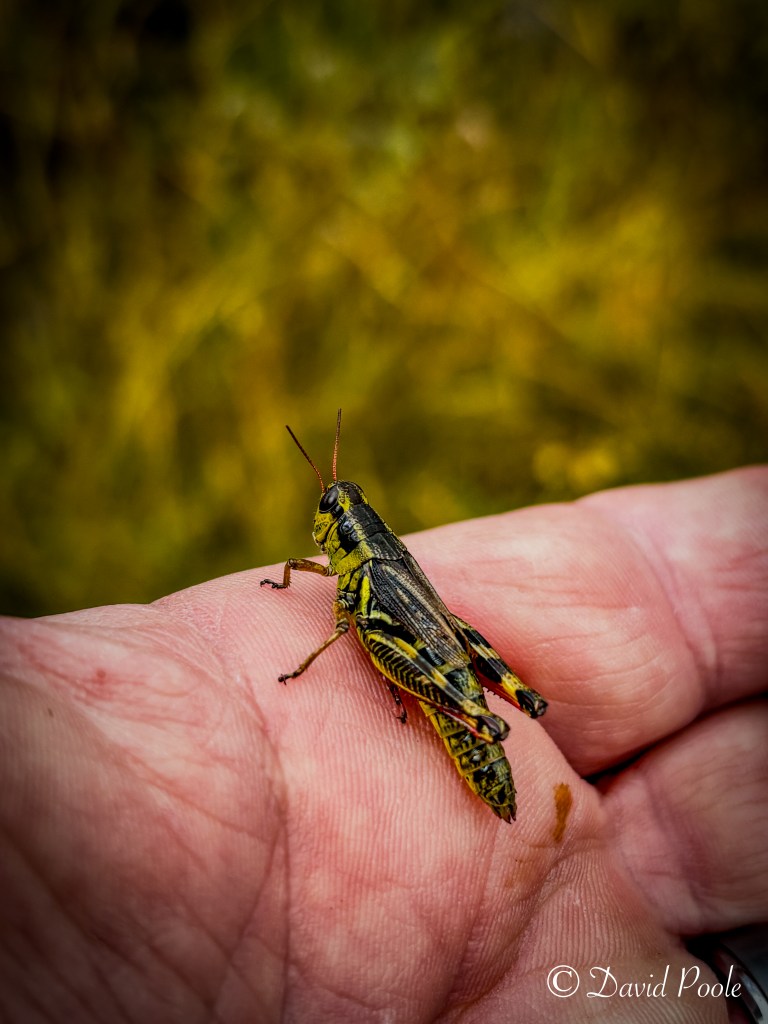
• Hopper Patterns (Size 12–14) — For opportunistic trout looking for a big bite.
• Small Leech Patterns (Size 10–12) — Especially effective for brown trout in deeper runs.
• Midges (Size 20–22) — Black, olive, and red variations.
• Soft Hackle Wet Flies (Size 14–16) — Perfect for swinging through riffles.
• Woolly Buggers (Size 8–10) — Olive, black, and brown for streamer action.
Each fly is barbless for easy releases and tied specifically to imitate what’s naturally present in Beavers Bend’s ecosystem this time of year.
Photography and Video Gear Packed
This trip is also about capturing the story — from the early morning mist on the water to the fire-lit nights under the stars.
Here’s the photography and video setup coming with me:
• Canon EOS 90D paired with Canon L Series lenses for high-resolution action and landscape shots.
• DJI Mavic Pro Drone for sweeping aerials over the river valleys and forest canopy.
• GoPro Hero 10 Black (chest mount) for wading shots, underwater releases, and immersive point-of-view fishing clips.
• K&F Concept Tripod and ND Filters for smooth video transitions and silky river shots.
Photography is about more than documenting the trip — it’s about telling the story of a place and a moment in time.
Fishing Gear Checklist
For the river, I’ve got a streamlined but reliable setup:
• Fly Rod: 9’ 5-weight rod, capable of delicate presentations and fighting feisty trout.
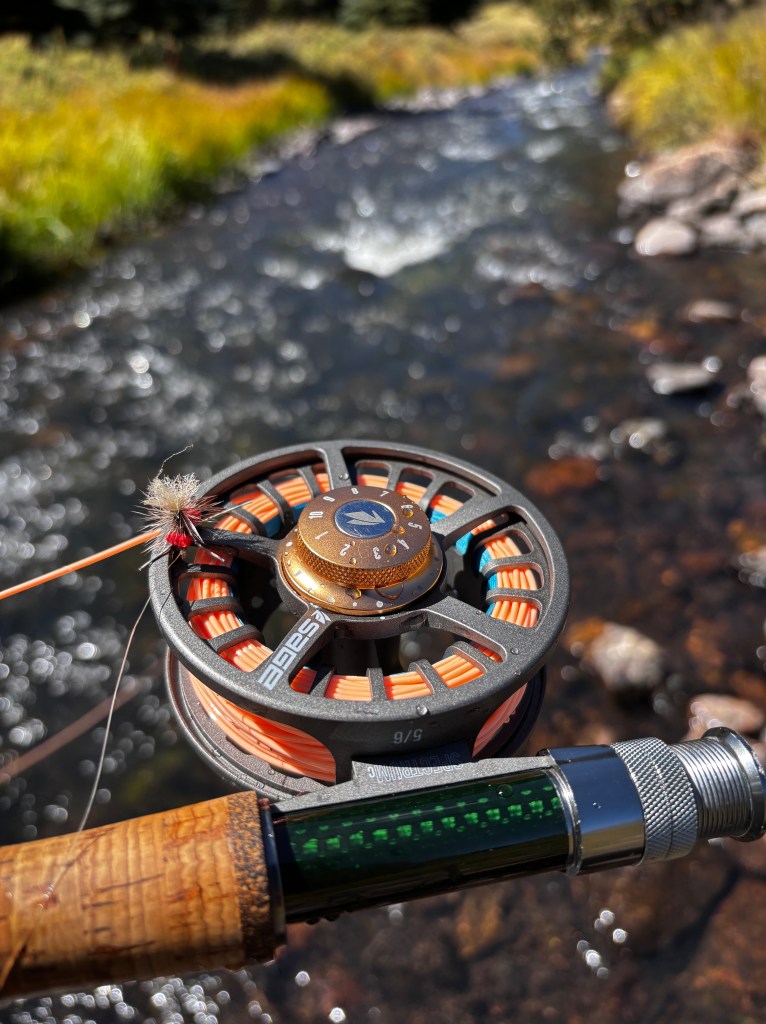
• Reel:Sage Spectrum 5/6 weight reel — strong drag for river browns and rainbows.
• Fly Line:Cortland 444 floating line, ideal for precise casts and great line control.
• Leaders and Tippet: 9’ fluorocarbon leaders with 4X–6X tippet.
• Net: Lightweight, rubber bag net for safe catch-and-release.
• Waders and Boots: Breathable waders and wadding boots with studs if needed.
I’m packing all my fishing gear into my Ghosthorn Fly Fishing Backpack — lightweight, waterproof, and easy to carry across the rocky trails and riverbanks of Beavers Bend.
Camping Essentials
Nothing beats setting up camp after a full day on the river:
• Lightweight backpacking tent and insulated sleeping pad.
• Down sleeping bag rated for cool river nights.
• Portable camp stove, kettle, and coffee setup.
• Firewood bundles for nights around the campfire.
• Headlamps, lanterns, and a solar charging station.
There’s nothing quite like brewing a morning coffee at the river’s edge, listening to nature wake up.
Trip Planning Tools: How I Mapped It All Out
Planning a trip like this starts long before the first cast.
Here’s how I mapped the route and fishing spots:
• TroutRoutes App — Invaluable for locating public access points, river sections, and local fly recommendations.
• Google Earth — Used to scout deeper river bends, trailheads, and potential drone shot locations.
• Oklahoma Fishing Regulations — I made sure to double-check daily bag limits, special rules for the Lower Mountain Fork, and barbless hook requirements.
In areas like Beavers Bend, staying aware of regulations is crucial — not just for legal reasons, but to protect the fishery for everyone who comes after.
The Road Ahead
It’s about more than the catch.
It’s about the drive through pine forests in the Ford Bronco, the moment a trout flashes in the current, the sound of a campfire crackling in the dark.
It’s about slowing down, listening to the river, and letting the story write itself.
I’ll be documenting the trip through both photography and short films, so stay tuned for updates from the water, behind-the-scenes captures, and a full video recap once I’m back.
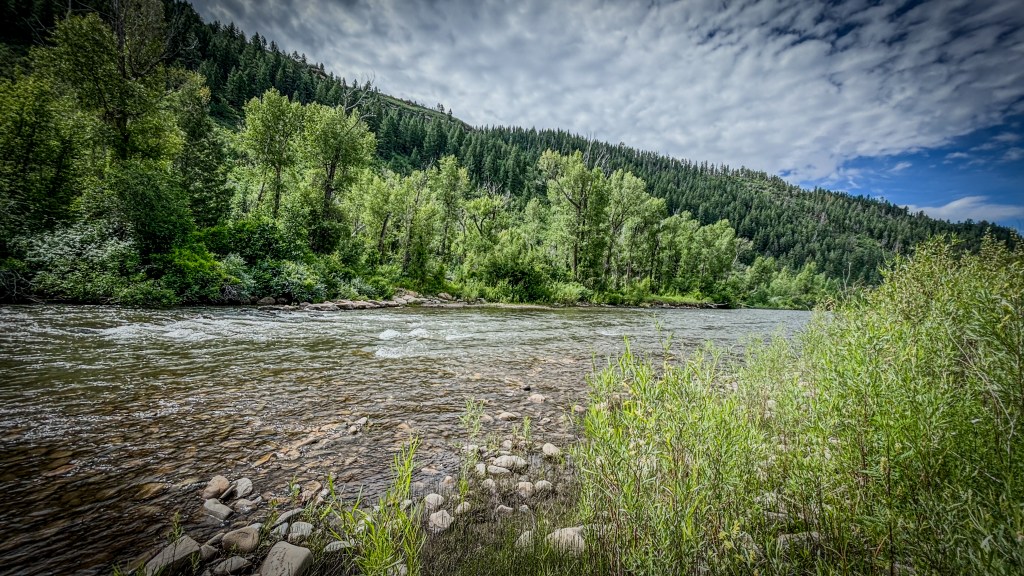
Broken Bow, here we come. Tight lines, clear skies, and wide-open roads.
When is the last time you took a risk? How did it work out?
The last real risk I took wasn’t about money, career, or anything you could measure in numbers. It was a gamble on a hunch, a blue line on a topo map and a feeling that maybe—just maybe—that little remote stream tucked into the backcountry might be worth it.
It wasn’t easy to get to. No real trail, just a vague path of game trails and overgrown brush, with a few miles of elevation gain thrown in for fun. I packed light, but still had my fly gear, camera, tripod, and just enough food and water to make it through a long day (and maybe a rough night, if needed). I didn’t know if the stream would even hold fish—or be accessible for good photos—but I was all in.
What I found was better than expected.
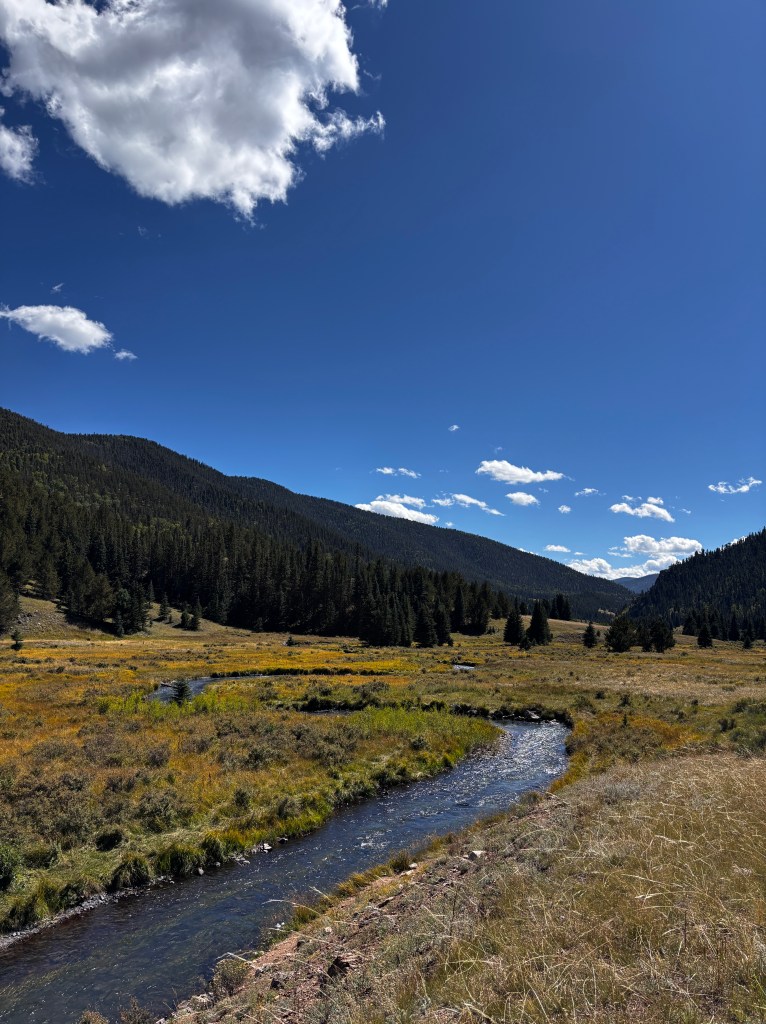
The stream wound through a quiet alpine meadow, untouched and crystal clear, bordered by wildflowers and soft light that made the whole place glow. Brook trout darted in and out of the current, and cutthroat rose to dry flies like they hadn’t seen a human in years—maybe they hadn’t. I got some of my favorite shots of the entire trip that day. Reflections, action shots, and one perfect capture of a brookie suspended mid-release, framed by golden hour light.
That little risk—trusting the map, the instinct, and being willing to explore—paid off big. Not just in fish caught or photos taken, but in the feeling of discovering something wild and real. Those are the risks I live for.
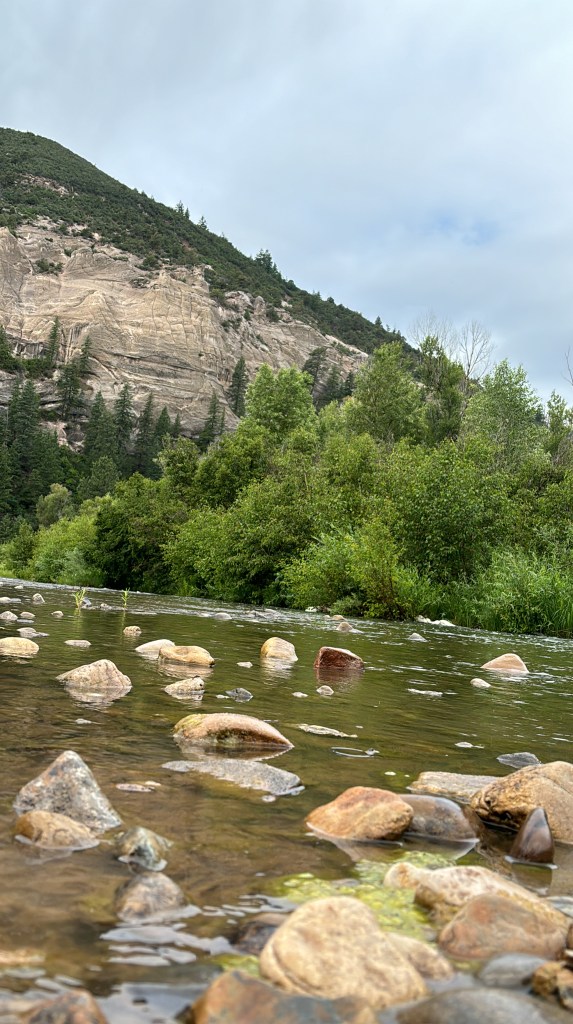
If the Animas River is a bold, rushing conversation, the Dolores River speaks in whispers. Tucked between the slopes and canyons of Southwest Colorado, this river winds through rugged terrain, shifting between dense forest, rocky cliffs, and sage-covered meadows. It’s a place of stillness, where every bend feels like it belongs to you—and the browns that live here feel like a gift you earn, not a prize you chase.
The Approach: Getting to the River
The upper Dolores is more remote than it looks on the map. Depending on where you go—above McPhee Reservoir or toward the West Fork—you’ll wind down forest service roads, sometimes dodging rockfall or puddles from last night’s rain. I pulled off just before sunrise at a bend that looked promising. No signs, no crowds, no footprints in the sand.
I geared up quickly: 9’ 4wt rod, Sage Spectrum C reel, floating line with a long 5x leader. I grabbed my K&F Concept camera pack, Canon R5, and my Sigma 24–70mm lens to start, knowing the early light would be soft and perfect for river compositions.
Quiet Water and the First Cast
The Dolores at this stretch was gentle—glasslike pools framed by golden willows, with the occasional riffle tumbling over polished rocks. I rigged a single dry: a #16 tan Elk Hair Caddis, and started casting upstream into the seams. The fish here weren’t picky, but they were spooky. Long leaders and slow movements were the name of the game.
The first brown came from under an overhang, perfectly camouflaged against the river bottom. I crouched low, played it gently, and then paused to shoot—kneeling at water level to capture its golden flanks against the mirror-like pool behind it.
Photographing Solitude
Photography here wasn’t about action—it was about silence. I slowed down and started looking for compositions that told a story: a pool framed by sunlit pine branches, reflections of clouds in still water, the gentle curve of the river disappearing into cottonwood shade.
Using a circular polarizer, I cut glare from the surface and exposed the rocks and movement underneath. I stopped often to shoot macro shots—moss on river stones, fresh caddis cases on logs, wildflowers just beginning to bloom along the bank. The Canon R5 let me switch between stills and slow-motion video, capturing the way wind moved through the reeds like a painter’s brush.
Fly Selection and Brown Trout Behavior
As the sun climbed higher, the trout moved deeper. I switched to a dry-dropper setup: a #14 Stimulator on top with a #18 Zebra Midge below. The browns in the Dolores aren’t huge, but they’re aggressive and feisty, especially when your drift is clean and natural.
I targeted small plunge pools below boulder-strewn riffles and deeper pockets shaded by cliff overhangs. Most takes were subtle—a twitch or a swirl rather than a splash. The largest of the day came from a tight seam below a fallen pine: a buttery brown with red spots vivid against olive flanks. I wet my hands, admired him in the net for a moment, then let him go.
Weather Watching and Midday Reset
As with most Colorado rivers, the Dolores plays by mountain rules—sunny one minute, storm clouds the next. By noon, dark clouds were building behind the ridges. I took the cue to rest, retreating to a patch of grass above the river, checking radar, and reviewing my shots on my iPad Pro. I backed up files, edited a few images in Lightroom using preset adjustments for contrast and warmth, and ate lunch while a soft rain moved through.
Evening Glow and Last Light
By late afternoon, the rain cleared, and the golden hour was beginning. I hiked upstream a little farther to a stretch with higher canyon walls and a series of gentle cascades. The light lit up the canyon like fire—red rocks glowing, the water catching flecks of sun, and the air thick with golden reflections.
This was my favorite photography session of the trip—shooting handheld with my 70–200mm lens, I caught reflections of cottonwoods in the river, crisp landscapes framed with long shadows, and one last brown trout rising in the golden light.
Why the Dolores Stays With You
Some rivers give you a lot right away. The Dolores gives slowly. It rewards patience, attentiveness, and a photographer’s eye. You may not land a dozen fish, but each one feels earned. And the scenes—the ones you only find by walking, waiting, and watching—make it unforgettable.
Fly Fishing Dolores River Essentials
• Best Flies: Elk Hair Caddis, Parachute Adams, Zebra Midges, Stimulators, Streamers in fast water
• Rod Setup: 4wt or 5wt rod, long leaders, floating line
• Tips: Stay low, fish slow, take your time to photograph the river between casts
• Safety Note: Watch afternoon storms; bring a small first-aid kit and map (no service in remote stretches) Insure you have downloaded all your offline maps
The Dolores River isn’t about action—it’s about appreciation. It asks you to slow down, to watch the way light plays on water, and to cast not just for fish, but for the memory of that perfect, quiet moment in the canyon.
Next Up: Part 6 — Full Circle: Reflections, Routines, and What the Backcountry Teaches Us
Some rivers don’t give up their secrets easily. The Pine River, also known as Los Pinos, is one of them. Tucked deep in the Weminuche Wilderness of Southwest Colorado, it requires effort, patience, and a willingness to hike into solitude. But if you’re after wild trout in clear mountain water—and the kind of light that makes your photos glow—there are few places more rewarding.
The Trailhead to Solitude
The journey starts at the Pine River Trailhead near Vallecito Reservoir. It’s a dusty parking lot, a worn wooden sign, and a reminder that you’re on the edge of something vast—the largest wilderness area in Colorado.
The trail runs along private land for the first few miles, so fishing and camping are off limits early on. But once you cross into the national forest boundary, the river opens up, wild and remote. The elevation gain is steady but forgiving, and the views just keep getting better. Towering peaks peek through pines, and wildflowers bloom along the trail like a postcard from July.
With my Canon R5, K&F Concept backpack, and 5wt rod, I hit the trail just after sunrise. The air was crisp, golden light filtered through the lodgepoles, and the river sparkled below.
Early Light and River Mist
I stopped just past the wilderness boundary where the river flattened into a lazy bend. The mist rose off the water like breath, and I dropped my pack to capture the moment. Using my 70–200mm lens, I focused on the layers—backlit pine branches, the soft swirl of fog, and the glint of sun hitting the waterline.
For long exposures, I mounted my tripod, dialed in a low ISO, and let the shutter run. These are the kinds of images I live for—where the emotion of the place shines through the frame.
Setting Up the Rig
The Pine River demands versatility. I rigged up a dry-dropper setup: a #14 Parachute Adams up top and a #16 Hare’s Ear Nymph trailing below. These fish are educated and spooky, especially in slow pools. I used long, fine tippet and cast from behind boulders, keeping my shadow off the water.
The first fish came from a seam near a fallen log—a small but healthy brown. I paused to photograph the catch, using my hand and net for scale, carefully positioning the fish with the sun behind me to avoid harsh glare. A few quick shots, then back in the water.
Fishing and Shooting in Rhythm
Backcountry fly fishing is about finding rhythm—between casts, between hikes, between light and shadow. I alternated between fishing pocket water and photographing the surroundings. A high ridge caught my eye, so I swapped out lenses and shot wide to capture the dramatic sweep of the river carving its way through the forested canyon.
I kept my camera settings flexible, using aperture priority mode to adapt quickly between moving trout and landscape shots. My K&F Concept backpack made transitions easy, with side access panels for grabbing a lens mid-hike or stashing a fly box fast.
Wild Trout and Wild Moments
The further I hiked, the wilder the water became. Cutthroat started showing up—small, brilliantly colored, and lightning quick. I switched flies to a #12 Yellow Humpy with a CDC midge dropper, and it paid off. Several fish rose in tight, riffled corners that required tricky casts and precise drifts.
I kneeled in cold, mossy shallows, capturing tight macro shots of wildflowers along the riverbanks—bluebells, Indian paintbrush, and buttercups reflected in the water’s surface. These images tell just as much of the story as the fish themselves.
Storms and Staying Safe
Mid-afternoon, the familiar rumble of thunder rolled through the canyon. I packed up fast, knowing that weather in the high country turns fast. The trail turned slick, and I was glad I had lightweight rain gear and a waterproof pack.
Back at camp, I dried off and reviewed photos on my iPad Pro, backed up my files, and journaled the day. A deep sense of satisfaction settled in—the kind you only get after chasing trout and light deep into the wilderness.
• Fishing Tip: Approach low, cast upstream, and let your dry fly lead the way
This stretch of the Pine River is what I chase—trout in untouched waters, scenes only your boots can reach, and photos you can’t take from the side of the road.
Up Next: Part 4 – Animas Mornings: Big Water and Bigger Scenes
There’s something about hiking into trout water that changes the whole rhythm of a trip. You leave behind the road noise, the cell signal, the crowded pull-offs—and start tuning into the sound of the wind through lodgepoles and the hush of a river just over the next rise. That’s what drew me to the La Plata River, tucked into a quiet stretch of high country in Southwest Colorado. Part fishing trip, part photo expedition—this was a day I won’t forget.
Starting the Hike: Pines, Shade, and Altitude
The La Plata River trailhead isn’t flashy. It starts modestly with a dirt pull-off and quickly dips into shady pine groves. The trail follows the contour of the valley with occasional glimpses of the river down below. What makes this hike special isn’t just the destination, but the quiet, ever-changing terrain: groves of aspen, mossy boulders, and alpine meadows dotted with summer wildflowers.
With my K&F Concept camera backpack strapped tight and a 4wt fly rod rigged up and ready to go, I eased into a slow pace, letting my eyes adjust to the light and scanning the trail for photo moments—a glint of water through the trees, a mule deer in the brush, shafts of light through pine needles.
Wildflowers and Wildlife: Photography on the Move
Early summer in this part of Colorado is a photographer’s dream. Bright orange Indian paintbrush, purple columbines, and patches of lupine lit up the trail edges. I switched to my 24–70mm lens, using a low angle to capture the pop of color against the green pines.
Light is everything here. I used a circular polarizer to punch up the color and reduce glare when shooting near water. My Canon R5 handled the dynamic light shifts like a champ—especially when a young mule deer stepped out into a clearing, perfectly backlit, right as I crested a ridge.
First Glimpse of the River
About two miles in, I heard it before I saw it. The La Plata winds through tight canyons and then flattens into glassy, slow runs bordered by grassy banks. I dropped my pack, switched into my wading shoes, and tied on a #14 Yellow Stimulator with a Beadhead Pheasant Tail dropper.
The water was crystal clear—trout country through and through.
Stealth and Strategy: Small Water Fly Fishing
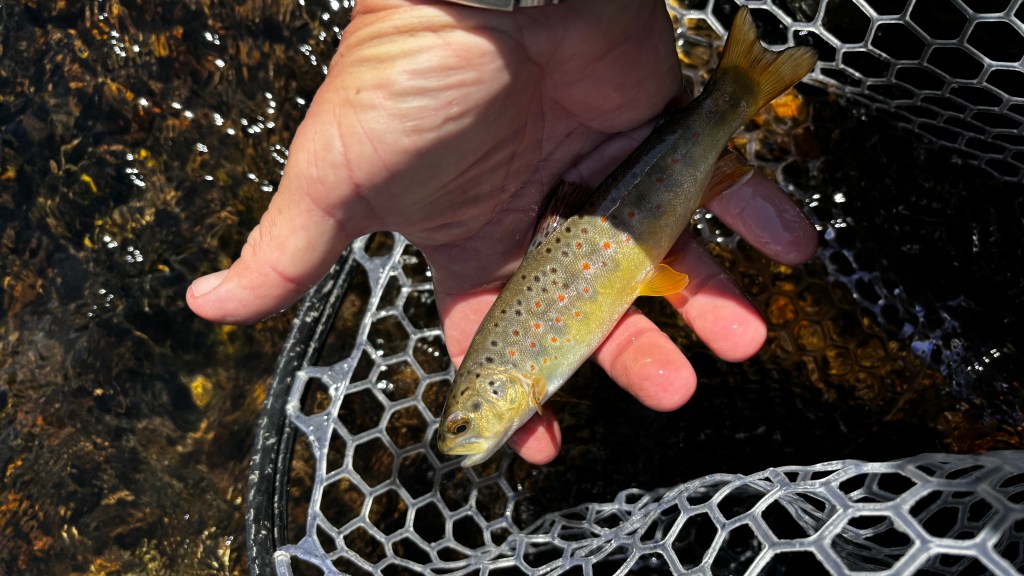
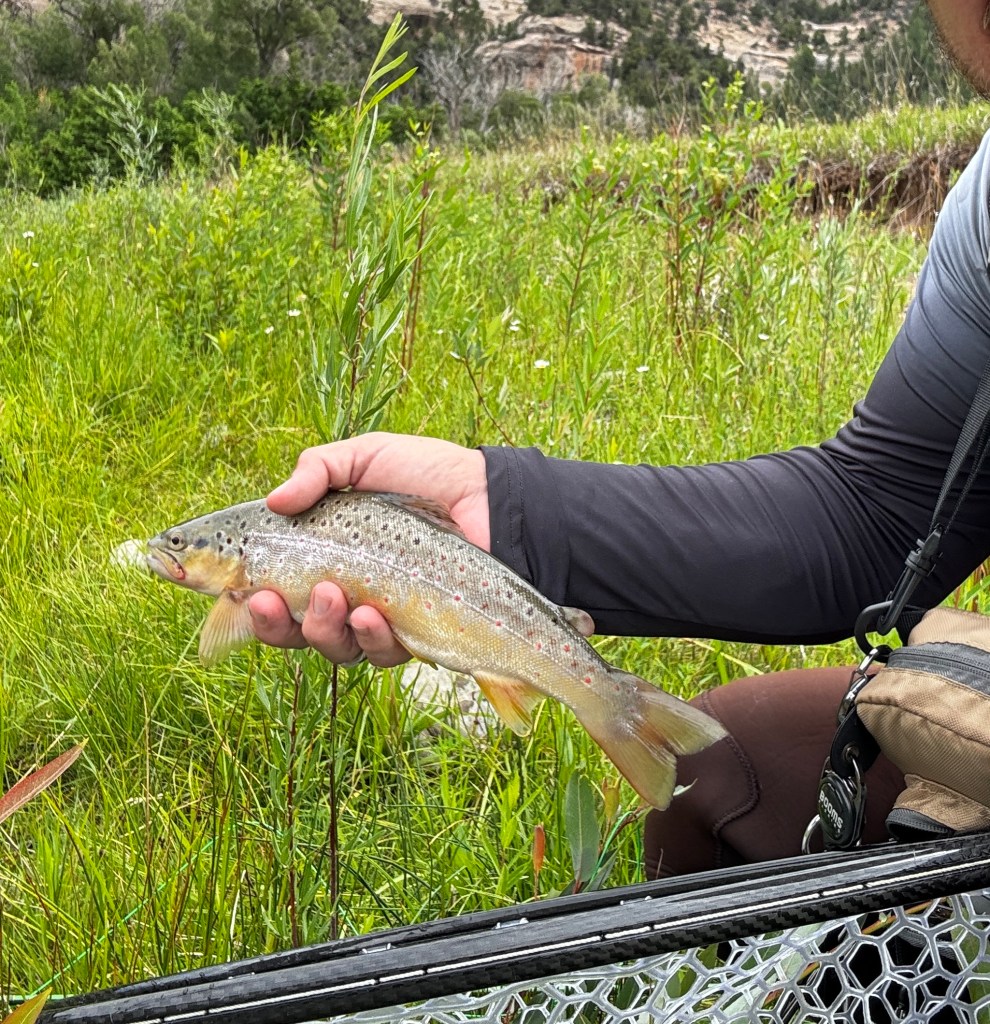
Fishing the La Plata is a finesse game. These are wild fish, likely never hooked, and they spook at shadows. I crouched low, casting upstream into shady runs and behind midstream boulders. Several small browns darted for the fly but refused last second. On a good drift, the dropper disappeared and I brought in my first fish of the trip—a buttery brown trout with fire-orange spots. I paused for a quick photo with the fish hovering just above the net, backlit by the sun.
I love these moments—the stillness, the soft light, the ripple of success after a quiet approach. The fish here aren’t big, but they’re beautiful and strong.
The Midday Light Shift
By midday, the lighting got harsh—tougher for photos, but perfect for exploring. I shot reflections along a wide bend of the river, switching to a 70–200mm lens to compress layers of pine ridges and storm clouds moving in.
Back at a mossy boulder overlooking a slow pool, I set up my tripod for a long exposure of the water sliding through rocks. These are the frames I love—where fly fishing meets fine art photography.
Safety First in the Backcountry
Clouds started to build, as they often do in Colorado’s high country. I kept my eye on the sky, wrapping up fishing and heading back toward the trailhead before the afternoon storms rolled in. That’s one lesson I’ve learned: no fish is worth getting caught in a lightning storm above 9,000 feet.
On the hike out, I paused one last time to shoot the fading light over the valley, grateful for a day that felt more like a retreat than a mission.
Tips for Fishing & Photographing the La Plata River
• Start early: For soft light and calm water, hit the trail before sunrise.
• Use a dry-dropper rig: Small dries like Stimulators or Elk Hair Caddis paired with beadhead nymphs are deadly.
• Pack light, but smart: The K&F backpack let me carry camera gear, fly gear, food, and a rain shell without overload.
• Bring a polarizer: It transforms mid-day shots and makes colors pop.
• Shoot with purpose: Capture the fish, but also the landscape, light, and journey—it tells the full story.
This hike into the La Plata River reminded me why I chase these moments—where the line between fishing and photography disappears. The sound of moving water, a trout rising to a dry, and the snap of the shutter are all part of the same rhythm.
Up Next: Part 3 — Chasing Trout and Light on the Pine River Trail
Planning a backcountry fly fishing and photography trip is a lot like tying the perfect fly—you’ve got to think ahead, match conditions, and be ready to adapt. In this first part of my Colorado series, I want to share how I planned my multi-river adventure into the high country, blending two of my favorite things: fly fishing for wild trout and capturing the wild beauty of the mountains through a camera lens.
This trip took me deep into Southwest Colorado, targeting remote stretches of the La Plata River, Pine River, Dolores, Animas, and Florida River. Each river offered its own challenges, scenic backdrops, and trout behaviors—making the planning stage even more important.
Mapping the Adventure
I started with tools like Google Earth, Gaia GPS, and the TroutRoutes app to scout access points, trailheads, and water that looked fishy from above. Topo maps helped me estimate mileage and elevation gain for hikes, and I cross-checked each section with known public lands or wilderness boundaries.
The Pine River Trail and the La Plata River hikes stood out for their mix of beauty, remoteness, and good trout habitat. I marked down potential campsites along the trail and noted river crossings or sections that might become hazardous with runoff.
Timing the Trip
Late summer (late July through early September) is prime time for Colorado backcountry fly fishing. Snowmelt has usually slowed, making rivers more accessible, while hatches are still consistent. Wildflowers peak during this window, and the weather (though unpredictable) is often stable enough for longer treks.
I kept a close eye on weather reports, snowpack data, and monsoon activity, especially since lightning and flash floods are real dangers in the high country. I packed accordingly—with quick-dry layers, a solid rain jacket, and a waterproof K&F Concept camera backpack to keep my gear safe.
Fly Fishing Gear Considerations
I packed a 9’ 5wt rod for open water and a 7.5’ 4wt for tighter streams. I went with my trusty Sage Spectrum C reel and a variety of floating lines, knowing I’d fish mostly dries and light droppers. My fly box included a carefully curated selection:
• Parachute Adams (#14–18)
• Elk Hair Caddis (#14)
• Yellow Stimulators (#12–14)
• Beadhead Pheasant Tails (#16)
• CDC Midges (#20)
• Black Woolly Buggers (#8)
• Hoppers and flying ants (for summer action)
This wasn’t just a fishing trip—I had to think like a backpacker and a photographer, which made my packing even more dialed in.
Photography Planning
When it comes to fly fishing photography, weight and protection are huge. I brought my Canon R5, a 24–70mm f/2.8 lens for landscapes and action, and a 70–200mm f/2.8 for compression shots and wildlife. My K&F Concept carbon tripod gave me a lightweight but stable base for long exposures and evening light.
I also packed:
• Circular polarizer to reduce water glare
• ND filter for waterfalls and river movement
• Lens cloths, extra batteries, and SD cards
• Lightroom Mobile on my iPad Pro for quick edits in camp
When planning photography in the backcountry, it helps to scout shot locations beforehand using satellite images or even previous trip photos. I created a loose shot list: mist rising over pools, trout in hand with glowing light, macro shots of wildflowers, and long exposures of rivers at sunset.
Safety & Self-Sufficiency
One of the most critical parts of a backcountry fishing trip is safety. I carried a Garmin inReach Mini for emergencies and communication, plus a first-aid kit, headlamp, multitool, and bear spray (just in case). I let family know my plan, printed a trail map, and downloaded offline GPS maps.
Keeping camera gear dry was also a safety issue—because nothing ruins a trip faster than soaking your camera in a surprise storm or river dunk. The K&F camera backpack’s waterproof bottom and removable insert gave me peace of mind, even while wading or crossing creeks.
Building Flexibility Into the Plan
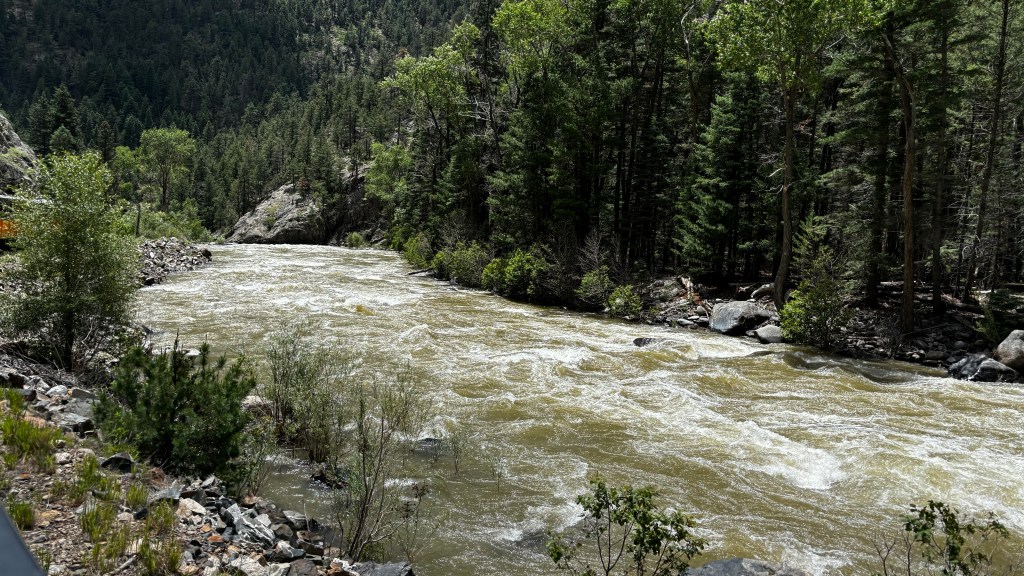
No matter how dialed in your route is, backcountry travel in Colorado demands flexibility. Storms can shut down trails. Rivers can blow out overnight. You can get to a perfect pool and find it unfishable due to runoff or debris.
So I planned several alternate camps and marked backup spots with easier access. I also packed extra food in case a day ran long, and my fly box had both attractors and match-the-hatch options.
Final Thoughts Before Hitting the Trail
Planning is half the fun of a trip like this—imagining where the fish might be, where the light will hit the canyon walls, and how to tell the story when it’s all over. I hope this series helps inspire your own adventures, and if you’re dreaming about chasing wild trout in wild places, stay tuned. Part 2 takes us into the forest along the La Plata River, where the trail narrows, the river gets clear, and every cast counts.
Up Next:Part 2 – Into the Pines: Hiking to the La Plata River with a Fly Rod and a Camera
Every fishing trip I take starts with a map, a cup of coffee, and a little imagination. Whether I’m launching my kayak into the quiet marshes of Galveston Bay or loading up my fly rod for a week chasing trout in the mountains of southwest Colorado, I treat every trip like its own adventure.
Over time, I’ve built a system that helps me find the right water, prepare for changing conditions, and capture moments along the way through fishing photography. It’s a mix of digital scouting, tide and river flow research, fly fishing strategy, and a lot of intuition.
Here’s how I plan my trips—from coastal redfish missions to high-country fly fishing—along with the tools, tactics, and gear that help me get the most out of every cast.
Step One: Finding the Right Water
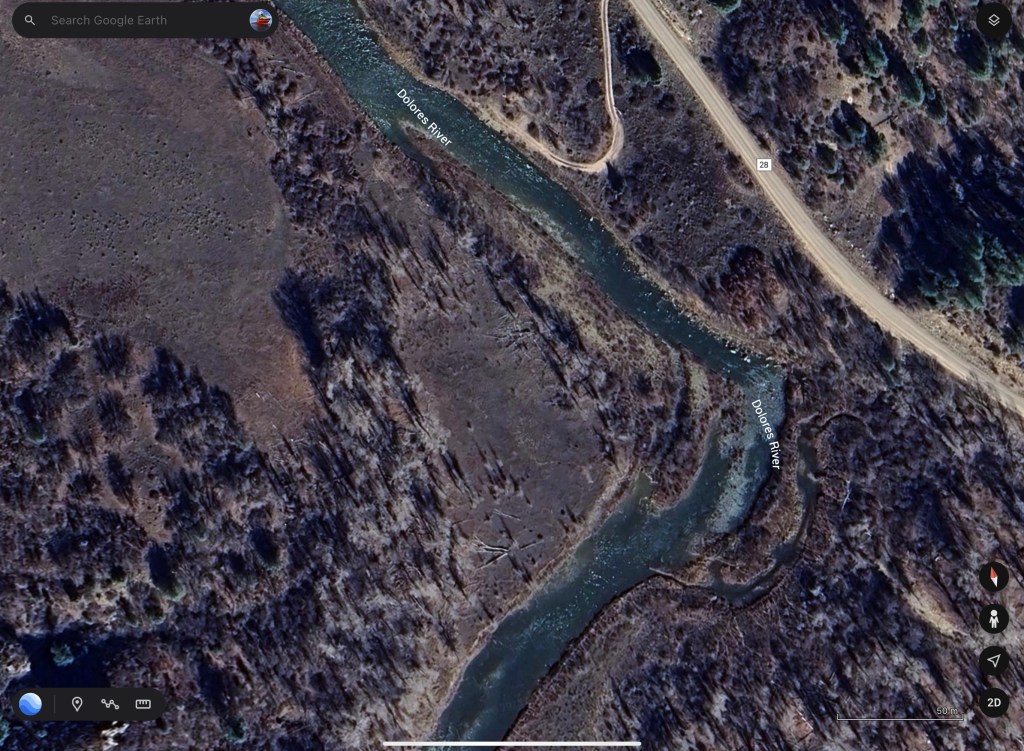
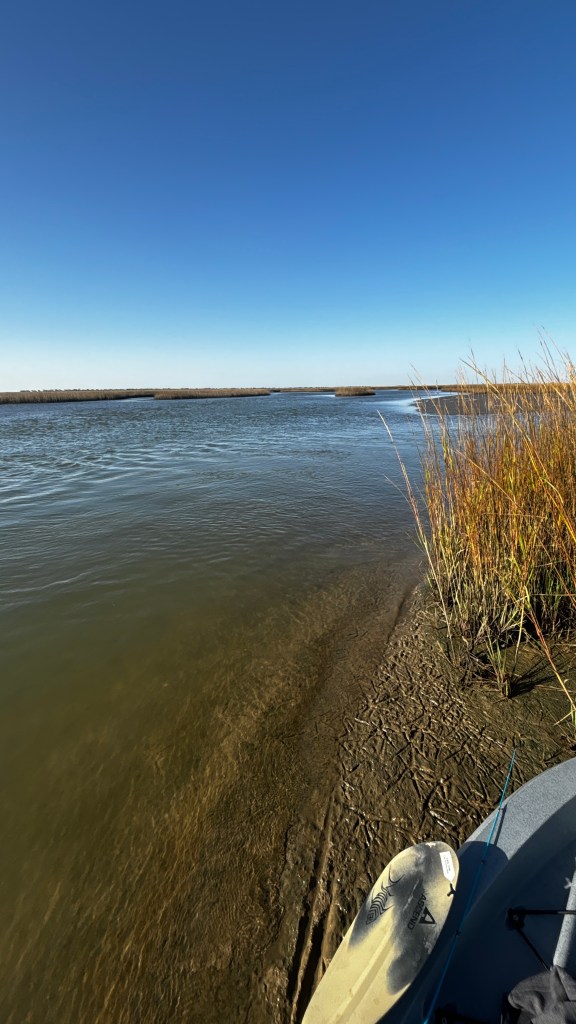
When I’m planning a coastal trip around Galveston, I start with Google Earth fishing maps. I zoom in on marsh drains, shell reefs, and grass flats, marking potential ambush points where redfish and speckled trout might be waiting for bait to push through with the tide.
For trout fishing trips, I turn to the TroutRoutes app, especially when heading into places like the Dolores River, Pine River, Animas River, or Florida River in Colorado. TroutRoutes shows me public access points, fly fishing regulations, and real-time stream flows—all in one spot. It’s hands-down one of my favorite apps for planning fly fishing trips in Colorado.
Screenshot trout fishing map of Dolores River using TroutRoutes
Screenshot trout fishing map of Dolores River using Google Earth
I also pull up local fly shop reports and check in with forums and social groups. A few minutes of reading recent trip reports can save me hours on the water later.
Timing is Everything: Tides, River Flows & Weather
Fishing success is all about timing and conditions.
On the coast, I build my trips around tide charts, solunar tables, and wind forecasts. I want to be on the water as the tide’s moving—either pulling bait into the marsh or draining it out through cuts and creeks. That moving water gets everything active, especially when paired with stable pressure and clean water.
For my Colorado trips, I pay close attention to USGS stream gauges. If flows are too high from runoff or summer storms, I might switch to a smaller tributary or hit a tailwater like the lower Dolores. Watching water temperature is equally important—trout get lethargic in warmer water, especially in late summer.
“Success often comes down to 15 minutes of movement—when the tide shifts or the hatch explodes.”
My Fishing Strategies: Flats to Freestones
Inshore Fishing: Texas Marsh Tactics
When I’m chasing redfish on the flats, I’m looking for signs of life—nervous bait, shrimp jumping, birds diving, or the golden back of a redfish pushing through grass. I love fishing with paddle tails, especially the JVS Custom Baits Rip Rap in Copper Penny or a 3.5” Speed Shrimp when fish are keyed in on crustaceans.
If I’m fly fishing in the marsh, I keep it simple: crab and shrimp patterns, long leaders, and a quiet approach. Sight casting to tailing reds never gets old.
Mountain Fly Fishing: Reading Water & Matching the Hatch
In Colorado, fishing rivers like the Pine or Animas means constantly adjusting to what the water gives me. One bend might call for dry flies in pocket water, the next might demand nymphs under an indicator in a deep, slow pool.
When the hatch is on—especially during a caddis or stonefly emergence—I’m in heaven. There’s something about watching a trout rise in fast water, especially when I’ve hiked in for miles with just a small pack and a fly box in my pocket.
Safety First: Especially in the Backcountry
Whether I’m kayaking a remote bay system or hiking into the upper Florida River, I take safety seriously.
• I carry offline maps and GPS, especially when I’m deep in the mountains or out of cell range in a bay system.
• I use a Personal Locator Beacon (PLB) for emergencies—peace of mind goes a long way.
• In mountain country, I pack layers for changing weather, a water filter, and bear spray when needed.
Knowing how to read the weather—and knowing when to pull the plug—has saved me more than once.
Capturing the Experience: Fishing Photography in the Field
Fishing is about more than just catching fish. For me, it’s also about the quiet moments between casts—the mist rising off a river at dawn, a redfish tail breaking the surface, or a trout slipping back into cold, clear water.
That’s where photography comes in. I bring my Canon R5, along with a few key lenses: a Canon L-series for landscape shots, and a Sigma for tighter portraits of fish and wildlife.
I use:
• A K&F Concept tripod for stability when shooting long exposures
• Polarizing filters to cut glare and bring out the detail in water shots
• A dry bag and padded camera insert to protect my gear in the kayak or backpack
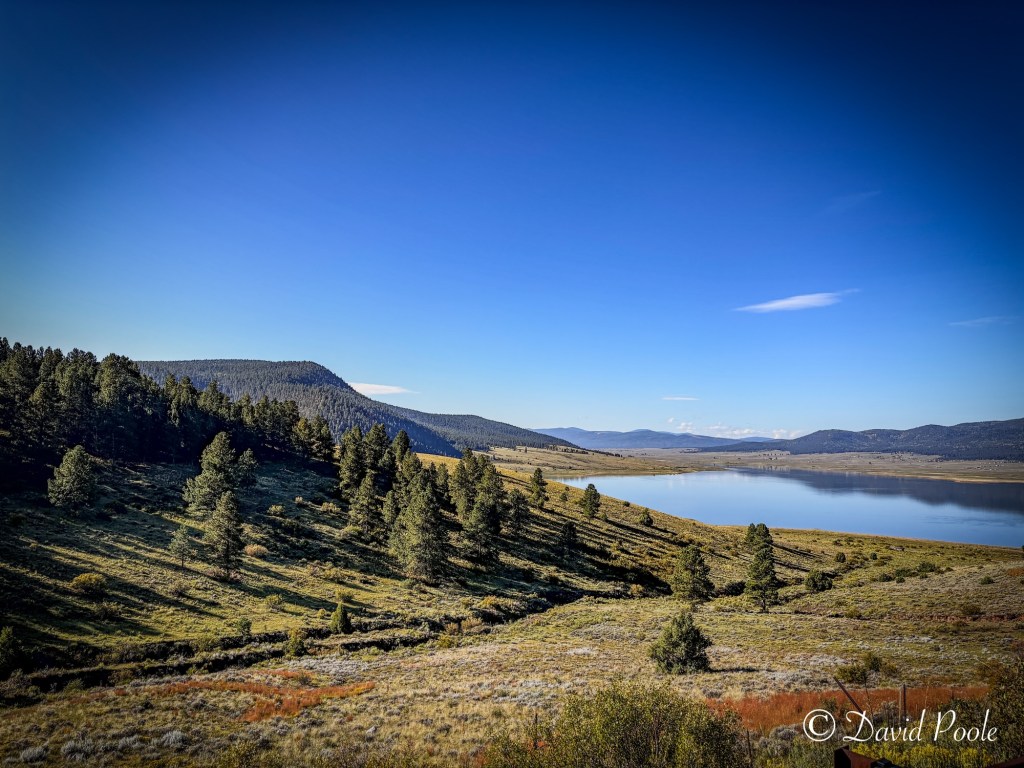
Some of my favorite moments are captured during the golden hour—sunset glowing off a canyon wall in the Animas, or first light over the saltgrass back home in Galveston.
Final Thoughts: Why I Plan Fishing Trips This Way
I fish for the thrill of the catch—but also for the quiet, the challenge, and the story. The time I spend planning my trips—researching tides, scouting rivers, organizing gear—is all part of the journey.
Fishing the Dolores River one day and stalking redfish on the Texas coast the next keeps me connected to the water in totally different ways. Both require patience, curiosity, and a little humility.
If you’re planning your own trip—whether it’s chasing tailing redfish or hiking into a hidden trout stream—take your time. Look at maps. Check the flows. Watch the weather. Bring a camera. And most importantly, enjoy the ride.