
Winter fly fishing for redfish in Galveston Bay is a game of patience, observation, and precision. As water temperatures drop, redfish don’t disappear — they simply tighten their patterns. Understanding how weather, tides, and bait movement work together in the winter is the key to consistent success on the fly.
Winter Weather & Redfish Feeding Behavior
Cold fronts dominate the Texas coast in winter, bringing strong north winds, falling tides, and rapid temperature changes. Redfish respond by sliding into shallow flats, mud bottoms, and protected shorelines where water warms faster during sunny afternoons. These fish become less willing to chase, but they still feed heavily when conditions line up.
The best days often come 24–48 hours after a front, when winds lay down and the sun has time to warm the shallows. Midday through late afternoon is prime time, especially on calm, bluebird days.
Tides: The Biggest Winter Trigger
Tides matter more in winter than any other season. In Galveston Bay, low winter tides concentrate fish, bait, and feeding lanes. I focus on:
• Drains and guts leading off shallow flats
• Mud-and-grass transitions
• Shorelines with dark bottom that absorb heat
Incoming tides following extreme lows are especially productive. Redfish move shallow to feed once water levels rise just enough to give them access, often tailing or slowly cruising.
Fly Selection: Winter Profiles & Colors
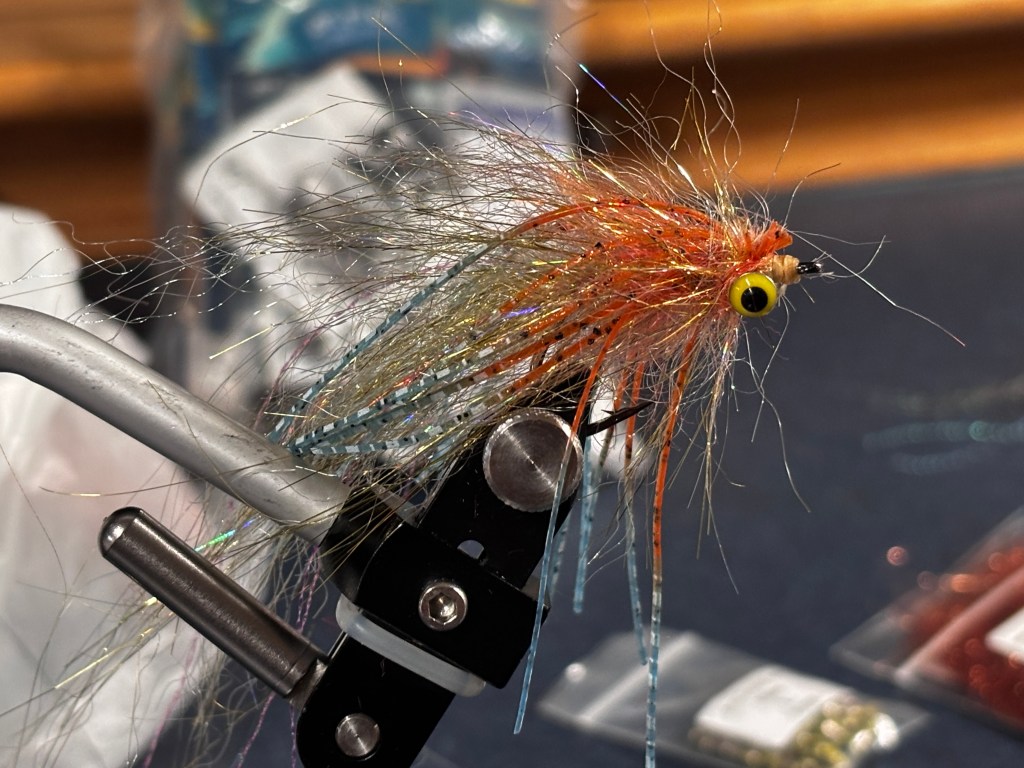
In winter, profile matters more than color, but color still plays a role in water clarity and light conditions. I stick with medium-sized flies that push water but don’t spook fish.
Go-to winter fly colors:
• Natural browns and copper tones
• Olive and tan for clear water
• White and gold on sunny days
• Dark flies (black, dark olive) in muddy water
Fly styles I rely on:
• Shrimp patterns with subtle movement
• Small crab patterns for slow presentations
• Baitfish-style flies that hover
Weight is critical. I fish flies heavy enough to get down quickly, but not so heavy they crash into the bottom and spook fish.
Kayak, Anchored, and Wading Tactics
From the kayak, I spend a lot of time slow drifting shorelines and staking out when I find fish. Winter reds don’t move far, so once you locate them, it pays to slow way down.
When anchored or wading, I focus on casting ahead of cruising fish rather than to them. Lead the fish, let the fly settle, then barely move it. Most winter eats happen on the pause.
Casting, Stripping, and Hook Sets
Accuracy beats distance in winter fly fishing. Short, controlled casts reduce splash and allow for better presentations. I keep my rod tip low and strips subtle.
Stripping techniques:
• Short, slow strips
• Long pauses between movement
• Occasional micro-twitch to trigger reaction
When a redfish eats, avoid the trout set. A firm strip set keeps the hook low and drives it home. Once the fish is tight, then raise the rod and let them run.
Final Thoughts
Winter redfish fly fishing in Galveston Bay rewards anglers who adapt to conditions and fish with intention. Pay attention to weather windows, fish the tides hard, slow your presentations, and match your fly profile to what the fish want — not what looks good in the box.
When everything lines up, winter can produce some of the most technical and rewarding redfish fly fishing of the year.
 Beyond the Cast