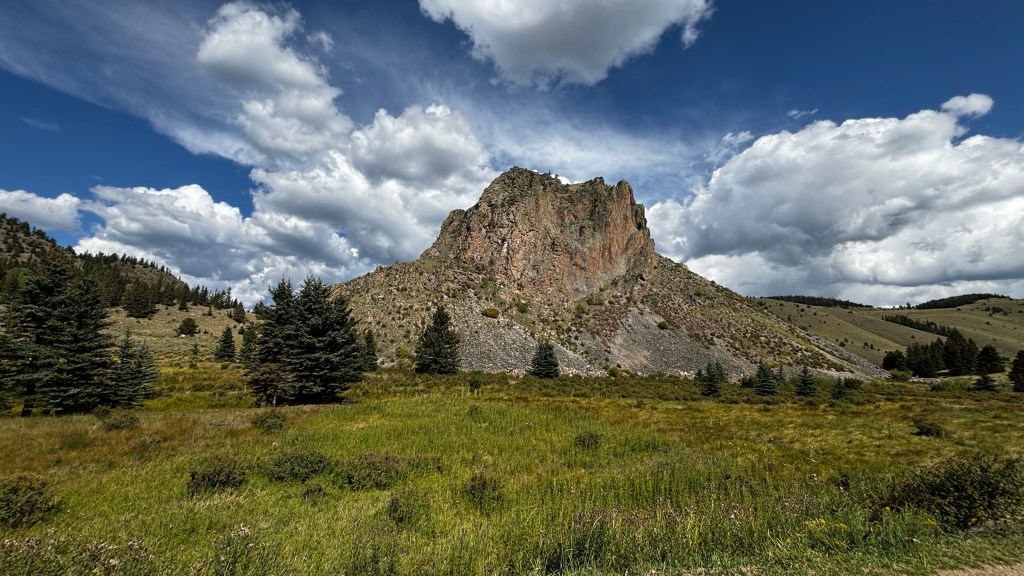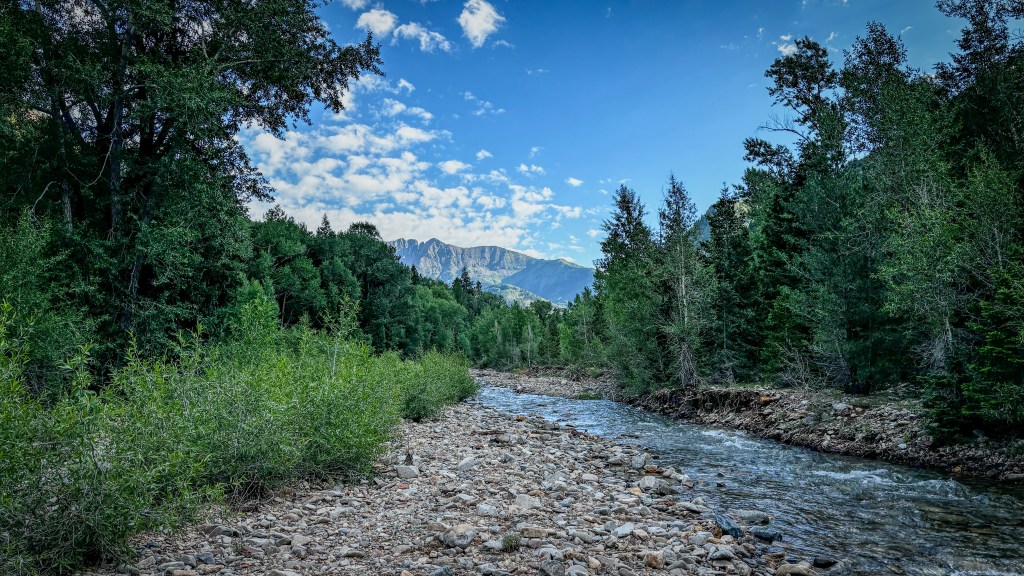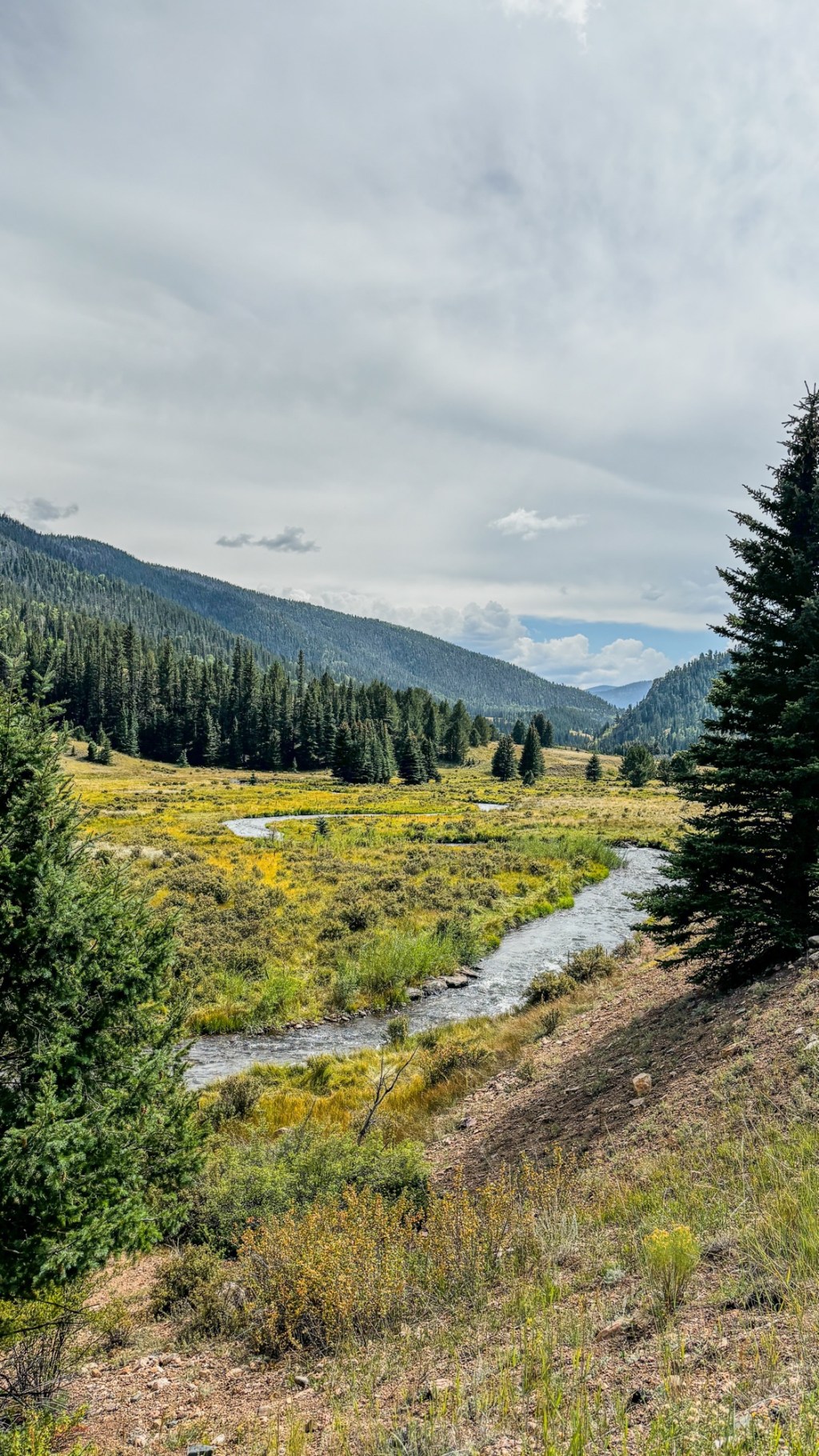
Tag: Photography

  • The Art of Solitude: Why I Chase Wild Places with a Fly Rod and a Camera

    The Art of Solitude: Why I Chase Wild Places with a Fly Rod and a Camera

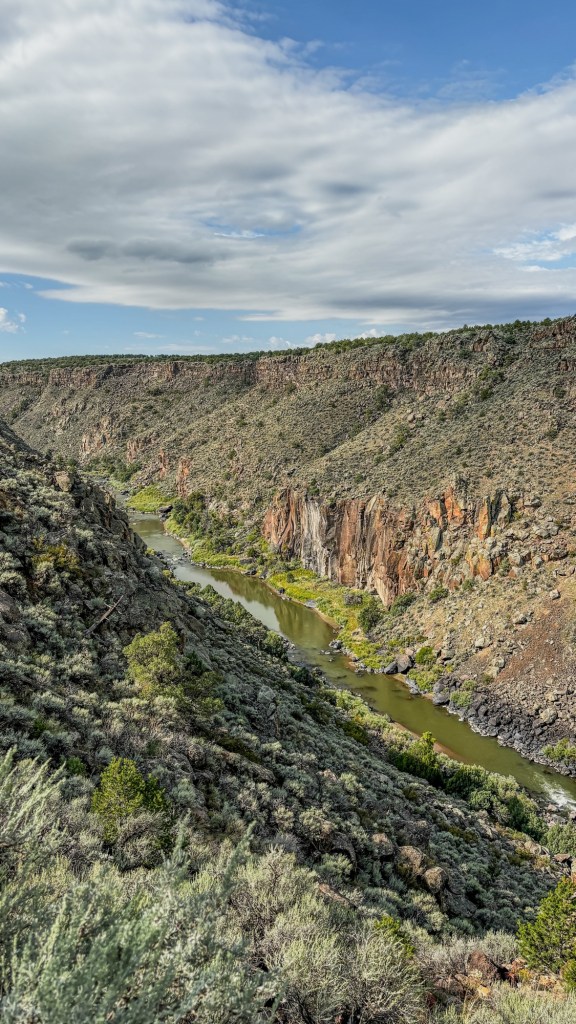
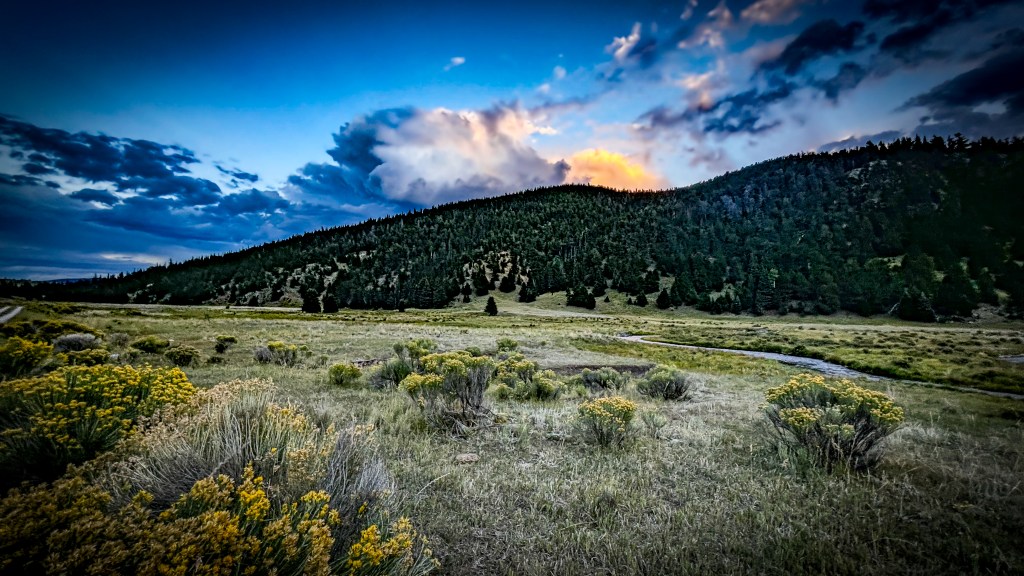
    “In the stillness of a riverbend or the hush of pine shadows on a mountain trail, I find something that feels closer to truth than anything I’ve found in the noise of daily life.”

    Introduction: Where Silence Begins

    There’s something sacred about the sound of your boots crunching on a trail before sunrise. When the only other noise is the rustling of leaves and the distant hum of water, that’s where solitude begins. It’s not about loneliness—it’s about space. Space to think. Space to breathe. Space to reconnect.

    For me, that space has always been filled with two things: a fly rod in one hand, and a camera slung over my shoulder.
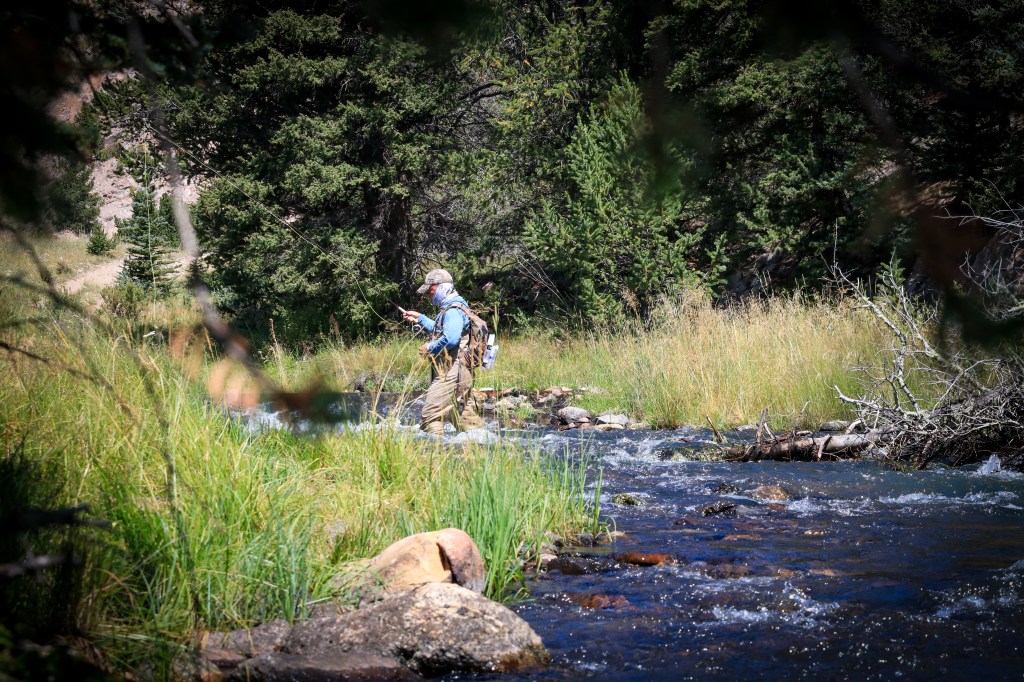
    The Pull of the Wild

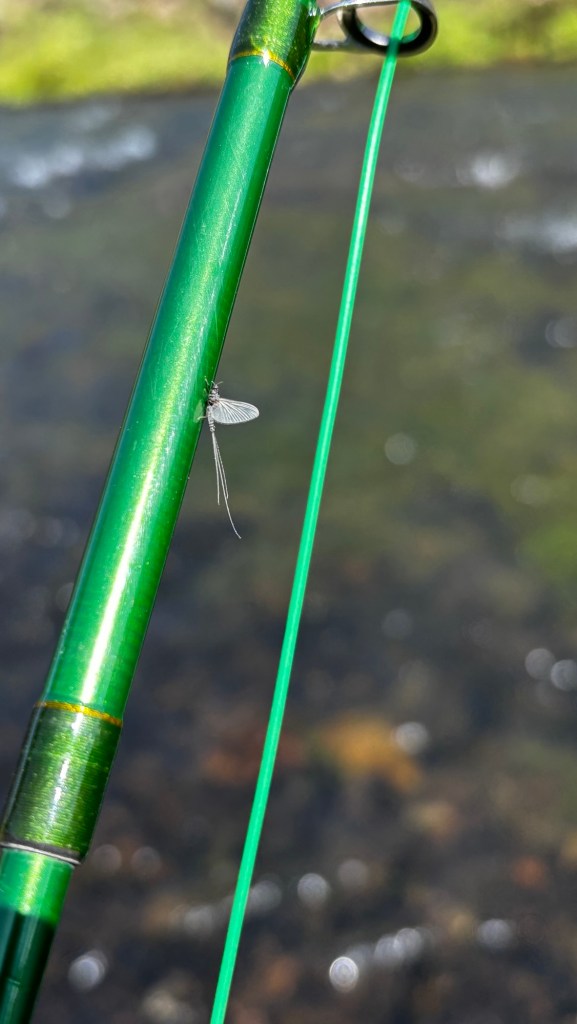
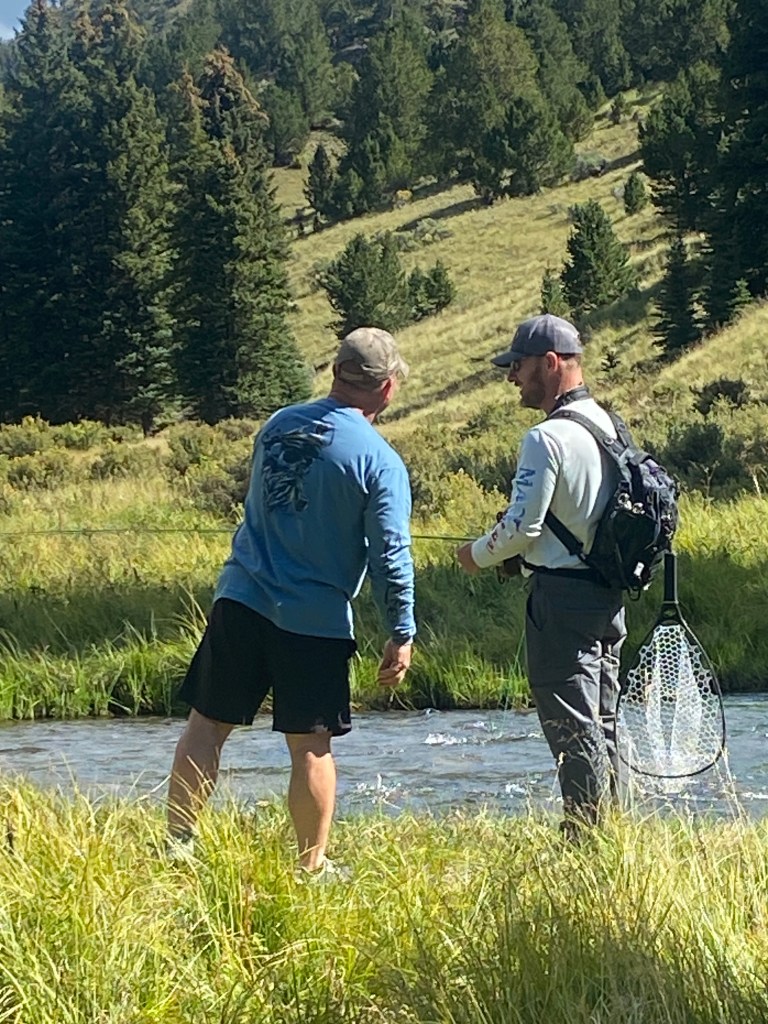
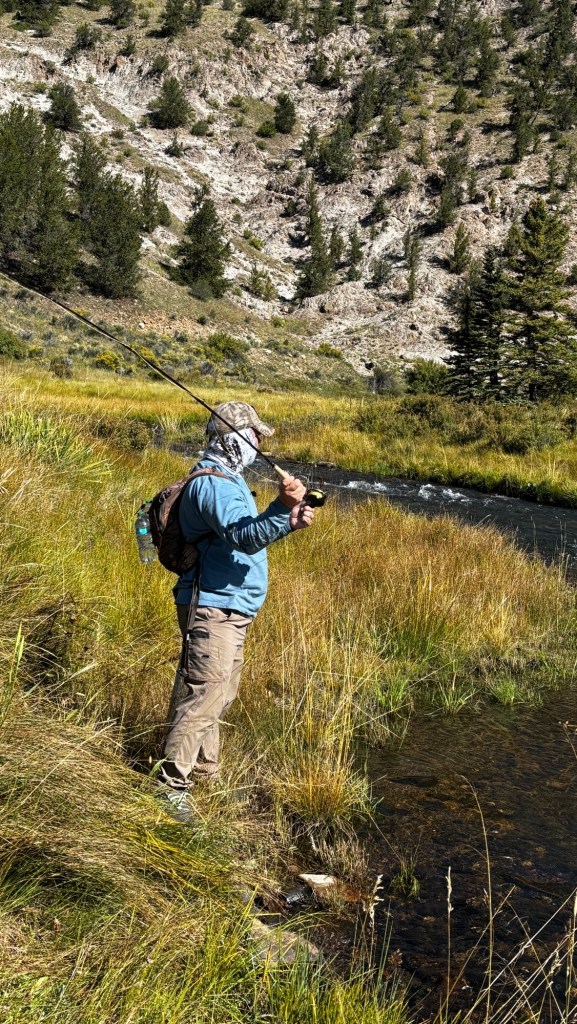
    Fishing isn’t just a sport—it’s a rhythm. It slows life down. The act of watching a mayfly drift, of reading currents and shadows, and feeling the tension in a line before a strike—it pulls you into the present like few things can.

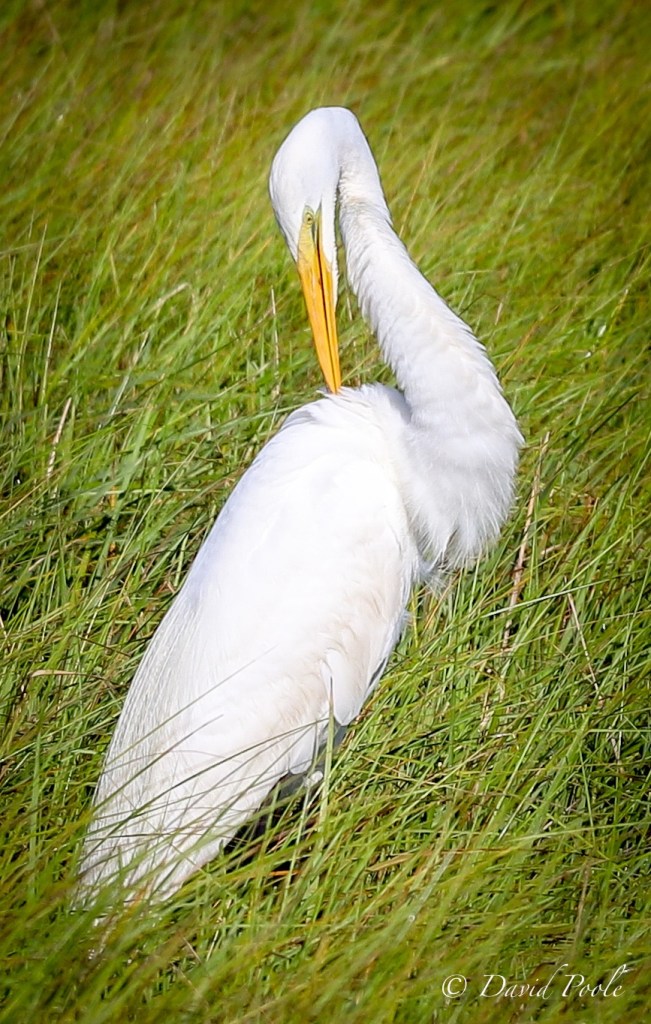
    Photography is the same. It demands patience. Observation. The willingness to wait for light to break just right through canyon walls or for the breeze to settle before clicking the shutter.
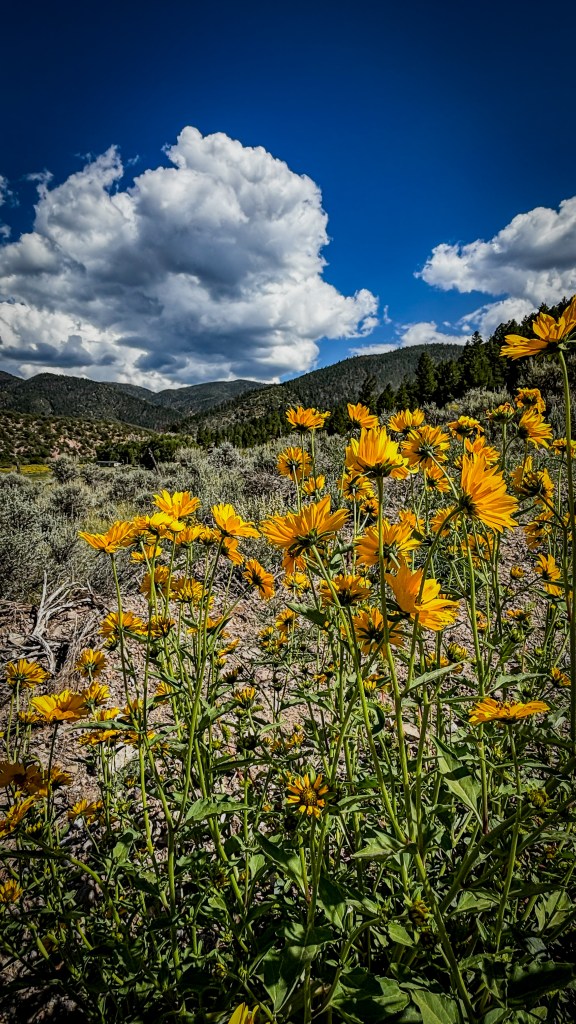
    In wild places, these two crafts merge. The fly rod casts for trout, the lens captures the light—and together, they etch a memory into your soul.

    Solitude Isn’t Escaping—It’s Returning

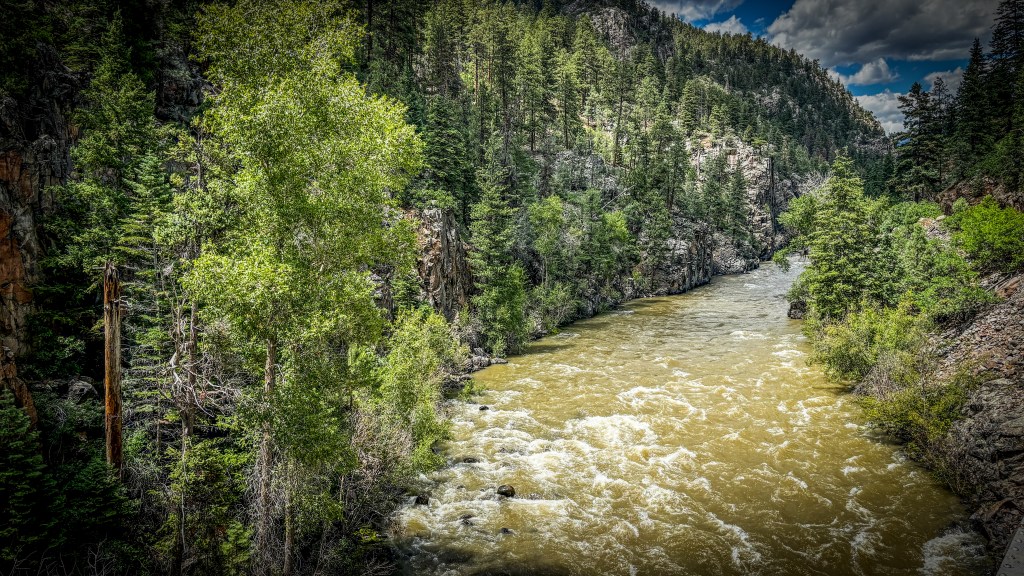
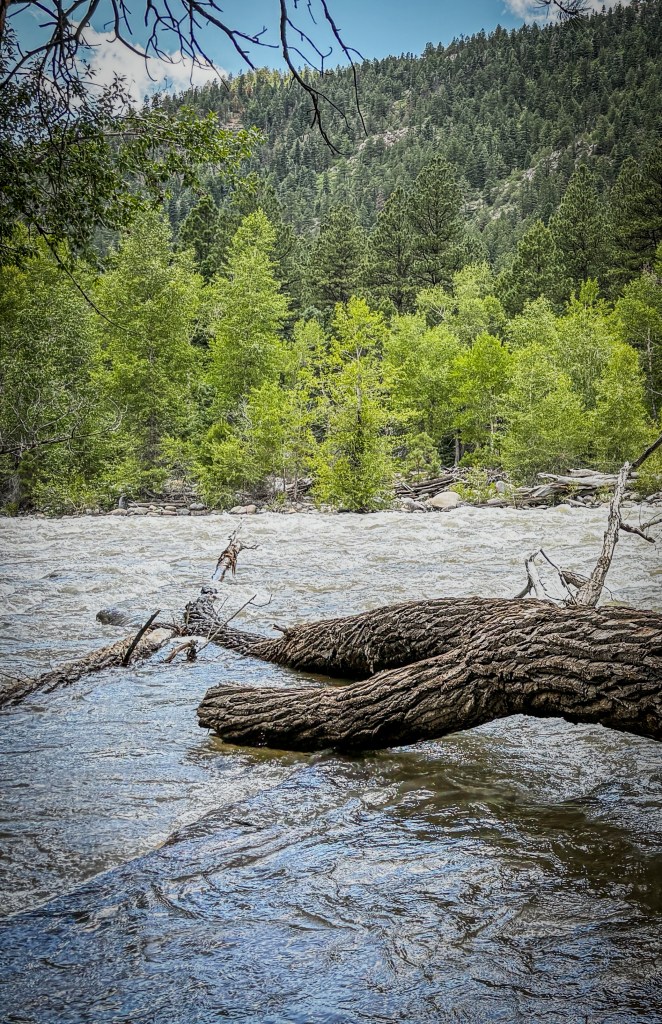
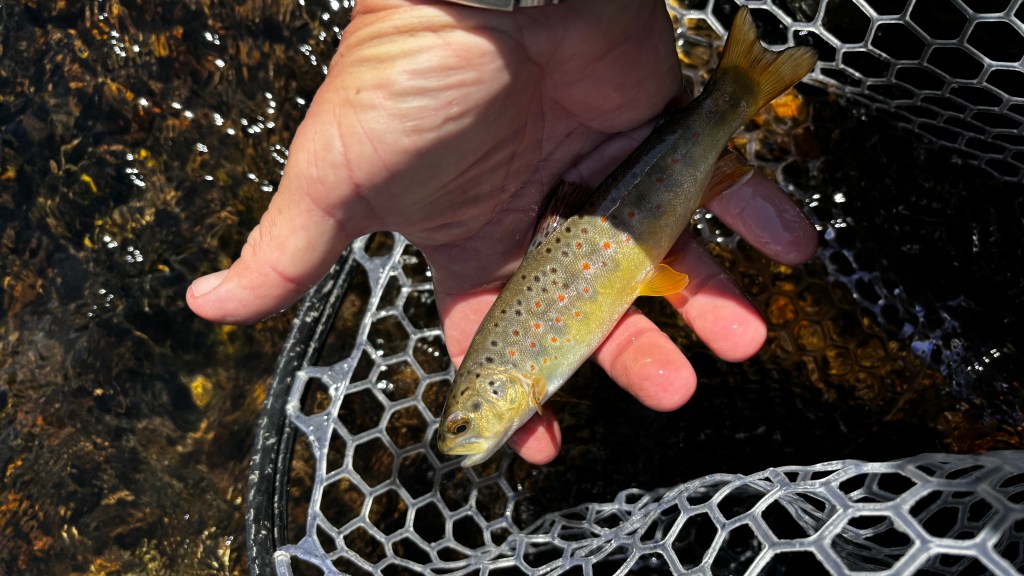
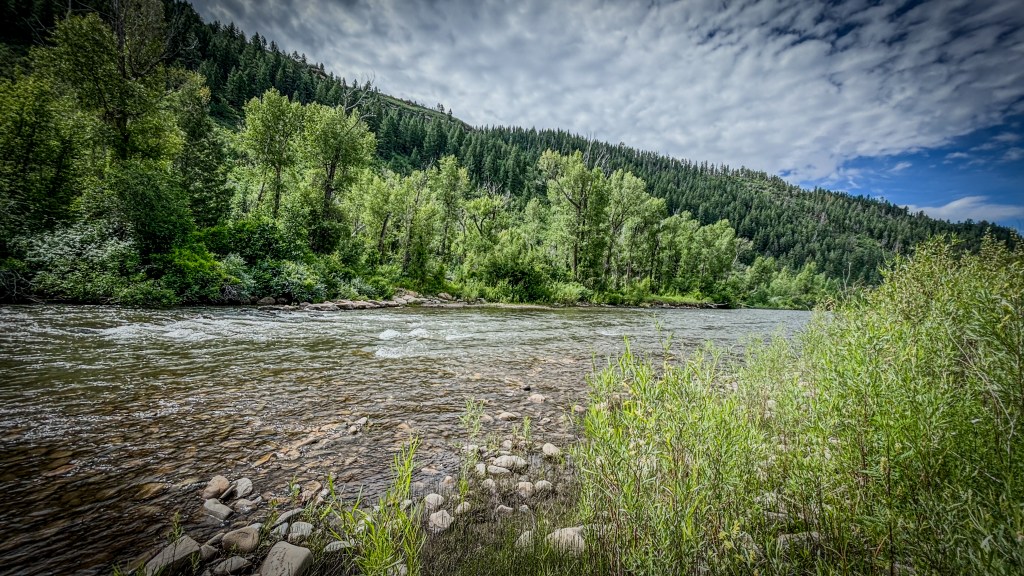
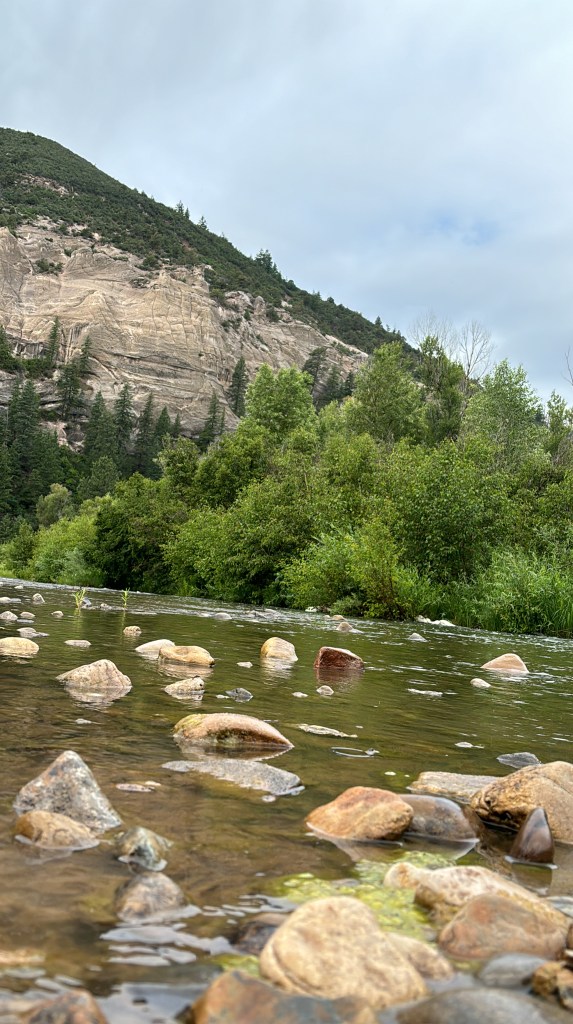
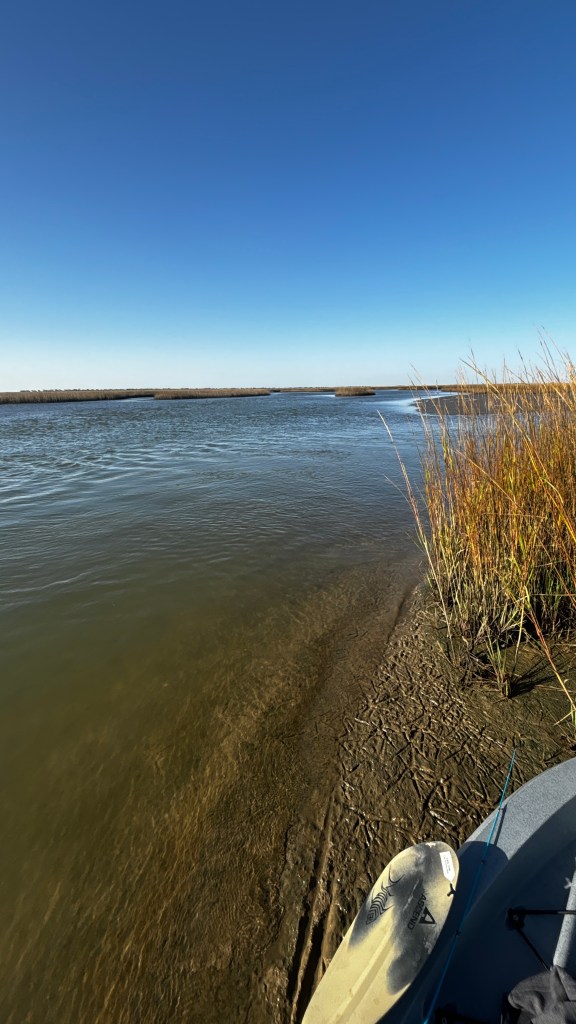
    People often think solitude is running from the world. But the truth is, it’s returning to what matters. Out there—along the banks of a freestone river or deep in a Texas marsh—you’re not bombarded by alerts, deadlines, or expectations. You’re just being.

    Fishing forces you to observe. To learn. To fail, and try again. The same goes for photography. It teaches you to see what you missed the first time. And in both, you learn that success is quiet. It’s not always the fish caught or the perfect photo. Sometimes it’s just that you were there.

    Why I Keep Coming Back

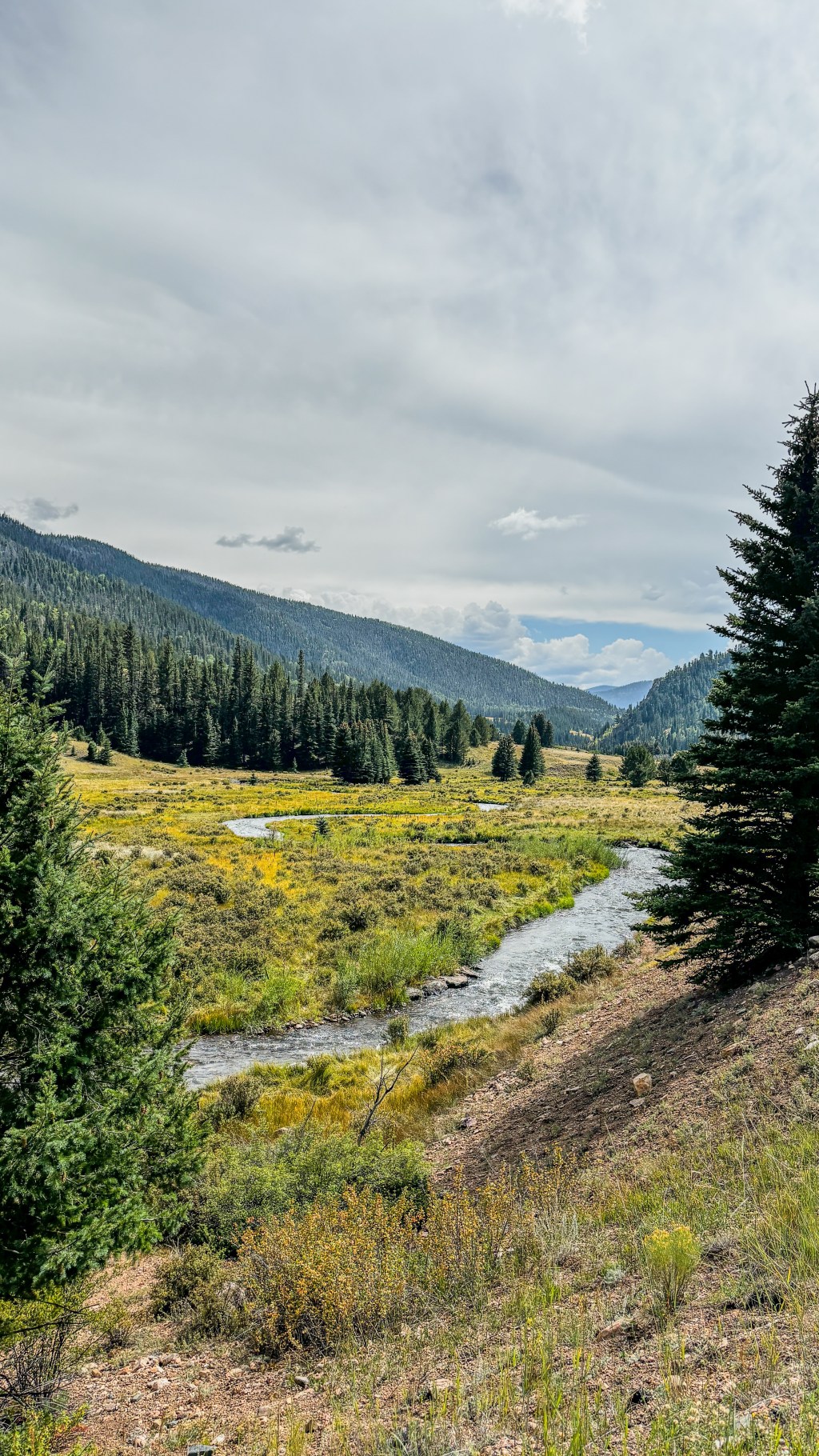
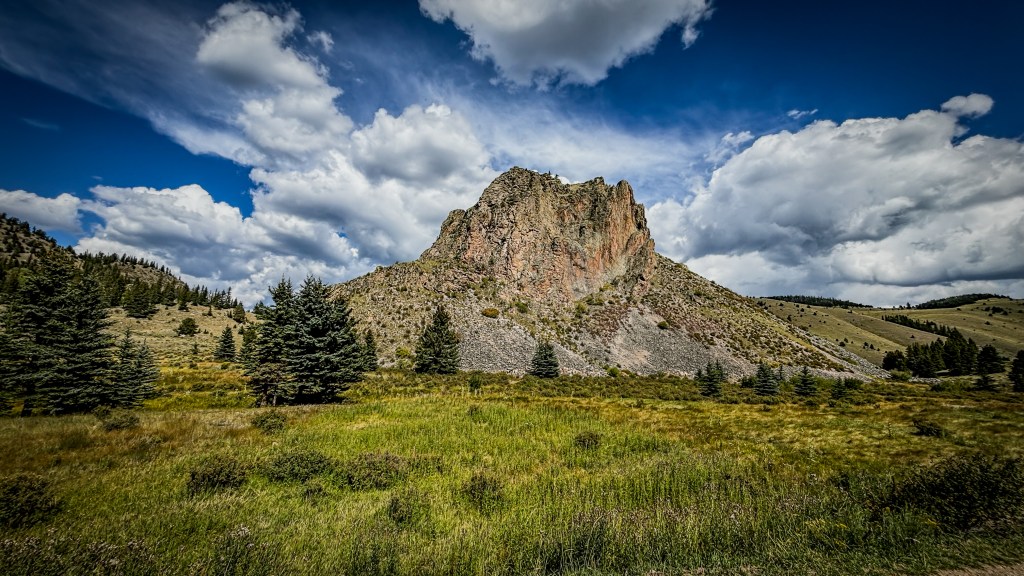
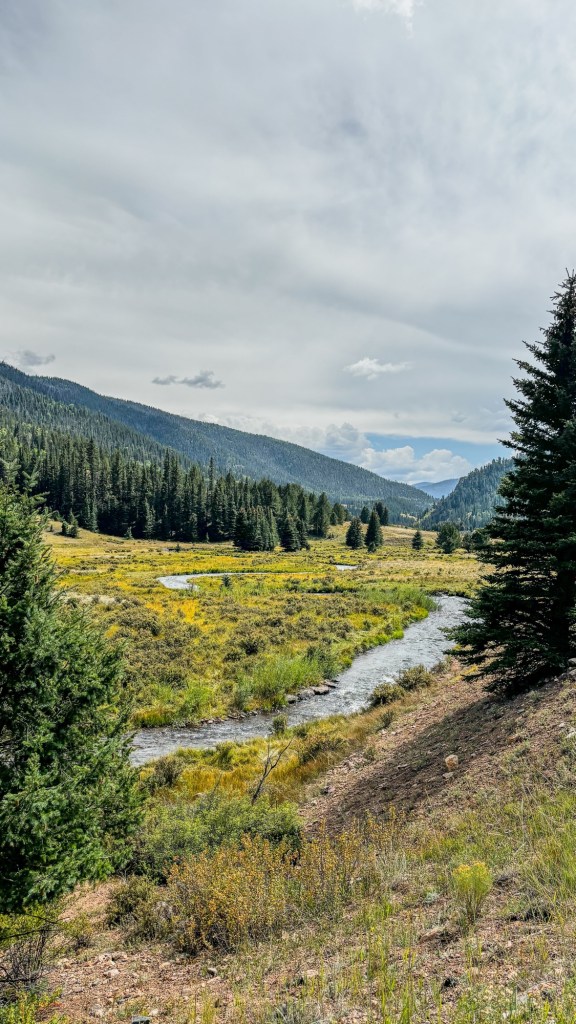
    I’ve fished from the saltgrass flats of Galveston to alpine streams in New Mexico, camera packed tight beside my reels. I’ve camped beside waters that sang me to sleep, and hiked miles before dawn to reach a pool that might hold a single rising trout.

    I do it for the adventure.

    I do it for the peace.

    But mostly—I do it to remember who I am when everything else is stripped away.

    The wild has a way of revealing truths. It’s where I go to reset, to listen, and to create. And every photo I take or fish I release is a thank-you note to the land that gave me the quiet I needed.

    What You Can Take With You

    If you’re someone who’s felt overwhelmed by the buzz of modern life, I’d encourage you to pick up a fly rod, a camera, or even just a journal—and go.

    Find a river. Hike a trail. Camp in the backcountry. Wake before the sun. Cast badly. Take blurry shots. But stay out there long enough to feel the noise fade.

    Because once you do—you’ll understand this:

    Solitude isn’t empty. It’s full of the things that truly matter.

    Gear I Bring for Solitude

    • Fly Rod Setup: Sage Spectrum C reel, 4–6 wt rods depending on the water
    • Camera: Canon R5 + Sigma Art & Canon L-Series lenses
    • Tripod: K&F Concept carbon tripod
    • Filters: K&F ND filters for long exposures on streams
    • Editing Workflow: Lightroom Mobile on iPad Pro during the trip, stacked images for depth

    Final Thoughts: The Quiet Places Need Our Voice

    Solitude may be personal—but it’s also endangered. As more wild places shrink under development and public land access is threatened, we have a responsibility to protect what heals us.

    I encourage you to support conservation efforts, educate others, and share your own moments in the wild. Whether through words, photos, or quiet action—remind others why these places matter.

    Because if we lose them, we don’t just lose fish or trails—we lose a part of ourselves.

  • Untitled post 1424

    What are the most important things needed to live a good life?

    The Most Important Things for a Good Life

    In a world that constantly pushes us to do more, chase more, and worry about things far outside of our control, we often lose sight of what truly matters. The truth is, a good life isn’t built on how much we accumulate, how many followers we gain, or how fast we move—it’s built on how deeply we live, how well we love, and how easily we let go.

    Letting go has become one of the most important skills I’ve learned. Letting go of things that don’t serve you, of stress you didn’t ask for, of expectations you never agreed to carry. Life gets lighter when you stop clinging to outcomes and allow yourself to simply be. Most of the things we stress about—the small annoyances, the passing criticisms, the unpredictable curveballs—don’t matter as much as we think they do. And the ones that do matter, we face best with a calm, steady heart.

    For me, living a good life means immersing myself in the things I truly love. Time with my family. A quiet morning walk with my camera slung over my shoulder. Wading into a cold, clear river with a fly rod in hand and the sun cresting over the trees. In those moments, I’m not chasing anything—I’m just in it. Present. Grounded. Whole.

    Nature has a way of reminding us that life keeps flowing, even when we’re not in control. The river doesn’t resist the rocks in its path—it moves around them, over them, reshapes them with time. That’s something I try to carry with me in everyday life. Don’t fight what’s out of your hands. Flow with it. Focus your energy on what brings you joy, meaning, and connection.

    Whether it’s photographing a wild landscape, laughing with loved ones, or feeling the tug of a fish on the line—these moments are where I find peace. They give me space to breathe, reflect, and reset.

    A good life isn’t perfect. It’s real. It’s messy, beautiful, full of little pauses that hold a lot of meaning if you’re paying attention. Let go of the noise. Lean into what you love. And when you find your peace, don’t let go of that.

    David Poole

  • Silent Watchers: A Barred Owl Encounter While Kayak Fishing

    Silent Watchers: A Barred Owl Encounter While Kayak Fishing

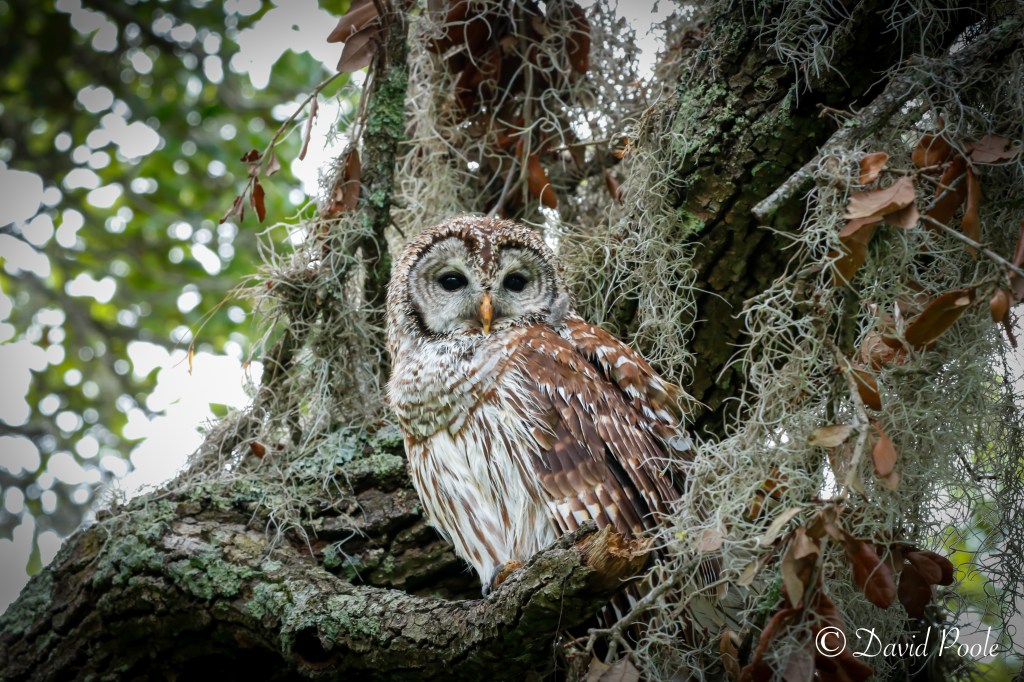
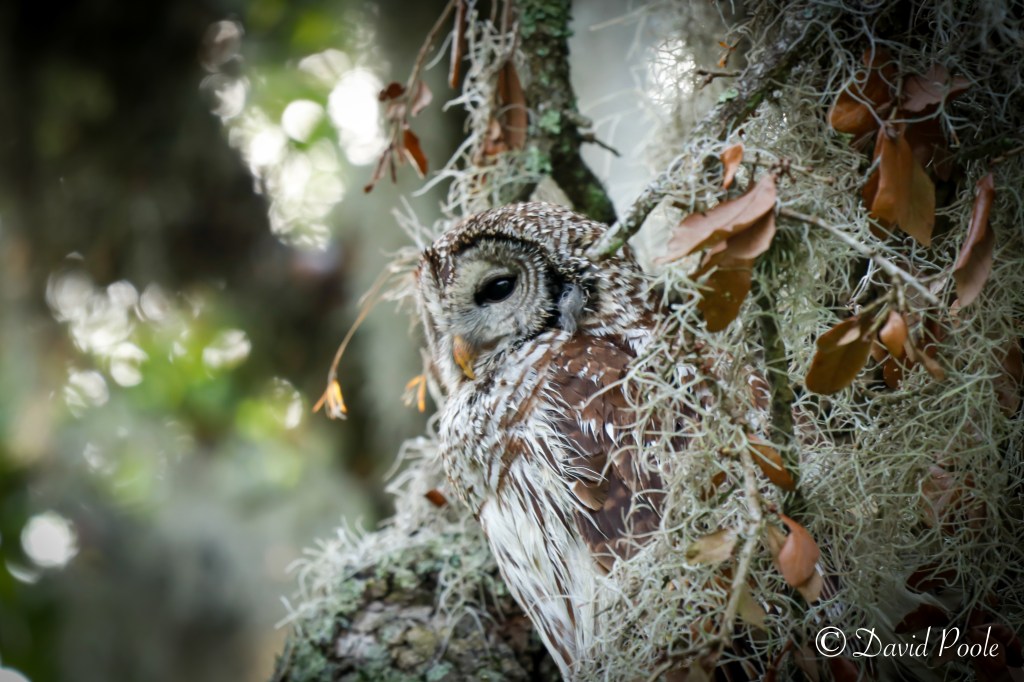
    While out fishing in my kayak this week, I heard a familiar sound drifting through the trees — the classic call of a barred owl echoing from the same stretch of shoreline where I’ve heard it many times before. I instinctively put my fishing rod down, grabbed my camera from the dry box, and quietly let my kayak drift.

    Perched in the dense canopy was the owl, exactly where I hoped it would be. Its deep, rhythmic call — “Who cooks for you? Who cooks for you-all?” — had led me right to it. These birds have a way of disappearing into the background, but experience teaches you where to look. Sure enough, there it was — steady, alert, and perfectly camouflaged against the mottled bark.

    I slowly raised my camera and fired off a few frames as the owl turned its head, locking eyes with the lens. The light filtering through the trees added a soft, natural glow to its feathers, and I knew I had something special. I managed several shots before it glided silently deeper into the woods.

    Barred owls are year-round residents along wooded creeks and bayous, and this particular one feels like a quiet companion on many of my fishing trips. There’s something timeless about that moment — kayak drifting, rod set aside, camera in hand, and nature doing what it does best.

    Scroll down to see a few of my favorite photos from the encounter. Minimal editing — just a little contrast and clarity in Lightroom to bring out the mood of the moment.

    Camera: Canon R5 | Lens: Canon L series 400 

    Tripod: K&F Concept (left in the kayak this time) | Edited on iPad Pro using Lightroom

    Ever spot a barred owl while on the water or hiking near creeks? Drop a comment — I’d love to hear your stories.

  • Chasing Rainbows and Smallmouth: A Spring Fly Fishing Trip to Broken Bow

    Chasing Rainbows and Smallmouth: A Spring Fly Fishing Trip to Broken Bow

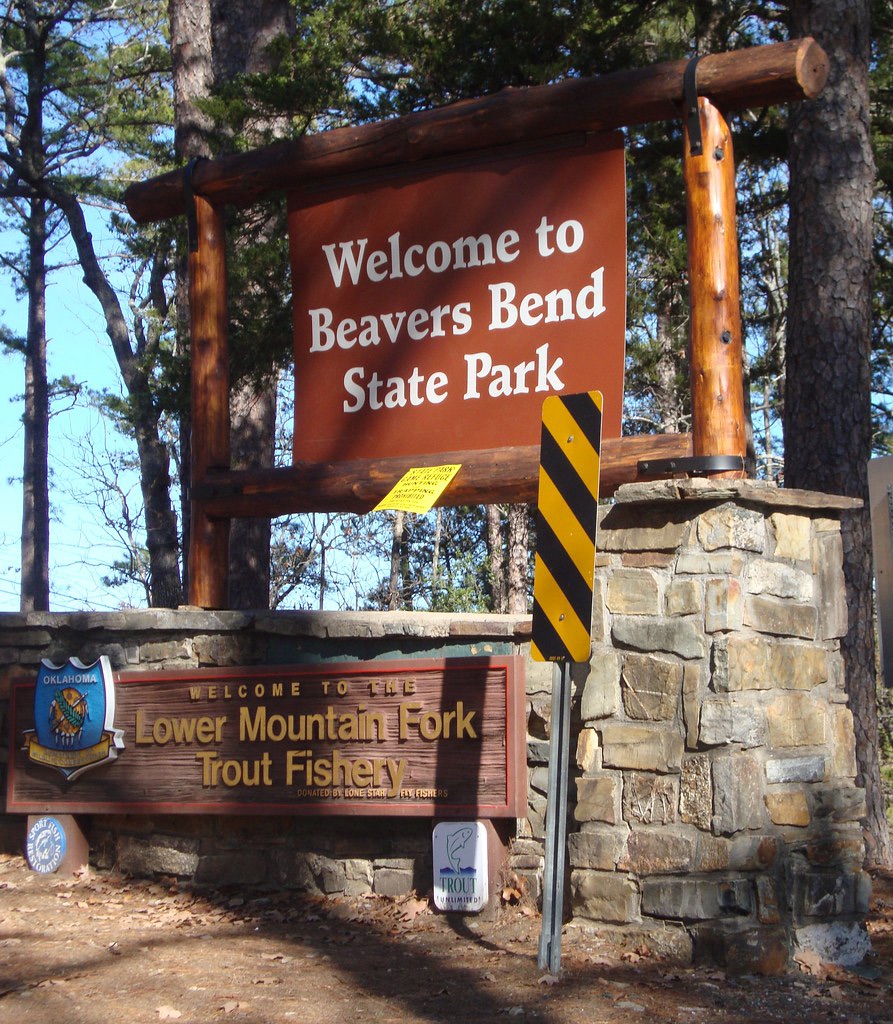
    After months of planning and a long drive through winding forest roads, I finally pulled into Beavers Bend State Park and set up camp along the Lower Mountain Fork River. The spring air was crisp, the dogwoods were just starting to bloom, and the sound of moving water echoed through the pines. It didn’t take long to shake off the road and get a line in the water.

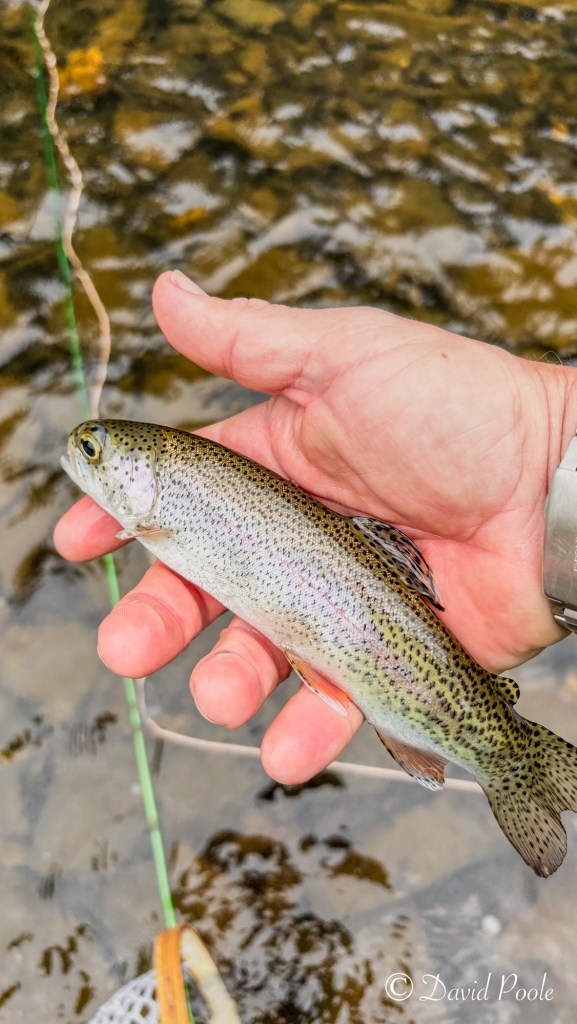
    That first evening, with the light starting to soften and the river glowing gold, I managed to connect with a few hungry rainbows. They weren’t picky—small nymphs drifted through the seams did the trick. The bites came steady enough to remind me why I love this place.

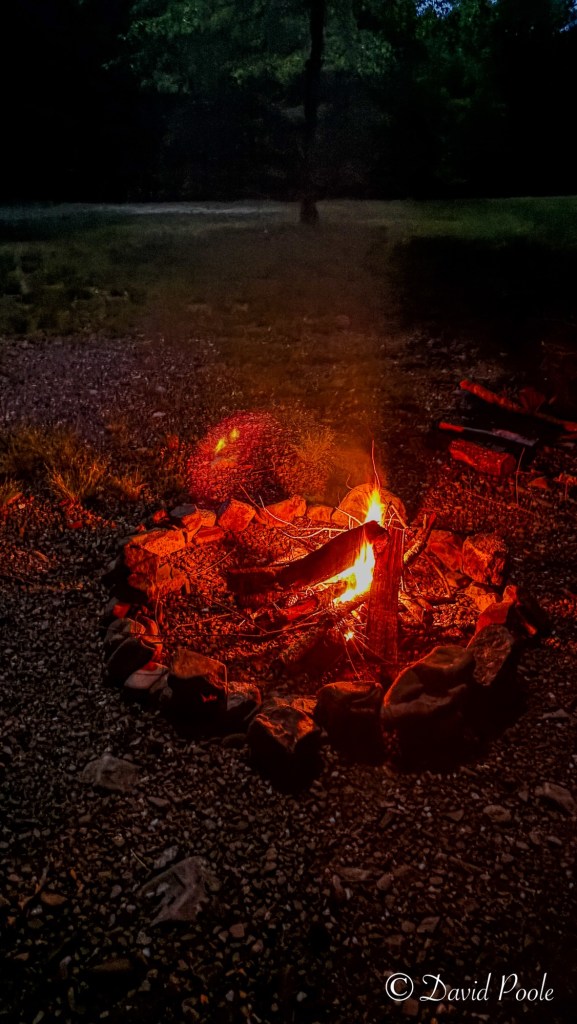
    After a quick dinner by the fire, I settled into camp under a canopy of stars, the rhythmic hoots of owls echoing through the trees.

    The next morning, I woke up early to fish the cooler temps. The water was still moving clear and strong, and once again the rainbows were willing. I caught several before the sky started turning gray and rumbles of thunder rolled over the treetops. I packed up just before the rain let loose. Back at camp, I waited it out with some lunch and watched the storm wash the dust off the forest.

    By late afternoon, the weather broke just enough to slip back onto the water. The air was cool and damp, and the fish were active again. There’s something about fishing after a storm—the river feels fresh, the light is moody, and the fish seem to know it.

    The next day I decided to stretch my legs and hike deeper into the park. The trail twisted along the river, past waterfalls trickling over mossy rocks and wildflowers blooming in hidden pockets of sunlight. With my fly rod strapped to my pack and my camera swinging from my shoulder, I made slow, intentional progress—fishing the deeper pools and riffles along the way. The reward? A mix of feisty smallmouth bass and more rainbows, all tucked away in less-pressured water.

    Waterfalls I found hiking to the river

    Between casts, I couldn’t help but take in the scenery. Spring in Broken Bow is something special—lush greens, sparkling creeks, waterfalls hidden in the woods, and skies that seem to shift with every hour. 

    I stopped often to shoot photos of blooming wildflowers, dripping foliage, and scenic overlooks. The light was perfect for moody forest shots and those soft, misty river images I love capturing.


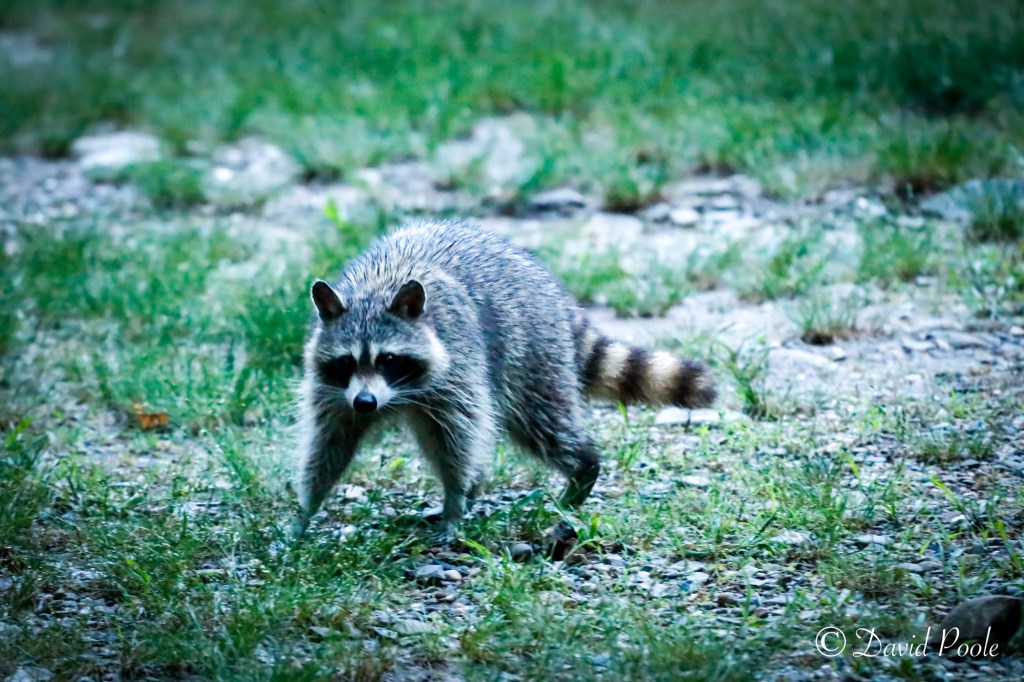
    Over the next several days, the fishing held strong. Morning and evening were best, especially with dry-dropper rigs and small streamers. Each night brought its own rhythm—raccoons rustling around camp looking for snacks, barred owls calling across the river, and the gentle hum of the forest settling in for the night. It was peaceful, wild, and exactly the kind of escape I was hoping for.

    This trip to Broken Bow was a perfect blend of fly fishing, photography, and soaking in spring’s return. The combination of eager trout, backcountry hikes, and unexpected encounters—both wildlife and weather—made it one for the books. If you’re thinking about chasing fish and quiet in southeast Oklahoma, spring is a great time to go.

  • Among the Aspens: A Moment in New Mexico

    Among the Aspens: A Moment in New Mexico

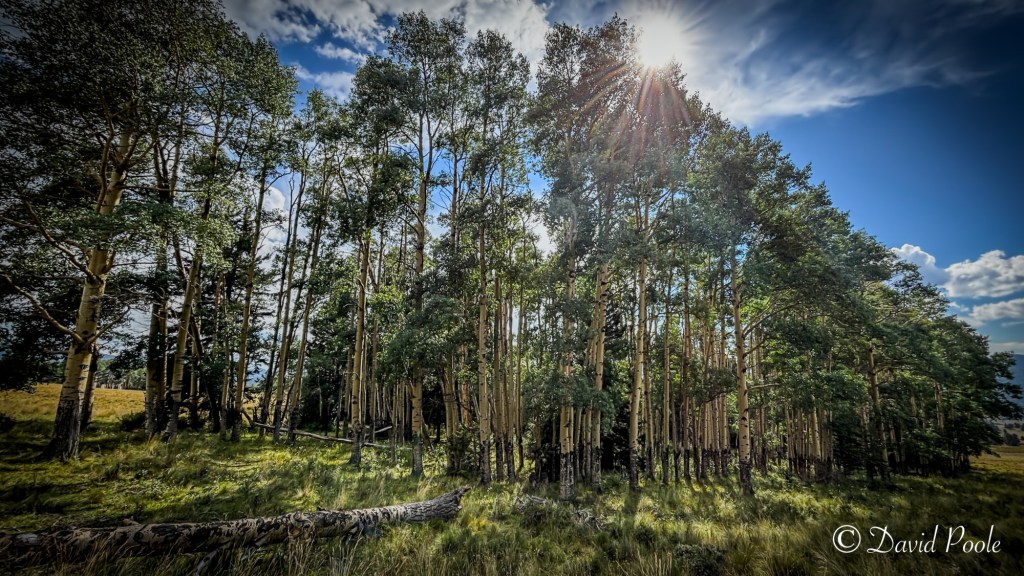
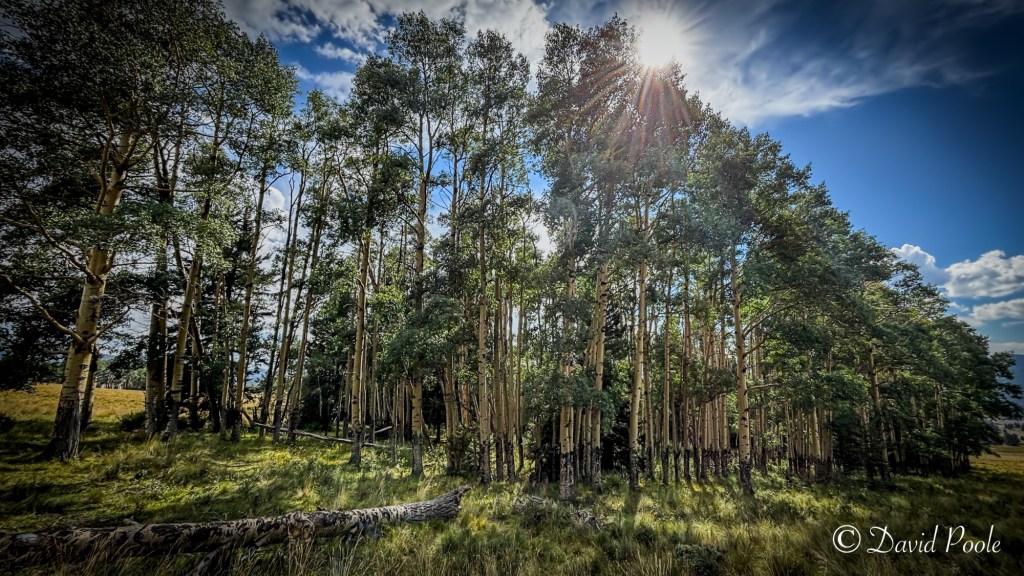
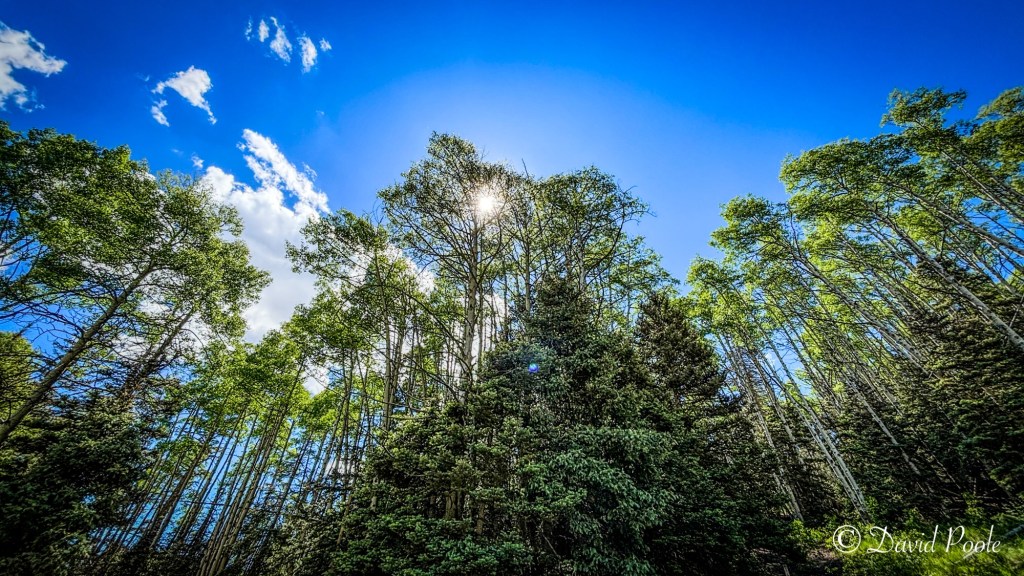
    High in the mountains of New Mexico, I found a glowing grove of quaking aspens just as the sun broke through the canopy. There’s something about these trees — tall, slender, golden-skinned — that draws you in. I came prepared with my Canon 90D, Canon L-series lenses, a K&F Concept tripod, and even my iPhone, knowing this scene was too good to miss from any angle.

    Canon 90D + L Series Glass: Sharpness Meets Versatility

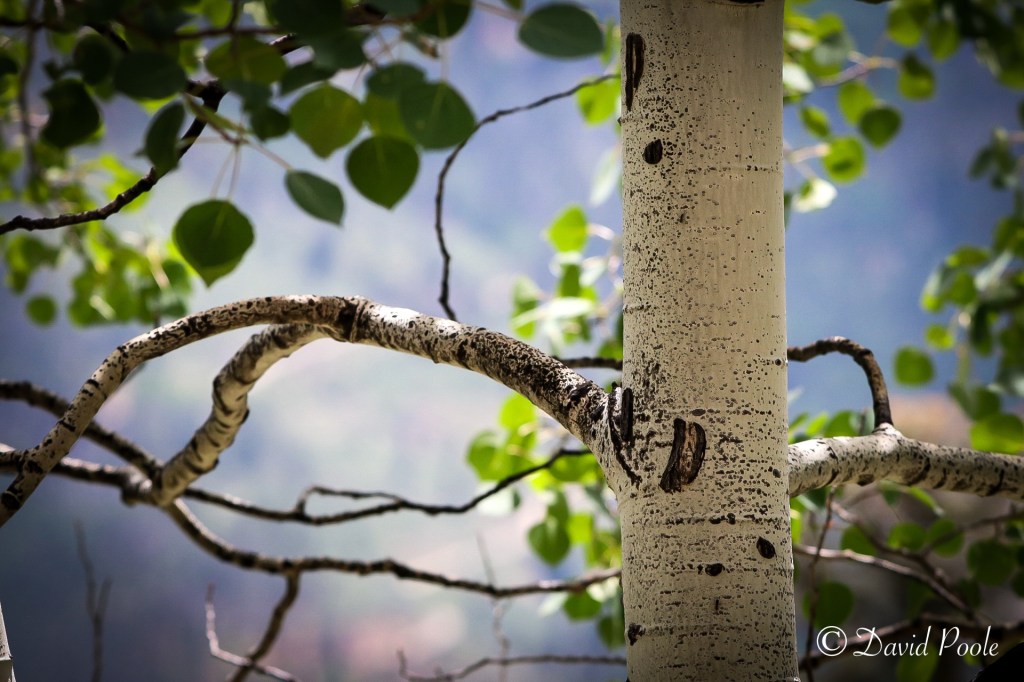
    For wide environmental shots, I relied on the Canon 24–70mm f/2.8L, but for more intimate details — like clusters of bark, layered trunks, or isolating one tree against the backdrop — I used my Canon 70–200mm f/2.8L. This lens gave me the compression and clarity I needed to highlight subtle textures and pull distant trees forward with depth.

    Shot Breakdown:

    • Camera: Canon 90D

    • Lenses: 24–70mm f/2.8L and 70–200mm f/2.8L

    • ISO: 100

    • Aperture: f/10 for wide shots, f/2.8–f/5.6 for close-ups

    • Tripod: K&F Concept Carbon Fiber

    • Filter: K&F CPL

    Using the 70–200mm for Detail and Compression

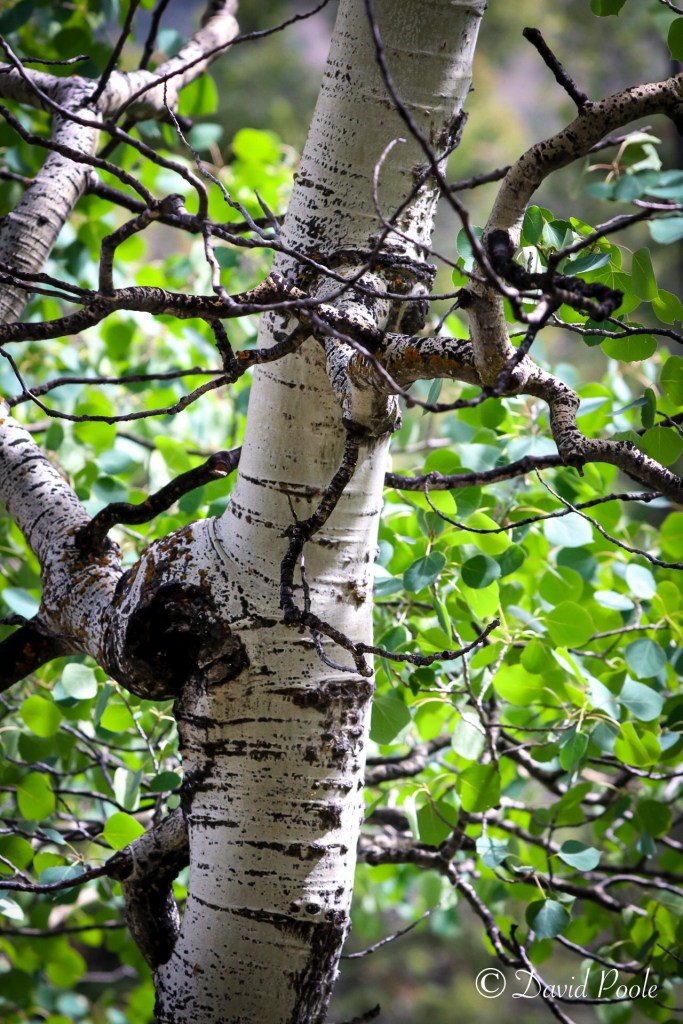
    Aspens are photogenic both up close and from a distance. With the 70–200mm, I framed tighter compositions — trunks in golden light, black knots in the bark, and sunlit patches on the forest floor. The telephoto compression made the grove look more layered and dense, almost like a wall of trees — which added a cinematic quality to some shots.

    Pro Tip: Use the 70–200mm at 135mm–200mm to compress the forest and fill the frame with repeated lines and patterns — it’s ideal for making the grove feel deeper and more immersive.

    iPhone Photography: Don’t Underestimate Your Pocket Camera

    While the DSLR gear handled most of the heavy lifting, I also snapped a few frames with my iPhone 15 pro. With smart HDR and excellent native contrast, it delivered surprisingly strong results — especially with the wide and ultra-wide lenses.

    Tips:

    • Use portrait mode for foreground subjects like logs or leaves.
    • Tap to meter on the trunk or shadowed mid-tones.
    • If available, shoot in RAW with the Halide or Lightroom Mobile app for better editing flexibility.

    Composition in the Grove: Light, Lines, and Layers

    I timed the main shot so the sun peeked just over the tree line, creating a soft sunburst effect without washing out the scene. A fallen log led into the grove, creating a visual path that made the image feel more three-dimensional.

    With the 70–200mm, I also isolated “portraits” of individual trees and detail shots of light hitting the bark. These close-ups tell a different story — quieter, more focused.

    Editing in Lightroom: Preserving Natural Mood

    For Canon RAW files:

    • Boosted midtone contrast with the tone curve.

    • Desaturated greens slightly for a more natural forest feel.

    • Lifted shadows to expose bark detail.

    • Used radial filters to add subtle spotlighting where the sun naturally fell.

    Before and after

    For iPhone shots:

    • Adjusted highlights and whites to bring back sky detail.

    • Used Lightroom Mobile’s “Texture” slider to enhance bark detail.

    • Applied slight vignette to draw the eye inward.

    Why Aspen Trees Are a Photographer’s Dream

    Aspens offer built-in symmetry, light diffusion, and contrast. The bark’s pale tones pop in shadowy groves, while the leaves filter sunlight with a soft glow. In New Mexico’s higher elevations, these trees are often found in wide open clearings — perfect for both drone and ground photography.  What makes them even more special is their shared root system, meaning this forest is often one living organism — a fact that adds a bit of wonder every time I step into a grove.

    Closing Thoughts: Slow Down, Look Closer

    Photographing aspens is a study in rhythm and reflection. Whether you’re standing back with a 24mm or zooming in at 200mm, these trees offer something ethereal. And whether you’re carrying a full kit or just your phone, the forest rewards those who pause, observe, and frame with care.

  • Chasing Wild Trout at Beavers Bend: Fly Fishing, Photography, and Trip Planning

    Chasing Wild Trout at Beavers Bend: Fly Fishing, Photography, and Trip Planning

    As spring breathes new life into the forests and rivers, I’m gearing up for a trip that blends fly fishing, photography, and camping into one unforgettable adventure.

    Next week, I’m heading north from Houston to the beautiful Beavers Bend State Park in Broken Bow, Oklahoma — a true gem for coldwater trout fishing in the southern U.S.

    This trip isn’t just about the fish — it’s about the full experience: long drives in the Ford Bronco, misty river mornings, evenings by the campfire, and capturing it all through my lenses and drone.

    Here’s the full rundown of flies tied, gear packed, and the planning tools I used to map out this journey:

    Fly Box: Patterns Prepped for Beavers Bend

    For the crystal-clear waters of the Lower Mountain Fork River, I’ve stocked my fly box with a variety of proven patterns tailored for both rainbow and brown trout:

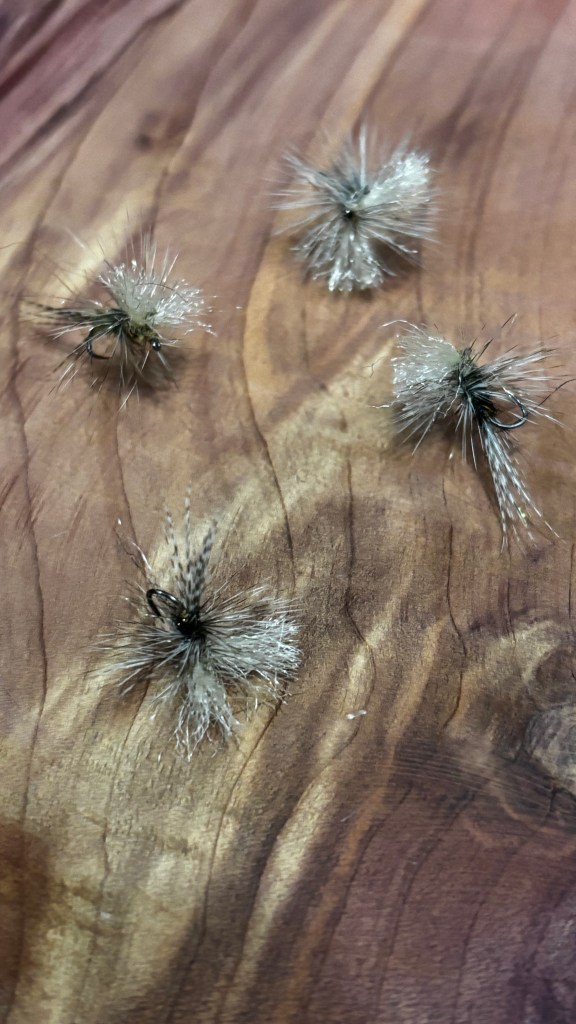
    Small Mayfly Patterns (Size 18–22) — Matching early spring hatches.
    Hopper Patterns (Size 12–14) — For opportunistic trout looking for a big bite.
    Small Leech Patterns (Size 10–12) — Especially effective for brown trout in deeper runs.

    Midges (Size 20–22) — Black, olive, and red variations.

    Soft Hackle Wet Flies (Size 14–16) — Perfect for swinging through riffles.

    Woolly Buggers (Size 8–10) — Olive, black, and brown for streamer action.

    Each fly is barbless for easy releases and tied specifically to imitate what’s naturally present in Beavers Bend’s ecosystem this time of year.

    Photography and Video Gear Packed

    This trip is also about capturing the story — from the early morning mist on the water to the fire-lit nights under the stars.

    Here’s the photography and video setup coming with me:

    Canon EOS 90D paired with Canon L Series lenses for high-resolution action and landscape shots.

    DJI Mavic Pro Drone for sweeping aerials over the river valleys and forest canopy.

    GoPro Hero 10 Black (chest mount) for wading shots, underwater releases, and immersive point-of-view fishing clips.

    K&F Concept Tripod and ND Filters for smooth video transitions and silky river shots.

    Photography is about more than documenting the trip — it’s about telling the story of a place and a moment in time.

    Fishing Gear Checklist

    For the river, I’ve got a streamlined but reliable setup:

    Fly Rod: 9’ 5-weight rod, capable of delicate presentations and fighting feisty trout.

    Reel: Sage Spectrum 5/6 weight reel — strong drag for river browns and rainbows.

    Fly Line: Cortland 444 floating line, ideal for precise casts and great line control.

    Leaders and Tippet: 9’ fluorocarbon leaders with 4X–6X tippet.

    Net: Lightweight, rubber bag net for safe catch-and-release.

    Waders and Boots: Breathable waders and wadding boots with studs if needed.

    I’m packing all my fishing gear into my Ghosthorn Fly Fishing Backpack — lightweight, waterproof, and easy to carry across the rocky trails and riverbanks of Beavers Bend.

    Camping Essentials

    Nothing beats setting up camp after a full day on the river:

    • Lightweight backpacking tent and insulated sleeping pad.

    • Down sleeping bag rated for cool river nights.

    • Portable camp stove, kettle, and coffee setup.

    • Firewood bundles for nights around the campfire.

    • Headlamps, lanterns, and a solar charging station.

    There’s nothing quite like brewing a morning coffee at the river’s edge, listening to nature wake up.

    Trip Planning Tools: How I Mapped It All Out

    Planning a trip like this starts long before the first cast.

    Here’s how I mapped the route and fishing spots:

    TroutRoutes App — Invaluable for locating public access points, river sections, and local fly recommendations.

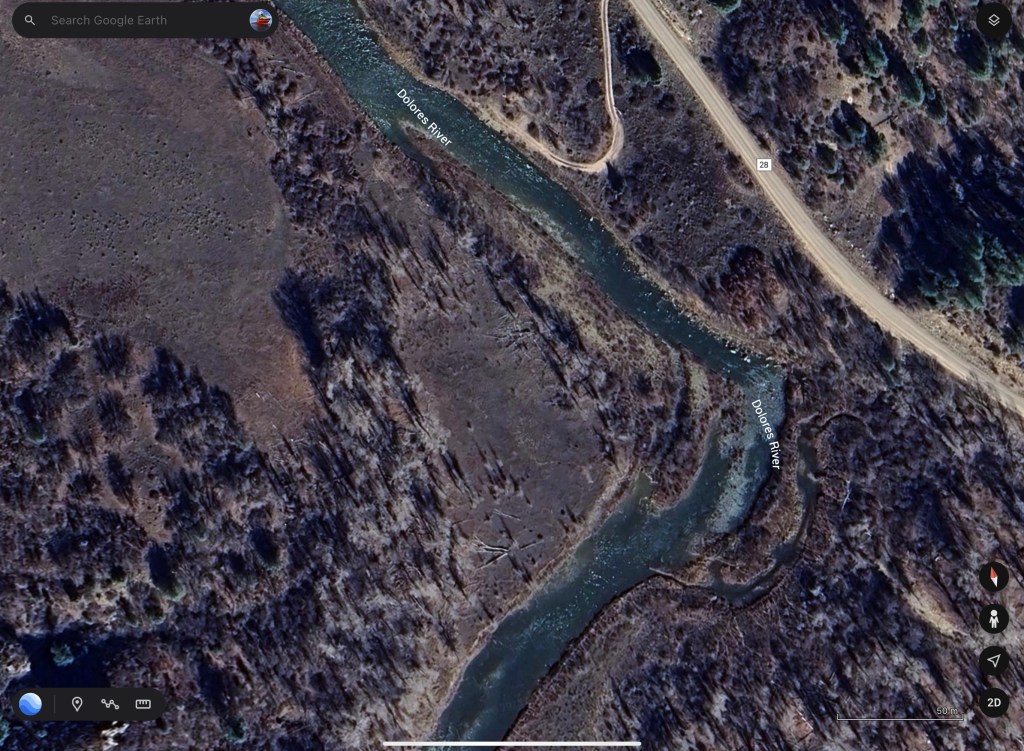
    Google Earth — Used to scout deeper river bends, trailheads, and potential drone shot locations.

    Oklahoma Fishing Regulations — I made sure to double-check daily bag limits, special rules for the Lower Mountain Fork, and barbless hook requirements.

    In areas like Beavers Bend, staying aware of regulations is crucial — not just for legal reasons, but to protect the fishery for everyone who comes after.

    The Road Ahead

    It’s about more than the catch.

    It’s about the drive through pine forests in the Ford Bronco, the moment a trout flashes in the current, the sound of a campfire crackling in the dark.

    It’s about slowing down, listening to the river, and letting the story write itself.

    I’ll be documenting the trip through both photography and short films, so stay tuned for updates from the water, behind-the-scenes captures, and a full video recap once I’m back.

    Broken Bow, here we come. Tight lines, clear skies, and wide-open roads.

  • Mornings of Purpose

    Mornings of Purpose

    When do you feel most productive?

    Photos and story by David Poole

    There’s something powerful about the early morning hours — a calmness before the world stirs, a stillness that invites focus and clarity. Rising early gives me a quiet advantage, a head start on the day before distractions creep in. The first light peeking over the horizon feels like a personal invitation to begin again, fresh and full of potential.

    I savor those moments when the sunrise spills its colors across the sky, painting everything in soft golds and warm pinks. As the earth wakes up, the songs of birds break the silence, a gentle orchestra tuning up for the day. The air is cooler, the mind is clearer, and even the smallest rustle of leaves or distant calls of wildlife seem richer, more alive.

    In these early hours, I can focus on what matters most — setting goals, organizing my thoughts, or simply breathing in the moment. Without the rush of midday noise, each task feels more intentional. I write more fluidly, think more sharply, and appreciate the simple beauty that often gets lost once the day speeds up.

    By the time the rest of the world is bustling, I’m already in stride — grounded, grateful, and ready. Early mornings aren’t just about productivity; they are about connecting — with the day, with nature, and with myself.

  • “Beyond the Trail: Adventures in Fly Fishing, Photography, and the Backcountry”

    “Beyond the Trail: Adventures in Fly Fishing, Photography, and the Backcountry”

    What topics do you like to discuss?

    Exploring the backcountry through fly fishing, photography, hiking, and travel, I seek out remote rivers, hidden trails, and wild landscapes — capturing each adventure through the lens and the line. Whether chasing trout in alpine streams or hiking rugged terrain to untouched waters, every journey is a blend of exploration, creativity, and connection with nature.

  • The Lone Sailor – Honoring Service Through the Lens

    The Lone Sailor – Honoring Service Through the Lens

    Photos and story by David Poole

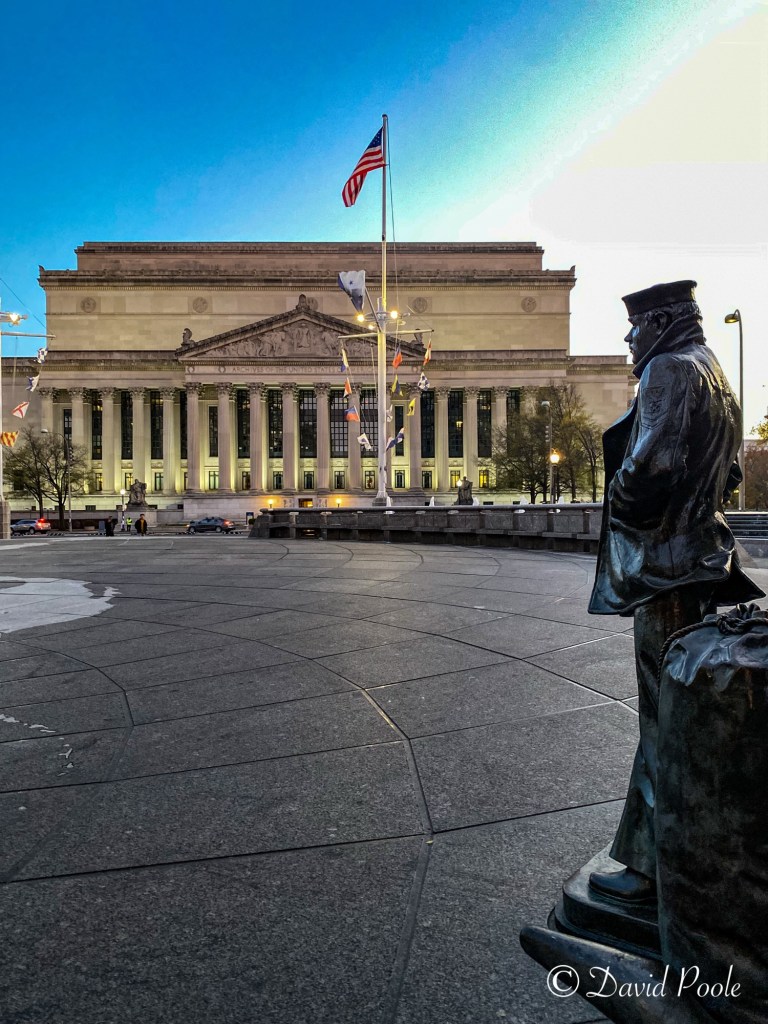
    While walking the National Mall during golden hour, I stopped to photograph one of the more quietly powerful tributes in D.C.—The Lone Sailor statue, located just outside the National Archives. This figure stands as a symbol of all who have served in the U.S. Navy, representing both honor and solitude. The contrast of bronze and stone against the soft, fading light created the perfect opportunity to slow down and reflect through photography.

    “The Lone Sailor may be a statue, but through the lens, he becomes a reminder of those quiet moments of waiting, traveling, and sacrifice.”

    Back view of the Lone Sailor statue gazing toward the National Archives building in Washington, D.C.

    The Lone Sailor statue stands in silent reflection, facing the National Archives building in Washington, D.C.—a powerful tribute to service, memory, and history

    Composition & Creative Approach

    The first image frames the statue from behind, gazing toward the National Archives building just as the city lights begin to glow against the deep blue sky. I composed it wide to balance the lone figure with the architectural symmetry and American flags above.

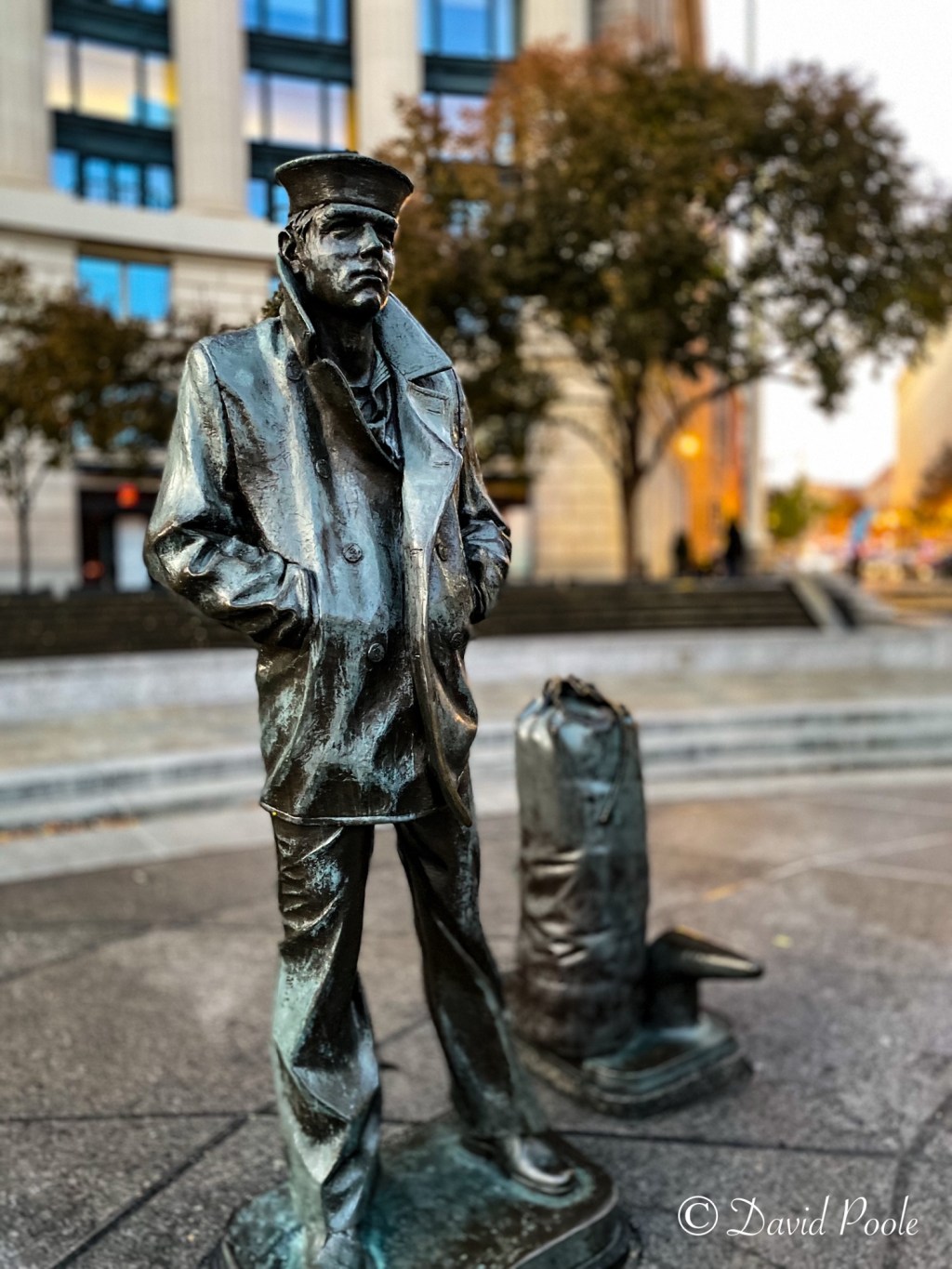
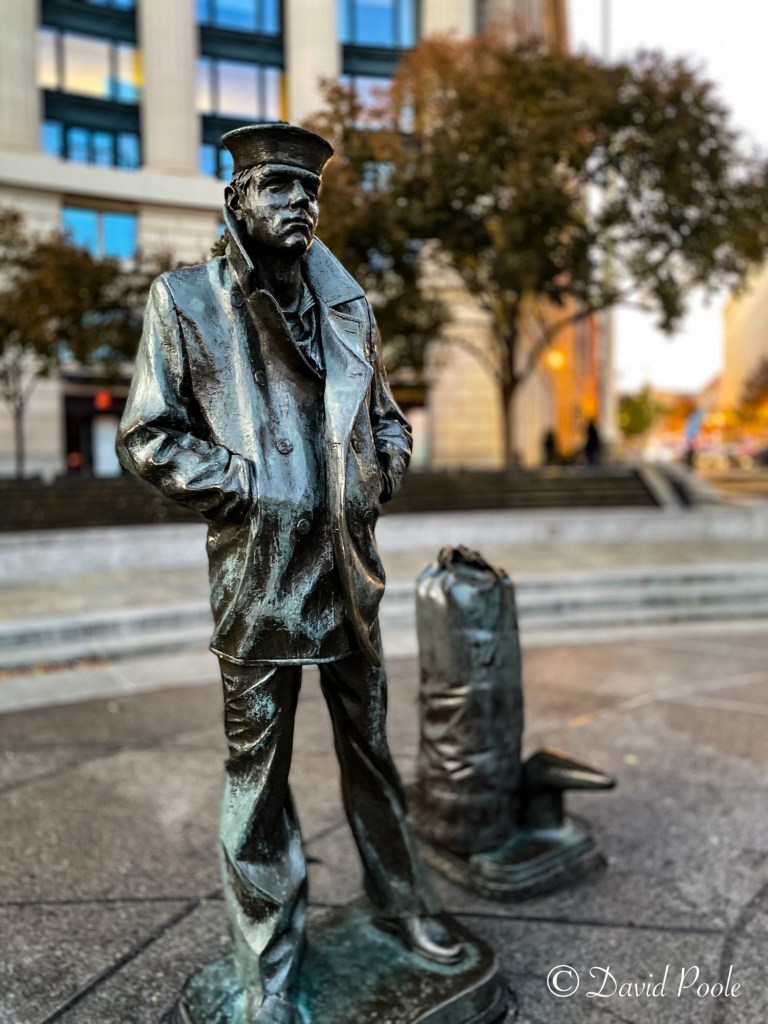
    The second shot tightens the frame for a portrait-style perspective. This highlights the sailor’s detailed expression and gear, with a shallow depth of field blurring the cityscape behind him. I wanted the viewer to feel like they had walked right up to the statue for a conversation.

    Front view of the Lone Sailor statue in Washington, D.C., with detailed expression and uniform, the National Archives building in the background

    A front portrait of the Lone Sailor statue in Washington, D.C., capturing the solemn expression and dignified stance as he faces the National Archives in quiet tribute

    Gear Used

    Camera: Canon R5

    Lens: Canon RF 50mm f/1.2L

    Tripod: K&F Concept Carbon Fiber Tripod

    Editing: Lightroom (iPad Pro)

    • Selective radial filters for depth

    • Texture slider to enhance bronze details

    • Minimal color grading to preserve realism

    Photography Tips

    Golden + Blue Hour: These times give you soft, directional light with rich contrast—perfect for monuments.

    Perspective: Lower angles create more presence and power in statues. Don’t shoot everything from eye level.
    Background Awareness: A wide aperture (like f/1.2–f/2.8) helps isolate the subject and reduce distracting background elements.
    Surface Reflections: Slightly wet pavement or stone can enhance contrast and mood. Look for patterns or shine in the ground.
    Historical Note

    The Lone Sailor is a life-size bronze statue created by artist Stanley Bleifeld and dedicated in 1987 by the United States Navy Memorial Foundation. It represents the personal experiences of every Navy service member—standing watch, ready to deploy, duffle bag at his side. Positioned in the heart of the nation’s capital, the statue serves as a powerful tribute to those who’ve served and sacrificed across all naval conflicts.

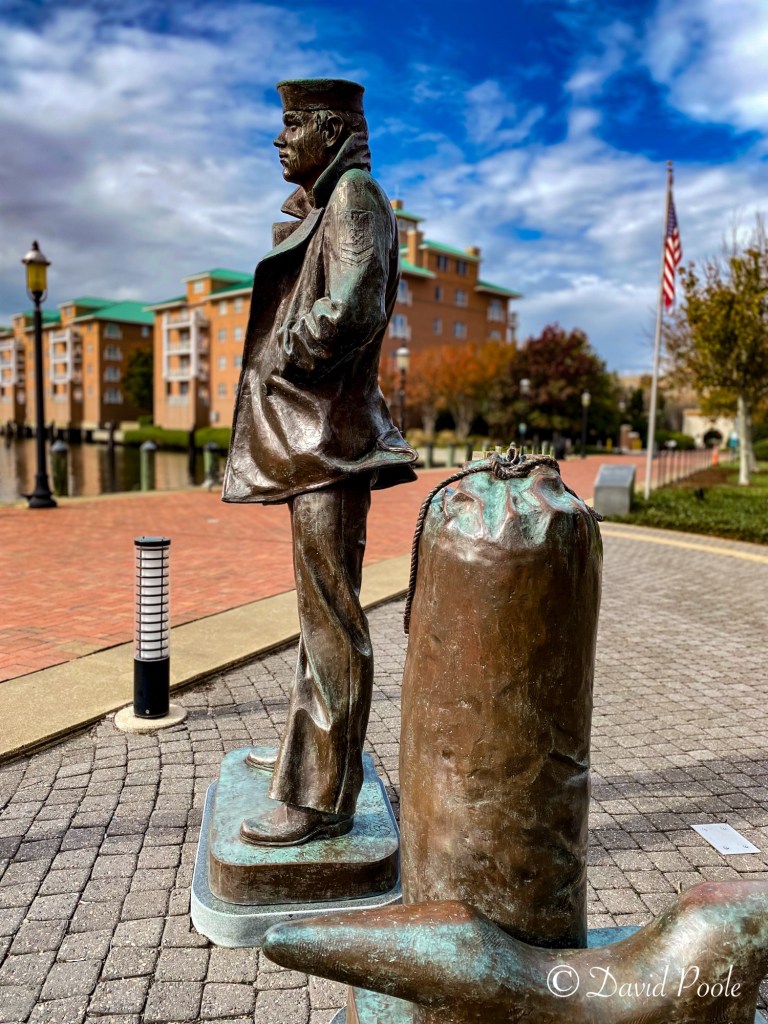
    Side view of the Lone Sailor statue in Norfolk, Virginia, showing the sailor’s profile and sea bag with the waterfront in the background

    A side view of the Lone Sailor statue in Norfolk, Virginia, captures the sailor’s steady gaze and weathered sea bag, symbolizing honor and readiness by the water’s edge

    Final Thoughts

    The Lone Sailor statue isn’t just bronze and detail—it’s memory cast in metal. It honors every sailor who ever stood on a pier and looked out over uncertain waters, carrying hope, fear, pride, and purpose. Capturing it through the lens reminded me why photography matters—it freezes emotion, preserves light, and offers space for reflection.

    Whether I’m out fly fishing in the Rockies or walking through a city with camera in hand, moments like these remind me that stillness can speak just as loudly as motion. This statue, set against the hustle of Washington, D.C., tells a quiet story of duty and distance—and invites each of us to pause and remember.

    “Some monuments don’t just honor history—they make you feel it.”

    Thanks for reading and stepping into this moment with me. More photo essays, fishing stories, and explorations coming soon. Until then, keep your eyes open and your shutter ready—because meaning lives in the details.

  • The Risk I Took With a Camera in My Hand

    The Risk I Took With a Camera in My Hand

    Describe a risk you took that you do not regret.

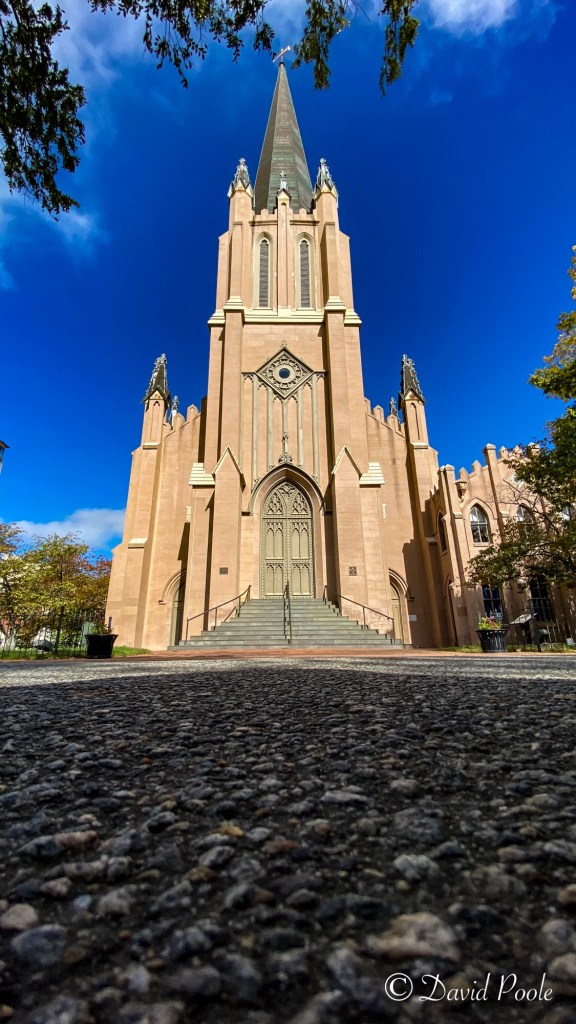
    Photography teaches you to see the world differently—but it also teaches you to act differently. And sometimes, that means lying down on hot pavement in the middle of a city, with people walking by wondering what on earth you’re doing.

    It’s funny how self-conscious I used to feel taking pictures in public, especially from low angles or unconventional spots. But I started realizing that some of my favorite images came from those very moments—when I tuned out the world and focused on framing, texture, and perspective.

    What I’ve learned is this: chasing a vision means risking how you’re seen. And that’s a risk worth taking every time.

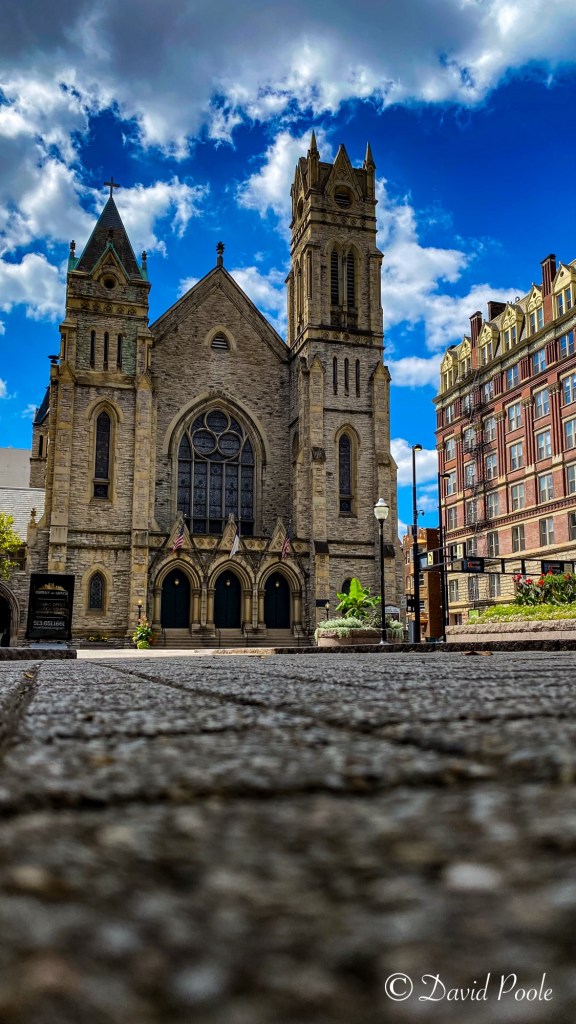
    “I lay flat on the asphalt for this shot—people walked past giving me side glances, but I wanted the full texture of the ground to lead into the gothic architecture.”

    “Low perspective, wide lens, and waiting on the clouds to part. I felt a little ridiculous crouched this low, but the symmetry and texture were too good to pass up.”

    So next time you’re out with your camera—or doing anything that matters to you—take the risk. Get the angle. Follow your eye. And forget what anyone else might think. Because authenticity always outshines approval.

  • Finding Stillness: How I Unwind After a Demanding Day

    Finding Stillness: How I Unwind After a Demanding Day

    Daily writing prompt
    How do you unwind after a demanding day?

    After a long, demanding day, I find peace in the simplest moments—flipping through a good book, hiking a quiet trail, casting a fly into a still pool, or just watching the light shift through the trees. Whether it’s photography that helps me slow down and focus on the little details, or a walk through the woods to reset my perspective, nature is my go-to reset button. These moments remind me to breathe deeper, move slower, and live more intentionally.

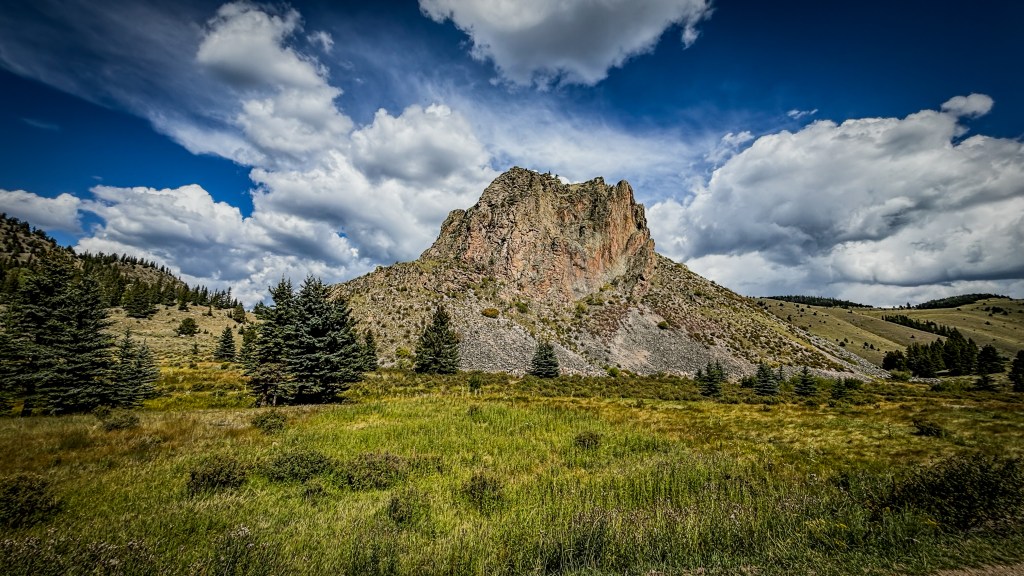
    Comanche Point
  • Easter Reflection: A Quiet Holiday, Remembering Family, and Embracing Simpler Traditions

    Easter Reflection: A Quiet Holiday, Remembering Family, and Embracing Simpler Traditions

    By David Poole

    This Easter looked different for me. I spent the holiday working, far from home, and away from the usual Easter celebrations with family. It wasn’t the Easter of big gatherings, shared meals, and laughter—it was quieter, more reflective. Still, in that stillness, I found something meaningful.

    Working on Easter and Missing Family Traditions

    Spending Easter away from family gave me the space to think back to simpler times. I remembered childhood Easters—waking up to the smell of coffee and breakfast, searching for eggs in the yard, and spending the day surrounded by the people I love. Those memories are a reminder of what really matters during the holidays: connection, tradition, and time well spent.

    Remembering Loved Ones No Longer With Us

    As I reflected on past holidays, I thought of the family members who are no longer here. The holidays always bring their absence into sharper focus, but also their lasting influence. Their stories, warmth, and laughter still live in the traditions they helped create. Remembering them is part of keeping those memories alive.

    Spring Transition: A Natural Reminder of Renewal

    Even while working this Easter, I could feel the signs of the spring transition—green leaves emerging, wildflowers blooming, and longer daylight stretching across the day. Spring reminds us of change, renewal, and hope. It encourages us to pause and notice the beauty in the everyday.

    Continuing Family Traditions and Creating Meaningful Moments

    Being away from family made me think about the importance of keeping traditions alive—not only to honor the past but to create new memories for future generations. Whether it’s a simple meal, a walk outside, or telling stories from the past, these small moments become part of something much bigger.

    Living a Life Full of Meaning

    Holidays like Easter are a good reminder to slow down and live with intention. Even when we can’t be with family or celebrate the way we used to, we can still carry the meaning of those traditions in our hearts. It’s about creating a life full of meaning—one rooted in reflection, love, and simplicity.

    Easter can also be a time to reflect on personal growth, hope, and spiritual renewal

    Conclusion: Carrying Easter Forward in Simpler Ways

    Whether you’re working this Easter, spending it solo, or surrounded by family, take a moment to reflect. Think of the loved ones who shaped you, the traditions that bring comfort, and the fresh start that spring brings. We may not always celebrate the same way, but the heart of the holiday remains—connection, remembrance, and living a meaningful life.

    Wishing you all a season full of reflection, simplicity, and moments that truly matter.

    —David


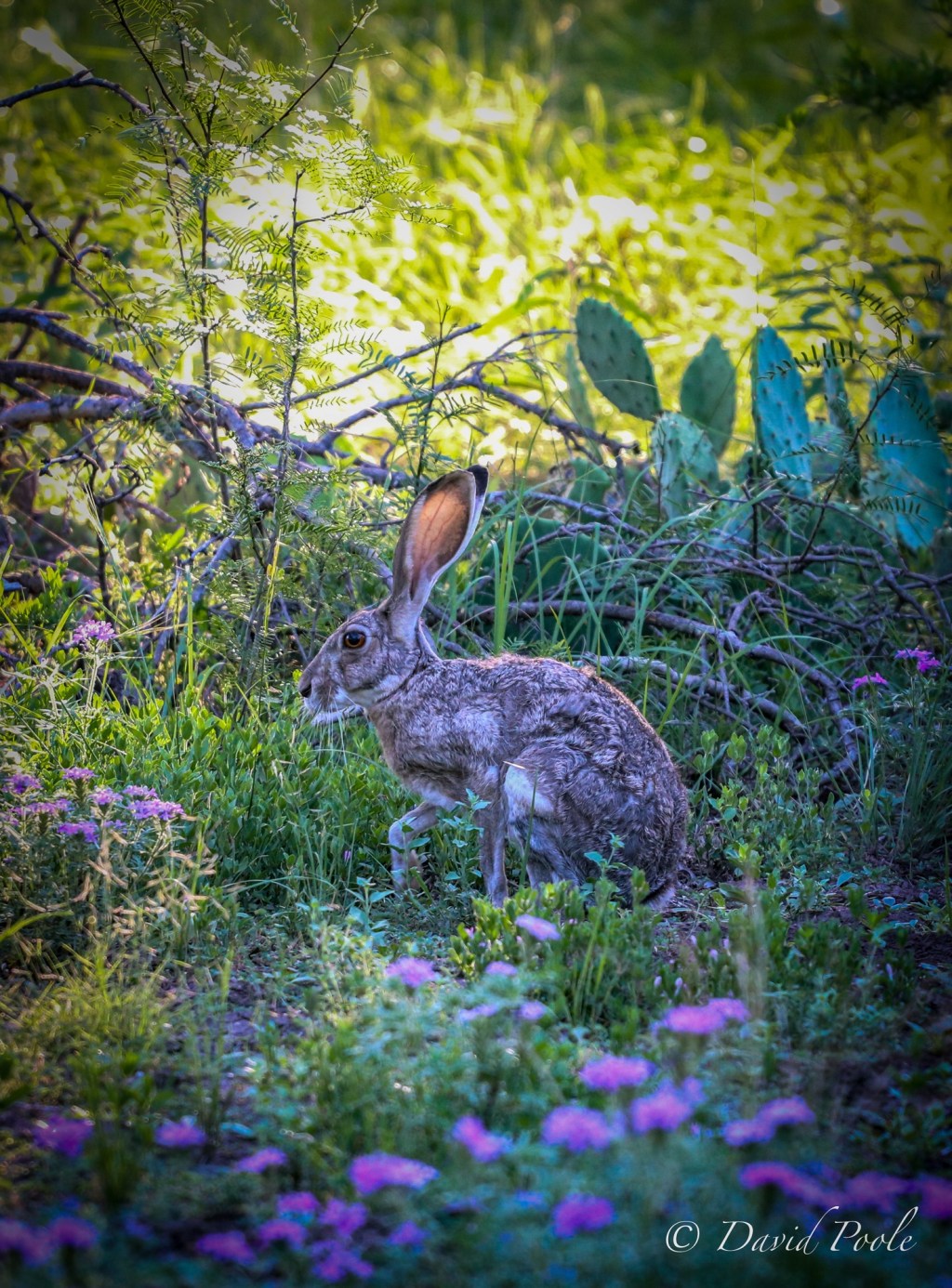
    A long-haired desert rabbit rests quietly among the scrub brush, wildflowers, and cactus—perfectly camouflaged in the spring landscape of the Southwest
  • Chasing Light and Perspective: Finding the Shot Beyond the Obvious

    Chasing Light and Perspective: Finding the Shot Beyond the Obvious

    Photography in the outdoors isn’t just about clicking the shutter—it’s about reading the light, finding intentional angles, and understanding how timing transforms a scene. Whether I’m hiking through wildflowers, waiting quietly in a bird blind, or navigating city streets with a wide lens, I’m always chasing the moment that tells the story best.

    Timing the Wild: Bald Eagle at Golden Hour

    This bald eagle shot captures more than a bird—it captures focus, patience, and light. I waited for the golden hour to gently highlight the eagle’s feathers and profile, shooting through a natural frame of blurred branches to keep attention on the intensity of its gaze.

    Close-up of a bald eagle staring intensely with sharp yellow eyes, showcasing its powerful beak and detailed feathers against a blurred natural background

    Outdoor bird photography tip: Use natural framing and soft backlight for dramatic wildlife portraits.

    Gear: Canon R5 with canon 400mm L series lens. Edited in Lightroom for natural contrast and feather detail.

    Path to the Sun: Framing With Leading Lines

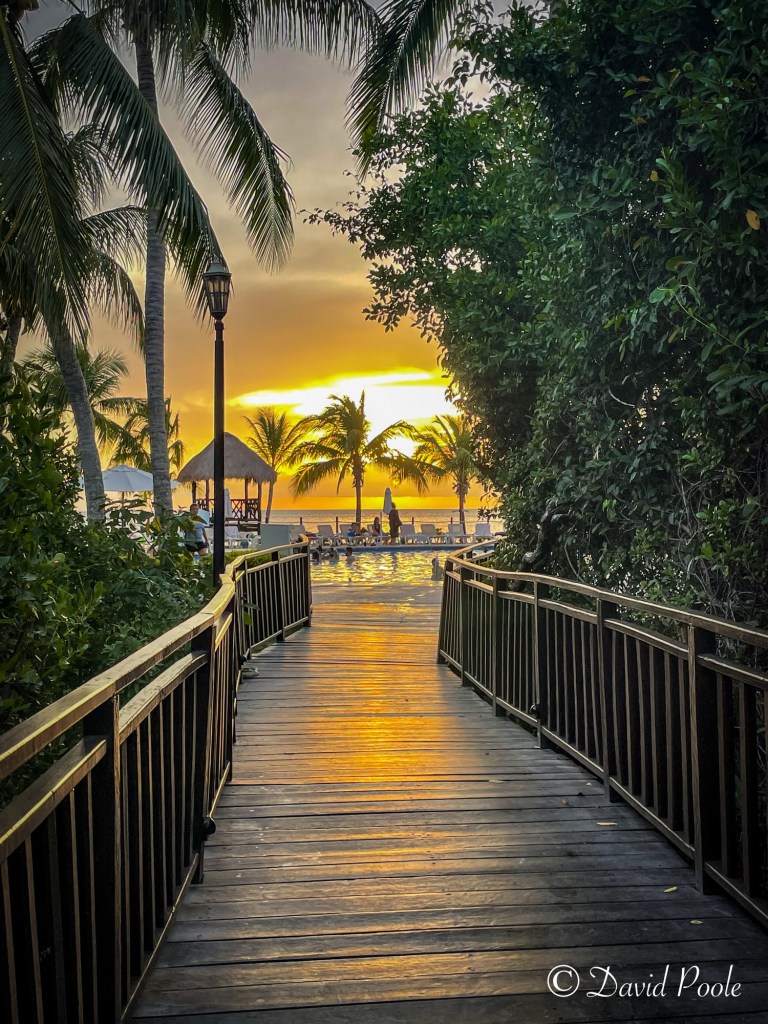
    This image of a wooden boardwalk leading toward the glowing sunset was all about golden hour beach photography and using strong leading lines. The reflection of sunlight on the wet boards gave the image texture and warmth, making it feel like you’re stepping straight into the light.

    Photography tip: Position yourself at a low angle to exaggerate reflections and symmetry, especially when shooting at sunrise or sunset.

    Gear: iPhone capture, edited in Lightroom Mobile to adjust warmth, contrast, and highlights.

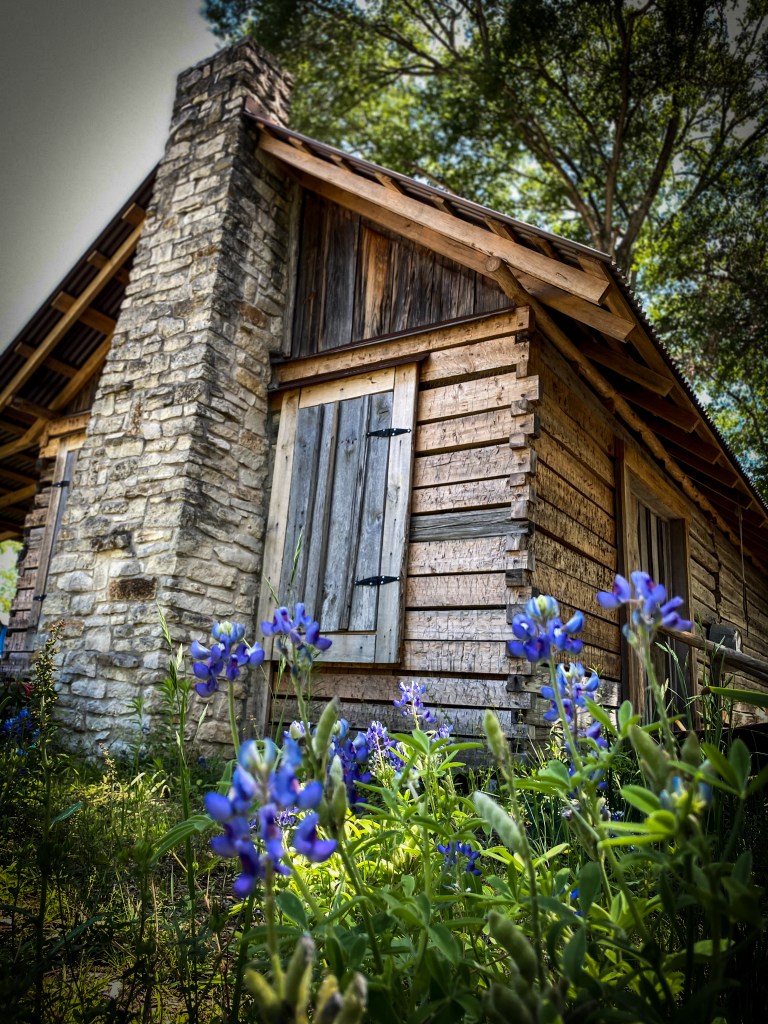
    Low and Wild: Bluebonnets and Cabins

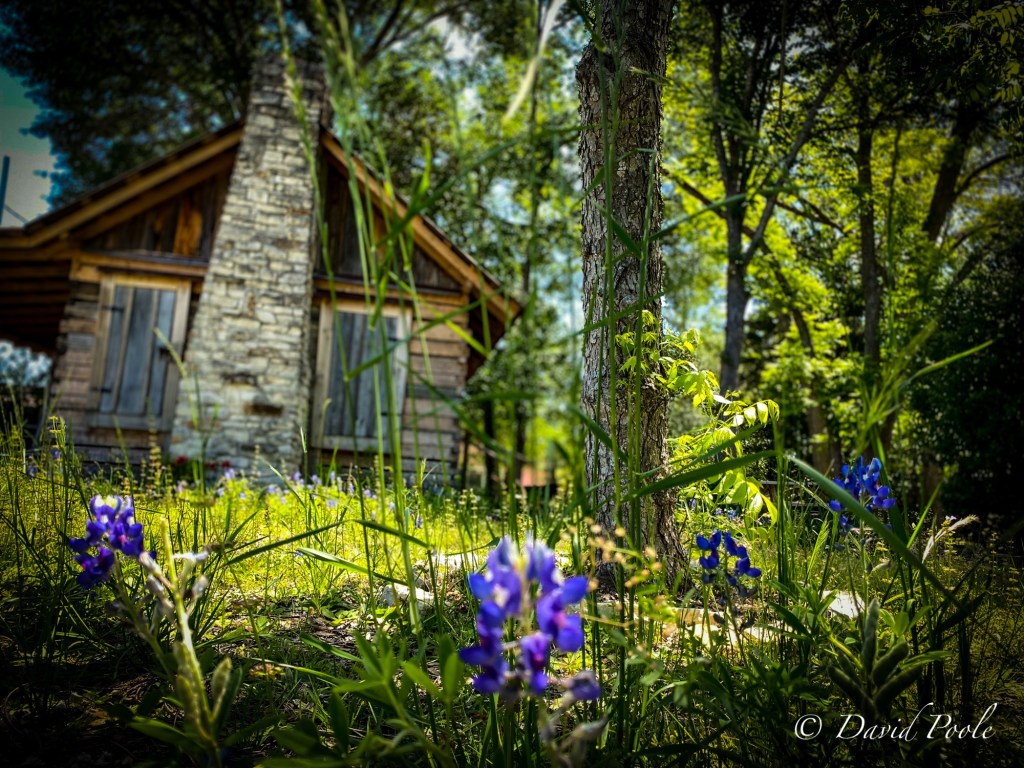
    Spring in Texas brings with it a flood of color—especially bluebonnets. This low-angle wildflower shot was taken by lying on the ground to let the flowers dominate the foreground. The rustic cabin in the background gives a sense of place and scale, inviting the viewer to imagine stepping into that clearing.

    Texas Hill Country cabin with bluebonnets in full bloom, low-angle photography capturing rustic charm and wildflowers in spring
    Texas Hill Country cabin with bluebonnets in full bloom, low-angle photography capturing rustic charm and wildflowers in spring

    Photography tip: Don’t be afraid to get dirty—some of the best shots come from the ground level.

    Fog and Structure: Lighthouse in the Mist 

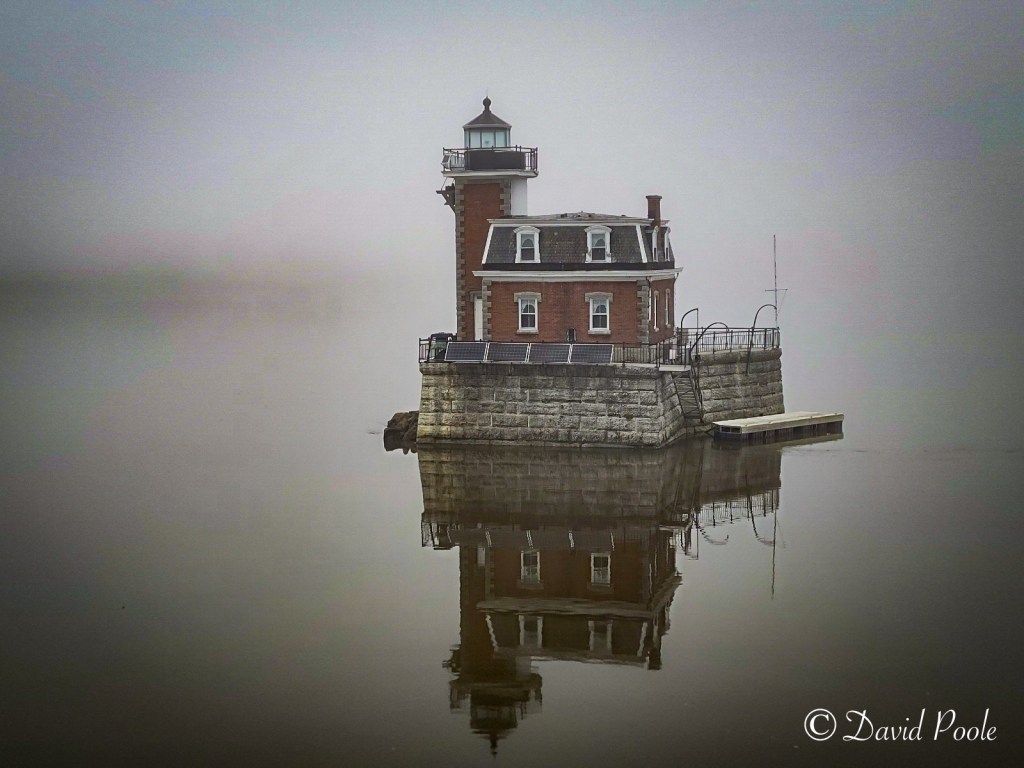
    Fog can strip away distractions and emphasize mood. This shot of a lighthouse barely emerging through the coastal fog was taken early in the morning. The structure becomes a silhouette, and the lack of color enhances the sense of solitude.

    Foggy morning photo of the Hudson River Lighthouse, partially obscured by mist with calm water and a moody atmosphere

    Mist drapes the Hudson River Lighthouse in a soft veil of fog, capturing a quiet, ethereal moment on the water

    Photography tip: Switch to monochrome or embrace fog’s desaturation in post to focus attention on contrast and composition.

    Moments in Motion: Washington, D.C. Street Perspective

    In this street photo of two people walking through Washington, D.C., I focused on symmetry and timing. Lining up the trees and path allowed the subjects to become part of the environment rather than the center of attention—storytelling through subtlety.

    Capture the timeless elegance of two people walking along the National Mall in Washington, D.C. Their long shadows stretch across the sidewalk, framed in black and white, offering a classic perspective of the historic landmarks.

    In black and white, two figures walk the National Mall in Washington, D.C., their shadows stretching across the sidewalk as the fading light of evening adds a touch of nostalgia to the scene

    Gear: Canon 24–70mm lens.

    Urban Giants: Low Angle in Cincinnati

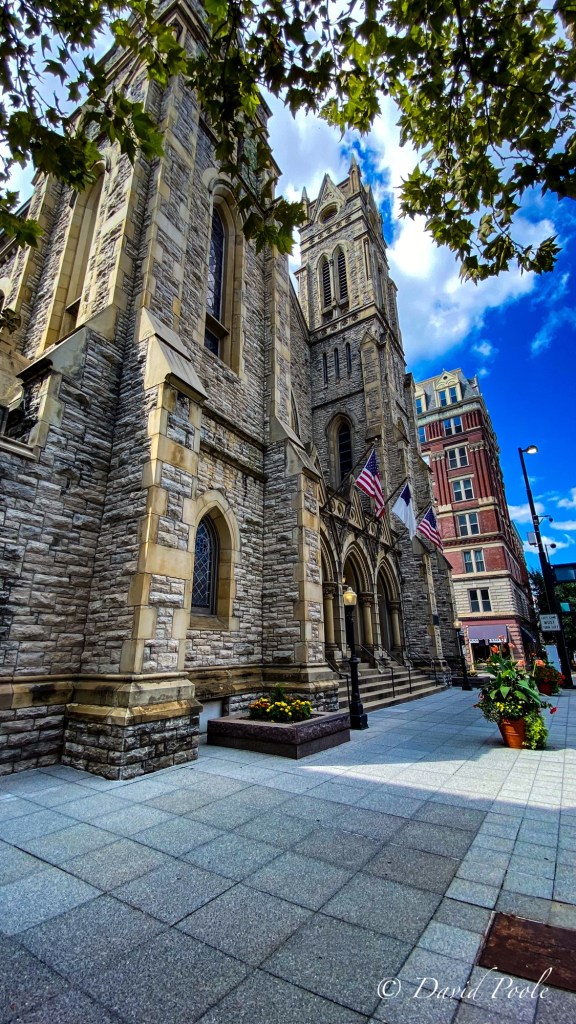
    Standing at the base of a towering building in Cincinnati, I wanted to emphasize the size and geometry of the architecture. Shooting from a low angle with a wide lens, I caught clean lines pulling skyward while the morning light cast soft shadows down the building’s face. The cloudy sky above added contrast to the structure’s strong verticals.

    Historic old stone building with weathered architecture and intricate details

    An old stone building, rich with history and character, stands as a testament to timeless craftsmanship and enduring architectural beauty

    Architecture photography tip: Use a wide-angle lens and crouch low to create a sense of scale and grandeur. Overcast skies can be great for soft, even light.

    Gear: Canon 16–35mm f/4L lens. Slight Lightroom correction for vertical distortion and contrast.

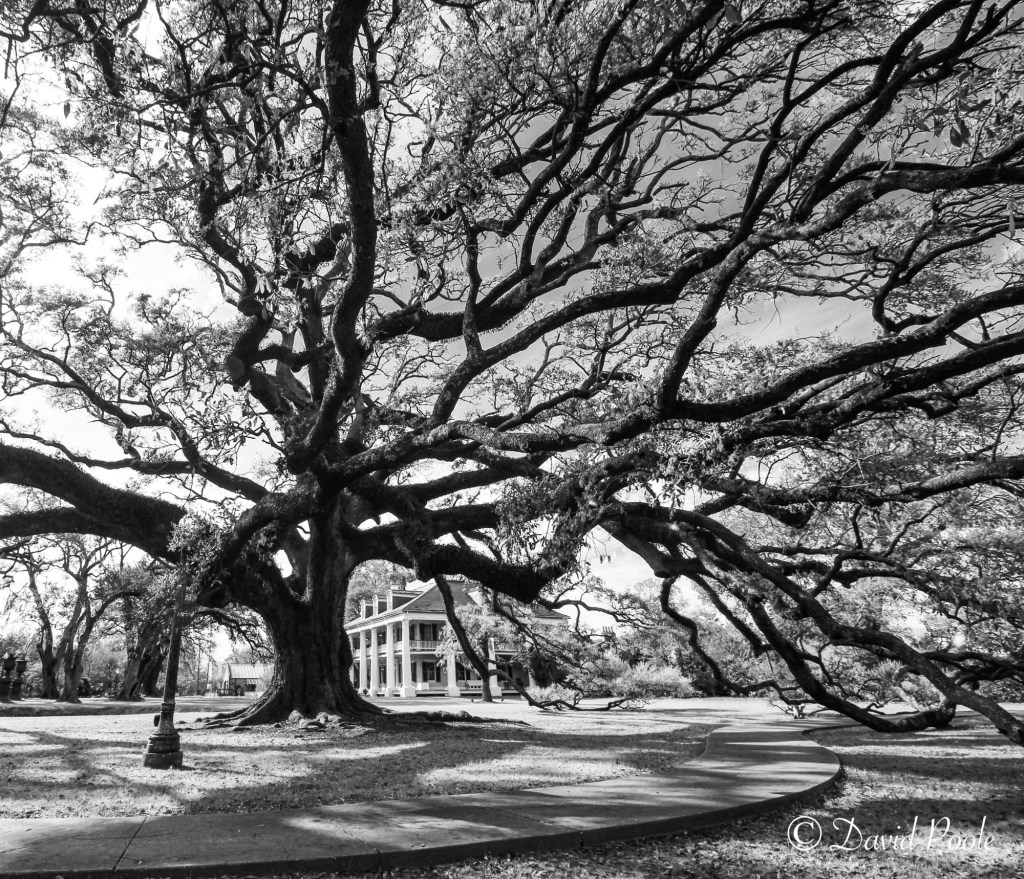
    Echoes of Time: Plantation Home Beneath a Century-Old Oak

    There’s something timeless about black and white photography—especially when the subject already carries a hundred years of history in its bones.

    This image features a historical plantation home framed beneath the sprawling arms of a live oak tree that’s likely been standing for over a century. Shot in monochrome, every crack in the bark and weathered board on the home tells its own story. The absence of color lets the textures do the talking—the gnarled branches, the sharp contrast between shadow and light, the sun casting a soft glow on the edge of the roofline.

    Plantation home stands behind a century-old oak tree, showcasing its historic architecture and sprawling branches

     historic plantation home stands behind a century-old oak tree, its majestic branches creating a serene backdrop for the timeless architecture

    What drew me to this shot wasn’t just the structure, but the relationship between the house and the tree. The oak doesn’t just stand in front of the house—it presides over it. Its limbs stretch wide like protective arms, yet its roots run just as deep into the same soil that built the home.

    Photography tip: When capturing historic architecture in black and white, shoot during late afternoon or early morning when shadows stretch longer. Let contrast tell the story—light becomes your narrator.

    Gear: Canon R5, 24–105mm L lens. Converted to monochrome in Lightroom, with emphasis on clarity and shadow depth.

    Final Thoughts: Walk Farther, Wait Longer

    Every photo tells a story, but it’s the search for that story—the walking, waiting, watching—that makes the capture worth it. Whether it’s chasing golden hour on a boardwalk in the Cozumel, crouching low to frame a Cincinnati building just right, or catching the fog wrap around a lighthouse like a secret, it’s all about finding the angle that speaks.

    Some moments, like the soft silhouette of two people walking a path in D.C., are subtle. Others—like the commanding presence of a black-and-white plantation home beneath a 100-year-old oak—are loud in their stillness. They remind us that time, light, and history are always working together in the frame.

    Behind the lens and out in the wild, whether I’m on the flats chasing redfish or tucked beneath a canopy of trees chasing light, my goal is always the same: tell a story worth pausing for. Through my blog, I share not just images, but the journey it took to get them—gear tips, camera setups, editing workflows, and the terrain beneath my boots.

    Keep exploring, keep shooting, and always chase the light.

  • Mini Street Series: Light, Lines & Legacy

    Mini Street Series: Light, Lines & Legacy

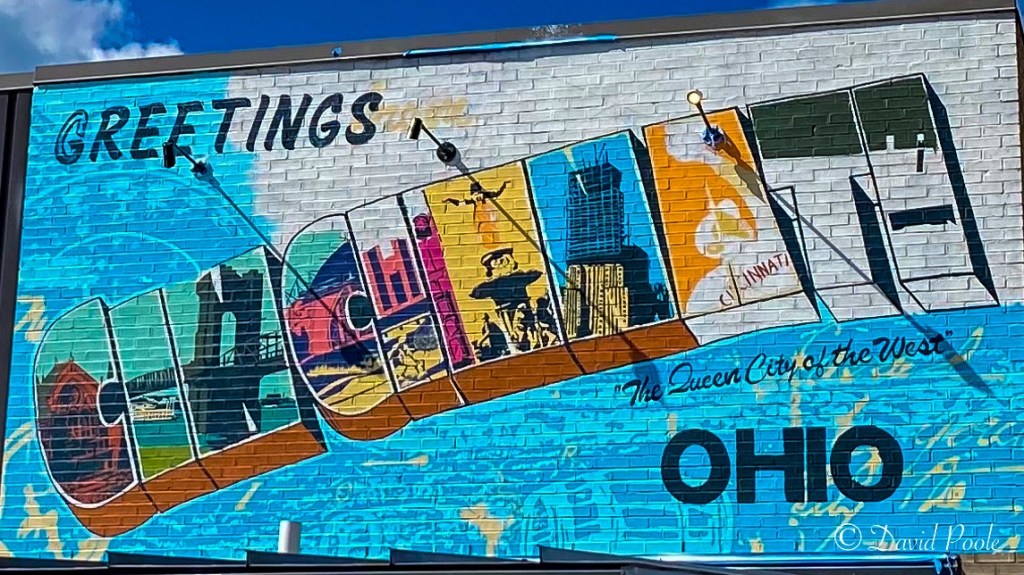
    Street photography is about more than documenting buildings or city scenes—it’s about pausing in the hum of a city’s rhythm to frame character, history, and light in a single moment. This short series explores a few such moments from my walk through the streets and riverfront of downtown Cincinnati.

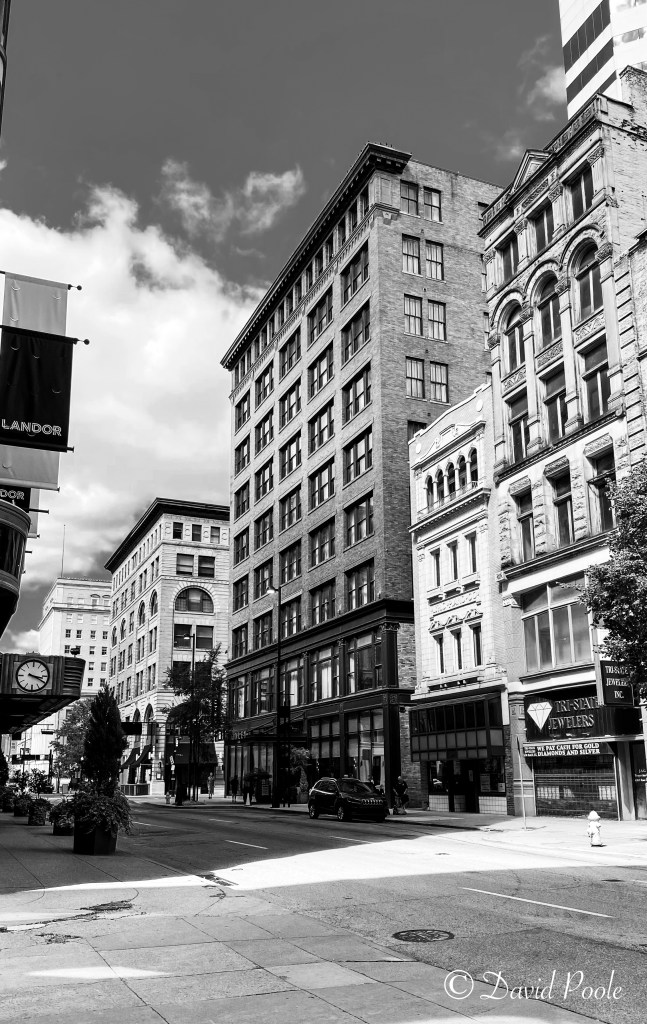
    1. Lyric Piano Company & Tri-State Jeweler Row

    Black and white photo of Lyric Piano Company and Tri-State Jewelers Row storefronts, showcasing historic architecture in downtown Cincinnati
    Black and white photo of Lyric Piano Company and Tri-State Jewelers Row storefronts, showcasing historic architecture in downtown Cincinnati

    Black and white always strips a scene down to form, texture, and contrast. In this image, I was drawn to the architectural details of these neighboring buildings. The Lyric Piano Co. facade, adorned with Roman columns and arched windows, tells of a once-vibrant musical past, now quietly echoing into modernity.

    Beside it, the Tri-State Jewelers storefront anchors the present with its bold signage—functional, utilitarian, and a little worn. Above, the sky breaks into soft clouds, adding an airy counterbalance to the hard geometry of the structures below. The car, the walker—passing stories in a place that feels paused.

    2. Roebling Bridge: Steel & Shadow

    Black and white image of the John A. Roebling Suspension Bridge in Cincinnati, highlighting steel cables and dramatic shadows with architectural contrast

    Black and white image of the John A. Roebling Suspension Bridge in Cincinnati, highlighting steel cables and dramatic shadows with architectural contrast

    The Roebling Suspension Bridge, a historical marvel that spans the Ohio River, offered a chance to capture scale and symmetry. Shot in monochrome to emphasize the structural lines and mood, I waited until the sun broke through behind the towers, casting deep shadows and light beams across the clouds.

    From this angle, the bridge rises like a gateway, connecting not just Kentucky and Ohio, but the past and present—steel cables and weathered stone holding decades of transit, trade, and change. You can almost feel the wind cutting across the river as trains roll in the distance.

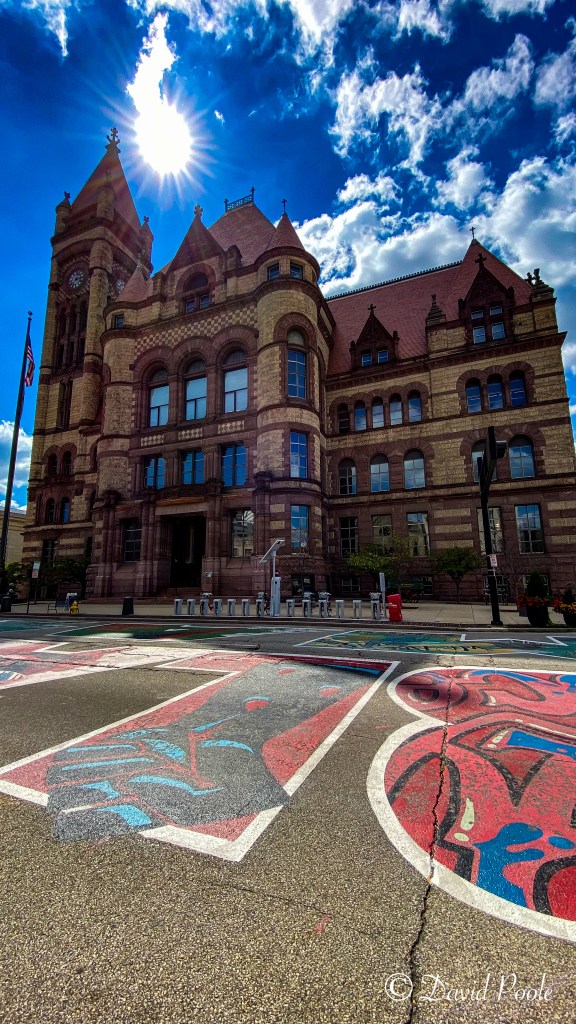
    Color photograph of Cincinnati City Hall with pedestrians walking along the sidewalk, capturing urban life, architecture, and street-level details

    Street-level view of Cincinnati City Hall in full color, where historic architecture meets everyday city life on the sidewalk

    3. City Hall & Sidewalk Voices

    This final image returns to full color—a bold departure that matches the mood of the scene. The warm stonework of Cincinnati’s historic City Hall glows under the midday sun, flanked by deep blue skies and kinetic clouds.

    But the most powerful element is at your feet. The painted fists and vibrant mural on the pavement transform the street into a message. It’s protest, pride, and art—urban storytelling beneath gothic towers. This contrast between civic architecture and grassroots voice is what makes street photography come alive.

    Gear Used:

    Canon R5, Sigma Art lenses, edited in Lightroom on iPad Pro with contrast-focused black and white presets and radial masking for sky balance.

    Closing Thoughts — Legacy in Every Line

    Street photography isn’t just about documenting what we see—it’s about interpreting how we feel in the presence of place, shadow, and time.

    As I walked through downtown Cincinnati, camera in hand, I wasn’t chasing the perfect subject. I was following textures, contrasts, and the way light touched the city’s surfaces. Each image in this mini series captures a layered moment: the quiet power of a historic bridge, the voice of protest beneath gothic spires, the way old storefronts still speak in black and white.

    These streets hold more than movement—they hold memory.

    Legacy is written in brick, steel, glass, and sky.

    And with every frame, we get to preserve a small part of it.

    Thank you for joining me on this walk through Light, Lines & Legacy.

    Share your own images with the tag #LegacyInLines

    And above all—keep looking deeper. The stories are always there, waiting in the light.

  • Part 6: Full Circle — What the Backcountry Teaches Us

    Part 6: Full Circle — What the Backcountry Teaches Us

    There’s a rhythm that sets in when you spend days wandering rivers, casting dry flies, and capturing the land through your lens. After hiking into La Plata, following the Pine River Trail, rising early on the Animas, and whispering along the Dolores, something starts to shift—not just in the way you fish, but in how you move through the world.

    This final chapter isn’t about a specific cast or photo. It’s about what all of this meant once I came off the trail, rinsed the mud off my boots, and looked back at the miles behind me.

    From Maps to Moments

    When I first sat down to plan this trip, it was a checklist: routes to hike, rivers to fish, hatches to chase. I studied topo maps and overlays on Google Earth, watched weather systems roll in and out of the San Juans, and marked backup camp spots in case storms closed the trail.

    But once you’re out there, none of that matters as much as the small moments. Like the first rise in a quiet pool. Or the sound of elk bugling across a valley at dawn. Or finding the perfect shaft of morning light filtering through lodgepoles, with a river bend waiting beneath it.

    The Camera Changed Everything

    I brought my Canon R5 to document the trip, but photography became more than just documentation—it became a second way of fishing. I wasn’t just casting for trout anymore. I was casting for light. Waiting for angles. Watching how clouds moved across the sunlit ridges. Timing the shutter for a take or the ripple of a rise.

    Using Sigma and Canon L-series lenses, I played with depth and storytelling: wide shots to show scale, macro shots to capture tiny streamside blooms, long exposures for rivers flowing like silk. Editing in Lightroom on my iPad Pro, often while huddled in a tent during afternoon showers, gave me time to reflect while still on location.

    What the Rivers Taught Me

    Each river had something to say.

    La Plata taught me to slow down and observe.

    The Pine River showed me the power of patience and hiking deep.

    The Animas reminded me to cast boldly, to adapt, and to respect fast water.

    The Dolores whispered the importance of silence, solitude, and light.

    Fly fishing in these places wasn’t just about catching trout—it was about connectingwith wild places. And photography made me see them differently. Not just as terrain to cover or fish to find—but as stories, shapes, and shifting light worth remembering.

    The Final Campfire

    On the last night, I sat at a bluff above the Dolores, fire crackling, stars just beginning to show. I had one more trout on the line earlier that evening, and one more photo of the sky turning peach above the canyon wall. The tent was pitched, the boots were drying, and my gear—rod and camera alike—was dusty but intact.

    It hit me then: This trip was less about fish and more about presence. About choosing to walk farther, wait longer, and look more closely. About building a rhythm between motion and stillness, casts and clicks, silence and shutter.

    So What Comes Next?

    I’ll be back on the flats of the Texas Coast soon—casting from my kayak, camera tucked into my hatch. And later this year, another mountain trip to Maine where I’ll be fishing for brooks. Then up to Colorado and Utah. Maybe back to New Mexico. That’s the beauty of it: the stories never end. The rivers are always waiting.

    Final Reflections and Tips

    Planning is critical, but stay flexible—rivers don’t follow your itinerary.

    Photography adds depth to fishing; carry your camera, even if it slows you down.

    Capture everything, not just the fish—landscape, weather, details, movement.

    Don’t chase numbers. Chase the experience. The cast. The quiet. The light.

    Bring a journal or use your camera as one. Tell your story while you’re still in it.

    Thanks for following this journey.

    Whether you’re chasing trout in the Rockies or tailing reds on a coastal flat, I hope this series inspires you to slow down, look deeper, and carry both a rod and a lens. The wild places are out there—and they’re best explored with muddy boots, weathered gear, and eyes open to everything between the casts.

    Want to revisit the full series?

    Check out the landing page https://beyond-the-cast.com/wilderness-water-a-colorado-fly-fishing-and-photography-series/ where all six parts are organized and downloadable.

  • Part 5: Whisper Water — Solitude and Browns on the Dolores River

    Part 5: Whisper Water — Solitude and Browns on the Dolores River

    If the Animas River is a bold, rushing conversation, the Dolores River speaks in whispers. Tucked between the slopes and canyons of Southwest Colorado, this river winds through rugged terrain, shifting between dense forest, rocky cliffs, and sage-covered meadows. It’s a place of stillness, where every bend feels like it belongs to you—and the browns that live here feel like a gift you earn, not a prize you chase.

    The Approach: Getting to the River

    The upper Dolores is more remote than it looks on the map. Depending on where you go—above McPhee Reservoir or toward the West Fork—you’ll wind down forest service roads, sometimes dodging rockfall or puddles from last night’s rain. I pulled off just before sunrise at a bend that looked promising. No signs, no crowds, no footprints in the sand.

    I geared up quickly: 9’ 4wt rodSage Spectrum C reel, floating line with a long 5x leader. I grabbed my K&F Concept camera packCanon R5, and my Sigma 24–70mm lens to start, knowing the early light would be soft and perfect for river compositions.

    Quiet Water and the First Cast

    The Dolores at this stretch was gentle—glasslike pools framed by golden willows, with the occasional riffle tumbling over polished rocks. I rigged a single dry: a #16 tan Elk Hair Caddis, and started casting upstream into the seams. The fish here weren’t picky, but they were spooky. Long leaders and slow movements were the name of the game.

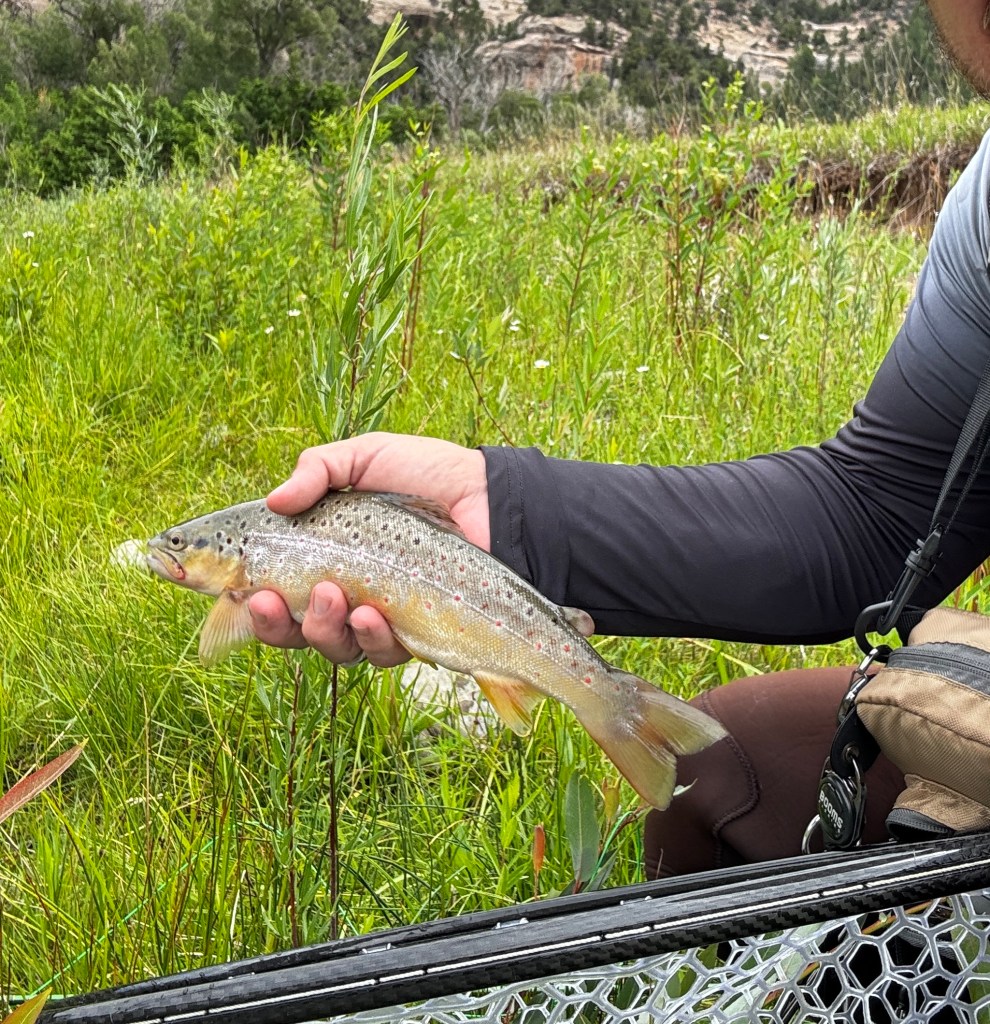
    The first brown came from under an overhang, perfectly camouflaged against the river bottom. I crouched low, played it gently, and then paused to shoot—kneeling at water level to capture its golden flanks against the mirror-like pool behind it.

    Photographing Solitude

    Photography here wasn’t about action—it was about silence. I slowed down and started looking for compositions that told a story: a pool framed by sunlit pine branches, reflections of clouds in still water, the gentle curve of the river disappearing into cottonwood shade.

    Using a circular polarizer, I cut glare from the surface and exposed the rocks and movement underneath. I stopped often to shoot macro shots—moss on river stones, fresh caddis cases on logs, wildflowers just beginning to bloom along the bank. The Canon R5 let me switch between stills and slow-motion video, capturing the way wind moved through the reeds like a painter’s brush.

    Fly Selection and Brown Trout Behavior

    As the sun climbed higher, the trout moved deeper. I switched to a dry-dropper setup: a #14 Stimulator on top with a #18 Zebra Midge below. The browns in the Dolores aren’t huge, but they’re aggressive and feisty, especially when your drift is clean and natural.

    I targeted small plunge pools below boulder-strewn riffles and deeper pockets shaded by cliff overhangs. Most takes were subtle—a twitch or a swirl rather than a splash. The largest of the day came from a tight seam below a fallen pine: a buttery brown with red spots vivid against olive flanks. I wet my hands, admired him in the net for a moment, then let him go.

    Weather Watching and Midday Reset

    As with most Colorado rivers, the Dolores plays by mountain rules—sunny one minute, storm clouds the next. By noon, dark clouds were building behind the ridges. I took the cue to rest, retreating to a patch of grass above the river, checking radar, and reviewing my shots on my iPad Pro. I backed up files, edited a few images in Lightroom using preset adjustments for contrast and warmth, and ate lunch while a soft rain moved through.

    Evening Glow and Last Light

    By late afternoon, the rain cleared, and the golden hour was beginning. I hiked upstream a little farther to a stretch with higher canyon walls and a series of gentle cascades. The light lit up the canyon like fire—red rocks glowing, the water catching flecks of sun, and the air thick with golden reflections.

    This was my favorite photography session of the trip—shooting handheld with my 70–200mm lens, I caught reflections of cottonwoods in the river, crisp landscapes framed with long shadows, and one last brown trout rising in the golden light.

    Why the Dolores Stays With You

    Some rivers give you a lot right away. The Dolores gives slowly. It rewards patience, attentiveness, and a photographer’s eye. You may not land a dozen fish, but each one feels earned. And the scenes—the ones you only find by walking, waiting, and watching—make it unforgettable.

    Fly Fishing Dolores River Essentials

    Best Flies: Elk Hair Caddis, Parachute Adams, Zebra Midges, Stimulators, Streamers in fast water

    Rod Setup: 4wt or 5wt rod, long leaders, floating line

    Photo Gear: Canon R5, Sigma 24–70mm, 70–200mm, polarizer, K&F tripod

    Tips: Stay low, fish slow, take your time to photograph the river between casts

    Safety Note: Watch afternoon storms; bring a small first-aid kit and map (no service in remote stretches) Insure you have downloaded all your offline maps

    The Dolores River isn’t about action—it’s about appreciation. It asks you to slow down, to watch the way light plays on water, and to cast not just for fish, but for the memory of that perfect, quiet moment in the canyon.

    Next Up: Part 6 — Full Circle: Reflections, Routines, and What the Backcountry Teaches Us

  • Part 4: Animas Mornings — Big Water and Bigger Scenes

    Part 4: Animas Mornings — Big Water and Bigger Scenes

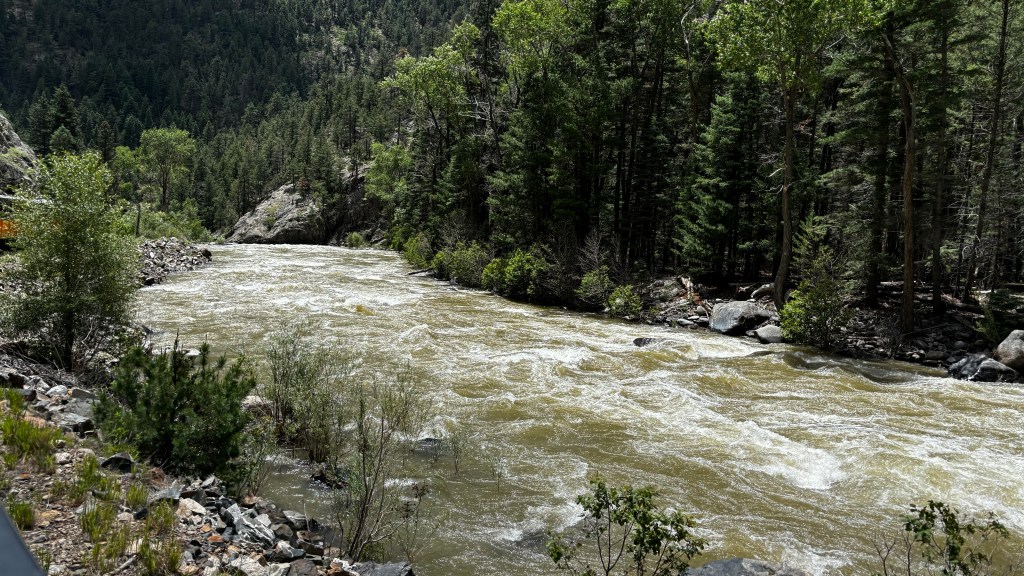
    The Animas River is a different kind of challenge. It’s not a quiet alpine trickle or a glassy meadow stream—it’s loud, wide, and unapologetically wild. Flowing straight through Durango, Colorado, the Animas is part urban fishery, part wilderness artery. It forces you to think bigger—wider water, heavier flies, longer casts—but still rewards that same backcountry patience.

    This part of my trip was about rising early, walking the banks in the soft golden light, and chasing browns and rainbows with both rod and camera in hand.

    Sunrise in Durango

    I woke up before first light, the streets of Durango still quiet. With a thermos of hot coffee, my Sage Spectrum C reel rigged on a 9’ 5wt rod, and my Canon R5 slung over my shoulder, I made my way to the water’s edge just as the sky began to glow.

    The Animas River Trail makes access easy through town, but don’t let that fool you—there are real fish in this river, and they know how to fight. I found a spot just below a rocky chute, where the water slowed into a deep green run bordered by cottonwoods.

    Casting into the Current

    Big water requires smart setups. I tied on a #10 Pat’s Rubber Legs with a #14 Flashback Pheasant Tail dropper, running under an indicator with a bit of split shot to get it deep. These trout hold tight to seams and structure, often near the bottom.

    On my third drift, the indicator twitched. I set the hook and felt immediate weight—no acrobatics, just a steady pull. A few minutes later, I landed a thick rainbow, chrome-bright and peppered with tiny spots. I kept the fish in the net, let it rest, and grabbed a few quick shots with my 24–70mm lens and a shallow depth of field to blur out the river behind.

    Photography on Big Water

    The Animas is perfect for dramatic shots. With high banks, old iron bridges, and light that shifts quickly with the clouds, it’s a river made for wide angles. I switched to a 16–35mm lens, shot low from the riverbank, and captured the first sunlight hitting the canyon walls with the water reflecting every shade of blue and green.

    I experimented with ND filters for long exposures, letting the current blur while boulders and logs stayed sharp. These kinds of photos tell the story of movement—how the river breathes and shifts around each bend.

    Wildlife Along the Banks

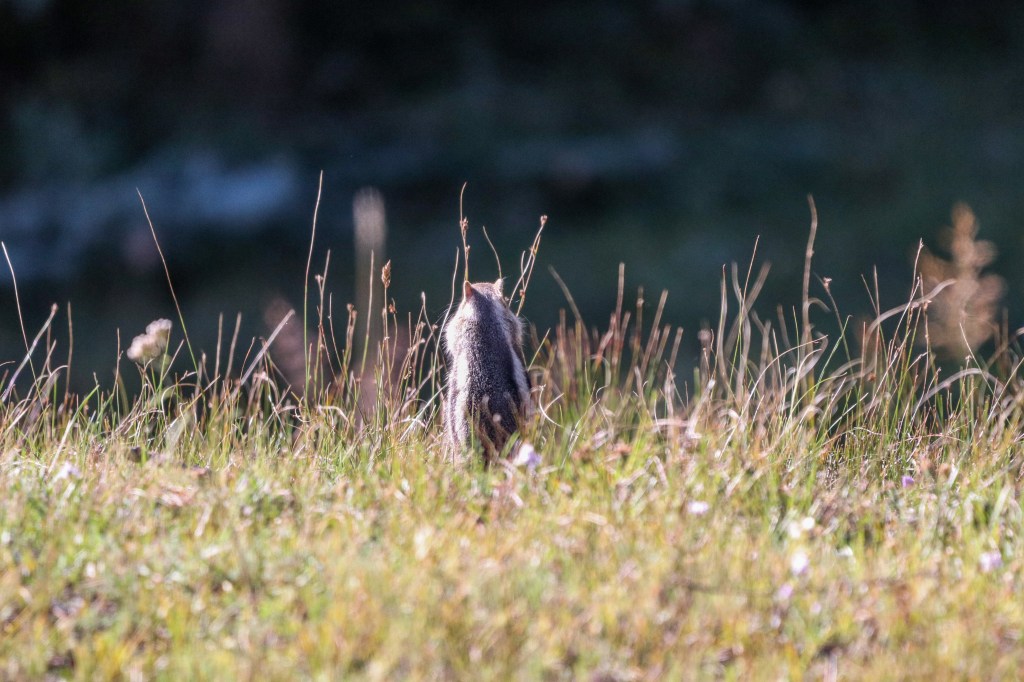
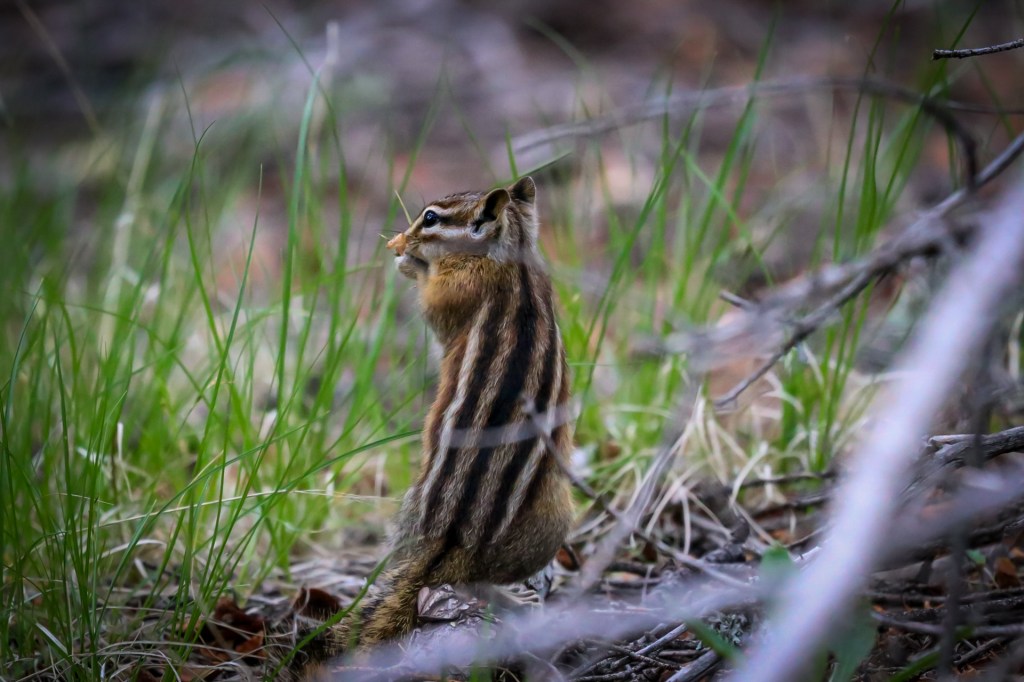
    Between casts, I kept my eyes open for more than just trout. I spotted a flicker of movement near a rock outcrop—just a blur of fur and a flicking tail. I crouched low and reached for my camera. There, nestled in a patch of wildflowers, a chipmunk was nibbling on a seed head, completely unaware of me. I dialed in my Canon R5 with the 70–200mm lens, adjusted for soft natural light, and waited. The frame came together perfectly: golden grass swaying in the breeze, the chipmunk centered in a moment of stillness. A quiet, unexpected portrait of mountain life, full of charm and detail.
    With my 70–200mm lens, I captured tight shots from a distance—one of the benefits of shooting early before the trail sees much foot traffic.

    I also grabbed some frames of the little things—dewdrops on wild grassclose-ups of river stonescaddis cases clinging to rocks—the quiet details that add depth to both fishing and photography.

    Urban Meets Wild

    Fishing the Animas in Durango is a unique experience. You can hear the occasional train whistle or morning jogger on the trail, yet still feel completely locked in with the river. It’s a good reminder that wild places don’t have to be far from home—they just have to be approached with the right mindset.

    With a few solid fish landed and a full memory card, I took a break under the old railroad bridge, watching the light shift across the river. That’s the magic of a morning on the Animas—you show up early, stay patient, and let the day unfold at its own pace.

    Tips for Fly Fishing and Photography on the Animas River

    Best Time: Early mornings for light, fewer people, and active fish

    Top Flies: Pat’s Rubber Legs, Flashback Pheasant Tails, Jigged Hare’s Ear Nymphs

    Gear: 5wt or 6wt rod, Sage Spectrum C reel, floating line with split shot

    Photography Musts: Wide-angle lens, polarizer, tripod for longer exposures

    Location Notes: Durango River Trail access is great, but hike downstream or upstream early for quieter water

    Fly fishing the Animas taught me how to adapt—heavier flies, bolder casts, and a willingness to pause the fishing for a perfect photo. It reminded me that the story isn’t just about the catch—it’s about the experience, the light, the sounds, and the stillness between the casts.

    Next up: Part 5 — Whisper Water — Solitude and Browns on the Dolores River

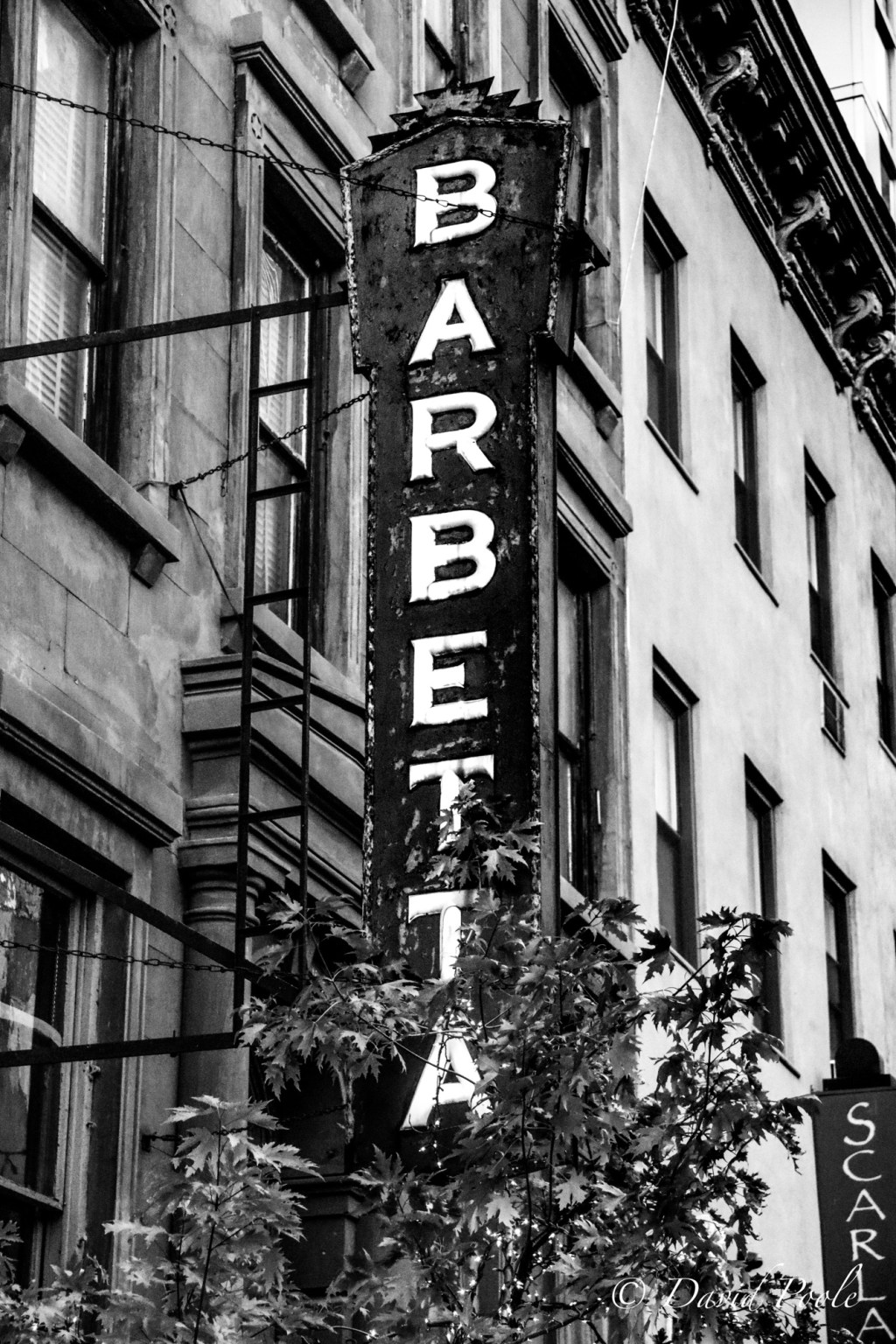
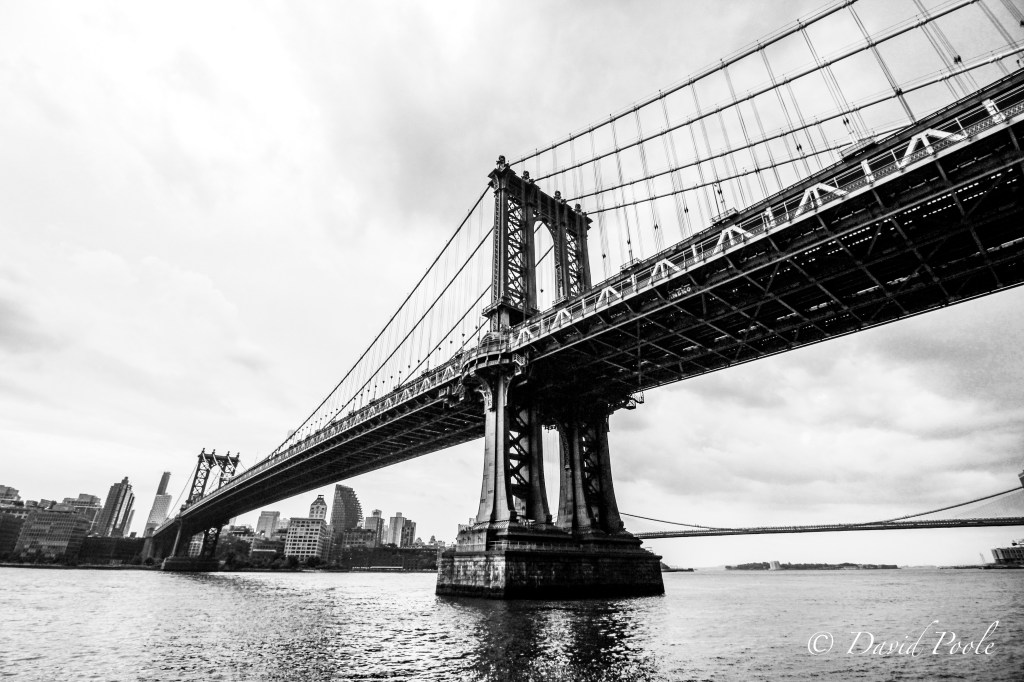
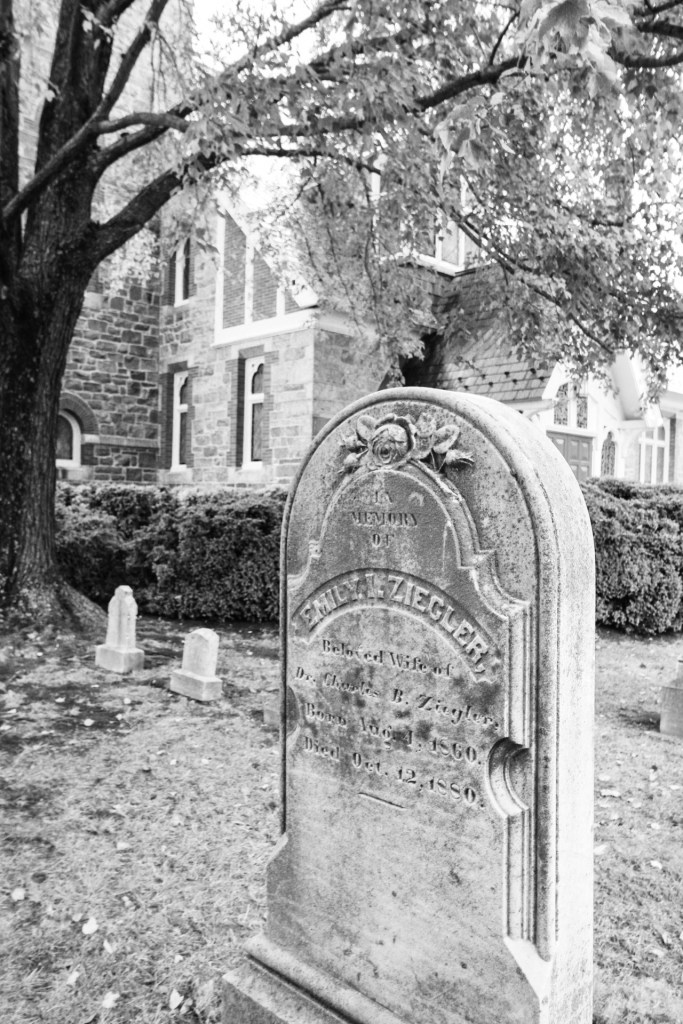
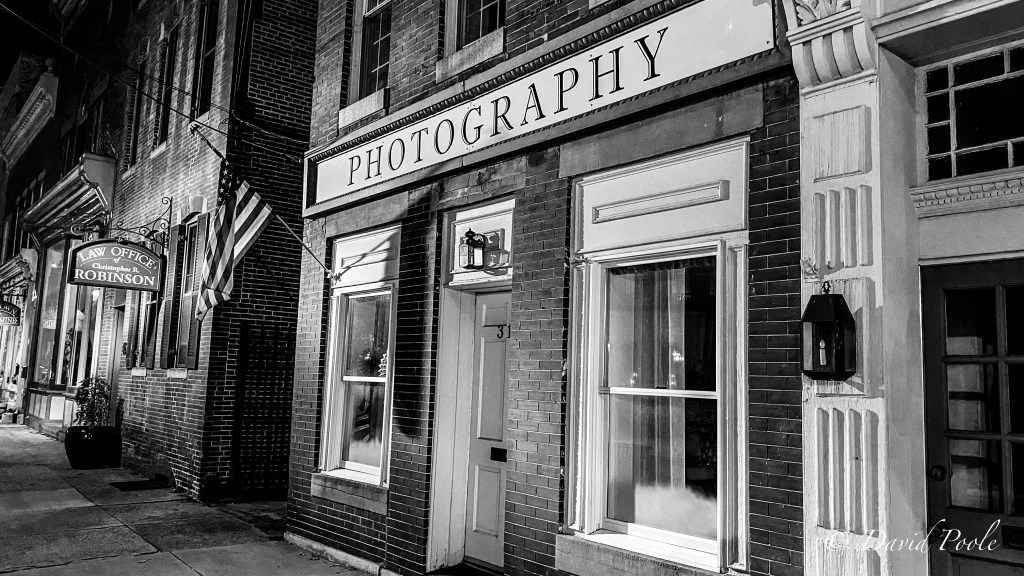
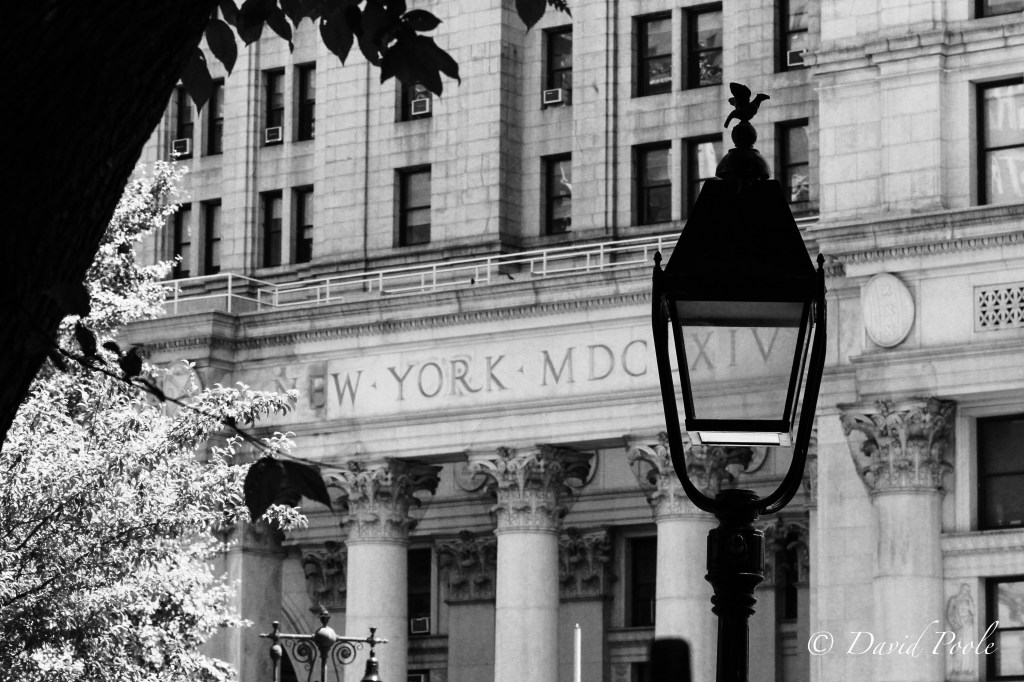
  • Shadows & Stone: New York and Virginia in Black and White

    Shadows & Stone: New York and Virginia in Black and White

    There’s something powerful about black and white photography—how it reduces the noise and highlights the soul of a scene. On a recent walk through New York and Virginia , I brought my camera and captured moments that felt timeless, quiet, and full of contrast.

    Brooklyn bridge New York 
Bridge

    • Brooklyn Bridge in Shadow: Steel cables, towering arches, and a sky fading to white. A frame that speaks of structure and history.

    • Reflections in a Puddle: A tall New York building reflected in rainwater. Urban symmetry at its most fleeting.

    • Statue of Neptune: Weathered bronze, lost in thought, surrounded by stone. The sea god looks at home in the chaos of the city.

    • Clocktower & Gravestone: A juxtaposition of time—one ticking on, the other long past. The cemetery, quiet beneath the gaze of an old city clock.

    Photography 
Building 
New York

    • Buildings in Contrast: Sharp angles and soft skies. Light breaking across brick, glass, and iron.

    Closing Paragraph:

    These black and white shots reminded me why I love wandering with a camera—because the smallest things become monumental in the right light. In a city that never slows down, this series let me freeze moments that often go unnoticed.

  • Part 2: Into the Pines — Hiking to the La Plata River with a Fly Rod and a Camera

    Part 2: Into the Pines — Hiking to the La Plata River with a Fly Rod and a Camera

    There’s something about hiking into trout water that changes the whole rhythm of a trip. You leave behind the road noise, the cell signal, the crowded pull-offs—and start tuning into the sound of the wind through lodgepoles and the hush of a river just over the next rise. That’s what drew me to the La Plata River, tucked into a quiet stretch of high country in Southwest Colorado. Part fishing trip, part photo expedition—this was a day I won’t forget.

    Starting the Hike: Pines, Shade, and Altitude

    The La Plata River trailhead isn’t flashy. It starts modestly with a dirt pull-off and quickly dips into shady pine groves. The trail follows the contour of the valley with occasional glimpses of the river down below. What makes this hike special isn’t just the destination, but the quiet, ever-changing terrain: groves of aspen, mossy boulders, and alpine meadows dotted with summer wildflowers.

    With my K&F Concept camera backpack strapped tight and a 4wt fly rod rigged up and ready to go, I eased into a slow pace, letting my eyes adjust to the light and scanning the trail for photo moments—a glint of water through the trees, a mule deer in the brush, shafts of light through pine needles.

    Wildflowers and Wildlife: Photography on the Move

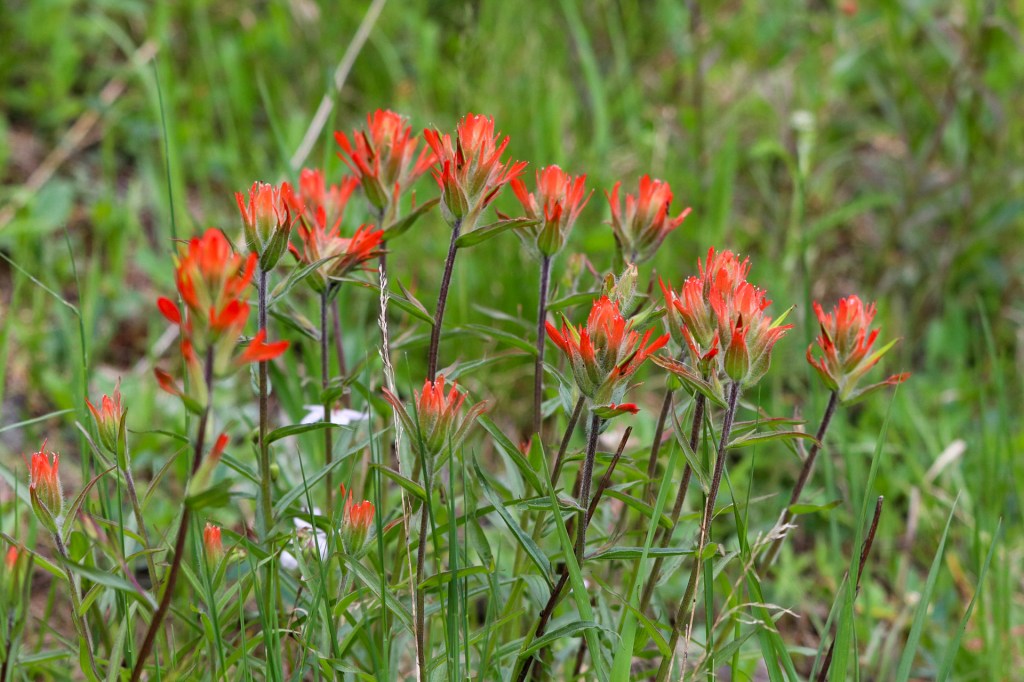
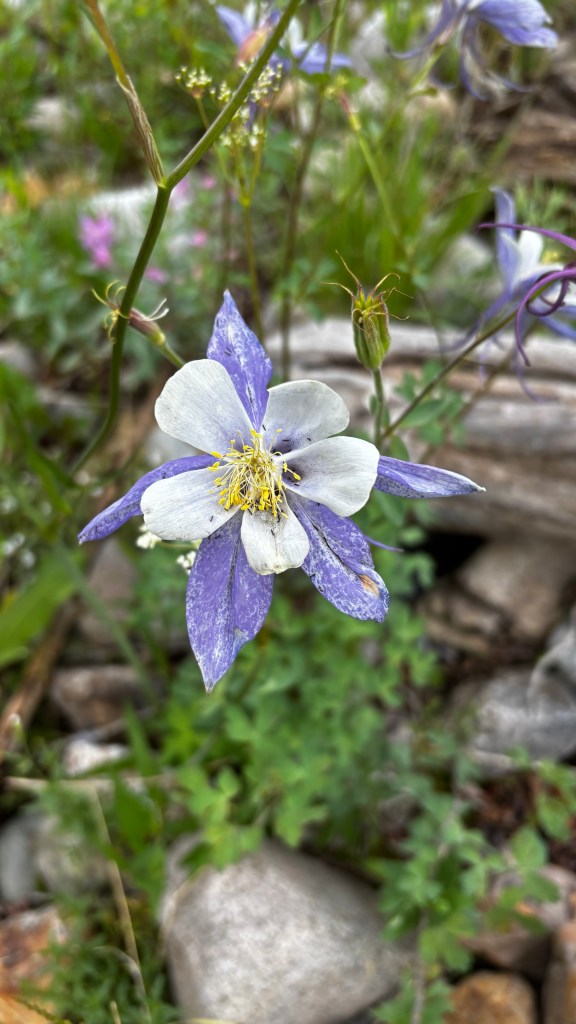
    Early summer in this part of Colorado is a photographer’s dream. Bright orange Indian paintbrush, purple columbines, and patches of lupine lit up the trail edges. I switched to my 24–70mm lens, using a low angle to capture the pop of color against the green pines.

    Light is everything here. I used a circular polarizer to punch up the color and reduce glare when shooting near water. My Canon R5 handled the dynamic light shifts like a champ—especially when a young mule deer stepped out into a clearing, perfectly backlit, right as I crested a ridge.

    First Glimpse of the River

    About two miles in, I heard it before I saw it. The La Plata winds through tight canyons and then flattens into glassy, slow runs bordered by grassy banks. I dropped my pack, switched into my wading shoes, and tied on a #14 Yellow Stimulator with a Beadhead Pheasant Tail dropper.

    The water was crystal clear—trout country through and through.

    Stealth and Strategy: Small Water Fly Fishing

    Fishing the La Plata is a finesse game. These are wild fish, likely never hooked, and they spook at shadows. I crouched low, casting upstream into shady runs and behind midstream boulders. Several small browns darted for the fly but refused last second. On a good drift, the dropper disappeared and I brought in my first fish of the trip—a buttery brown trout with fire-orange spots. I paused for a quick photo with the fish hovering just above the net, backlit by the sun.

    I love these moments—the stillness, the soft light, the ripple of success after a quiet approach. The fish here aren’t big, but they’re beautiful and strong.

    The Midday Light Shift

    By midday, the lighting got harsh—tougher for photos, but perfect for exploring. I shot reflections along a wide bend of the river, switching to a 70–200mm lens to compress layers of pine ridges and storm clouds moving in.

    Back at a mossy boulder overlooking a slow pool, I set up my tripod for a long exposure of the water sliding through rocks. These are the frames I love—where fly fishing meets fine art photography.

    Safety First in the Backcountry

    Clouds started to build, as they often do in Colorado’s high country. I kept my eye on the sky, wrapping up fishing and heading back toward the trailhead before the afternoon storms rolled in. That’s one lesson I’ve learned: no fish is worth getting caught in a lightning storm above 9,000 feet.

    On the hike out, I paused one last time to shoot the fading light over the valley, grateful for a day that felt more like a retreat than a mission.

    Tips for Fishing & Photographing the La Plata River

    Start early: For soft light and calm water, hit the trail before sunrise.

    Use a dry-dropper rig: Small dries like Stimulators or Elk Hair Caddis paired with beadhead nymphs are deadly.

    Pack light, but smart: The K&F backpack let me carry camera gear, fly gear, food, and a rain shell without overload.

    Bring a polarizer: It transforms mid-day shots and makes colors pop.

    Shoot with purpose: Capture the fish, but also the landscape, light, and journey—it tells the full story.

    This hike into the La Plata River reminded me why I chase these moments—where the line between fishing and photography disappears. The sound of moving water, a trout rising to a dry, and the snap of the shutter are all part of the same rhythm.

    Up Next: Part 3 — Chasing Trout and Light on the Pine River Trail

  • Comanche Point – Valle Vidal, New Mexico (Scenic Viewpoint, Hiking, Wildlife, Photography)

    Comanche Point – Valle Vidal, New Mexico (Scenic Viewpoint, Hiking, Wildlife, Photography)

    Comanche point in New Mexico 
Mountains
    Comanche Point

    Nestled in the heart of Valle Vidal, New MexicoComanche Point offers one of the most dramatic and scenic viewpoints in the state. Surrounded by vast alpine meadows, aspen forests, and rugged ridgelines, it’s a top destination for hikingwildlife viewing, and landscape photography in northern New Mexico.

    This remote area—part of the Carson National Forest—is known for its solitude and abundance of elk, black bears, and wild turkeys. The views from Comanche Point stretch across the Sangre de Cristo Mountains, making it a must-see stop for outdoor enthusiasts and road trippers exploring Valle Vidal.

    Perfect for a day hike or scenic stop on a backcountry adventure, Comanche Point captures the raw beauty and history of the New Mexico high country.

  • Planning My Fishing Trips: From Texas Marshes to Colorado’s Wild Trout Streams

    Planning My Fishing Trips: From Texas Marshes to Colorado’s Wild Trout Streams

    Every fishing trip I take starts with a map, a cup of coffee, and a little imagination. Whether I’m launching my kayak into the quiet marshes of Galveston Bay or loading up my fly rod for a week chasing trout in the mountains of southwest Colorado, I treat every trip like its own adventure.

    Over time, I’ve built a system that helps me find the right water, prepare for changing conditions, and capture moments along the way through fishing photography. It’s a mix of digital scouting, tide and river flow research, fly fishing strategy, and a lot of intuition.

    Here’s how I plan my trips—from coastal redfish missions to high-country fly fishing—along with the tools, tactics, and gear that help me get the most out of every cast.

    Step One: Finding the Right Water

    When I’m planning a coastal trip around Galveston, I start with Google Earth fishing maps. I zoom in on marsh drains, shell reefs, and grass flats, marking potential ambush points where redfish and speckled trout might be waiting for bait to push through with the tide.

    For trout fishing trips, I turn to the TroutRoutes app, especially when heading into places like the Dolores River, Pine River, Animas River, or Florida River in Colorado. TroutRoutes shows me public access points, fly fishing regulations, and real-time stream flows—all in one spot. It’s hands-down one of my favorite apps for planning fly fishing trips in Colorado.

    Screenshot trout fishing map of Dolores River using TroutRoutes
    Screenshot trout fishing map of Dolores River using Google Earth

    I also pull up local fly shop reports and check in with forums and social groups. A few minutes of reading recent trip reports can save me hours on the water later.

    Timing is Everything: Tides, River Flows & Weather

    Fishing success is all about timing and conditions.

    On the coast, I build my trips around tide charts, solunar tables, and wind forecasts. I want to be on the water as the tide’s moving—either pulling bait into the marsh or draining it out through cuts and creeks. That moving water gets everything active, especially when paired with stable pressure and clean water.

    For my Colorado trips, I pay close attention to USGS stream gauges. If flows are too high from runoff or summer storms, I might switch to a smaller tributary or hit a tailwater like the lower Dolores. Watching water temperature is equally important—trout get lethargic in warmer water, especially in late summer.

    “Success often comes down to 15 minutes of movement—when the tide shifts or the hatch explodes.”

    My Fishing Strategies: Flats to Freestones

    Inshore Fishing: Texas Marsh Tactics

    When I’m chasing redfish on the flats, I’m looking for signs of life—nervous bait, shrimp jumping, birds diving, or the golden back of a redfish pushing through grass. I love fishing with paddle tails, especially the JVS Custom Baits Rip Rap in Copper Penny or a 3.5” Speed Shrimp when fish are keyed in on crustaceans.

    If I’m fly fishing in the marsh, I keep it simple: crab and shrimp patterns, long leaders, and a quiet approach. Sight casting to tailing reds never gets old.

    Mountain Fly Fishing: Reading Water & Matching the Hatch

    In Colorado, fishing rivers like the Pine or Animas means constantly adjusting to what the water gives me. One bend might call for dry flies in pocket water, the next might demand nymphs under an indicator in a deep, slow pool.

    When the hatch is on—especially during a caddis or stonefly emergence—I’m in heaven. There’s something about watching a trout rise in fast water, especially when I’ve hiked in for miles with just a small pack and a fly box in my pocket.

    Safety First: Especially in the Backcountry

    Whether I’m kayaking a remote bay system or hiking into the upper Florida River, I take safety seriously.

    • I carry offline maps and GPS, especially when I’m deep in the mountains or out of cell range in a bay system.

    • I use a Personal Locator Beacon (PLB) for emergencies—peace of mind goes a long way.

    • In mountain country, I pack layers for changing weather, a water filter, and bear spray when needed.

    Knowing how to read the weather—and knowing when to pull the plug—has saved me more than once.

    Capturing the Experience: Fishing Photography in the Field

    Fishing is about more than just catching fish. For me, it’s also about the quiet moments between casts—the mist rising off a river at dawn, a redfish tail breaking the surface, or a trout slipping back into cold, clear water.

    That’s where photography comes in. I bring my Canon R5, along with a few key lenses: a Canon L-series for landscape shots, and a Sigma for tighter portraits of fish and wildlife.

    I use:

    • A K&F Concept tripod for stability when shooting long exposures

    Polarizing filters to cut glare and bring out the detail in water shots

    • A dry bag and padded camera insert to protect my gear in the kayak or backpack

    Some of my favorite moments are captured during the golden hour—sunset glowing off a canyon wall in the Animas, or first light over the saltgrass back home in Galveston.

    Final Thoughts: Why I Plan Fishing Trips This Way

    I fish for the thrill of the catch—but also for the quiet, the challenge, and the story. The time I spend planning my trips—researching tides, scouting rivers, organizing gear—is all part of the journey.

    Fishing the Dolores River one day and stalking redfish on the Texas coast the next keeps me connected to the water in totally different ways. Both require patience, curiosity, and a little humility.

    If you’re planning your own trip—whether it’s chasing tailing redfish or hiking into a hidden trout stream—take your time. Look at maps. Check the flows. Watch the weather. Bring a camera. And most importantly, enjoy the ride.

    Tight lines and clear skies—see you out there.

  • Following the Wings: Birding and Migration in Galveston’s Coastal Flats

    Following the Wings: Birding and Migration in Galveston’s Coastal Flats

    Long-billed Dowitcher

    Galveston’s coastal marshes, beaches, and tidal flats serve as critical stopover points for migratory birds along the Central Flyway. For bird photographers, this region offers a dynamic blend of year-round residents and seasonal migrants, each presenting unique opportunities to capture stunning images.

    Spending time on the water fishing, hiking through coastal trails, or wading the back bays gives me a front-row seat to this natural phenomenon. In this blog, I’ll explore the best locations for birdwatching in Galveston, break down the camera gear and settings that work best for bird photography, share editing tips, and discuss how angles and composition can elevate your shots.

    Best Locations for Bird Photography in Galveston

    Finding the right location is key to capturing great bird photographs. Galveston and the surrounding areas provide a variety of habitats, from salt marshes to coastal woodlands, attracting different species. Here are some of the best spots:

    1. Bolivar Flats Shorebird Sanctuary

    Great Egret

    • One of the best spots for photographing shorebirds, pelicans, and wading birds.

    • Low tide reveals expansive sandbars and mudflats, which attract feeding birds.

    • Ideal for capturing birds in flight, reflections on wet sand, and birds interacting in flocks.

    • Best time: Early morning and late afternoon for softer light and active bird behavior.

    2. Galveston Island State Park

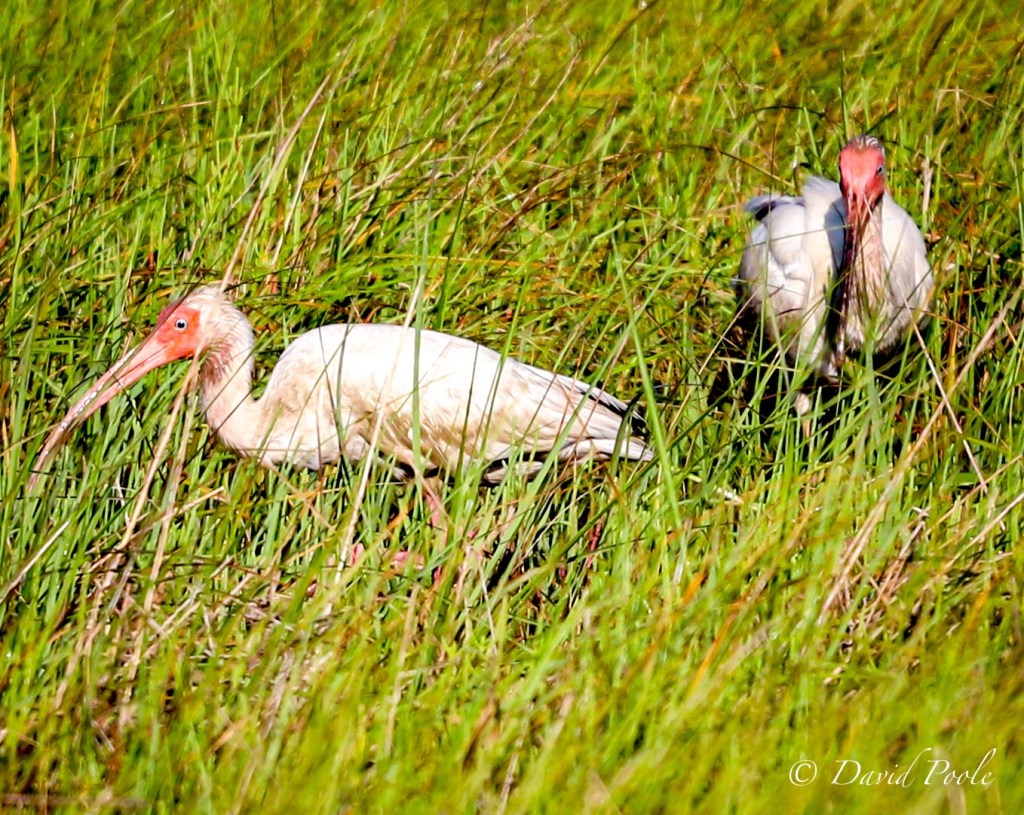
    White Ibis in Galveston State Park

    • A mix of beachfront, salt marshes, and coastal prairie draws a diverse range of species.

    • Great location for spotting roseate spoonbills, ospreys, and herons.

    • The marsh boardwalk offers close-up views without disturbing birds.

    • Best time: Sunrise and sunset for golden light and fewer crowds.

    3. San Luis Pass

    • Excellent for capturing birds in action, such as pelicans diving or ospreys hunting.

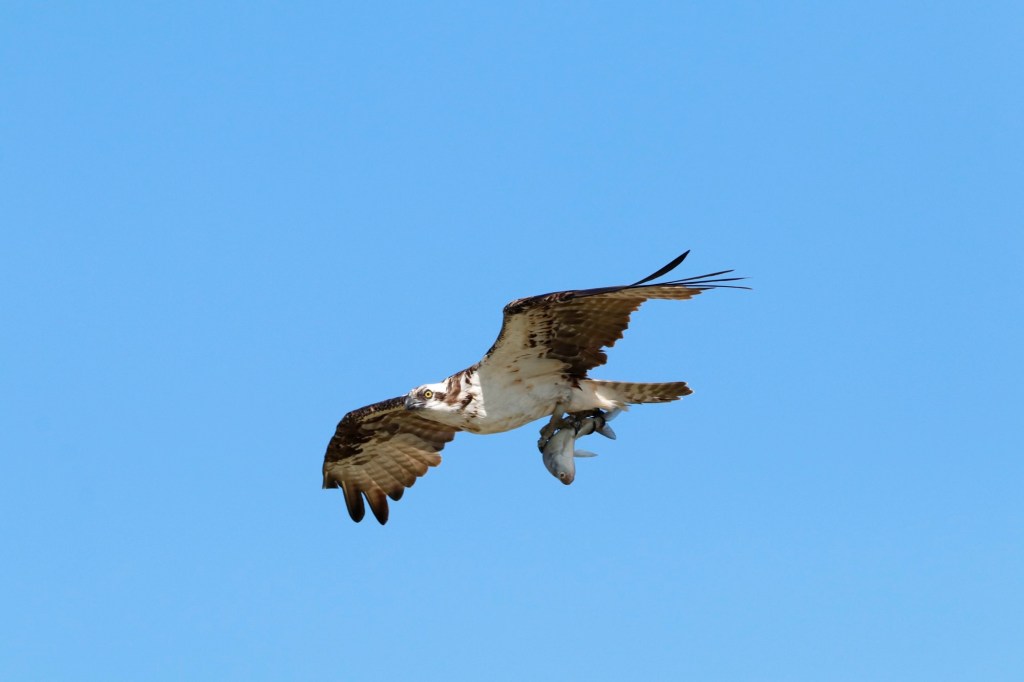
    Osprey with a freshly caught fish

    • Strong currents and sandbars make this a hotspot for terns, gulls, and waders.

    • The dramatic landscape adds depth to compositions.

    • Best time: Morning, when birds are actively foraging.

    4. Lafitte’s Cove Nature Preserve

    • A wooded sanctuary perfect for warblers, buntings, and other migratory songbirds.

    • A great place to practice close-up photography with perched birds.

    • Best time: Spring and fall migration, when small songbirds stop to rest after crossing the Gulf.

    5. Freeport Marshes & Christmas Bay

    • These shallow waters attract egrets, herons, spoonbills, and ibis.

    • Best explored by kayak to get low-angle shots and access hard-to-reach spots.

    • Best time: Mid-morning when the sun is high enough to illuminate the birds.

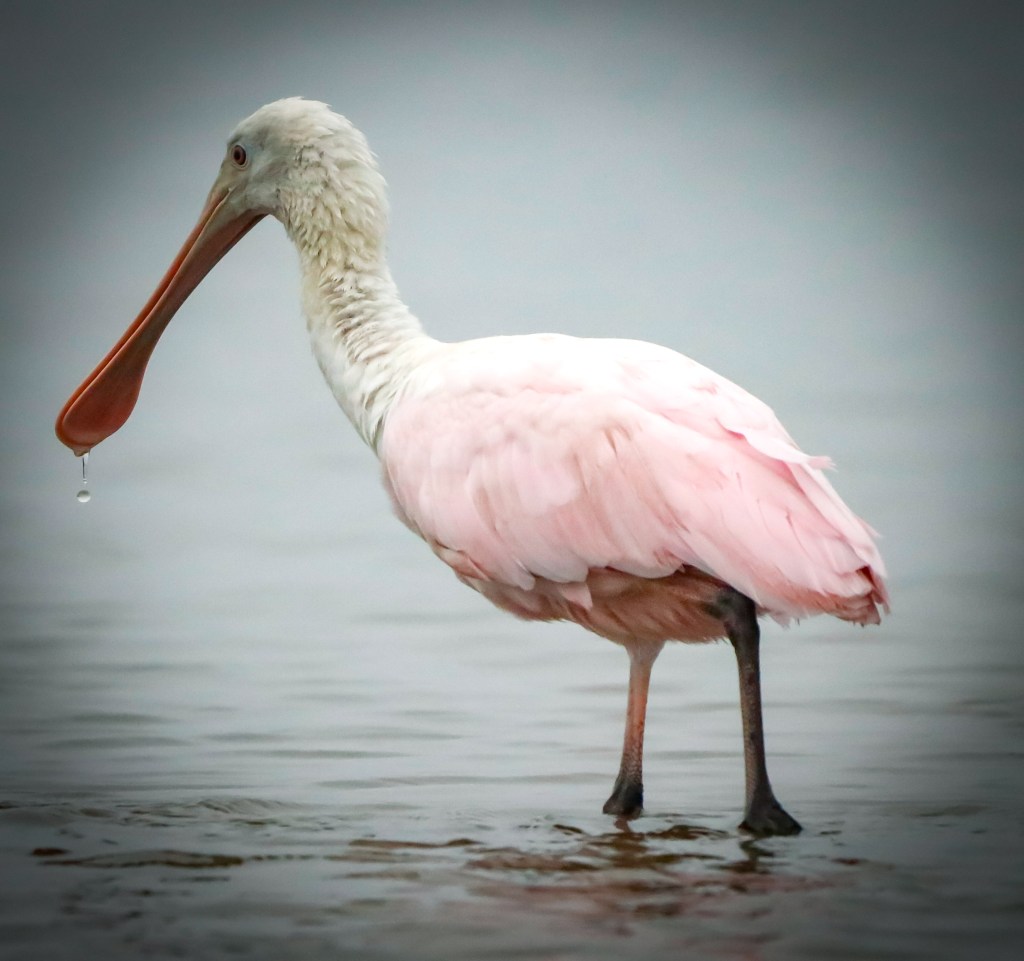
    Spoonbill

    Camera Equipment for Bird Photography

    1. Camera Body Recommendations

    Bird photography requires fast autofocus, high resolution, and good low-light performance. My go-to camera is the Canon R5, which offers:

    • 45MP resolution for capturing fine feather details.

    • Animal Eye Autofocus to track birds in motion.

    • Fast burst shooting (up to 20 FPS) for action shots.

    Other great options include the Sony A1, Nikon Z9, or Canon R7 (for a budget-friendly APS-C choice).

    2. Best Lenses for Bird Photography

    A telephoto lens is essential for getting close to birds without disturbing them. My favorites:

    • Canon RF 100-500mm f/4.5-7.1 L IS USM – Versatile for both perched and flying birds.

    • Sigma 150-600mm f/5-6.3 DG OS HSM – Budget-friendly but sharp.

    • Canon RF 600mm f/11 IS STM – Lightweight for handheld shooting.

    A 1.4x or 2x teleconverter can extend reach but may reduce autofocus speed.

    3. Ideal Camera Settings

    • Shutter speed: 1/1000s or faster to freeze motion.

    • Aperture: f/5.6–f/8 for sharpness and depth of field.

    • ISO: 100–800 in good light, 1600+ in low light (with noise reduction in post).

    • Focus mode: Continuous autofocus (AI Servo/AF-C) for moving birds.

    Angles & Composition for Better Bird Photography

    1. Eye-Level Shots

    • Birds appear more engaging and natural when photographed at their eye level.

    • How to do it: Shoot from a low position—kneel, lie down, or use a kayak.

    • Example: A close-up of a sandpiper walking through shallow water, with a blurred background.

    2. Backlit Silhouettes

    • Creates dramatic, artistic images, especially at sunrise or sunset.

    • How to do it: Position the bird between you and the sun for a glowing outline.

    • Example: A heron standing in the marsh at dawn, surrounded by golden light.

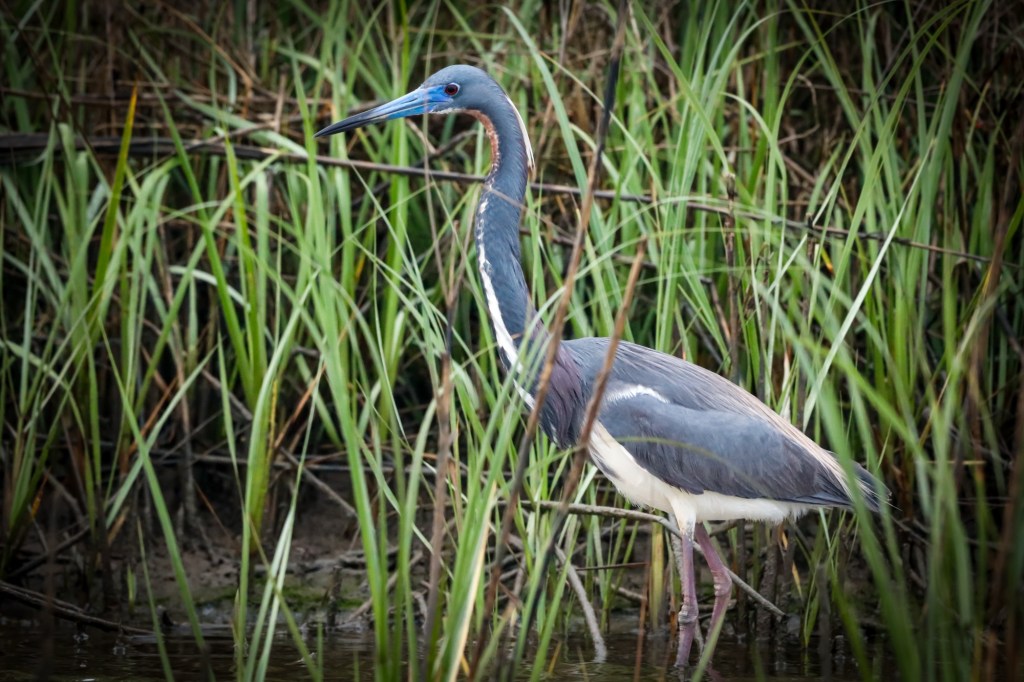
    Tricolored Heron in West Bay Galveston

    3. Action Shots

    • Captures birds hunting, taking off, or interacting.

    • How to do it: Use fast burst mode and pre-focus on the area where the action is likely to happen.

    • Example: An osprey diving for fish with wings fully extended.

    4. Reflections & Water Scenes

    • Water can add a symmetrical, serene effect to photos.

    • How to do it: Shoot when the water is calm and position the bird where the reflection is clearest.

    • Example: A pelican gliding over glassy water with a perfect mirror image below.

    Pelican

    Editing Techniques in Lightroom & Photoshop

    1. Adjusting Exposure & Contrast

    • Increase contrast to define feathers.

    • Adjust highlights and shadows to recover details.

    2. Enhancing Colors Naturally

    • Use the HSL panel to fine-tune individual colors without oversaturation.

    • Warm up images slightly for morning/evening shots.

    3. Noise Reduction for High ISO Shots

    • Use Lightroom’s Noise Reduction slider to smooth out grainy images.

    • Apply selectively—too much can remove fine details.

    4. Cropping for Composition

    • Use the rule of thirds to position the bird in a natural frame.

    • Leave space in front of the bird for a sense of movement.

    Conclusion

    Bird photography in Galveston offers a perfect blend of challenge and reward. Whether you’re tracking a flock of migrating shorebirds, watching a spoonbill feed in the marsh, or capturing an osprey mid-dive, each moment tells a unique story.

    By knowing the best locations, using the right camera gear, mastering angles, and refining editing techniques, you can create images that truly showcase the beauty of the birds along the Central Flyway.

    What’s your favorite birding spot in Galveston? Let me know in the comments!

  • The Art of Outdoor Photography: Gear, Techniques, and Editing

    The Art of Outdoor Photography: Gear, Techniques, and Editing

    Photography is more than just capturing an image—it’s about telling a story, finding the perfect composition, and adjusting to ever-changing outdoor conditions. Whether I’m fishing in Texas, hiking through the mountains, or capturing the night sky, my approach to photography combines technical knowledge with an artistic eye.

    On my recent trip to New Mexico, as I pursued the Trout Grand Slam, I found myself surrounded by some of the most breathtaking landscapes I’ve ever photographed. The Rio Grande Gorge, Red River, and Rio Costilla offered not only incredible fishing but also endless opportunities for photography.

    My Gear Setup

    Camera and Lenses

    I shoot with the Canon R5, a powerhouse mirrorless camera with outstanding image quality and dynamic range. To adapt to different shooting conditions, I rely on a mix of Sigma series lenses and Canon L series lenses, which offer sharp optics and great performance in low light.

    For landscapes, my go-to is a wide-angle lens, such as the Canon RF 15-35mm f/2.8L, which allows me to capture vast mountain vistas and sweeping coastal scenes. When shooting astrophotography, I use fast prime lenses, like the Sigma 14mm f/1.8 ART, which excels at gathering light for crisp, detailed shots of the night sky.

    Accessories for Outdoor Photography

    K&F Concept Backpack – A durable and spacious pack that safely holds my camera gear, extra batteries, and filters.

    K&F Concept Tripod – A sturdy, lightweight tripod is essential for long exposures, low-light photography, and astrophotography.

    ND and Polarizing Filters – Useful for managing reflections, enhancing colors, and allowing for longer exposures in daylight.

    Mastering Exposure: ISO, Shutter Speed, and Aperture

    One of the keys to great photography is understanding the exposure triangle: ISO, shutter speed, and aperture. Since conditions can change rapidly outdoors, I keep a cheat sheet handy for quick reference:

    ISO – Keep it low (100-400) for bright conditions to avoid noise. Increase it in low light but balance it with shutter speed.

    Shutter Speed – Fast (1/1000s or higher) for action shots, slower (1/10s to several seconds) for landscapes, and long (15s+ for astrophotography).

    Aperture (f-stop) – Wide (f/1.8–f/2.8) for night shots, mid-range (f/8–f/11) for landscapes, and narrow (f/16+) for deep depth of field.

    Composition and the Art of Photography

    A great photo isn’t just about sharpness—it’s about composition and storytelling. I look for leading lines, balance, and unique angles to create compelling images. Shooting from different perspectives—such as low to the ground for foreground depth or high vantage points for expansive views—makes a huge difference.

    Protecting Gear in Harsh Conditions

    Since I shoot in rugged environments—mountains, rivers, and coastal areas—protecting my gear is crucial. I always bring:

    Weather-sealed camera covers to protect against rain and dust.

    Microfiber cloths for wiping lenses.

    Silica gel packs in my bag to prevent moisture buildup.

    Lens hoods to reduce glare and shield against elements.

    Editing on the Go: Lightroom & iPad Pro

    Once I’ve captured my shots, I refine them in Adobe Lightroom, often using my iPad Pro for quick field edits. This allows me to adjust exposure, contrast, and color balance on-site without waiting to get back to my desktop.

    Key Lightroom Techniques:

    Photo Stacking – Merging multiple shots for sharper images.

    Graduated Filters – Enhancing skies and landscapes selectively.

    Noise Reduction – Crucial for high-ISO astrophotography.

    Before and After

    Astrophotography: Lenses & Techniques

    Astrophotography is one of my favorite challenges. Fast prime lenses like the Sigma 14mm f/1.8 ARTor the Canon RF 24mm f/1.4L allow for more light intake, creating sharp, vibrant night sky images. Using a tripod and remote shutter release, I capture long exposures (15-30 seconds) at a high ISO (3200-6400).

    Astrophotography in the Mountains

    There’s nothing like seeing the Milky Way stretch over a remote mountain range. Shooting astrophotography at high altitudes reduces light pollution and enhances clarity.

    Final Thoughts

    Photography is an art that blends technical skills with creativity. Whether I’m shooting sunrises on the coast, rugged mountain landscapes, or the Milky Way, every photo tells a story. With the right gear, knowledge, and post-processing techniques, I can capture the world the way I see it—one shot at a time.

    Stay Connected with Beyond the Cast

    Thanks for reading! If you enjoyed this post and want more fishing tips, photography tips, trip reports, and on-the-water action, be sure to follow along.

    Subscribe to our YouTube channel for in-depth videos, gear breakdowns, and on-the-water adventures. Stay up to date by following us on Facebook, where we share fishing reports, trip updates, and connect with fellow anglers.

    Join the conversation, share your catches, tips, photos and let’s keep exploring the water and outdoors together.

    Tight lines, and see you Beyond the Cast!

  • Capturing Nature: The Art of Photography While Fishing and Hiking

    Capturing Nature: The Art of Photography While Fishing and Hiking

    There’s something about being out in nature that awakens the creative side of me. Whether I’m fishing in the still waters of a misty morning or hiking through rugged mountain trails, my Canon R5 is always by my side, ready to capture the beauty that unfolds around me. Photography, much like fishing, is a pursuit of patience and precision—waiting for the right moment, the perfect light, and the ideal composition to bring a scene to life.

    The Art of Seeing While Fishing

    Fishing has always been about more than just the catch for me. It’s about the experience—the rhythm of the water, the way the sky shifts in color as the day progresses, and the subtle interactions of nature happening all around. When I’m on the water, I’m not just scanning for signs of fish; I’m searching for those fleeting, beautiful moments that make fishing such an immersive experience.

    The golden hour, when the first light of dawn touches the water or when the sun dips low in the evening, offers some of the most magical photography opportunities. The reflections on the water, the soft hues blending across the horizon, the silhouette of a wading bird patiently stalking its prey—all of these moments tell a story. I often find myself pausing mid-cast just to take it all in, knowing that sometimes the most rewarding part of the trip isn’t reeling in a fish but capturing the essence of the moment through my lens.

    The challenge of photographing on the water lies in movement—both mine and my surroundings. Kayak fishing, in particular, adds an extra layer of difficulty. The water shifts, the wind pushes, and my subject rarely stays still. But that’s part of the excitement. It forces me to be deliberate in my composition, to anticipate the perfect frame before I even lift my camera. The Canon R5’s fast autofocus and incredible dynamic range allow me to capture fine details, from the scales of a freshly caught redfish glistening in the sun to the intricate ripples left behind by a leaping mullet.

    Beyond the technical aspects, photography while fishing is a way of documenting the journey. It’s about freezing those perfect, untamed moments—like the way the early morning mist clings to the water’s surface or how a storm front builds over the horizon, creating a dramatic contrast against the calm bay. These are the images that bring back the feeling of the trip long after I’ve left the water.

    Finding Beauty in the Mountains

    When I’m not on the water, I often find myself drawn to the mountains. Hiking is an entirely different experience, but one that feeds my love for both adventure and photography. Unlike fishing, where I’m often stationary for long stretches, hiking presents an ever-changing landscape, each bend in the trail revealing new opportunities to frame a shot.

    Colorado Blue Columbine

    The mountains have a way of humbling you. Standing at the base of a towering peak or gazing out over a valley stretching endlessly into the horizon, you realize how small you are in comparison to the vastness of nature. Capturing that feeling in a photograph is both a challenge and a joy. Composition plays a crucial role—finding the right foreground elements to give a sense of depth, using leading lines to draw the eye toward a distant summit, or waiting for the clouds to break just enough to let a dramatic ray of light cascade down the slopes.

    I love the contrast between grand landscapes and small details. While a panoramic shot of mountain ridges bathed in morning light can be breathtaking, sometimes it’s the little things that tell the most powerful stories—the gnarled roots of an ancient tree gripping the rocky soil, a single wildflower blooming defiantly at the edge of a cliff, or the way frost patterns form on a high-altitude lake at dawn. My Canon R5 excels at capturing both extremes, allowing me to shoot sweeping landscapes and intricate macro shots with equal clarity.

    One of my favorite aspects of mountain photography is how the environment constantly changes. Weather in the mountains is unpredictable, and that unpredictability creates some of the most striking images. A sudden break in the clouds after a storm can flood the valley with golden light, turning an otherwise ordinary scene into something spectacular. The play of shadows as the sun moves across jagged peaks can create dramatic contrasts that make the landscape come alive. It’s all about being in the right place at the right time—another parallel between photography and fishing.

    Blending Adventure with Artistry

    What I love most about photography, whether on the water or in the mountains, is how it forces me to slow down and truly see the world around me. It’s easy to rush through a fishing trip focused only on the next cast or to hike with a mindset of simply reaching the summit. But photography encourages me to be present—to notice the light filtering through the trees, the patterns in the waves, the way nature composes itself in perfect harmony if you take the time to see it.

    Fishing and hiking both offer a sense of escape, a break from the noise of everyday life. Photography allows me to take a piece of that escape with me, to relive those moments through images that hold not just the visuals, but the emotions of the experience. It’s about more than just snapping a picture; it’s about telling a story—one of adventure, of solitude, of the raw beauty that exists in the natural world.

    With every trip, I come home with a collection of images, each one a reminder of where I’ve been and what I’ve seen. Some of them end up shared, printed, or framed, while others remain personal, tucked away as snapshots of my journey. But all of them serve the same purpose: they capture the moments that make being out in nature so meaningful. And as long as I have a fishing rod in one hand and my Canon R5 in the other, I know there will always be more moments waiting to be captured.

    Stay Connected with Beyond the Cast

    Subscribe to our YouTube channel for fishing videos, gear breakdowns, and on-the-water action. Stay up to date by following us on Facebook, where we share fishing reports, trip updates, and connect with fellow anglers.

    Join the conversation, share your catches, and let’s keep exploring the water together.

    Tight lines, and see you Beyond the Cast!

    Let me know your thoughts in the comments below!

    Your email address will not be published. Required fields are marked *