Tag: photography tips

  • Among the Aspens: A Moment in New Mexico

    Among the Aspens: A Moment in New Mexico

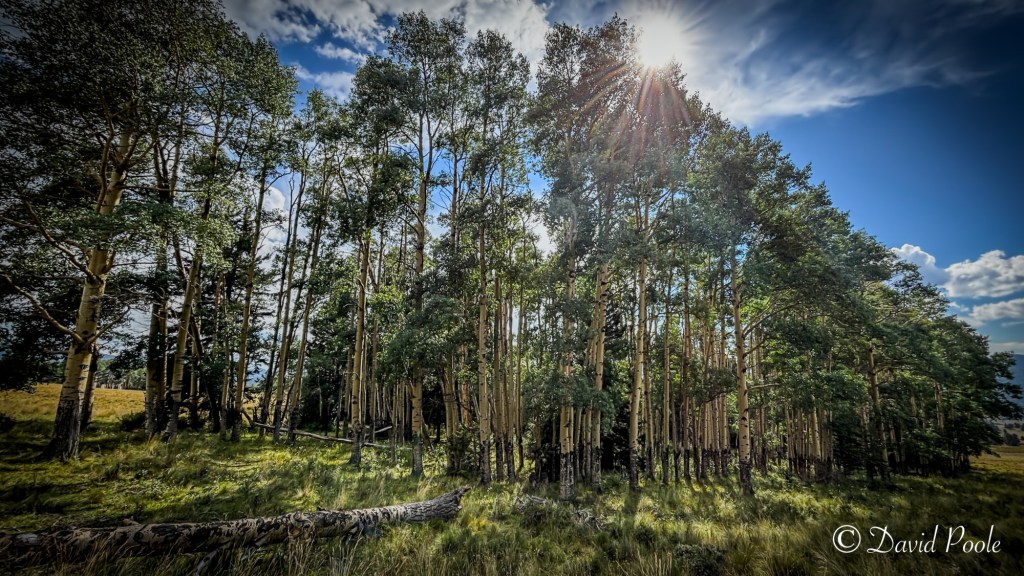
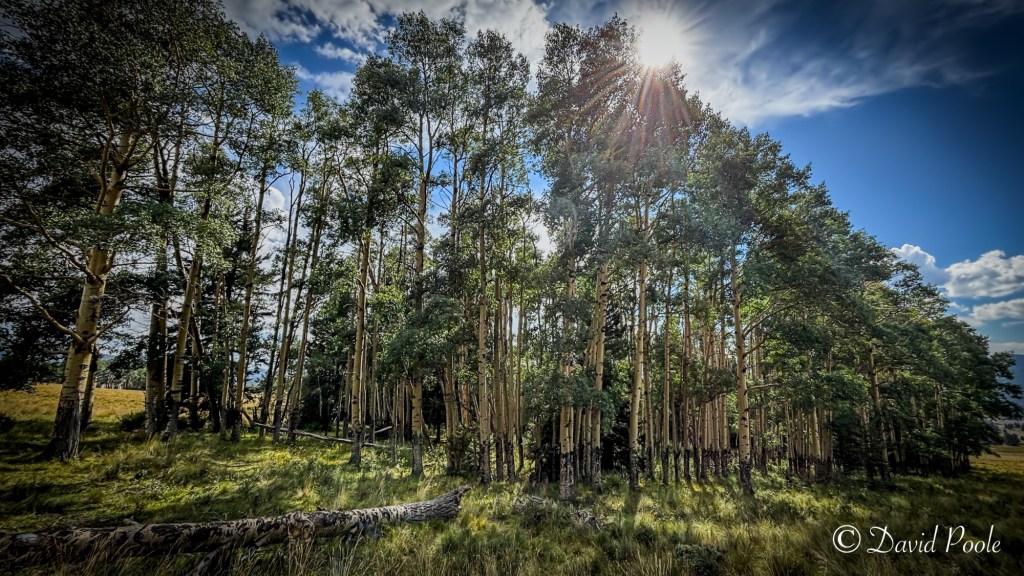
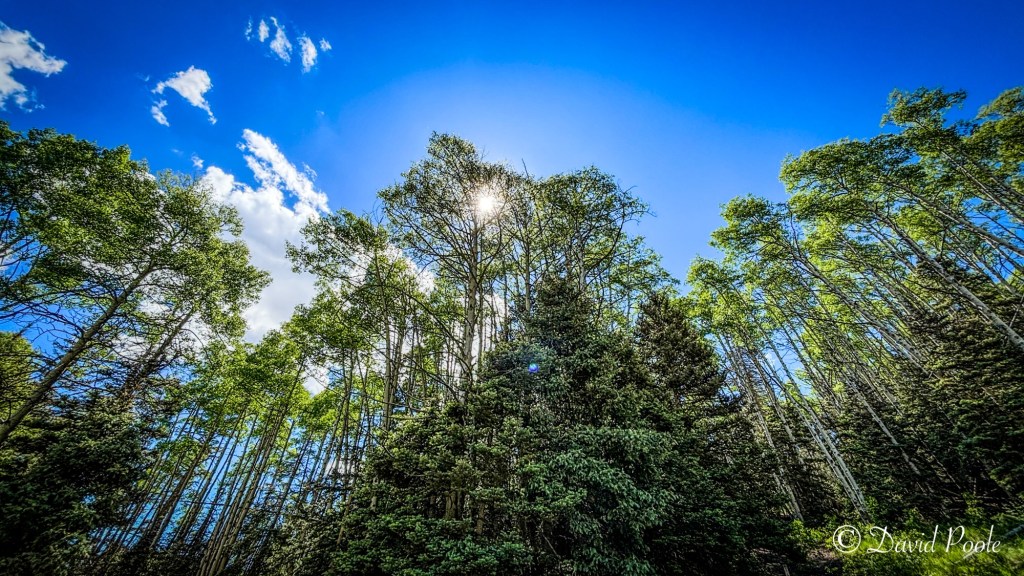
    High in the mountains of New Mexico, I found a glowing grove of quaking aspens just as the sun broke through the canopy. There’s something about these trees — tall, slender, golden-skinned — that draws you in. I came prepared with my Canon 90D, Canon L-series lenses, a K&F Concept tripod, and even my iPhone, knowing this scene was too good to miss from any angle.

    Canon 90D + L Series Glass: Sharpness Meets Versatility

    For wide environmental shots, I relied on the Canon 24–70mm f/2.8L, but for more intimate details — like clusters of bark, layered trunks, or isolating one tree against the backdrop — I used my Canon 70–200mm f/2.8L. This lens gave me the compression and clarity I needed to highlight subtle textures and pull distant trees forward with depth.

    Shot Breakdown:

    • Camera: Canon 90D

    • Lenses: 24–70mm f/2.8L and 70–200mm f/2.8L

    • ISO: 100

    • Aperture: f/10 for wide shots, f/2.8–f/5.6 for close-ups

    • Tripod: K&F Concept Carbon Fiber

    • Filter: K&F CPL

    Using the 70–200mm for Detail and Compression
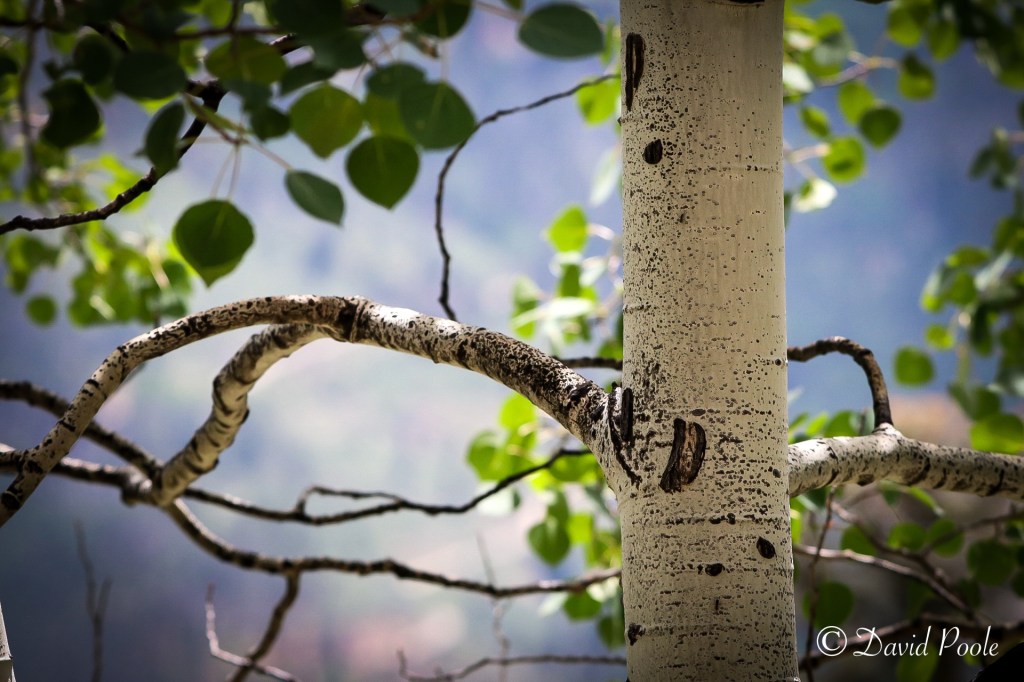
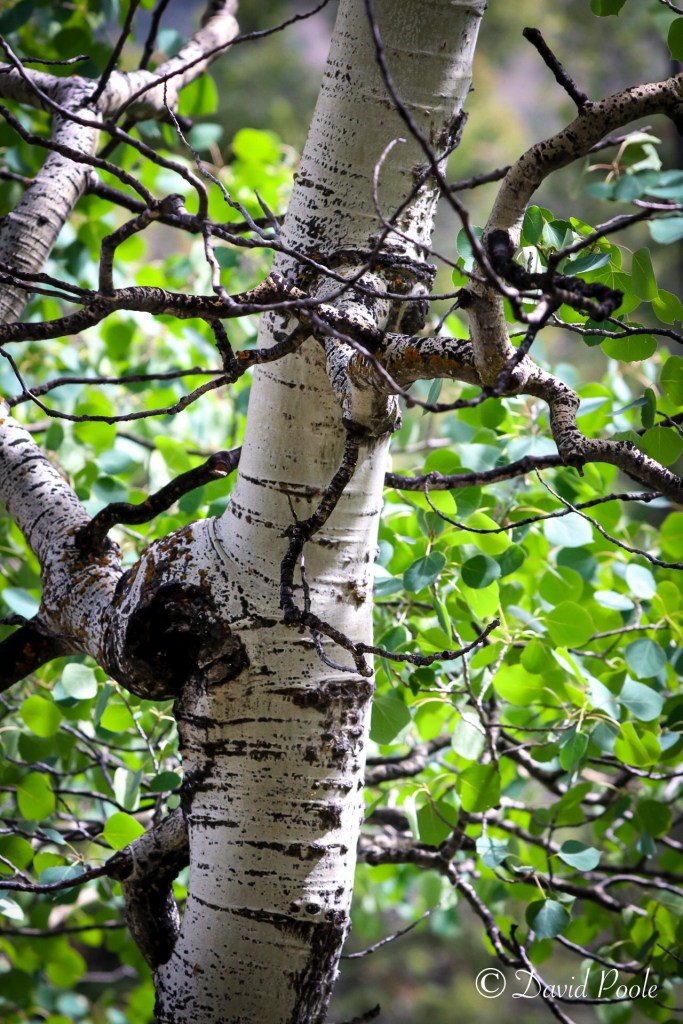
    Aspens are photogenic both up close and from a distance. With the 70–200mm, I framed tighter compositions — trunks in golden light, black knots in the bark, and sunlit patches on the forest floor. The telephoto compression made the grove look more layered and dense, almost like a wall of trees — which added a cinematic quality to some shots.

    Pro Tip: Use the 70–200mm at 135mm–200mm to compress the forest and fill the frame with repeated lines and patterns — it’s ideal for making the grove feel deeper and more immersive.
    iPhone Photography: Don’t Underestimate Your Pocket Camera

    While the DSLR gear handled most of the heavy lifting, I also snapped a few frames with my iPhone 15 pro. With smart HDR and excellent native contrast, it delivered surprisingly strong results — especially with the wide and ultra-wide lenses.

    Tips:

    • Use portrait mode for foreground subjects like logs or leaves.

    • Tap to meter on the trunk or shadowed mid-tones.

    • If available, shoot in RAW with the Halide or Lightroom Mobile app for better editing flexibility.

    Composition in the Grove: Light, Lines, and Layers

    I timed the main shot so the sun peeked just over the tree line, creating a soft sunburst effect without washing out the scene. A fallen log led into the grove, creating a visual path that made the image feel more three-dimensional.

    With the 70–200mm, I also isolated “portraits” of individual trees and detail shots of light hitting the bark. These close-ups tell a different story — quieter, more focused.

    Editing in Lightroom: Preserving Natural Mood

    For Canon RAW files:

    • Boosted midtone contrast with the tone curve.

    • Desaturated greens slightly for a more natural forest feel.

    • Lifted shadows to expose bark detail.

    • Used radial filters to add subtle spotlighting where the sun naturally fell.

    Before and after

    For iPhone shots:

    • Adjusted highlights and whites to bring back sky detail.

    • Used Lightroom Mobile’s “Texture” slider to enhance bark detail.

    • Applied slight vignette to draw the eye inward.

    Why Aspen Trees Are a Photographer’s Dream

    Aspens offer built-in symmetry, light diffusion, and contrast. The bark’s pale tones pop in shadowy groves, while the leaves filter sunlight with a soft glow. In New Mexico’s higher elevations, these trees are often found in wide open clearings — perfect for both drone and ground photography.  What makes them even more special is their shared root system, meaning this forest is often one living organism — a fact that adds a bit of wonder every time I step into a grove.

    Closing Thoughts: Slow Down, Look Closer

    Photographing aspens is a study in rhythm and reflection. Whether you’re standing back with a 24mm or zooming in at 200mm, these trees offer something ethereal. And whether you’re carrying a full kit or just your phone, the forest rewards those who pause, observe, and frame with care.
  • Chasing Light and Perspective: Finding the Shot Beyond the Obvious

    Chasing Light and Perspective: Finding the Shot Beyond the Obvious

    Photography in the outdoors isn’t just about clicking the shutter—it’s about reading the light, finding intentional angles, and understanding how timing transforms a scene. Whether I’m hiking through wildflowers, waiting quietly in a bird blind, or navigating city streets with a wide lens, I’m always chasing the moment that tells the story best.

    Timing the Wild: Bald Eagle at Golden Hour

    This bald eagle shot captures more than a bird—it captures focus, patience, and light. I waited for the golden hour to gently highlight the eagle’s feathers and profile, shooting through a natural frame of blurred branches to keep attention on the intensity of its gaze.

    Close-up of a bald eagle staring intensely with sharp yellow eyes, showcasing its powerful beak and detailed feathers against a blurred natural background

    Outdoor bird photography tip: Use natural framing and soft backlight for dramatic wildlife portraits.

    Gear: Canon R5 with canon 400mm L series lens. Edited in Lightroom for natural contrast and feather detail.

    Path to the Sun: Framing With Leading Lines

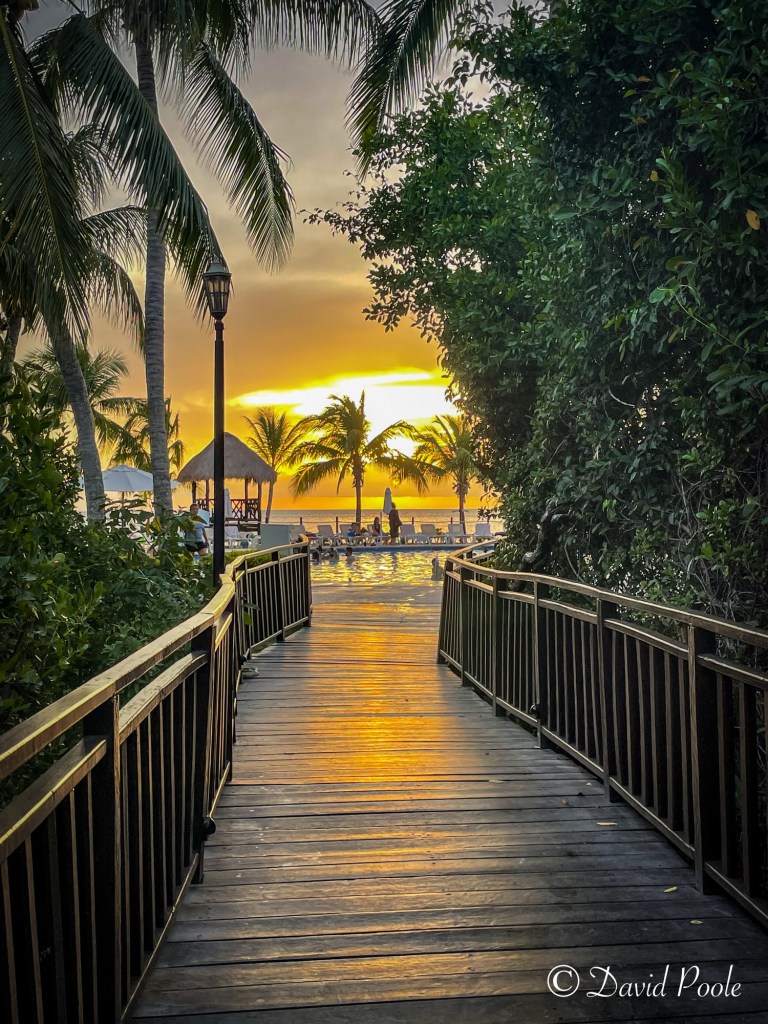
    This image of a wooden boardwalk leading toward the glowing sunset was all about golden hour beach photography and using strong leading lines. The reflection of sunlight on the wet boards gave the image texture and warmth, making it feel like you’re stepping straight into the light.

    Photography tip: Position yourself at a low angle to exaggerate reflections and symmetry, especially when shooting at sunrise or sunset.

    Gear: iPhone capture, edited in Lightroom Mobile to adjust warmth, contrast, and highlights.

    Low and Wild: Bluebonnets and Cabins

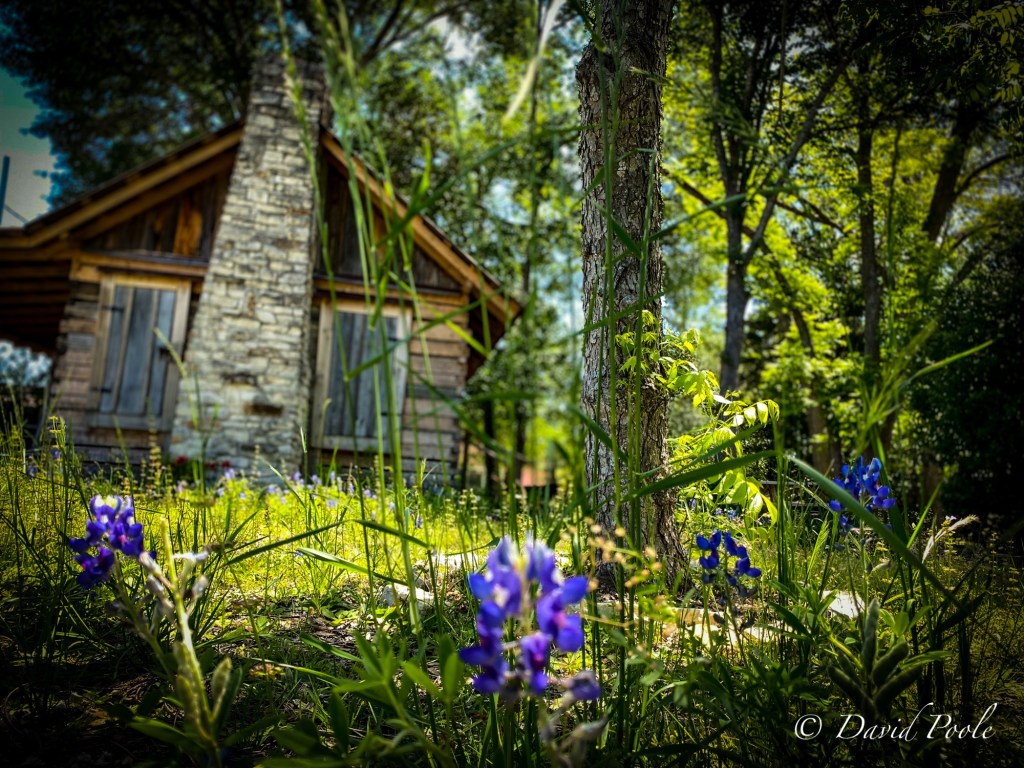
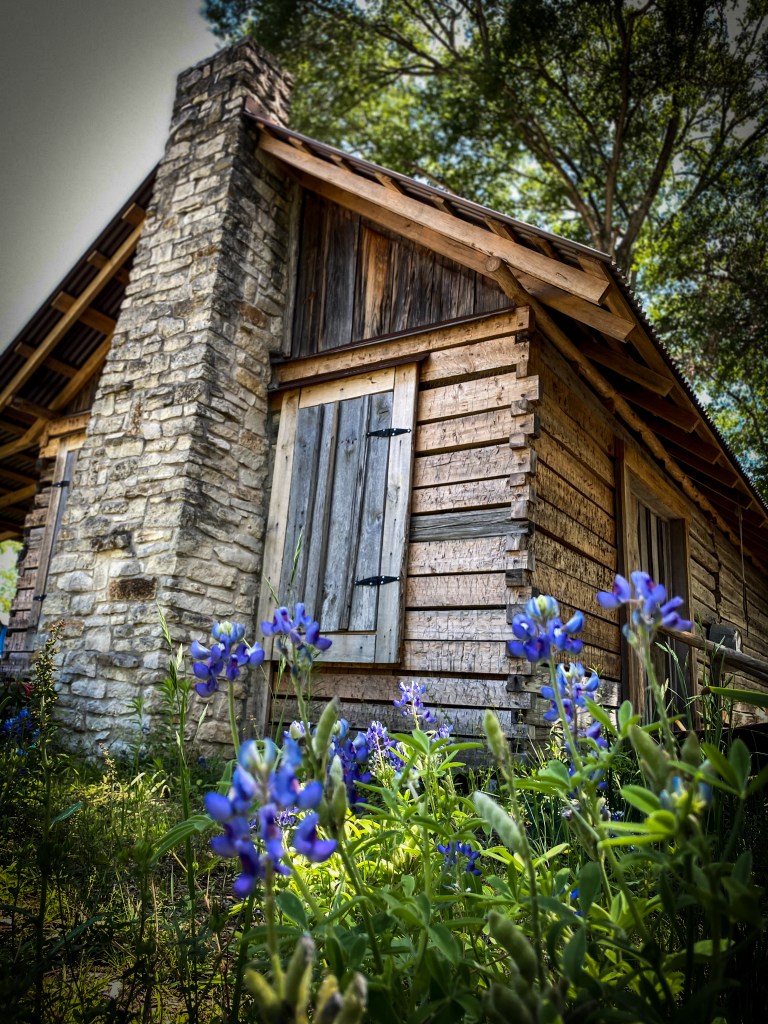
    Spring in Texas brings with it a flood of color—especially bluebonnets. This low-angle wildflower shot was taken by lying on the ground to let the flowers dominate the foreground. The rustic cabin in the background gives a sense of place and scale, inviting the viewer to imagine stepping into that clearing.

    Texas Hill Country cabin with bluebonnets in full bloom, low-angle photography capturing rustic charm and wildflowers in spring
    Texas Hill Country cabin with bluebonnets in full bloom, low-angle photography capturing rustic charm and wildflowers in spring

    Photography tip: Don’t be afraid to get dirty—some of the best shots come from the ground level.

    Fog and Structure: Lighthouse in the Mist 

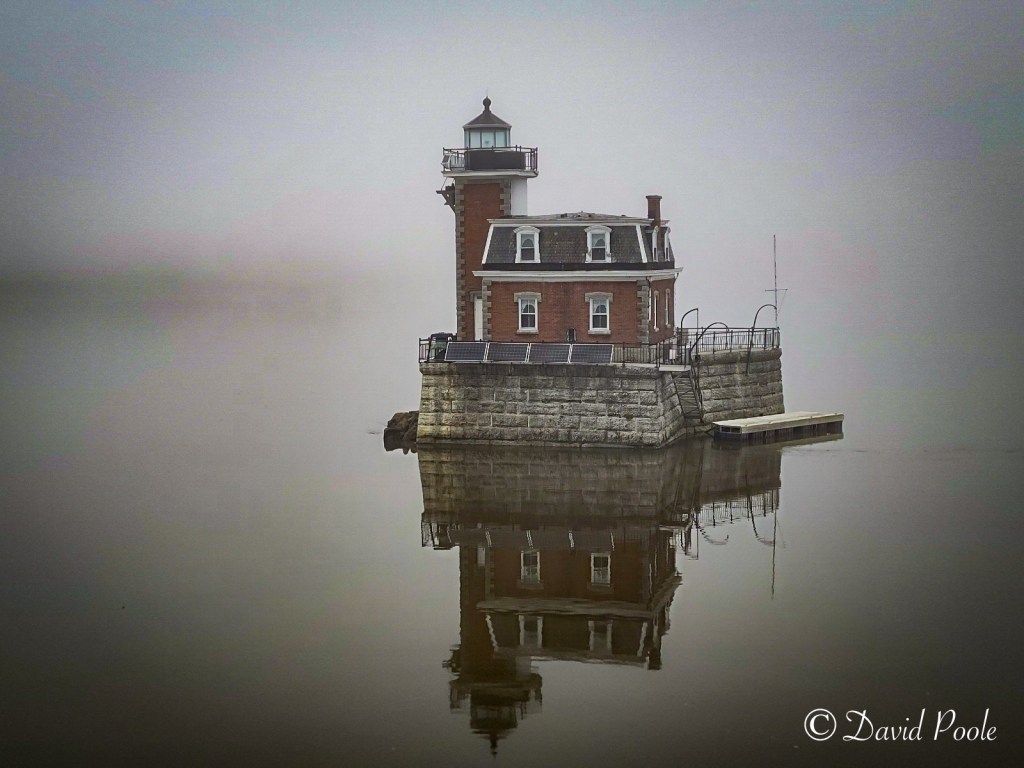
    Fog can strip away distractions and emphasize mood. This shot of a lighthouse barely emerging through the coastal fog was taken early in the morning. The structure becomes a silhouette, and the lack of color enhances the sense of solitude.

    Foggy morning photo of the Hudson River Lighthouse, partially obscured by mist with calm water and a moody atmosphere

    Mist drapes the Hudson River Lighthouse in a soft veil of fog, capturing a quiet, ethereal moment on the water

    Photography tip: Switch to monochrome or embrace fog’s desaturation in post to focus attention on contrast and composition.

    Moments in Motion: Washington, D.C. Street Perspective

    In this street photo of two people walking through Washington, D.C., I focused on symmetry and timing. Lining up the trees and path allowed the subjects to become part of the environment rather than the center of attention—storytelling through subtlety.

    Capture the timeless elegance of two people walking along the National Mall in Washington, D.C. Their long shadows stretch across the sidewalk, framed in black and white, offering a classic perspective of the historic landmarks.

    In black and white, two figures walk the National Mall in Washington, D.C., their shadows stretching across the sidewalk as the fading light of evening adds a touch of nostalgia to the scene

    Gear: Canon 24–70mm lens.

    Urban Giants: Low Angle in Cincinnati

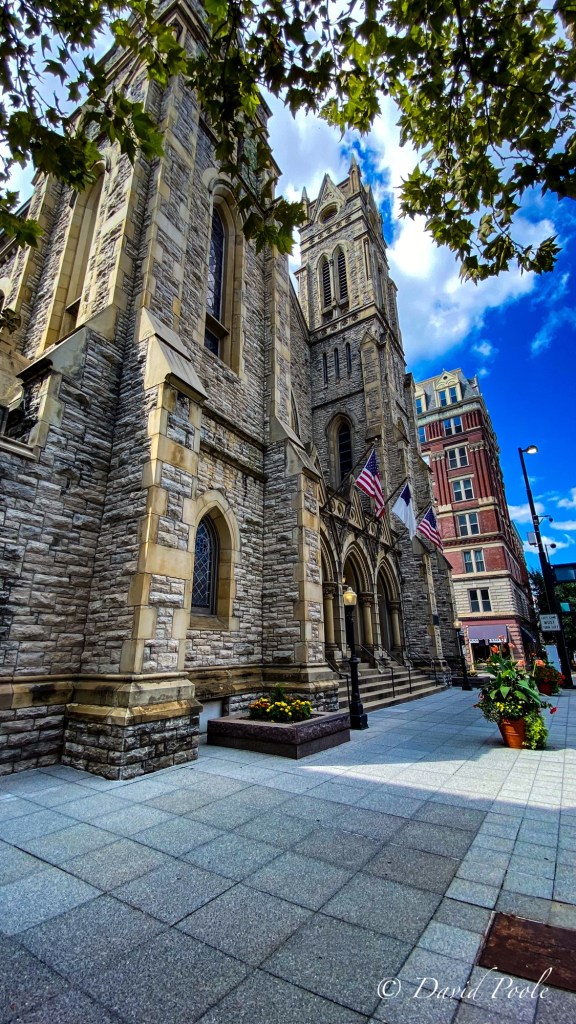
    Standing at the base of a towering building in Cincinnati, I wanted to emphasize the size and geometry of the architecture. Shooting from a low angle with a wide lens, I caught clean lines pulling skyward while the morning light cast soft shadows down the building’s face. The cloudy sky above added contrast to the structure’s strong verticals.

    Historic old stone building with weathered architecture and intricate details

    An old stone building, rich with history and character, stands as a testament to timeless craftsmanship and enduring architectural beauty

    Architecture photography tip: Use a wide-angle lens and crouch low to create a sense of scale and grandeur. Overcast skies can be great for soft, even light.

    Gear: Canon 16–35mm f/4L lens. Slight Lightroom correction for vertical distortion and contrast.

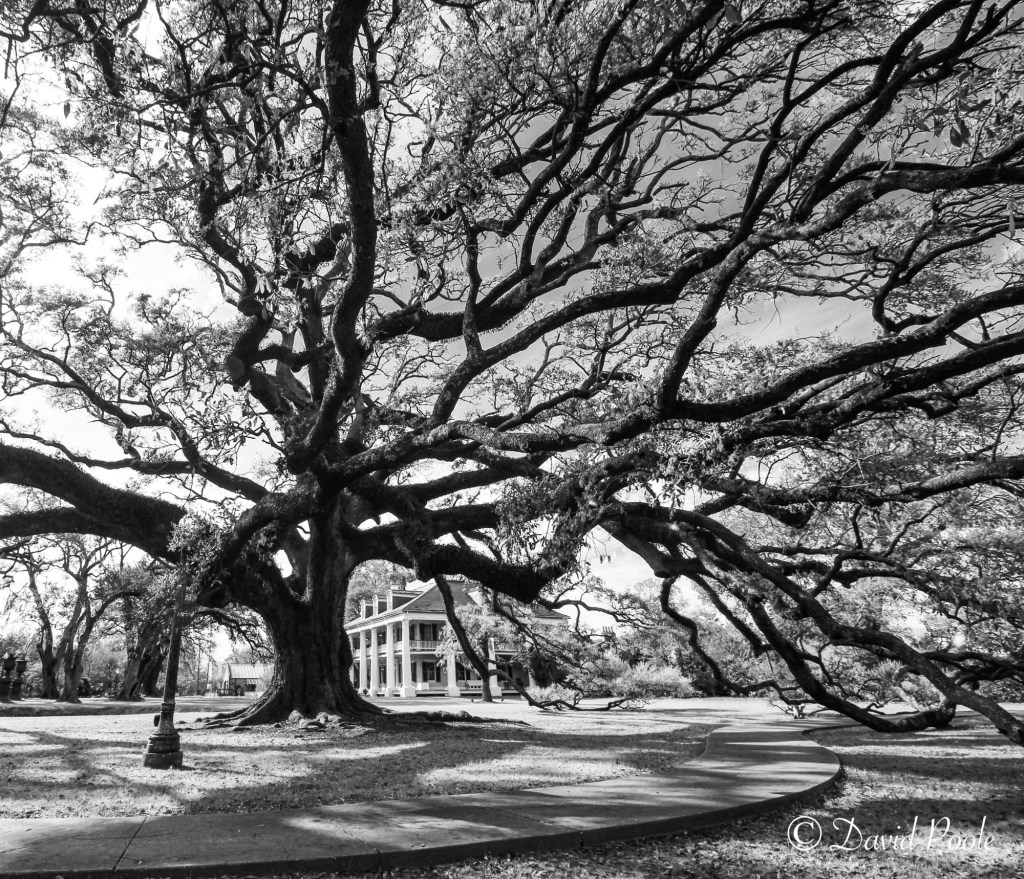
    Echoes of Time: Plantation Home Beneath a Century-Old Oak

    There’s something timeless about black and white photography—especially when the subject already carries a hundred years of history in its bones.

    This image features a historical plantation home framed beneath the sprawling arms of a live oak tree that’s likely been standing for over a century. Shot in monochrome, every crack in the bark and weathered board on the home tells its own story. The absence of color lets the textures do the talking—the gnarled branches, the sharp contrast between shadow and light, the sun casting a soft glow on the edge of the roofline.

    Plantation home stands behind a century-old oak tree, showcasing its historic architecture and sprawling branches

     historic plantation home stands behind a century-old oak tree, its majestic branches creating a serene backdrop for the timeless architecture

    What drew me to this shot wasn’t just the structure, but the relationship between the house and the tree. The oak doesn’t just stand in front of the house—it presides over it. Its limbs stretch wide like protective arms, yet its roots run just as deep into the same soil that built the home.

    Photography tip: When capturing historic architecture in black and white, shoot during late afternoon or early morning when shadows stretch longer. Let contrast tell the story—light becomes your narrator.

    Gear: Canon R5, 24–105mm L lens. Converted to monochrome in Lightroom, with emphasis on clarity and shadow depth.

    Final Thoughts: Walk Farther, Wait Longer

    Every photo tells a story, but it’s the search for that story—the walking, waiting, watching—that makes the capture worth it. Whether it’s chasing golden hour on a boardwalk in the Cozumel, crouching low to frame a Cincinnati building just right, or catching the fog wrap around a lighthouse like a secret, it’s all about finding the angle that speaks.

    Some moments, like the soft silhouette of two people walking a path in D.C., are subtle. Others—like the commanding presence of a black-and-white plantation home beneath a 100-year-old oak—are loud in their stillness. They remind us that time, light, and history are always working together in the frame.

    Behind the lens and out in the wild, whether I’m on the flats chasing redfish or tucked beneath a canopy of trees chasing light, my goal is always the same: tell a story worth pausing for. Through my blog, I share not just images, but the journey it took to get them—gear tips, camera setups, editing workflows, and the terrain beneath my boots.

    Keep exploring, keep shooting, and always chase the light.

  • The Art of Outdoor Photography: Gear, Techniques, and Editing

    The Art of Outdoor Photography: Gear, Techniques, and Editing

    Photography is more than just capturing an image—it’s about telling a story, finding the perfect composition, and adjusting to ever-changing outdoor conditions. Whether I’m fishing in Texas, hiking through the mountains, or capturing the night sky, my approach to photography combines technical knowledge with an artistic eye.

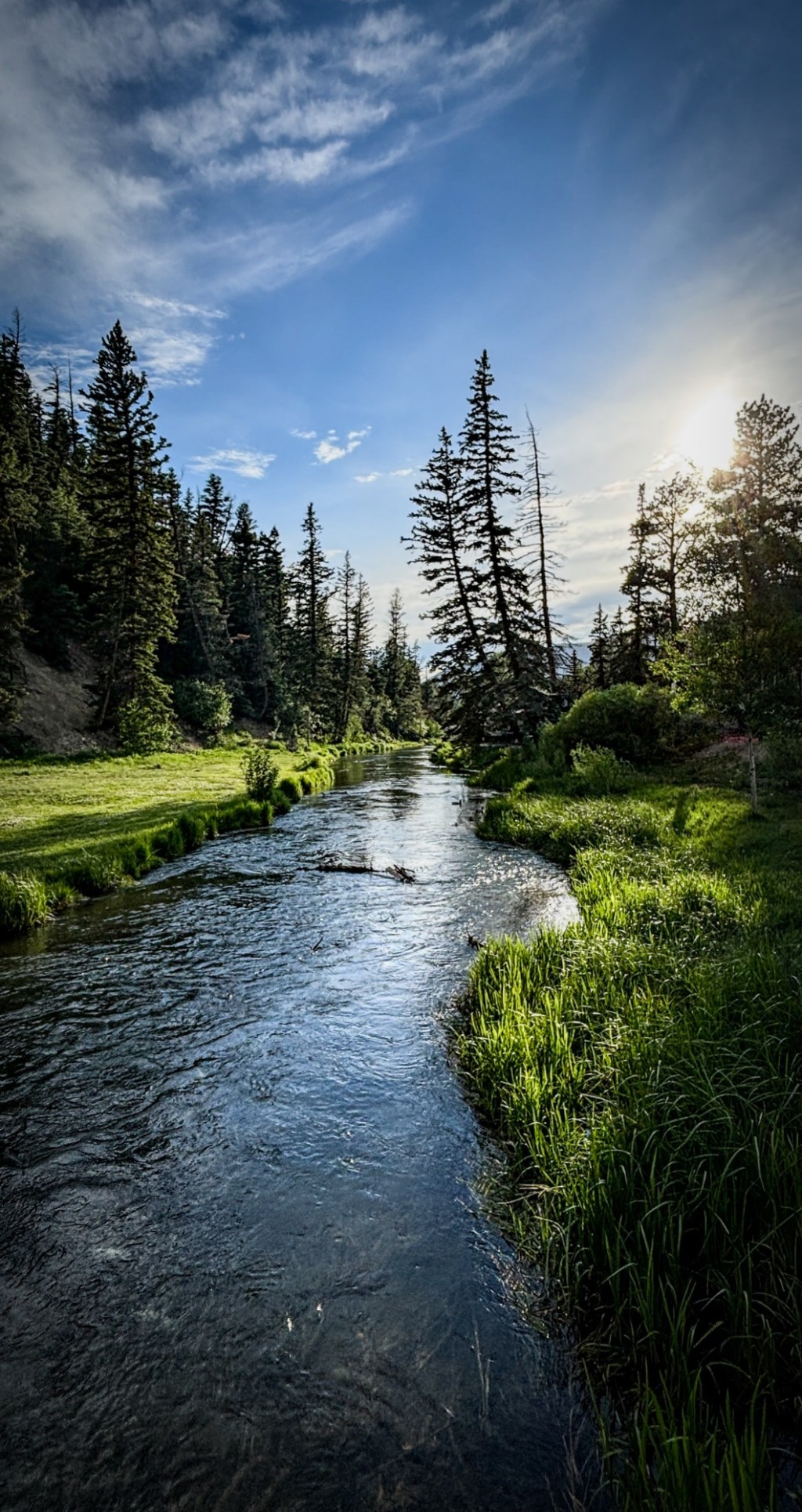
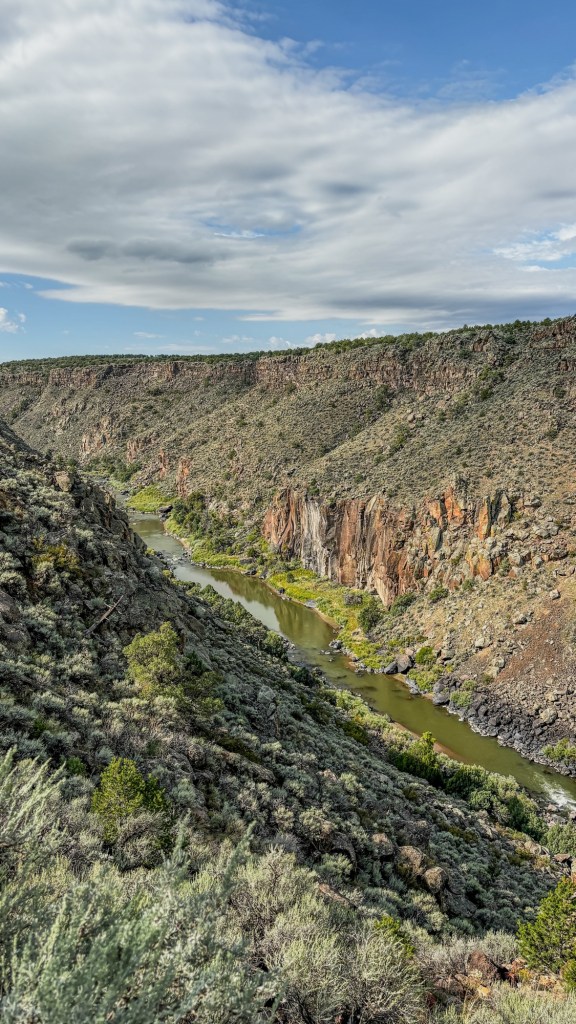
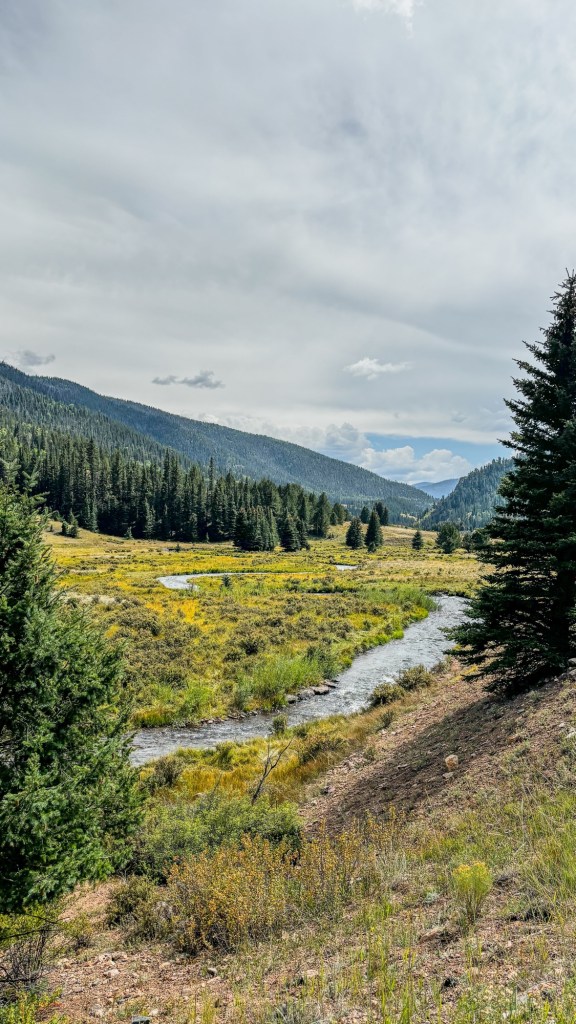
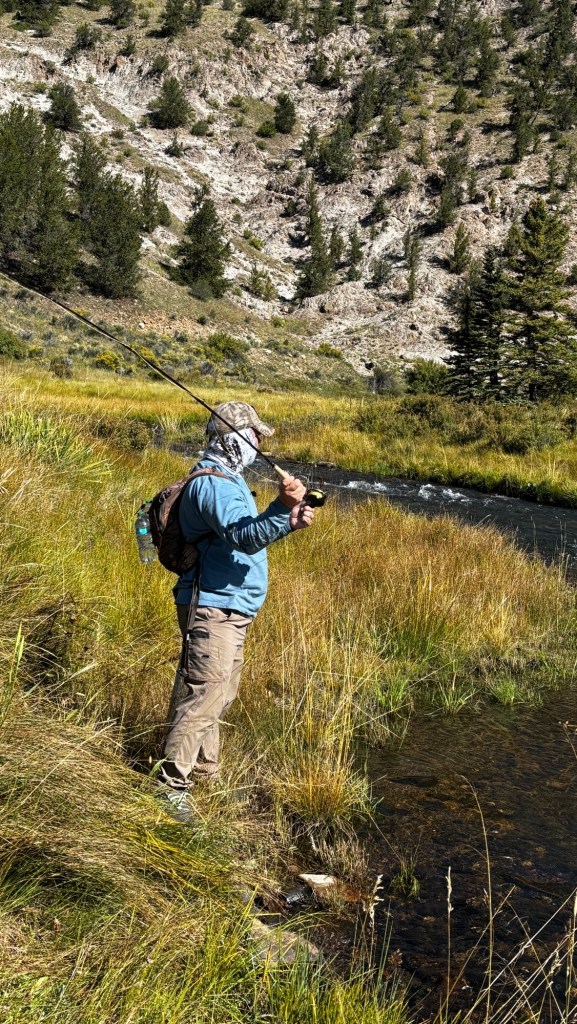
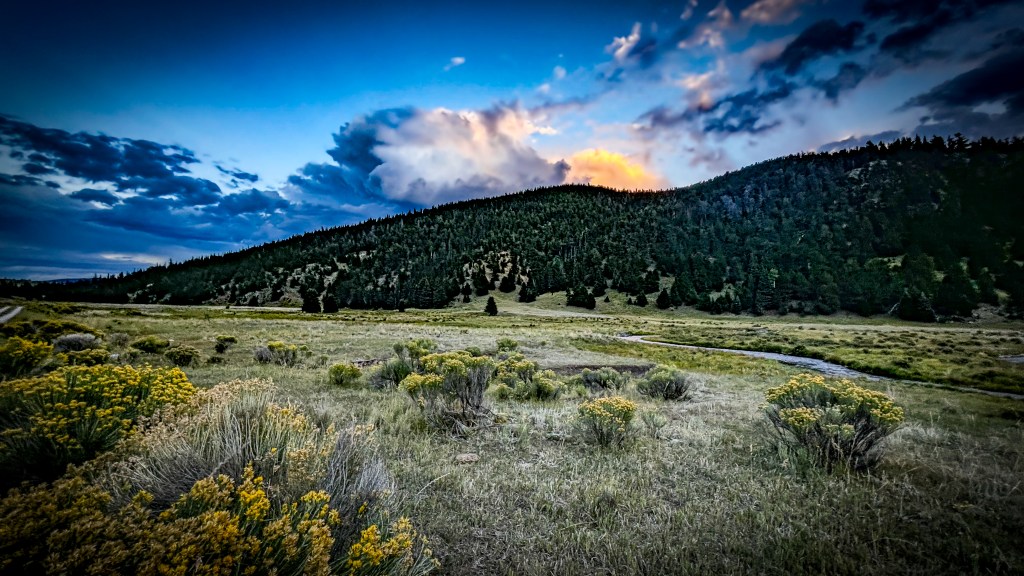
    On my recent trip to New Mexico, as I pursued the Trout Grand Slam, I found myself surrounded by some of the most breathtaking landscapes I’ve ever photographed. The Rio Grande Gorge, Red River, and Rio Costilla offered not only incredible fishing but also endless opportunities for photography.

    My Gear Setup

    Camera and Lenses

    I shoot with the Canon R5, a powerhouse mirrorless camera with outstanding image quality and dynamic range. To adapt to different shooting conditions, I rely on a mix of Sigma series lenses and Canon L series lenses, which offer sharp optics and great performance in low light.

    For landscapes, my go-to is a wide-angle lens, such as the Canon RF 15-35mm f/2.8L, which allows me to capture vast mountain vistas and sweeping coastal scenes. When shooting astrophotography, I use fast prime lenses, like the Sigma 14mm f/1.8 ART, which excels at gathering light for crisp, detailed shots of the night sky.

    Accessories for Outdoor Photography

    K&F Concept Backpack – A durable and spacious pack that safely holds my camera gear, extra batteries, and filters.

    K&F Concept Tripod – A sturdy, lightweight tripod is essential for long exposures, low-light photography, and astrophotography.

    ND and Polarizing Filters – Useful for managing reflections, enhancing colors, and allowing for longer exposures in daylight.

    Mastering Exposure: ISO, Shutter Speed, and Aperture

    One of the keys to great photography is understanding the exposure triangle: ISO, shutter speed, and aperture. Since conditions can change rapidly outdoors, I keep a cheat sheet handy for quick reference:

    ISO – Keep it low (100-400) for bright conditions to avoid noise. Increase it in low light but balance it with shutter speed.

    Shutter Speed – Fast (1/1000s or higher) for action shots, slower (1/10s to several seconds) for landscapes, and long (15s+ for astrophotography).

    Aperture (f-stop) – Wide (f/1.8–f/2.8) for night shots, mid-range (f/8–f/11) for landscapes, and narrow (f/16+) for deep depth of field.

    Composition and the Art of Photography

    A great photo isn’t just about sharpness—it’s about composition and storytelling. I look for leading lines, balance, and unique angles to create compelling images. Shooting from different perspectives—such as low to the ground for foreground depth or high vantage points for expansive views—makes a huge difference.

    Protecting Gear in Harsh Conditions

    Since I shoot in rugged environments—mountains, rivers, and coastal areas—protecting my gear is crucial. I always bring:

    Weather-sealed camera covers to protect against rain and dust.

    Microfiber cloths for wiping lenses.

    Silica gel packs in my bag to prevent moisture buildup.

    Lens hoods to reduce glare and shield against elements.

    Editing on the Go: Lightroom & iPad Pro

    Once I’ve captured my shots, I refine them in Adobe Lightroom, often using my iPad Pro for quick field edits. This allows me to adjust exposure, contrast, and color balance on-site without waiting to get back to my desktop.

    Key Lightroom Techniques:

    Photo Stacking – Merging multiple shots for sharper images.

    Graduated Filters – Enhancing skies and landscapes selectively.

    Noise Reduction – Crucial for high-ISO astrophotography.

    Before and After

    Astrophotography: Lenses & Techniques

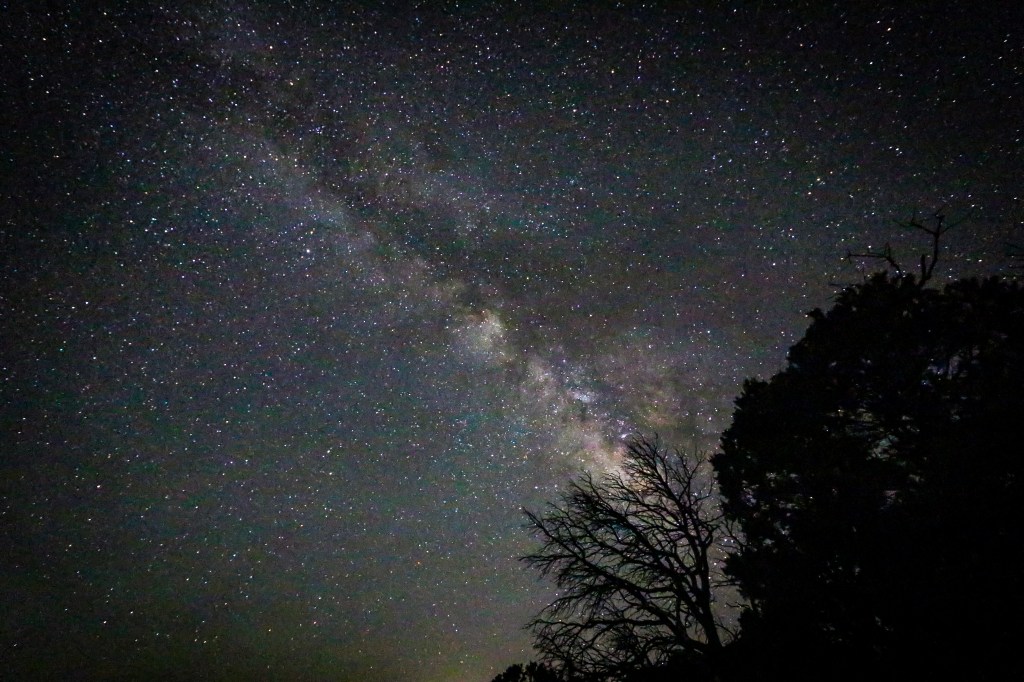
    Astrophotography is one of my favorite challenges. Fast prime lenses like the Sigma 14mm f/1.8 ARTor the Canon RF 24mm f/1.4L allow for more light intake, creating sharp, vibrant night sky images. Using a tripod and remote shutter release, I capture long exposures (15-30 seconds) at a high ISO (3200-6400).

    Astrophotography in the Mountains

    There’s nothing like seeing the Milky Way stretch over a remote mountain range. Shooting astrophotography at high altitudes reduces light pollution and enhances clarity.

    Final Thoughts

    Photography is an art that blends technical skills with creativity. Whether I’m shooting sunrises on the coast, rugged mountain landscapes, or the Milky Way, every photo tells a story. With the right gear, knowledge, and post-processing techniques, I can capture the world the way I see it—one shot at a time.

    Stay Connected with Beyond the Cast

    Thanks for reading! If you enjoyed this post and want more fishing tips, photography tips, trip reports, and on-the-water action, be sure to follow along.

    Subscribe to our YouTube channel for in-depth videos, gear breakdowns, and on-the-water adventures. Stay up to date by following us on Facebook, where we share fishing reports, trip updates, and connect with fellow anglers.

    Join the conversation, share your catches, tips, photos and let’s keep exploring the water and outdoors together.

    Tight lines, and see you Beyond the Cast!