Tag: rainbow trout brown trout fly fishing wade fishing backcountry fly fishing

  • Chasing Canyon Browns: Dry Flies, Streamers, and Decisions That Matter on the Dolores & Florida River

    Chasing Canyon Browns: Dry Flies, Streamers, and Decisions That Matter on the Dolores & Florida River

    There are trips you remember for the fish—and then there are trips you remember for the decisions that led to them.

    The Dolores tailwater carved through that canyon doesn’t hand anything to you. It forces you to slow down, read deeper, and fish with intent. Add in a side run to the Florida River outside Durango, and this trip became less about numbers and more about adapting—hour by hour, current by current, light shift by light shift.

    This is where dry flies and streamers stop being “techniques” and start becoming tools you deploy with purpose.

    The Dolores Tailwater: Reading the Canyon Before You Ever Cast

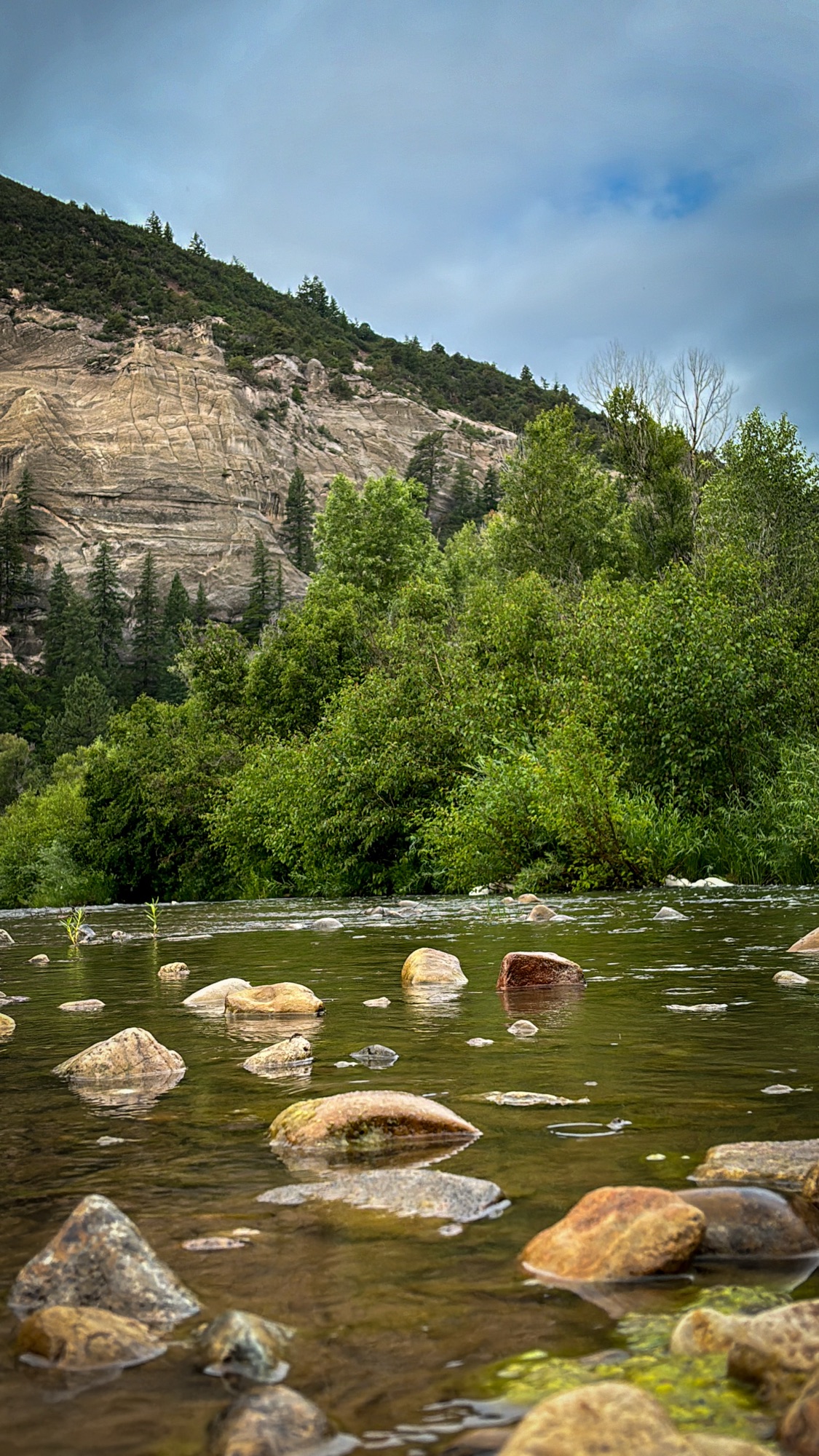
    The first thing that hits you in the Dolores canyon isn’t the water—it’s the scale. Steep walls, broken light, and a river that changes personality every hundred yards.

    Tailwaters demand precision, but this one demands awareness.

    Flows here dictate everything. Slight bumps in release change holding water, feeding lanes, and even fish positioning against structure. You’re not just fishing seams—you’re fishing micro-adjustments in current speed.

    What I Keyed In On:

    • Inside bends with slower foam lines — consistent dry fly potential
    • Mid-river boulders creating soft pillows — prime ambush points for browns
    • Transition zones (fast → slow water) — where streamer eats actually happen

    You can’t fish this river blindly. Every cast needs a reason.

    Dry Fly Window: When the River Finally Talks Back

    There’s a moment on rivers like this when everything settles—the wind drops, the light softens, and subtle rises start showing.

    That’s your window.

    I worked small, natural profiles—nothing flashy. These fish see pressure, and more importantly, they see mistakes.

    Tactical Approach:

    • Long leaders to avoid micro-drag
    • Positioning downstream and off-angle to the fish
    • Using current seams to deliver flies naturally—not forcing the drift

    The takes weren’t aggressive. Just quiet sips. But those are the fish you’re after in water like this—educated browns that don’t move far unless it’s worth it.

    Pro Tip:

    If you see a rise but miss the eat, don’t rush the next cast. Let the fish reset. On pressured tailwaters, timing your follow-up cast matters as much as presentation.

    When Dry Flies Stop Working: The Streamer Shift

    The canyon changes fast. Light creeps higher, shadows disappear, and those rising fish vanish just as quickly as they appeared.

    That’s not failure—that’s a signal.

    Streamer time.

    But here’s where most anglers get it wrong: they fish streamers too fast, too blindly, and without structure in mind.

    The Adjustment That Changed Everything:

    Instead of covering water aggressively, I slowed down and targeted specific structure zones:

    • Deep cut banks with undercut shadows
    • Boulder clusters creating vertical drop-offs
    • Tailouts where current compresses bait

    This wasn’t about stripping hard—it was about controlling depth and angle.

    Retrieval Strategy:

    • Cast slightly upstream of the target
    • Let the fly sink into the zone
    • Short, controlled strips to mimic injured bait

    The eats came heavier. Not frequent—but decisive.

    The Canyon Factor: Light, Angles, and Fish Behavior

    Fishing inside a canyon adds a layer most anglers underestimate—light management.

    You’re not just dealing with sun position. You’re dealing with shadows that move across the water in real time.

    Fish use that.

    What I Noticed:

    • Browns pushed tighter to structure as direct light increased
    • Shadow lines created temporary feeding lanes
    • Bright overhead conditions killed mid-column activity

    This dictated everything:

    • Dry flies early and late
    • Streamers when light got harsh
    • Slowing presentations when shadows disappeared

    Pro Tip:

    Use canyon walls like a clock. Watch how shadows move across the water—it will tell you where fish are repositioning before you even see them.

    Florida River Near Durango: A Different Game Entirely

    After the Dolores, the Florida River felt tighter, more intimate—but no less technical.

    Smaller water exposes everything:

    • Your approach
    • Your shadow
    • Your first cast

    There’s no room for error here.

    Strategy Shift:

    • Shorter, more accurate casts
    • Faster decision-making
    • Fishing pocket water with efficiency

    This is where dry flies shine again—but for a different reason.

    Instead of selective feeding, you’re triggering opportunistic strikes.

    Dry Fly Approach:

    • High-floating patterns that stay visible in broken water
    • Quick drifts through pockets—don’t overwork a spot
    • Cover water, but don’t rush it

    Streamers in Tight Water: Controlled Chaos

    Streamer fishing on the Florida River isn’t about covering distance—it’s about precision strikes into tight zones.

    Think:

    • Undercut banks the size of a cooler lid
    • Boulder pockets no bigger than a bathtub
    • Current seams that exist for only a few feet

    Key Adjustment:

    Shorten everything—casts, strips, expectations.

    You’re not hunting big chases here. You’re triggering reaction eats in confined space.

    And when it happens, it’s instant.

    Mistakes That Will Cost You Fish Out Here

    This trip reinforced a few things that separate average days from dialed-in ones:

    1. Fishing Too Fast

    Most anglers move before the water has been fully read. Slow down and let the river show you where to fish.

    2. Ignoring Light Conditions

    Light controls fish positioning more than most realize—especially in canyon systems.

    3. Overworking Dry Fly Water

    If a fish doesn’t eat after a clean drift or two, change angle or pattern. Don’t force it.

    4. Blind Streamer Fishing

    Every streamer cast should target structure—not just “good looking water.”

    Photography in the Canyon: Capturing More Than Fish

    This trip wasn’t just about fishing—it was about documenting the environment that shapes it.

    The canyon gives you everything:

    • Harsh midday contrasts
    • Golden-hour glow hitting cliff faces
    • Deep shadows that create natural framing

    Shooting with the Canon R5, I leaned into:

    • Compressed canyon shots with telephoto lenses
    • Low-angle river perspectives to emphasize flow
    • Layered compositions using foreground rock + background cliffs

    Field Insight:

    In tight canyon light, expose for highlights—not shadows. You can recover detail later in Lightroom, but blown highlights are gone.

    Final Takeaway: Fish the Moment, Not the Plan

    This trip across the Dolores tailwater and Florida River wasn’t about sticking to one method—it was about adapting constantly.

    Dry flies worked—until they didn’t.

    Streamers produced—but only when fished with intention.

    Water changed—and the strategy had to change with it.

    That’s the difference between fishing and just casting.

    If you take anything from this, let it be this:

    Pay attention longer than you think you need to. The river will tell you everything—but only if you’re willing to listen.

    Florida River Fly Fishing Near Durango: Tight Water Tactics for Wild Trout

    The Florida River doesn’t give you second chances.

    You don’t get long drifts. You don’t get sloppy casts. And you definitely don’t get to fish it like a tailwater.

    Every step, every shadow, every cast—it all matters more here.

    Coming off the Dolores, this river forced a complete reset. Different water. Different fish behavior. Different decisions.

    And if you don’t adjust fast, you’ll walk away thinking there aren’t fish in it.

    There are. You just didn’t fish it right.

    Reading Tight Water: What Most Anglers Miss

    The Florida River looks simple at first glance—smaller, broken current, pocket water.

    But that’s exactly why people fish it wrong.

    They treat it like fast water instead of structured micro-water.

    What Actually Holds Fish:

    • Micro seams behind rocks (not the obvious ones—the subtle ones)

    • Undercut banks hidden by overhang

    • Foam pockets that stall for just a second longer

    Fish here don’t move far. Your fly has to land where they already are.

    Dry Fly Strategy: Triggering Reaction, Not Matching Perfection

    Unlike the Dolores, this isn’t about selective feeding.

    This is about forcing quick decisions from fish.

    Approach:

    • Short, accurate casts upstream

    • One clean drift per pocket—then move

    • Stay low and off-angle to avoid spooking fish

    Fly Selection:

    • High-floating attractors

    • Slightly oversized for visibility in broken water

    You’re not matching a hatch—you’re taking advantage of instinct.

    If you’re spending too much time trying to get the “perfect drift,” you’re losing fish.

    In water like this:

    • Good drift now > perfect drift too late

    Pro Tip: Speed Over Perfection

    Streamer Game: Precision Over Power

    Streamer fishing here isn’t about covering water—it’s about surgical placement.

    Where to Throw:

    • Tight against undercuts

    • Into dark slots between boulders

    • Along current breaks that last only a few feet

    Retrieve:

    • Minimal movement

    • Short pulses, not long strips

    • Let current do most of the work

    These fish don’t chase far—but they will react instantly.

    Positioning: The Hidden Advantage

    Most anglers lose fish here before the cast even happens.

    What Matters:

    • Your shadow on the water

    • Your angle relative to current

    • How close you get before casting

    I stayed:

    • Low

    • Slightly downstream when possible

    • Moving slower than I thought I needed to

    That alone changes your success rate.

    Mistakes That Kill Your Day on the Florida River

    1. Overcasting Water

    You don’t need distance—you need accuracy.

    2. Fishing Too Many Drifts

    If it didn’t eat on the first or second pass, it’s not going to.

    3. Ignoring Approach

    You’re being seen long before your fly lands.

    4. Treating It Like Big Water

    This is not the Dolores. Adjust or struggle.

    Photography: Capturing Tight Water Stories

    This river forced a different photography approach.

    Instead of wide canyon shots, it became about:

    • Detail

    • Compression

    • Story in small scenes

    With the Canon R5:

    • Fast shutter for moving water textures

    • Low angles to emphasize current flow

    • Close framing on pocket water and structure

    Field Insight:

    Tight water photography works best when you isolate chaos—find one clean element inside fast-moving current.

    How This Trip Connected Back to the Dolores

    This is where the strategy comes full circle.

    • Dolores taught patience and observation

    • Florida River demanded speed and execution

    Same trip. Same angler. Completely different mindset.

    That’s what makes you better.

    Final Takeaway: Adjust Faster Than the River Changes

    Most anglers fail here because they try to force one style across different water.

    That doesn’t work.

    You have to:

    • Read faster

    • Decide faster

    • Adapt faster

    Because in tight water like this, opportunities don’t last long.

  • Part Three: When Dry Flies Stop Working — Adding Streamers and Fishing With Intent

    Part Three: When Dry Flies Stop Working — Adding Streamers and Fishing With Intent

    There’s a point on most days when the river tells you it’s time to change tactics.

    After working dries and adjusting to conditions, I reached that moment on this river. The fish were still there, but surface activity slowed. The water had enough movement and depth that trout weren’t locked into feeding on top—they were positioned to ambush.

    That’s when streamers entered the picture.

    Not as a last resort—but as a deliberate choice.

    Why Streamers Made Sense in These Conditions

    Streamers shine when trout shift from feeding to reacting.

    With:

    • Broken water

    • Variable depth

    • Reduced visibility

    • Fish holding near structure

    A moving fly becomes an opportunity trigger rather than a match-the-hatch exercise.

    The goal wasn’t imitation—it was movement, angle, and control.

    Presentation Over Pattern: How the Streamer Was Fished

    The most important lesson from this day wasn’t which streamer I tied on—it was how it was presented.

    I focused on:

    • Casting across and slightly downstream

    • Allowing the fly to sink and settle

    • Swinging the streamer through likely holding water

    The swing did the work. As the fly moved across current, it naturally rose and accelerated—exactly what triggers predatory behavior.

    But the key detail was maintaining a tight line throughout the entire swing.

    Slack kills streamer effectiveness.

    The Tight Line Lesson: Where the Strikes Really Happened

    As the day went on, a clear pattern started to emerge.

    I was catching fish consistently—but I was also missing a lot of takes. Almost all of those missed strikes happened at the same point in the presentation: right as the streamer began to turn head-up at the end of the swing.

    That moment—when the fly changes direction and speed—is a trigger. The streamer looks like it’s trying to escape, and trout commit aggressively.

    But when no strike came immediately after the fly turned, the presentation wasn’t over.

    Instead of picking up and recasting, I started giving the streamer a few short, random strips at the end of the swing. Nothing aggressive—just subtle, erratic movement.

    That adjustment made a difference.

    Occasionally, one of those small strips was all it took. The fly would pulse, change direction slightly, and a trout that hadn’t committed on the swing would eat decisively. Those hookups reinforced the idea that even when the “primary” presentation is finished, the fly can still trigger a reaction if you stay engaged.

    Strip Set First, Lift Second

    Another adjustment made a big difference.

    Instead of immediately lifting the rod on a strike, I focused on:

    1. Strip setting first to drive the hook

    2. Then lifting the rod to maintain pressure

    This kept the hook solid and reduced missed fish—especially on aggressive eats at the end of the swing.

    With streamers, trout often eat with force. Let them load the line, then commit.

    Why the Swing Works So Well

    Swinging a streamer does a few critical things:

    • Keeps the fly in the strike zone longer

    • Maintains natural movement without overworking the fly

    • Allows consistent line tension for solid hook sets

    It also forces patience. You’re not rushing the retrieve—you’re letting the current and the fly do what they’re meant to do.

    A Familiar Reminder: Stay Engaged Through the Entire Drift

    That pattern of missed strikes reinforced a lesson that carried over from dry flies:

    The presentation doesn’t stop until the fly is completely finished.

    Whether it’s a dry drifting through a seam or a streamer completing its swing, trout often eat at the moment anglers relax.

    Staying connected—mentally and physically—through the entire presentation turned missed opportunities into landed fish.

    Part Three Takeaway: Intentional Movement Triggers Reactions

    Streamers aren’t about randomness or covering water blindly.

    They’re about:

    • Controlled swings

    • Tight lines

    • Reading when fish are ready to react

    When you fish them with intention, streamers become one of the most effective tools you can use—especially when surface activity fades.

    This adjustment tied directly back to a theme running through this entire series.

    Whether it’s a dry fly drifting through a seam or a streamer completing its swing, the presentation doesn’t end until the fly is completely out of the water.

    Those short, random strips weren’t a separate technique—they were a continuation of the presentation. Staying alert through that final moment turned missed opportunities into landed fish.

  • Part Two: Same River, Different Conditions — Adapting Dry Fly Tactics to Cloudy Water and Higher Flows

    Part Two: Same River, Different Conditions — Adapting Dry Fly Tactics to Cloudy Water and Higher Flows

    If Part One was about precision, restraint, and subtle adjustments, this day on the river demanded the opposite.

    As the river changed, so did the results. What really stood out was that my brother started catching more trout. That forced me to pause and study what he was doing differently instead of stubbornly sticking to my approach. His drifts were cleaner. His fly was riding naturally with less drag. And most importantly, he was targeting slightly softer water than I was — just off the heavier current, where trout could hold comfortably in the higher flows without expending unnecessary energy.

    That adjustment was the turning point. In cloudy water and elevated flows, trout shift into protection mode. They slide into seams, softer edges, and subtle pockets that are easy to overlook. Watching him find success reminded me that adapting isn’t just about changing flies — it’s about changing perspective. Sometimes the biggest lesson on the river comes from paying attention to what’s working right beside you.

    Same river. Completely different game.

    This is where understanding conditions over patterns becomes critical.

    Reading the River Again: What Changed With Higher CFS

    Higher flows reshape a river fast.

    With increased CFS:

    • Seams widen and shift

    • Soft water becomes more valuable

    • Fish slide closer to structure and edges

    • Feeding lanes compress instead of spreading out

    Instead of holding in obvious mid-river seams like before, trout positioned themselves tighter to:

    • Inside bends

    • Cushion water behind rocks

    • Softer edges just off the main current

    Fish were still feeding—but they were doing it more opportunistically than selectively.

    Cloudy Skies and Stained Water: Visibility Becomes the Priority

    Under cloud cover and reduced visibility, trout don’t inspect flies the same way they do in clear, bright conditions.

    This changes everything.

    On this day:

    • Fish had less time to analyze a fly

    • Movement and visibility mattered more than perfect imitation

    • Drift was still important—but forgiveness increased

    Instead of downsizing, I leaned into flies that:

    • Rode a little higher

    • Had more contrast

    • Were easier for fish to track in broken water

    The exact match mattered less than the fly being noticeable and natural.

    Dry Fly Presentation in Faster, Dirtier Water

    Higher flows don’t eliminate dry fly opportunities—but they do change how you approach them.

    Key adjustments:

    • Shorter, more controlled drifts

    • Targeting specific soft pockets instead of long seams

    • Letting the fly land with intention, not delicacy

    In this water, trout weren’t sipping calmly—they were making quick decisions. The goal was to put the fly where they could see it and eat it without expending unnecessary energy.

    Tippet, Leader, and Confidence Adjustments

    Unlike the clear-water conditions from Part One, this wasn’t the time to go ultra-light.

    With more color in the water and less direct light:

    • Slightly heavier tippet didn’t hurt takes

    • Fly control improved

    • Hook sets were more confident in faster current

    This was a reminder that there’s no universal “best” setup—only the best setup for right now.

    Why the Same Fly Can Fail—or Succeed—Depending on Conditions

    One of the biggest takeaways from fishing the same river under different conditions is understanding that flies don’t work in isolation.

    A fly that felt too visible or unnatural in clear water suddenly became effective when:

    • Light was reduced

    • Water speed increased

    • Fish shifted from selective feeding to opportunistic behavior

    The pattern didn’t change—the context did.

    This reinforces a key lesson:

    Choosing a fly isn’t just about the hatch. It’s about water clarity, flow rate, light, and fish positioning.

    Slowing Down Still Matters—Just in a Different Way

    Even in tougher conditions, the solution wasn’t to rush or fish blindly.

    It meant:

    • Watching where fish positioned themselves

    • Adjusting target zones

    • Fishing fewer spots more intentionally

    Instead of long observation of insect life, the focus shifted to water movement and structure.

    Different inputs. Same mindset.

    Part Two Takeaway: Conditions Dictate Strategy

    This day on the river proved something important:

    The fundamentals don’t change—but how you apply them must.

    Clear water demands subtlety.

    Higher water demands visibility and control.

    Bright days punish mistakes.

    Cloudy days forgive—but still require intention.

    Understanding those shifts is what separates anglers who adapt from those who rely on habit.

    Coming Up Next in the Series

    In the next part of this series, we’ll dive deeper into:

    • When to abandon the dry fly altogether and streamer tactics

  • When Observation Changes Everything: A Moment in the River

    When Observation Changes Everything: A Moment in the River

    There’s a moment that stands out to me clearly—and it’s one I think most anglers can relate to.

    I was standing mid-river, watching trout rise steadily in the same seam I had already cast into several times without a single eat. The rises were consistent, deliberate, and confident. The fish were there. The fly was drifting through the zone. Yet nothing happened.

    That’s when I stepped back—not physically, but mentally—and asked myself the question we should all ask more often:

    Are they not eating my fly… or am I not presenting it correctly?

    Instead of immediately tying on something different, I slowed down and started observing.

    As I looked closer, I noticed small mayflies beginning to fly around me. They were subtle, light-bodied, and noticeably smaller than the size 14 mayfly I had tied on. At the same time, it became obvious just how clear the water was. The conditions were demanding precision—not just in fly choice, but in everything attached to it.

    That realization led to two changes:

    • I dropped down to a smaller fly that better matched the insects I was seeing

    • I downsized my tippet to reduce visibility and improve drift

    Nothing else changed. Same seam. Same casting angle. Same water.

    The difference was immediate.

    Once the fly matched the size of the insects drifting naturally—and the lighter tippet allowed it to move freely—the trout began to eat. One after another, fish that had ignored my fly minutes earlier suddenly committed.

    That moment reinforced a lesson I come back to often:

    It’s rarely one single thing—it’s the combination of observation, presentation, and restraint.

    Understanding Why That Adjustment Worked

    That experience highlights why dry fly fishing demands attention to detail.

    In clear water, trout have more time to inspect a fly. A slightly oversized pattern or a heavier tippet can be enough to trigger refusal—even when everything else seems right. The fish weren’t being selective out of stubbornness; they were simply reacting to what didn’t quite fit the natural drift they were keyed in on.

    Once the fly looked right and moved right, the puzzle solved itself.

    The Bigger Lesson: Slow Down Before You Switch Flies

    Moments like this are why I try to limit unnecessary fly changes. The answer often isn’t buried at the bottom of the fly box—it’s right in front of you if you’re willing to pause and observe.

    Before cutting off a fly, ask:

    • Does the size truly match what I’m seeing?

    • Is my tippet appropriate for this clarity and flow?

    • Is my fly drifting the same way the naturals are?

    Those questions lead to more consistent success than chasing patterns ever will.