Tag: ‘redfish

  • Kayak Fishing Dickinson Bayou

    Kayak Fishing Dickinson Bayou

    Dickinson Bayou is an underrated gem for Texas anglers, offering a rare mix of inshore and freshwater fishing opportunities. This winding waterway, stretching between Houston and Galveston, features both brackish and freshwater environments, making it one of the few places where you can catch redfish, speckled trout, flounder, and largemouth bass—all in the same trip. With easy kayak access, plenty of structure, and year-round fishing opportunities, it’s a must-visit for anglers looking to mix things up.
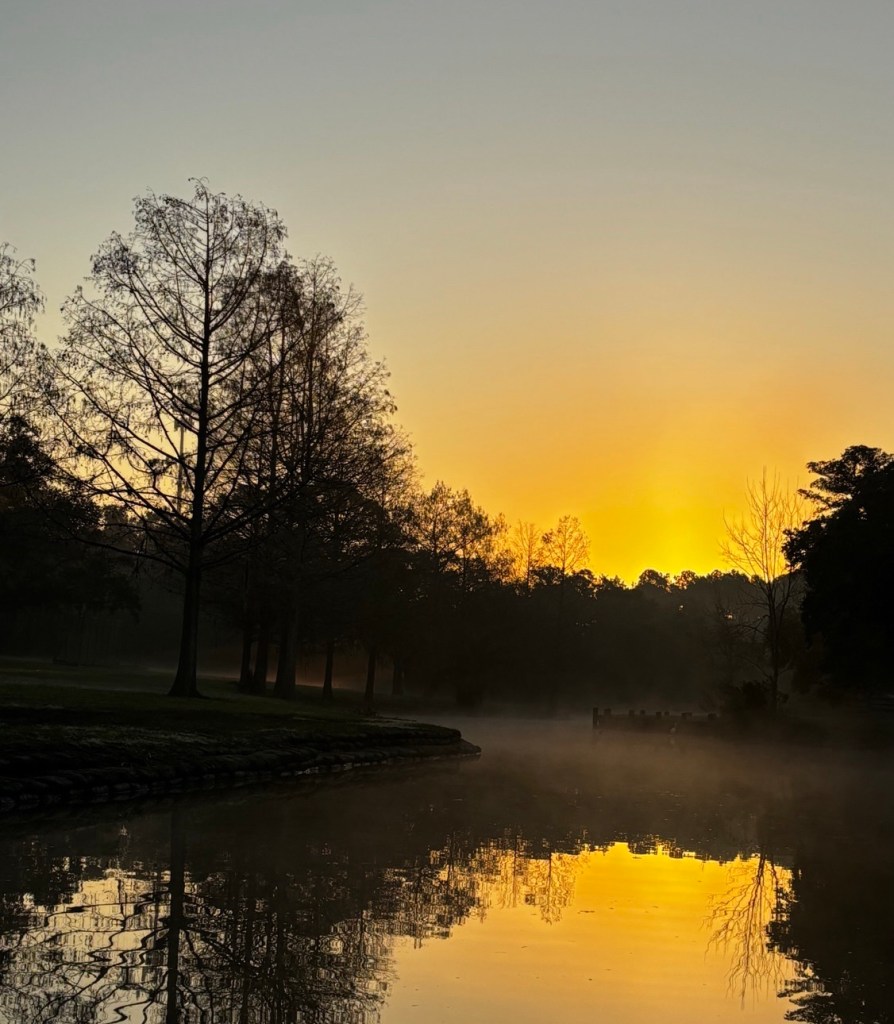
    Sunrise on Dickinson Bayou

    In this Beyond the Cast blog, we’ll break down the best launch points, seasonal patterns, and proven techniques for targeting both inshore and freshwater species in Dickinson Bayou.

    Why Kayak Fish Dickinson Bayou?

    Unlike open water areas like West Bay or Christmas Bay, Dickinson Bayou offers a controlled, protected environment with minimal wind and boat traffic, making it ideal for kayak anglers. The bayou features oyster beds, submerged structure, and marsh drains that hold inshore predators, while its upper sections provide excellent largemouth bass fishing around laydowns and submerged timber.

    The brackish water mix creates a unique opportunity where you can catch bass and redfish in the same stretch of water, depending on the salinity levels.

    Best Kayak Launch Points

    1. Paul Hopkins Park – A great starting point for bass fishing in the upper bayou. This area has more freshwater influence, submerged timber, and slower-moving water where largemouth bass thrive.

    2. Ray Holbrook Park – Provides access to both freshwater and brackish areas, making it a great spot to target multiple species in one trip.

    3. Dickinson Bayou Boat Ramp (Highway 146) – A prime launch for inshore species like speckled trout, redfish, and flounder, as the bayou transitions to saltier water.

    Target Species and Seasonal Patterns

    Inshore Species (Redfish, Trout, Flounder)

    Redfish
    Speckled Trout
    Flounder

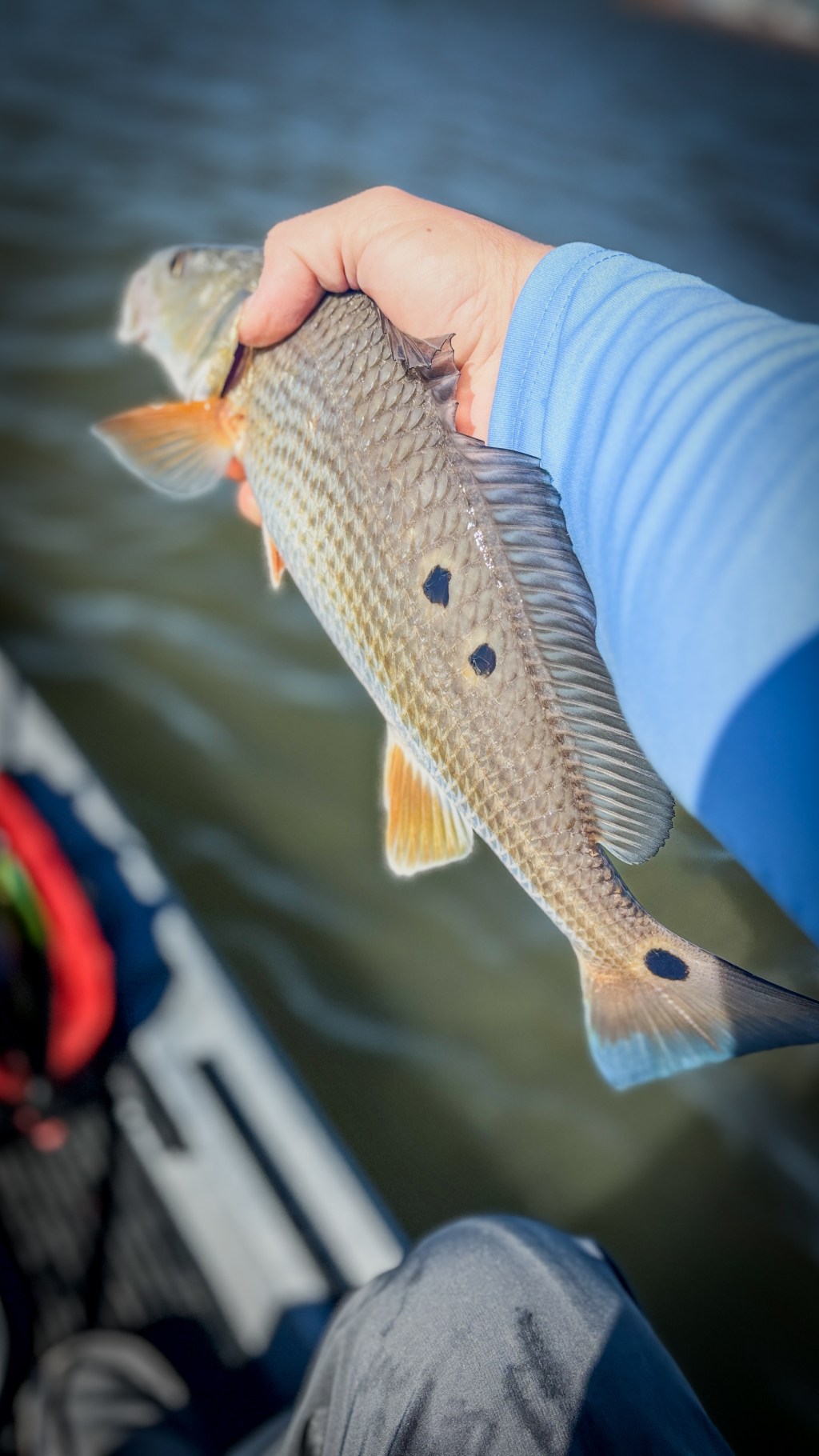
    Redfish: Present year-round, redfish move between the shallow marsh edges and deeper bends of the bayou. Look for them near oyster beds or ambushing bait near structure.

    Speckled Trout: More common in the lower bayou where salinity is higher. They hold in deeper holes during winter and move toward bait schools in summer.

    Flounder: A spring and fall favorite, flounder stack up near drains and along drop-offs.

    Largemouth Bass

    Spring & Summer: Bass are highly active, staging near submerged trees, grass lines, and deeper pockets along the bank. Topwater frogs and spinnerbaits shine in the warmer months.

    Fall & Winter: Bass move deeper into holes and near structure, where slow-moving soft plastics and crankbaits are the go-to options.

    Best Lures for Dickinson Bayou

    Inshore Lures:

    H&H Paddle Tails and DOA Paddle Tails – Excellent for covering water, especially rigged on a light jighead and bounced off the bottom.

    JVS Custom Baits 3.2 Rip Rap in Cinnamon Gold – This lure mimics baitfish well in the stained waters of the bayou.

    JVS Speed Shrimp in White and Gold – Great for targeting speckled trout and redfish near deeper channels.

    Gulp! Shrimp or Mud Minnow on a Jighead – Deadly for flounder, especially near marsh drains.

    Largemouth Bass Lures:

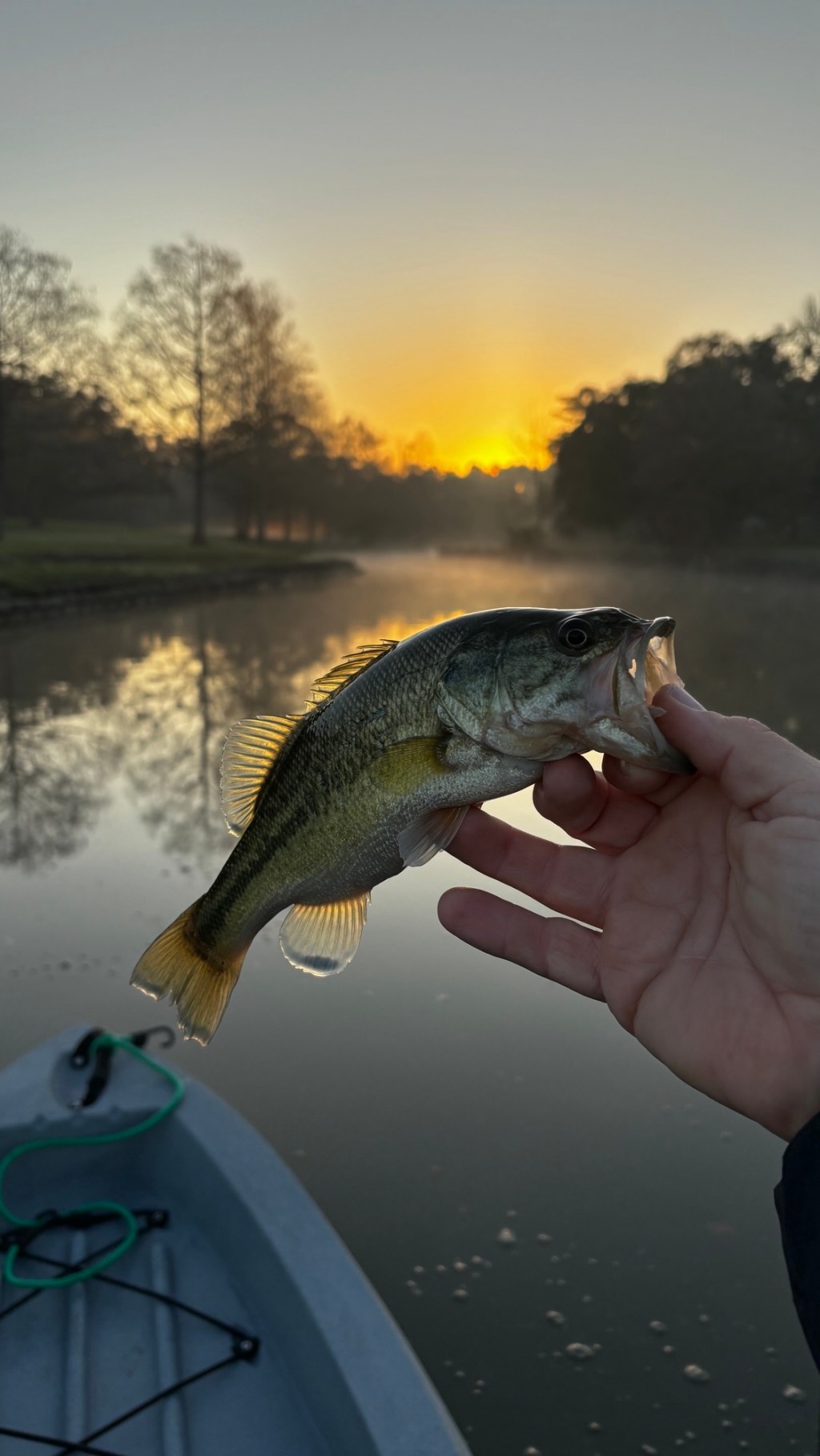
    Bass caught on Dickinson Bayou

    H&H Paddle Tails (White or Chartreuse) – A great crossover lure for bass in brackish water, these work well on a light jighead or weighted swimbait hook. Slow-roll them near laydowns and grass lines for reaction bites.

    Texas-Rigged Soft Plastics (Creature Baits, Worms, Flukes) – Perfect for working submerged timber and drop-offs.

    Spinnerbaits (White or Chartreuse) – A great way to trigger reaction bites around structure.

    Frogs & Topwater Lures – In the summer, bass explode on frogs in the backwaters and grassy edges.

    Crankbaits & Jerkbaits – Ideal for cooler months when bass are holding deeper.

    Fishing Strategy and Tidal Influence

    Like most Texas waters, understanding tides plays a crucial role in Dickinson Bayou fishing.

    Outgoing Tide: Fish stage near marsh drains, creek mouths, and bends where baitfish get pulled out.

    Incoming Tide: Redfish push shallow to feed, while bass tend to stay near structure unaffected by tides.

    Slack Tide: Slower fishing for inshore species, but bass can still be caught by working deeper structure.

    Final Thoughts

    Dickinson Bayou is a fantastic spot for kayak anglers looking to mix inshore and freshwater fishing in one trip. Whether you’re tossing a paddle tail for speckled trout or slow-rolling an H&H Paddle Tail for largemouth bass along a submerged tree, this bayou offers a little bit of everything.

    Stay tuned to Beyond the Cast for more in-depth breakdowns of Texas inshore and freshwater fishing, and be sure to check out our YouTube channel for on-the-water footage of kayak fishing in Dickinson Bayou!

    Tight lines!
  • Fluorocarbon vs. Mono Leaders: What I Use and Why

    Fluorocarbon vs. Mono Leaders: What I Use and Why

    Every time I hit the water, I have to make a choice—fluorocarbon or monofilament for my leader? It might seem like a small detail, but over the years, I’ve learned that the right leader can make all the difference in whether I land fish or leave frustrated.

    This debate has played out for me countless times on the Texas flats, whether I’m sight fishing for tailing reds or working a cut on an outgoing tide. I’ve used both, and while I lean heavily toward fluorocarbon, I still keep mono in my tackle bag for specific situations.

    Fluorocarbon: My Go-To for Most Situations

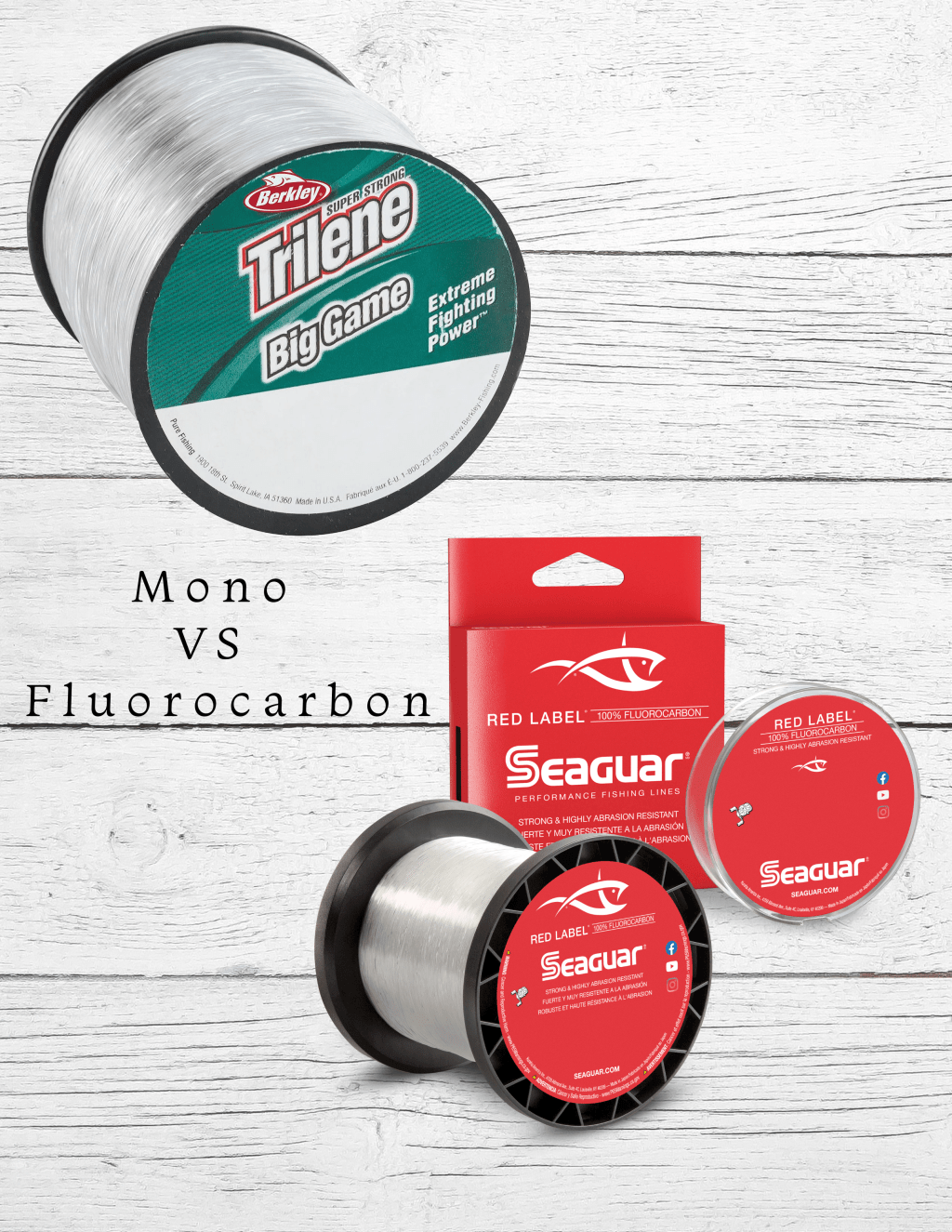
    Most days, I’m running 15 lb Seaguar Red Label Fluorocarbon on my Black Max reel, and I do it for a few key reasons. First, it’s nearly invisible underwater, which makes a huge difference when I’m fishing clear, shallow flats and reds are being picky. I’ve watched redfish spook off a lure before they even get close to it, and I have no doubt it was because my leader was too visible.

    Fluoro is also tough—which is exactly what I need when I’m fishing near oyster beds and rocky shorelines. I’ve had reds take me into structure, rubbing my line against shells, and fluorocarbon has saved me from heartbreak more than once.

    Then there’s the sensitivity. When I’m throwing a H&H paddle tail and working it slowly through a drain, I want to feel everything—every tap, every bump, and the moment a red inhales my lure. Fluorocarbon has less stretch than mono, which helps me react faster and set the hook with confidence.

    When I Switch to Mono

    That being said, I still use monofilament, mainly when I’m throwing topwater lures like a Spook Jr. or a Rapala Skitter Walk. I learned this lesson the hard way—one morning, I was working a topwater over a shallow grass flat, and I noticed the lure wasn’t “walking” as well as it should. Turns out, my fluorocarbon leader was sinking just enough to mess with the action.

    Mono, on the other hand, floats, keeping my topwater lures running properly. It also has more stretch, which helps absorb the impact of aggressive topwater blow-ups and prevents me from pulling the hook too soon.

    Another reason I might use mono is cost. Fluorocarbon isn’t cheap, and when I’m fishing in murky or off-colored water where visibility isn’t a concern, I sometimes opt for mono just to save a few bucks.

    Real-World Example: Choosing the Right Leader on the Flats

    A few weeks back, I launched early in the morning, kayak in tow, targeting redfish on the flats. The water was clear, and as soon as the sun got up, I spotted reds tailing in the shallows. I tied on my usual fluorocarbon leader and threw a H&H paddle tail in cock of the walk right in front of a fish. It didn’t hesitate—it inhaled the lure, and after a solid fight, I had a slot red in the kayak.

    Later in the morning, I switched to a topwater Spook Jr. to see if I could pull a few more fish out of the grass. The first few casts didn’t feel right, and I realized my fluoro leader was sinking and affecting the lure’s movement. I quickly cut off the fluoro and tied on 15 lb mono, and within minutes, I had another red explode on my lure. That one simple change made all the difference.

    Final Thoughts: Which One Should You Use?

    If you fish inshore like I do, fluorocarbon is my top choice for most situations, especially when throwing soft plastics or working subsurface lures. But monofilament has its place, mainly when using topwater lures or fishing in murky water where stealth isn’t as critical.

    Here’s a quick rundown of when I use each:

    SituationLeader ChoiceWhy?
    Sight fishing for reds in clear waterFluorocarbonLess visible to fish
    Fishing near oyster beds & structureFluorocarbonMore abrasion-resistant
    Throwing soft plastics on an outgoing tideFluorocarbonSinks & provides better sensitivity
    Working topwater luresMonofilamentFloats & allows natural lure action
    Fishing in murky waterMonofilamentVisibility isn’t a concern, saves money
    Wanting more stretch for shock absorptionMonofilamentHelps prevent pulled hooks

    At the end of the day, both leader types have their strengths, and knowing when to use each will help you put more fish in the kayak.

    What’s your go-to leader for inshore fishing? Let me know in the comments—I’m always up for a good fishing debate!

    Stay Connected with Beyond the Cast

    Thanks for reading! If you enjoyed this post and want more fishing tips, trip reports, and on-the-water action, be sure to follow along.

    Subscribe to our YouTube channel for in-depth videos, gear breakdowns, and on-the-water adventures. Stay up to date by following us on Facebook, where we share fishing reports, trip updates, and connect with fellow anglers.

    Join the conversation, share your catches, and let’s keep exploring the water together.

    Tight lines, and see you Beyond the Cast!

  • In-Depth Spring Redfish Behavior in Freeport & Galveston

    In-Depth Spring Redfish Behavior in Freeport & Galveston

    Spring is an exciting time for inshore anglers targeting redfish along the Texas coast, especially in the Freeport and Galveston areas. As water temperatures rise, redfish transition from their winter haunts into the shallows, feeding aggressively on baitfish and crustaceans. To consistently find and catch redfish this season, it’s crucial to understand their movement patterns, feeding behavior, and how tides and weather influence their activity.

    In this post, we’ll break down spring redfish behavior and proven tactics for both the Freeport and Galveston areas so you can make the most of your time on the water.

    Seasonal Transition: How Spring Affects Redfish

    Redfish spend much of the winter in deeper channels, back lakes, and protected bayous, where they seek out stable water temperatures. As spring brings warmer weather, they begin pushing into shallow grass flats, marsh drains, and oyster beds, where food becomes more abundant.

    Recent Observations from the Water

    Last week, I noticed a significant increase in redfish moving into the shallows and grass flats. Both slot-sized reds and bull reds were cruising shorelines, especially in the marshy backwaters of Freeport and the grassy flats around Galveston’s West Bay. The warming trends throughout the day had these fish feeding aggressively, with multiple tailing reds in less than a foot of water.

    Key environmental changes driving redfish movement:

    Rising water temperatures (60°F-75°F) – Increases redfish activity and feeding.

    Bait migrations – Shrimp, mullet, and menhaden begin pushing into shallower estuaries.

    Tidal influences – Higher tides allow reds to move into newly flooded grass flats.

    Spring rains and freshwater flow – Can impact redfish locations, especially near river mouths and marsh drains.

    Redfish Movement Patterns in Freeport & Galveston

    Recent Trip Insights

    On my last trip, I noticed redfish moving into wind-protected flats and bayous as the day warmed up. In the morning, reds were still hanging around deeper drop-offs near bayous and channel edges. By late morning, they were actively feeding along shorelines and oyster reefs in Christmas Bay, Drum Bay, and the backwaters of Galveston’s West Bay.

    Key Areas to Target in Freeport & Galveston

    Freeport

    Bastrop Bay & Christmas Bay – Shallow grass flats, oyster reefs, and marsh drains hold plenty of reds during a rising tide.

    Drum Bay & Hoskins Bayou – Great for targeting redfish in marsh channels and deeper bayous during outgoing tides.

    Cold Pass & San Luis Pass Back Lakes – Clearer water and strong tidal flow make these areas prime for sight fishing.

    Galveston

    West Bay (North Deer Island & Greens Lake) – Excellent springtime spots for redfish hunting bait along grassy shorelines.

    Jones Bay & Chocolate Bay – Shallow mud and shell bottoms warm up quickly, attracting feeding reds.

    East Bay (Anahuac Pocket & Marsh Drains) – Productive on an outgoing tide as bait flushes from the marshes.

    Tides, Wind, and Feeding Behavior

    Tides & Best Feeding Windows

    On my last trip, the outgoing tide was the most productive, especially near marsh drains where redfish were stacked up waiting for bait to flush out. Slack tides were slow, but once the water started moving again, the bite picked up fast.

    Outgoing tides – Best for ambush feeding near marsh drains and cuts.

    Incoming tides – Reds push into newly flooded grass flats and shoreline pockets.

    Slack tide – Slower bite; good time to relocate or make adjustments.

    Wind & Its Effect on Redfish

    South winds help push warmer water into the bays, keeping reds more active.

    North winds after a front can slow things down, pushing fish into deeper areas.

    Slight chop vs. calm conditions

    • Slight chop makes redfish more aggressive.

    • Calm conditions make reds spookier, requiring long casts and stealthy approaches.

    4. Feeding Patterns & What Redfish Eat in Spring

    Primary Forage for Spring Redfish

    Shrimp – A top bait choice in early spring, especially around marsh drains.

    Mullet – Bigger mullet become a key food source as temperatures warm up.

    Crabs – Found in grassy shorelines and a favorite target of tailing reds.

    Menhaden & Pinfish – Common in open water and around reefs.

    Best Lures from My Last Trip

    JVS 3.5 Speed Shrimp (White & Gold) – Worked great on a slow retrieve along the flats.

    H&H Paddle Tail (Golden Bream) on a 1/8 oz Jighead – Perfect for bouncing near oyster beds.

    Gold Spoon (1/4 oz) – Great for covering water and triggering reaction bites.

    Adjusting to Changing Spring Conditions

    Cooler Mornings

    • Work slow-moving soft plastics near deeper bayou edges.

    • Look for mud-bottom areas that retain heat overnight.

    Warmer Afternoons

    • Target flats and grass shorelines, where reds become more active.

    • Throw paddle tails or topwaters near structure.

    Windy Days

    • Focus on wind-blown shorelines, where bait is being pushed.

    • Use louder lures like a popping cork with a shrimp imitation.

    Calm & Clear Days

    • Look for tailing reds in the shallows.

    • Scale down to lighter fluorocarbon leaders (12-15 lb) and more natural-colored baits.

    Interactive Map: Best Spring Redfish Locations

    Google earth screenshot
    Google earth screenshot

    For a better look at these key fishing spots in Freeport and Galveston, I recommend using Google Earth or interactive fishing maps. These tools can help identify:

    Oyster reefs and grass flats where redfish are feeding.

    Marsh drains and bayous that hold fish on moving tides.

    Depth changes and structure that redfish relate to in different conditions.

    Final Thoughts

    Spring is one of the best times to target redfish in Freeport and Galveston, with warming waters bringing fish into the shallows and increasing feeding activity. Whether you’re working marsh drains, grass flats, or oyster reefs, understanding how redfish move with the seasons and tides will give you an edge on the water.

    Every trip is a learning experience, so get out there, apply these strategies, and adjust to what the fish are telling you. Don’t forget to share your catches and experiences with us!

    Stay Connected with Beyond the Cast

    Subscribe to our YouTube channel for fishing videos, gear breakdowns, and on-the-water action. Stay up to date by following us on Facebook, where we share fishing reports, trip updates, and connect with fellow anglers.

    Join the conversation, share your catches, and let’s keep exploring the water together.

    Tight lines, and see you Beyond the Cast!