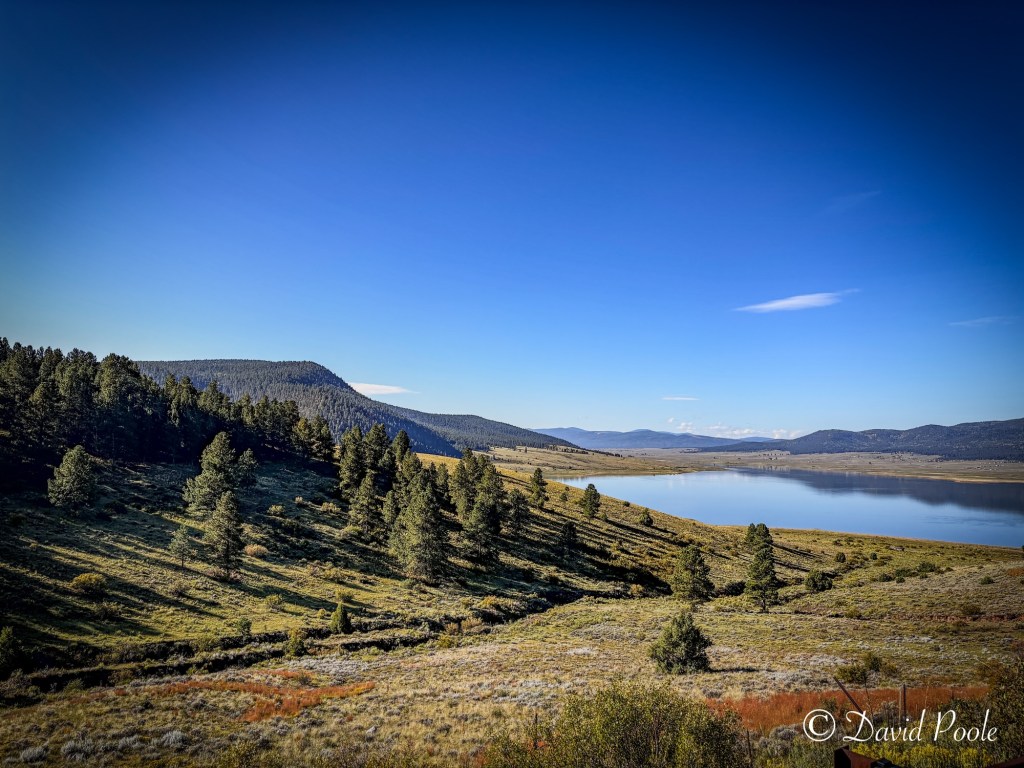
Tag: travel photography

  • The Art of Solitude: Why I Chase Wild Places with a Fly Rod and a Camera

    The Art of Solitude: Why I Chase Wild Places with a Fly Rod and a Camera

    “In the stillness of a riverbend or the hush of pine shadows on a mountain trail, I find something that feels closer to truth than anything I’ve found in the noise of daily life.”

    Introduction: Where Silence Begins

    There’s something sacred about the sound of your boots crunching on a trail before sunrise. When the only other noise is the rustling of leaves and the distant hum of water, that’s where solitude begins. It’s not about loneliness—it’s about space. Space to think. Space to breathe. Space to reconnect.

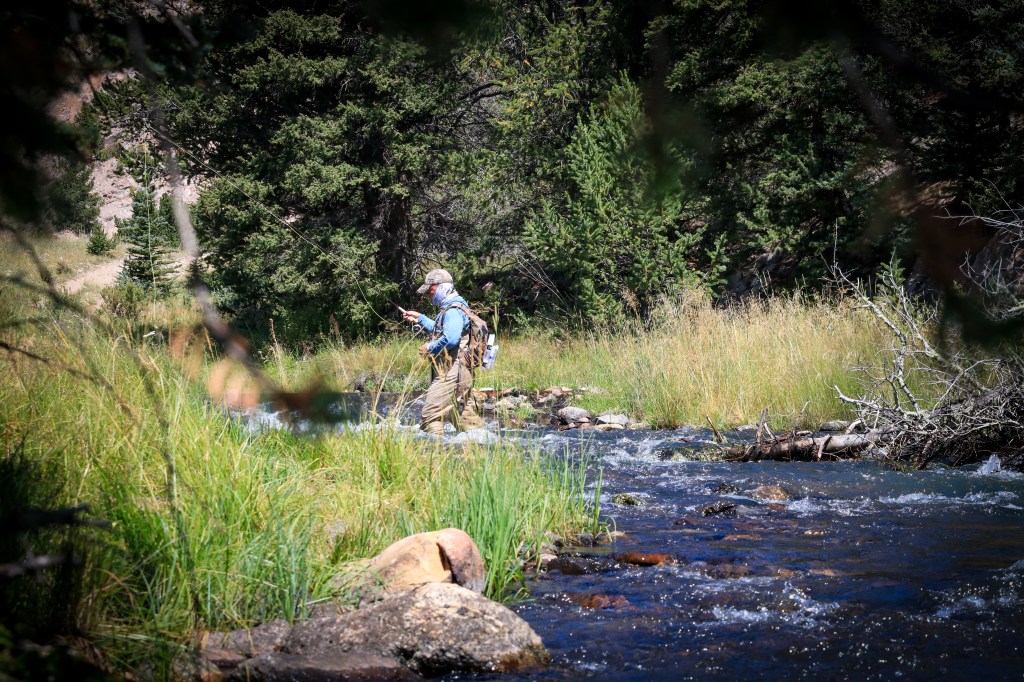
    For me, that space has always been filled with two things: a fly rod in one hand, and a camera slung over my shoulder.

    The Pull of the Wild

    Fishing isn’t just a sport—it’s a rhythm. It slows life down. The act of watching a mayfly drift, of reading currents and shadows, and feeling the tension in a line before a strike—it pulls you into the present like few things can.

    Photography is the same. It demands patience. Observation. The willingness to wait for light to break just right through canyon walls or for the breeze to settle before clicking the shutter.

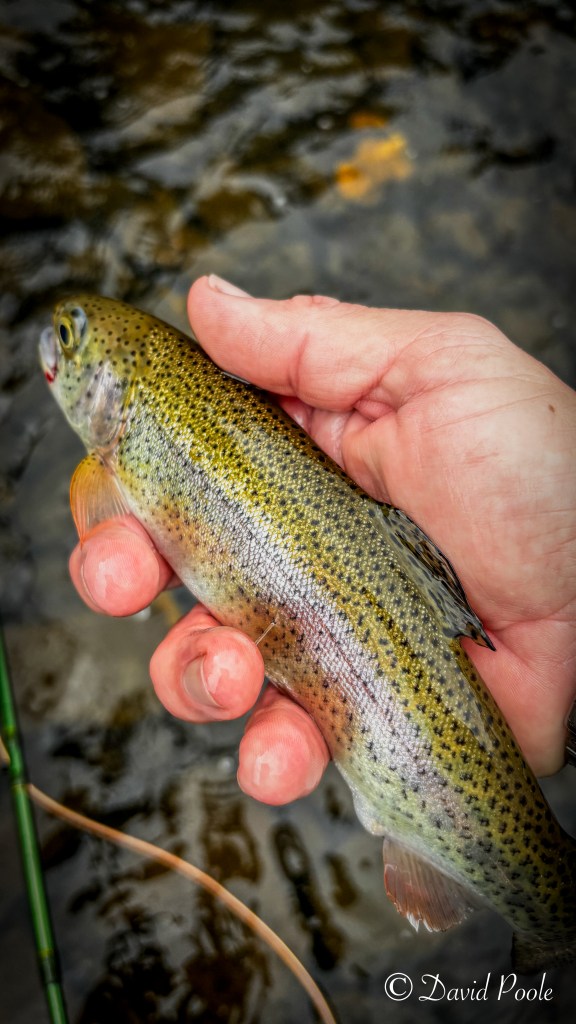
    In wild places, these two crafts merge. The fly rod casts for trout, the lens captures the light—and together, they etch a memory into your soul.

    Solitude Isn’t Escaping—It’s Returning

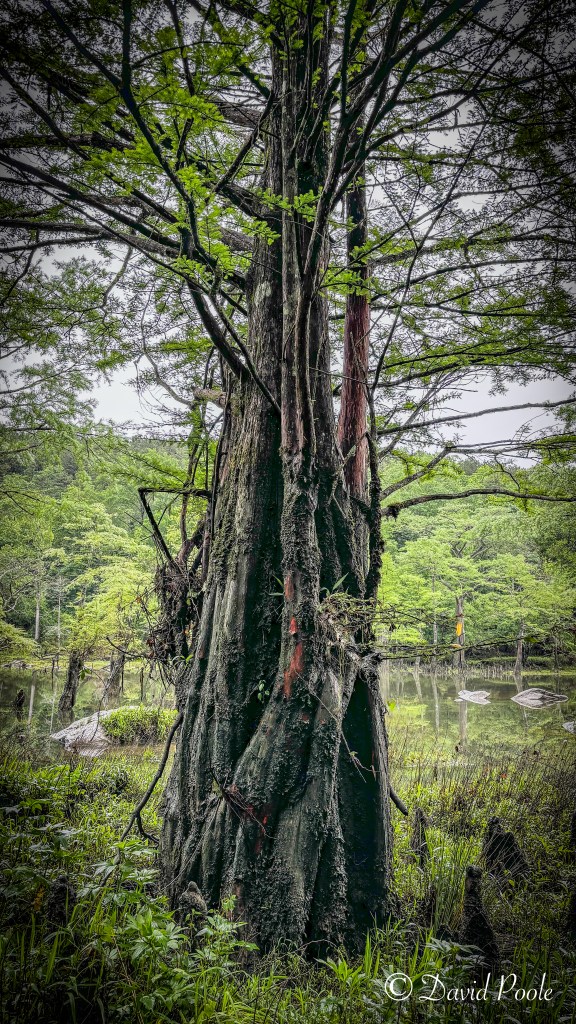
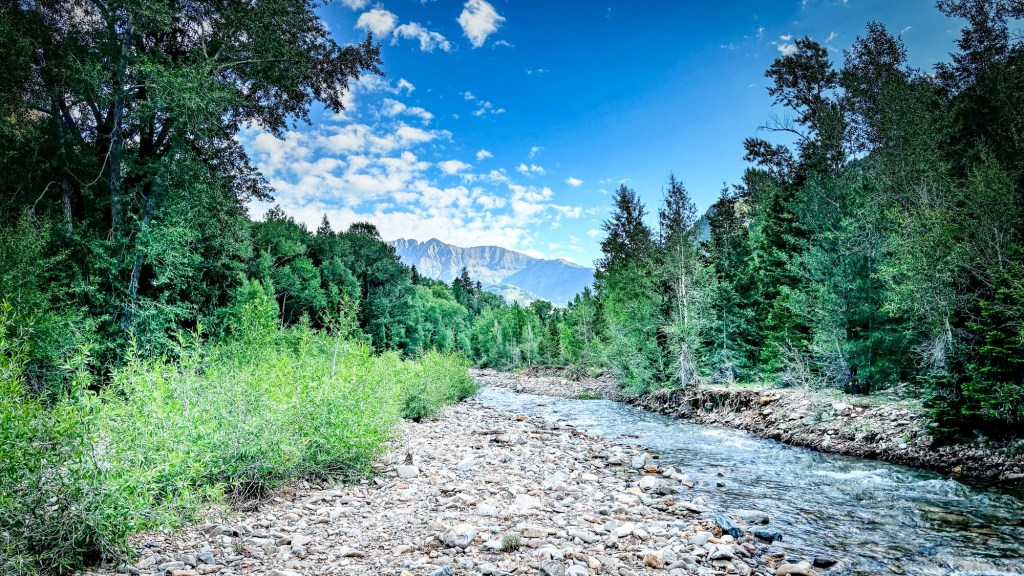
    People often think solitude is running from the world. But the truth is, it’s returning to what matters. Out there—along the banks of a freestone river or deep in a Texas marsh—you’re not bombarded by alerts, deadlines, or expectations. You’re just being.

    Fishing forces you to observe. To learn. To fail, and try again. The same goes for photography. It teaches you to see what you missed the first time. And in both, you learn that success is quiet. It’s not always the fish caught or the perfect photo. Sometimes it’s just that you were there.

    Why I Keep Coming Back

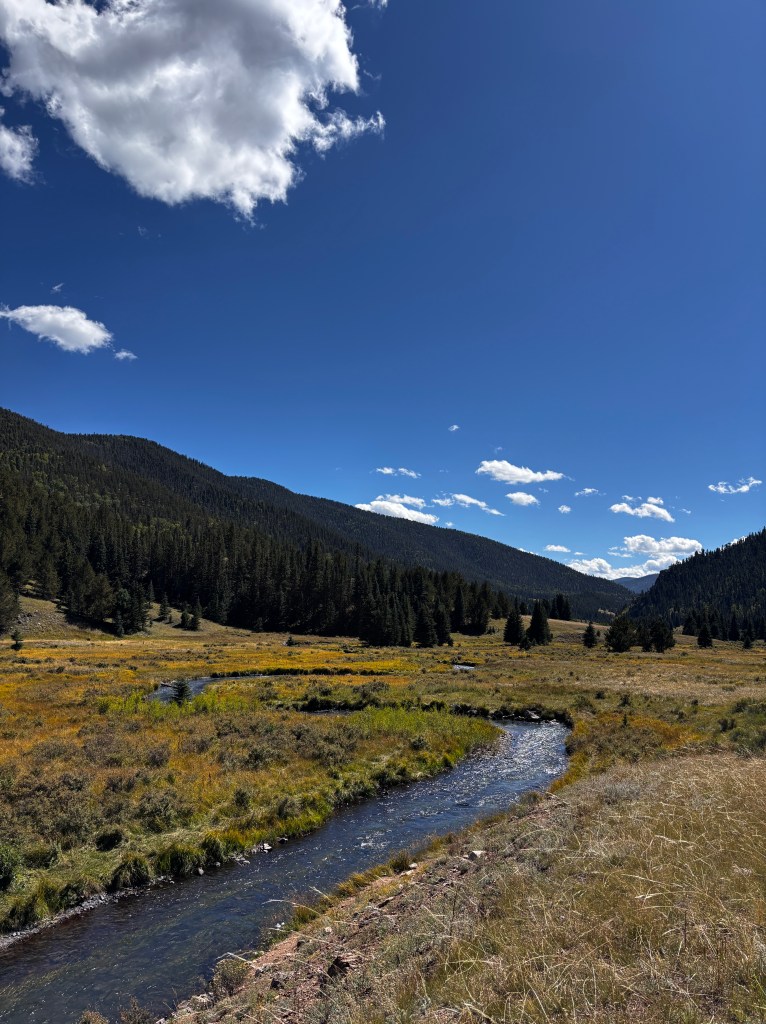
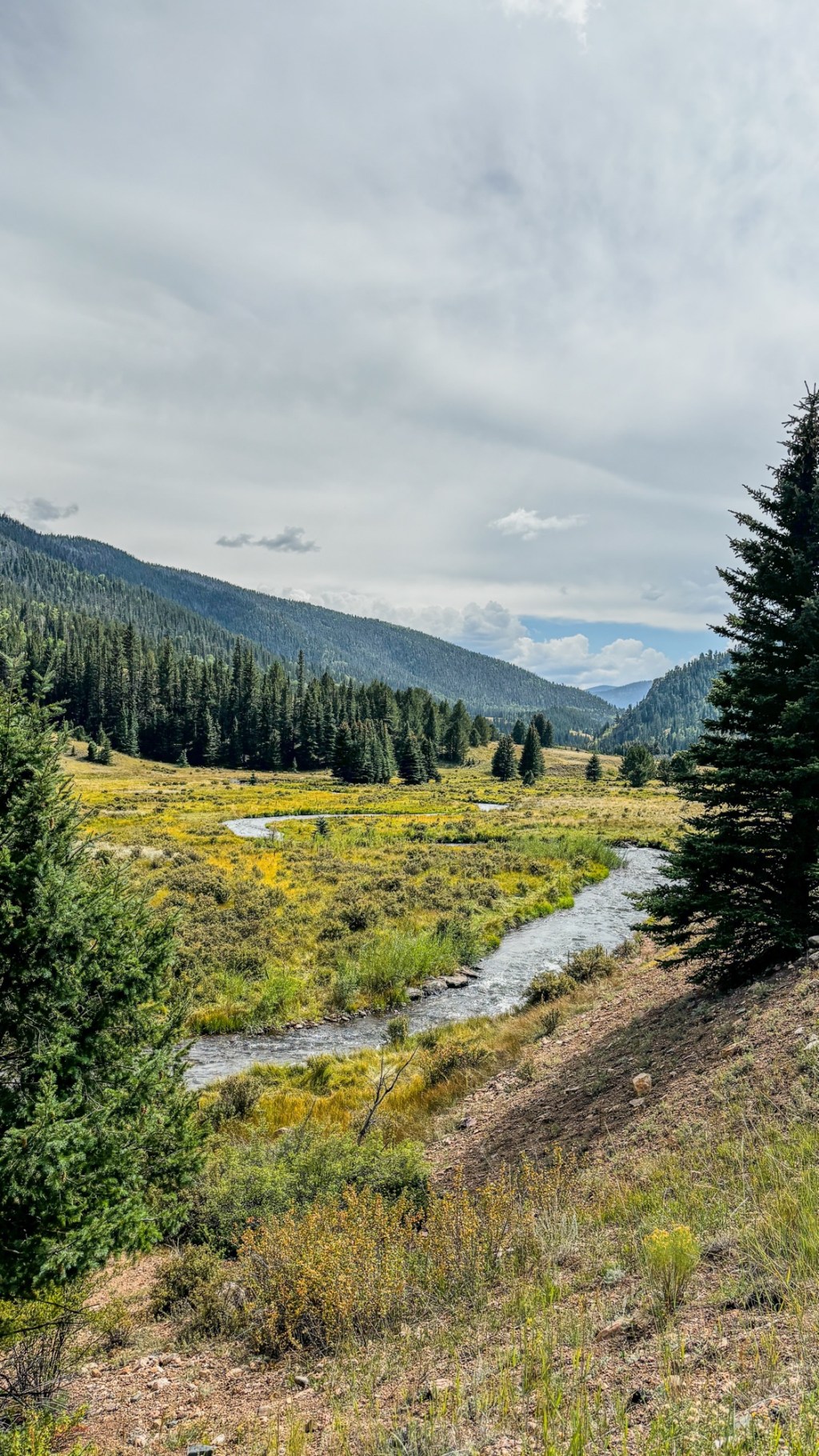
    I’ve fished from the saltgrass flats of Galveston to alpine streams in New Mexico, camera packed tight beside my reels. I’ve camped beside waters that sang me to sleep, and hiked miles before dawn to reach a pool that might hold a single rising trout.

    I do it for the adventure.

    I do it for the peace.

    But mostly—I do it to remember who I am when everything else is stripped away.

    The wild has a way of revealing truths. It’s where I go to reset, to listen, and to create. And every photo I take or fish I release is a thank-you note to the land that gave me the quiet I needed.

    What You Can Take With You

    If you’re someone who’s felt overwhelmed by the buzz of modern life, I’d encourage you to pick up a fly rod, a camera, or even just a journal—and go.

    Find a river. Hike a trail. Camp in the backcountry. Wake before the sun. Cast badly. Take blurry shots. But stay out there long enough to feel the noise fade.

    Because once you do—you’ll understand this:

    Solitude isn’t empty. It’s full of the things that truly matter.

    Gear I Bring for Solitude

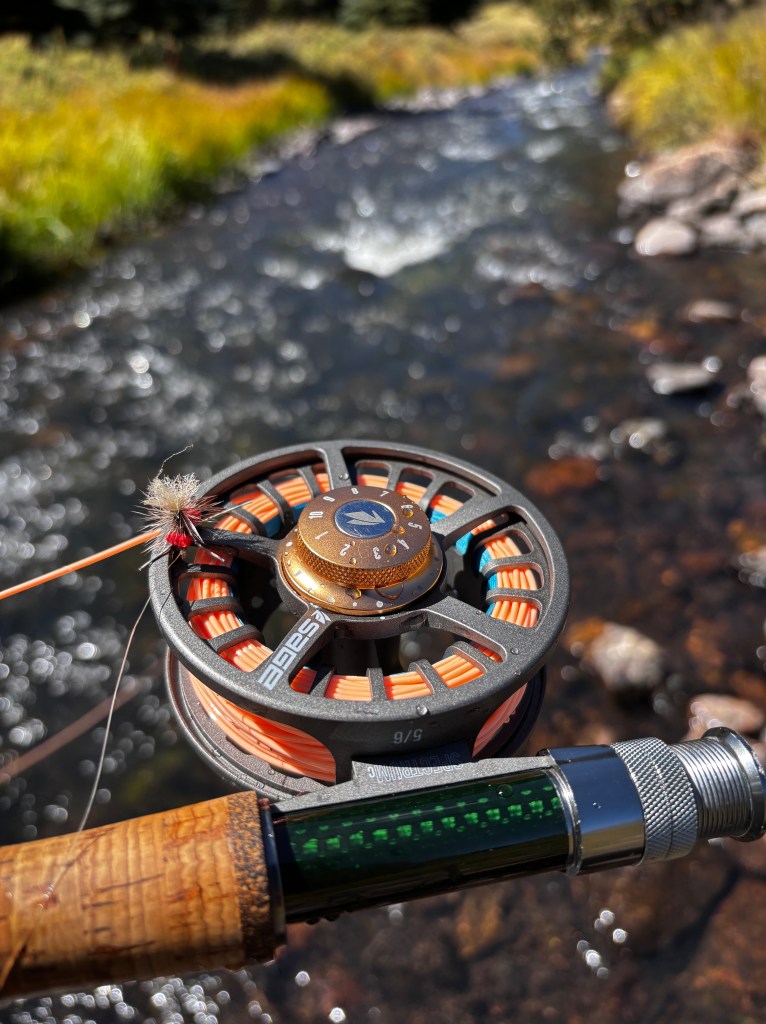
    • Fly Rod Setup: Sage Spectrum C reel, 4–6 wt rods depending on the water
    • Camera: Canon R5 + Sigma Art & Canon L-Series lenses
    • Tripod: K&F Concept carbon tripod
    • Filters: K&F ND filters for long exposures on streams
    • Editing Workflow: Lightroom Mobile on iPad Pro during the trip, stacked images for depth

    Final Thoughts: The Quiet Places Need Our Voice

    Solitude may be personal—but it’s also endangered. As more wild places shrink under development and public land access is threatened, we have a responsibility to protect what heals us.

    I encourage you to support conservation efforts, educate others, and share your own moments in the wild. Whether through words, photos, or quiet action—remind others why these places matter.

    Because if we lose them, we don’t just lose fish or trails—we lose a part of ourselves.

  • Luxury I can’t live without

    Luxury I can’t live without

    What’s the one luxury you can’t live without?

    “A luxury I can’t live without? Conservation programs for trout and the watersheds they depend on. It might not be material, but clean, cold water and the ecosystems behind it are what fuel every one of my passions—from fly fishing and photography to writing and exploring remote rivers.”

    For more information on this subject check out my in depth blog on conservation!

    Saving Trout: Conservation Efforts, Native Restoration, and the Bugs That Make It Possible

  • Chasing Rainbows and Smallmouth: A Spring Fly Fishing Trip to Broken Bow

    Chasing Rainbows and Smallmouth: A Spring Fly Fishing Trip to Broken Bow

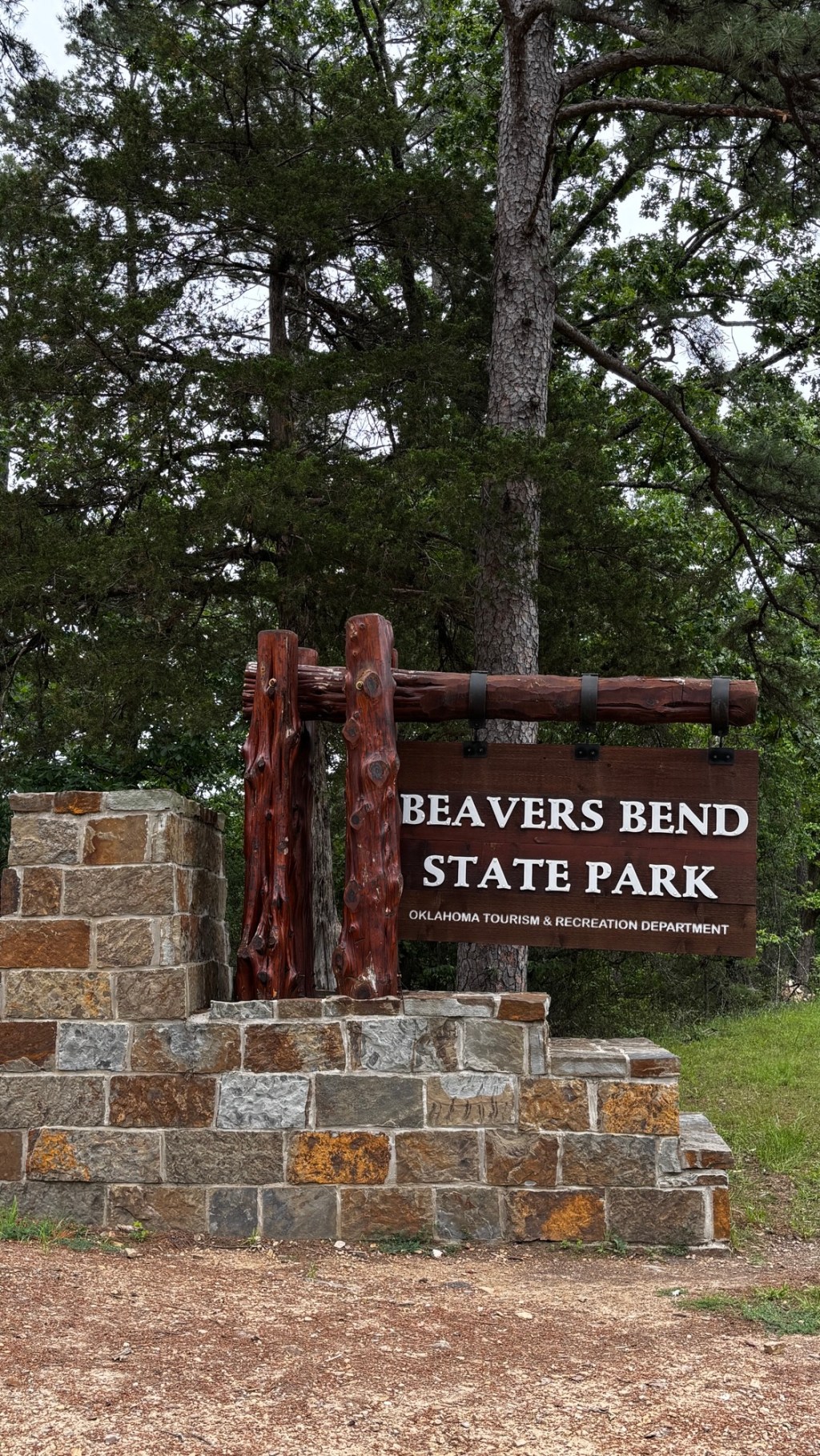
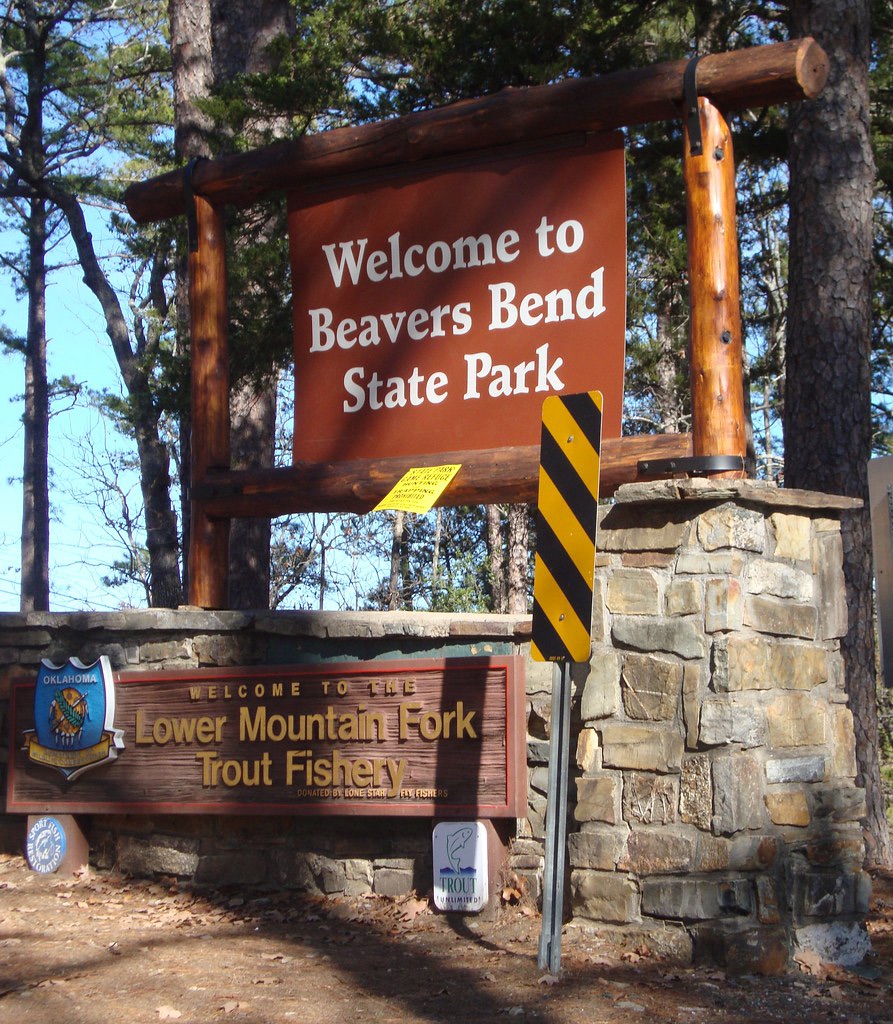
    After months of planning and a long drive through winding forest roads, I finally pulled into Beavers Bend State Park and set up camp along the Lower Mountain Fork River. The spring air was crisp, the dogwoods were just starting to bloom, and the sound of moving water echoed through the pines. It didn’t take long to shake off the road and get a line in the water.

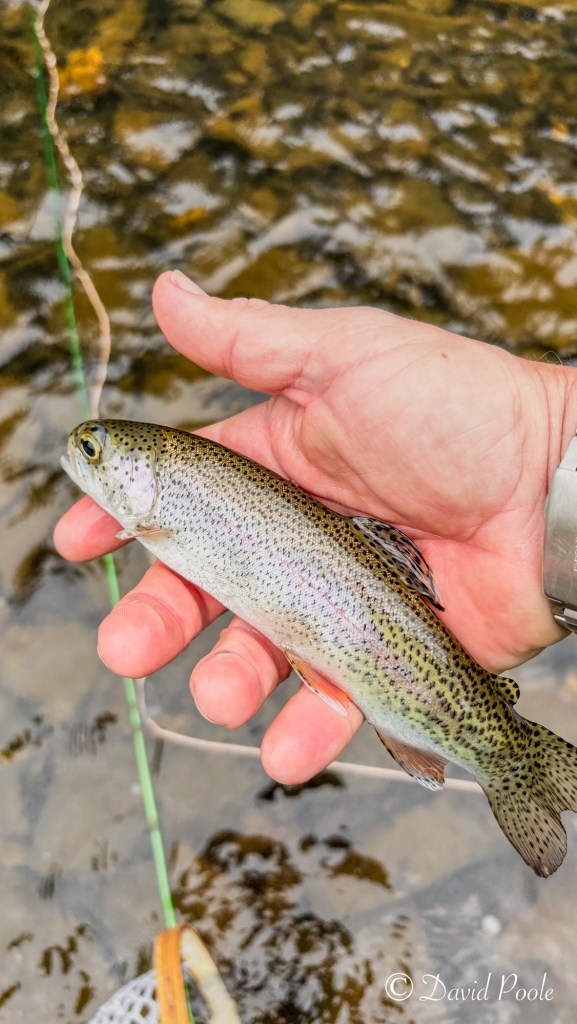
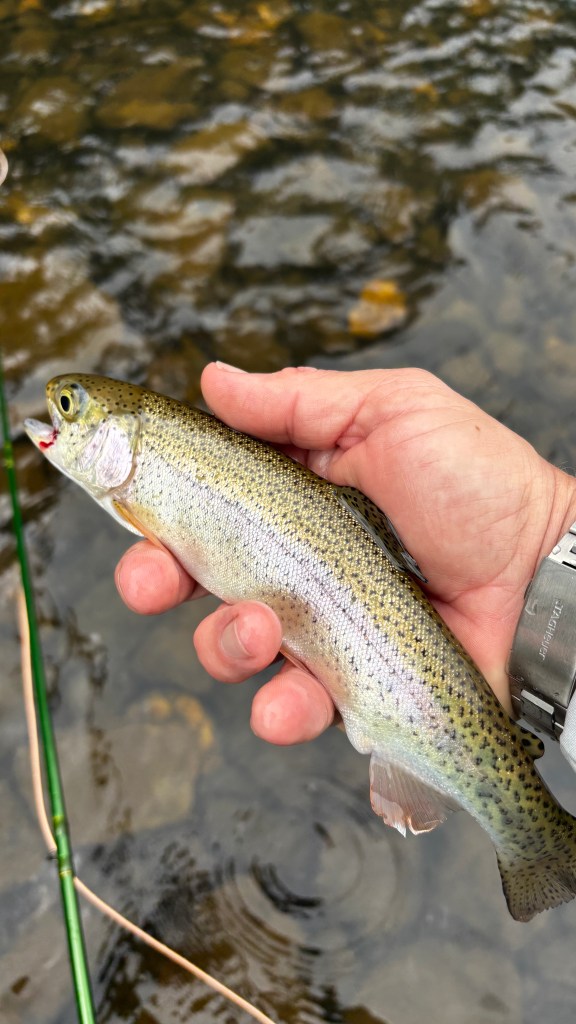
    That first evening, with the light starting to soften and the river glowing gold, I managed to connect with a few hungry rainbows. They weren’t picky—small nymphs drifted through the seams did the trick. The bites came steady enough to remind me why I love this place.

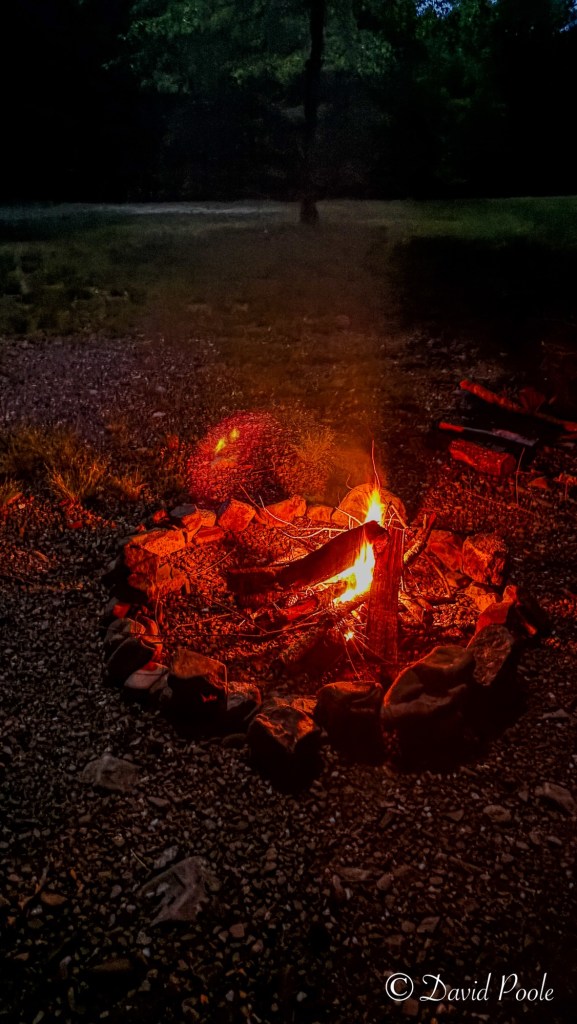
    After a quick dinner by the fire, I settled into camp under a canopy of stars, the rhythmic hoots of owls echoing through the trees.

    The next morning, I woke up early to fish the cooler temps. The water was still moving clear and strong, and once again the rainbows were willing. I caught several before the sky started turning gray and rumbles of thunder rolled over the treetops. I packed up just before the rain let loose. Back at camp, I waited it out with some lunch and watched the storm wash the dust off the forest.

    By late afternoon, the weather broke just enough to slip back onto the water. The air was cool and damp, and the fish were active again. There’s something about fishing after a storm—the river feels fresh, the light is moody, and the fish seem to know it.

    The next day I decided to stretch my legs and hike deeper into the park. The trail twisted along the river, past waterfalls trickling over mossy rocks and wildflowers blooming in hidden pockets of sunlight. With my fly rod strapped to my pack and my camera swinging from my shoulder, I made slow, intentional progress—fishing the deeper pools and riffles along the way. The reward? A mix of feisty smallmouth bass and more rainbows, all tucked away in less-pressured water.

    Waterfalls I found hiking to the river

    Between casts, I couldn’t help but take in the scenery. Spring in Broken Bow is something special—lush greens, sparkling creeks, waterfalls hidden in the woods, and skies that seem to shift with every hour. 

    I stopped often to shoot photos of blooming wildflowers, dripping foliage, and scenic overlooks. The light was perfect for moody forest shots and those soft, misty river images I love capturing.


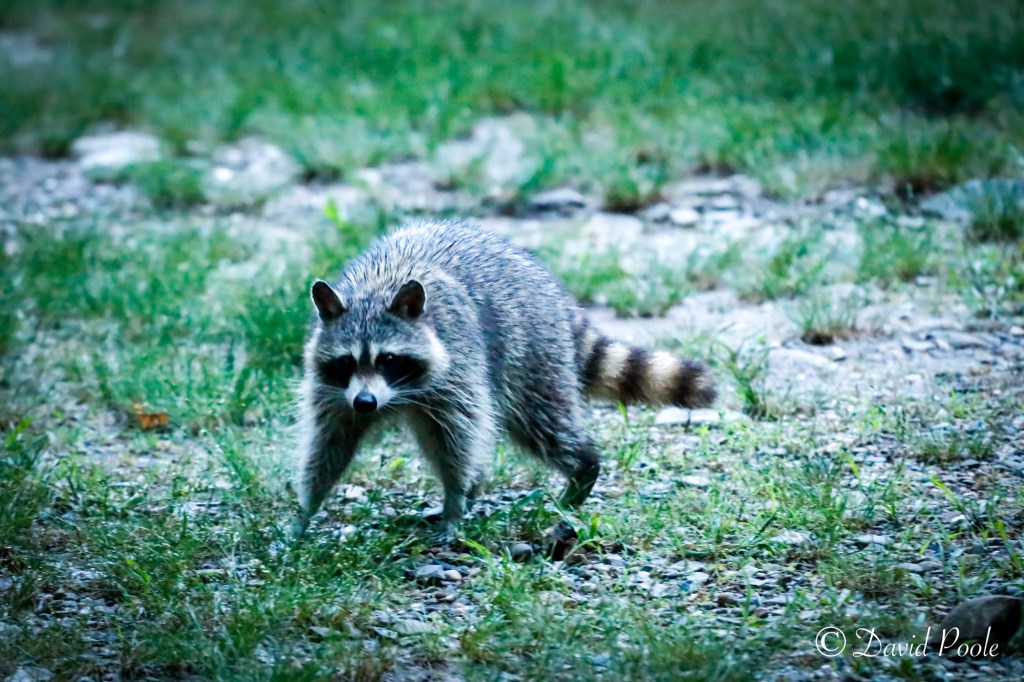
    Over the next several days, the fishing held strong. Morning and evening were best, especially with dry-dropper rigs and small streamers. Each night brought its own rhythm—raccoons rustling around camp looking for snacks, barred owls calling across the river, and the gentle hum of the forest settling in for the night. It was peaceful, wild, and exactly the kind of escape I was hoping for.

    This trip to Broken Bow was a perfect blend of fly fishing, photography, and soaking in spring’s return. The combination of eager trout, backcountry hikes, and unexpected encounters—both wildlife and weather—made it one for the books. If you’re thinking about chasing fish and quiet in southeast Oklahoma, spring is a great time to go.

  • From the Mountains to the Marsh – Wrapping Up Beavers Bend

    From the Mountains to the Marsh – Wrapping Up Beavers Bend

    After a few peaceful days of fly fishing in the cool, clear waters of Beavers Bend State Park, I’m back home on the Texas coast. The trip was a perfect spring escape—misty mornings on the Lower Mountain Fork River, sight-casting to rising trout, and evenings by the fire with the sound of the river nearby. It’s hard to beat the mountain air and those deep pools filled with willing browns and rainbows.

    But as great as the Oklahoma waters were, there’s nothing quite like home. The salt air, the sound of mullet flipping in the back marsh, and that first tailing redfish on a still morning—it all draws me right back in. With water temperatures rising and tides shifting into summer patterns, it’s time to return to chasing reds, speckled trout, and maybe even a few flounder on the fly.

    I’ll be back out on the Galveston flats this week, rod in hand and camera packed, ready for what the tides bring in. Stay tuned for some coastal fly action—there’s plenty more coming.


    Stay tuned for the full blog on Beavers Bend trip!

    What was your last trip like—mountains or marsh?

  • Among the Aspens: A Moment in New Mexico

    Among the Aspens: A Moment in New Mexico

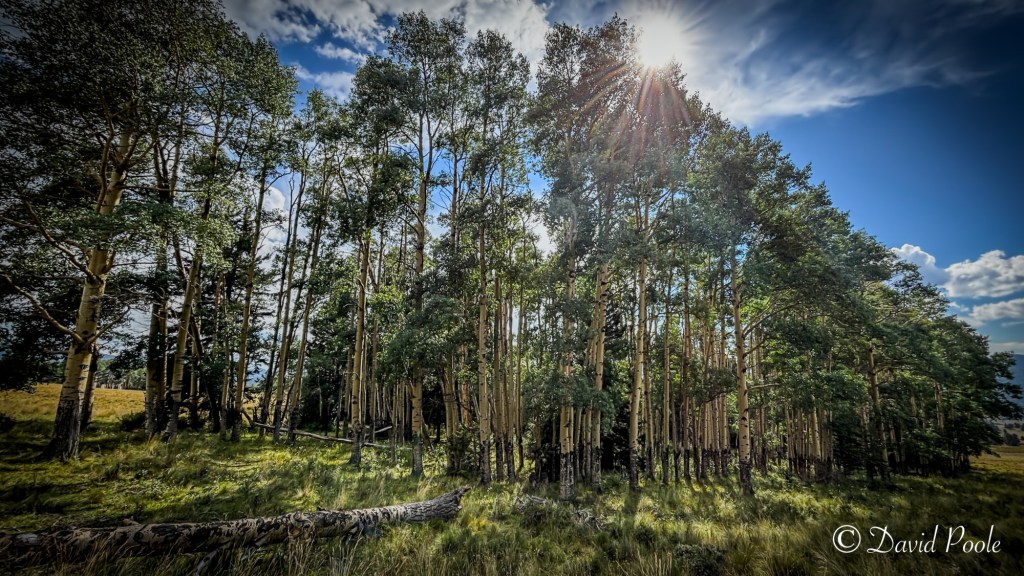
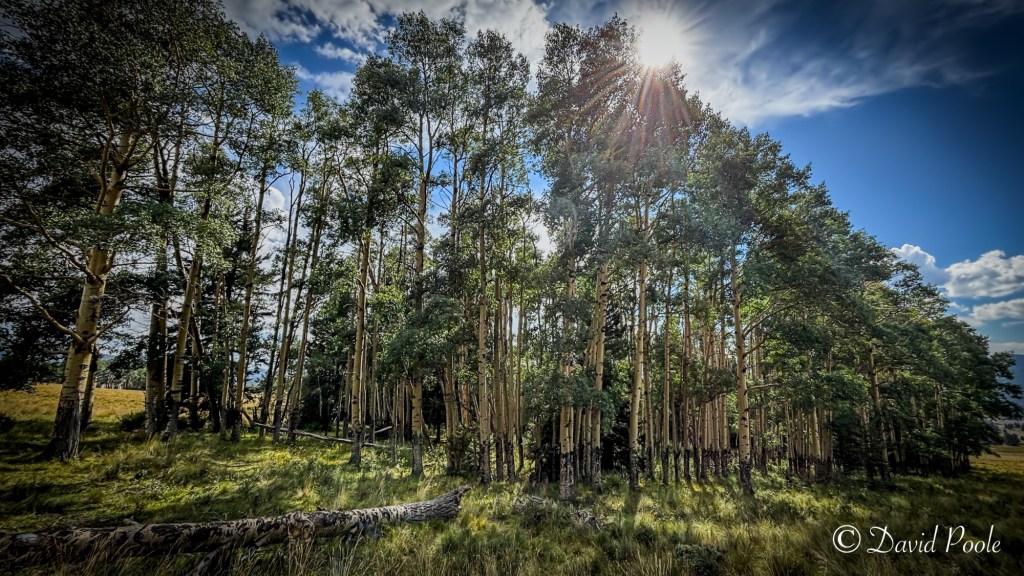
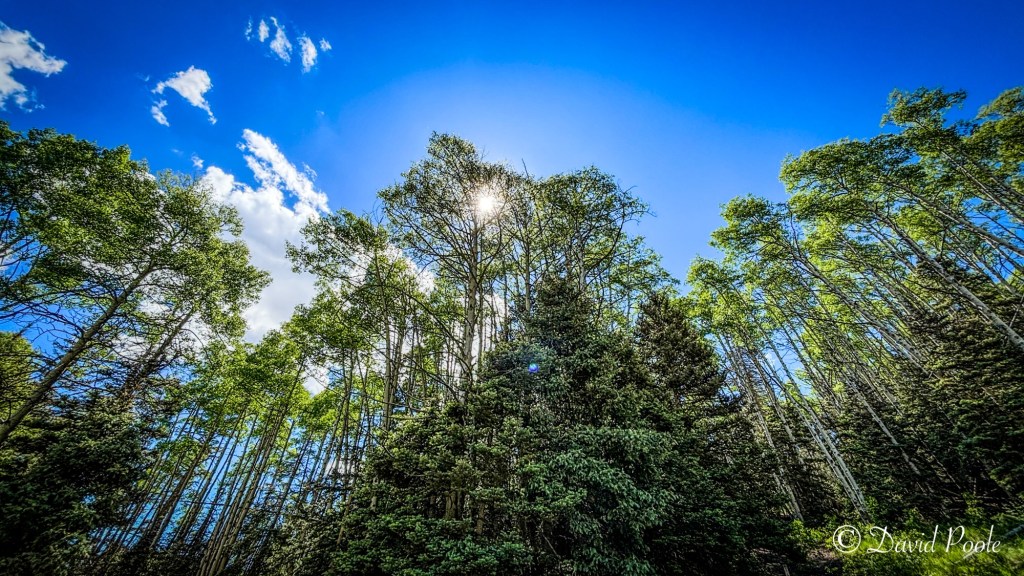
    High in the mountains of New Mexico, I found a glowing grove of quaking aspens just as the sun broke through the canopy. There’s something about these trees — tall, slender, golden-skinned — that draws you in. I came prepared with my Canon 90D, Canon L-series lenses, a K&F Concept tripod, and even my iPhone, knowing this scene was too good to miss from any angle.

    Canon 90D + L Series Glass: Sharpness Meets Versatility

    For wide environmental shots, I relied on the Canon 24–70mm f/2.8L, but for more intimate details — like clusters of bark, layered trunks, or isolating one tree against the backdrop — I used my Canon 70–200mm f/2.8L. This lens gave me the compression and clarity I needed to highlight subtle textures and pull distant trees forward with depth.

    Shot Breakdown:

    • Camera: Canon 90D

    • Lenses: 24–70mm f/2.8L and 70–200mm f/2.8L

    • ISO: 100

    • Aperture: f/10 for wide shots, f/2.8–f/5.6 for close-ups

    • Tripod: K&F Concept Carbon Fiber

    • Filter: K&F CPL

    Using the 70–200mm for Detail and Compression

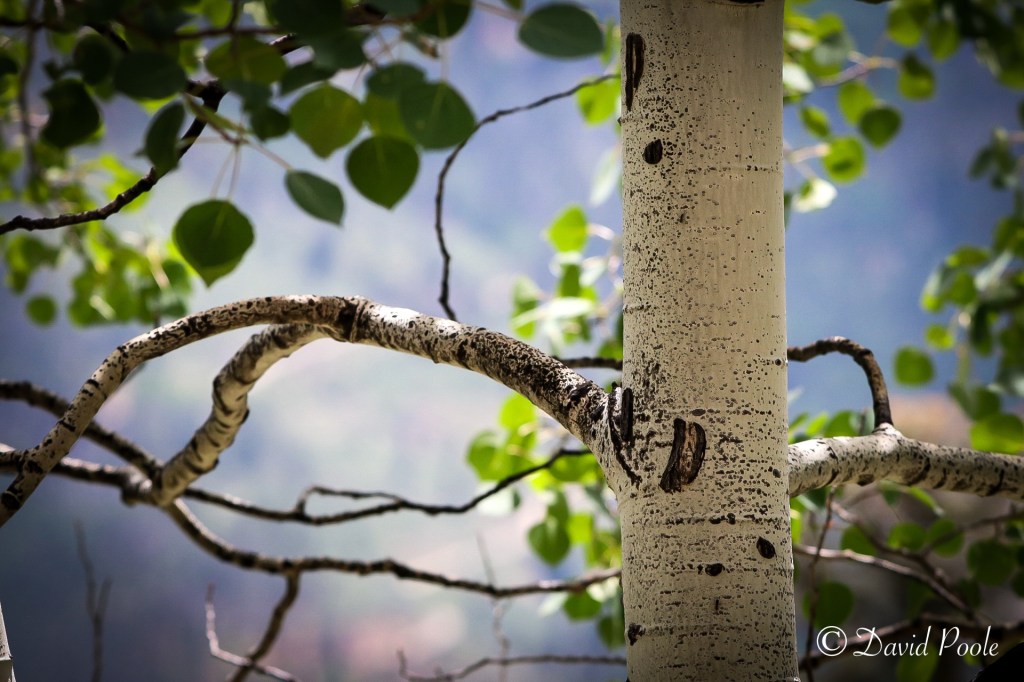
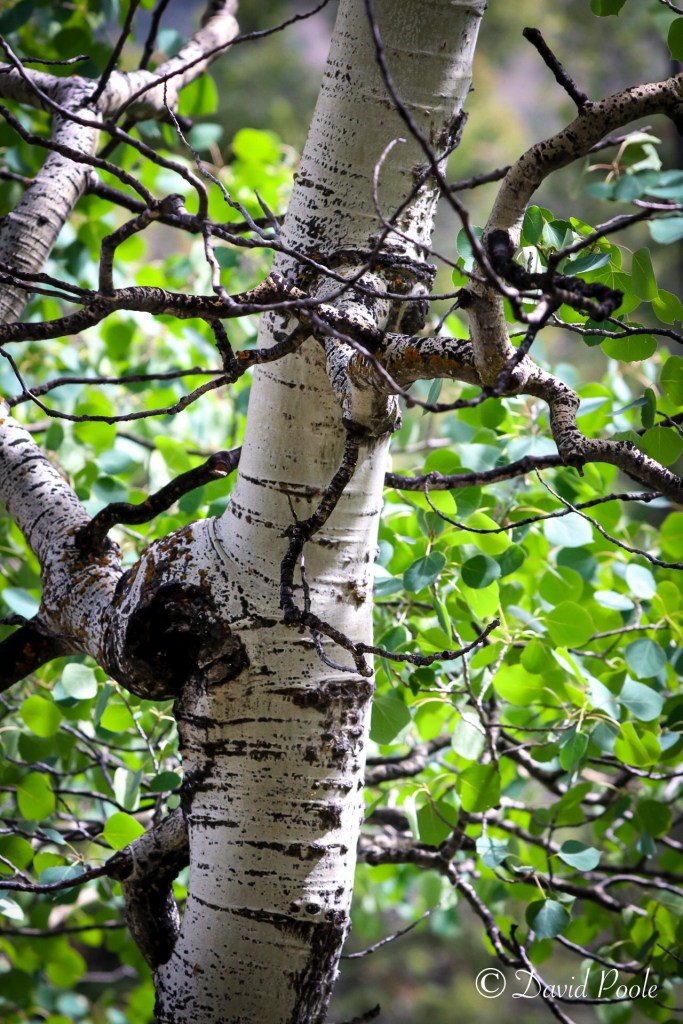
    Aspens are photogenic both up close and from a distance. With the 70–200mm, I framed tighter compositions — trunks in golden light, black knots in the bark, and sunlit patches on the forest floor. The telephoto compression made the grove look more layered and dense, almost like a wall of trees — which added a cinematic quality to some shots.

    Pro Tip: Use the 70–200mm at 135mm–200mm to compress the forest and fill the frame with repeated lines and patterns — it’s ideal for making the grove feel deeper and more immersive.

    iPhone Photography: Don’t Underestimate Your Pocket Camera

    While the DSLR gear handled most of the heavy lifting, I also snapped a few frames with my iPhone 15 pro. With smart HDR and excellent native contrast, it delivered surprisingly strong results — especially with the wide and ultra-wide lenses.

    Tips:

    • Use portrait mode for foreground subjects like logs or leaves.

    • Tap to meter on the trunk or shadowed mid-tones.

    • If available, shoot in RAW with the Halide or Lightroom Mobile app for better editing flexibility.

    Composition in the Grove: Light, Lines, and Layers

    I timed the main shot so the sun peeked just over the tree line, creating a soft sunburst effect without washing out the scene. A fallen log led into the grove, creating a visual path that made the image feel more three-dimensional.

    With the 70–200mm, I also isolated “portraits” of individual trees and detail shots of light hitting the bark. These close-ups tell a different story — quieter, more focused.

    Editing in Lightroom: Preserving Natural Mood

    For Canon RAW files:

    • Boosted midtone contrast with the tone curve.

    • Desaturated greens slightly for a more natural forest feel.

    • Lifted shadows to expose bark detail.

    • Used radial filters to add subtle spotlighting where the sun naturally fell.

    Before and after

    For iPhone shots:

    • Adjusted highlights and whites to bring back sky detail.

    • Used Lightroom Mobile’s “Texture” slider to enhance bark detail.

    • Applied slight vignette to draw the eye inward.

    Why Aspen Trees Are a Photographer’s Dream

    Aspens offer built-in symmetry, light diffusion, and contrast. The bark’s pale tones pop in shadowy groves, while the leaves filter sunlight with a soft glow. In New Mexico’s higher elevations, these trees are often found in wide open clearings — perfect for both drone and ground photography.  What makes them even more special is their shared root system, meaning this forest is often one living organism — a fact that adds a bit of wonder every time I step into a grove.

    Closing Thoughts: Slow Down, Look Closer

    Photographing aspens is a study in rhythm and reflection. Whether you’re standing back with a 24mm or zooming in at 200mm, these trees offer something ethereal. And whether you’re carrying a full kit or just your phone, the forest rewards those who pause, observe, and frame with care.

  • Chasing Wild Trout at Beavers Bend: Fly Fishing, Photography, and Trip Planning

    Chasing Wild Trout at Beavers Bend: Fly Fishing, Photography, and Trip Planning

    As spring breathes new life into the forests and rivers, I’m gearing up for a trip that blends fly fishing, photography, and camping into one unforgettable adventure.

    Next week, I’m heading north from Houston to the beautiful Beavers Bend State Park in Broken Bow, Oklahoma — a true gem for coldwater trout fishing in the southern U.S.

    This trip isn’t just about the fish — it’s about the full experience: long drives in the Ford Bronco, misty river mornings, evenings by the campfire, and capturing it all through my lenses and drone.

    Here’s the full rundown of flies tied, gear packed, and the planning tools I used to map out this journey:

    Fly Box: Patterns Prepped for Beavers Bend

    For the crystal-clear waters of the Lower Mountain Fork River, I’ve stocked my fly box with a variety of proven patterns tailored for both rainbow and brown trout:

    Small Mayfly Patterns (Size 18–22) — Matching early spring hatches.

    Hopper Patterns (Size 12–14) — For opportunistic trout looking for a big bite.

    Small Leech Patterns (Size 10–12) — Especially effective for brown trout in deeper runs.

    Midges (Size 20–22) — Black, olive, and red variations.

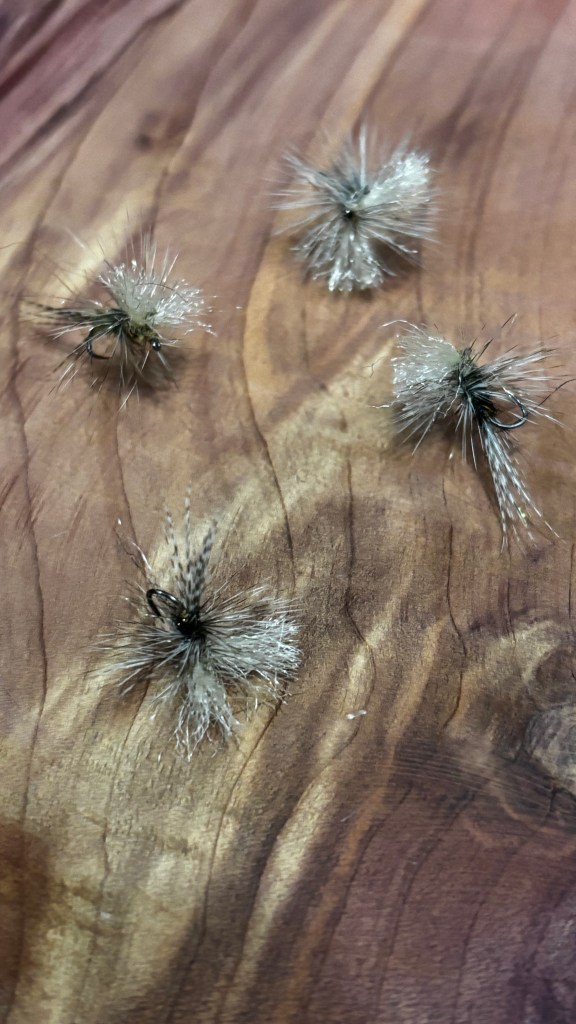
    Soft Hackle Wet Flies (Size 14–16) — Perfect for swinging through riffles.

    Woolly Buggers (Size 8–10) — Olive, black, and brown for streamer action.

    Each fly is barbless for easy releases and tied specifically to imitate what’s naturally present in Beavers Bend’s ecosystem this time of year.

    Photography and Video Gear Packed

    This trip is also about capturing the story — from the early morning mist on the water to the fire-lit nights under the stars.

    Here’s the photography and video setup coming with me:

    Canon EOS 90D paired with Canon L Series lenses for high-resolution action and landscape shots.

    DJI Mavic Pro Drone for sweeping aerials over the river valleys and forest canopy.

    GoPro Hero 10 Black (chest mount) for wading shots, underwater releases, and immersive point-of-view fishing clips.

    K&F Concept Tripod and ND Filters for smooth video transitions and silky river shots.

    Photography is about more than documenting the trip — it’s about telling the story of a place and a moment in time.

    Fishing Gear Checklist

    For the river, I’ve got a streamlined but reliable setup:

    Fly Rod: 9’ 5-weight rod, capable of delicate presentations and fighting feisty trout.

    Reel: Sage Spectrum 5/6 weight reel — strong drag for river browns and rainbows.

    Fly Line: Cortland 444 floating line, ideal for precise casts and great line control.

    Leaders and Tippet: 9’ fluorocarbon leaders with 4X–6X tippet.

    Net: Lightweight, rubber bag net for safe catch-and-release.

    Waders and Boots: Breathable waders and wadding boots with studs if needed.

    I’m packing all my fishing gear into my Ghosthorn Fly Fishing Backpack — lightweight, waterproof, and easy to carry across the rocky trails and riverbanks of Beavers Bend.

    Camping Essentials

    Nothing beats setting up camp after a full day on the river:

    • Lightweight backpacking tent and insulated sleeping pad.

    • Down sleeping bag rated for cool river nights.

    • Portable camp stove, kettle, and coffee setup.

    • Firewood bundles for nights around the campfire.

    • Headlamps, lanterns, and a solar charging station.

    There’s nothing quite like brewing a morning coffee at the river’s edge, listening to nature wake up.

    Trip Planning Tools: How I Mapped It All Out

    Planning a trip like this starts long before the first cast.

    Here’s how I mapped the route and fishing spots:

    TroutRoutes App — Invaluable for locating public access points, river sections, and local fly recommendations.

    Google Earth — Used to scout deeper river bends, trailheads, and potential drone shot locations.

    Oklahoma Fishing Regulations — I made sure to double-check daily bag limits, special rules for the Lower Mountain Fork, and barbless hook requirements.

    In areas like Beavers Bend, staying aware of regulations is crucial — not just for legal reasons, but to protect the fishery for everyone who comes after.

    The Road Ahead

    It’s about more than the catch.

    It’s about the drive through pine forests in the Ford Bronco, the moment a trout flashes in the current, the sound of a campfire crackling in the dark.

    It’s about slowing down, listening to the river, and letting the story write itself.

    I’ll be documenting the trip through both photography and short films, so stay tuned for updates from the water, behind-the-scenes captures, and a full video recap once I’m back.
    Broken Bow, here we come. Tight lines, clear skies, and wide-open roads.

  • Risk in the Backcountry

    Risk in the Backcountry

    When is the last time you took a risk? How did it work out?

    The last real risk I took wasn’t about money, career, or anything you could measure in numbers. It was a gamble on a hunch, a blue line on a topo map and a feeling that maybe—just maybe—that little remote stream tucked into the backcountry might be worth it.

    It wasn’t easy to get to. No real trail, just a vague path of game trails and overgrown brush, with a few miles of elevation gain thrown in for fun. I packed light, but still had my fly gear, camera, tripod, and just enough food and water to make it through a long day (and maybe a rough night, if needed). I didn’t know if the stream would even hold fish—or be accessible for good photos—but I was all in.

    What I found was better than expected.

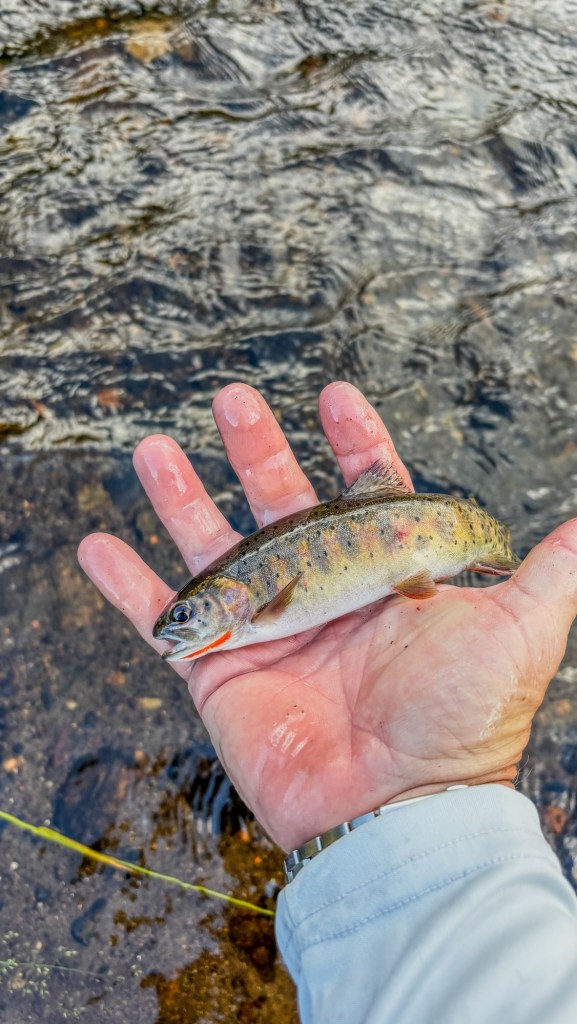
    The stream wound through a quiet alpine meadow, untouched and crystal clear, bordered by wildflowers and soft light that made the whole place glow. Brook trout darted in and out of the current, and cutthroat rose to dry flies like they hadn’t seen a human in years—maybe they hadn’t. I got some of my favorite shots of the entire trip that day. Reflections, action shots, and one perfect capture of a brookie suspended mid-release, framed by golden hour light.

    That little risk—trusting the map, the instinct, and being willing to explore—paid off big. Not just in fish caught or photos taken, but in the feeling of discovering something wild and real. Those are the risks I live for.

  • The Lone Sailor – Honoring Service Through the Lens

    The Lone Sailor – Honoring Service Through the Lens

    Photos and story by David Poole

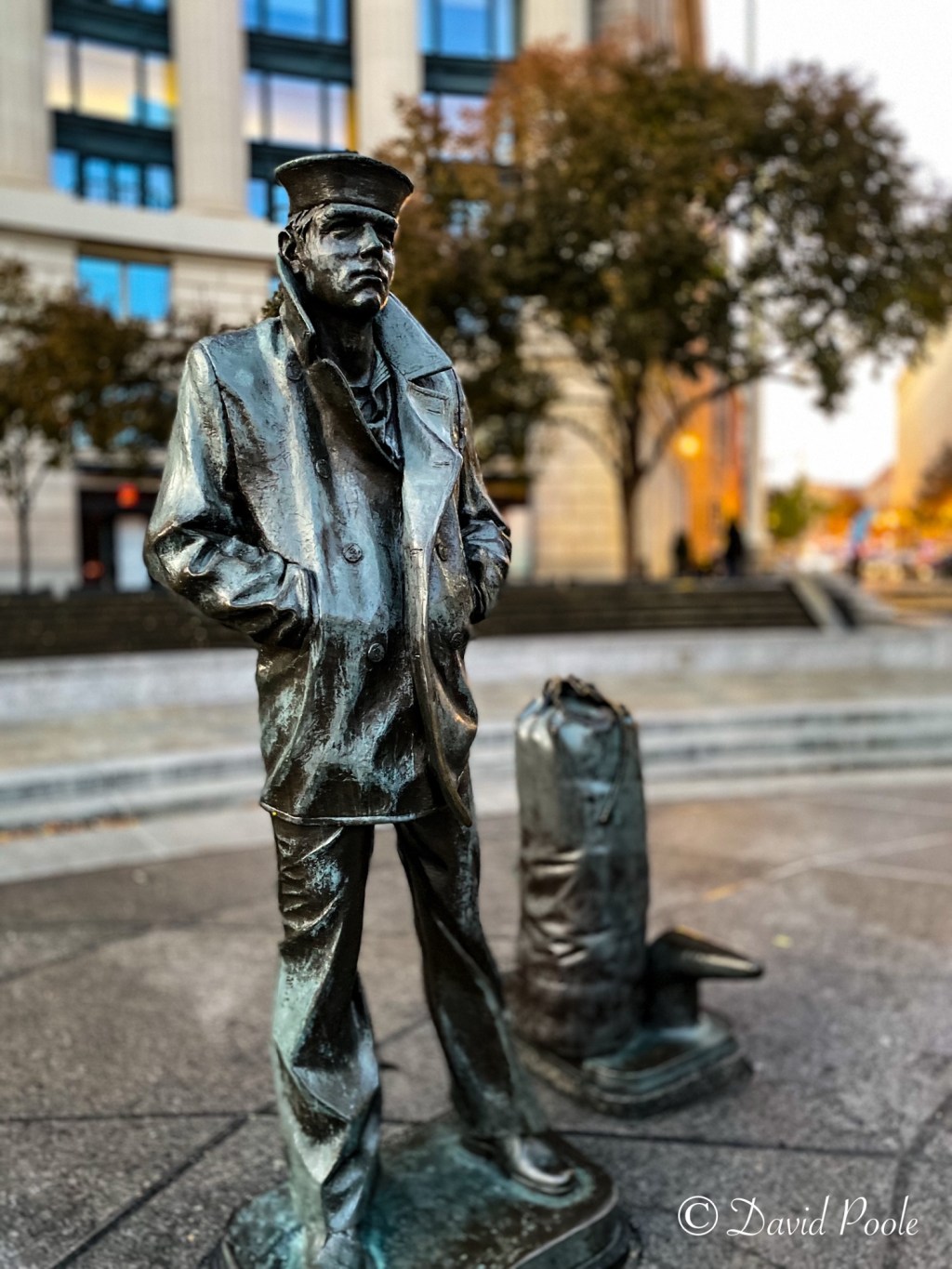
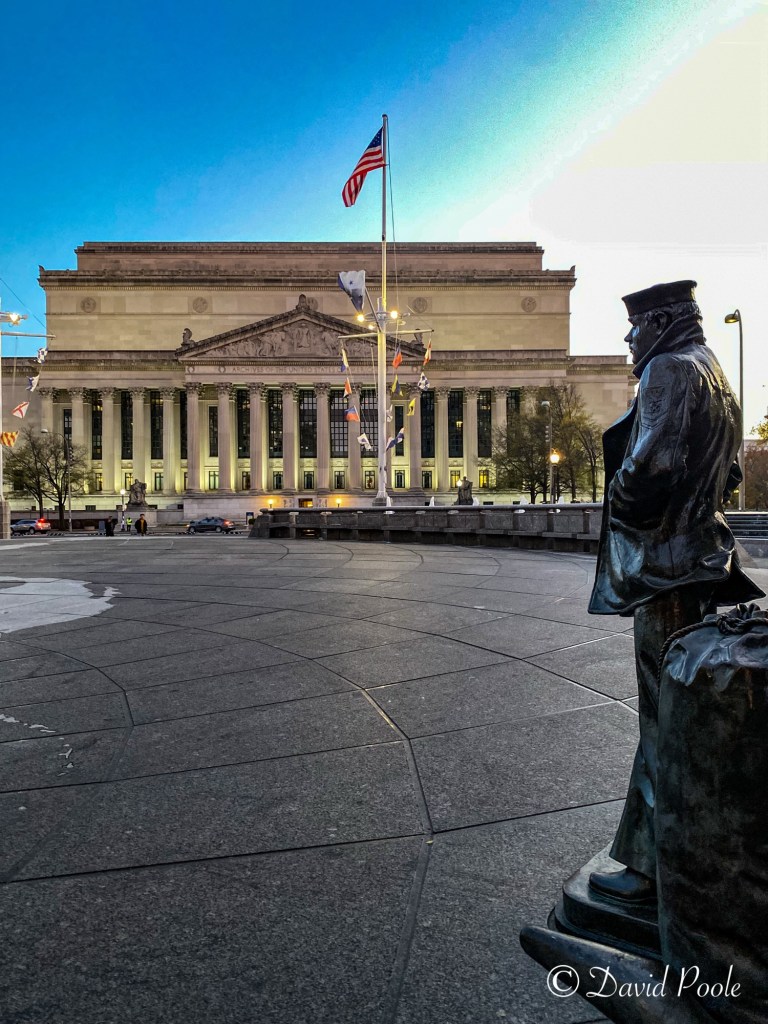
    While walking the National Mall during golden hour, I stopped to photograph one of the more quietly powerful tributes in D.C.—The Lone Sailor statue, located just outside the National Archives. This figure stands as a symbol of all who have served in the U.S. Navy, representing both honor and solitude. The contrast of bronze and stone against the soft, fading light created the perfect opportunity to slow down and reflect through photography.

    “The Lone Sailor may be a statue, but through the lens, he becomes a reminder of those quiet moments of waiting, traveling, and sacrifice.”

    Back view of the Lone Sailor statue gazing toward the National Archives building in Washington, D.C.

    The Lone Sailor statue stands in silent reflection, facing the National Archives building in Washington, D.C.—a powerful tribute to service, memory, and history

    Composition & Creative Approach

    The first image frames the statue from behind, gazing toward the National Archives building just as the city lights begin to glow against the deep blue sky. I composed it wide to balance the lone figure with the architectural symmetry and American flags above.

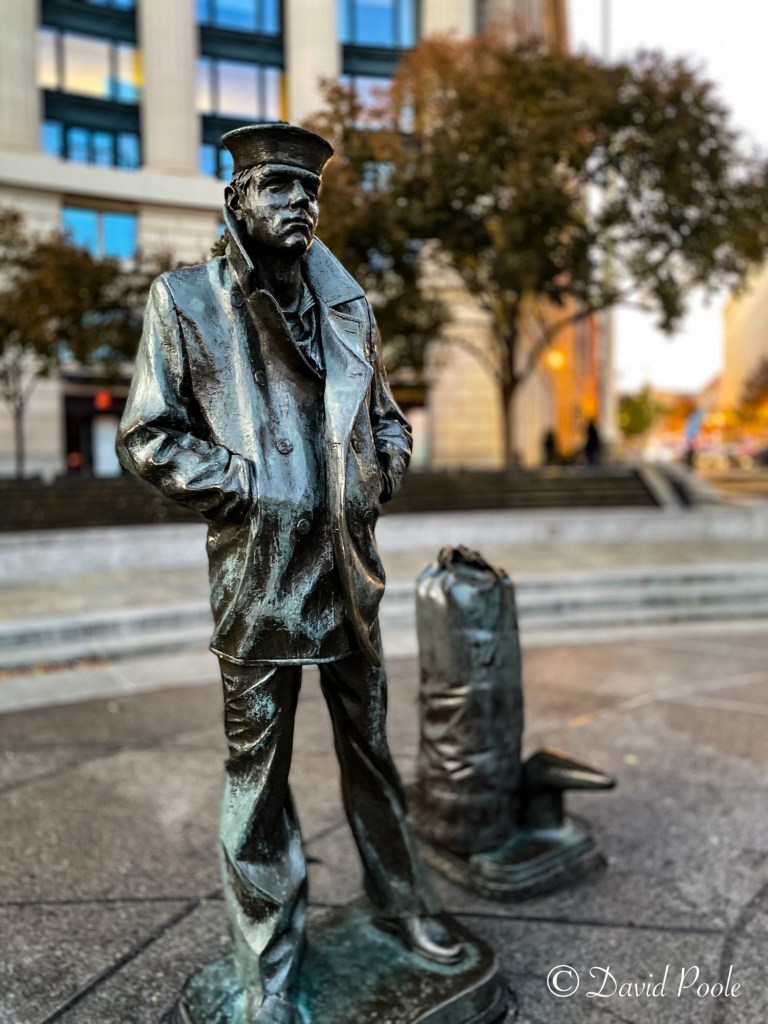
    The second shot tightens the frame for a portrait-style perspective. This highlights the sailor’s detailed expression and gear, with a shallow depth of field blurring the cityscape behind him. I wanted the viewer to feel like they had walked right up to the statue for a conversation.

    Front view of the Lone Sailor statue in Washington, D.C., with detailed expression and uniform, the National Archives building in the background

    A front portrait of the Lone Sailor statue in Washington, D.C., capturing the solemn expression and dignified stance as he faces the National Archives in quiet tribute

    Gear Used

    Camera: Canon R5

    Lens: Canon RF 50mm f/1.2L

    Tripod: K&F Concept Carbon Fiber Tripod

    Editing: Lightroom (iPad Pro)

    • Selective radial filters for depth

    • Texture slider to enhance bronze details

    • Minimal color grading to preserve realism

    Photography Tips

    Golden + Blue Hour: These times give you soft, directional light with rich contrast—perfect for monuments.

    Perspective: Lower angles create more presence and power in statues. Don’t shoot everything from eye level.

    Background Awareness: A wide aperture (like f/1.2–f/2.8) helps isolate the subject and reduce distracting background elements.

    Surface Reflections: Slightly wet pavement or stone can enhance contrast and mood. Look for patterns or shine in the ground.

    Historical Note

    The Lone Sailor is a life-size bronze statue created by artist Stanley Bleifeld and dedicated in 1987 by the United States Navy Memorial Foundation. It represents the personal experiences of every Navy service member—standing watch, ready to deploy, duffle bag at his side. Positioned in the heart of the nation’s capital, the statue serves as a powerful tribute to those who’ve served and sacrificed across all naval conflicts.

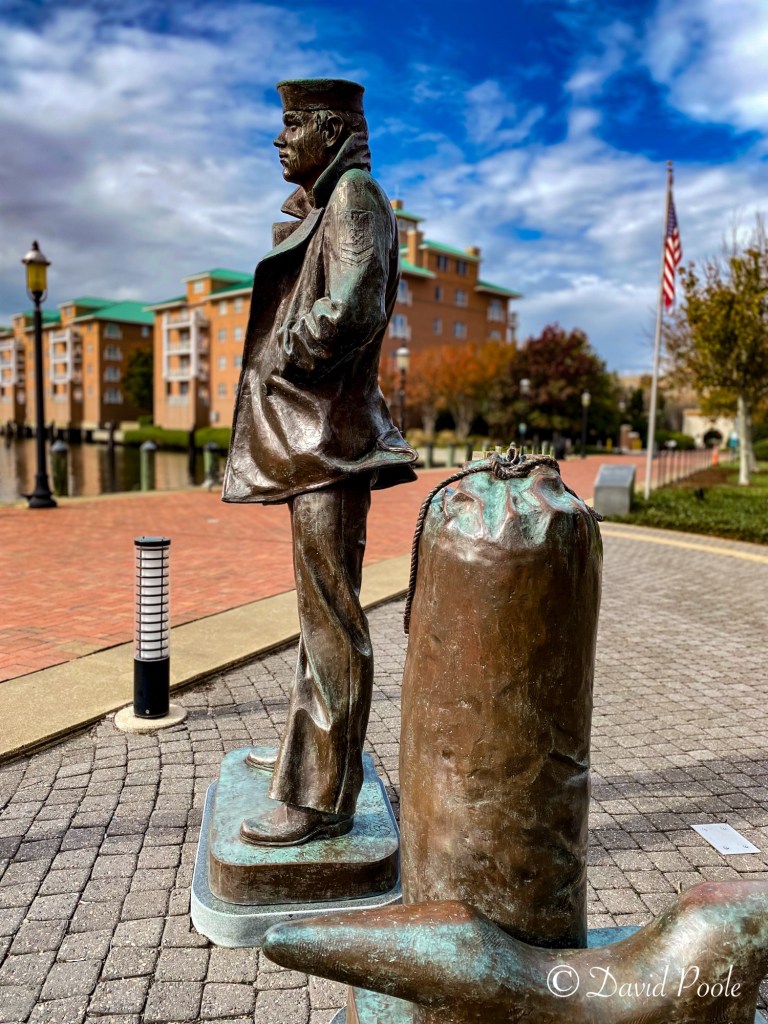
    Side view of the Lone Sailor statue in Norfolk, Virginia, showing the sailor’s profile and sea bag with the waterfront in the background

    A side view of the Lone Sailor statue in Norfolk, Virginia, captures the sailor’s steady gaze and weathered sea bag, symbolizing honor and readiness by the water’s edge

    Final Thoughts

    The Lone Sailor statue isn’t just bronze and detail—it’s memory cast in metal. It honors every sailor who ever stood on a pier and looked out over uncertain waters, carrying hope, fear, pride, and purpose. Capturing it through the lens reminded me why photography matters—it freezes emotion, preserves light, and offers space for reflection.

    Whether I’m out fly fishing in the Rockies or walking through a city with camera in hand, moments like these remind me that stillness can speak just as loudly as motion. This statue, set against the hustle of Washington, D.C., tells a quiet story of duty and distance—and invites each of us to pause and remember.

    “Some monuments don’t just honor history—they make you feel it.”

    Thanks for reading and stepping into this moment with me. More photo essays, fishing stories, and explorations coming soon. Until then, keep your eyes open and your shutter ready—because meaning lives in the details.

  • The Risk I Took With a Camera in My Hand

    The Risk I Took With a Camera in My Hand

    Describe a risk you took that you do not regret.

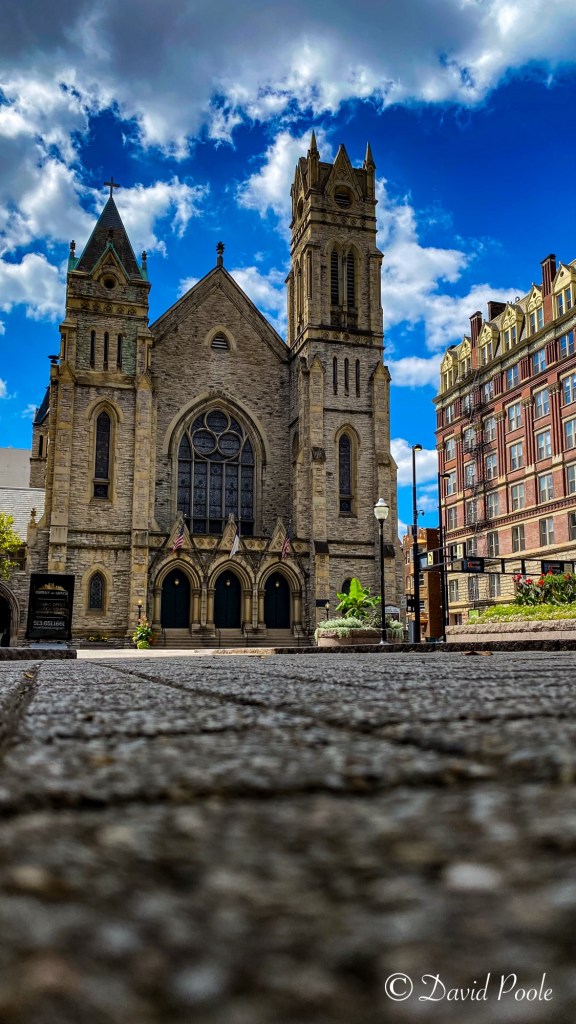
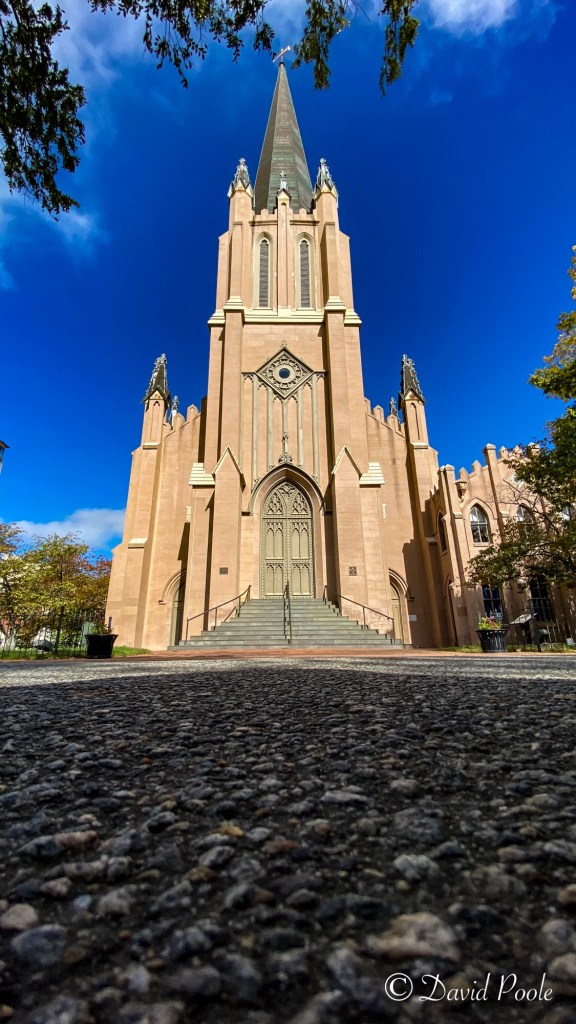
    Photography teaches you to see the world differently—but it also teaches you to act differently. And sometimes, that means lying down on hot pavement in the middle of a city, with people walking by wondering what on earth you’re doing.

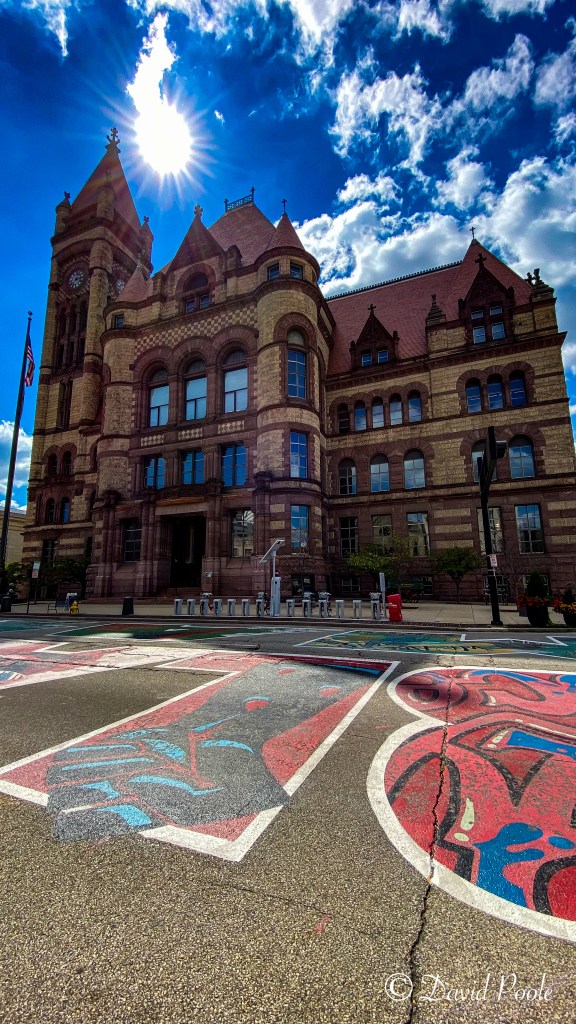
    It’s funny how self-conscious I used to feel taking pictures in public, especially from low angles or unconventional spots. But I started realizing that some of my favorite images came from those very moments—when I tuned out the world and focused on framing, texture, and perspective.

    What I’ve learned is this: chasing a vision means risking how you’re seen. And that’s a risk worth taking every time.

    “I lay flat on the asphalt for this shot—people walked past giving me side glances, but I wanted the full texture of the ground to lead into the gothic architecture.”

    “Low perspective, wide lens, and waiting on the clouds to part. I felt a little ridiculous crouched this low, but the symmetry and texture were too good to pass up.”

    So next time you’re out with your camera—or doing anything that matters to you—take the risk. Get the angle. Follow your eye. And forget what anyone else might think. Because authenticity always outshines approval.
  • Bridges of Time: From the Ohio River to the East River

    Bridges of Time: From the Ohio River to the East River

    Bridges fascinate me. Not just as structures, but as symbols—of movement, ambition, and connection. On a recent photo journey, I captured three iconic bridges that span both distance and time: the John A. Roebling Suspension Bridge in Cincinnati, the Brooklyn Bridge, and the Manhattan Bridge in New York. Each tells a story—woven through cables and steel—of the people who dreamed them into being.

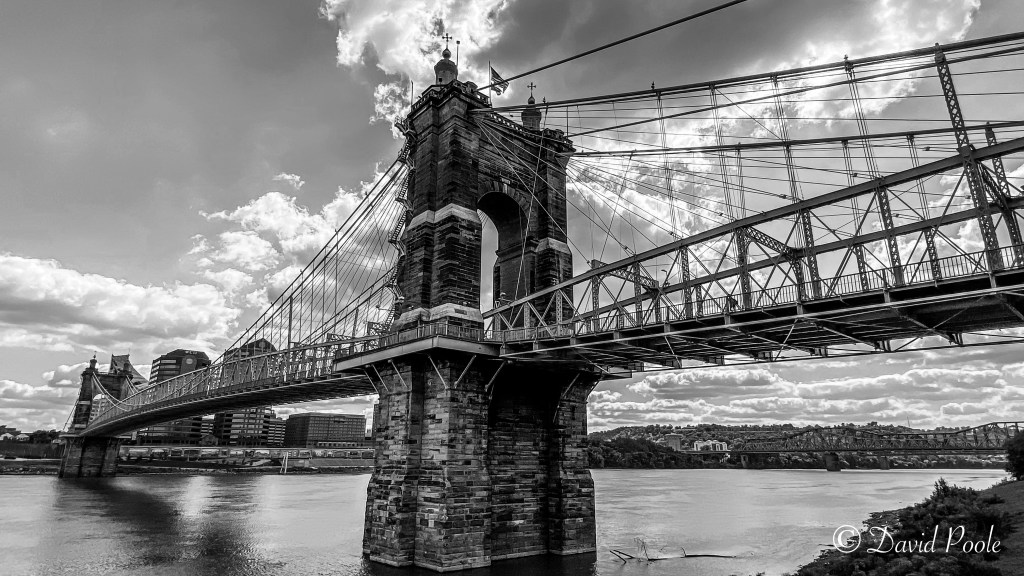
    1. John A. Roebling Suspension Bridge – Cincinnati, Ohio

    Black and white photo of the John A. Roebling Suspension Bridge in Cincinnati, Ohio, showcasing its historic structure and intricate cables

    A black and white image of the John A. Roebling Suspension Bridge in Cincinnati, Ohio, highlighting the timeless elegance and architectural detail of this iconic river crossing

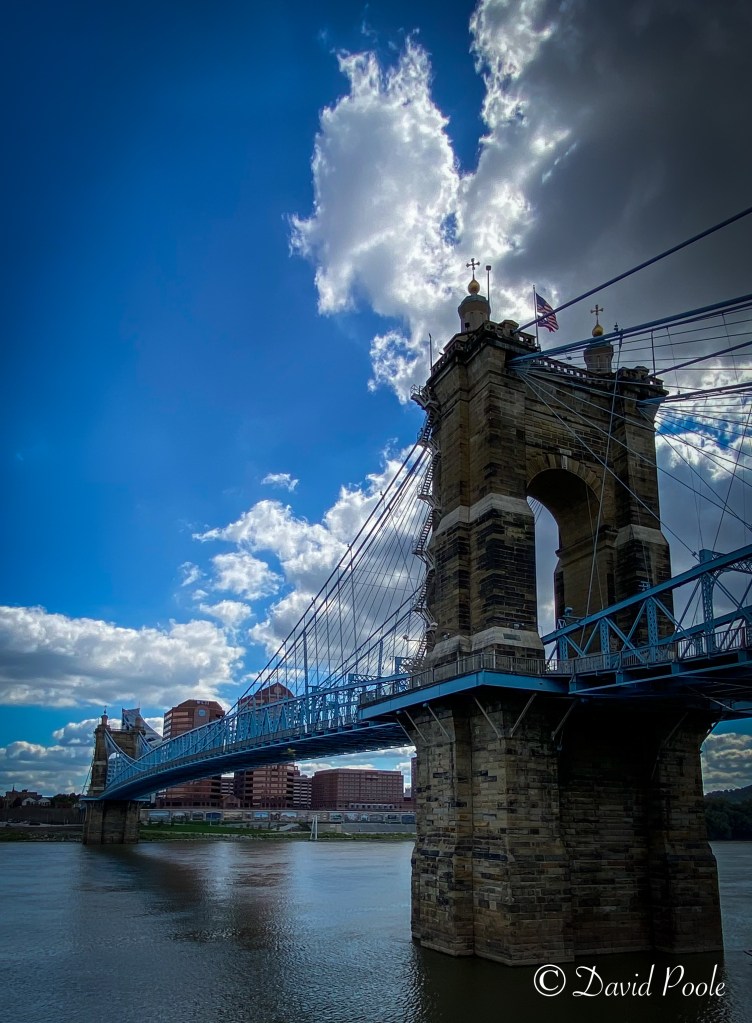
    Stretching across the Ohio River, this was the prototype for the Brooklyn Bridge. Designed by John A. Roebling, it was completed in 1866 and, at the time, held the record for the longest suspension bridge in the world. Roebling’s engineering brilliance—using a combination of wrought iron cables and stone towers—set the stage for a new era of American infrastructure.

    “Before New York, there was Cincinnati—Roebling’s first vision suspended in blue over the Ohio.”

    Color image of the John A. Roebling Suspension Bridge in Cincinnati, Ohio, with blue steelwork and stone towers spanning the Ohio River

    The John A. Roebling Suspension Bridge in Cincinnati, Ohio, captured in full color—its blue steel and stone towers standing tall over the Ohio River, blending historic charm with bold engineering

    Standing beneath it with my Canon R5 and Sigma lens, I was drawn to its symmetry and quiet strength. The bridge’s powder-blue hue gives it a timeless, almost dreamlike presence against the river’s steady flow.

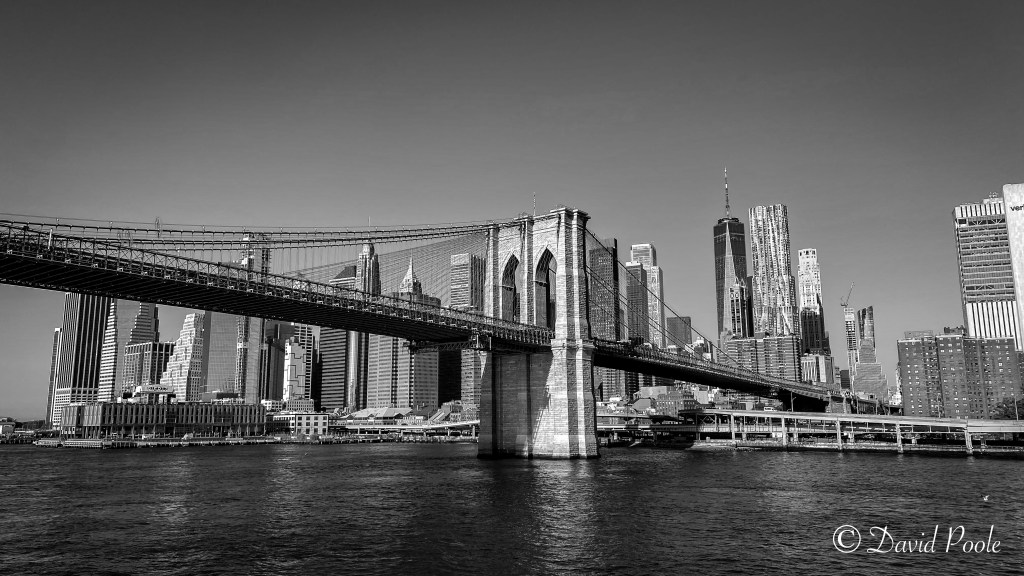
    2. Brooklyn Bridge – New York City

    Black and white photo of the Brooklyn Bridge in New York City, featuring its iconic suspension cables and towering stone arches

    A black and white view of the Brooklyn Bridge in New York City, showcasing its iconic arches and sweeping cables in timeless contrast and detail

    Roebling’s ultimate vision came to life years later in New York. The Brooklyn Bridge, completed in 1883, combined stone masonry with advanced steel cable suspension, linking Manhattan and Brooklyn in a feat many once believed impossible. Its story is one of perseverance: Roebling died during early construction, and his son Washington took over—only to become bedridden from caisson disease. Washington’s wife, Emily Roebling, stepped in as a key player, relaying instructions and overseeing much of the final work.

    “A bridge that began with tragedy became an enduring symbol of grit and grace.”

    Photographing it from beneath the Manhattan Bridge felt like witnessing the ghost of Roebling’s genius lingering between towers of stone and light.

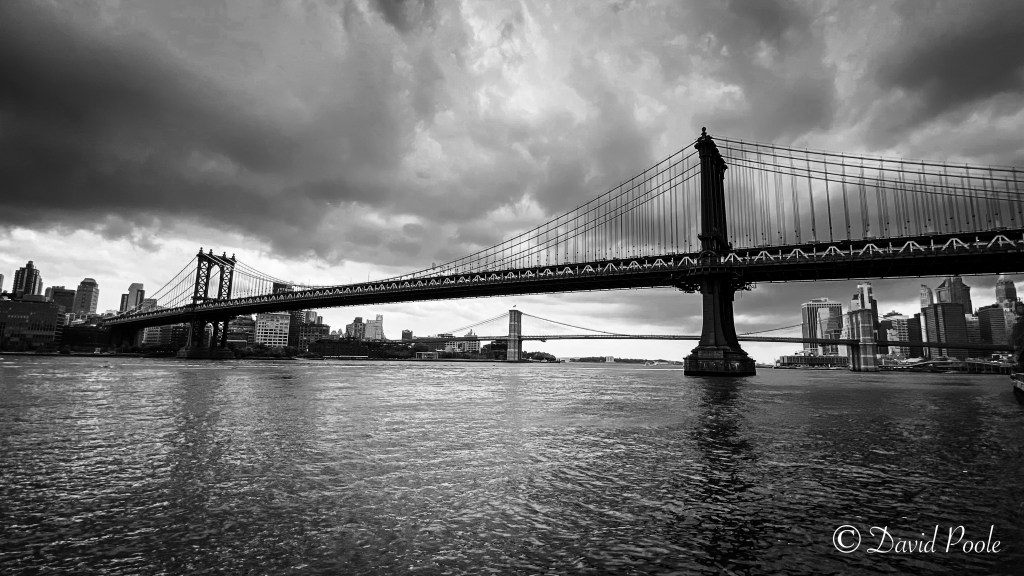
    3. Manhattan Bridge – New York City

    Black and white photo of the Brooklyn Bridge and Manhattan Bridge in New York City, with detailed suspension cables and skyline in the background

    A black and white composition featuring both the Brooklyn Bridge and Manhattan Bridge, capturing the timeless elegance of New York City’s iconic river crossings

    Just upstream, the Manhattan Bridge—completed in 1909—stands as the younger, grittier sibling of the Brooklyn Bridge. Designed by Leon Moisseiff, it marked a turning point in engineering, featuring modern steel and a design built to withstand the demands of subway traffic. It may not have the fame of the Brooklyn Bridge, but its lines are bold, and its symmetry underappreciated.

    Monochrome image of the Manhattan Bridge with the New York City skyline in the background, showcasing architectural details and urban atmosphere

    A striking monochrome view of the Manhattan Bridge framed by the New York City skyline, highlighting the bold lines and timeless character of the urban landscape

    Shot with my Canon R5 and Sigma 14–24mm f/2.8, I worked from the shoreline to emphasize its sweeping structure and moody urban drama. The overcast sky added natural contrast, highlighting the steelwork and texture.

    “Three bridges, three rivers, one story—of legacy suspended in steel.”

    Gear Breakdown:

    Camera: Canon EOS R5

    Lens: Sigma 14–24mm f/2.8 DG DN Art

    Tripod: K&F Concept (used for longer exposures in lower light)

    Editing: Lightroom for iPad Pro (Selective contrast + dehaze for architectural texture)

    Photography Tip: Use leading lines and vanishing points to draw viewers through the frame—especially when shooting suspension bridges from ground level. Don’t be afraid to tilt upward to exaggerate scale.

    Final Thoughts

    Each of these bridges tells its own story—not just of engineering brilliance, but of human resilience, vision, and the pursuit of connection. From Roebling’s first suspension design in Ohio to his iconic achievement in Brooklyn, and finally to the steel giant of the Manhattan Bridge, these structures rise above the water as monuments to ingenuity and time.

    As a photographer, standing beneath them reminds me why I chase light and line through the lens. It’s not just about capturing a structure—it’s about capturing the soul of a place, the echo of footsteps across a span, the silent stories carved into steel and stone.

    “In a world always in motion, bridges remind us that great things stand still—and still stand.”

    Thanks for following along on this journey across rivers and time. I’ll be sharing more urban photography, historical explorations, and behind-the-scenes gear tips in upcoming posts—whether it’s under a steel truss or out in the wild. Until then, keep chasing light, chasing stories, and always take the long way across.

  • Chasing Light and Perspective: Finding the Shot Beyond the Obvious

    Chasing Light and Perspective: Finding the Shot Beyond the Obvious

    Photography in the outdoors isn’t just about clicking the shutter—it’s about reading the light, finding intentional angles, and understanding how timing transforms a scene. Whether I’m hiking through wildflowers, waiting quietly in a bird blind, or navigating city streets with a wide lens, I’m always chasing the moment that tells the story best.

    Timing the Wild: Bald Eagle at Golden Hour

    This bald eagle shot captures more than a bird—it captures focus, patience, and light. I waited for the golden hour to gently highlight the eagle’s feathers and profile, shooting through a natural frame of blurred branches to keep attention on the intensity of its gaze.

    Close-up of a bald eagle staring intensely with sharp yellow eyes, showcasing its powerful beak and detailed feathers against a blurred natural background

    Outdoor bird photography tip: Use natural framing and soft backlight for dramatic wildlife portraits.

    Gear: Canon R5 with canon 400mm L series lens. Edited in Lightroom for natural contrast and feather detail.

    Path to the Sun: Framing With Leading Lines

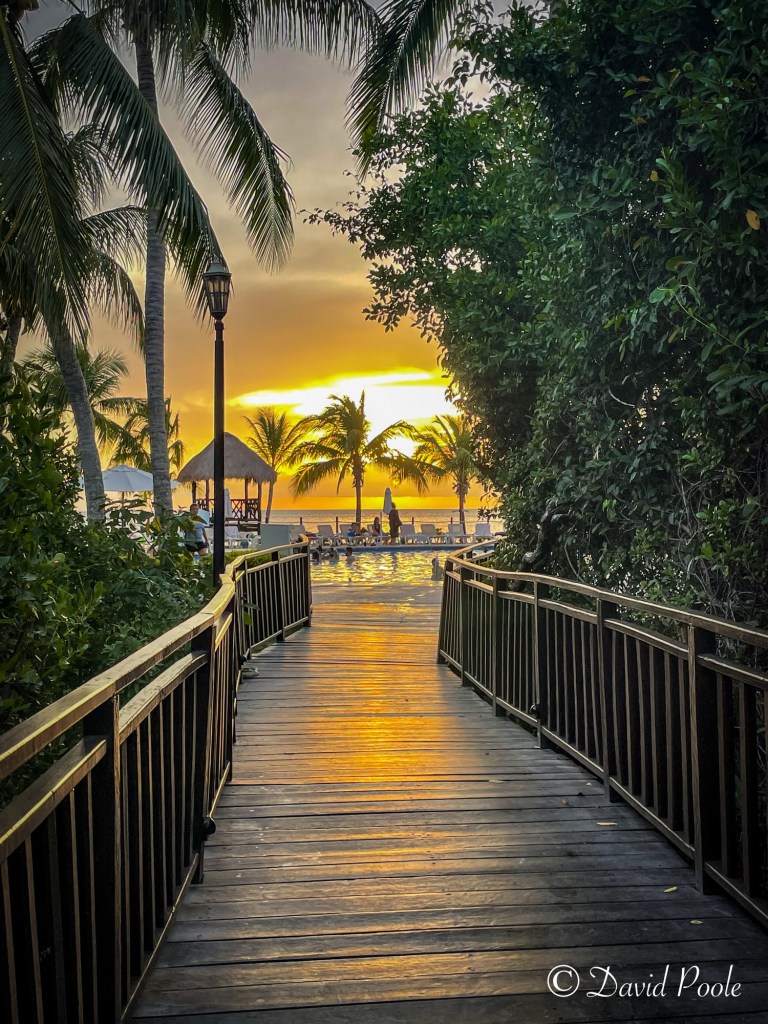
    This image of a wooden boardwalk leading toward the glowing sunset was all about golden hour beach photography and using strong leading lines. The reflection of sunlight on the wet boards gave the image texture and warmth, making it feel like you’re stepping straight into the light.

    Photography tip: Position yourself at a low angle to exaggerate reflections and symmetry, especially when shooting at sunrise or sunset.

    Gear: iPhone capture, edited in Lightroom Mobile to adjust warmth, contrast, and highlights.

    Low and Wild: Bluebonnets and Cabins

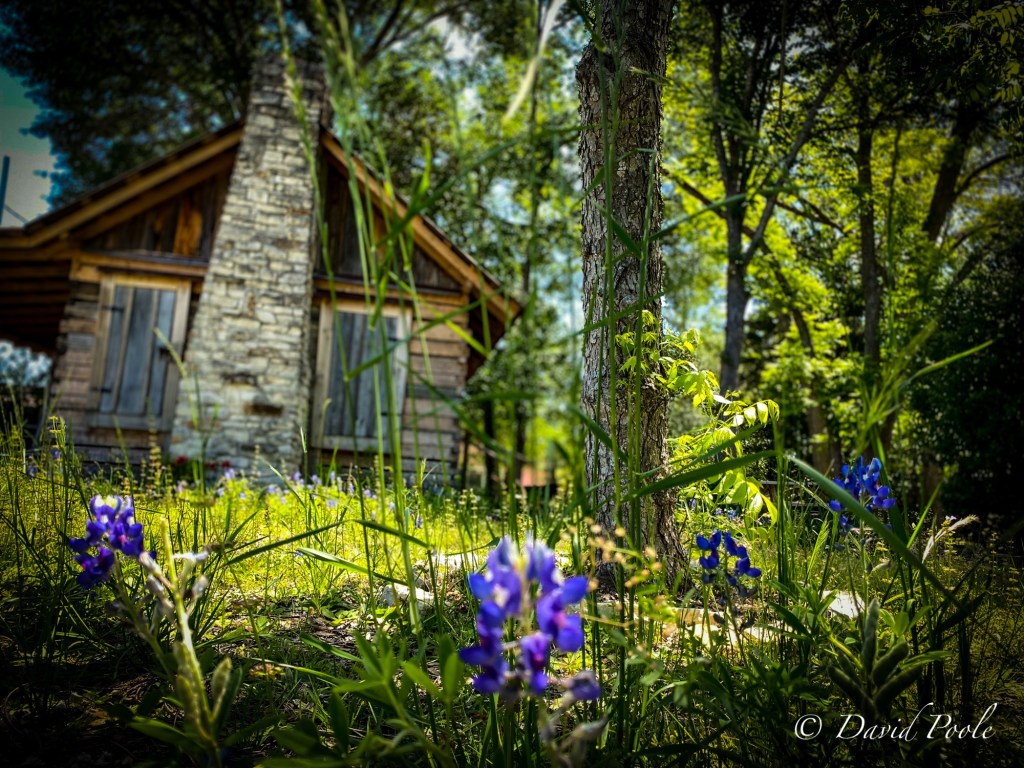
    Spring in Texas brings with it a flood of color—especially bluebonnets. This low-angle wildflower shot was taken by lying on the ground to let the flowers dominate the foreground. The rustic cabin in the background gives a sense of place and scale, inviting the viewer to imagine stepping into that clearing.

    Texas Hill Country cabin with bluebonnets in full bloom, low-angle photography capturing rustic charm and wildflowers in spring
    Texas Hill Country cabin with bluebonnets in full bloom, low-angle photography capturing rustic charm and wildflowers in spring

    Photography tip: Don’t be afraid to get dirty—some of the best shots come from the ground level.

    Fog and Structure: Lighthouse in the Mist 

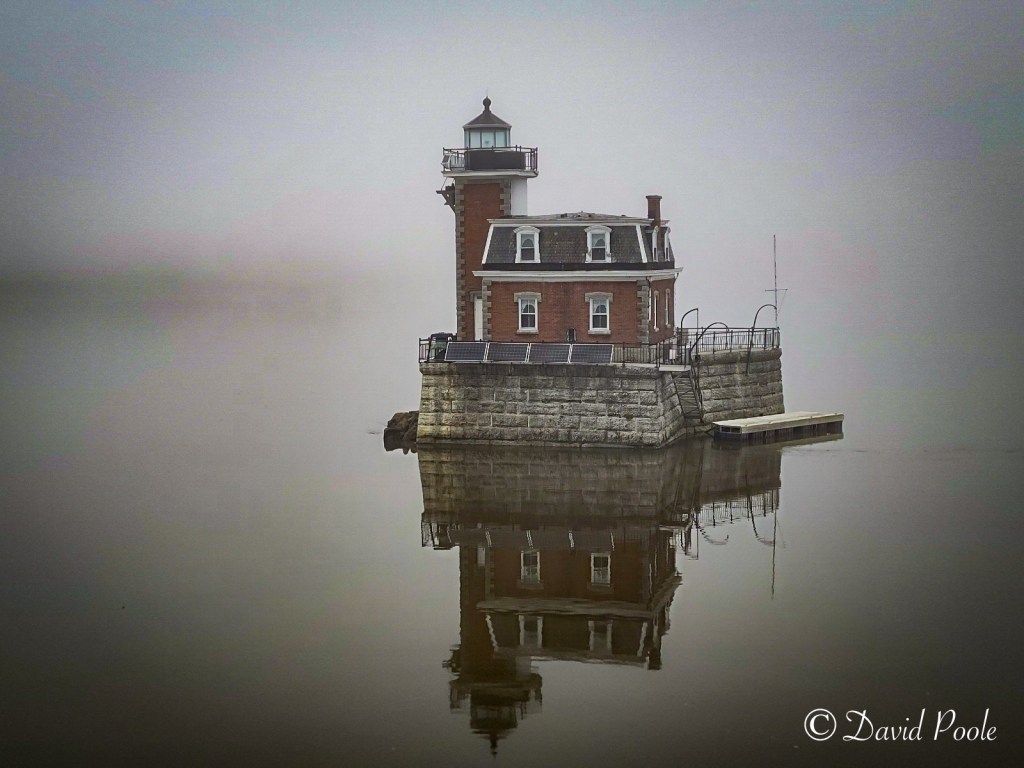
    Fog can strip away distractions and emphasize mood. This shot of a lighthouse barely emerging through the coastal fog was taken early in the morning. The structure becomes a silhouette, and the lack of color enhances the sense of solitude.

    Foggy morning photo of the Hudson River Lighthouse, partially obscured by mist with calm water and a moody atmosphere

    Mist drapes the Hudson River Lighthouse in a soft veil of fog, capturing a quiet, ethereal moment on the water

    Photography tip: Switch to monochrome or embrace fog’s desaturation in post to focus attention on contrast and composition.

    Moments in Motion: Washington, D.C. Street Perspective

    In this street photo of two people walking through Washington, D.C., I focused on symmetry and timing. Lining up the trees and path allowed the subjects to become part of the environment rather than the center of attention—storytelling through subtlety.

    Capture the timeless elegance of two people walking along the National Mall in Washington, D.C. Their long shadows stretch across the sidewalk, framed in black and white, offering a classic perspective of the historic landmarks.

    In black and white, two figures walk the National Mall in Washington, D.C., their shadows stretching across the sidewalk as the fading light of evening adds a touch of nostalgia to the scene

    Gear: Canon 24–70mm lens.

    Urban Giants: Low Angle in Cincinnati

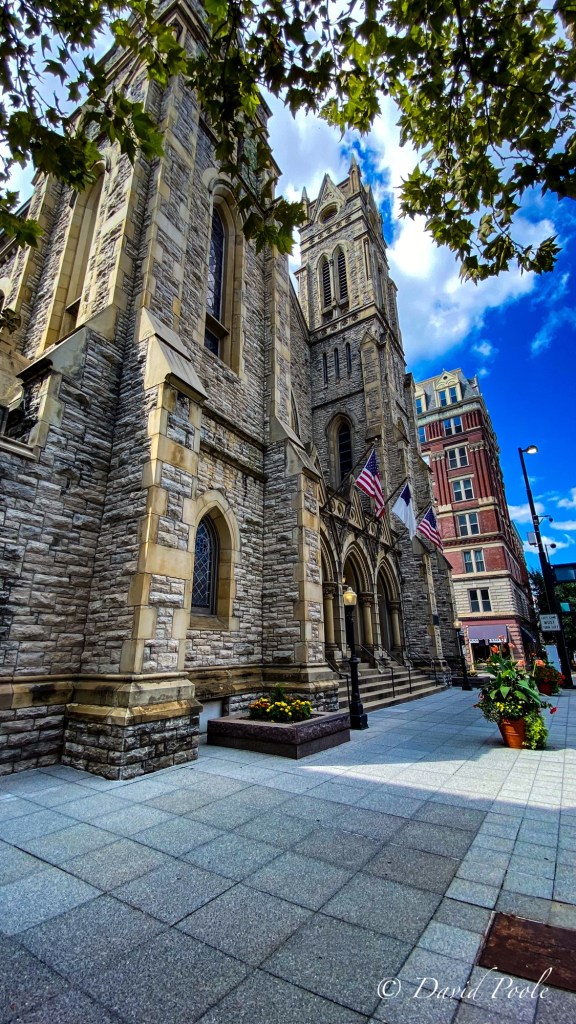
    Standing at the base of a towering building in Cincinnati, I wanted to emphasize the size and geometry of the architecture. Shooting from a low angle with a wide lens, I caught clean lines pulling skyward while the morning light cast soft shadows down the building’s face. The cloudy sky above added contrast to the structure’s strong verticals.

    Historic old stone building with weathered architecture and intricate details

    An old stone building, rich with history and character, stands as a testament to timeless craftsmanship and enduring architectural beauty

    Architecture photography tip: Use a wide-angle lens and crouch low to create a sense of scale and grandeur. Overcast skies can be great for soft, even light.

    Gear: Canon 16–35mm f/4L lens. Slight Lightroom correction for vertical distortion and contrast.

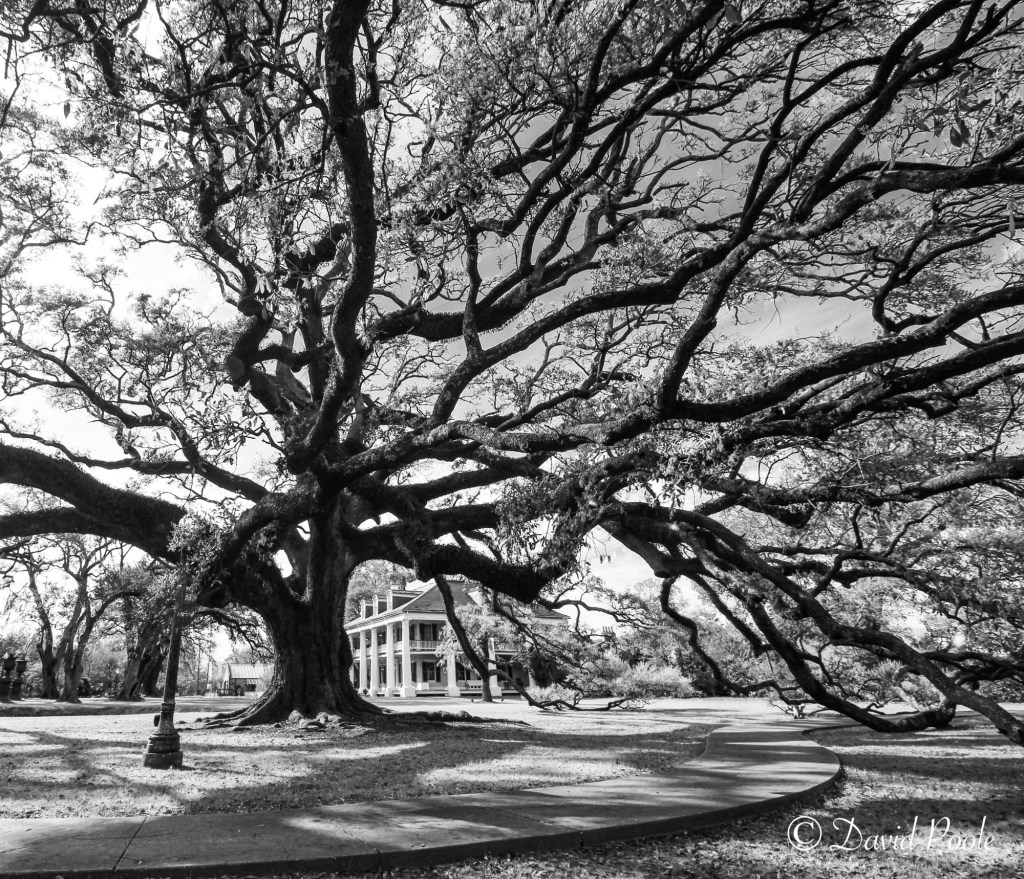
    Echoes of Time: Plantation Home Beneath a Century-Old Oak

    There’s something timeless about black and white photography—especially when the subject already carries a hundred years of history in its bones.

    This image features a historical plantation home framed beneath the sprawling arms of a live oak tree that’s likely been standing for over a century. Shot in monochrome, every crack in the bark and weathered board on the home tells its own story. The absence of color lets the textures do the talking—the gnarled branches, the sharp contrast between shadow and light, the sun casting a soft glow on the edge of the roofline.

    Plantation home stands behind a century-old oak tree, showcasing its historic architecture and sprawling branches

     historic plantation home stands behind a century-old oak tree, its majestic branches creating a serene backdrop for the timeless architecture

    What drew me to this shot wasn’t just the structure, but the relationship between the house and the tree. The oak doesn’t just stand in front of the house—it presides over it. Its limbs stretch wide like protective arms, yet its roots run just as deep into the same soil that built the home.

    Photography tip: When capturing historic architecture in black and white, shoot during late afternoon or early morning when shadows stretch longer. Let contrast tell the story—light becomes your narrator.

    Gear: Canon R5, 24–105mm L lens. Converted to monochrome in Lightroom, with emphasis on clarity and shadow depth.

    Final Thoughts: Walk Farther, Wait Longer

    Every photo tells a story, but it’s the search for that story—the walking, waiting, watching—that makes the capture worth it. Whether it’s chasing golden hour on a boardwalk in the Cozumel, crouching low to frame a Cincinnati building just right, or catching the fog wrap around a lighthouse like a secret, it’s all about finding the angle that speaks.

    Some moments, like the soft silhouette of two people walking a path in D.C., are subtle. Others—like the commanding presence of a black-and-white plantation home beneath a 100-year-old oak—are loud in their stillness. They remind us that time, light, and history are always working together in the frame.

    Behind the lens and out in the wild, whether I’m on the flats chasing redfish or tucked beneath a canopy of trees chasing light, my goal is always the same: tell a story worth pausing for. Through my blog, I share not just images, but the journey it took to get them—gear tips, camera setups, editing workflows, and the terrain beneath my boots.

    Keep exploring, keep shooting, and always chase the light.

  • Mini Street Series: Light, Lines & Legacy

    Mini Street Series: Light, Lines & Legacy

    Street photography is about more than documenting buildings or city scenes—it’s about pausing in the hum of a city’s rhythm to frame character, history, and light in a single moment. This short series explores a few such moments from my walk through the streets and riverfront of downtown Cincinnati.

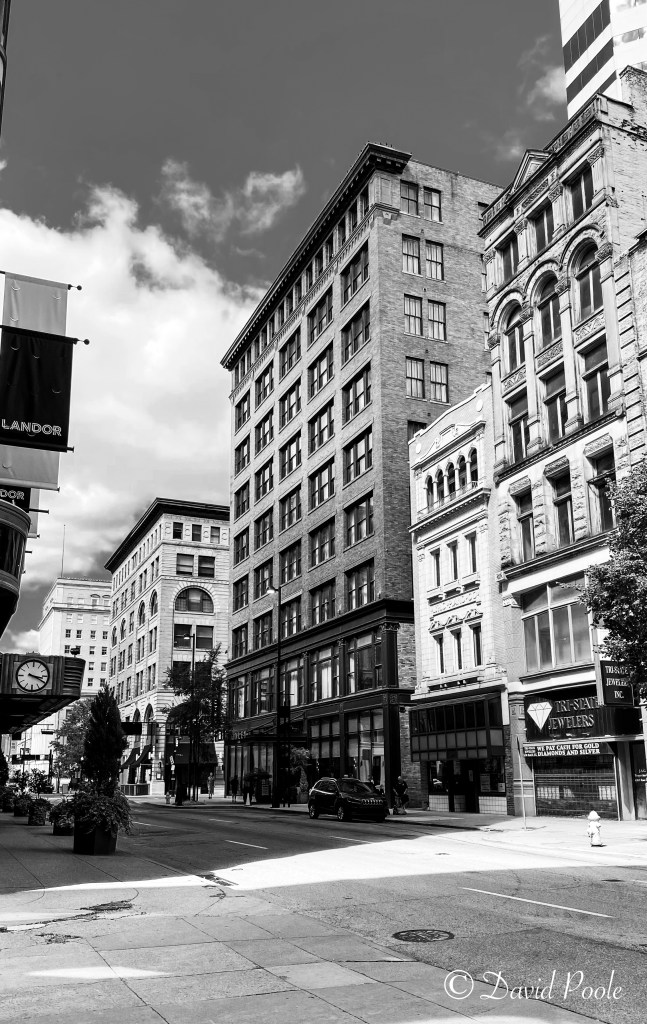
    1. Lyric Piano Company & Tri-State Jeweler Row

    Black and white photo of Lyric Piano Company and Tri-State Jewelers Row storefronts, showcasing historic architecture in downtown Cincinnati
    Black and white photo of Lyric Piano Company and Tri-State Jewelers Row storefronts, showcasing historic architecture in downtown Cincinnati

    Black and white always strips a scene down to form, texture, and contrast. In this image, I was drawn to the architectural details of these neighboring buildings. The Lyric Piano Co. facade, adorned with Roman columns and arched windows, tells of a once-vibrant musical past, now quietly echoing into modernity.

    Beside it, the Tri-State Jewelers storefront anchors the present with its bold signage—functional, utilitarian, and a little worn. Above, the sky breaks into soft clouds, adding an airy counterbalance to the hard geometry of the structures below. The car, the walker—passing stories in a place that feels paused.

    2. Roebling Bridge: Steel & Shadow

    Black and white image of the John A. Roebling Suspension Bridge in Cincinnati, highlighting steel cables and dramatic shadows with architectural contrast

    Black and white image of the John A. Roebling Suspension Bridge in Cincinnati, highlighting steel cables and dramatic shadows with architectural contrast

    The Roebling Suspension Bridge, a historical marvel that spans the Ohio River, offered a chance to capture scale and symmetry. Shot in monochrome to emphasize the structural lines and mood, I waited until the sun broke through behind the towers, casting deep shadows and light beams across the clouds.

    From this angle, the bridge rises like a gateway, connecting not just Kentucky and Ohio, but the past and present—steel cables and weathered stone holding decades of transit, trade, and change. You can almost feel the wind cutting across the river as trains roll in the distance.

    Color photograph of Cincinnati City Hall with pedestrians walking along the sidewalk, capturing urban life, architecture, and street-level details

    Street-level view of Cincinnati City Hall in full color, where historic architecture meets everyday city life on the sidewalk

    3. City Hall & Sidewalk Voices

    This final image returns to full color—a bold departure that matches the mood of the scene. The warm stonework of Cincinnati’s historic City Hall glows under the midday sun, flanked by deep blue skies and kinetic clouds.

    But the most powerful element is at your feet. The painted fists and vibrant mural on the pavement transform the street into a message. It’s protest, pride, and art—urban storytelling beneath gothic towers. This contrast between civic architecture and grassroots voice is what makes street photography come alive.

    Gear Used:

    Canon R5, Sigma Art lenses, edited in Lightroom on iPad Pro with contrast-focused black and white presets and radial masking for sky balance.

    Closing Thoughts — Legacy in Every Line

    Street photography isn’t just about documenting what we see—it’s about interpreting how we feel in the presence of place, shadow, and time.

    As I walked through downtown Cincinnati, camera in hand, I wasn’t chasing the perfect subject. I was following textures, contrasts, and the way light touched the city’s surfaces. Each image in this mini series captures a layered moment: the quiet power of a historic bridge, the voice of protest beneath gothic spires, the way old storefronts still speak in black and white.

    These streets hold more than movement—they hold memory.

    Legacy is written in brick, steel, glass, and sky.

    And with every frame, we get to preserve a small part of it.

    Thank you for joining me on this walk through Light, Lines & Legacy.

    Share your own images with the tag #LegacyInLines

    And above all—keep looking deeper. The stories are always there, waiting in the light.