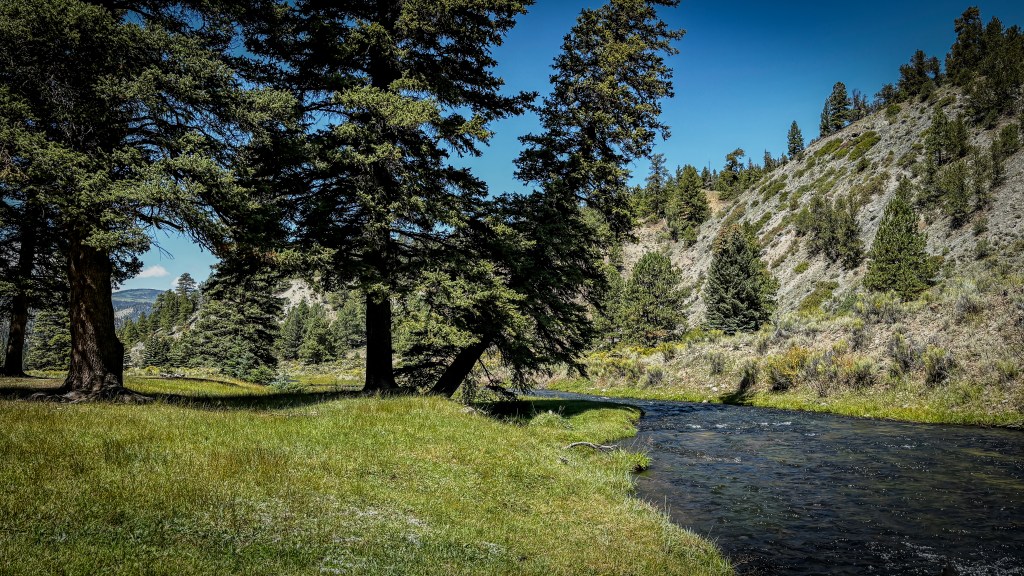
New Mexico, often celebrated for its stunning desert landscapes and rich cultural heritage, is also a hidden gem for fly fishing enthusiasts. The state’s diverse geography offers a unique blend of fishing experiences, from high-mountain lakes to flowing rivers nestled in canyons. Whether you’re a seasoned angler or a beginner looking to explore new waters, New Mexico has something to offer. In this blog, we’ll take a look at some of the top fly fishing destinations across the state and share valuable tips to help you make the most of your time on the water. So grab your rod, pack your flies, and get ready to cast your line in the Land of Enchantment.
1. The Rio Grande
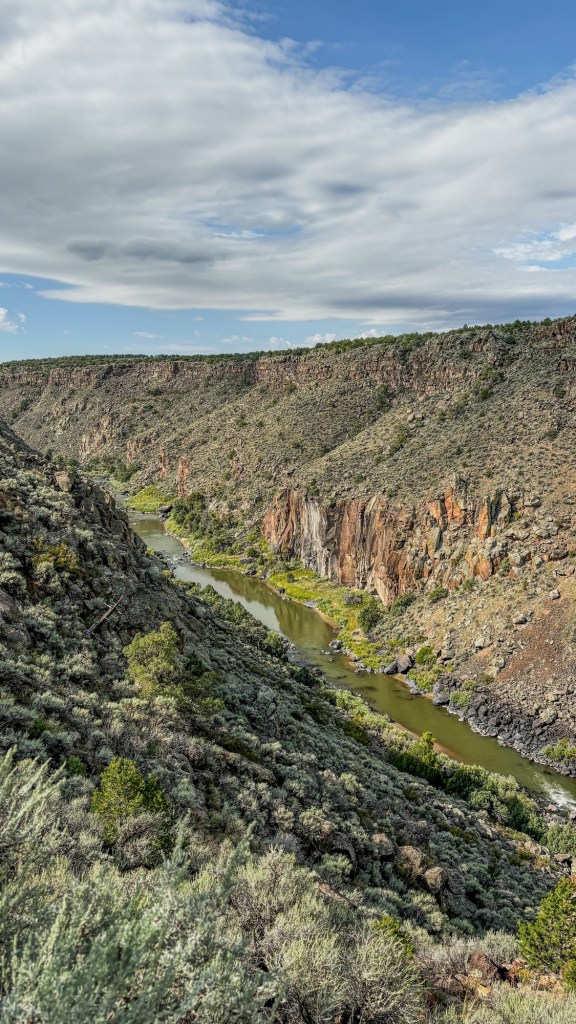
The Rio Grande River flows through some of the most scenic parts of New Mexico, offering great opportunities for fly anglers. This river is home to native Rio Grande cutthroat trout, as well as brown and rainbow trout. It’s ideal for both beginner and experienced fly fishers, with sections that are perfect for dry fly fishing and nymphing.
Best Fishing Seasons:
• Spring & Fall: These are the prime times for fishing the Rio Grande, with trout being more active in cooler temperatures.
Fly Patterns & Techniques:
• Dry Flies: Rio Grande cutthroats are often attracted to dry flies. Use patterns like Parachute Adams, Elk Hair Caddis, or a smaller, light-colored Stimulator.
• Nymphs: For deeper holes, go with nymph patterns such as Pheasant Tails, Zebra Midges, or a San Juan Worm.
• Techniques: When nymphing, focus on pockets near rocks or deeper runs. Dry fly fishing is best during hatch periods, so watch for rising fish and match your fly to the hatch.
2. The San Juan River
Known for its world-class tailwater fishing, the San Juan River is one of New Mexico’s premier destinations for anglers. Flowing below Navajo Dam, the river is rich with trophy-sized rainbow and brown trout. The clear waters and consistent flows make it a favorite among fly fishers.
Best Fishing Seasons:
• Winter & Spring: The San Juan is a year-round fishery, but the best time to catch big fish is in the colder months when the fish are more concentrated.
Fly Patterns & Techniques:
• Nymphs: Patterns like the Zebra Midge, Hare’s Ear, and Egg Patterns are effective in the deeper runs of the San Juan.
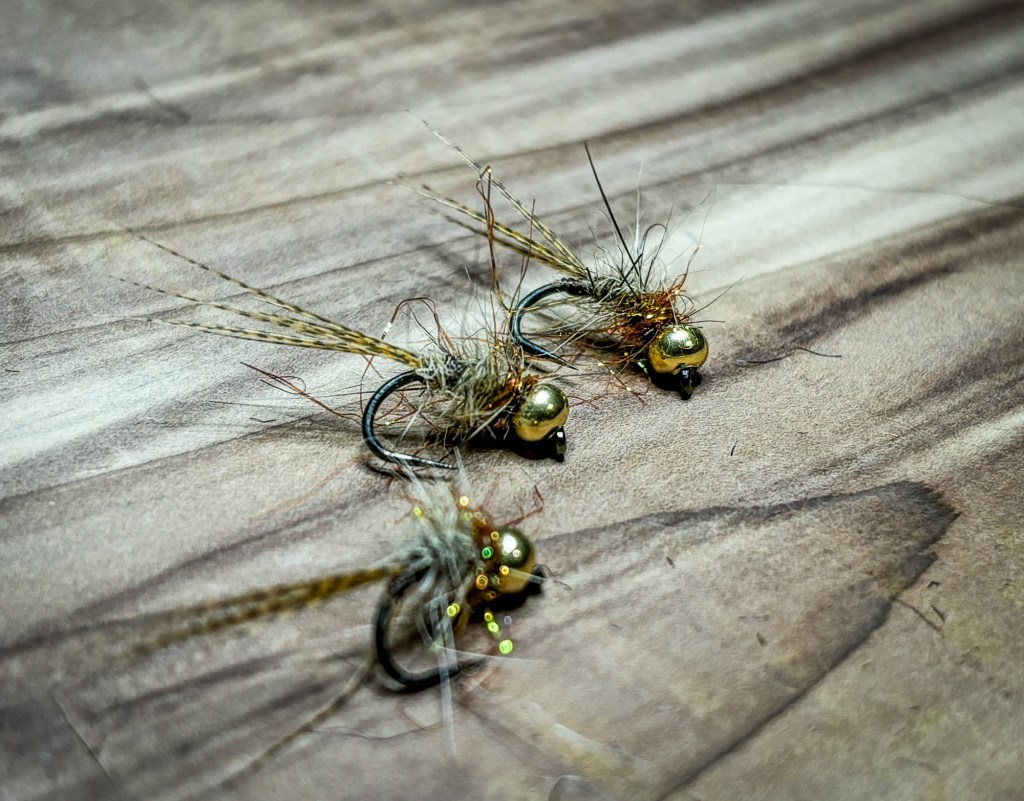
• Dry Flies: The San Juan also offers hatch periods with mayflies and caddisflies. Patterns like the Blue-Winged Olive, Griffith’s Gnat, and PMDs are great for dry fly action.
• Techniques: Focus on dead drifting your nymphs along the riverbed, especially in the deeper, slower-moving sections. During hatches, look for fish rising and cast your dry flies to them.
3. Chama River
The Chama River offers both challenging and rewarding fly fishing. Located in northern New Mexico, this river runs through the Chama Valley, where anglers can find wild brown trout, rainbow trout, and cutthroats. The river is divided into sections that are suited to different fishing techniques.
Best Fishing Seasons:
• Spring & Fall: These seasons offer good fishing conditions as the water is cool and the fish are active.
Fly Patterns & Techniques:
• Streamers: Large streamers like Woolly Buggers, Clouser Minnows, and Sculpin patterns are great for targeting larger trout.
• Nymphs: Go with patterns like Copper Johns or Prince Nymphs to target fish feeding on the bottom.
• Dry Flies: Use smaller patterns like Elk Hair Caddis or Griffith’s Gnat when fish are rising to the surface.
• Techniques: When using streamers, focus on casting across the current and stripping them back. For nymphing, look for the deeper holes and fish your nymphs near the bottom.
4. Pecos River
The Pecos River, located in the Sangre de Cristo Mountains, is a pristine spot for fly fishing. The river has crystal-clear waters and is filled with brown trout, rainbow trout, and the occasional brook trout. It’s a great place to hike to, with a wilderness feel and little development.
Best Fishing Seasons:
• Summer & Fall: During these seasons, the Pecos River is perfect for fishing due to warmer water and increased fish activity.
Fly Patterns & Techniques:
• Dry Flies: The Pecos is ideal for dry fly fishing. Patterns like the Elk Hair Caddis, Adams, and Parachute Adams work great during hatches.
• Nymphs: Patterns like Hare’s Ear, Pheasant Tail, and Zebra Midges are ideal for the deeper runs.
• Techniques: Dry fly fishing is most productive during hatch periods when fish are actively feeding on insects. For nymphing, try the classic upstream drift technique, especially in slower sections.
5. High Country Lakes and Streams

For those seeking more solitude and high-altitude adventure, New Mexico’s high-mountain lakes and streams offer great fly fishing. Places like Santa Fe National Forest and Wheeler Peak Wilderness Area boast pristine alpine waters, teeming with native cutthroat and rainbow trout.
Best Fishing Seasons:
• Summer: High-altitude lakes are accessible during the warmer months and offer a peaceful, scenic fishing experience.
Fly Patterns & Techniques:
• Dry Flies: Small patterns like Parachute Adams, Griffith’s Gnat, and small attractors like the Royal Wulff are effective in alpine lakes.
• Streamers: Woolly Buggers, Matuka, and Zonkers are good options for larger trout in the deeper parts of these lakes.
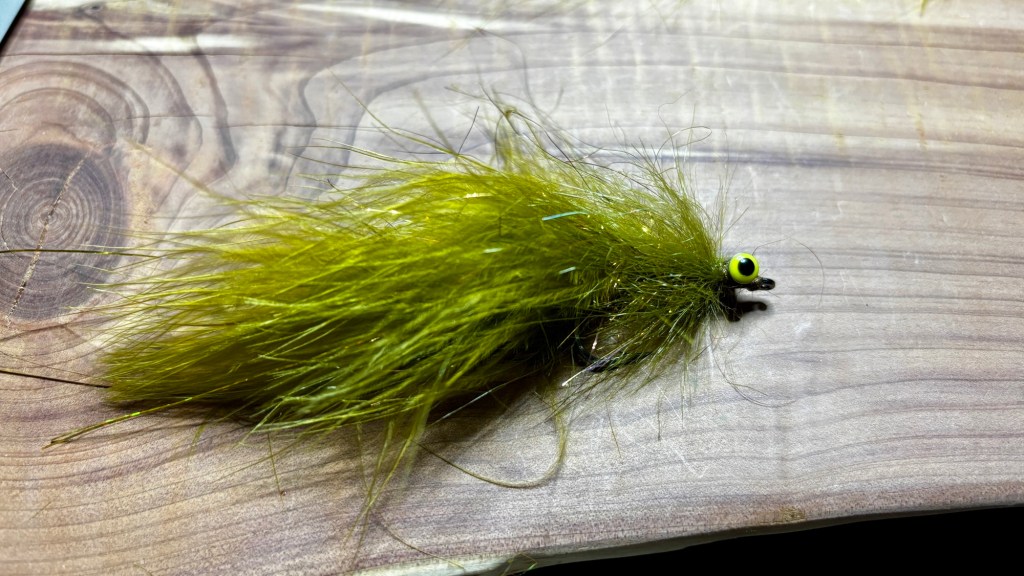
• Techniques: Cast near the shorelines and retrieve streamers slowly through the deeper areas. For dry fly fishing, look for rising fish and match the hatch.
Essential Gear for Your Fly Fishing Trip to New Mexico
To ensure your fly fishing adventure in New Mexico is a success, packing the right gear is crucial. Here’s a list of essentials for your trip:
• Fly Rod: A 4- to 6-weight rod is versatile for most New Mexico waters. If fishing in high-altitude lakes, a lighter rod (3 to 5 weight) is ideal for smaller fish, while a 5- to 6-weight rod is great for larger rivers like the Rio Grande and San Juan.

• Fly Reel: A quality reel with a smooth drag system is key, especially for larger trout. Make sure the reel is matched to your rod and has a good line capacity.
• Fly Fishing Line: Weight-forward floating lines are ideal for most situations, especially in rivers and lakes. For deeper nymphing, a sink-tip line or full sinking line may be needed for some sections.
• Leader and Tippet: 9 to 12-foot leaders are typical, with 5X to 6X tippet being common for clear water and smaller fish. For larger fish, go with 4X or 3X.
• Flies: Carry a variety of dry flies, nymphs, and streamers. Some of the top patterns for New Mexico include:
• Dry Flies: Parachute Adams, Elk Hair Caddis, Stimulator, and Royal Wulff.
• Nymphs: Pheasant Tail, Copper John, Zebra Midge, and Hare’s Ear.
• Streamers: Woolly Bugger, Clouser Minnow, Zonker, and Matuka.
• Fly Box: A durable, waterproof fly box to keep your flies organized and safe.
• Waders: For rivers, especially in the spring and fall, a good pair of breathable or neoprene waders is essential. Don’t forget wading boots with felt or rubber soles for traction.
• Casting Tools: Don’t forget a high-quality fly fishing net, nippers, forceps, and a fly tying kit if you want to customize your flies on the go.
• Sun Protection: A wide-brimmed hat, polarized sunglasses, and sunscreen are essential for fishing in New Mexico’s sunny climate.
• Backpack: A small, durable backpack will help carry all your gear, snacks, and water, especially if you’re venturing into remote areas.
Tips for Fly Fishing in New Mexico:
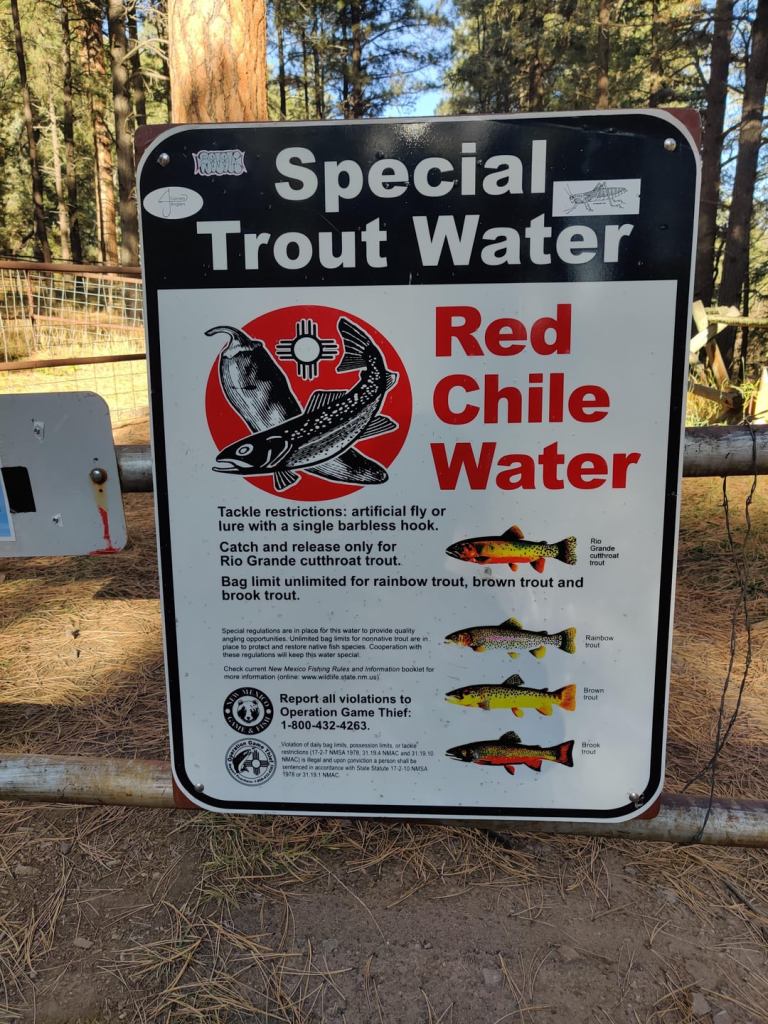
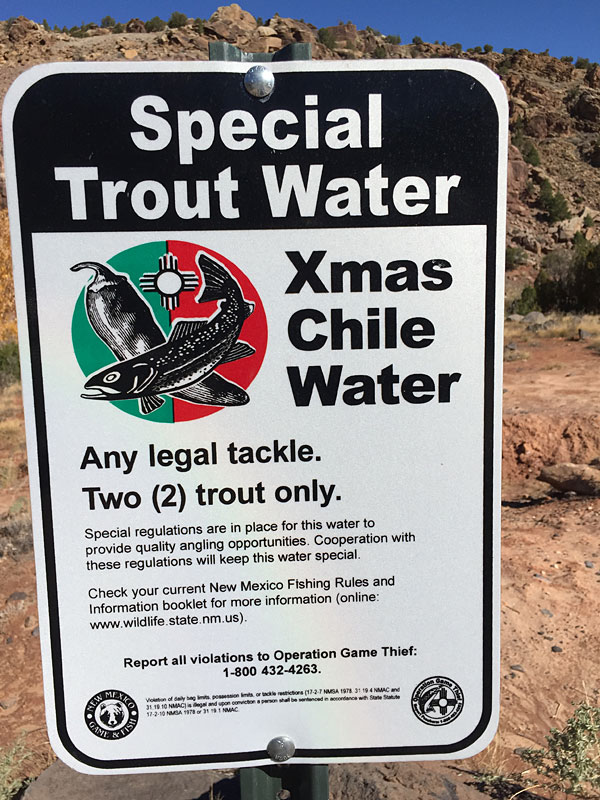
• Respect the Regulations: New Mexico has various fishing regulations, including specific season dates and restricted areas. Always check the latest regulations from the New Mexico Department of Game and Fish before heading out.
Special Trout Waters (Catch and Release)
- Many rivers and streams in New Mexico have areas designated as “special trout waters,” where only catch-and-release fishing is allowed. In these areas:
• No fish may be kept – all trout must be released back into the water immediately.
• Artificial flies and lures only – in some areas, only flies or lures may be used, and live bait is prohibited.
• Barbless hooks – some waters may require barbless hooks to reduce injury to fish during release.
• Altitude Matters: Many of New Mexico’s best fishing locations are in high-altitude areas. Be prepared for the thinner air, especially if you’re planning on fishing in the mountains.
• Watch for Hatch Times: New Mexico has some great hatch opportunities, but they vary by location. Know the types of hatches that occur in your fishing spot to choose the right fly patterns.
• Stay Safe in Remote Areas: Many of New Mexico’s best fishing spots are in remote areas. Always carry enough water, a first-aid kit, and a map or GPS device.
Conclusion:
Fly fishing in New Mexico offers a wide variety of landscapes, fish species, and fishing techniques. Whether you’re seeking a quiet mountain stream, a big river, or a remote lake, there’s a spot for you. The state’s unique waters, coupled with the opportunity to catch wild and native trout, make it a must-visit destination for any fly fishing enthusiast. So grab your rod, pack your flies, and head to the Land of Enchantment for an unforgettable fishing adventure.
Stay Connected with Beyond the Cast
Thanks for reading! If you enjoyed this post and want more fishing tips, trip reports, and on-the-water action, be sure to follow along.
Subscribe to our YouTube channel for in-depth videos, gear breakdowns, and on-the-water adventures. Stay up to date by following us on Facebook, where we share fishing reports, trip updates, and connect with fellow anglers.
Join the conversation, share your catches, and let’s keep exploring the water together.
Tight lines, and see you Beyond the Cast!
 Beyond the Cast
Let me know your thoughts in the comments below!