Tag: What fishing gear do I need to catch fish

  • January Fly Fishing in Broken Bow, Oklahoma: Winter Streamer Tactics for Big Rainbow Trout

    January Fly Fishing in Broken Bow, Oklahoma: Winter Streamer Tactics for Big Rainbow Trout

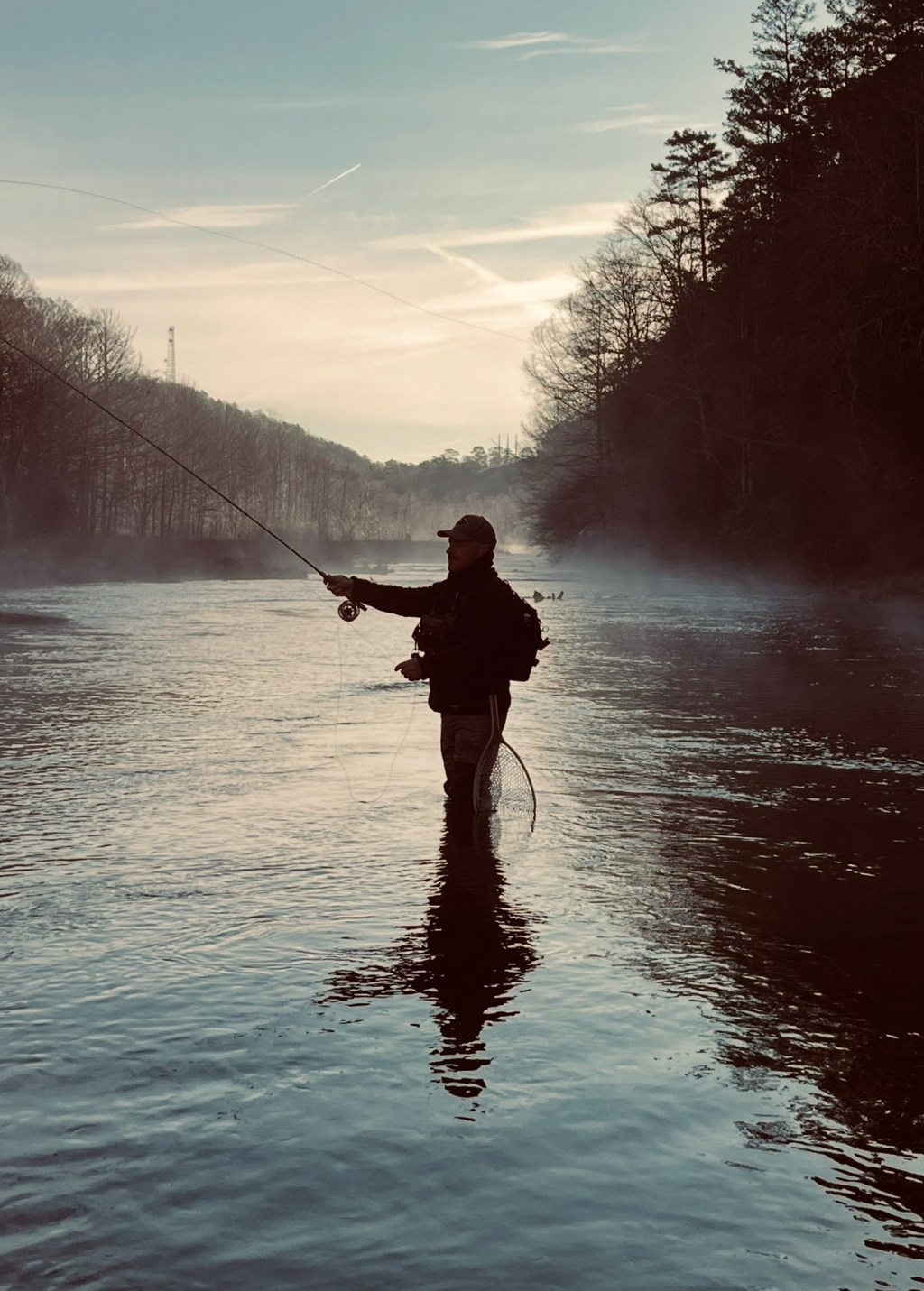
    January in Broken Bow, Oklahoma, is one of those trips that tests your patience—and rewards it if you’re willing to adjust. Cold mornings, cold water, and plenty of anglers on the river. This trip was a perfect reminder that winter fly fishing is less about forcing a pattern and more about reading the water, adapting your tactics, and committing to what the conditions are telling you.

    Winter Conditions on the Lower Mountain Fork River

    Most days started with air temps in the 30–40° range, and water temps hovered in the low-to-mid 40s. Some days were overcast with that soft winter light that feels fishy all day long, while others were bright and clear, putting the fish on edge—especially with moderate to heavy fishing pressure.

    These conditions made trout less willing to move far for a meal. They weren’t looking up much, and they definitely weren’t chasing flies across the river. Everything about the water screamed slow, deliberate, and close to structure.

    Starting with Dry Flies in Winter Conditions

    Like most trips, I started optimistic—throwing dries during the warmer parts of the day. While there were occasional looks and a few half-hearted rises, dry fly action was limited. Winter bugs were sparse, and any surface activity was short-lived.

    That’s when the switch needed to happen.

    Committing to Streamers:

    Once I stopped fishing dries and committed to streamers, the entire trip changed.

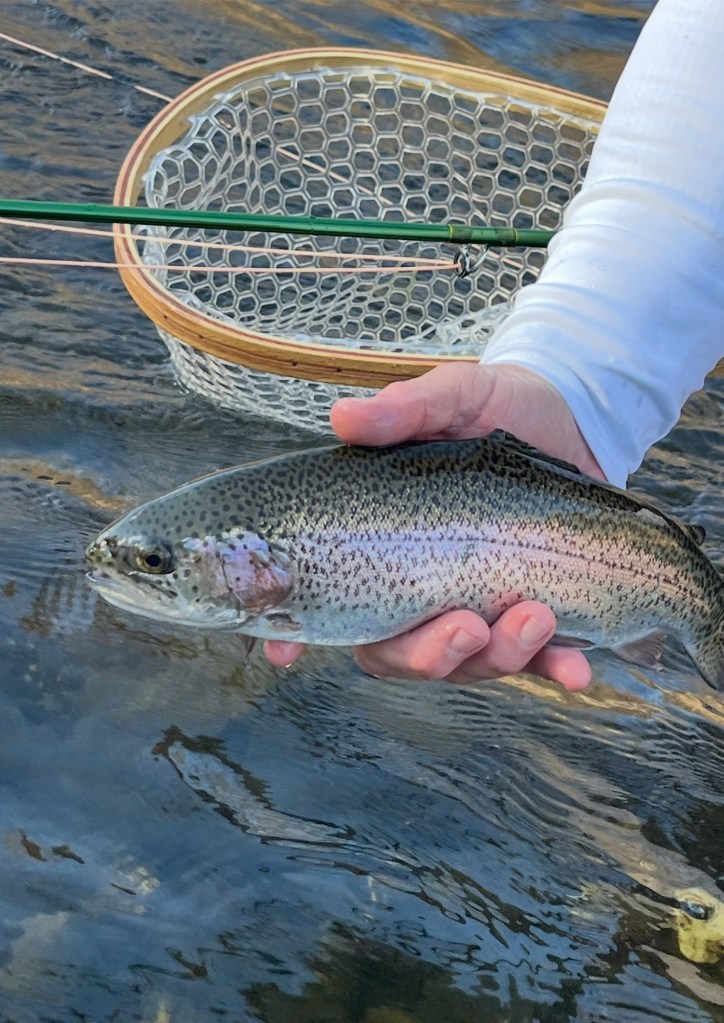
    The fly that consistently produced was a damsel green olive marabou streamer. Simple profile, tons of movement, and just enough flash to get noticed without spooking pressured fish.
    Why It Worked

    In cold water, trout don’t want to waste energy. That marabou breathed with the current, even on slow swings, making the fly look alive without aggressive stripping. The color matched winter forage well, and the subtle action triggered reaction strikes rather than feeding strikes.

    Reading the Water: Finding Winter Trout on the Lower Mountain Fork

    The key wasn’t just the fly—it was where and how it was fished.

    Seams and Soft Edges

    Most of the better fish came from seams, especially where faster water dumped into slower runs. I focused on:
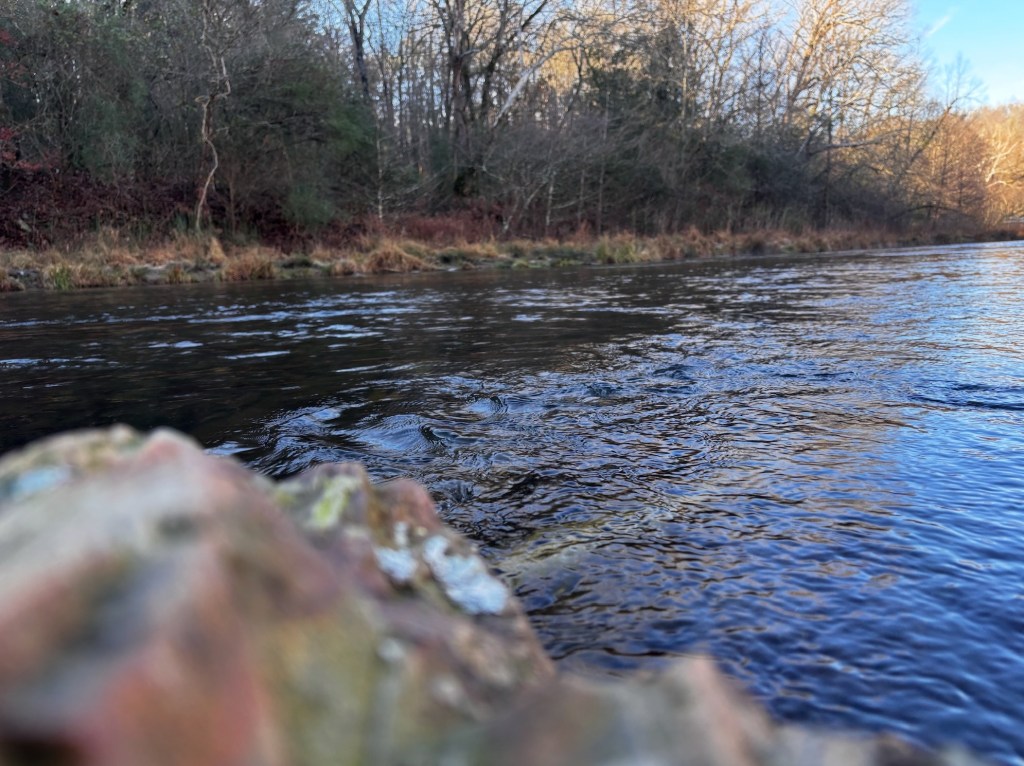
    • The inside edge of seams

    • Transitions from riffles into deeper runs

    • Water where fish could sit comfortably and let food come to them

    Casting across the seam and allowing the fly to swing naturally through that transition zone was deadly.

    Big Boulders and Structure

    The Lower Mountain Fork has plenty of large boulders, and in winter, those rocks are prime holding water.

    I targeted:

    • The downstream side of boulders

    • Slight depressions created by current wrapping around structure

    • Soft pockets directly behind rocks where trout could rest

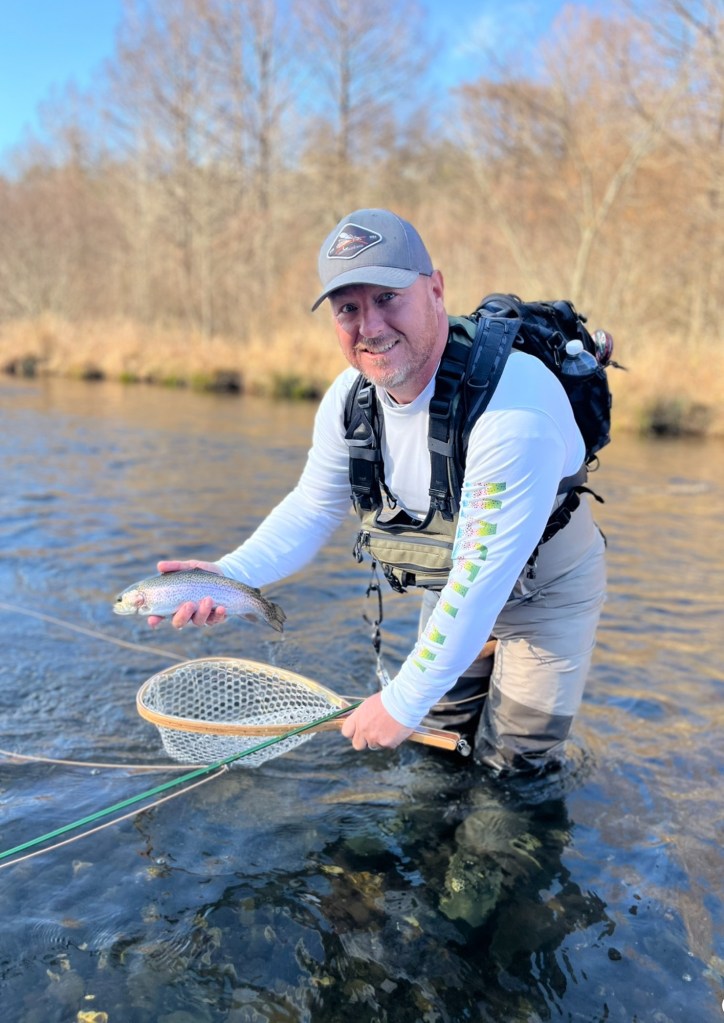
    These spots consistently held bigger rainbows, especially when other anglers walked right past them.

    The Streamer Swing: Keeping a Tight Line for Reaction Strikes

    One of the biggest producers on this trip was keeping constant tension on the line.

    Instead of stripping aggressively, I let the streamer swing under tension, rod tip slightly downstream. That tight line did two things:

    1. It let the marabou pulse naturally in the current

    2. It allowed me to feel subtle takes instantly

    Most strikes happened mid-swing or right as the fly started to straighten out below me. Big rainbows would crush the fly with intent—it wasn’t subtle when it happened.

    Beating Fishing Pressure on the Lower Mountain Fork River

    Even on crowded days, this approach produced more bites and better fish than what I saw around me. While others were cycling flies or pounding the same obvious runs, slowing down and working structure paid off.

    Winter trout aren’t everywhere—but when you find them, they’re usually grouped up and willing to eat if you present the fly correctly.

    Final Takeaways from January Fly Fishing in Broken Bow, Oklahoma

    This trip reinforced a few winter fly fishing truths:

    • Cold water means less movement, not no movement

    • Streamers shine when surface activity fades

    • Structure and seams are non-negotiable in winter

    • Keeping a tight line on the swing triggers reaction bites

    Broken Bow in January isn’t about numbers—it’s about dialing in tactics and being patient enough to let the river show you where the fish live. When it all comes together, those cold-weather rainbows make every frozen finger worth it.

    If you’re heading to Broken Bow this winter, don’t be afraid to put the dries away and let a streamer do the talking.
  • Abu Garcia Black Max Rod and Reel Combo Review: A Budget-Friendly Workhorse for Fresh and Saltwater Fishing

    Abu Garcia Black Max Rod and Reel Combo Review: A Budget-Friendly Workhorse for Fresh and Saltwater Fishing

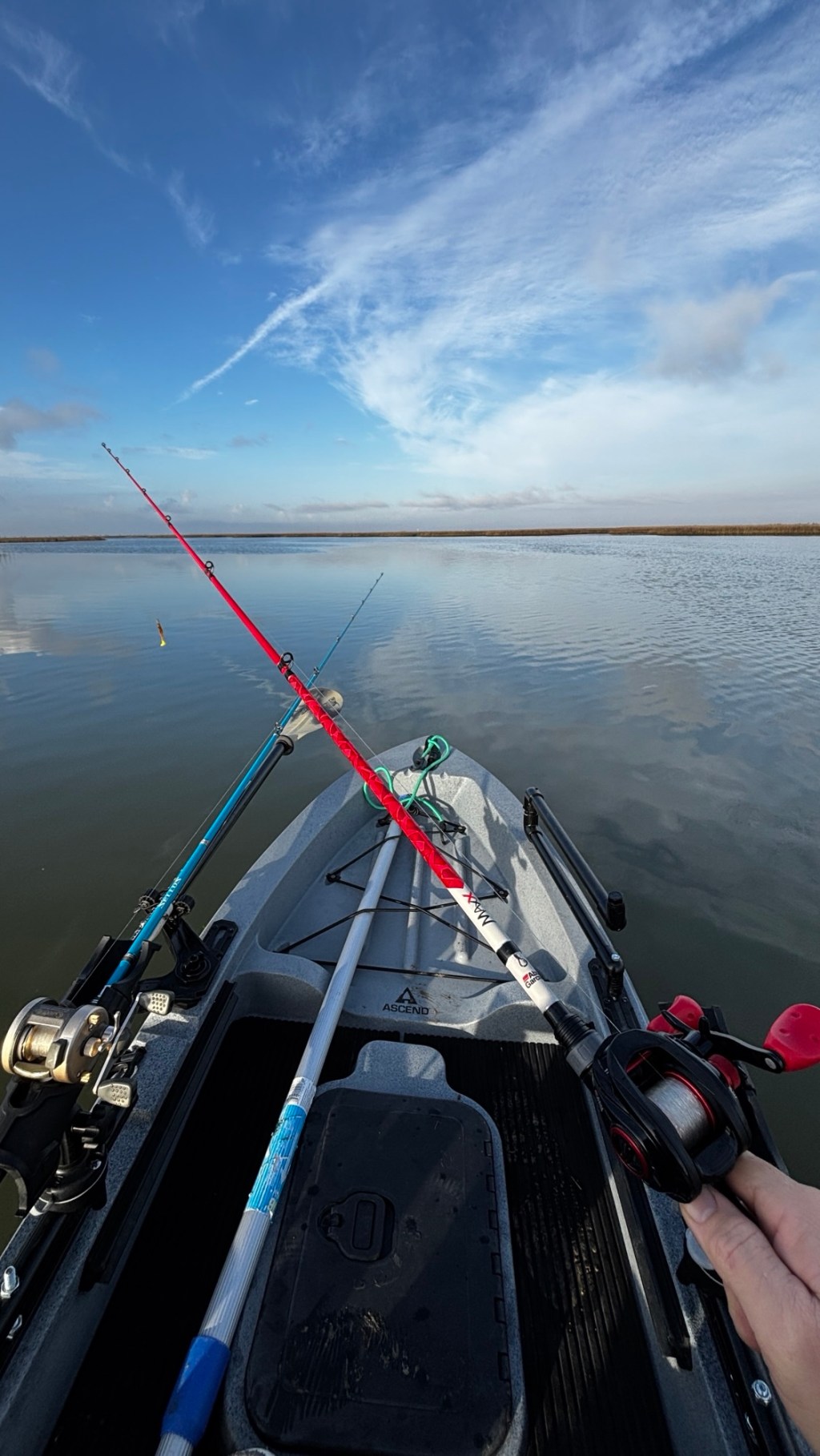
    When it comes to finding an affordable yet reliable baitcasting combo, the Abu Garcia Black Max Rod and Reel Combo consistently ranks among the best options for beginner and budget-conscious anglers. Designed primarily for freshwater fishing, I wanted to see how it would hold up in saltwater conditions, particularly for targeting redfish, speckled trout, and flounder along the Texas Gulf Coast.

    After testing this setup in both environments, I found that the Black Max combo delivers solid performance in a variety of fishing situations—but with some important considerations if you plan to use it in saltwater.

    First Impressions

    Right out of the box, the Abu Garcia Black Max combo has a sleek, aggressive design with a black and red color scheme. The reel is lightweight, and the rod has a good balance between sensitivity and power. While it’s marketed primarily as a bass fishing combo, I wanted to see how it performed against hard-fighting inshore species.

    Rod Features & Performance

    The 24-ton graphite rod is lightweight but strong, making it a solid choice for both freshwater and inshore saltwater fishing. Here’s what stands out:

    Medium Power, Fast Action – Offers great hook-setting power while maintaining enough sensitivity for finesse techniques.

    Decent Durability – The rod holds up well for light to medium saltwater fishing, but it’s not built for heavy-duty offshore applications.

    How It Performs in Saltwater

    I tested the Black Max rod with a variety of lures, including soft plastics, topwaters, and spoons. It casted well, handled redfish and speckled trout without issue, and provided enough flex to absorb strong runs. However, after extended saltwater use, I did notice some corrosion on the guides, so regular rinsing and maintenance are essential.

    Reel Features & Performance

    The Abu Garcia Black Max Baitcaster is one of the best entry-level reels on the market, offering smooth operation, decent casting distance, and a reliable drag system.

    Key Features:

    4+1 Ball Bearings – Provides smooth retrieval and casting.

    MagTrax Braking System – Helps prevent backlash, making it beginner-friendly.

    Smooth Drag System (18 lbs Max) – Strong enough for bass, redfish, and smaller saltwater species.

    Lightweight Graphite Frame – Durable for freshwater but requires extra care in saltwater.

    Casting & Drag Performance in Saltwater

    The Black Max reel performed surprisingly well in saltwater, handling slot-sized redfish and speckled trout without issue. The drag system is smooth and powerful, which is key when fighting fish that make long runs, like redfish in the marsh.

    However, the reel is not fully corrosion-resistant. After a few trips, I noticed some rust developing on the screws and internal components, even with proper rinsing. If you plan to use this reel regularly in saltwater, I recommend applying corrosion-resistant oil after each trip.

    Pros:

    Pros & Cons for Saltwater Fishing

    Affordable & Great Value – One of the best baitcasting combos for the price.

    Smooth Drag & Casting – Handles inshore species well.

    Versatile – Works for bass, redfish, trout, and even flounder.

    Not Fully Corrosion-Resistant – Requires extra care in saltwater.

    Lightweight & Comfortable – Easy to use for long fishing sessions.

    Cons:

    ❌ Line Guides Prone to Corrosion – Rinse and dry thoroughly after saltwater use.

    Tips for Using the Abu Garcia Black Max in Saltwater

    If you plan to use this combo in saltwater, here are a few key tips to extend its life and improve performance:

    1️⃣ Rinse thoroughly after every trip – Use freshwater to remove any salt deposits, especially from the reel, guides, and handle.

    2️⃣ Lubricate with corrosion-resistant oil – Apply a light coating of oil to the bearings, screws, and drag system after each saltwater trip to prevent rust.

    Comfortable EVA Handle – The grip is ergonomic and comfortable for all-day fishing.

    3️⃣ Use braided line with a fluorocarbon leader – 30-40 lb braid is a great mainline choice for strength and sensitivity in saltwater. Pair it with a 15-20 lb fluorocarbon leader for stealth, abrasion resistance, and better lure presentation when targeting redfish, speckled trout, and flounder.

    4️⃣ Consider upgrading to a saltwater-rated reel – If you fish in saltwater frequently, a reel like the Abu Garcia Revo X Inshore will offer better corrosion resistance and longevity.

    5️⃣ Check the line guides regularly – The rod’s guides can corrode over time, especially with salt buildup. Cleaning them after each trip will help maintain smooth casting and prevent damage to your line.

    By following these tips, you can maximize the lifespan and performance of your Abu Garcia Black Max combo, even in saltwater conditions!

    Q&A Section

    Q: Can the Abu Garcia Black Max be used in saltwater?

    A: Yes, but with proper maintenance. It’s designed for freshwater, so it’s not fully corrosion-resistant. Make sure to rinse and lubricate it after each saltwater trip.

    Q: How does it perform against saltwater fish like redfish and trout?

    A: It holds up well against slot-sized redfish, speckled trout, and flounder. However, for larger bull reds or stronger inshore species, you may need a heavier-duty combo.

    Q: What’s the best fishing line to use with the Black Max in saltwater?

    A: 15-20 fluorocarbon works great for saltwater fishing. It casts well and provides the strength needed for inshore fish.

    Q: How does the braking system handle windy conditions?

    A: The MagTrax braking system helps reduce backlash, but it’s not as adjustable as high-end baitcasters. In windy conditions, you may need to tighten the spool tension knob to prevent backlashes.

    Q: Would you recommend this combo for someone who primarily fishes saltwater?

    A: If you occasionally fish saltwater, yes—it’s a great budget-friendly option. However, if you fish saltwater frequently, I’d recommend upgrading to a saltwater-rated baitcaster like the Abu Garcia Revo X Inshore or Shimano SLX XT.

    Final Verdict: Is the Abu Garcia Black Max Worth It for Saltwater Fishing?

    For anglers who fish both freshwater and saltwater, the Abu Garcia Black Max combo is a fantastic budget-friendly option. It offers smooth casting, reliable drag, and decent power for inshore species like redfish, speckled trout, and flounder.

    However, since it’s not fully corrosion-resistant, proper maintenance is essential. If you’re looking for a low-cost baitcaster for occasional saltwater trips, the Black Max is a solid choice.

    Would I buy it again? Absolutely—for  a budget-friendly setup, the Abu Garcia Black Max delivers great value.

    Review of the Abu Garcia

    Stay Connected with Beyond the Cast

    Thanks for reading! If you enjoyed this post and want more fishing tips, trip reports, and on-the-water action, be sure to follow along.

    Subscribe to our YouTube channel for in-depth videos, gear breakdowns, and on-the-water adventures. Stay up to date by following us on Facebook, where we share fishing reports, trip updates, and connect with fellow anglers.

    Join the conversation, share your catches, and let’s keep exploring the water together.

    Tight lines, and see you Beyond the Cast!