Tag: where to fish

  • Kayak Fishing for Redfish & Speckled Trout Tips & Tactics

    Kayak Fishing for Redfish & Speckled Trout Tips & Tactics

    Kayak fishing brings you closer to the water, offering an unmatched level of stealth and accessibility when targeting inshore species like redfish and speckled trout. Gliding through the marsh, feeling the rhythm of the tides, and watching a redfish tail in the shallows—these moments define why so many anglers choose kayaks for their fishing adventures. But success in a kayak isn’t just about casting in the right spot. Proper preparation, technique, and safety play just as big a role as choosing the right lure.

    In this guide, we’ll cover essential gear, fishing techniques, and key safety considerations to ensure your time on the water is both productive and enjoyable.

    Kayak Fishing: Why It’s Perfect for Redfish & Speckled Trout

    Fishing from a kayak allows you to reach areas boats can’t, where pressured fish find refuge in the shallows. These quieter waters are often rich with bait, making them prime feeding grounds. Redfish thrive in skinny water, pushing into grass flats to hunt for shrimp and crabs, while speckled trout hold near oyster beds, waiting to ambush baitfish. The kayak’s silent approach gives you a major advantage in these scenarios, allowing you to get close without spooking fish.

    But with the rewards of kayak fishing come unique challenges. Unlike fishing from a boat, you need to account for factors like stability, positioning, and the ever-changing coastal environment. That’s why having the right gear and knowledge is essential.

    Essential Kayak Gear for Saltwater Fishing

    The Right Kayak

    A stable sit-on-top fishing kayak is ideal for inshore waters. Look for a model with:

    Good Stability – Wider kayaks allow you to stand and sight fish.

    Adequate Storage – You’ll need space for tackle, rods, and safety gear.

    Pedal or Paddle Drive – Pedal kayaks keep your hands free, but a quality paddle is crucial.

    Must-Have Accessories

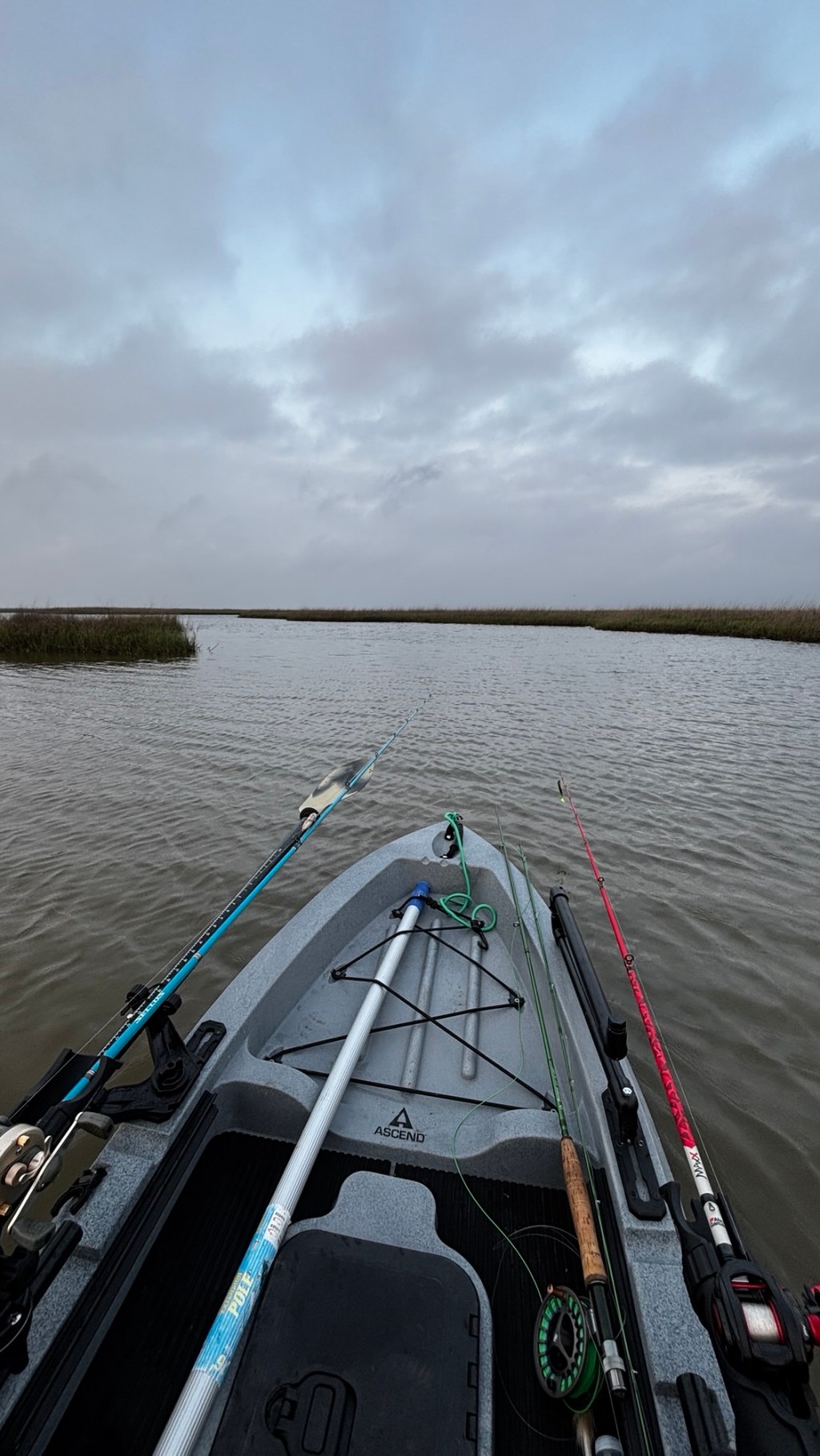
    Push Pole – A lightweight push pole is invaluable for silently maneuvering through shallow water without disturbing fish.

    Anchor System – A stake-out pole works best for shallow flats, while a small anchor or drag chain helps in deeper water or current.

    Rod Holders & Tackle Crate – Organizing your gear prevents clutter and makes for a smoother fishing experience.

    Dry Bag & Waterproof Case – Keep your phone, keys, and important items dry and secure.

    Safety Gear

    PFD (Personal Flotation Device) – Always wear a PFD, no exceptions. A fishing-specific PFD has extra pockets for storing essentials.

    Whistle & Light – Coast Guard regulations require a whistle and a light for low-light conditions.

    First-Aid Kit – Accidents happen. Be prepared for hooks, cuts, or stings.

    Bilge Pump or Sponge – For draining excess water from your kayak.

    Kayak Positioning & Anchoring Correctly

    Staying in the right position while fishing is crucial. The wind, tide, and current all play a role in where your kayak drifts, so knowing how to control your positioning keeps you on fish longer.

    Stake-Out Pole – For shallow waters, a stake-out pole allows you to quietly anchor without disturbing the bottom.

    Drift Anchors – A drift sock slows your kayak’s movement when fishing open flats or channels in windy conditions.

    Anchoring with a Rope System – If using a traditional anchor, attach it to an anchor trolley system to adjust your positioning without changing your cast direction.

    A key tip: Always place your anchor off the bow or stern to prevent your kayak from tipping sideways in strong currents.

    Weather Monitoring & Tidal Awareness

    The conditions on the water can change quickly, and being prepared can make the difference between a great trip and a dangerous situation.

    Check the Weather Forecast – Wind speeds over 15 mph make kayaking challenging. Storms can develop quickly, so always check the radar before heading out.

    Know the Tide Charts – Both redfish and speckled trout are heavily influenced by tides. An incoming tide often brings fish into shallow feeding zones, while an outgoing tide funnels bait into deeper water, creating ambush points.

    Watch for Lightning – If you hear thunder, it’s time to head in. Open water is one of the worst places to be during a storm.

    Finding Redfish & Speckled Trout from a Kayak

    Redfish Hotspots:

    Shallow Grass Flats & Marshes – Redfish love feeding on crabs and shrimp in the grass. Look for tailing fish or nervous bait.

    Tidal Drains & Creek Mouths – As the tide moves, redfish wait in deeper cuts for bait to be pulled into their strike zone.

    Shorelines with Structure – Wind-blown shorelines, oyster bars, and submerged grass beds all hold redfish.

    Speckled Trout Hotspots:

    Oyster Reefs & Drop-Offs – Trout use reefs as feeding grounds, especially near deeper water.

    Sand and Grass Pockets – Speckled trout roam these areas, ambushing baitfish.

    Current Edges & Channels – Trout hold near points where baitfish get swept past them.

    Best Lures for Kayak Fishing

    For Redfish:

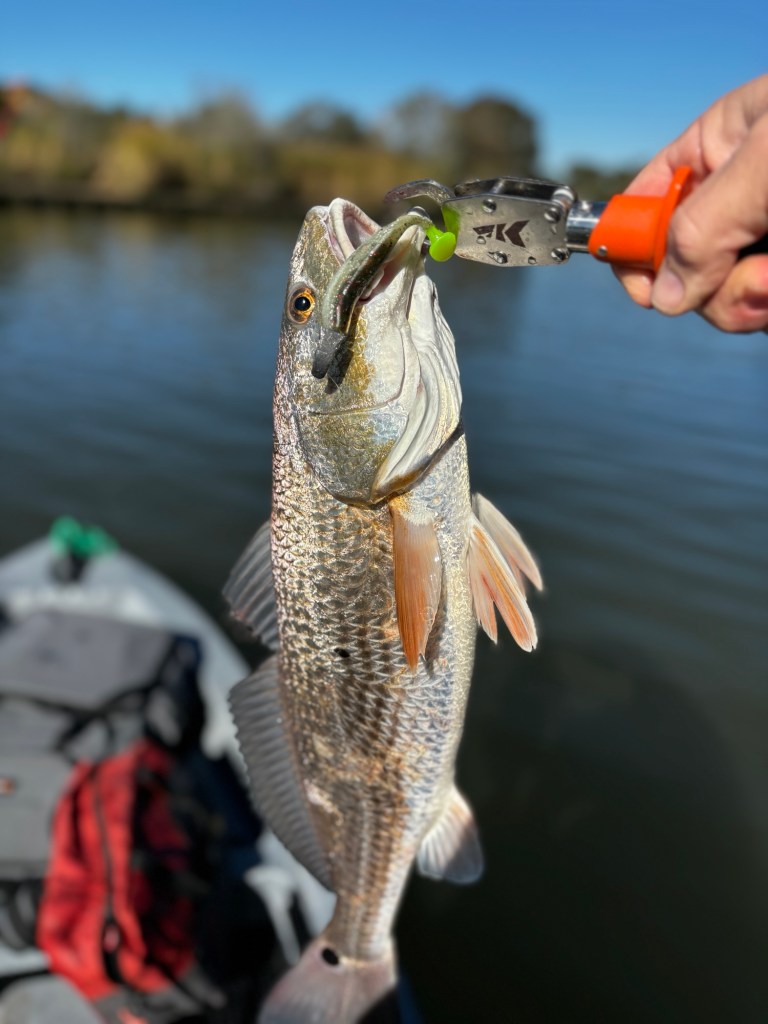
    Paddle Tail Soft Plastics – JVS Custom Baits Rip Rap in Copper Penny and H&H/DOA Paddle Tails are great for covering water.

    Gold Spoon – A classic lure for redfish, especially in stained water.

    Topwater Lures – Early mornings or calm days call for walking baits like the Super Spook Jr.
    For Speckled Trout:

    Soft Plastics on a Jig Head – The JVS Speed Shrimp in White and Gold is a deadly choice.

    Topwater Lures – Trout are aggressive surface feeders, and the Heddon One Knocker Spook can trigger explosive strikes.

    Suspending Twitch Baits – The MirrOlure 52MR is excellent for cooler months when trout feed deeper.

    Kayak Fishing Strategies for Success

    Stealth & Approach

    Kayaks give you a natural advantage in stealth, but even the smallest noise can spook fish in shallow water.

    Paddle quietly – Use soft, controlled strokes or a push pole to move.

    Avoid sudden movements – Even shifting your weight too fast can send out unnatural ripples.

    Cast ahead of your target – Let the fish come to your lure instead of landing it right on their head.

    Using the Wind & Current to Your Advantage

    Drift fishing – Let the wind and current carry you naturally along a shoreline or over a reef while casting.

    Positioning – Set up so you’re casting with the wind for longer, more accurate presentations.

    Final Thoughts

    Kayak fishing for redfish and speckled trout is one of the most rewarding ways to experience inshore fishing. With the right preparation, awareness of conditions, and strategic approach, you’ll put more fish in the kayak while staying safe on the water.

    Stay Connected with Beyond the Cast

    Thanks for reading! If you enjoyed this post and want more fishing tips, trip reports, and on-the-water action, be sure to follow along.

    Subscribe to our YouTube channel for in-depth videos, gear breakdowns, and on-the-water adventures. Stay up to date by following us on Facebook, where we share fishing reports, trip updates, and connect with fellow anglers.

    Join the conversation, share your catches, and let’s keep exploring the water together.

    Tight lines, and see you Beyond the Cast!

    What’s your top kayak fishing tip? Drop a comment below!
  • Kayak Fishing Dickinson Bayou

    Kayak Fishing Dickinson Bayou

    Dickinson Bayou is an underrated gem for Texas anglers, offering a rare mix of inshore and freshwater fishing opportunities. This winding waterway, stretching between Houston and Galveston, features both brackish and freshwater environments, making it one of the few places where you can catch redfish, speckled trout, flounder, and largemouth bass—all in the same trip. With easy kayak access, plenty of structure, and year-round fishing opportunities, it’s a must-visit for anglers looking to mix things up.

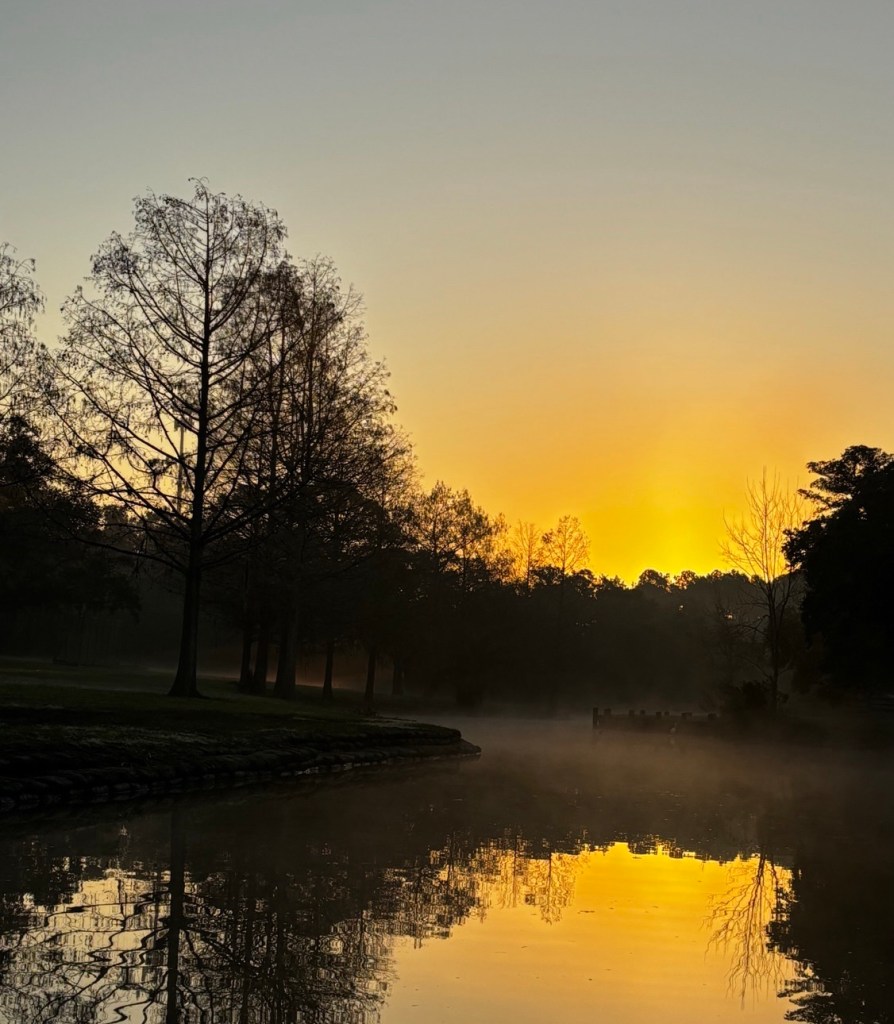
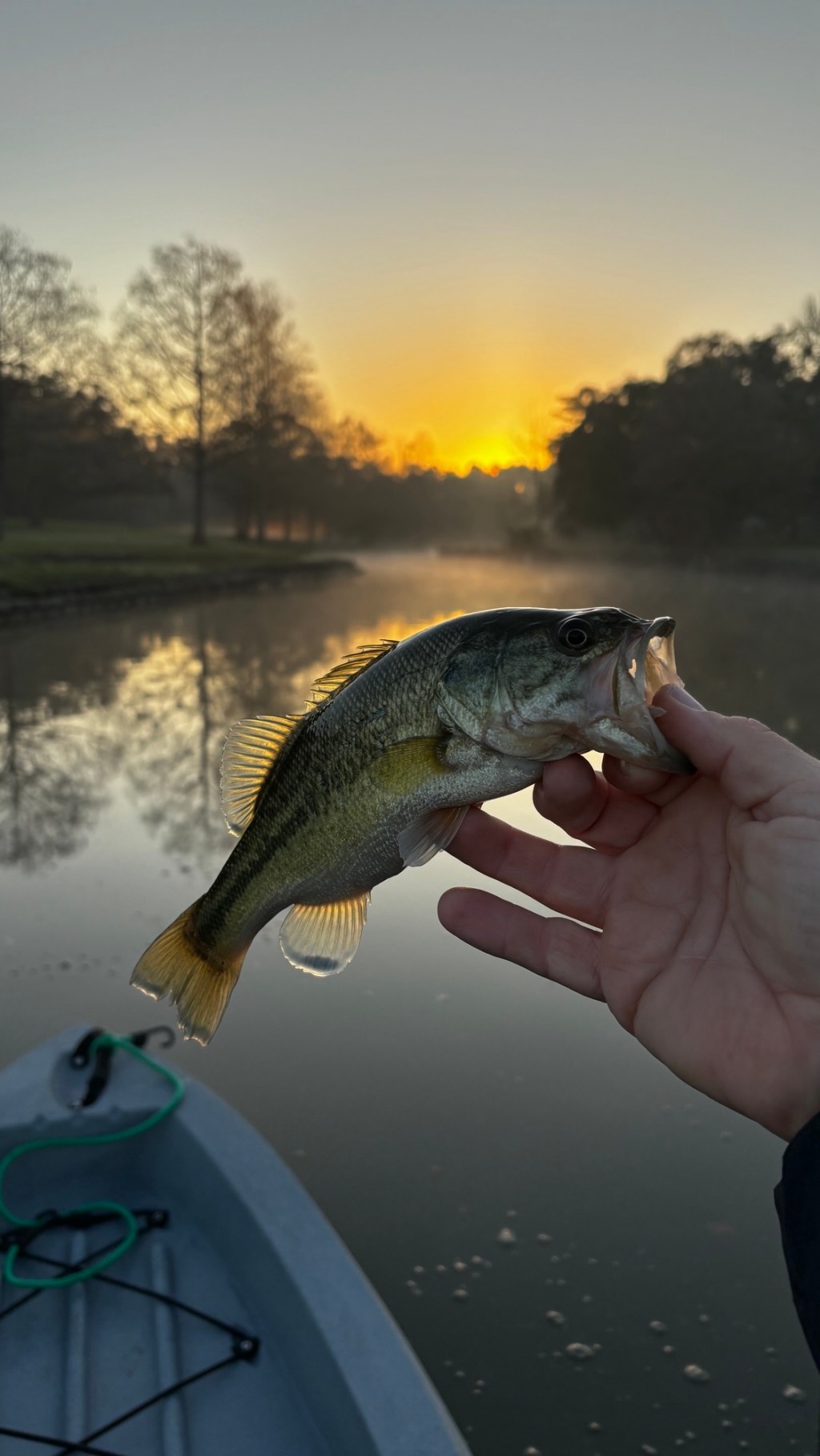
    Sunrise on Dickinson Bayou

    In this Beyond the Cast blog, we’ll break down the best launch points, seasonal patterns, and proven techniques for targeting both inshore and freshwater species in Dickinson Bayou.

    Why Kayak Fish Dickinson Bayou?

    Unlike open water areas like West Bay or Christmas Bay, Dickinson Bayou offers a controlled, protected environment with minimal wind and boat traffic, making it ideal for kayak anglers. The bayou features oyster beds, submerged structure, and marsh drains that hold inshore predators, while its upper sections provide excellent largemouth bass fishing around laydowns and submerged timber.

    The brackish water mix creates a unique opportunity where you can catch bass and redfish in the same stretch of water, depending on the salinity levels.

    Best Kayak Launch Points

    1. Paul Hopkins Park – A great starting point for bass fishing in the upper bayou. This area has more freshwater influence, submerged timber, and slower-moving water where largemouth bass thrive.

    2. Ray Holbrook Park – Provides access to both freshwater and brackish areas, making it a great spot to target multiple species in one trip.

    3. Dickinson Bayou Boat Ramp (Highway 146) – A prime launch for inshore species like speckled trout, redfish, and flounder, as the bayou transitions to saltier water.

    Target Species and Seasonal Patterns

    Inshore Species (Redfish, Trout, Flounder)

    Redfish
    Speckled Trout
    Flounder

    Redfish: Present year-round, redfish move between the shallow marsh edges and deeper bends of the bayou. Look for them near oyster beds or ambushing bait near structure.

    Speckled Trout: More common in the lower bayou where salinity is higher. They hold in deeper holes during winter and move toward bait schools in summer.

    Flounder: A spring and fall favorite, flounder stack up near drains and along drop-offs.

    Largemouth Bass

    Spring & Summer: Bass are highly active, staging near submerged trees, grass lines, and deeper pockets along the bank. Topwater frogs and spinnerbaits shine in the warmer months.

    Fall & Winter: Bass move deeper into holes and near structure, where slow-moving soft plastics and crankbaits are the go-to options.

    Best Lures for Dickinson Bayou

    Inshore Lures:

    H&H Paddle Tails and DOA Paddle Tails – Excellent for covering water, especially rigged on a light jighead and bounced off the bottom.

    JVS Custom Baits 3.2 Rip Rap in Cinnamon Gold – This lure mimics baitfish well in the stained waters of the bayou.

    JVS Speed Shrimp in White and Gold – Great for targeting speckled trout and redfish near deeper channels.

    Gulp! Shrimp or Mud Minnow on a Jighead – Deadly for flounder, especially near marsh drains.

    Largemouth Bass Lures:

    Bass caught on Dickinson Bayou

    H&H Paddle Tails (White or Chartreuse) – A great crossover lure for bass in brackish water, these work well on a light jighead or weighted swimbait hook. Slow-roll them near laydowns and grass lines for reaction bites.

    Texas-Rigged Soft Plastics (Creature Baits, Worms, Flukes) – Perfect for working submerged timber and drop-offs.

    Spinnerbaits (White or Chartreuse) – A great way to trigger reaction bites around structure.

    Frogs & Topwater Lures – In the summer, bass explode on frogs in the backwaters and grassy edges.

    Crankbaits & Jerkbaits – Ideal for cooler months when bass are holding deeper.

    Fishing Strategy and Tidal Influence

    Like most Texas waters, understanding tides plays a crucial role in Dickinson Bayou fishing.

    Outgoing Tide: Fish stage near marsh drains, creek mouths, and bends where baitfish get pulled out.

    Incoming Tide: Redfish push shallow to feed, while bass tend to stay near structure unaffected by tides.

    Slack Tide: Slower fishing for inshore species, but bass can still be caught by working deeper structure.

    Final Thoughts

    Dickinson Bayou is a fantastic spot for kayak anglers looking to mix inshore and freshwater fishing in one trip. Whether you’re tossing a paddle tail for speckled trout or slow-rolling an H&H Paddle Tail for largemouth bass along a submerged tree, this bayou offers a little bit of everything.

    Stay tuned to Beyond the Cast for more in-depth breakdowns of Texas inshore and freshwater fishing, and be sure to check out our YouTube channel for on-the-water footage of kayak fishing in Dickinson Bayou!

    Tight lines!

  • Mastering Inshore Saltwater Fishing in Galveston West Bay for Bigger and Better Catches

    Mastering Inshore Saltwater Fishing in Galveston West Bay for Bigger and Better Catches

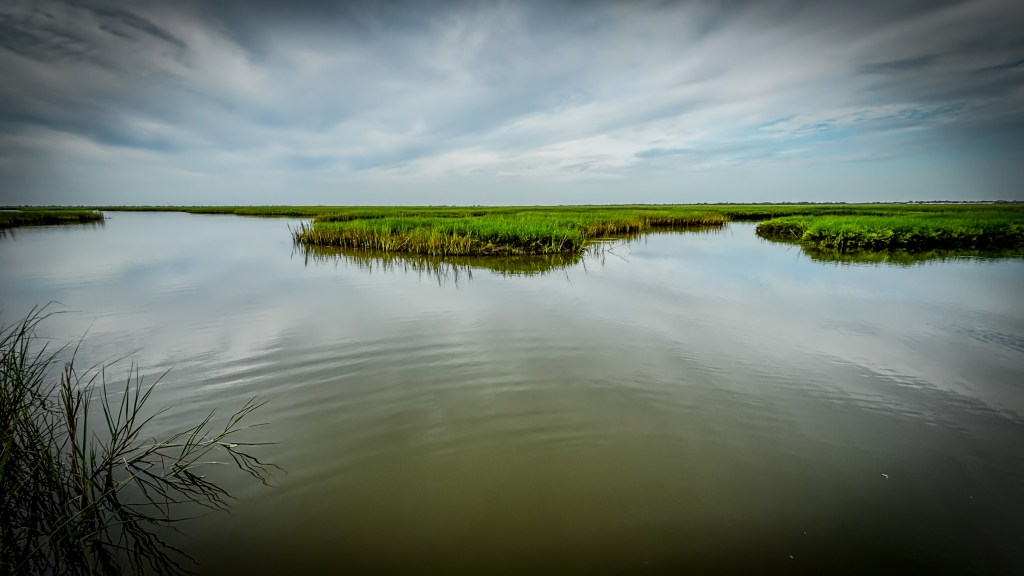
    Grass flats Galveston West Bay

    Inshore saltwater fishing is an exciting challenge, especially when targeting prized species like redfish and speckled trout. Success in these waters requires more than just casting a line—you need to understand the right techniques, how fish behave with tidal movements, and where to find them. In this guide, we’ll break down essential strategies, including the use of maps to illustrate tidal flows and prime fishing spots, to help you land bigger and better catches.

    Understanding Tidal Movements and Fish Behavior

    Tides play a crucial role in inshore fishing, influencing how and where redfish and speckled trout feed. These species rely on moving water to bring food to them, so knowing when and where the tides are strongest can greatly increase your chances of success.

    Incoming Tide – As the tide rises, baitfish and shrimp move into marshes, grass flats, and estuaries. Redfish and trout follow, feeding aggressively in these areas.

    Outgoing Tide – As water drains out, bait is pulled through channels, cuts, and creek mouths. This creates prime ambush points for hungry fish.

    Slack Tide – Minimal water movement can slow down feeding activity, making it a less productive time to fish.

    Hotspot: Fishing Galveston West Bay

    Galveston West Bay is one of the top inshore fishing destinations on the Texas coast, offering a mix of shallow flats, oyster reefs, and deep channels that make it ideal for targeting redfish and speckled trout. Here are some key areas to focus on:

    North Shoreline – The marshy edges and grass flats along the north side of the bay are excellent for sight fishing redfish, especially on an incoming tide.

    Oyster Reefs (like Confederate Reef & Carancahua Reef) – These structures hold bait and attract both trout and redfish, making them great places to fish during moving tides.

    Cold Pass & Greens Lake – These areas serve as natural funnels for tidal movements, creating excellent ambush spots where fish congregate.

    Using maps to analyze these locations along with tidal patterns can help you plan your trips more effectively. 

    Seasonal Strategies for Galveston West Bay

    Winter Fishing Tactics

    During winter, water temperatures drop, pushing redfish and speckled trout into deeper, more stable areas. Key strategies include:

    Targeting Deep Channels & Holes – Areas like the ICW (Intracoastal Waterway), deeper sections of West Bay, and channels leading to the Gulf hold fish seeking warmer water.

    Slow-Presenting Soft Plastics – Using a slow retrieve with a soft plastic on a jig head mimics sluggish baitfish, making it a go-to technique for cold-water trout.

    Fishing Mud & Shell Bottoms – These areas retain heat better than sand, attracting fish looking for slightly warmer conditions.

    Summer Fishing Tactics

    As temperatures rise, fish patterns shift, and early mornings or late evenings become prime times to target them. Key strategies include:

    Topwater Action at Sunrise & Sunset – Speckled trout and redfish become aggressive in low-light conditions, making this the perfect time for walking-the-dog-style lures.

    Fishing the Marsh & Grass Flats – Higher water levels push redfish into shallow marshes and grassy shorelines, where they feed on shrimp and baitfish.

    Working Deeper Structure Midday – As the sun heats up, fish retreat to deeper reefs and channels. Using live bait or slow-sinking lures can be effective.

    By adjusting your approach based on the season and using maps to track tidal movements, you can maximize your success in Galveston West Bay year-round.

    Using Maps to Identify Prime Fishing Spots

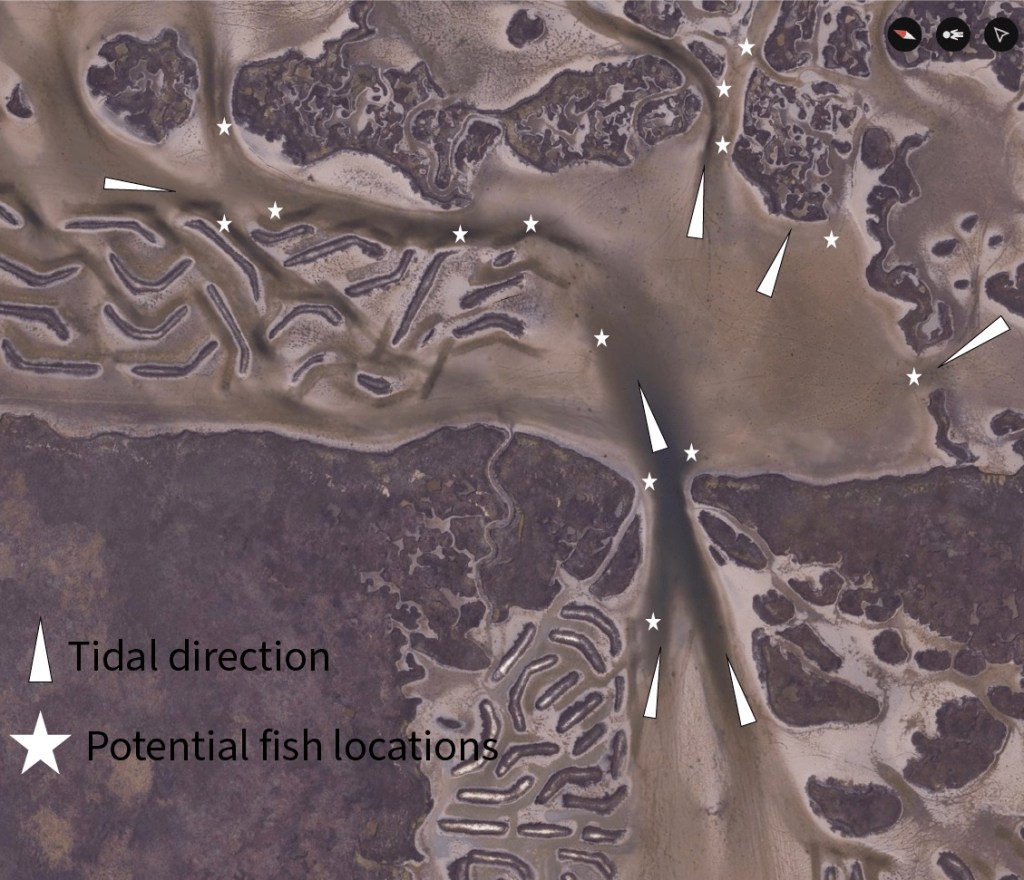
    Google earth showing tidal movements

    To maximize success, I use existing maps with annotations to highlight key areas where tidal movements concentrate bait and fish. Some top locations include:

    Grass Flats & Oyster Bars – These areas hold bait and attract redfish, especially during higher tides.

    Creek Mouths & Drains – Outgoing tides pull bait through these pinch points, making them ideal ambush zones for trout and redfish.

    Drop-offs & Deep Holes – In colder months or during extreme heat, fish retreat to deeper areas where water temperatures are more stable.

    Maps help visualize these areas and understand how tides move water through them, improving your ability to predict fish activity.

    Techniques for Catching Redfish and Speckled Trout

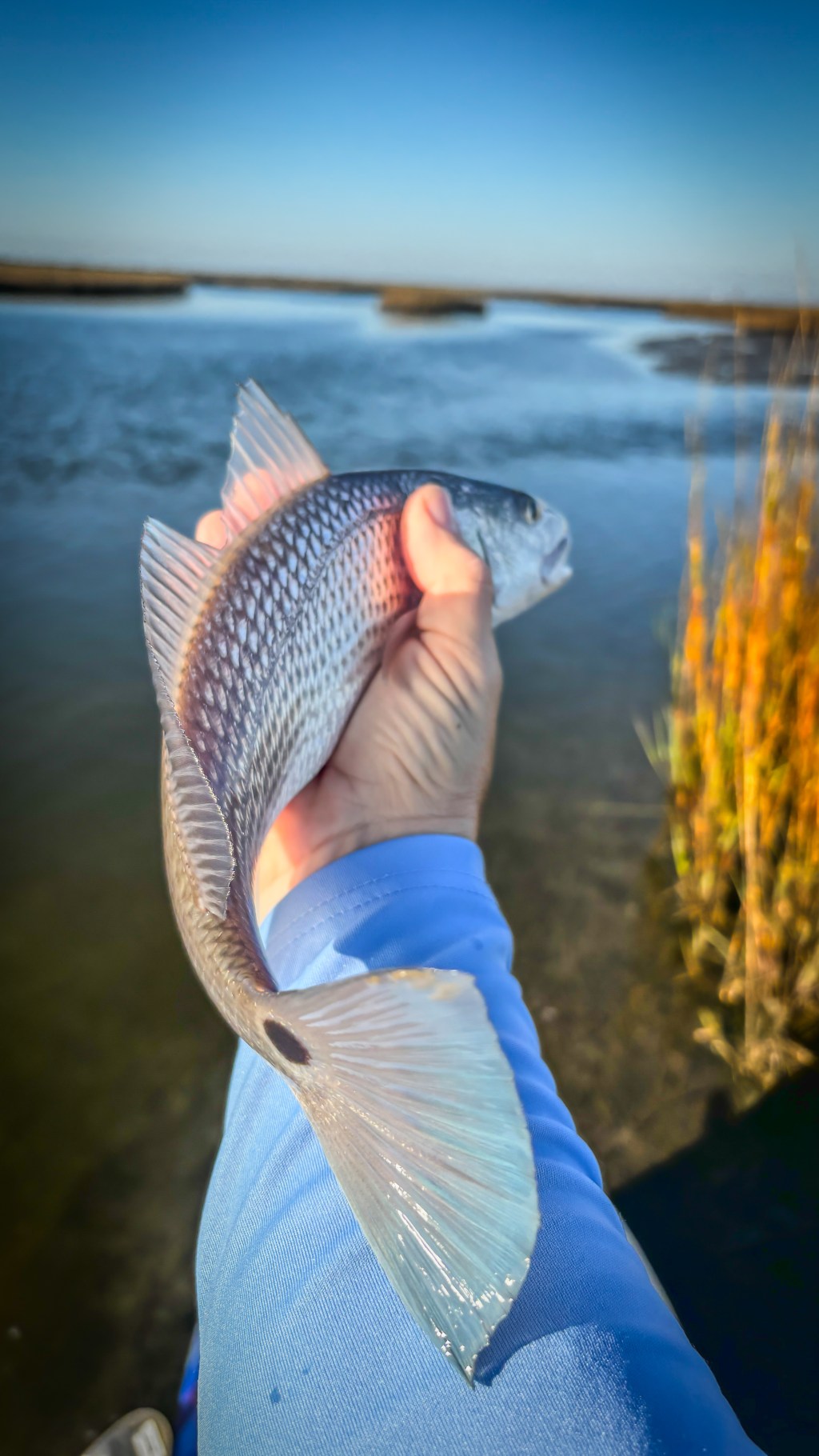
    Looking at Redfish tailing on the edge of the banks

    Sight Fishing for Redfish

    When water clarity allows, look for redfish tailing in shallow flats or cruising along marsh edges. Using a weedless soft plastic or a live shrimp under a popping cork can be deadly in these situations.

    Jigging for Speckled Trout

    Trout are aggressive feeders, and a jig with a soft plastic (such as a paddle tail or shrimp imitation) bounced near the bottom often gets their attention. Target deeper drop-offs and areas with moving water.

    Topwater Action

    During low-light conditions—early morning or late evening—both species will strike topwater lures. Walk-the-dog style baits, like the Zara Spook, work well over shallow flats and near oyster beds.

    Bringing It All Together: Video and Visuals

    To better explain these techniques and locations, I include videos and pictures in my blog posts. This way, you can see real-life examples of these fishing strategies in action. The combination of on-the-water footage, maps with annotations, and detailed explanations ensures you have all the tools needed to improve your inshore fishing game.

    Final Thoughts

    Mastering inshore fishing for redfish and speckled trout isn’t just about luck—it’s about understanding how these fish move with the tides, using maps to pinpoint the best locations, and applying the right techniques. By combining these strategies with real-time conditions, you can dramatically increase your success on the water.

    Thanks for reading! If you enjoyed this post and want more fishing tips, trip reports, and on-the-water action, be sure to follow along.

    Subscribe to our YouTube channel for in-depth videos, gear breakdowns, and on-the-water adventures. Stay up to date by following us on Facebook, where we share fishing reports, trip updates, and connect with fellow anglers.

    Join the conversation, share your catches, and let’s keep exploring the water together.

    Tight lines, and see you Beyond the Cast!