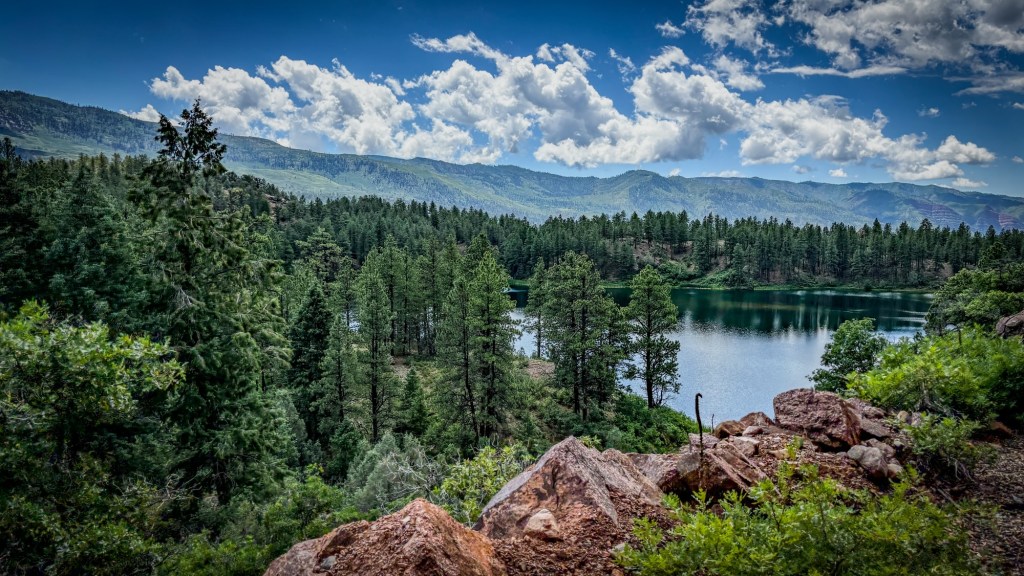
Some rivers don’t give up their secrets easily. The Pine River, also known as Los Pinos, is one of them. Tucked deep in the Weminuche Wilderness of Southwest Colorado, it requires effort, patience, and a willingness to hike into solitude. But if you’re after wild trout in clear mountain water—and the kind of light that makes your photos glow—there are few places more rewarding.
The Trailhead to Solitude

The journey starts at the Pine River Trailhead near Vallecito Reservoir. It’s a dusty parking lot, a worn wooden sign, and a reminder that you’re on the edge of something vast—the largest wilderness area in Colorado.
The trail runs along private land for the first few miles, so fishing and camping are off limits early on. But once you cross into the national forest boundary, the river opens up, wild and remote. The elevation gain is steady but forgiving, and the views just keep getting better. Towering peaks peek through pines, and wildflowers bloom along the trail like a postcard from July.

With my Canon R5, K&F Concept backpack, and 5wt rod, I hit the trail just after sunrise. The air was crisp, golden light filtered through the lodgepoles, and the river sparkled below.
Early Light and River Mist
I stopped just past the wilderness boundary where the river flattened into a lazy bend. The mist rose off the water like breath, and I dropped my pack to capture the moment. Using my 70–200mm lens, I focused on the layers—backlit pine branches, the soft swirl of fog, and the glint of sun hitting the waterline.

For long exposures, I mounted my tripod, dialed in a low ISO, and let the shutter run. These are the kinds of images I live for—where the emotion of the place shines through the frame.
Setting Up the Rig
The Pine River demands versatility. I rigged up a dry-dropper setup: a #14 Parachute Adams up top and a #16 Hare’s Ear Nymph trailing below. These fish are educated and spooky, especially in slow pools. I used long, fine tippet and cast from behind boulders, keeping my shadow off the water.
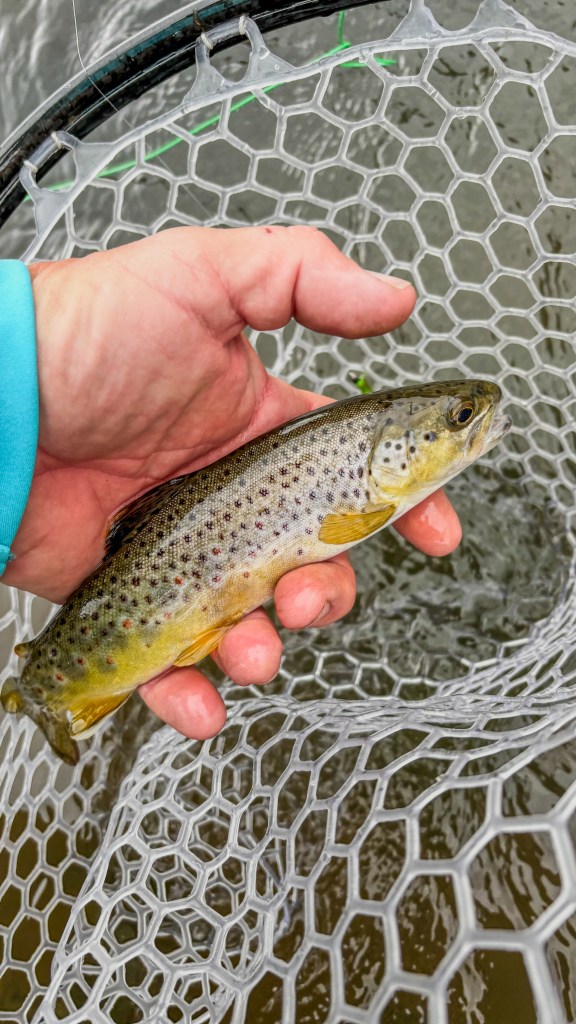
The first fish came from a seam near a fallen log—a small but healthy brown. I paused to photograph the catch, using my hand and net for scale, carefully positioning the fish with the sun behind me to avoid harsh glare. A few quick shots, then back in the water.
Fishing and Shooting in Rhythm
Backcountry fly fishing is about finding rhythm—between casts, between hikes, between light and shadow. I alternated between fishing pocket water and photographing the surroundings. A high ridge caught my eye, so I swapped out lenses and shot wide to capture the dramatic sweep of the river carving its way through the forested canyon.
I kept my camera settings flexible, using aperture priority mode to adapt quickly between moving trout and landscape shots. My K&F Concept backpack made transitions easy, with side access panels for grabbing a lens mid-hike or stashing a fly box fast.
Wild Trout and Wild Moments
The further I hiked, the wilder the water became. Cutthroat started showing up—small, brilliantly colored, and lightning quick. I switched flies to a #12 Yellow Humpy with a CDC midge dropper, and it paid off. Several fish rose in tight, riffled corners that required tricky casts and precise drifts.
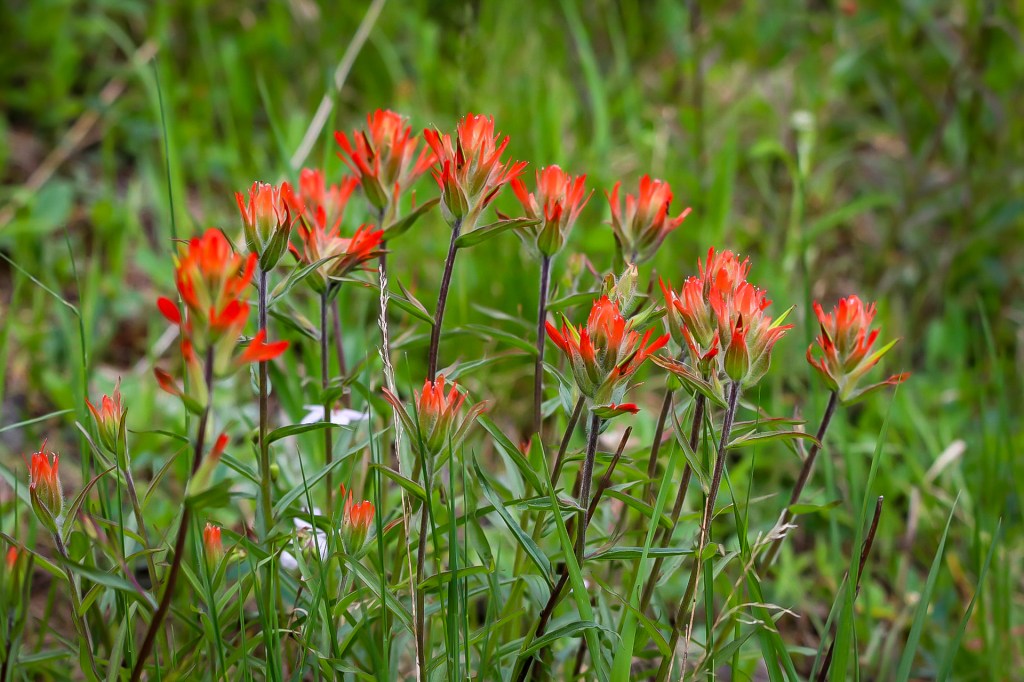
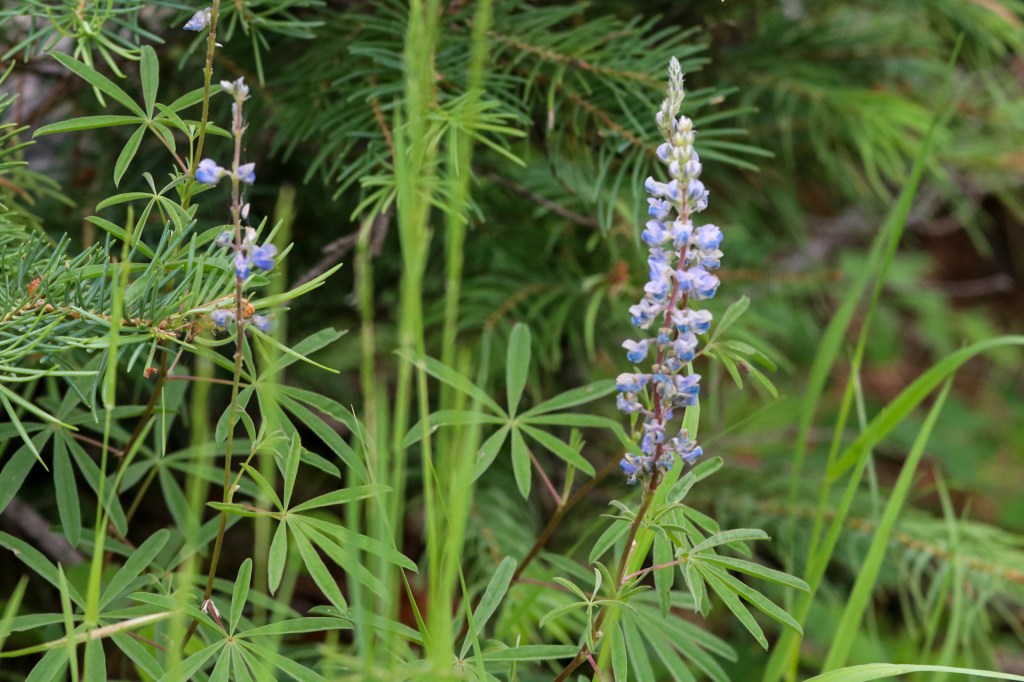
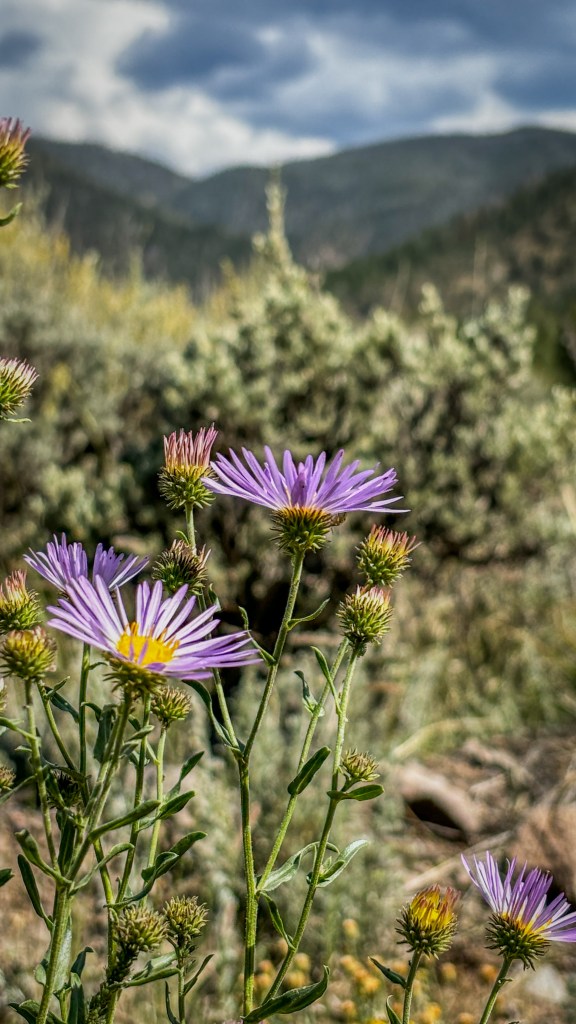
I kneeled in cold, mossy shallows, capturing tight macro shots of wildflowers along the riverbanks—bluebells, Indian paintbrush, and buttercups reflected in the water’s surface. These images tell just as much of the story as the fish themselves.
Storms and Staying Safe
Mid-afternoon, the familiar rumble of thunder rolled through the canyon. I packed up fast, knowing that weather in the high country turns fast. The trail turned slick, and I was glad I had lightweight rain gear and a waterproof pack.
Back at camp, I dried off and reviewed photos on my iPad Pro, backed up my files, and journaled the day. A deep sense of satisfaction settled in—the kind you only get after chasing trout and light deep into the wilderness.
Pine River Highlights
• Best Flies: Parachute Adams, Hare’s Ear Nymphs, Yellow Humpies, CDC Midges
• Best Light: Early morning mist and late golden hour
• Photography Gear: Canon R5, 24–70mm lens, 70–200mm lens, K&F carbon tripod
• Fishing Tip: Approach low, cast upstream, and let your dry fly lead the way
This stretch of the Pine River is what I chase—trout in untouched waters, scenes only your boots can reach, and photos you can’t take from the side of the road.
Up Next: Part 4 – Animas Mornings: Big Water and Bigger Scenes
 Beyond the Cast