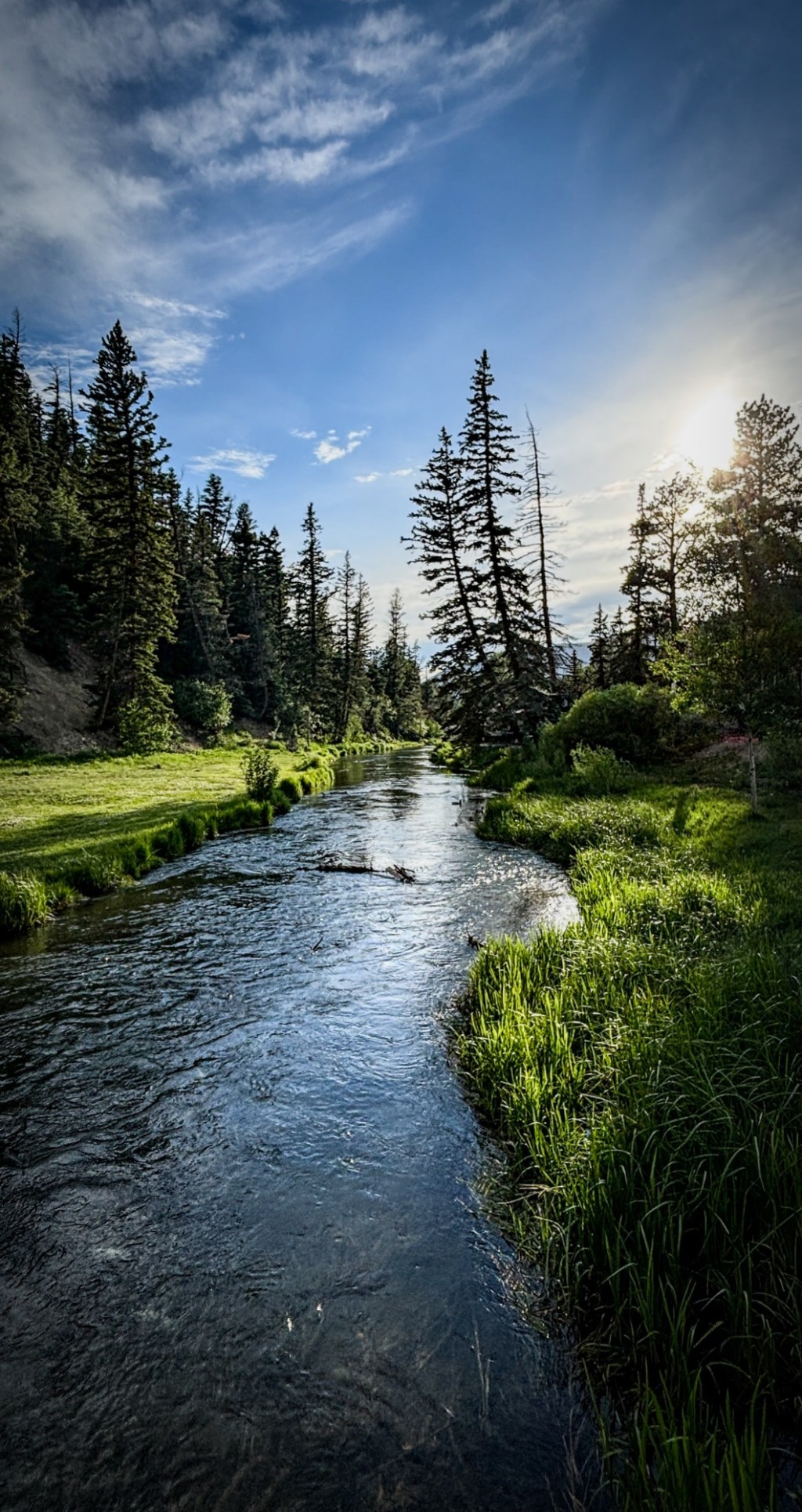
Photography is more than just capturing an image—it’s about telling a story, finding the perfect composition, and adjusting to ever-changing outdoor conditions. Whether I’m fishing in Texas, hiking through the mountains, or capturing the night sky, my approach to photography combines technical knowledge with an artistic eye.
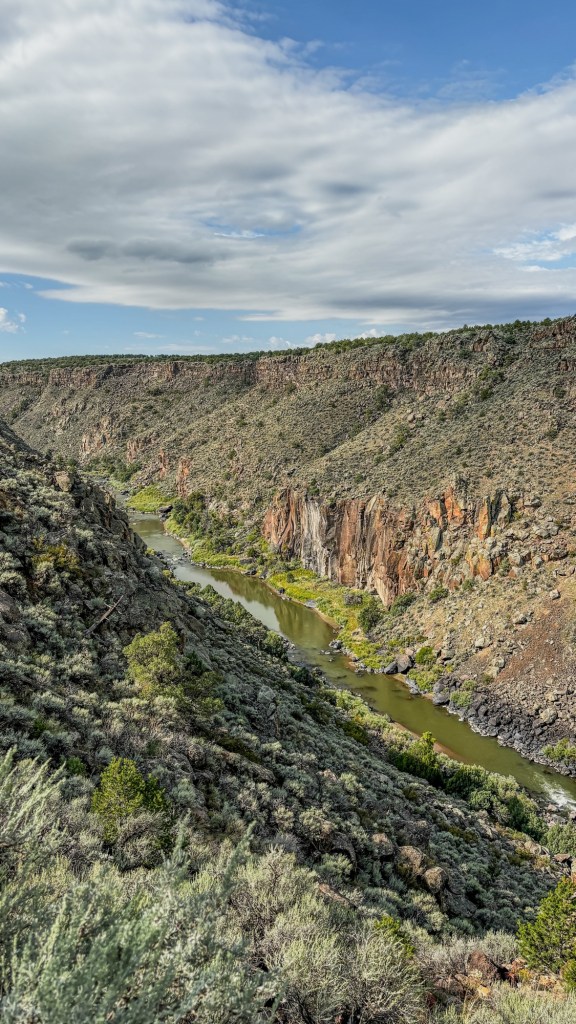
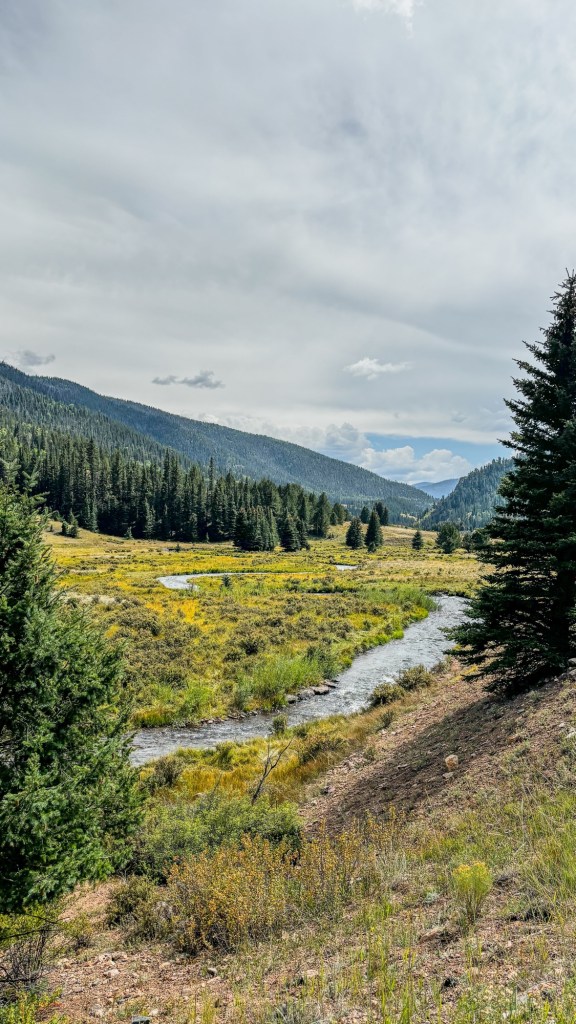
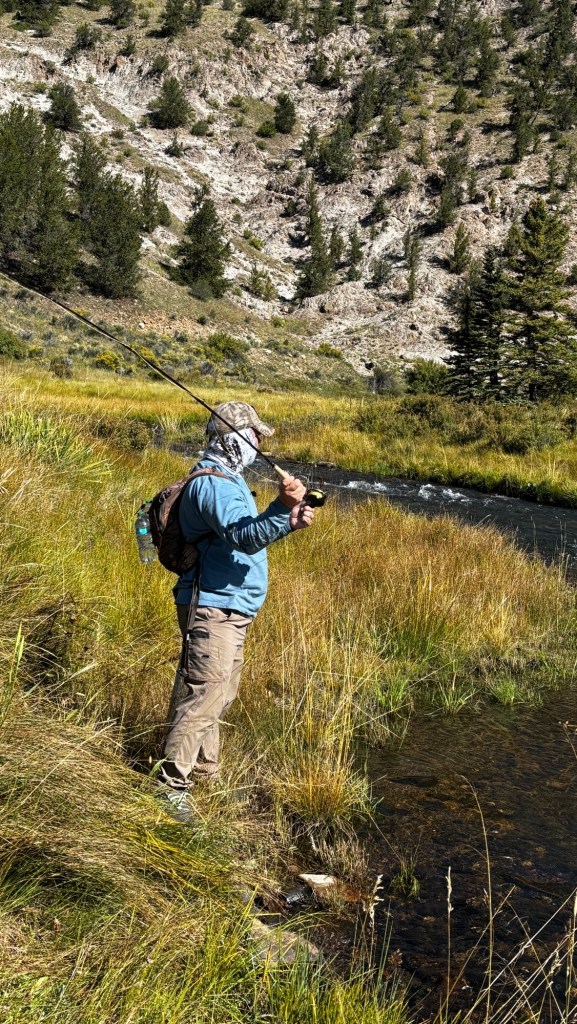
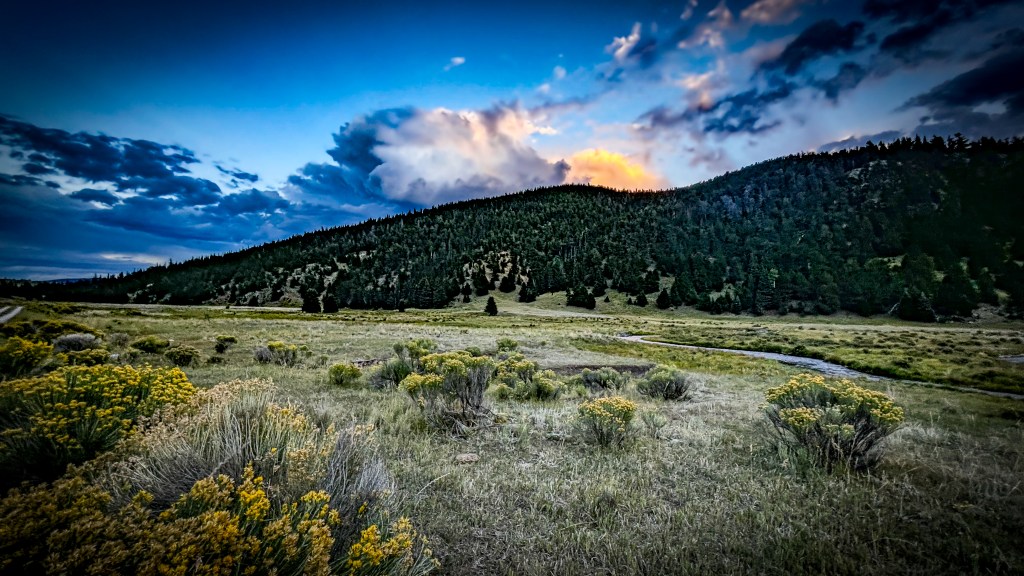
On my recent trip to New Mexico, as I pursued the Trout Grand Slam, I found myself surrounded by some of the most breathtaking landscapes I’ve ever photographed. The Rio Grande Gorge, Red River, and Rio Costilla offered not only incredible fishing but also endless opportunities for photography.
My Gear Setup
Camera and Lenses
I shoot with the Canon R5, a powerhouse mirrorless camera with outstanding image quality and dynamic range. To adapt to different shooting conditions, I rely on a mix of Sigma series lenses and Canon L series lenses, which offer sharp optics and great performance in low light.
For landscapes, my go-to is a wide-angle lens, such as the Canon RF 15-35mm f/2.8L, which allows me to capture vast mountain vistas and sweeping coastal scenes. When shooting astrophotography, I use fast prime lenses, like the Sigma 14mm f/1.8 ART, which excels at gathering light for crisp, detailed shots of the night sky.
Accessories for Outdoor Photography
• K&F Concept Backpack – A durable and spacious pack that safely holds my camera gear, extra batteries, and filters.
• K&F Concept Tripod – A sturdy, lightweight tripod is essential for long exposures, low-light photography, and astrophotography.
• ND and Polarizing Filters – Useful for managing reflections, enhancing colors, and allowing for longer exposures in daylight.
Mastering Exposure: ISO, Shutter Speed, and Aperture
One of the keys to great photography is understanding the exposure triangle: ISO, shutter speed, and aperture. Since conditions can change rapidly outdoors, I keep a cheat sheet handy for quick reference:
• ISO – Keep it low (100-400) for bright conditions to avoid noise. Increase it in low light but balance it with shutter speed.
• Shutter Speed – Fast (1/1000s or higher) for action shots, slower (1/10s to several seconds) for landscapes, and long (15s+ for astrophotography).
• Aperture (f-stop) – Wide (f/1.8–f/2.8) for night shots, mid-range (f/8–f/11) for landscapes, and narrow (f/16+) for deep depth of field.
Composition and the Art of Photography
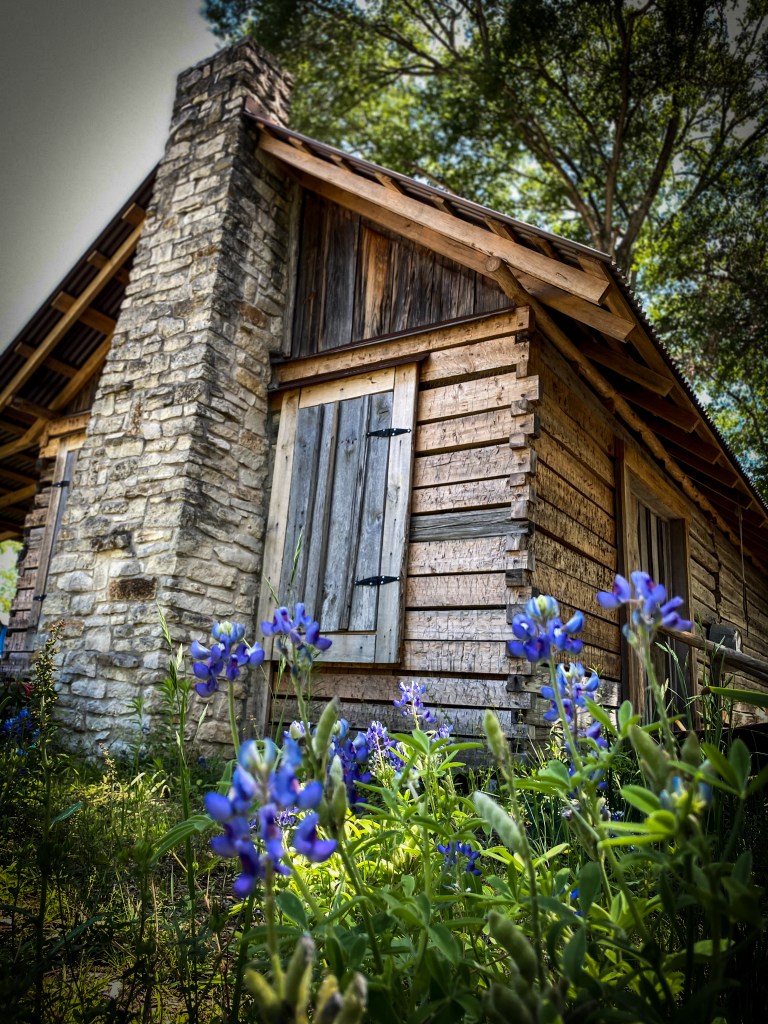
A great photo isn’t just about sharpness—it’s about composition and storytelling. I look for leading lines, balance, and unique angles to create compelling images. Shooting from different perspectives—such as low to the ground for foreground depth or high vantage points for expansive views—makes a huge difference.
Protecting Gear in Harsh Conditions
Since I shoot in rugged environments—mountains, rivers, and coastal areas—protecting my gear is crucial. I always bring:
• Weather-sealed camera covers to protect against rain and dust.
• Microfiber cloths for wiping lenses.
• Silica gel packs in my bag to prevent moisture buildup.
• Lens hoods to reduce glare and shield against elements.
Editing on the Go: Lightroom & iPad Pro
Once I’ve captured my shots, I refine them in Adobe Lightroom, often using my iPad Pro for quick field edits. This allows me to adjust exposure, contrast, and color balance on-site without waiting to get back to my desktop.
Key Lightroom Techniques:
• Photo Stacking – Merging multiple shots for sharper images.
• Graduated Filters – Enhancing skies and landscapes selectively.
• Noise Reduction – Crucial for high-ISO astrophotography.


Astrophotography: Lenses & Techniques
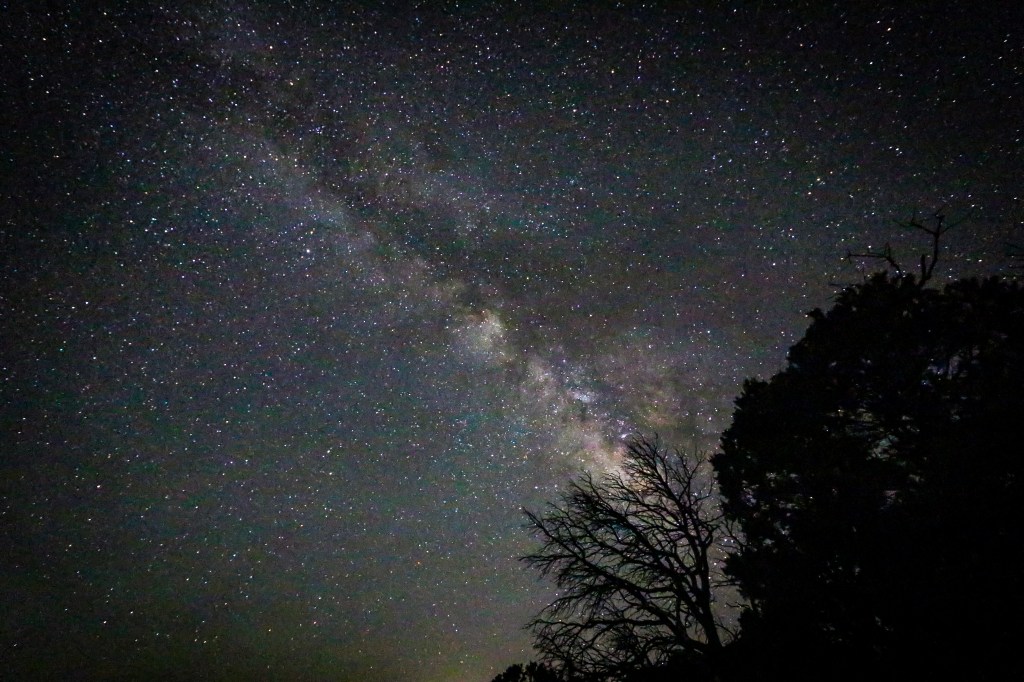
Astrophotography is one of my favorite challenges. Fast prime lenses like the Sigma 14mm f/1.8 ARTor the Canon RF 24mm f/1.4L allow for more light intake, creating sharp, vibrant night sky images. Using a tripod and remote shutter release, I capture long exposures (15-30 seconds) at a high ISO (3200-6400).
Astrophotography in the Mountains
There’s nothing like seeing the Milky Way stretch over a remote mountain range. Shooting astrophotography at high altitudes reduces light pollution and enhances clarity.

Final Thoughts
Photography is an art that blends technical skills with creativity. Whether I’m shooting sunrises on the coast, rugged mountain landscapes, or the Milky Way, every photo tells a story. With the right gear, knowledge, and post-processing techniques, I can capture the world the way I see it—one shot at a time.
Stay Connected with Beyond the Cast
Thanks for reading! If you enjoyed this post and want more fishing tips, photography tips, trip reports, and on-the-water action, be sure to follow along.
Subscribe to our YouTube channel for in-depth videos, gear breakdowns, and on-the-water adventures. Stay up to date by following us on Facebook, where we share fishing reports, trip updates, and connect with fellow anglers.
Join the conversation, share your catches, tips, photos and let’s keep exploring the water and outdoors together.
Tight lines, and see you Beyond the Cast!
 Beyond the Cast
Let me know your thoughts in the comments below!