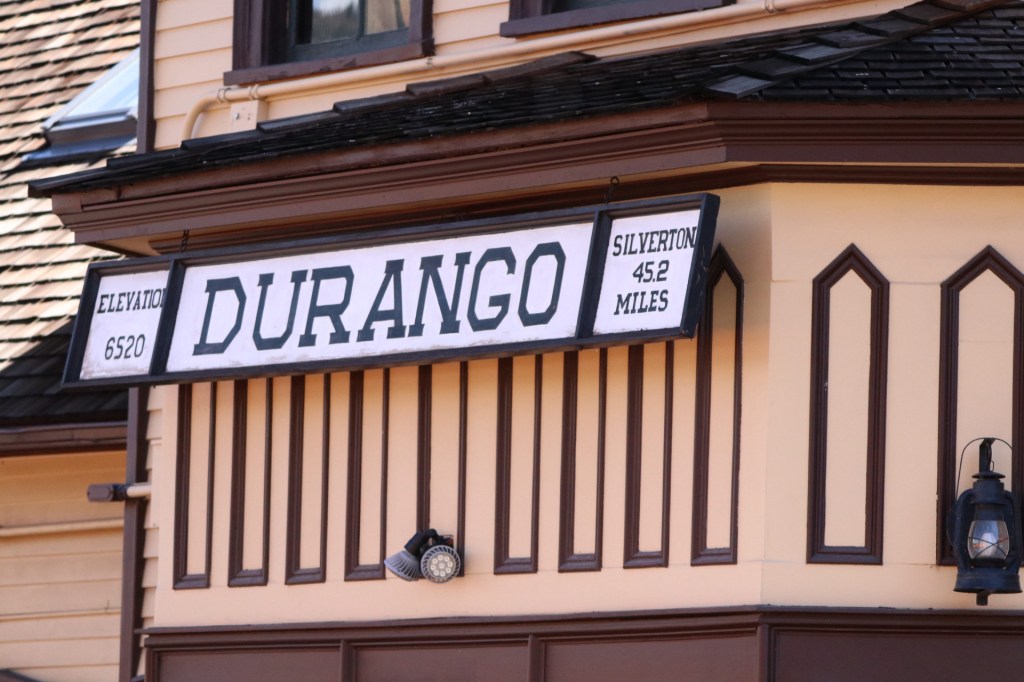
Planning a backcountry fly fishing and photography trip is a lot like tying the perfect fly—you’ve got to think ahead, match conditions, and be ready to adapt. In this first part of my Colorado series, I want to share how I planned my multi-river adventure into the high country, blending two of my favorite things: fly fishing for wild trout and capturing the wild beauty of the mountains through a camera lens.

This trip took me deep into Southwest Colorado, targeting remote stretches of the La Plata River, Pine River, Dolores, Animas, and Florida River. Each river offered its own challenges, scenic backdrops, and trout behaviors—making the planning stage even more important.
Mapping the Adventure
I started with tools like Google Earth, Gaia GPS, and the TroutRoutes app to scout access points, trailheads, and water that looked fishy from above. Topo maps helped me estimate mileage and elevation gain for hikes, and I cross-checked each section with known public lands or wilderness boundaries.
The Pine River Trail and the La Plata River hikes stood out for their mix of beauty, remoteness, and good trout habitat. I marked down potential campsites along the trail and noted river crossings or sections that might become hazardous with runoff.
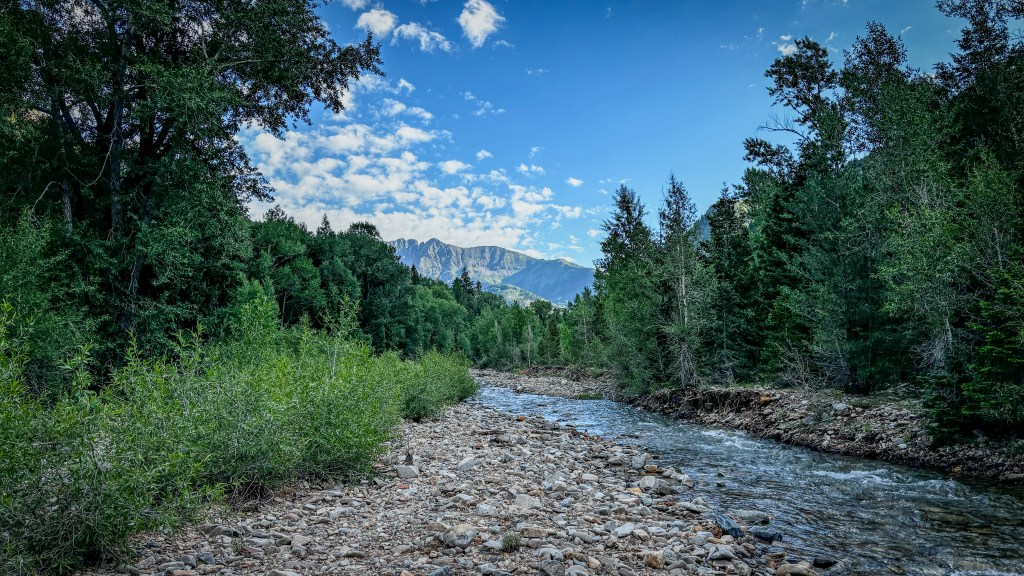
Timing the Trip
Late summer (late July through early September) is prime time for Colorado backcountry fly fishing. Snowmelt has usually slowed, making rivers more accessible, while hatches are still consistent. Wildflowers peak during this window, and the weather (though unpredictable) is often stable enough for longer treks.
I kept a close eye on weather reports, snowpack data, and monsoon activity, especially since lightning and flash floods are real dangers in the high country. I packed accordingly—with quick-dry layers, a solid rain jacket, and a waterproof K&F Concept camera backpack to keep my gear safe.
Fly Fishing Gear Considerations

I packed a 9’ 5wt rod for open water and a 7.5’ 4wt for tighter streams. I went with my trusty Sage Spectrum C reel and a variety of floating lines, knowing I’d fish mostly dries and light droppers. My fly box included a carefully curated selection:
• Parachute Adams (#14–18)
• Elk Hair Caddis (#14)
• Yellow Stimulators (#12–14)
• Beadhead Pheasant Tails (#16)
• CDC Midges (#20)
• Black Woolly Buggers (#8)
• Hoppers and flying ants (for summer action)
This wasn’t just a fishing trip—I had to think like a backpacker and a photographer, which made my packing even more dialed in.
Photography Planning
When it comes to fly fishing photography, weight and protection are huge. I brought my Canon R5, a 24–70mm f/2.8 lens for landscapes and action, and a 70–200mm f/2.8 for compression shots and wildlife. My K&F Concept carbon tripod gave me a lightweight but stable base for long exposures and evening light.
I also packed:
• Circular polarizer to reduce water glare
• ND filter for waterfalls and river movement
• Lens cloths, extra batteries, and SD cards
• Lightroom Mobile on my iPad Pro for quick edits in camp
When planning photography in the backcountry, it helps to scout shot locations beforehand using satellite images or even previous trip photos. I created a loose shot list: mist rising over pools, trout in hand with glowing light, macro shots of wildflowers, and long exposures of rivers at sunset.
Safety & Self-Sufficiency
One of the most critical parts of a backcountry fishing trip is safety. I carried a Garmin inReach Mini for emergencies and communication, plus a first-aid kit, headlamp, multitool, and bear spray (just in case). I let family know my plan, printed a trail map, and downloaded offline GPS maps.
Keeping camera gear dry was also a safety issue—because nothing ruins a trip faster than soaking your camera in a surprise storm or river dunk. The K&F camera backpack’s waterproof bottom and removable insert gave me peace of mind, even while wading or crossing creeks.
Building Flexibility Into the Plan
No matter how dialed in your route is, backcountry travel in Colorado demands flexibility. Storms can shut down trails. Rivers can blow out overnight. You can get to a perfect pool and find it unfishable due to runoff or debris.
So I planned several alternate camps and marked backup spots with easier access. I also packed extra food in case a day ran long, and my fly box had both attractors and match-the-hatch options.
Final Thoughts Before Hitting the Trail
Planning is half the fun of a trip like this—imagining where the fish might be, where the light will hit the canyon walls, and how to tell the story when it’s all over. I hope this series helps inspire your own adventures, and if you’re dreaming about chasing wild trout in wild places, stay tuned. Part 2 takes us into the forest along the La Plata River, where the trail narrows, the river gets clear, and every cast counts.
Up Next: Part 2 – Into the Pines: Hiking to the La Plata River with a Fly Rod and a Camera
 Beyond the Cast
Let me know your thoughts in the comments below!