There’s a moment that stands out to me clearly—and it’s one I think most anglers can relate to.
I was standing mid-river, watching trout rise steadily in the same seam I had already cast into several times without a single eat. The rises were consistent, deliberate, and confident. The fish were there. The fly was drifting through the zone. Yet nothing happened.
That’s when I stepped back—not physically, but mentally—and asked myself the question we should all ask more often:
Are they not eating my fly… or am I not presenting it correctly?
Instead of immediately tying on something different, I slowed down and started observing.
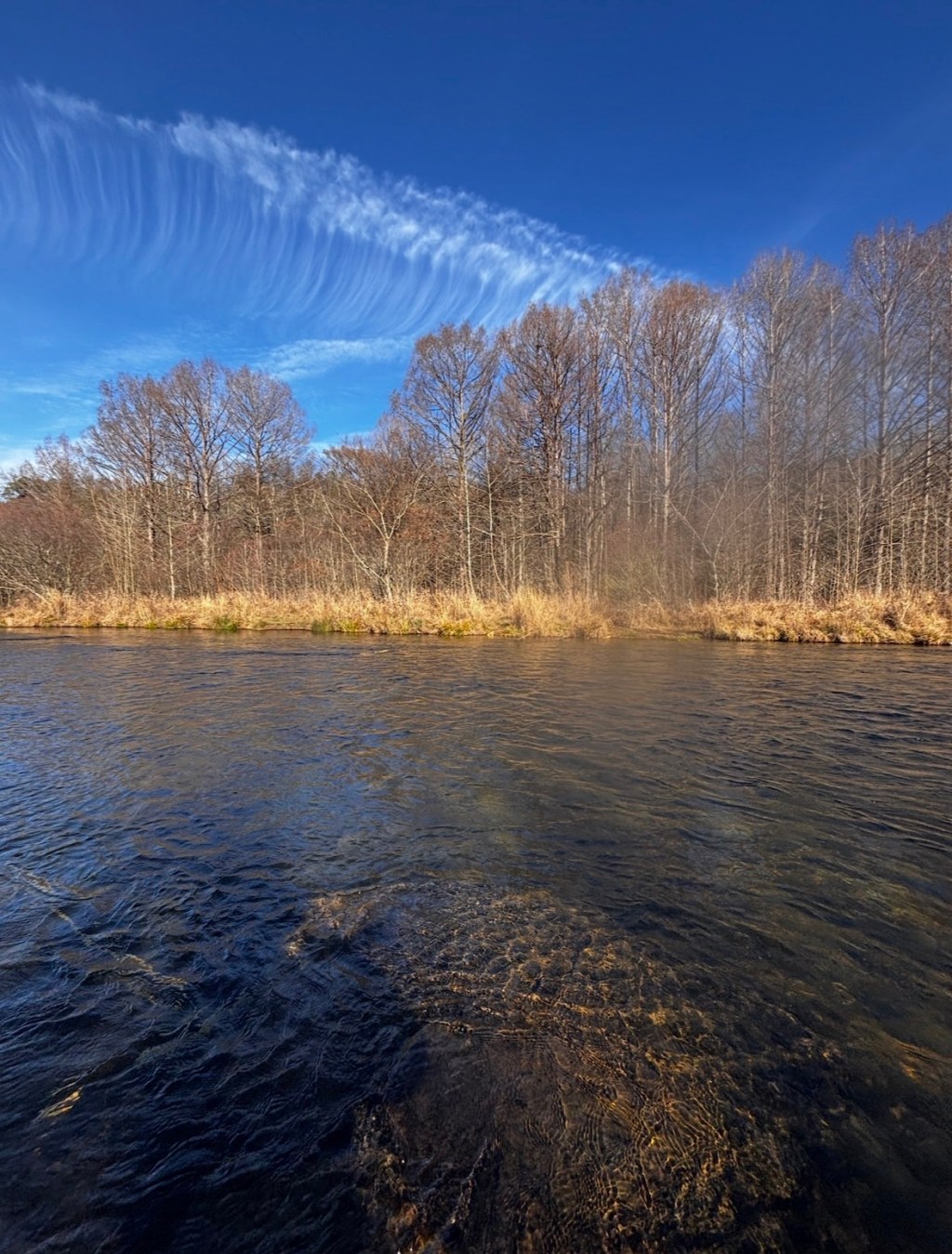
As I looked closer, I noticed small mayflies beginning to fly around me. They were subtle, light-bodied, and noticeably smaller than the size 14 mayfly I had tied on. At the same time, it became obvious just how clear the water was. The conditions were demanding precision—not just in fly choice, but in everything attached to it.
That realization led to two changes:
• I dropped down to a smaller fly that better matched the insects I was seeing
• I downsized my tippet to reduce visibility and improve drift
Nothing else changed. Same seam. Same casting angle. Same water.
The difference was immediate.
Once the fly matched the size of the insects drifting naturally—and the lighter tippet allowed it to move freely—the trout began to eat. One after another, fish that had ignored my fly minutes earlier suddenly committed.
That moment reinforced a lesson I come back to often:
It’s rarely one single thing—it’s the combination of observation, presentation, and restraint.
Understanding Why That Adjustment Worked
That experience highlights why dry fly fishing demands attention to detail.
In clear water, trout have more time to inspect a fly. A slightly oversized pattern or a heavier tippet can be enough to trigger refusal—even when everything else seems right. The fish weren’t being selective out of stubbornness; they were simply reacting to what didn’t quite fit the natural drift they were keyed in on.
Once the fly looked right and moved right, the puzzle solved itself.
The Bigger Lesson: Slow Down Before You Switch Flies
Moments like this are why I try to limit unnecessary fly changes. The answer often isn’t buried at the bottom of the fly box—it’s right in front of you if you’re willing to pause and observe.
Before cutting off a fly, ask:
• Does the size truly match what I’m seeing?
• Is my tippet appropriate for this clarity and flow?
• Is my fly drifting the same way the naturals are?
Those questions lead to more consistent success than chasing patterns ever will.
 Beyond the Cast
Let me know your thoughts in the comments below!