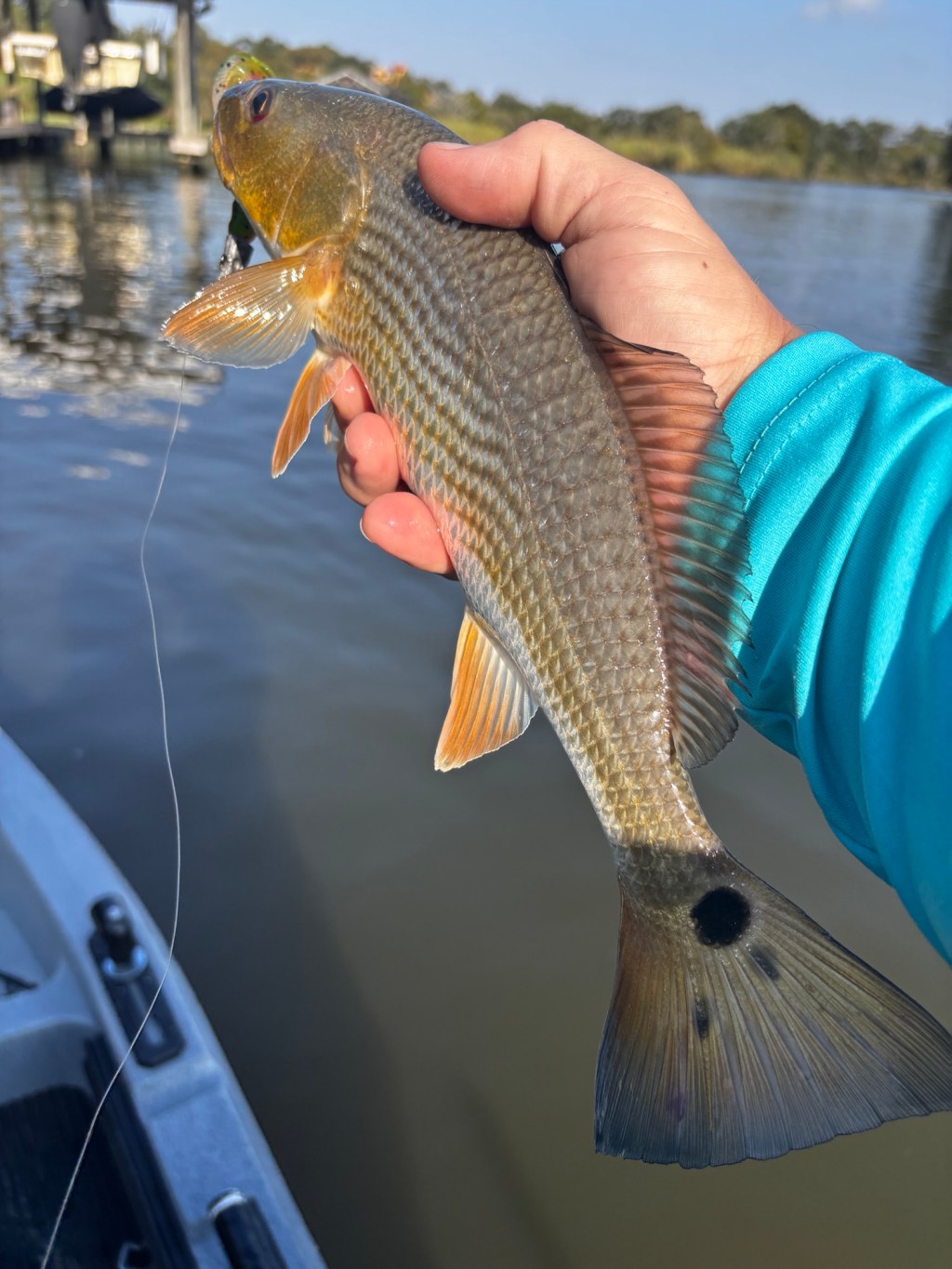
Why Current Matters More Than You Think
If there’s one factor that consistently separates slow days from unforgettable ones on the Texas coast, it’s current.
Current is what moves the entire food chain. It positions bait, creates ambush points, and ultimately determines where redfish and speckled trout are going to feed.
“When the water starts moving, everything comes alive—bait, birds, and finally, the fish.”
Understanding how fish react to current isn’t just helpful—it’s essential.
The most consistent pattern I’ve found:
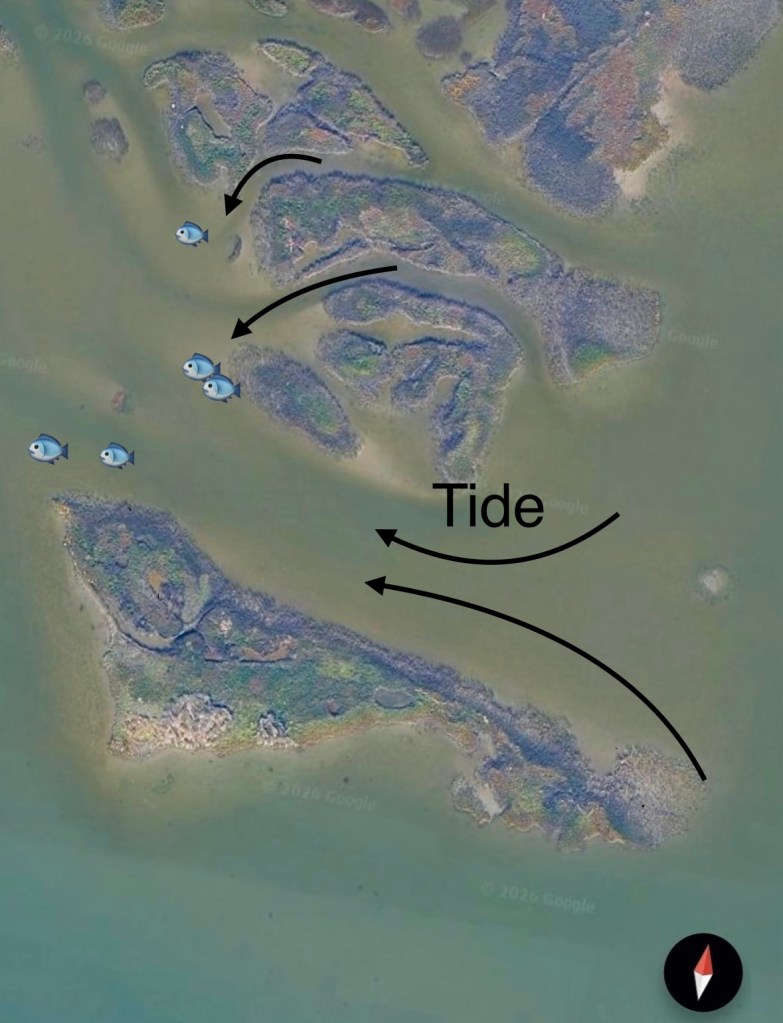
• Multiple small drains feeding into a larger cut
• Fishing the point where water converges
• Casting across current and letting bait drift naturally
Fish position:
• Down-current side
• Behind structure
• Right where current slows slightly
This creates a perfect ambush lane.
Structure + Current = Feeding Zones
Fish rarely sit in open current—they use structure.
Look for:
• Oyster beds
• Grass edges
• Points
• Shoreline irregularities
Positioning:
• Fish hold behind structure
• They let current bring food to them
• They move shallow when water floods
What Happens When Current Gets Too Strong?
There’s a sweet spot: light to moderate current.
When current gets too strong:
• Fish push into grass lines
• Move further into canals
• Or stack tight behind structure to conserve energy
I’ve also seen them:
• Sit protected early
• Then push inland as conditions change
Flood Tide Behavior (Grass Flats Pattern)
Beginner Breakdown: What Is “Current”?
Before diving deeper, let’s simplify it:
• Incoming tide (flood tide) → Water moves into the bay
• Outgoing tide (ebb tide) → Water drains out of the bay
• Slack tide → Little to no movement
Think of current like a conveyor belt:
• It carries bait (mullet, shrimp, crabs)
• It funnels food through tight areas
• Predator fish sit and wait for an easy meal
When Redfish Feed the Most
From my experience on the water, redfish consistently turn on during:
Early Incoming Tide
• Baitfish and crabs begin getting pushed in
• Water clarity improves (especially on cleaner Gulf pushes)
• Fish start cruising and setting up ambush points
You’ll often see:
• Mullet getting pushed
• Crabs drifting
• Birds beginning to work the area
Outgoing Tide (Most Consistent Bite)
This has been the most reliable pattern for me across bays and bayous.
• Water drains out of flats, marshes, and grass
• Bait gets funneled through cuts and drains
• Redfish stack up in predictable ambush zones
“Outgoing tide pulls everything off the flats—when that happens, redfish don’t have to hunt… they just wait.”
Where Fish Position in Current
This is where things really start to click.
Drains, Cuts, and Funnel Points
When water floods:
• Redfish push deep into grass
• Tail more frequently
• Feed on crabs and small bait
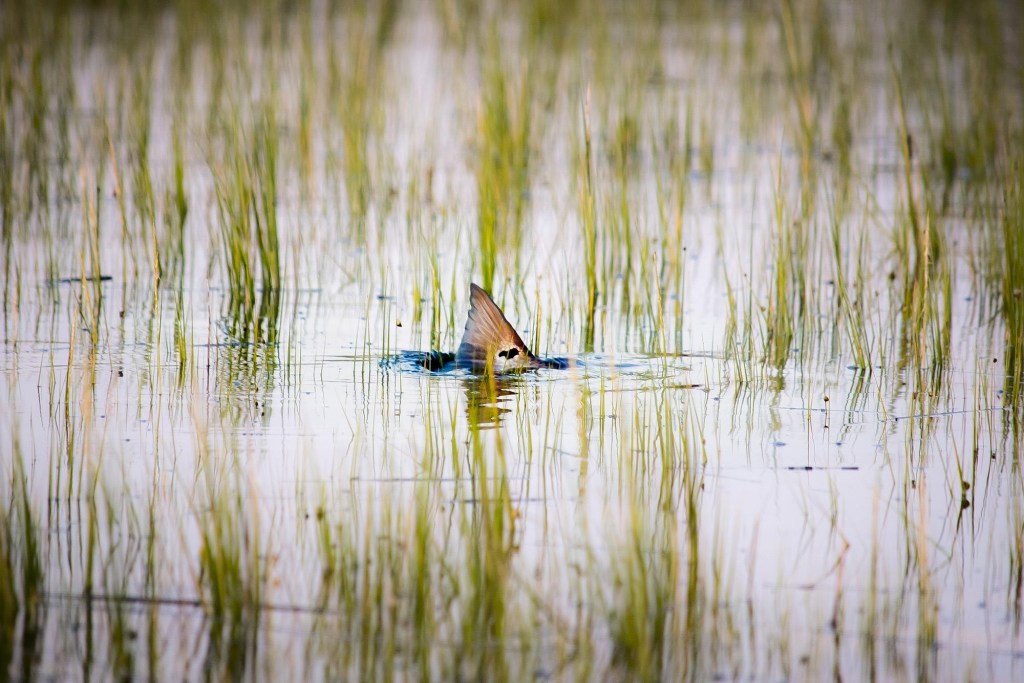
You’ll notice:
• More tailing activity
• Fish spread out (harder to target)
• Less predictable positioning
“Flood tide spreads fish out—but outgoing tide stacks them up.”
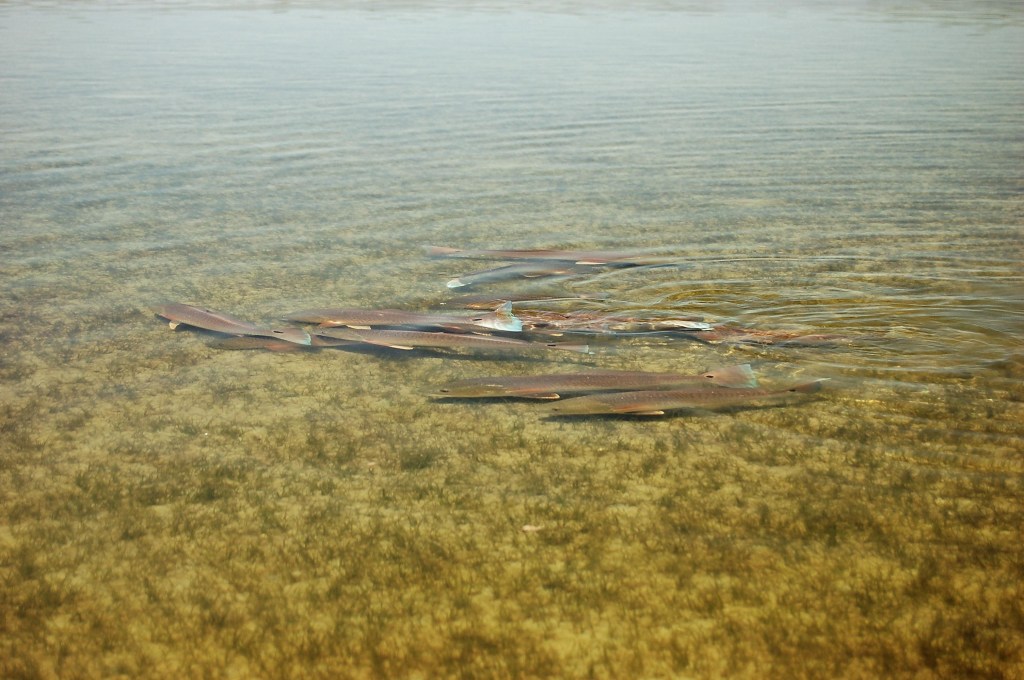
Speckled Trout & Current Differences
While redfish push shallow, trout behave differently.
Trout Patterns
• More active on incoming tides
• Often feed higher in the water column
• More surface activity during clean water pushes
They tend to:
• Sit near drop-offs and edges
• Use current seams instead of shallow grass
Water Clarity and Fly Selection
Your approach changes based on water clarity:
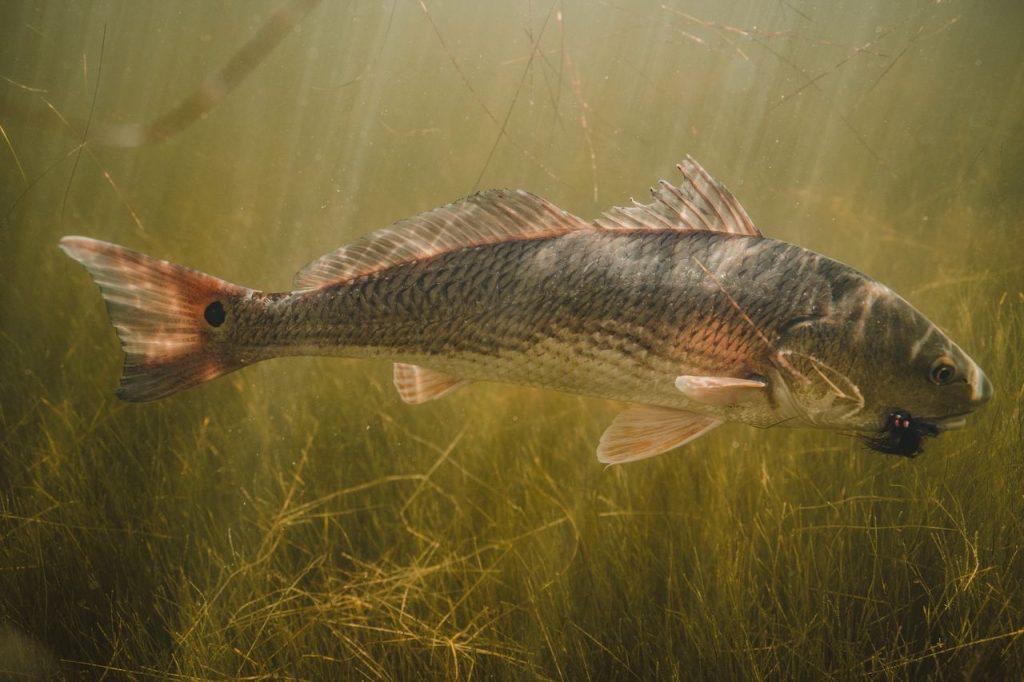
Clean Incoming Water
• Ideal for lightweight flies
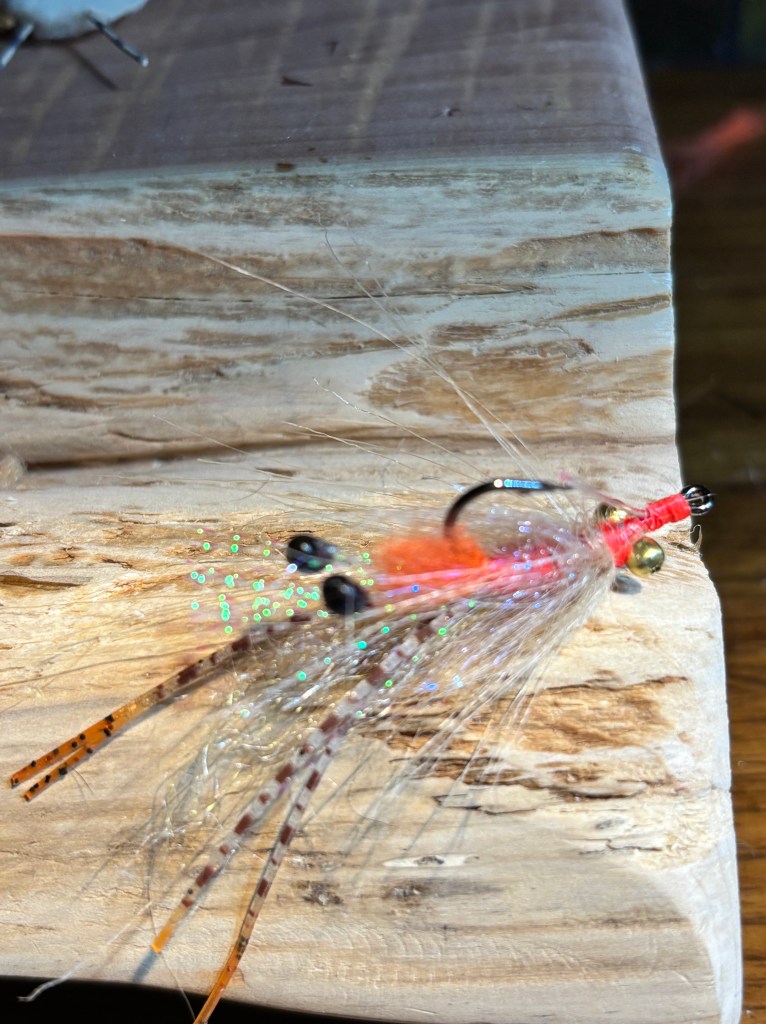
• Natural colors:
• Tan
• White
• Olive
Dirty Water
• Visibility drops
• Switch to:
• Darker flies
• Stronger silhouettes
Reading the Signs: Bait & Birds
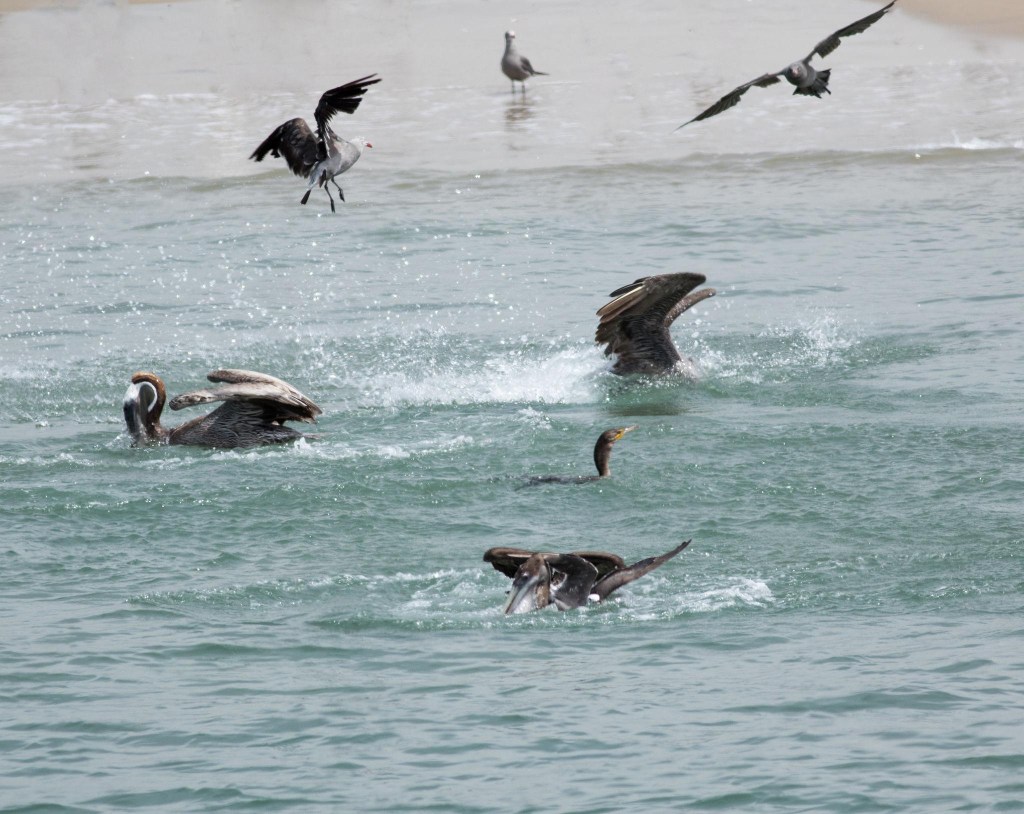
The first sign I look for isn’t fish—it’s birds.
• Birds diving = bait being pushed
• Mullet moving = active current
• Shrimp popping = predator pressure
Once I see that:
• I look for nearby funnels and drains
• That’s where fish will be set up
Fly Selection & Presentation
My go-to approach:
Patterns
• Shrimp flies (tan, white, olive)
• Crab patterns when needed
Presentation
• Cast up-current
• Let fly drift naturally
• Add subtle strips
Key moment:
• Most strikes happen when the fly drifts naturally past structure
Case Study #1 – West Bay Drainage Bite
• Location: West Bay
• Conditions: 5–10 kt wind, clear water
• Tide: Outgoing
Set up on a drainage point where two smaller drains fed into a larger cut.
• Cast across current
• Let fly drift past the point
• Stripped lightly
Result:
• Redfish consistently hit as the fly drifted naturally through the ambush zone
Case Study #2 – Tough Day Turned Around by Current
Cold, sunny, and very windy morning—slow bite early.
I knew the tide would start ebbing, so I moved into a flat with multiple deep cuts.
• Anchored kayak
• Switched to a weighted olive shrimp fly
• Began targeting drains
At first:
• Missed a few strikes
• Minimal activity
Then everything changed:
• Small baitfish (1–2”) appeared
• Shrimp started moving
• Current picked up
That’s when the bite turned on.
“The moment the water started moving, the entire system came alive.”
• Multiple hookups
• Consistent action during moving water
• Bite died as soon as current slowed
Final Takeaways
• Current = Feeding Trigger
• Outgoing tide = Most consistent bite
• Incoming tide = Cleaner water + trout activity
• Structure + current = ambush zones
• Too much current pushes fish into protection
• Slack tide = slower, less predictable bite
“Find moving water, find the bait—find the fish.”
Bringing It All Together
This is more than just theory—it’s something you start to feel the more time you spend on the water.
Once you learn to:
• Read current
• Identify funnel points
• Watch bait and birds
You stop guessing—and start predicting.
And that’s when everything changes.
 Beyond the Cast
Let me know your thoughts in the comments below!